

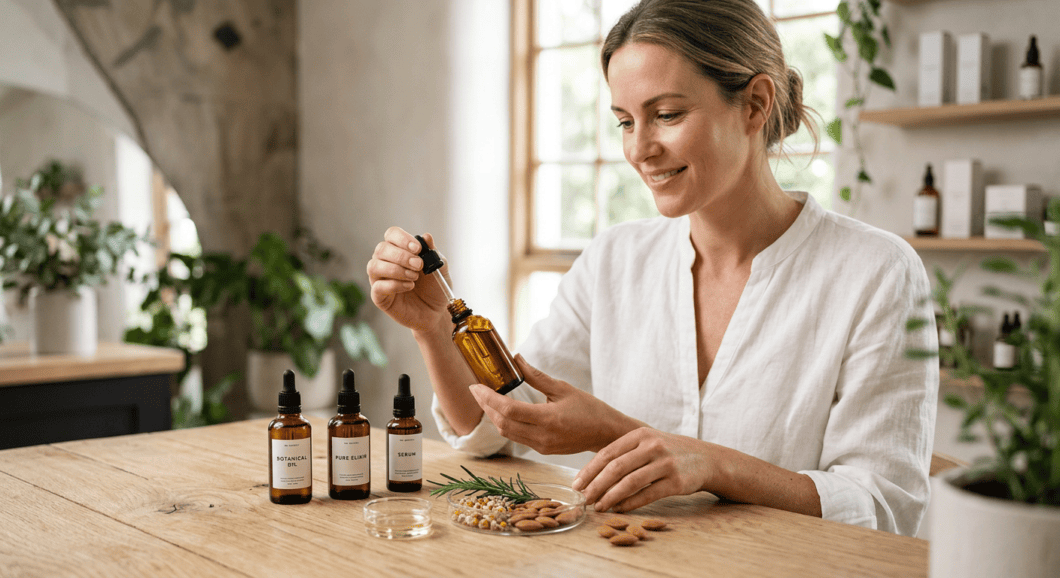
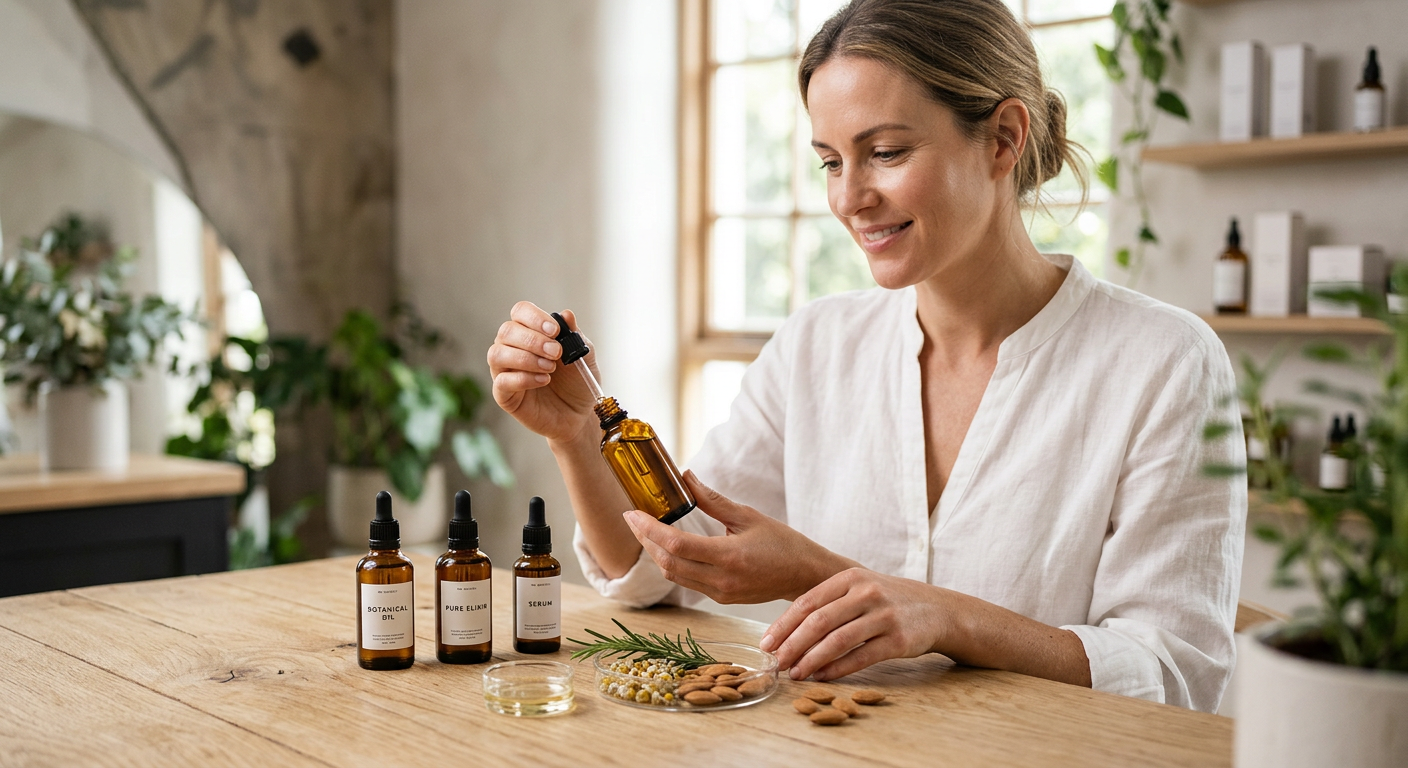
A decade ago, a 12-step skincare routine signaled dedication. Now it mostly signals overkill. Beauty brands are cutting formulas down to a handful of proven actives and dropping the filler that padded ingredient lists for years. This move toward minimalist, high-efficacy formulations isn’t a passing fad. It answers a new generation of shoppers who want transparency, function, and results instead of marketing noise. If your bathroom shelf is buckling under half-used serums, keep reading.
The Rise of Skinimalism
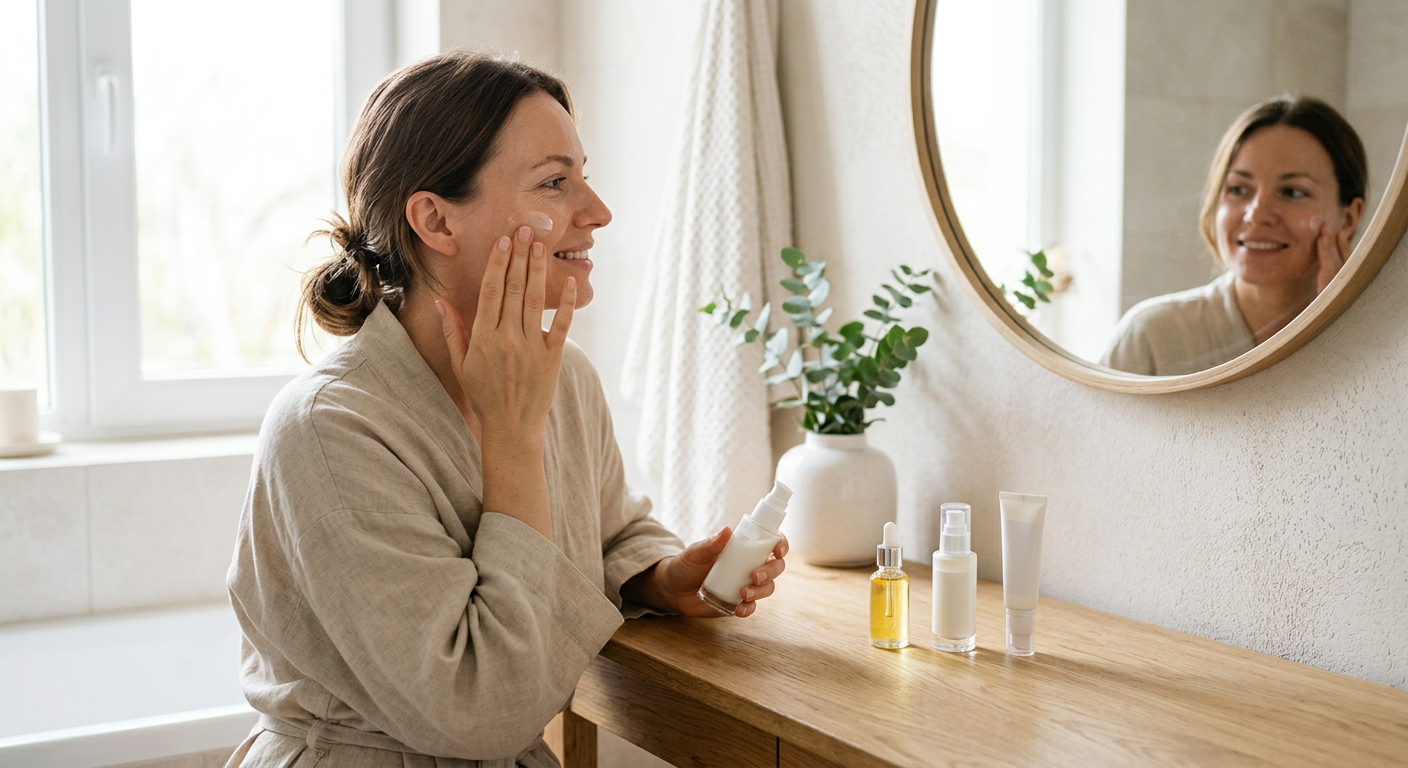
“Skinimalism”—paring your routine back to a few multitasking products—has become the defining skincare philosophy of the 2020s. The premise is straightforward: a few products chosen with intention often outperform a crowded cabinet of overlapping treatments.
This isn’t laziness dressed up as strategy. As Kaffe Bueno notes, the approach depends on “well-formulated products with hero ingredients in the right concentrations.” One multitasking serum with a few researched ingredients can replace three or four single-use products.
Piling on competing actives can also backfire. Stack too many acids, retinoids, and exfoliants and you often compromise the skin barrier, which shows up as irritation, redness, and sensitivity. A shorter list lowers that risk while still delivering measurable results.
What Gen Z Actually Wants From Beauty

Gen Z is driving this transformation, and they aren’t quiet about it. According to Salmalita Cosmetics, this generation “isn’t interested in 12-step routines or buzzy ingredient jargon.” They want fewer products that do more, and a lot less fluff.
They also refuse to take claims at face value. Gen Z shoppers want to know what’s in a product and why each ingredient is there. Brands that can’t justify their formulas get called out publicly, on platforms with millions of views.
Values Beyond the Bottle
For younger consumers, ingredients are only part of the story. They expect brands to reflect their values in company culture, sourcing, and sustainability rather than in marketing copy alone. A short, transparent ingredient list is easier to scrutinize, and easier to trust.
That scrutiny rewards honesty. Brands with pared-down formulas can explain every component, which builds a loyalty that flashy packaging never earns.
The Science: Why Fewer Ingredients Often Work Better
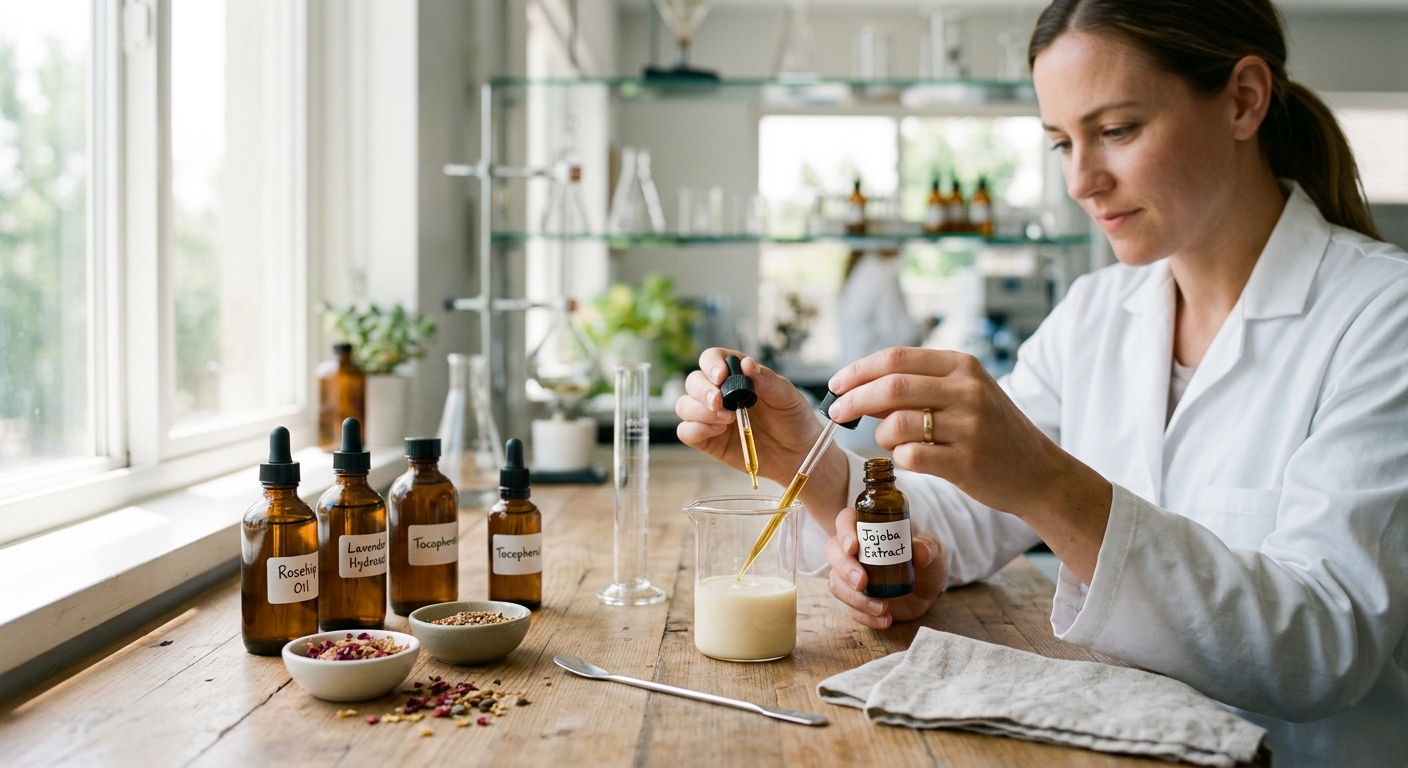
The industry is shifting away from symptom-focused, fragmented products toward what Beauty Independent calls “integrative, mechanism-driven formulations that optimize how skin functions.” Put plainly: brands want ingredients that support the skin’s long-term health rather than masking one problem at a time.
Concentration matters more than quantity. A serum with one active at a clinically effective dose beats a product cramming ten trendy ingredients in at trace amounts too low to do anything. “Fairy dusting”—adding a splash of a buzzy ingredient just to name-drop it on the label—is exactly what informed shoppers now reject.
Barrier health, resilience, and slowing the signs of aging at the source have become the priorities. Simpler formulas make those goals easier to reach because they cut the chance of ingredient conflicts and irritation.
Multitasking Hero Ingredients
A few well-chosen actives can cover most skincare needs. This is how simplified routines consolidate function:
| Hero Ingredient | Primary Function | Replaces |
|---|---|---|
| Niacinamide | Barrier support, oil control, brightening | Separate brightening and pore products |
| Hyaluronic acid | Deep hydration | Multiple moisturizing layers |
| Retinoids | Anti-aging, texture, acne | Separate wrinkle and blemish treatments |
| Vitamin C | Antioxidant, brightening | Standalone brightening serums |
| Broad-spectrum SPF | Sun protection, aging prevention | Separate day cream and sunscreen |
Sustainability Is Fueling the Shift

Fewer ingredients mean fewer resources, less packaging, and a smaller environmental footprint. Sustainability now sits near the top of shopper priorities, especially for products that go directly on the skin.
Research from Explorer Research found that sustainability weighs heavily in skincare purchases (31% of shoppers), hair care (30%), and beauty products (25%). The same study reports that 52% of consumers are concerned about water pollution and 42% about water conservation.
Brands are responding by reformulating liquids into concentrated bars and waterless products, which trims both ingredient count and shipping weight. A streamlined formula tends to be a more sustainable one: less to source, less to manufacture, less to ship.
Transparency Is No Longer Optional

The demand for clean, honest labeling is reshaping how brands communicate. As Attest reports, 2026 consumers “want clean ingredients, eco options, and authentic brands that reflect their values.” Short ingredient lists are transparent by nature—there’s nowhere to hide.
Transparency and skinimalism reinforce each other. When a product contains five or six ingredients, a brand can credibly explain each one, cite the research behind it, and disclose sourcing. That accountability is far harder with a 40-ingredient formula.
The Cost of Getting It Wrong
Overpromising is expensive. Younger consumers move on fast and share their disappointment widely. A formula that can’t back up its claims, or hides weak concentrations behind a long ingredient deck, risks a public reckoning rather than quiet returns.
What This Means for Your Routine
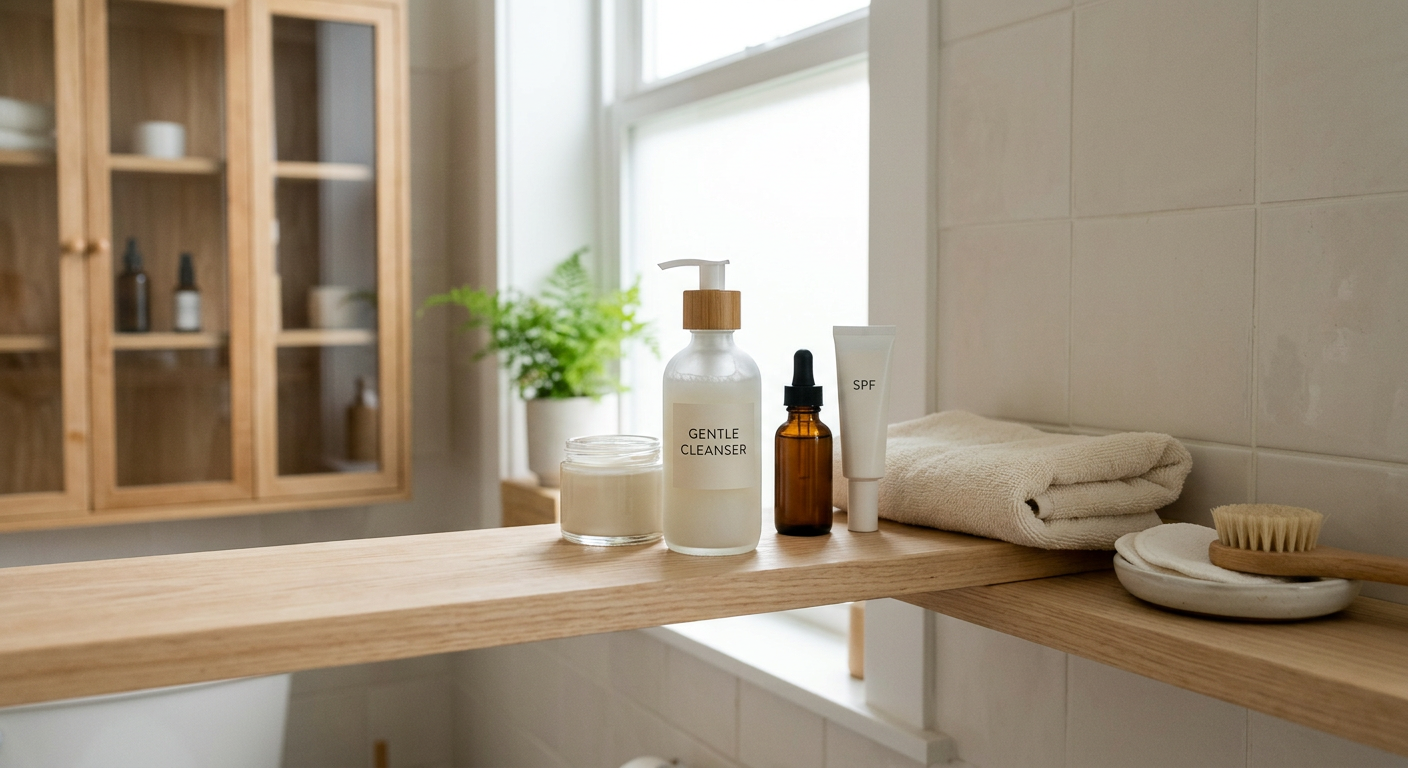
A cabinet full of products isn’t a prerequisite for results. Focus on a core lineup: a gentle cleanser, one or two targeted actives, a moisturizer, and daily SPF. Add treatments only when your skin has a specific, identified need.
A simple framework for building a “fewer, better” routine:
- Audit what you own. Identify overlapping products and duplicate actives.
- Choose multitaskers. Prioritize ingredients like niacinamide and hyaluronic acid that do several jobs.
- Check concentrations. Look for actives listed near the top, not buried at the bottom.
- Introduce slowly. Add one new active at a time to spot reactions.
- Prioritize the barrier. Hydration and protection matter more than an aggressive stack of exfoliants.
The point isn’t minimalism for its own sake. It’s intentionality, with every product earning its place.
Conclusion
Beauty brands are embracing fewer, better ingredients because their customers demand it. Gen Z’s insistence on transparency, the science favoring high-efficacy formulas over cluttered ones, and mounting sustainability pressures have converged into a durable shift. Simpler routines protect the skin barrier, reduce waste, and make brand claims easy to verify.
Quality and intention beat quantity. Audit your current routine, cut the redundancy, and put your money into a few well-formulated products that deliver on their promises.
Frequently Asked Questions
Q: What does “skinimalism” actually mean?
Skinimalism is a skincare philosophy that favors fewer, well-chosen products over long, multi-step routines. The goal is to use multitasking formulas with proven ingredients at effective concentrations rather than layering many overlapping products.
Q: Are fewer ingredients really better for your skin?
Often, yes. Simpler formulas reduce the risk of ingredient conflicts and barrier irritation, while concentrated hero ingredients frequently outperform products that dilute many trendy actives at ineffective levels.
Q: Why is Gen Z driving the minimalist beauty movement?
Gen Z prioritizes function, transparency, and values over marketing. They research ingredients, demand brands justify each component, and publicly call out products that fail to deliver on their claims.
Q: How does using fewer ingredients help sustainability?
Fewer ingredients typically mean less resource-intensive sourcing, reduced packaging, and lighter shipping. Many brands are also reformulating into waterless or concentrated products to conserve water and cut environmental impact.
Q: What is “fairy dusting” in cosmetics?
Fairy dusting is adding a trendy ingredient in trace amounts—too low to be effective—just so a brand can list it on the label. Informed consumers increasingly reject this practice in favor of clinically effective concentrations.
Q: How do I simplify my skincare routine without hurting my skin?
Start by auditing overlapping products, then build a core routine of a cleanser, one or two targeted actives, a moisturizer, and daily SPF. Introduce new actives one at a time to monitor how your skin responds.