

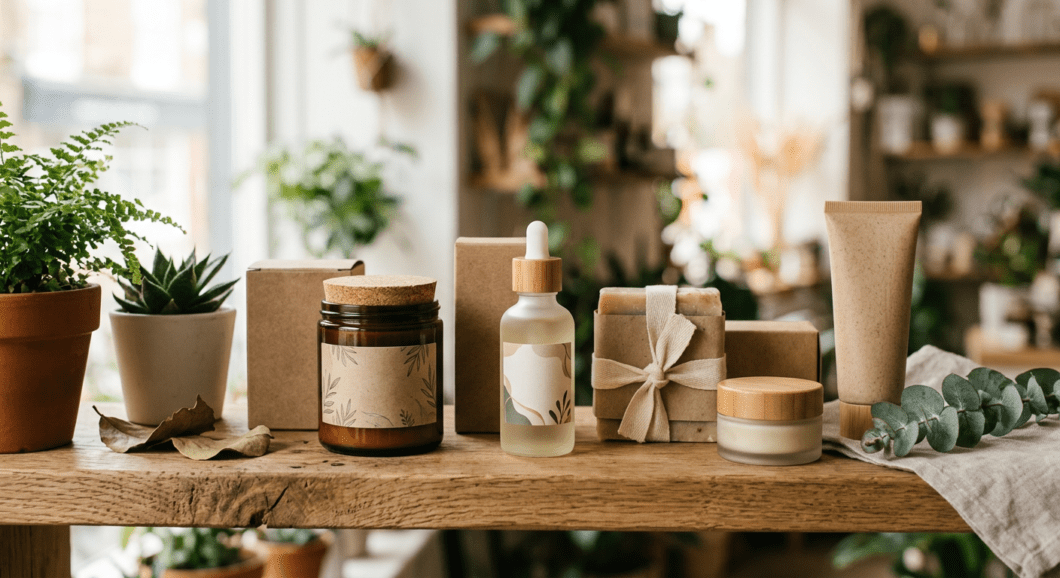
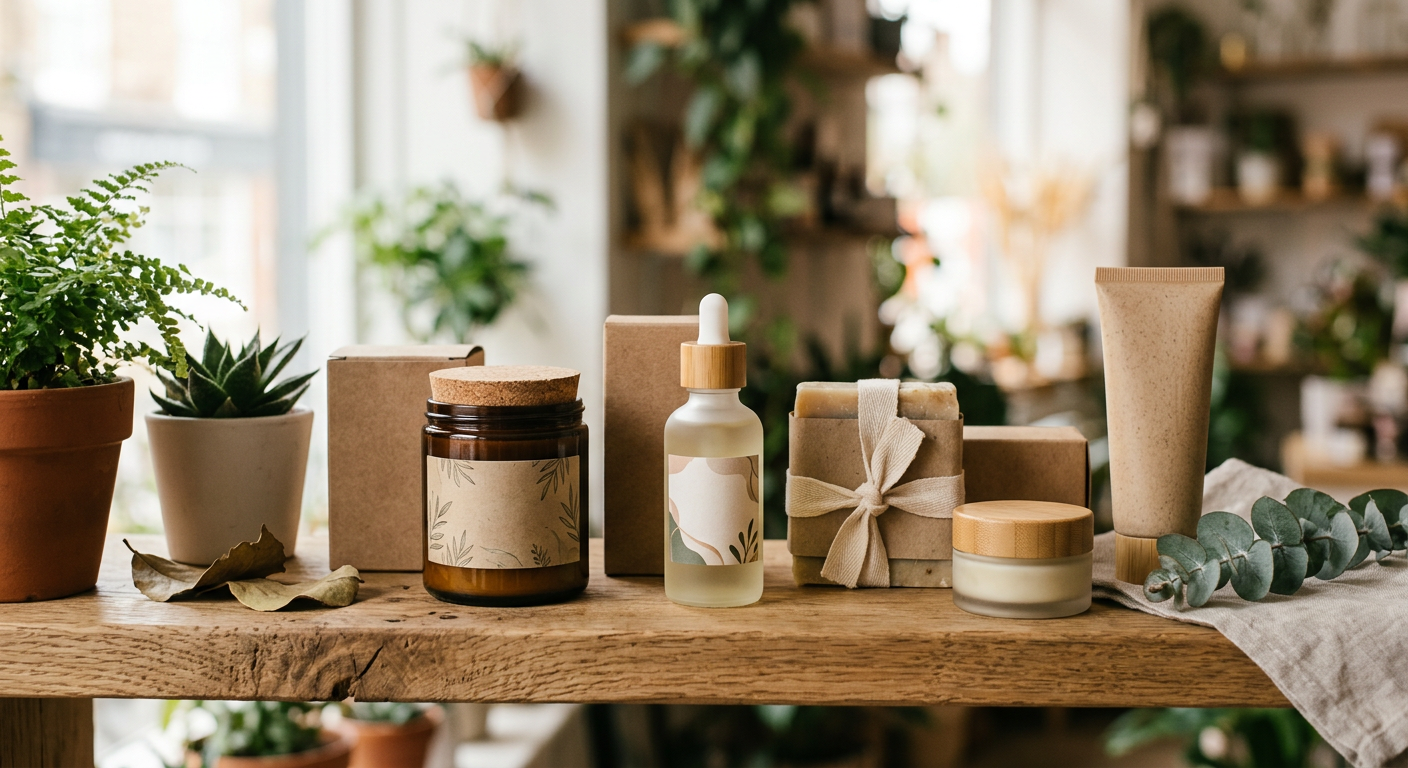
The beauty industry produces over 120 billion units of packaging every year — and the overwhelming majority ends up in landfills. That number is not a projection or a worst-case scenario; it’s the current reality, documented by BeautyMatter in its 2026 packaging trend analysis. What’s changing, rapidly and visibly, is how brands, regulators, and consumers are responding to it.
Eco-conscious beauty packaging has moved well past the “nice to have” stage. According to a CleanHub survey cited by SmartSolve, 81% of consumers believe the industry should reduce plastic packaging. A separate 2024 NielsenIQ survey found that 65% of global beauty consumers will pay a premium for sustainable packaging. The market has made its position clear. The question now is which packaging innovations are actually delivering on that demand — and which ones will start showing up on shelves and in subscription boxes very soon.
Why Eco-Conscious Packaging Has Become Non-Negotiable
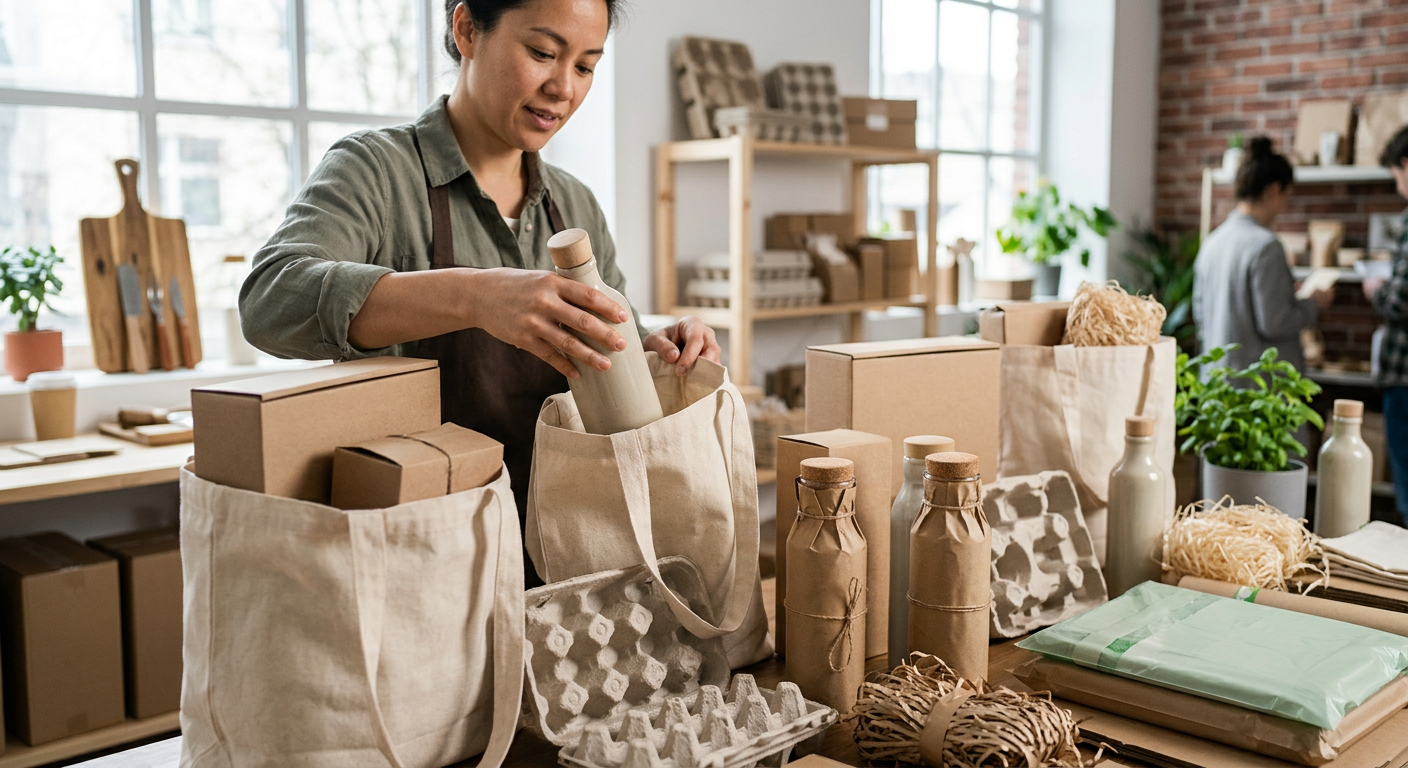
For most of the past decade, sustainable packaging was a differentiator — a way for indie brands to signal values. That dynamic has fundamentally shifted. Regulatory pressure, particularly from the European Union, now mandates that all packaging be designed for easy recycling and reuse, with measurable targets for recycled content and waste reduction. Brands selling in EU markets cannot treat sustainability as optional.
Consumer behavior has followed a similar trajectory. According to Mintel’s 2023 Sustainability Report, 47% of U.S. consumers actively prioritize environmentally friendly purchasing decisions, while 80% of U.S. consumers and 62% of UK consumers prefer products free of single-use plastics. Sustainable packaging now ranks third in beauty purchase decisions, behind only non-toxic formulations and cruelty-free status.
Retailers are reinforcing this shift at the point of sale. Ulta Beauty’s Conscious Beauty program requires that at least 50% of a brand’s total packaging by weight be recyclable, refillable, or made from recycled or bio-sourced materials before it can carry the Sustainable Packaging badge. That kind of retail gatekeeping moves industry adoption faster than consumer pressure alone.
The Materials Replacing Single-Use Plastic

Rigid plastic still dominates beauty packaging with a 40%+ market share, according to BeautyMatter. But the materials gaining ground tell a different story about where the industry is heading.
Biomaterials and Plant-Based Alternatives
Biomaterials — packaging derived from agricultural byproducts, algae, mycelium, or sugarcane — are moving from experimental to commercially viable. These materials are designed to biodegrade under the right conditions or be composted at end of life, addressing the core problem with traditional plastics: they persist in the environment indefinitely.
Brands using sugarcane-derived bioplastics can achieve packaging with a similar look and feel to conventional plastic while significantly reducing fossil fuel dependency. The trade-off is cost and scalability, both of which are improving as demand increases.
Recycled and Mono-Material Formats
Post-consumer recycled (PCR) content — plastic or glass that has already been used and reprocessed — is now a baseline expectation for many mid-to-premium beauty brands. Equally important is the shift toward mono-material packaging, which uses a single material type throughout so the entire unit can be recycled without disassembly.
Multi-material packaging (a plastic pump on a glass bottle with a metal collar, for example) creates recycling complexity that most municipal systems can’t handle. Mono-material design removes that barrier entirely.
Refillable Packaging: The Circular Model Gaining Real Traction
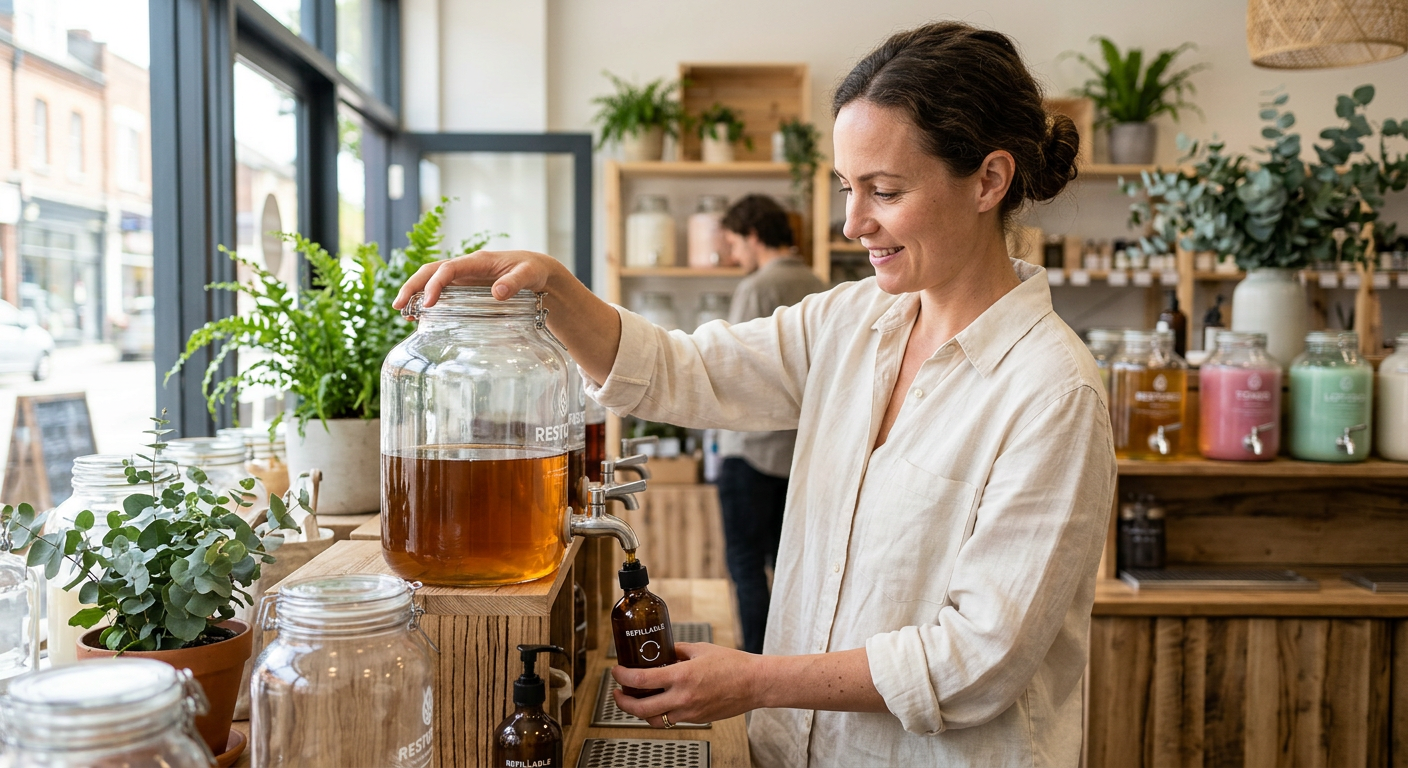
Refillable beauty packaging is not a new concept, but its adoption rate is accelerating in ways that suggest it has crossed from niche to mainstream. The model is straightforward: consumers purchase a durable outer container once, then buy lower-cost, lower-waste refill units going forward.
Consumer appetite for this is real. A 2024 Euromonitor study found that 60% of beauty consumers in emerging markets like Brazil and India prioritize sustainable packaging — a figure that challenges the assumption that refillable formats only resonate with Western, premium shoppers.
How Brands Are Structuring Refill Programs
| Refill Model | How It Works | Example Use Case |
|---|---|---|
| In-store refill stations | Consumers bring empty containers to retail locations for refilling | Fragrance, skincare serums |
| Mail-back programs | Empty units are returned by post for cleaning and reuse | Luxury cosmetics |
| Drop-in refill cartridges | A pre-filled cartridge snaps into a reusable outer case | Foundation, moisturizer |
| Concentrated refill tablets | A dissolvable tablet or pod is added to water in a reusable bottle | Shampoo, toner, cleanser |
Each model has different logistical requirements and consumer behavior implications. Concentrated refill formats are gaining particular traction because they reduce shipping weight and packaging volume simultaneously.
Smart Packaging and the Role of Technology
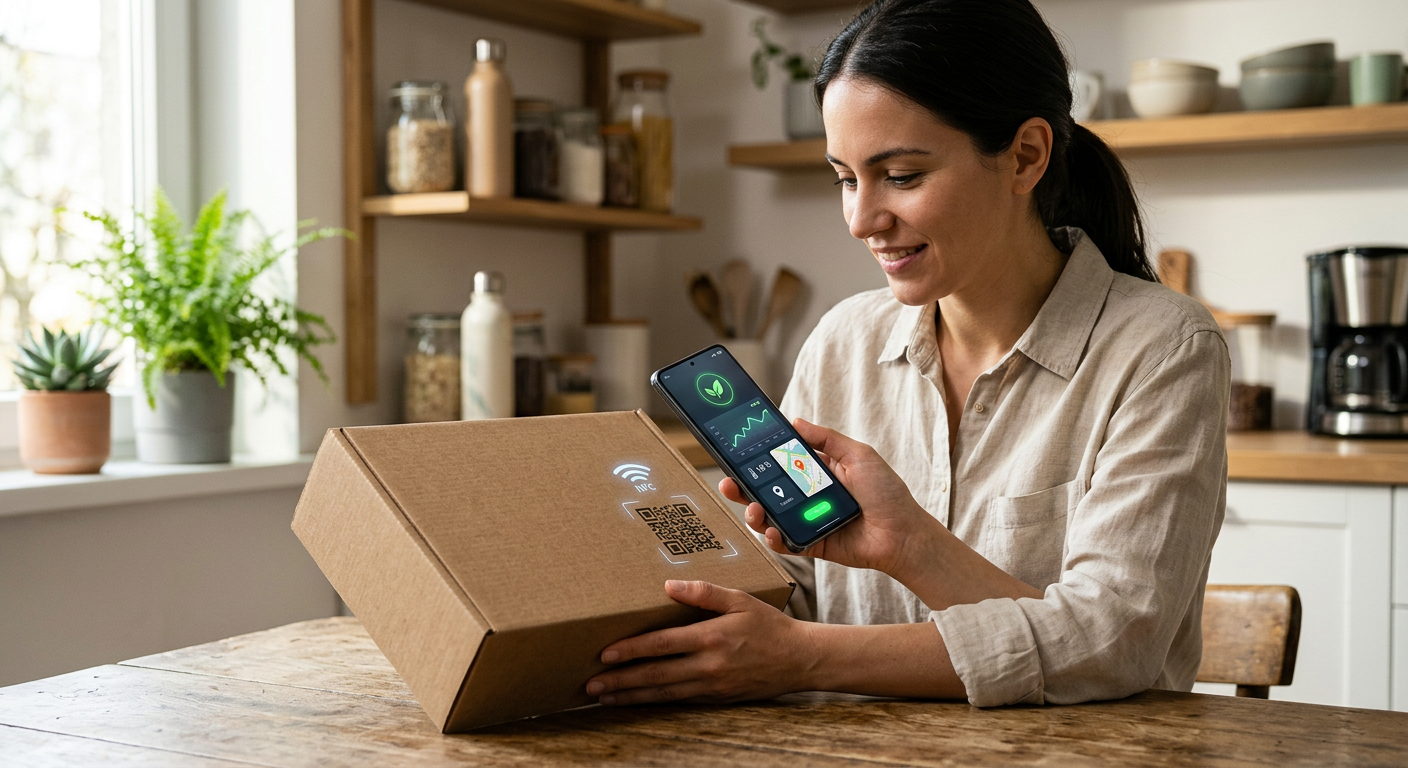
Eco-conscious packaging and technology are converging in ways that go beyond materials. Smart packaging — which incorporates QR codes, NFC chips, or digital watermarks — gives brands a way to communicate sustainability credentials directly to consumers at the point of use.
A QR code on a moisturizer can link to the brand’s carbon footprint data, recycling instructions specific to the consumer’s local municipality, or a refill ordering portal. This addresses one of the persistent failures of sustainable packaging: consumers often don’t know how to dispose of it correctly, which means well-intentioned packaging still ends up in landfill.
Amcor, a major packaging manufacturer, has partnered with brands including AVON China to develop recycle-ready packaging systems that integrate material innovation with end-of-life guidance. Better materials and better consumer education together are what actually close the loop — neither works as well in isolation.
Regulatory Pressure Is Accelerating Change
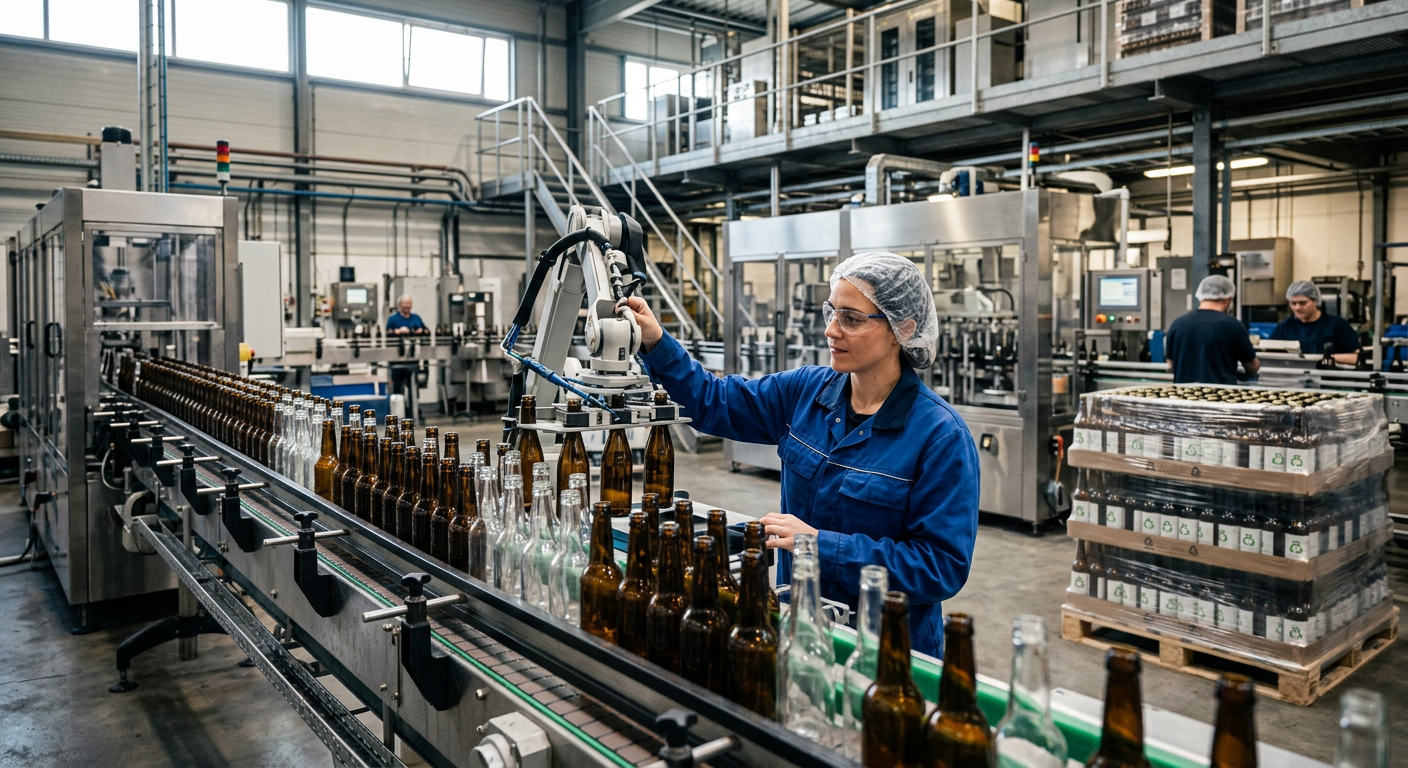
The EU’s updated packaging regulations represent the most significant regulatory intervention the beauty industry has faced in decades. As outlined by GT Studio, all packaging sold in EU markets must now be designed for recyclability and reuse, with specific targets for recycled content and restrictions on unnecessary packaging layers.
For global brands, this creates a practical decision point: develop EU-compliant packaging for European markets and maintain separate lines elsewhere, or standardize globally on the higher compliance threshold. Most large brands are choosing the latter, which means EU regulations are effectively setting a global standard by default.
The U.S. regulatory environment is less prescriptive, but state-level Extended Producer Responsibility (EPR) laws — particularly in California — are pushing brands toward similar outcomes. EPR frameworks make brands financially responsible for the end-of-life management of their packaging, creating a direct economic incentive to reduce packaging complexity and increase recyclability.
What Luxury Beauty Is Doing Differently
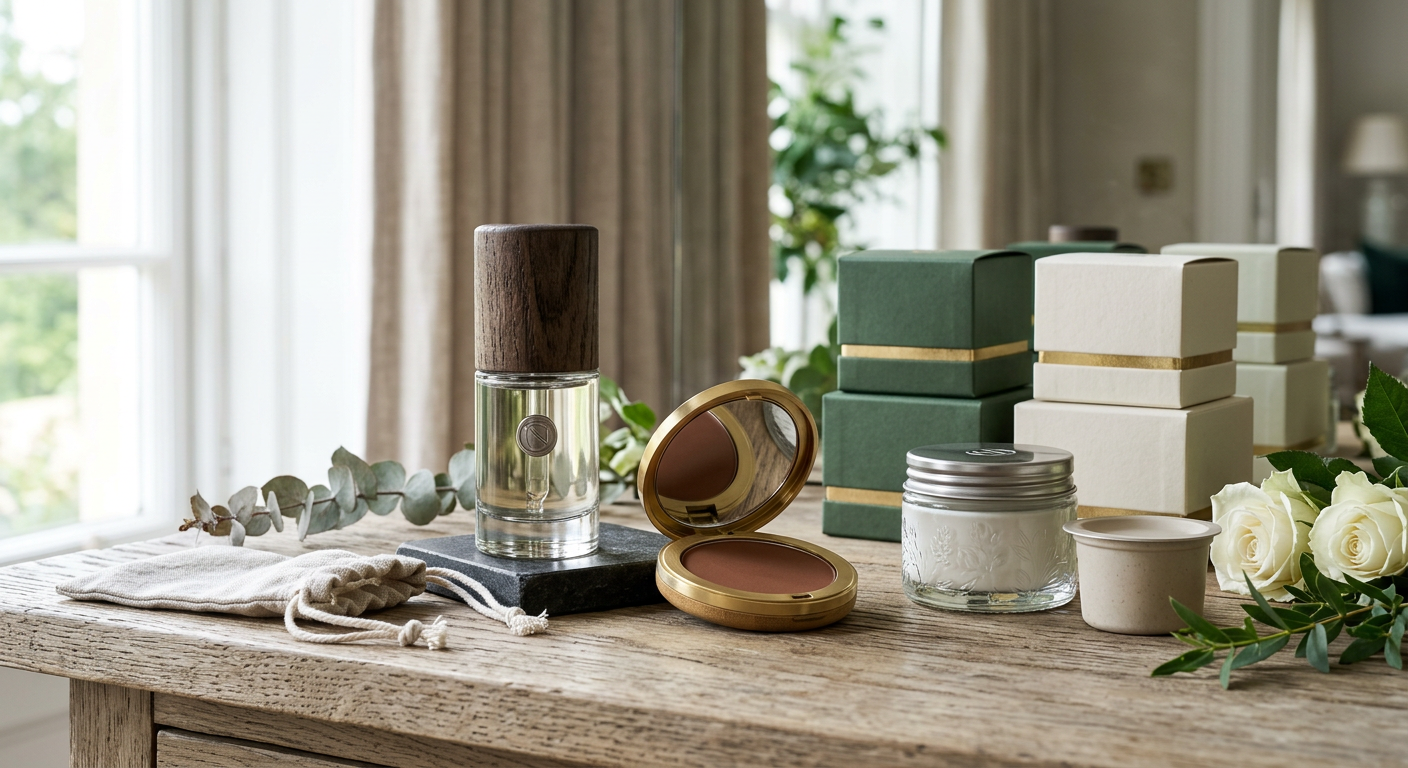
Luxury packaging is growing at 6.2% annually, according to BeautyMatter, and the luxury segment is demonstrating that sustainability and premium aesthetics are not in conflict. The shift is in how luxury brands define “premium.”
Historically, luxury beauty packaging meant heavy glass, metal accents, elaborate secondary packaging, and significant material excess. The new definition emphasizes craftsmanship, longevity, and intentionality — qualities that align naturally with refillable and durable packaging formats.
Sustainability as a Luxury Signal
Brands like Chanel, La Mer, and Hermès have introduced refillable formats that position the reusable outer case as a collectible object worth keeping. The refill itself is designed to be discreet and efficient. This reframes the sustainability conversation: the durable container is the luxury item, and the refill is the practical mechanism for continuing to use it.
This approach also addresses the “sustainability fatigue” that BeautyMatter identifies as a real consumer sentiment — exhaustion with brands making green claims without delivering meaningful change. Packaging that is visibly built to last makes a more credible sustainability statement than a recycling symbol on a flimsy container.
How to Evaluate a Brand’s Packaging Claims
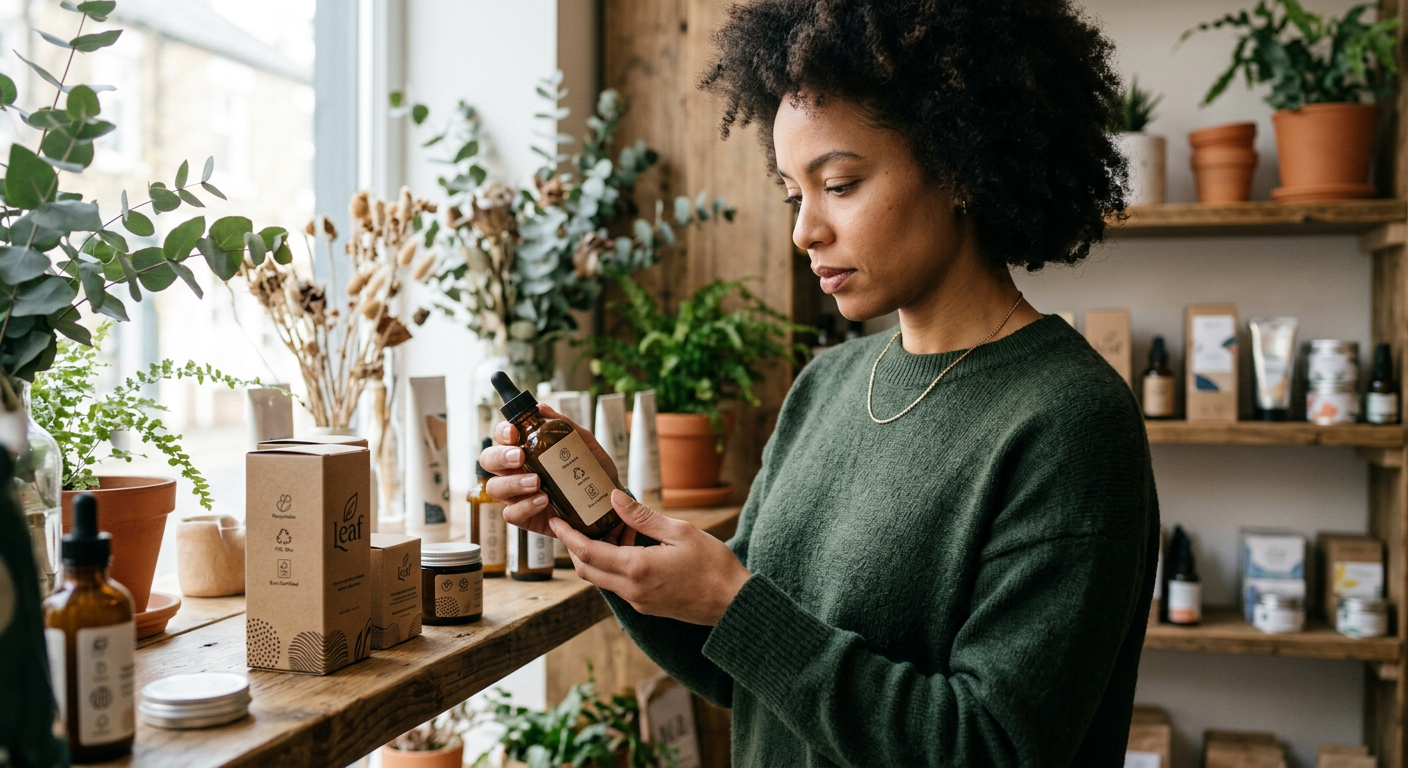
Not all eco-packaging claims are equal, and greenwashing remains a genuine problem in the beauty industry. A practical framework for evaluating what brands are actually delivering:
Questions worth asking before taking packaging claims at face value:
- What percentage of the packaging is made from recycled or bio-based content, and is that figure verified by a third party?
- Is the packaging mono-material and accepted by mainstream recycling programs, or does it require special drop-off?
- Does the brand offer a refill program, and is it genuinely accessible — not just available in two flagship stores globally?
- Has the brand disclosed its total packaging waste figures, and are those numbers improving year over year?
- Does the packaging carry a recognized certification such as FSC (for paper and board), How2Recycle, or a Cradle to Cradle rating?
Retailers like Ulta Beauty are doing some of this vetting on behalf of consumers through programs like Conscious Beauty, but independent verification remains the most reliable signal.
Conclusion: The Packaging Shift Is Already Happening
Eco-conscious beauty packaging is not a trend that is arriving — it is a transformation already underway, driven simultaneously by consumer demand, regulatory mandates, and the commercial logic of brands that want to reduce material costs and build lasting loyalty.
The developments worth watching: biomaterials scaling into mainstream production, refillable formats expanding beyond luxury into mass-market, mono-material design becoming a baseline expectation, and smart packaging closing the information gap between brands and consumers at the recycling bin.
If you work in beauty — as a brand, a retailer, or a supplier — the time to audit your packaging strategy against these standards is now, not when a regulation forces the issue. If you are a consumer, the most direct action you can take is to use retailer certification programs and ask brands the specific questions above before accepting vague sustainability language at face value.
The 120 billion units of annual packaging waste are not an inevitability. They are a design problem, and the solutions are already on shelves.
Frequently Asked Questions
Q: What is eco-conscious beauty packaging?
Eco-conscious beauty packaging refers to cosmetic and personal care packaging designed to minimize environmental impact through the use of recycled materials, bio-based alternatives, refillable formats, or reduced packaging overall. It also encompasses packaging designed for easy recycling or composting at end of life.
Q: Are refillable beauty products actually more sustainable?
Yes, when the refill system is genuinely accessible and the consumer uses it consistently. Refillable formats reduce the volume of packaging produced per use, lower shipping weight, and extend the life of durable materials — all of which reduce environmental impact compared to single-use alternatives.
Q: What does “mono-material packaging” mean in beauty?
Mono-material packaging is made from a single type of material throughout — for example, all-polyethylene or all-glass — so the entire unit can be processed by standard recycling systems without disassembly. Multi-material packaging, which combines plastics, metals, and glass, is much harder to recycle effectively.
Q: How do I know if a beauty brand’s sustainability claims are legitimate?
Look for third-party certifications such as FSC, How2Recycle, or Cradle to Cradle ratings. Check whether the brand discloses specific data on recycled content percentages and packaging waste reduction targets. Retailer programs like Ulta Beauty’s Conscious Beauty standard also provide a verified baseline.
Q: What EU regulations affect beauty packaging sustainability?
The EU’s updated Packaging and Packaging Waste Regulation requires all packaging sold in EU markets to be recyclable or reusable, with mandatory recycled content targets and restrictions on unnecessary packaging. These rules apply to beauty and cosmetic brands selling in EU markets and are among the most stringent packaging regulations globally.
Q: Will sustainable beauty packaging cost more?
In many cases, sustainable packaging carries a higher upfront cost, particularly for biomaterials and premium refillable formats. However, a 2024 NielsenIQ survey found that 65% of global beauty consumers are willing to pay a premium for sustainable packaging, and refill models can reduce per-unit material costs significantly over time.