

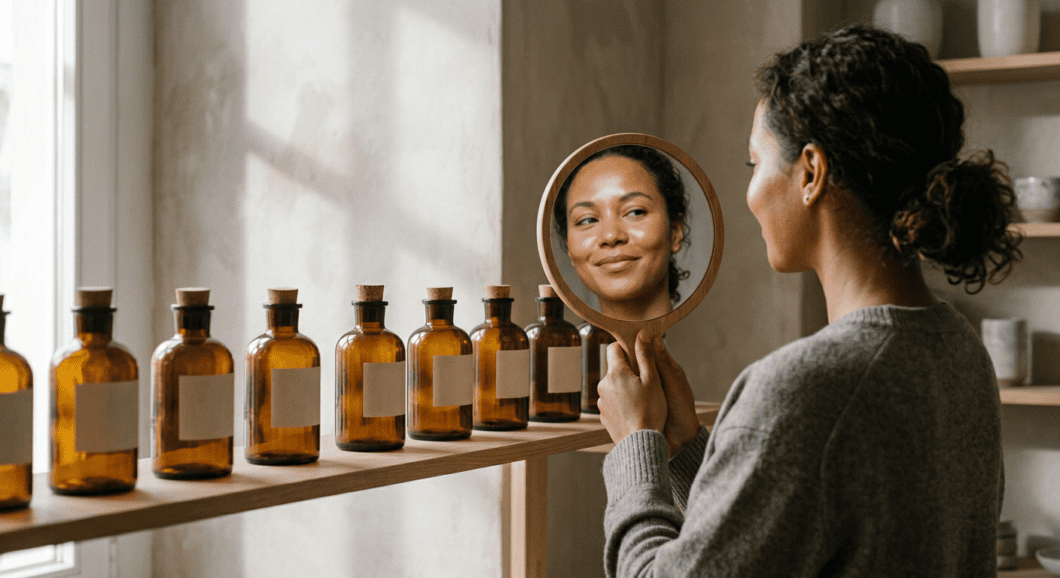
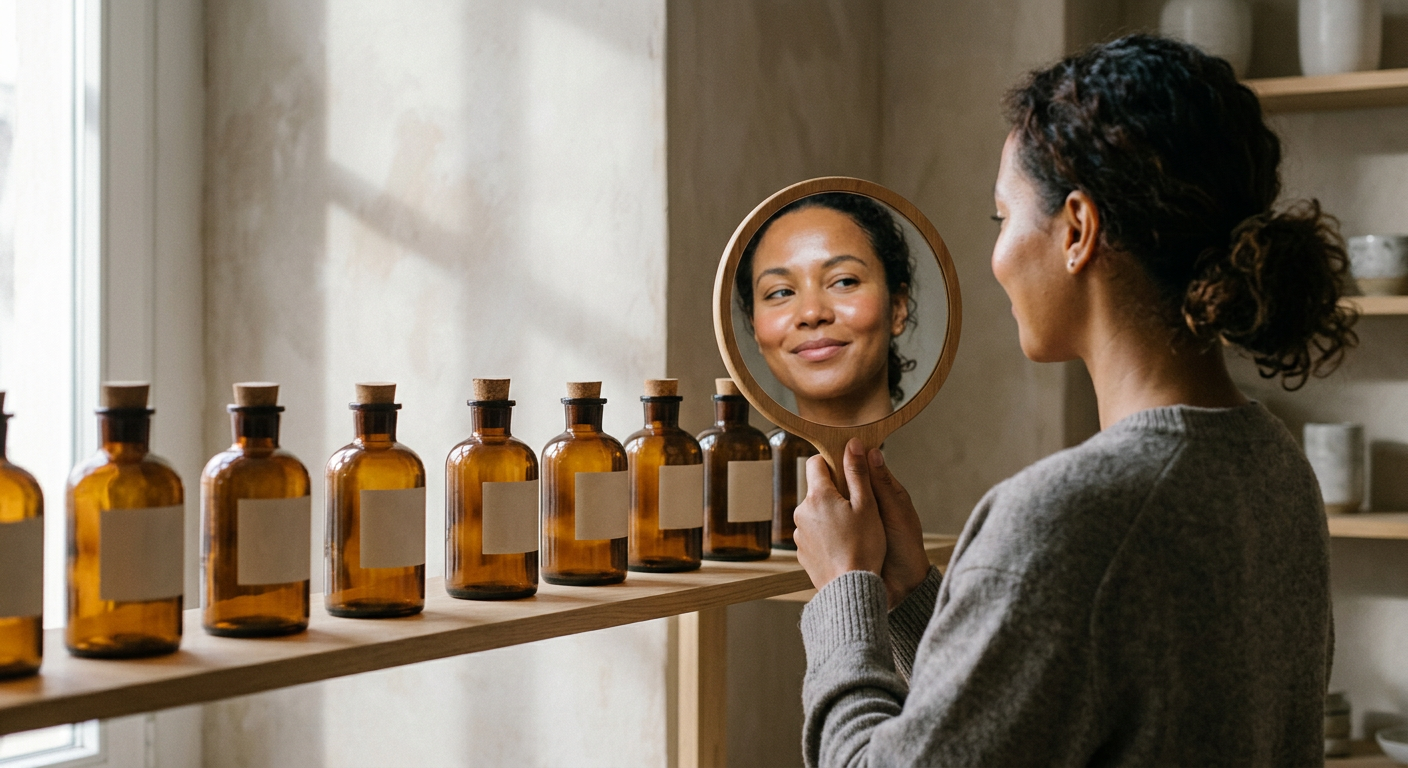
Walk into any drugstore and you’ll find dozens of foundations promising to work for “all skin types.” Plenty of people walk out and discover they don’t. That gap between the promise on the bottle and the reality in the mirror is driving the biggest shift in beauty in decades: personal style is replacing one-size-fits-all beauty trends. Shoppers have stopped settling for products built around a theoretical average. They want routines, shades, and formulas that match their own skin, hair, and life. The change runs deeper than packaging. It’s structural, and it’s reshaping a $590 billion industry.
The Death of the “Average” Consumer
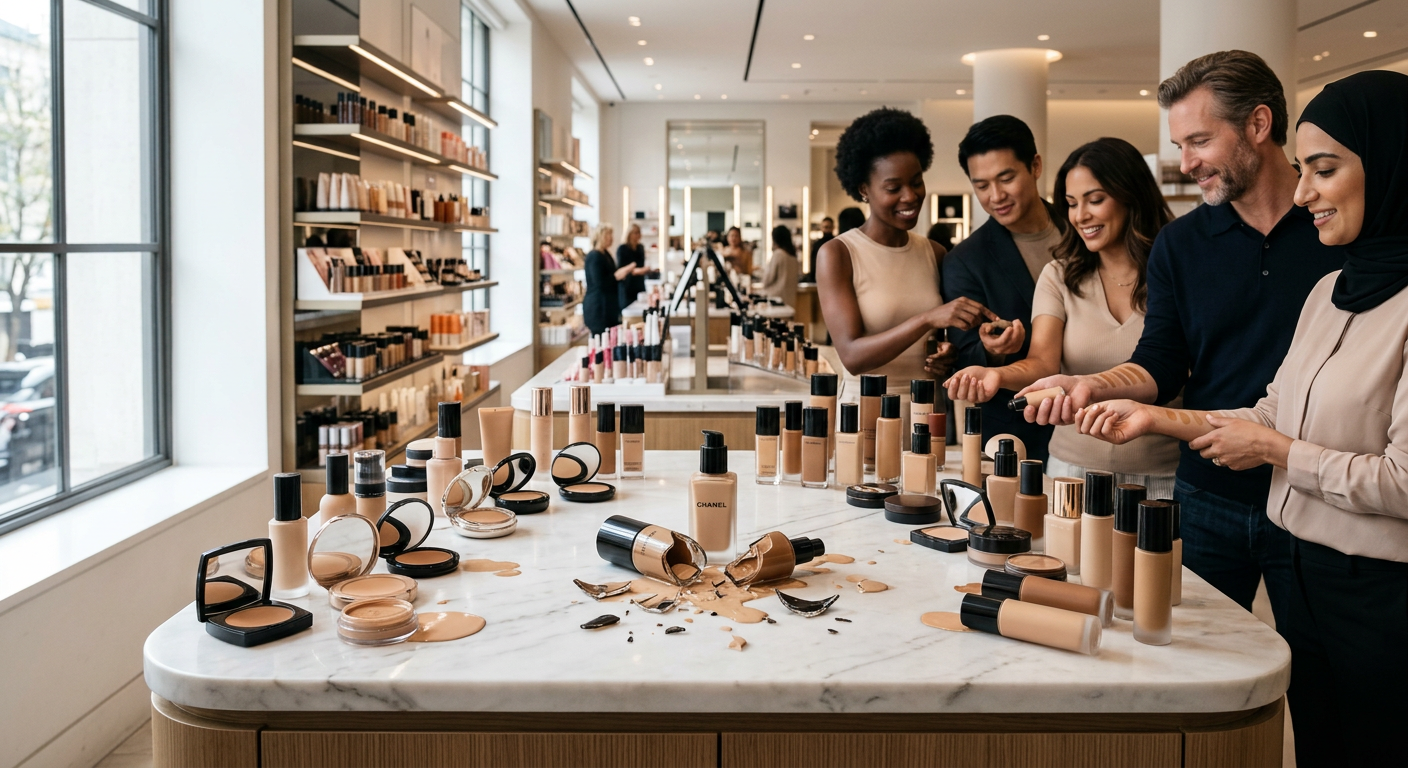
For most of modern beauty history, brands designed products for a hypothetical middle. A foundation that “works for most people” counted as a commercial win, because shoppers had limited information and even fewer options. Neither of those conditions holds today.
As Breanna Beauty points out, social media has educated buyers, ingredient knowledge has surged, and comparison tools make it easy to find something that fits better. A product matched to your undertone, skin texture, and coverage preference beats one engineered for an imaginary average every time.
The numbers back this up. The global cosmetics market currently sits between $335 and $450 billion, with projections reaching $650 to $800 billion by the mid-2030s, according to data cited by Breanna Beauty. That growth isn’t coming from mass-market basics. It’s coming from shoppers who want products built around what they actually need.
Why “One-Size-Fits-All” Was Always a Myth
The idea had appeal because it sounded like inclusion. Patrick Starrr even built the brand ONE/SIZE around the tagline “Makeup is one size fits all,” framing makeup as a tool free from the confines of gender, age, race, and sexual orientation.
Inclusion and uniformity aren’t the same thing, though. Once you accept that every person’s skin is different, a genuinely inclusive product adapts to the individual instead of offering 50 shades and hoping one lands. The future of inclusion is personalization, not standardization.
From Trend-Following to Personal Style
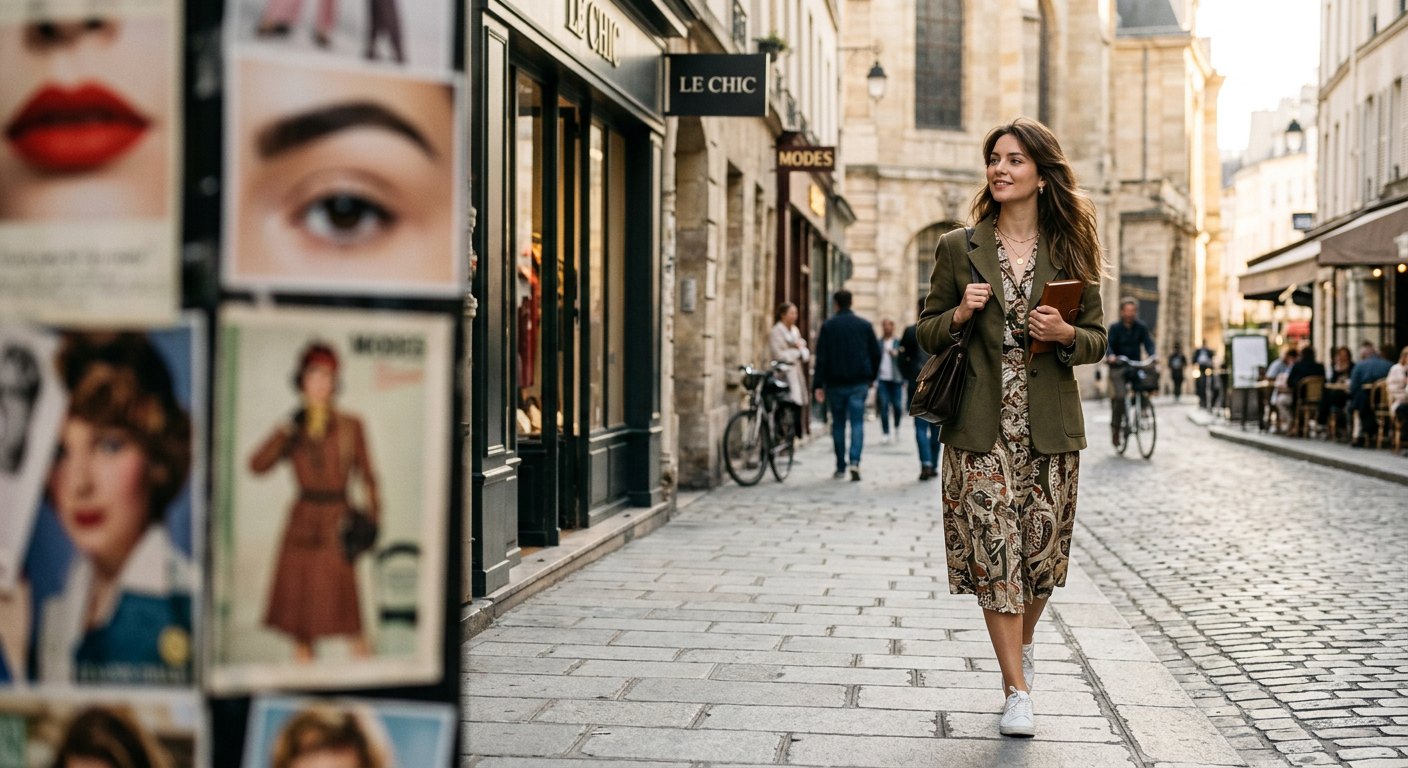
Beauty used to run on cycles. One season had a specific lip color, the next a signature brow shape, and shoppers scrambled to copy whatever look was everywhere online. That model is losing its grip.
Salons Atlas describes the change this way: rather than chasing identical trends, more people are developing personal style, meaning beauty choices that feel individual, adaptable, and tied to real life instead of the cycle alone. The appetite is for hair and looks that feel timeless and personal, not bound to a single moment.
The same pattern shows up across culture. Barbie’s Beauty Bits notes that consumers are drifting away from rigid trend cycles and mass-produced aesthetics toward personal style, self-expression, and meaningful experiences. Generic standards and identical routines marketed to millions have lost their pull.
Style Lasts Longer Than Trends
A very specific cut or color placement can feel stamped with an expiration date, while personalized beauty tends to grow with you. Minimalism and quiet luxury pushed the move toward looks that feel enduring rather than disposable. The practical upside sits alongside the aesthetic one: a style you choose for yourself outlasts the trend cycle and costs less to maintain.
The Technology Making Personalization Possible

Wanting a tailored routine is one thing. Getting one at scale is another, and technology is closing that gap quickly.
Beauty Independent reports that 2026 will deepen the personalization trend, with AI-powered skin analysis, smarter routine tailoring, and data-informed recommendations going mainstream. Brands that lead with responsiveness, smart diagnostics, and personalized care over blanket approaches will stand out.
This isn’t confined to niche labels. NielsenIQ notes that ecommerce now dominates beauty sales, and AI is speeding up innovation across the entire path to purchase. The same digital tools that educated shoppers are now delivering the customized products those shoppers want.
Real Customization vs. Surface-Level Personalization
Not every “tailored” product is actually tailored. Plenty of brands bolted an eight-question quiz onto their website, spat out a recommendation, and called it personalization. That’s marketing, not customization.
Real personalization relies on imaging technology, custom formulation platforms, and ongoing data to match products to your skin. The distinction matters because shoppers increasingly spot the difference and reward the brands that invest in the real thing.
What Today’s Beauty Consumer Actually Wants
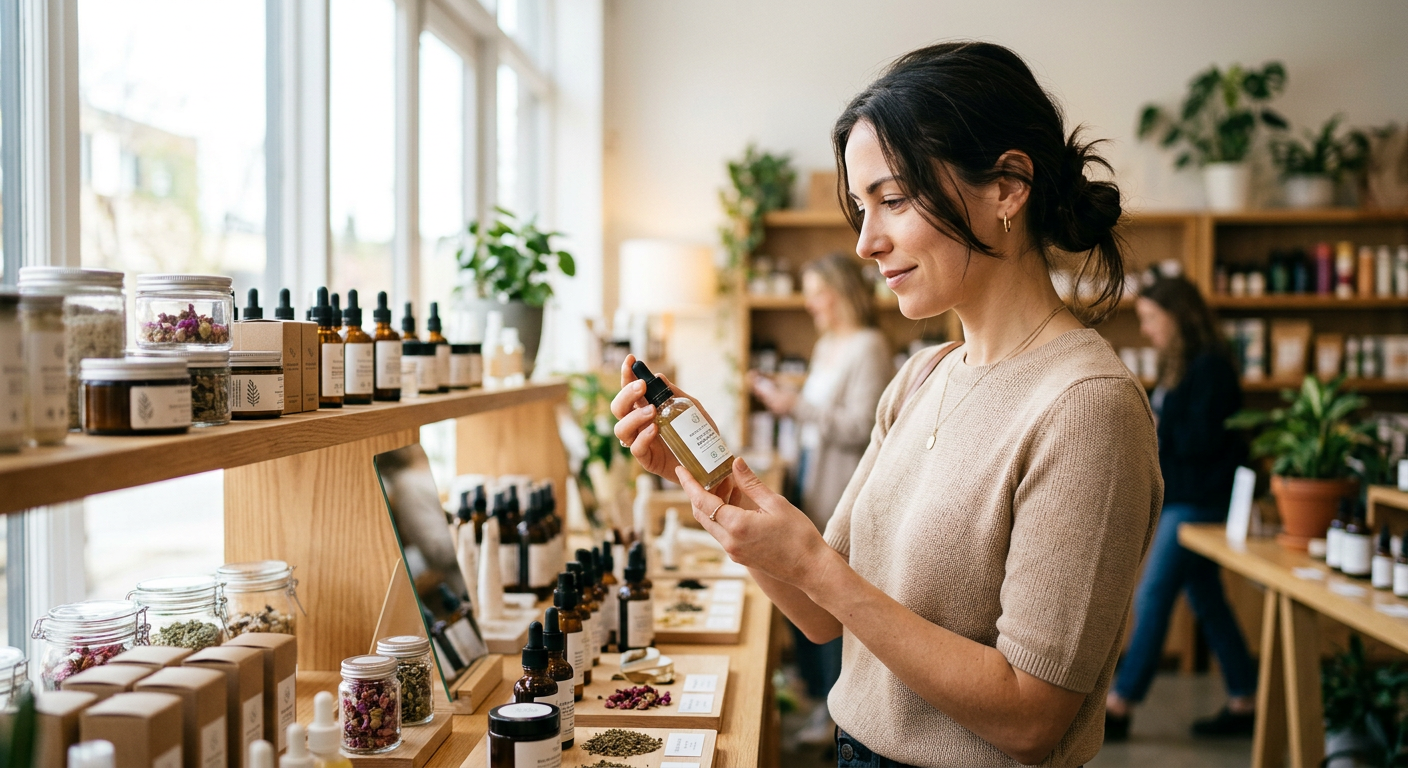
The modern buyer is more deliberate and better informed than any beauty shopper before them. Knowing what they prioritize helps you build a routine that works.
According to NielsenIQ’s Global Beauty Edit, shoppers are growing more ingredient-literate, more intentional, and more focused on wellness, simplification, and self-expression. With 39% of U.S. consumers reporting they feel more time-crunched than they did six months ago, many are cutting unnecessary steps from their daily routines.
Simplicity has become its own kind of personalization. NielsenIQ found that 33% of global consumers say recent years taught them “less is more,” which has pushed demand for multifunctional formulas and tightly edited ranges that make choosing easier.
Old Beauty Model vs. New Beauty Model
| Factor | One-Size-Fits-All | Personal Style |
|---|---|---|
| Core promise | Works for “most people” | Works for your specific needs |
| Product discovery | Mass advertising, trend cycles | Social platforms, AI diagnostics |
| Consumer mindset | Follow the crowd | Curate your own look |
| Longevity | Tied to a trend moment | Evolves with you over time |
| Routine | Fixed steps for everyone | Simplified, multifunctional, tailored |
| Inclusion approach | More shades for the average | Adapts to the individual |
How to Build a Beauty Routine Around Personal Style
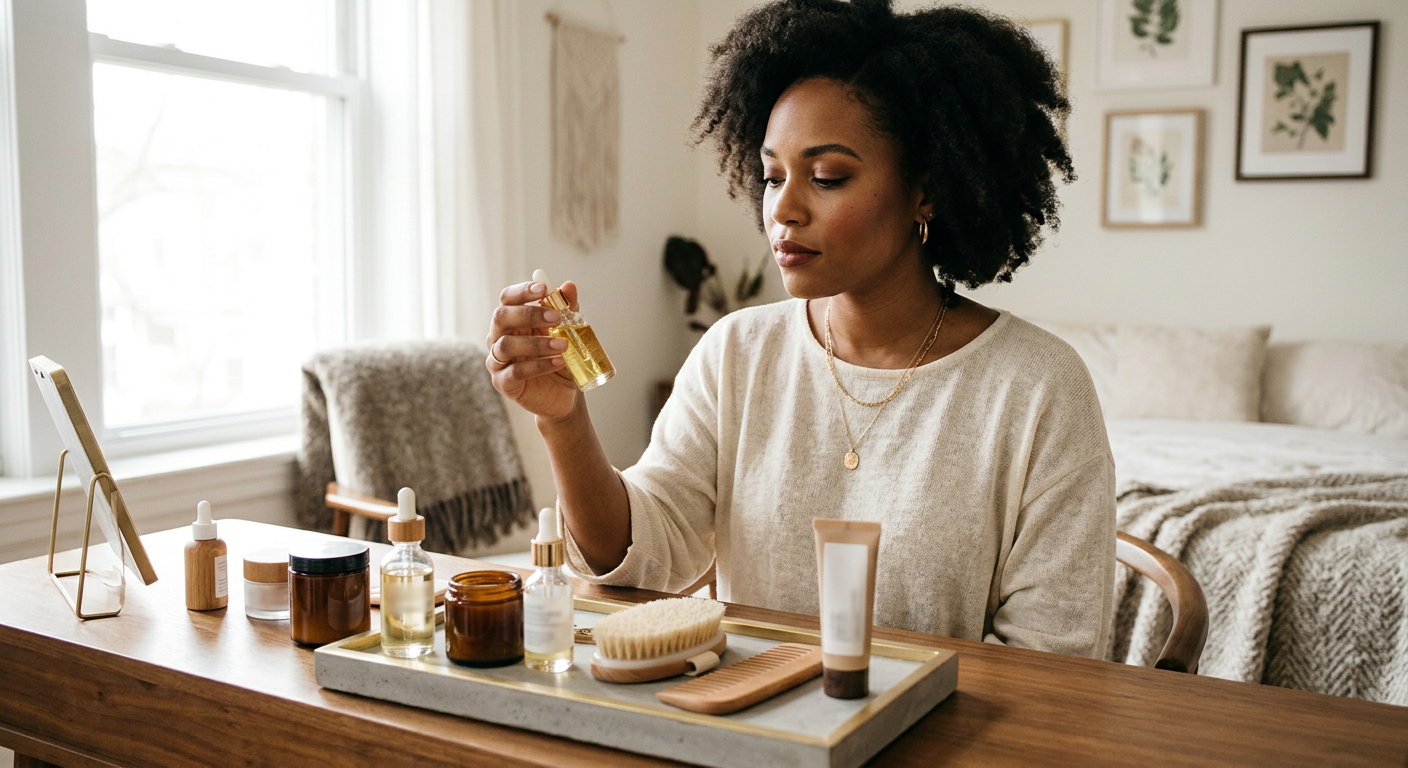
Moving from trend-following to personal style doesn’t mean starting from scratch. It means being intentional. These steps make the transition easier.
- Audit what already works. Keep the products that suit your skin and hair, and stop buying on viral popularity alone.
- Learn your inputs. Pin down your undertone, skin type, and specific concerns so you can judge products against real criteria instead of marketing copy.
- Favor multifunction. Pick formulas that do more than one job to streamline your routine, which matters for the one-third of shoppers who now believe less is more.
- Use diagnostics wisely. Try AI skin-analysis tools, but treat quiz-based “personalization” with skepticism unless it leads to custom formulation.
- Build for durability. Choose cuts, colors, and looks you can maintain and adapt, not ones chained to a single season.
The aim is a routine that reflects who you are and fits how you live. That’s more sustainable, usually cheaper, and far more satisfying than chasing whatever comes next.
What This Means for the Future of Beauty
The industry isn’t shrinking. McKinsey projects the global beauty market will grow 5% a year to reach $590 billion by 2030. But that growth is flowing toward companies that serve individuals rather than averages.
The appetite for tailored approaches is already measurable. NielsenIQ data shows K-Beauty sales in the U.S. grew 37.2% to reach $2 billion in the 52 weeks ending August 2025, a reflection of demand for the personalized, ingredient-focused approach the category is known for.
The direction is hard to miss. As one beauty expert cited by NewBeauty put it, beauty in 2026 will be “less about following one-size-fits-all beauty, and more about personalized routines and multifunctional products and treatments.” Brands that adapt will win, and shoppers who embrace personal style stand to gain the most.
Conclusion
Personal style is replacing one-size-fits-all beauty because shoppers finally have the information, tools, and options to demand better. The “average” shopper never really existed, and today’s ingredient-literate buyers know it. Technology has made real customization possible at scale, while cultural shifts toward individuality and simplicity have made trend-chasing feel dated.
The takeaways are simple. Build your routine around your real needs, favor multifunctional products that save time, use AI diagnostics while watching for superficial “personalization,” and choose looks that evolve with you instead of expiring with a trend. Start this week by auditing your current products and keeping only the ones that serve you specifically. Your routine should fit you, not a theoretical average.
Frequently Asked Questions
What does “personal style” mean in beauty?
Personal style in beauty refers to choices that feel individual, adaptable, and connected to your real life rather than driven by trend cycles. Instead of replicating looks promoted to millions of people, you curate products and routines that suit your specific skin, hair, and preferences.
Why are one-size-fits-all beauty products losing popularity?
Shoppers now have ingredient literacy, comparison tools, and better options, so products built for a theoretical average no longer satisfy them. As Breanna Beauty notes, the one-size-fits-all era isn’t fading so much as ending, as expectations shift toward products matched to individual needs.
Is personalized beauty just a marketing gimmick?
Some of it is. Many brands add a short quiz and call the result “tailored,” which is surface-level personalization rather than true customization. Real personalization uses imaging technology, data, and custom formulation to match products to your actual skin.
How is AI changing the beauty industry?
AI powers skin analysis, routine tailoring, and data-informed product recommendations, and Beauty Independent reports these tools are becoming mainstream in 2026. They help brands move from one-size-fits-all offerings to responsive, personalized care.
Does personalized beauty cost more?
Not necessarily. Favoring multifunctional products and keeping only what works for you can simplify your routine and cut waste. NielsenIQ found that 33% of consumers now believe “less is more,” which often means spending smarter rather than more.
How do I start building a routine around personal style?
Begin by auditing your current products and keeping only those that suit your skin and hair. Learn your undertone, skin type, and concerns, favor multifunctional formulas, and choose looks you can maintain and adapt over time.