

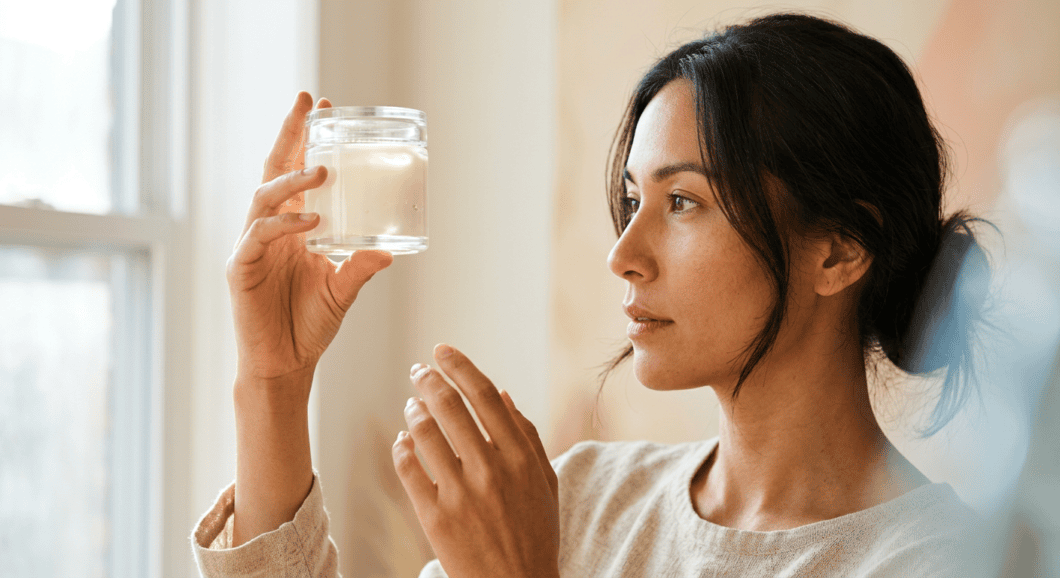
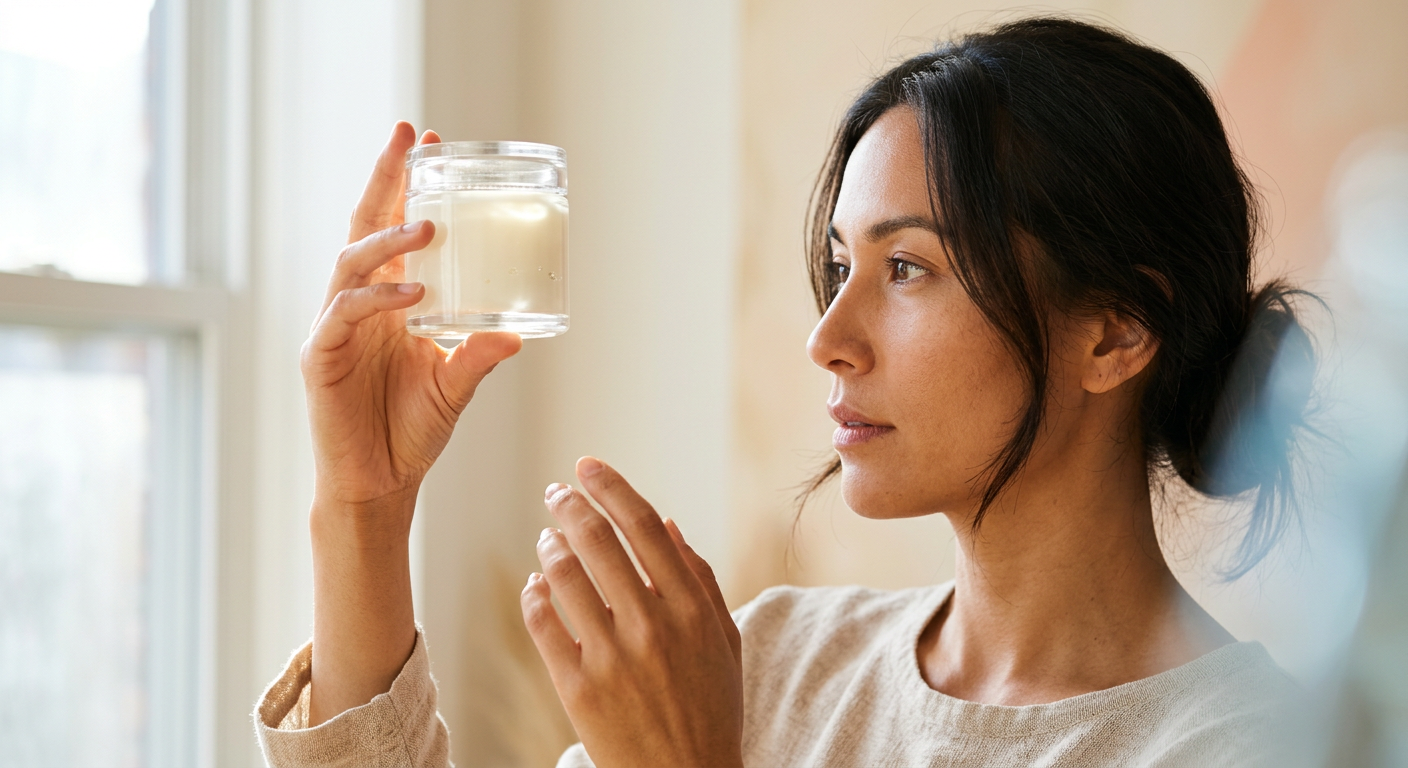
Nearly half of skincare brands can’t independently prove what they put on the label. In an analysis of 633 skincare brands, M11 Labs found 47% had no independently verifiable evidence behind the high-impact claims it evaluated. Shoppers now scrutinize claims harder than they used to. They read ingredient lists, cross-check reviews, and walk away from brands that overpromise. For anyone marketing beauty products, transparency has stopped being optional. It’s what earns the sale.
Why Consumers Stopped Believing Beauty Claims
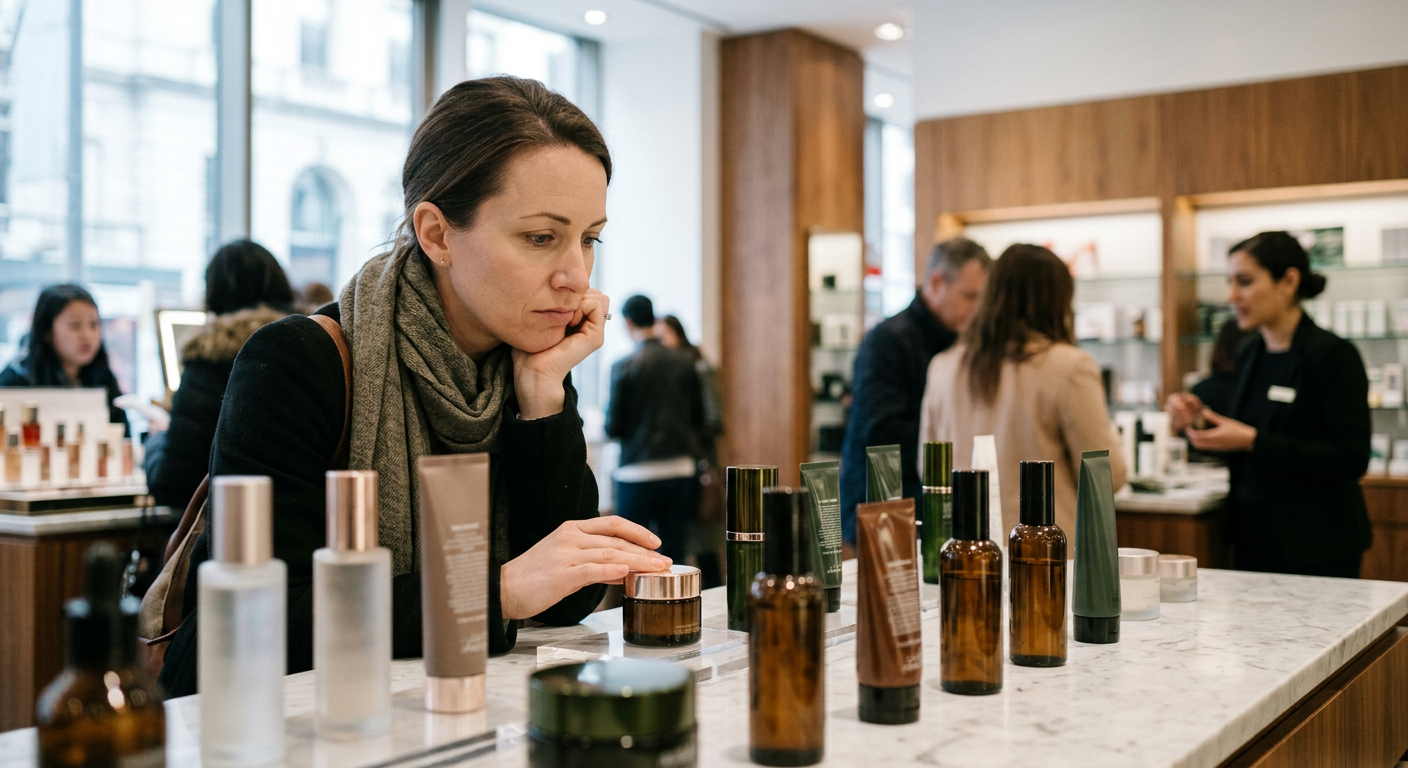
Skepticism didn’t appear overnight. Decades of anti-aging miracles, “all natural” labels, and outsized promises taught consumers to doubt what brands say about themselves, and the trust that once carried advertising has fallen to a worrying low.
According to SoPost, only around 30% of consumers trust advertising messages from corporate leaders, citing PwC data. In beauty, the resistance is louder: 67% of UK consumers want brands to provide more scientific validation of their products, and four out of five say they’re increasingly skeptical of ethical and sustainability claims.
Information overload feeds the problem. Ipsos found that 80% of consumers globally believe there is so much contradictory information that it’s hard to know who to trust. When everything reads like a claim, nothing feels credible, and shoppers turn to peers instead of brands.
What Shoppers Actually Want to See
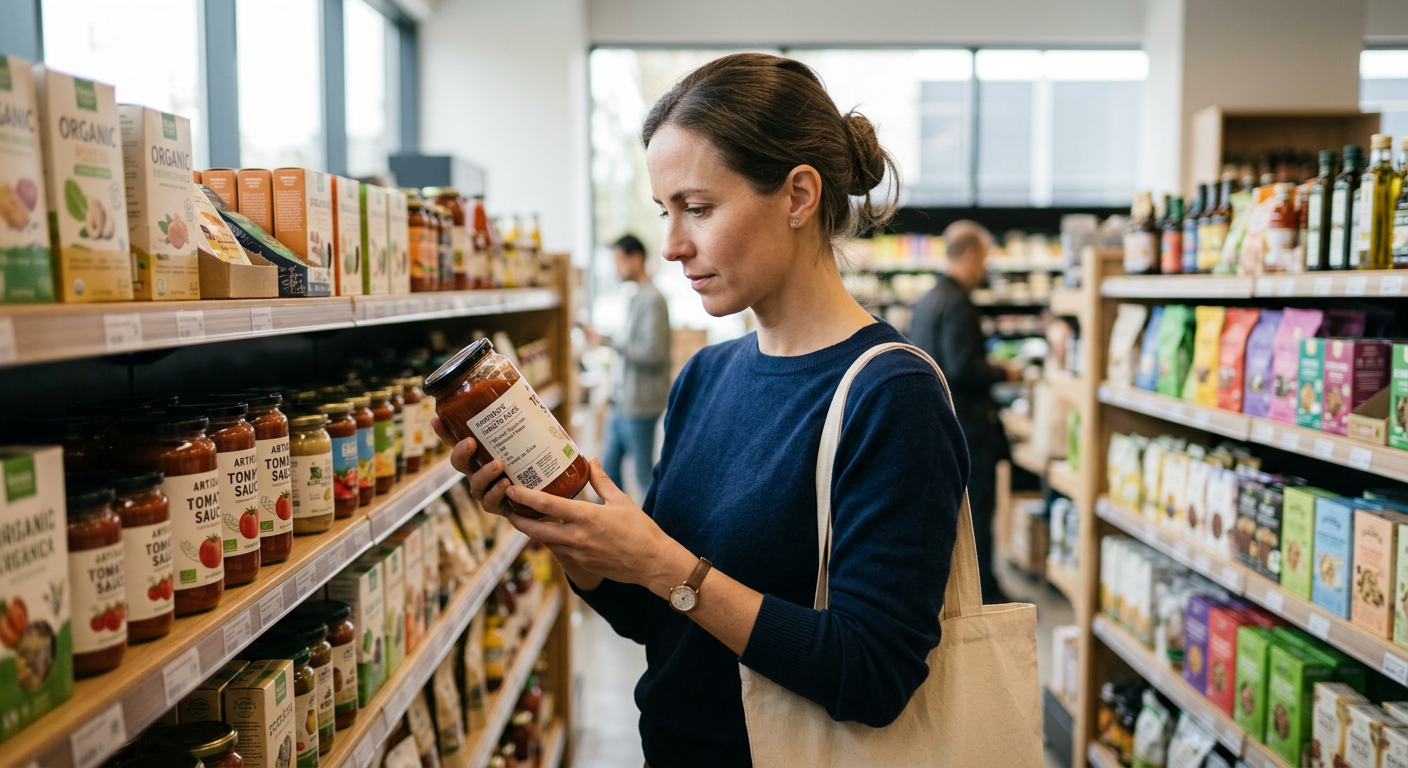
The demand for transparency is specific and measurable. Consumers aren’t asking for vaguer marketing. They want more detail and more proof, and ingredient information sits at the top of the list.
The FIT Transparency Perception Assessment Survey found that 65% of consumers seek information on ingredients and 72% expect explanations of product benefits. That behavior carries to the shelf. Eastman research cited by Personal Care Insights found six in ten skincare users read INCI (International Nomenclature of Cosmetic Ingredients) lists, and 39% examine facial skincare ingredients when they’re shopping for sustainable products.
The consumer transparency checklist
Shoppers now evaluate beauty products against a mental checklist. The brands that win address each item directly:
- Full ingredient disclosure with context on what each ingredient does
- Clinical or scientific evidence for performance claims
- Verifiable certifications rather than vague badges
- Consistent claims across the brand site, retailers, and marketplaces
- Believable visuals that look human, not artificially perfected
That last point matters more than many brands assume. BioBrain notes that consumers are becoming more selective about finishes and claims that feel artificial or disconnected from real life. They still want glow and visible results, but they respond to claims that look achievable.
The Trouble With “Clean” and “Natural”
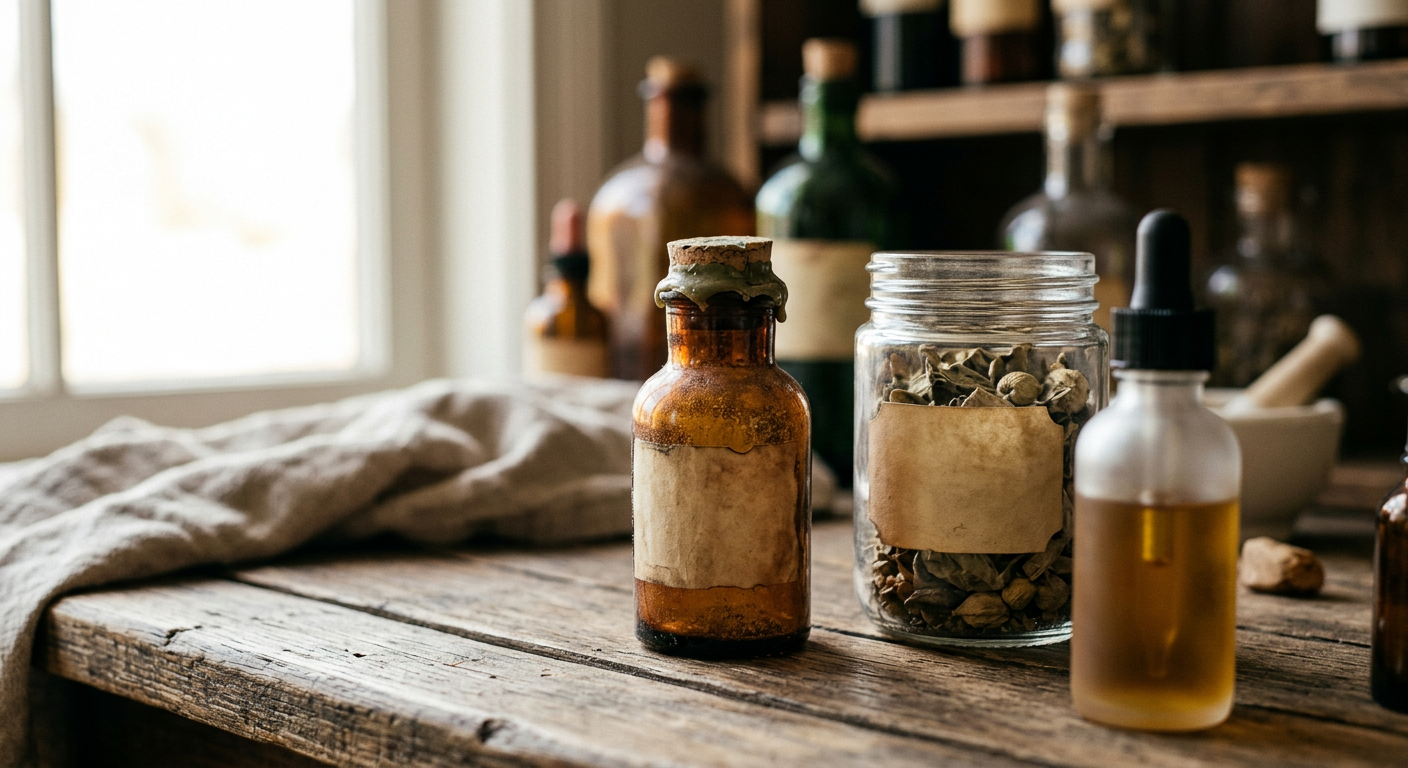
For years, “clean” and “natural” were the industry’s shorthand for trustworthy. That shorthand is losing its power. Neither term has a legally binding definition in cosmetics in the U.S. or Canada, so brands interpret them however they like.
Canadian brand Three Ships turned that tension into a campaign. Its Toronto posters ran lines like “Natural. According to who?” to spotlight how hard it is to shop clean beauty with any confidence. The brand argued there’s real consumer appetite for clarity, and pushed regulators and the industry to catch up.
Market data backs the shift. SPINS reports that “clean” claims have stopped being a differentiator on their own. Shoppers, including Gen Z and Gen Alpha, now expect clinical validation and proof of results alongside transparent ingredients. Clean claims still draw attention, but efficacy closes the sale. A term without a definition can’t carry a brand by itself.
How Leading Brands Are Rebuilding Trust

The brands responding well share one move: they replace assertions with evidence. Instead of saying a product works, they show the data, the certification, and the source behind it.
Clinical proof leads. SPINS frames trust as the new luxury, with shoppers prioritizing transparent ingredients, clinical credibility, and proven performance. Peer validation runs a close second, since consumers trust people who look and shop like them more than they trust corporate messaging.
From vague claims to verifiable proof
The table below shows how the industry is moving from language that reads as marketing to language backed by evidence.
| Old approach | New approach | Why it works |
|---|---|---|
| “Clinically proven” with no link | Linked clinical trial data | Offers an objective standard shoppers can check |
| “All natural” badge | Verified certifications against issuer records | Removes undefined, unregulated terms |
| Celebrity endorsement | Peer reviews and verified sampling | Peers are trusted more than corporate voices |
| Idealized before/after imagery | Accurate, representative results | Meets substantiation standards for performance claims |
| Claims that vary by channel | Consistent claims across site and retailers | Prevents contradictions that erode trust |
M11 Labs recommends a practical starting point: review every live claim and link it directly to the evidence behind it, verify certifications against issuers’ records, and publish substantiation in machine-readable formats that AI systems can access. That last step counts because AI now surfaces and cross-checks claims automatically.
The Regulatory and Legal Pressure Behind the Shift

Consumer skepticism isn’t the only force pushing brands toward honesty. Regulators and self-regulatory bodies are raising the bar on what counts as a defensible claim.
The BBB National Programs’ National Advertising Division (NAD) warns that health and safety claims are held to a higher standard and require competent and reliable scientific evidence. Even before-and-after images count as performance claims that must be substantiated, accurate, and representative of real results. The FTC’s revised Health Products Compliance Guidance, issued in December 2022, spells out those expectations in detail.
Enforcement is active, not theoretical. Loeb & Loeb notes the NAD recently ruled against the advertiser of a GLP-1 product making weight-loss claims. The firm’s advice is that the smartest brands don’t treat substantiation as a defensive, reactive burden. They build a marketing strategy that produces claims that are confident and powerful, yet supportable and compliant from the start.
What Beauty Brands Should Do Now
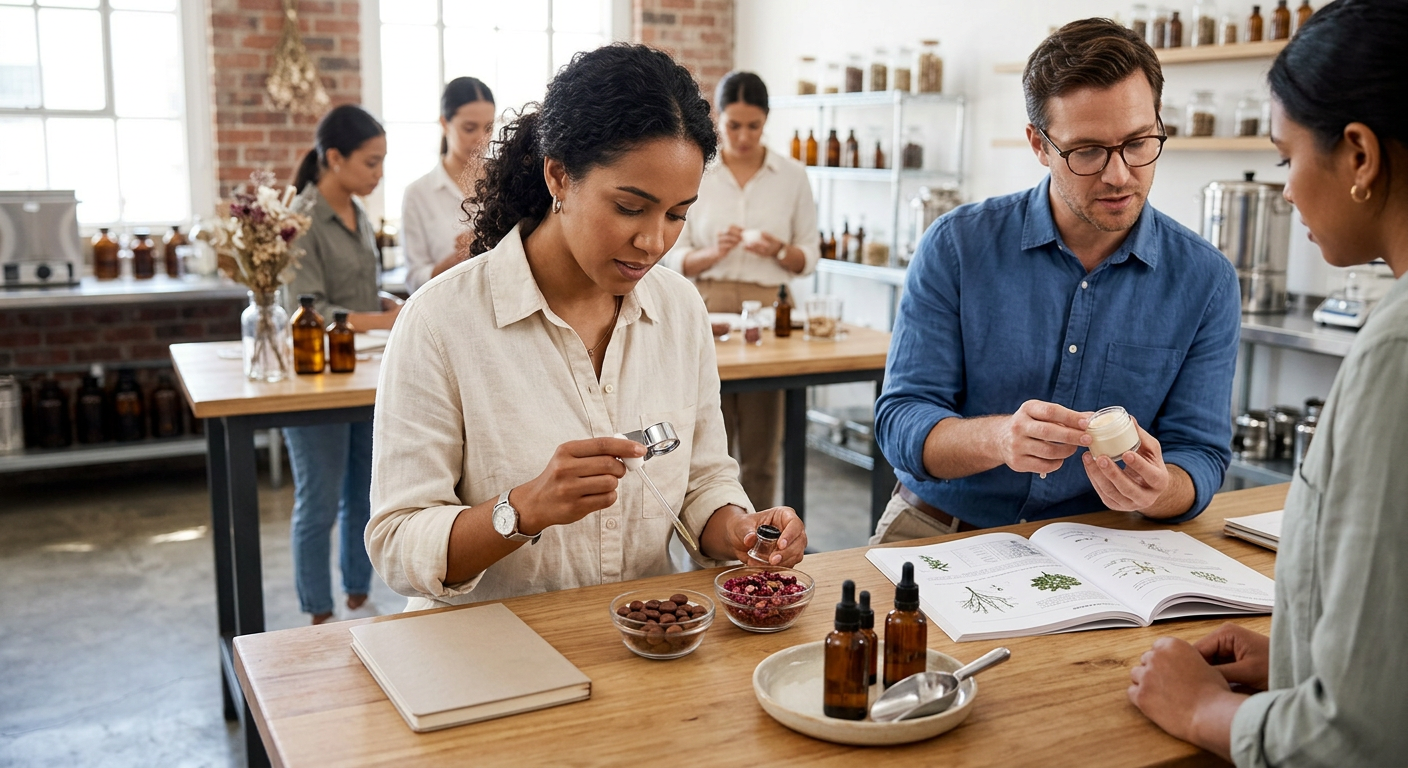
The path forward is concrete. If you sell beauty products, treat evidence as part of the product, not an afterthought bolted on for legal cover.
Start by auditing every live claim against the proof behind it. Link clinical data where you have it, retire terms you can’t define, and make certifications easy to verify. Consistency across your own site, retailers, and marketplaces closes the contradiction gaps that M11 identified in one in seven brands.
Then lean into voices consumers already trust. Rival Technologies found that 85% of consumers would consider buying a product promoted by an influencer, and honesty from those creators reads as credibility. Pair peer validation with real ingredient context, because suppliers can help brands translate substantiated ingredient information into clear, consistent stories across channels.
Key Takeaways and Your Next Step

Honest product claims have moved from a nice-to-have to the foundation of brand trust. Consumers cross-check everything, “clean” no longer differentiates on its own, and regulators expect real substantiation for performance and safety claims.
Three moves separate the brands that thrive: prove claims with clinical evidence, disclose ingredients with context, and keep messaging consistent and verifiable everywhere. Trust is the luxury shoppers now pay for.
Audit your product claims this quarter. Pick your top-selling product, list every claim on its page, and confirm you can link each one to independent evidence. Then fix the gaps before a skeptical shopper or regulator finds them first.
Frequently Asked Questions
What are “honest product claims” in beauty?
Honest product claims are marketing statements a brand can back with verifiable evidence, such as clinical trial data, verified certifications, or accurate representative results. They stand in contrast to the vague or exaggerated claims that consumers and regulators increasingly reject.
Why don’t “clean” and “natural” labels build trust anymore?
Neither “clean” nor “natural” has a legally binding definition in cosmetics in the U.S. or Canada, so brands interpret them freely. SPINS reports these claims no longer differentiate on their own, because shoppers now expect clinical validation and proof of results alongside them.
How many skincare brands make unverified claims?
M11 Labs analyzed 633 skincare brands and found 47% had no independently verifiable evidence behind the high-impact claims evaluated. The study also identified 250 gaps in basic product information across 214 brands.
What evidence do consumers trust most for beauty products?
Consumers trust clinical trial data and peer validation over corporate advertising, which only about 30% of consumers trust according to PwC. In the UK, 67% of consumers want brands to provide more scientific validation of their products.
What regulatory standards apply to beauty product claims?
The FTC and NAD require a reasonable basis for performance claims and competent, reliable scientific evidence for health and safety claims. Before-and-after images are treated as performance claims that must be substantiated, accurate, and representative.
How can a beauty brand start improving its claims?
Begin by reviewing every live claim and linking it directly to the evidence behind it. Verify certifications against issuer records, keep claims consistent across all channels, and publish substantiation in formats that both consumers and AI systems can access.