

Winter lips have a particular way of ruining a morning. You wake up in an overheated apartment, run your tongue across your lips to check the damage, and feel the same cracks that were there the night before. Cold air outside, bone-dry air inside, and radiators running until dawn add up to a rough stretch of months. Overnight lip masks promise a fix: a thick layer at bedtime, and lips that no longer feel like sandpaper by morning. The question worth asking is whether they do anything a decent balm can’t, or whether you’re paying a premium for a product already sitting in your bathroom. The evidence on this is fairly clear.
Why Your Lips Suffer in Cold Weather

Lip skin doesn’t behave like the rest of your face. According to Ohio State Health & Discovery, lips have no oil glands and lose water faster than other facial skin. That’s why they chap before anything else does.
Winter hits them from several directions at once. Cold outdoor air, low humidity, and sun exposure all break down the natural lip barrier, which leads to chapping, cracking, and inflammation. Indoor heating finishes the job by pulling moisture out of the air you breathe for eight hours a night.
Overnight masks are designed around that exact window. You’re not eating, drinking, or talking in your sleep, so a product can sit undisturbed and keep working for hours.
What Exactly Is an Overnight Lip Mask?
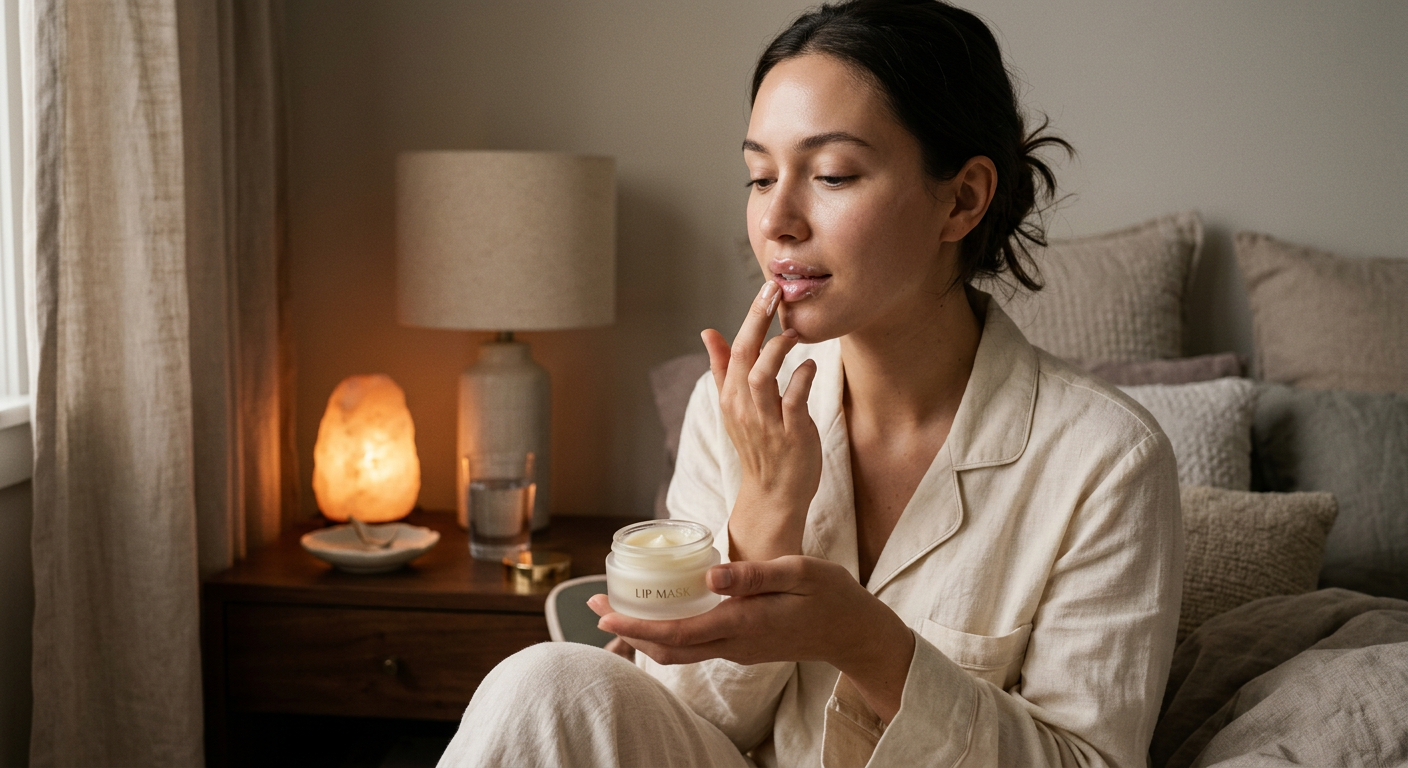
Underneath the marketing, an overnight lip mask is a very thick lip balm built to stay put all night. Consumer Reports puts it plainly: they’re “basically super-thick lip balms, designed to last through the night so you wake up with some hydration still in your lips.”
The heaviness is the whole point. Most of these formulas are too thick to wear comfortably during the day, though some are buildable, letting you adjust the amount up or down. The thick layer stays in place longer and forms a cushion that slows moisture loss overnight, as reviewers at Patchology describe it.
How a mask differs from a regular balm
Much of the mask-versus-balm distinction comes down to semantics. You reapply a balm all day; you apply a mask once at bedtime and let it work for hours.
Harper’s Bazaar describes lip masks as “thicker, richer, and designed for overnight use,” noting they take hours to fully absorb. That slow absorption is what makes them suited to lips that stay dry and cracked no matter what you do.
Do They Actually Work? What Reviewers and Derms Say
For most people who use them regularly, yes. Consumer Reports tested 10 popular products to see which left lips softest and smoothest by morning, and the best formulas held hydration through the night.
The testimonials are convincing. In Wirecutter’s review of the Laneige Lip Sleeping Mask, one editor who used it for nearly a year said, “My lips are in the best shape they’ve ever been,” while another called it a “game changer” for chronically dry lips.
Dermatologists tend to frame the payoff around the skin barrier. New York dermatologist Dr. Rambhia told CNN Underscored that “consistent use of a hydrating lip mask, especially overnight, can help keep lips soft, smooth and moisturized.”
One caveat: the “overnight” label isn’t a guarantee of quality. Wirecutter’s lip balm testing turned up several overnight treatments that fell flat, with testers calling some irritating, “meh,” or unpleasant in texture. What’s in the formula matters far more than what’s printed on the label.
What to Look For (and What to Avoid)
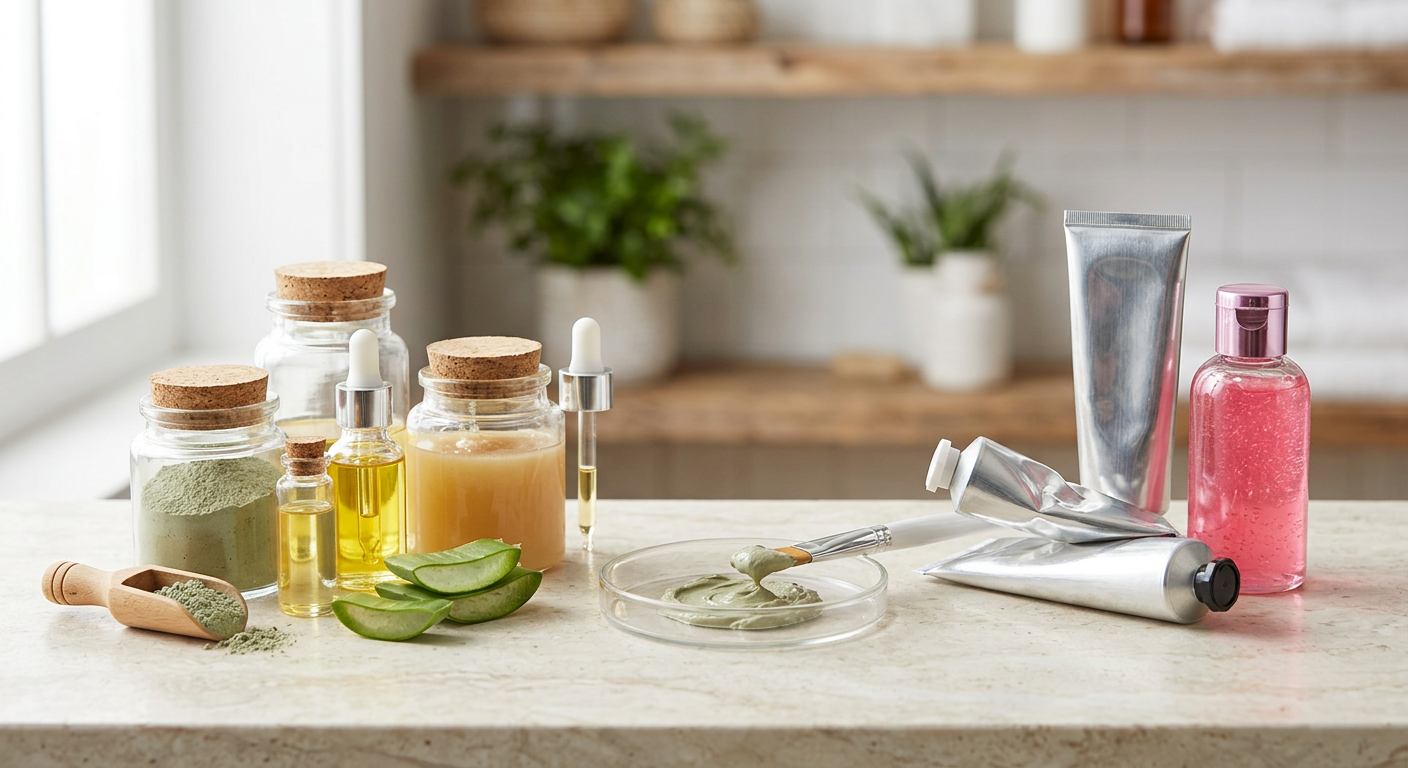
Ingredients separate an effective mask from an expensive gloss. Dr. Rambhia suggests prioritizing deep hydration and barrier repair when you shop.
Ingredients that help
- Hyaluronic acid — attracts and binds moisture to the lips
- Emollients like shea butter or jojoba oil — soften and lock in hydration
- Occlusives like petrolatum — create a protective barrier against environmental stressors
Ingredients to avoid
- Fragrance — can irritate sensitive lips
- Menthol and camphor — may worsen dryness despite the cooling sensation
Ohio State offers a useful rule of thumb: if a product tingles or burns after you put it on, treat that as a warning, not a feature. The same experts recommend skipping lip scrubs altogether, since lip skin is thin and delicate and exfoliating tends to make chapping worse.
Lip Mask vs. Regular Balm: A Quick Comparison
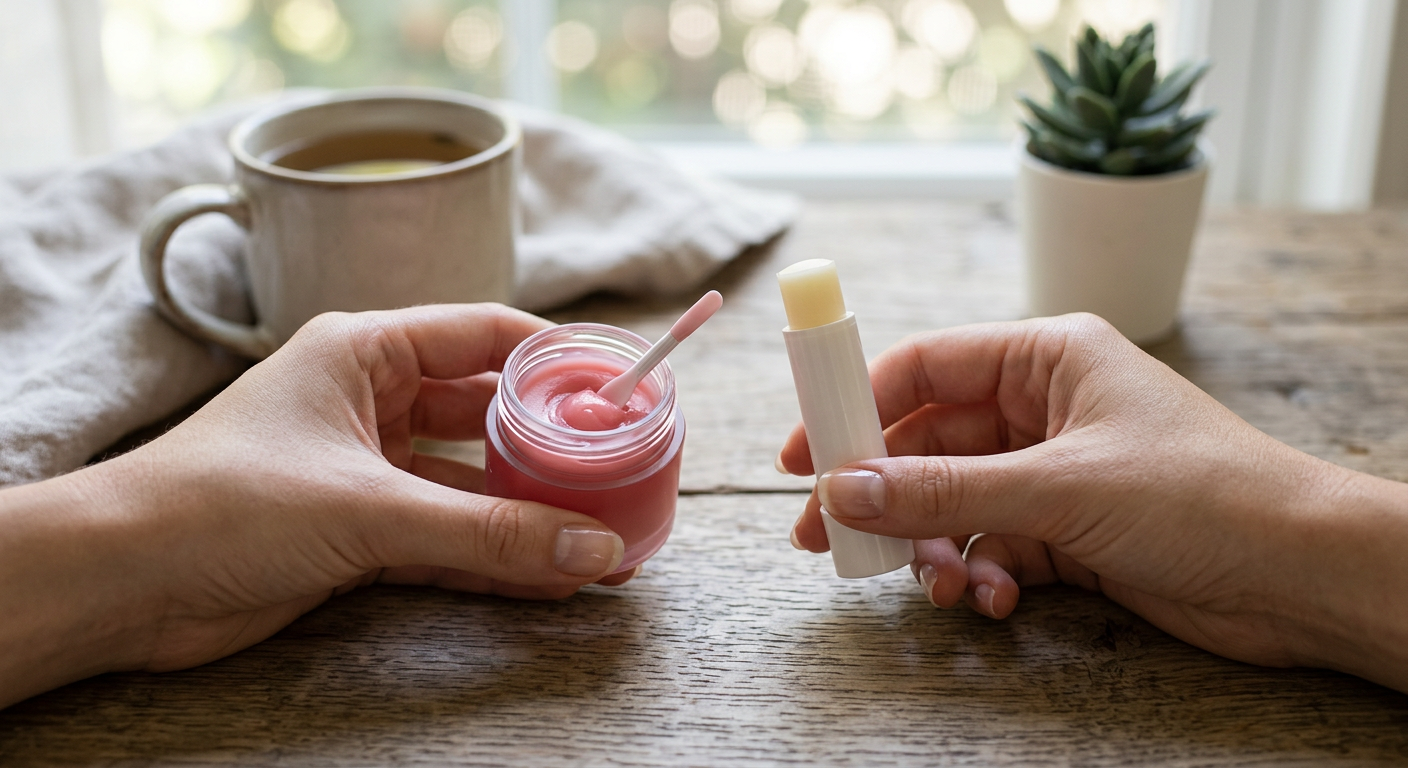
If you can’t tell whether you need a dedicated mask or your current balm is fine, this breakdown should help.
| Feature | Overnight Lip Mask | Regular Lip Balm |
|---|---|---|
| Texture | Thick, rich, occlusive | Lighter, slides on easily |
| Best time to use | Bedtime (once) | Throughout the day |
| Reapplication | Rarely needed overnight | Frequent, after eating/drinking |
| Daytime wear | Often too heavy | Designed for it |
| Typical price | $10–$30+ | $3–$15 |
| Ideal for | Chronically dry, cracked lips | General daily maintenance |
For most people the two complement each other: a mask at night, a lighter balm with SPF during the day. Ohio State recommends daily SPF 30+ lip protection and reapplication after eating or drinking, which a nighttime mask won’t cover for you.
Is It Worth the Money?
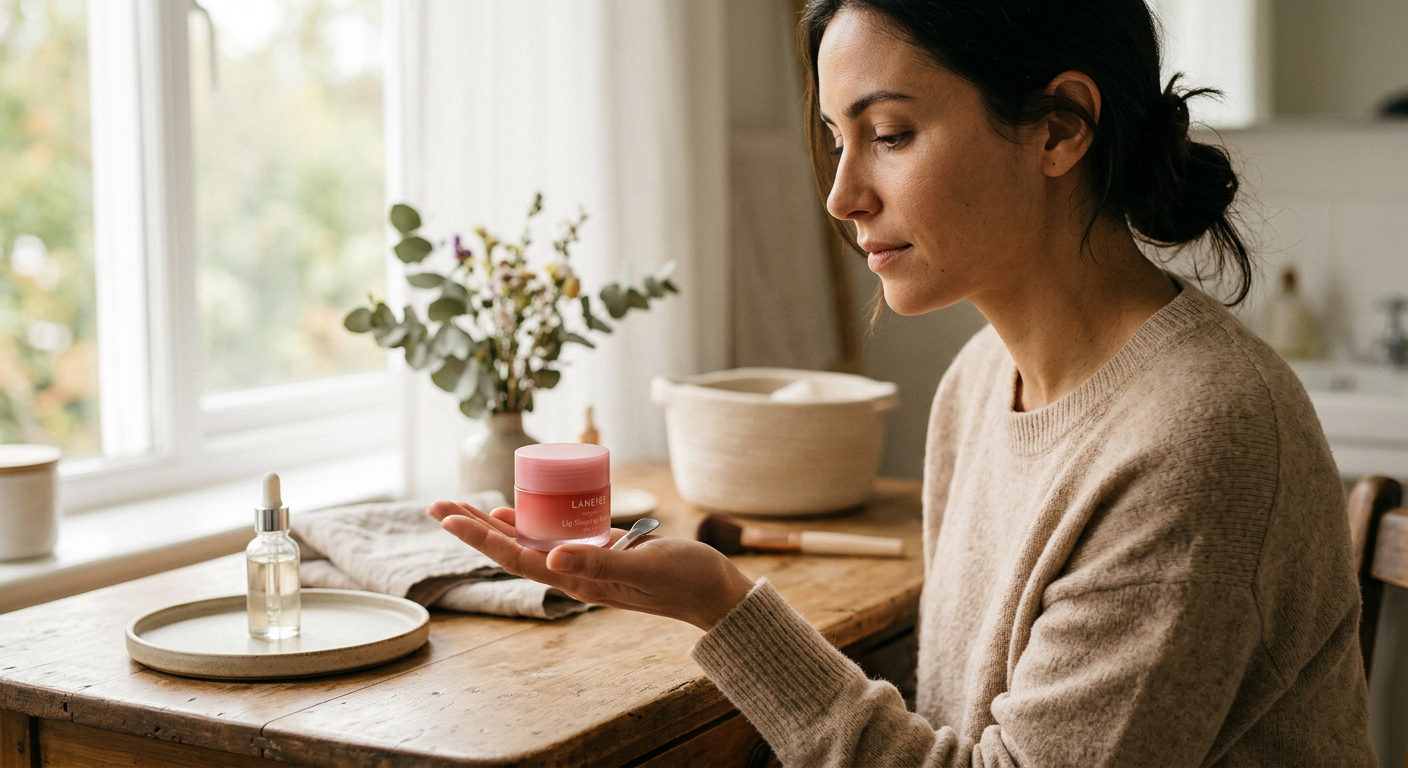
Price is where buyers hesitate. The popular Laneige mask runs close to $25, which Wirecutter admits “may seem steep at first for a lip balm” — but the publication argues the lasting power earns it back, since a single application goes the distance.
The spending data suggests shoppers agree. According to 360 Research Reports, more than 61% of consumers aged 18–45 use lip masks at least twice a week, and the global lip mask market is growing at a 6.3% CAGR. IPSY’s 2026 Beauty Discovery Report found lip mask purchases grew 56% year over year in 2025.
The math is straightforward enough. If chronically dry or cracked lips are a fixture of your winter, a well-formulated overnight mask is a worthwhile buy. If your lips only act up now and then, a good balm with the right ingredients will probably cover you.
The Bottom Line
Overnight lip masks earn their spot in a cold-weather routine for anyone prone to serious dryness. They work because thick, occlusive formulas sit undisturbed all night, sealing in moisture while dry winter air does its worst. Reviewers, long-term users, and dermatologists all back consistent overnight use for softer, smoother lips.
Look for a formula with hyaluronic acid, emollients, and occlusives, and steer clear of anything with fragrance, menthol, or camphor. Pair your nighttime mask with a daytime SPF balm for full coverage. If winter leaves your lips cracked year after year, pick one dermatologist-recommended mask and use it nightly for two weeks before you judge the results.
Frequently Asked Questions
Can I use an overnight lip mask every night?
Yes. Dermatologists recommend consistent overnight use for soft, smooth, moisturized lips, and most users apply one nightly as the last step in their routine. Pick a gentle, fragrance-free formula if you’re using it daily.
Are overnight lip masks better than regular lip balm?
For chronically dry or cracked lips, yes — the thicker, occlusive texture stays put and cuts down on moisture loss overnight. For general daily upkeep, a quality balm may be enough, and most people do best using both.
What ingredients should I avoid in a lip mask?
Avoid fragrance, menthol, and camphor, which can irritate sensitive lips and worsen dryness. If a product tingles or burns when you apply it, stop using it.
Do overnight lip masks replace daytime lip care?
No. They work while you sleep but offer no sun protection. Use a daytime balm with SPF 30+ and reapply after eating or drinking.
Is the Laneige Lip Sleeping Mask worth the price?
Reviewers at Wirecutter say its lasting power justifies the roughly $25 cost, with one editor reporting her lips are in the best shape of her life after nearly a year of use. Consumer Reports found other masks outperformed it in testing, though, so it’s worth comparing options.
Should I exfoliate my lips before applying a mask?
No. Ohio State advises skipping lip scrubs entirely because lip skin is thin and delicate, and exfoliating tends to make chapping worse rather than better.