



Skin has never been better protected than it is now, and yet more people describe theirs as reactive, sensitive, and easily irritated. That gap is reshaping how the beauty industry talks about skincare. Instead of chasing flawless coverage or fast, aggressive results, people are asking a more practical question: how strong is my skin, really? Resilience is becoming the point of a routine, and barrier-friendly products are growing fast because they answer that question directly. The whole conversation is drifting away from harsh quick fixes toward supporting skin over years, not weeks.
What Skin Resilience Actually Means
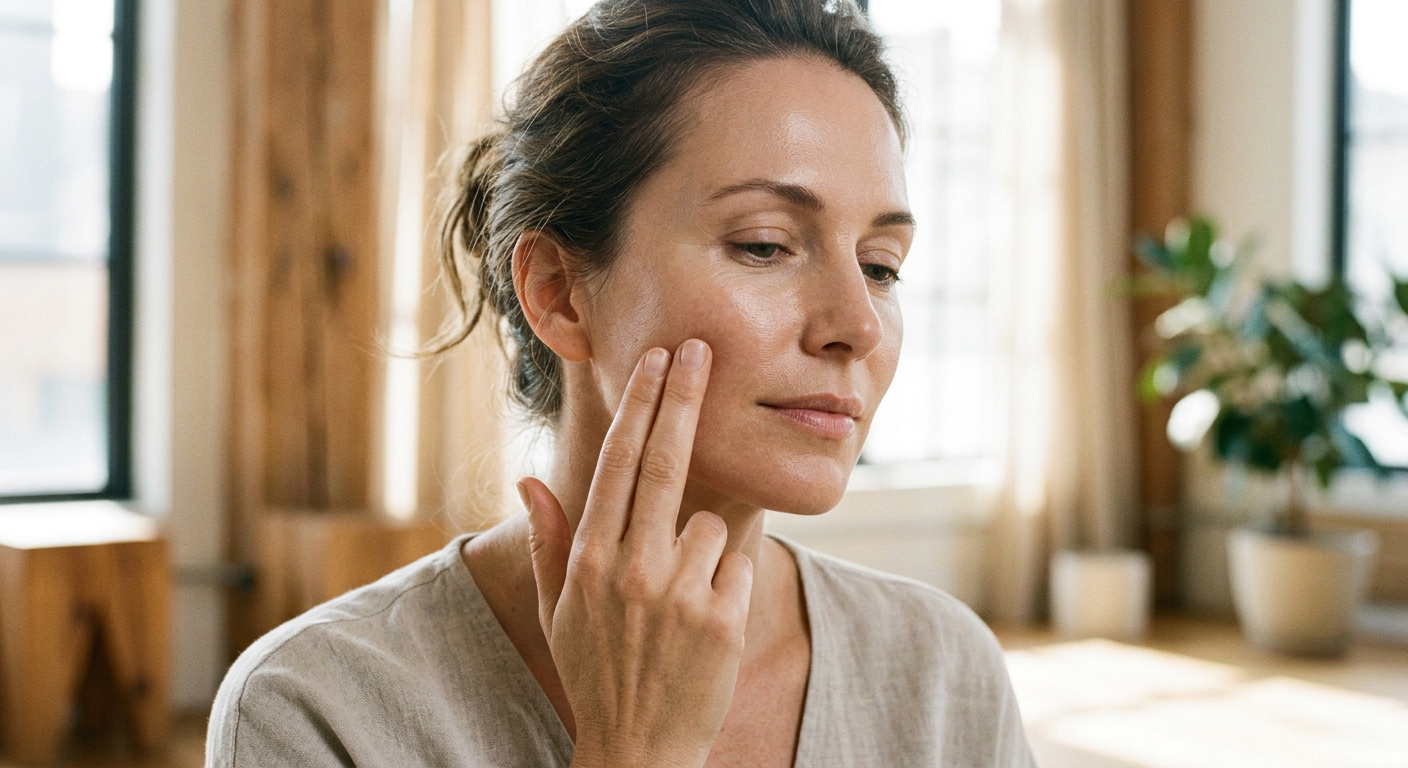
Skin resilience is your skin’s ability to withstand stress, adapt to environmental pressure, and bounce back when it does get irritated. At the center of all of this sits the skin barrier: the outermost protective layer that holds moisture in and keeps irritants out.
A healthy barrier feels comfortable, hydrated, and calm. A stressed one gives you tightness, redness, dryness, itching, or that vague sense your skin just needs a rest. Weather, over-exfoliation, harsh cleansers, and bloated routines all wear it down over time.
The way the industry frames this is changing to match. As Insight Trends World explains, beauty is shifting from defending skin against individual threats and repairing damage after the fact toward proactively strengthening the barrier so it can resist, adapt, and recover on its own.
Why the Resilience Trend Is Growing Now

The most telling driver is a paradox. Insight Trends World points out that sunscreen use is up and routines are more sophisticated than they’ve ever been, yet Mintel finds consumers increasingly describing their skin as reactive and sensitised. More protection hasn’t produced stronger skin.
A big part of the problem is routine overload. Dermatologists are now publicly connecting maximalist regimens to barrier damage. As reported by the Sacramento Bee, the “more is more” stack of cleanser, toner, essence, three serums, retinol, moisturizer, and oil is losing credibility, with experts telling people to simplify, pause their actives, and focus on hydration.
Consumer priorities line up with that advice. A 2025 YouGov survey cited by Food Research Lab found hydration is the benefit people want most (56%), followed by cleansing (50%) and sun protection (44%). That’s a barrier-first hierarchy. Prevention and longevity are beating harsh surface exfoliation.
What Makes a Routine Barrier-Friendly

A barrier-friendly routine isn’t about adding more. It’s about removing friction and picking gentler, more deliberate products. This overlaps with skinimalism, the move toward simpler routines built around fewer effective products, described by The Practical World.
The foundation is plain: clean skin without stripping it, keep it hydrated, and protect it from the sun before layering in stronger actives. The Cleveland Clinic names harsh chemicals or soaps, over-exfoliating, excessive scrubbing, and skipping moisturizer as the main things that damage the barrier.
Formulation is shifting too. According to Who What Wear, even acids are now buffered with barrier-supporting ingredients like ceramides, panthenol, beta-glucan, and allantoin. The goal is no longer to strip skin but to encourage renewal while keeping it resilient.
Barrier-Supporting Ingredients to Look For
- Ceramides — lipids that help rebuild the barrier structure
- Panthenol — soothes and supports hydration
- Beta-glucan — calms and helps skin recover
- Allantoin — reduces the feeling of irritation
- Prebiotics and probiotics — help balance the skin microbiome
Strip-Everything vs. Barrier-First Routines
The easiest way to see the shift is to put the old approach next to the new one.
| Factor | Old “More Is More” Approach | Barrier-First Approach |
|---|---|---|
| Number of products | 6+ layered steps | 3–5 purposeful steps |
| Actives usage | Stacked nightly | Alternated (retinol one night, vitamin C the next) |
| Exfoliation | Frequent, aggressive | Gentle, buffered acids |
| Primary goal | Fast surface change | Long-term strength and comfort |
| Response to irritation | Add corrective products | Simplify and hydrate |
| If a product stings | Push through it | Stop using it |
Dr. Bowe, quoted in the Sacramento Bee, puts it plainly: stop using anything that burns on application. That one rule captures the whole change in mindset.
The Microbiome Connection

Resilience isn’t only about lipids and hydration. Your skin hosts a complex ecosystem of microbes that contributes to barrier protection, immune regulation, and overall skin homeostasis, as documented in a 2025 review in PMC.
That science is now being put to work topically. Who What Wear reports that microbiome skincare is a defining trend for 2026, as consumers figure out that harsh, stripping routines aren’t the answer and start looking for products that respect the skin’s natural ecosystem.
Microbiome-friendly products either introduce beneficial microbes (probiotics) or feed the beneficial species already there (prebiotics) to restore balance, according to PMC. The SPINS 2026 report confirms the demand, noting a rise in ceramides, fermentation-based actives, and microbiome offerings aimed at repair and resilience.
How to Build a Barrier-Friendly Routine

You don’t need to overhaul everything at once. The Scoop Whole Beauty framework gives you a practical starting point that works for both skincare and makeup.
A Simple Step-by-Step Approach
- Notice how your skin feels after a full day of products, especially at removal.
- Simplify your layers by cutting the number of base products you use at once.
- Choose multi-use products thoughtfully when the formula is comfortable and gentle.
- Alternate your actives instead of stacking them nightly.
- Be wary of miracle language — barrier-friendly products shouldn’t need to overpromise.
The Skin Inc. barrier repair blueprint makes the core point: barrier repair isn’t one magical product. It’s the sum of decisions made at every step of your routine, where each step reinforces structure, hydration, and resilience.
Conclusion
Skin resilience became the new beauty goal because the old model quietly failed. More protection and more products left people with reactive, sensitised skin, and dermatologists and consumers alike are now correcting course toward barrier-first routines.
The takeaways are simple: simplify your routine, prioritize hydration, buffer or alternate your actives, respect your microbiome, and stop using anything that burns. The data shows prevention and longevity now outrank aggressive quick fixes, and brands are chasing that demand.
Audit your shelf before your next purchase. If you’re stacking multiple actives every night or pushing through products that sting, scale back and rebuild around fewer, gentler, barrier-supporting choices. Strong skin lasts a lot longer than a flawless finish.
FAQ
What is the skin barrier?
The skin barrier is the outermost protective layer of your skin. Its job is to keep moisture in and irritants out, which keeps skin comfortable, hydrated, and resilient when it’s healthy.
What are the signs of a damaged skin barrier?
Common signs include tightness, dryness, redness, itching, roughness, and skin that reacts easily. If a product stings or burns on application, dermatologists advise stopping use immediately.
Which ingredients support skin resilience?
Look for ceramides, panthenol, beta-glucan, and allantoin, which soothe and rebuild the barrier. Prebiotics and probiotics also help by supporting a balanced skin microbiome.
Is a barrier-friendly routine the same as skinimalism?
They overlap closely. Skinimalism means using fewer, more purposeful products, and that simplicity is often exactly what a stressed barrier needs to recover and stay strong.
Can I still use retinol on a barrier-friendly routine?
Yes, but alternate it rather than stacking actives. Using retinol one night and vitamin C the next morning reduces the risk of over-irritating your skin.
Why are consumers moving away from harsh exfoliation?
Consumer research shows hydration, cleansing, and sun protection now rank as top priorities, while over-exfoliation is linked to barrier damage. The focus has moved to long-term strength over fast surface changes.