

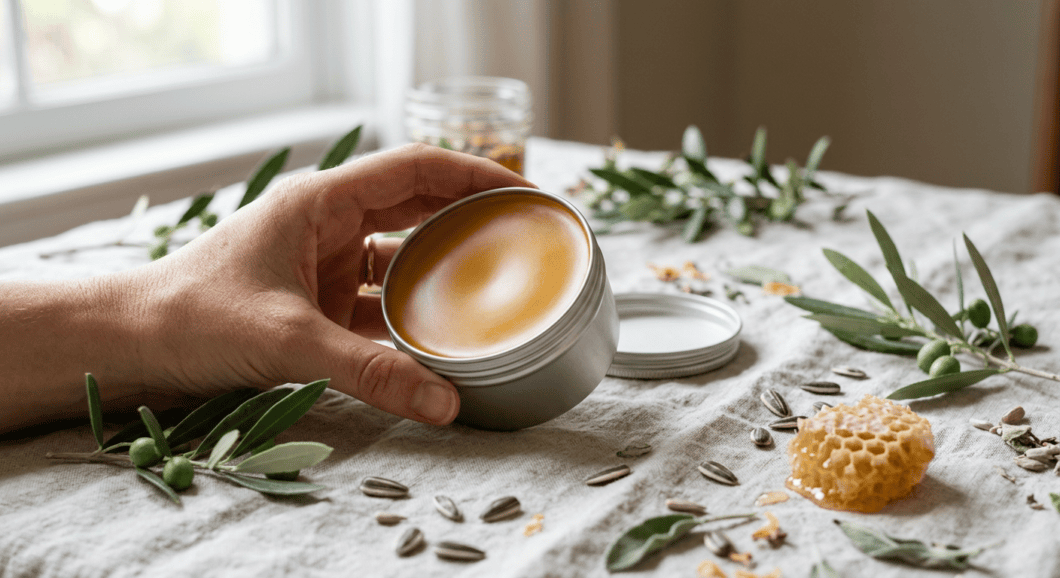
Flip over your favorite lip balm and read near the top of the ingredient list. A wax is almost always in there, doing the quiet structural work that keeps the product from pooling into a puddle. Beeswax handled that job for more than a thousand years. Lately, though, a growing number of balms rely on plant-based waxes instead. The obvious question is whether they actually perform, and the answer is yes, with market data to back it up.
What Makes a Wax “Natural” and Plant-Based
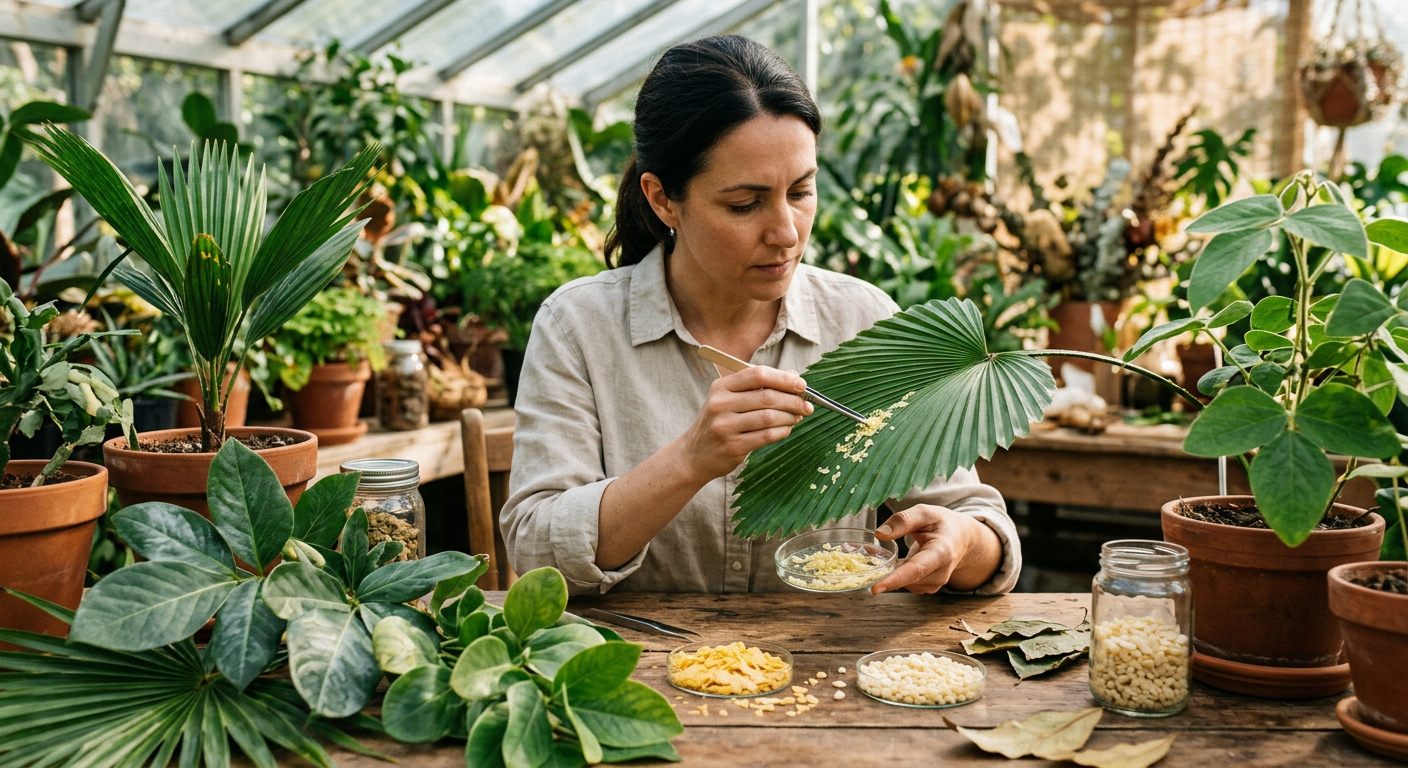
Natural waxes belong to the lipid family, made up of hydrocarbons and fatty esters pulled from leaves, peels, fruits, and plant oils. Formula Botanica explains that vegan waxes are extracted through physical filtration, a process called de-waxing, then refined and deodorized to strip out the typical waxy scent.
That distinction matters. Up to the point of refining and deodorizing, no chemical reaction takes place, which keeps these ingredients firmly in the natural category. Bleaching is the exception. Formula Botanica notes it becomes a problem for all-natural formulators who want to keep products as unprocessed as possible.
True Waxes vs. Pseudo-Waxes
Not everything labeled “wax” qualifies as a true wax. True waxes come directly from a plant or plant oil. Pseudo-waxes are hydrogenated oils and oil blends engineered to mimic waxy behavior. Knowing the difference helps you read a label when you’re shopping for a genuinely plant-based balm.
Why Plant-Based Beauty Is Gaining Ground
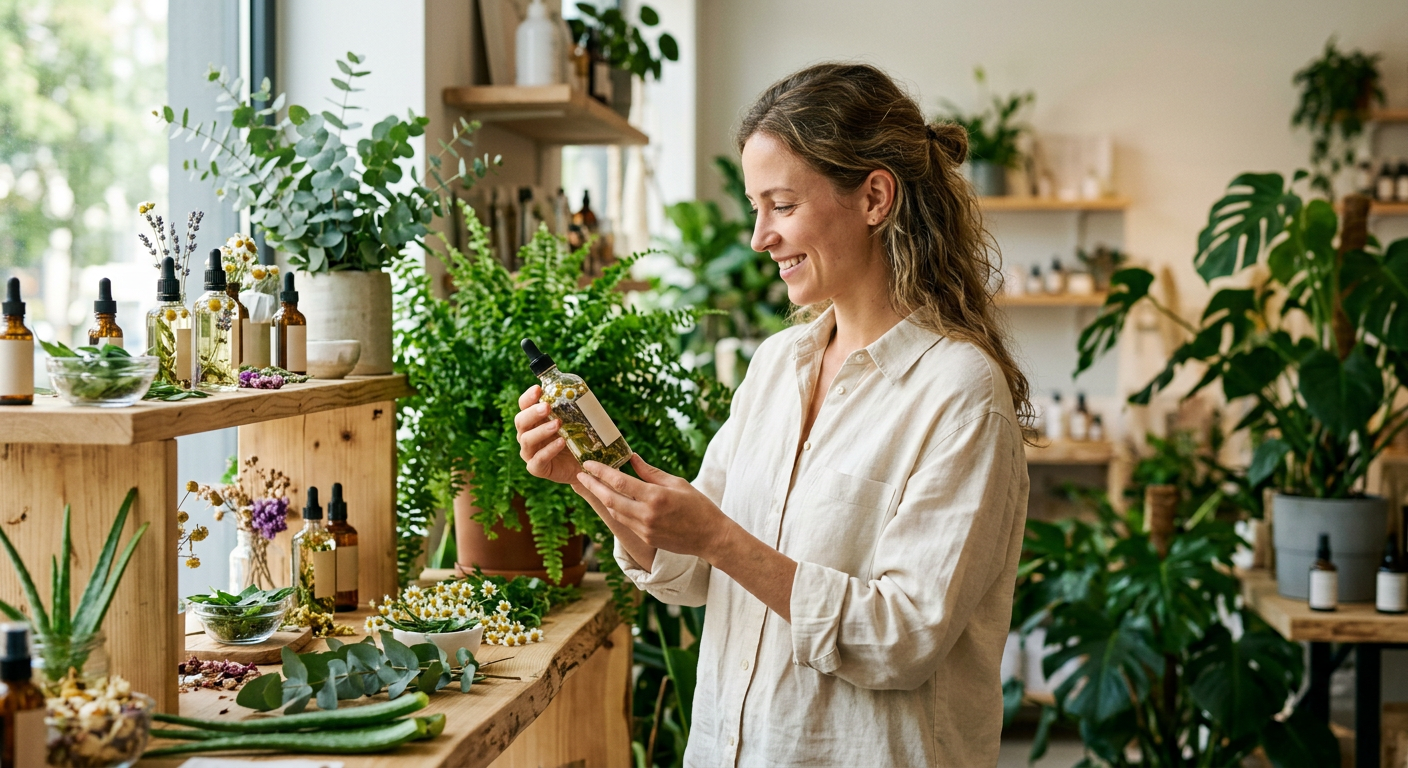
The shift toward plant-based formulas isn’t a niche trend. Innova Market Insights reports that 60% of global consumers are actively seeking natural ingredients in their skin care, a demand that drove a 9% compound annual growth rate for personal care launches featuring plant-based ingredients between July 2021 and June 2026.
The financial scale is substantial. Research in the International Journal of Cosmetic Science puts the natural cosmetics industry on track to reach $27.04 billion by 2030, and frames plant-based ingredients not as mere substitutes for synthetics but as drivers of innovation.
The growth isn’t evenly spread. Innova Market Insights reports that Europe accounts for 42% of all new plant-based beauty launches, which makes it the global center of the trend.
The Core Plant-Based Waxes You Should Know
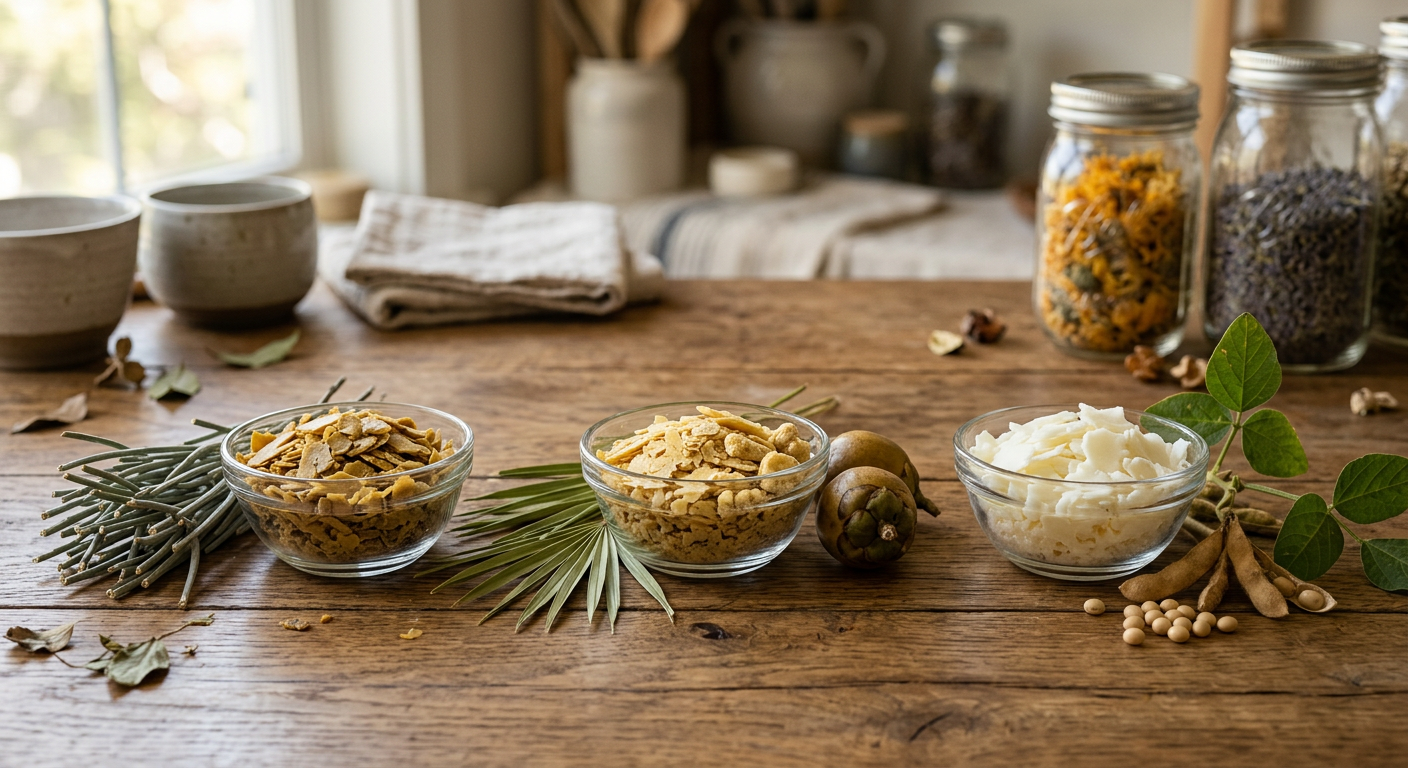
Three plant waxes dominate natural balm formulations, each with distinct properties. Their melting points and textures tell you a lot about how a balm will feel and perform.
Candelilla Wax
Candelilla wax (INCI: Euphorbia cerifera) comes from the leaves of a small shrub native to Mexico and the southwestern US. Noyah calls it the go-to beeswax substitute for vegan formulas because it binds oil well, feels less sticky than beeswax, and leaves a glossy sheen on the lips.
It’s also harder than beeswax and melts at a higher temperature, so a little goes a long way. Formulators often use roughly half as much candelilla as beeswax to hit similar firmness, which leaves more room for nourishing oils and butters. Formula Botanica puts its composition at up to 50% hydrocarbons and only 20–30% fatty esters.
Carnauba Wax
Carnauba wax comes from the leaves of the Brazilian palm Copernicia cerifera, where “cerifera” literally means “wax making.” Its melting point sits above 82°C, which makes it ideal for stick formulations and products sold in hot climates.
That hardness comes with a handling requirement. Safic-Alcan explains that the oil phase has to be heated to at least 85–90°C when working with carnauba. Skip that step and you risk shock crystallization on contact with cooler oils, which produces a grainy or uneven texture.
Beeswax, for Comparison
Beeswax remains a benchmark. It melts at 61–65°C and contains roughly 30% hydrocarbons and 70% fatty esters, per Formula Botanica. It’s natural, but it isn’t vegan, which is the key distinction for plant-based formulators.
Comparing Natural Waxes at a Glance
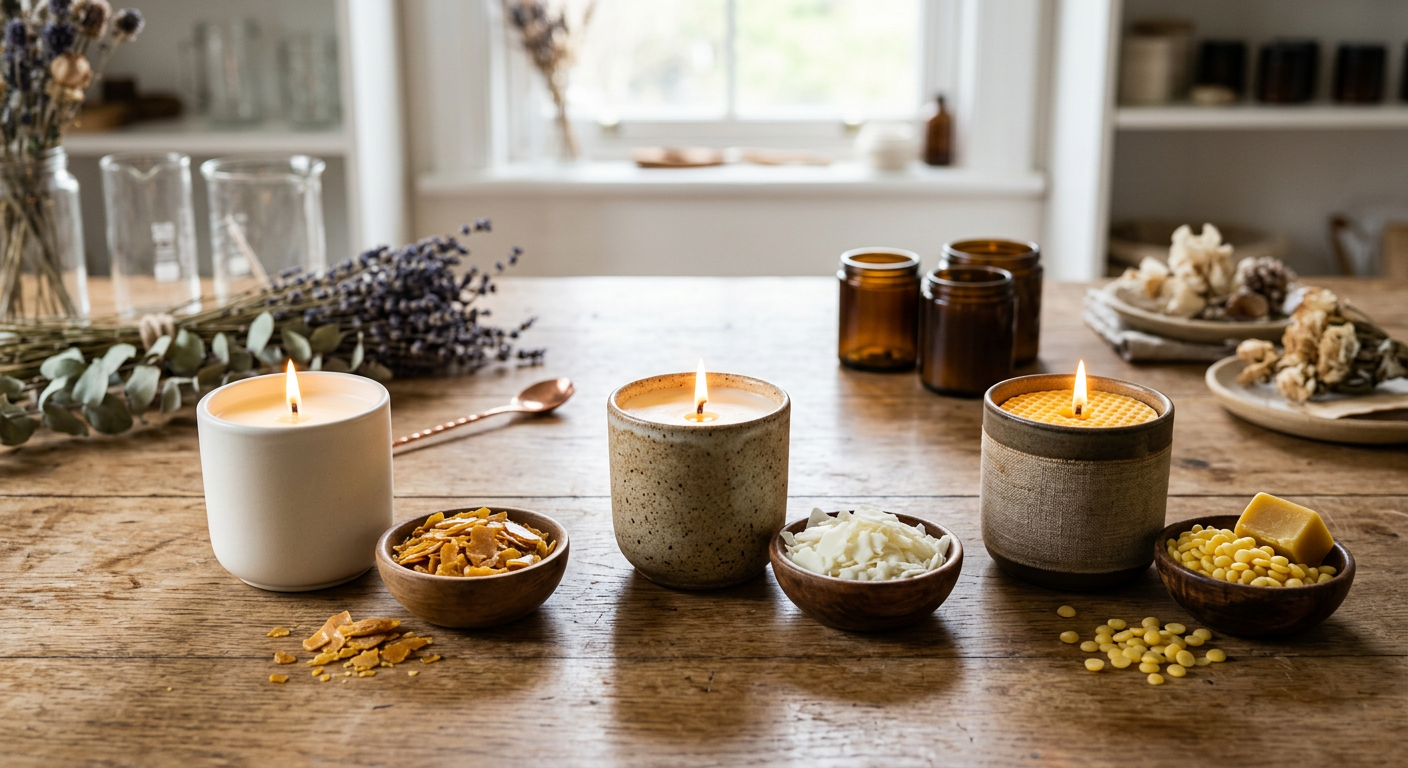
The right wax depends on your product concept, your climate, and the texture you’re after. Use this table to match a wax to its application.
| Wax | Source | Melting Point | Vegan | Best For |
|---|---|---|---|---|
| Candelilla | Euphorbia cerifera leaves | ~68–73°C | Yes | Lip balms, glossy finish, vegan swaps |
| Carnauba | Copernicia cerifera palm leaves | Above 82°C | Yes | Stick formulas, hot climates, hard balms |
| Beeswax | Honeybees | 61–65°C | No | Soft, cushiony balms (non-vegan) |
Formula Botanica offers a simple rule for substitution: the higher the melting point, the harder the finished product. For a soft hand and body balm, pick a wax with a lower melting point. For a stick or a tropical-climate formula, go higher.
Do Plant-Based Balms Actually Perform?
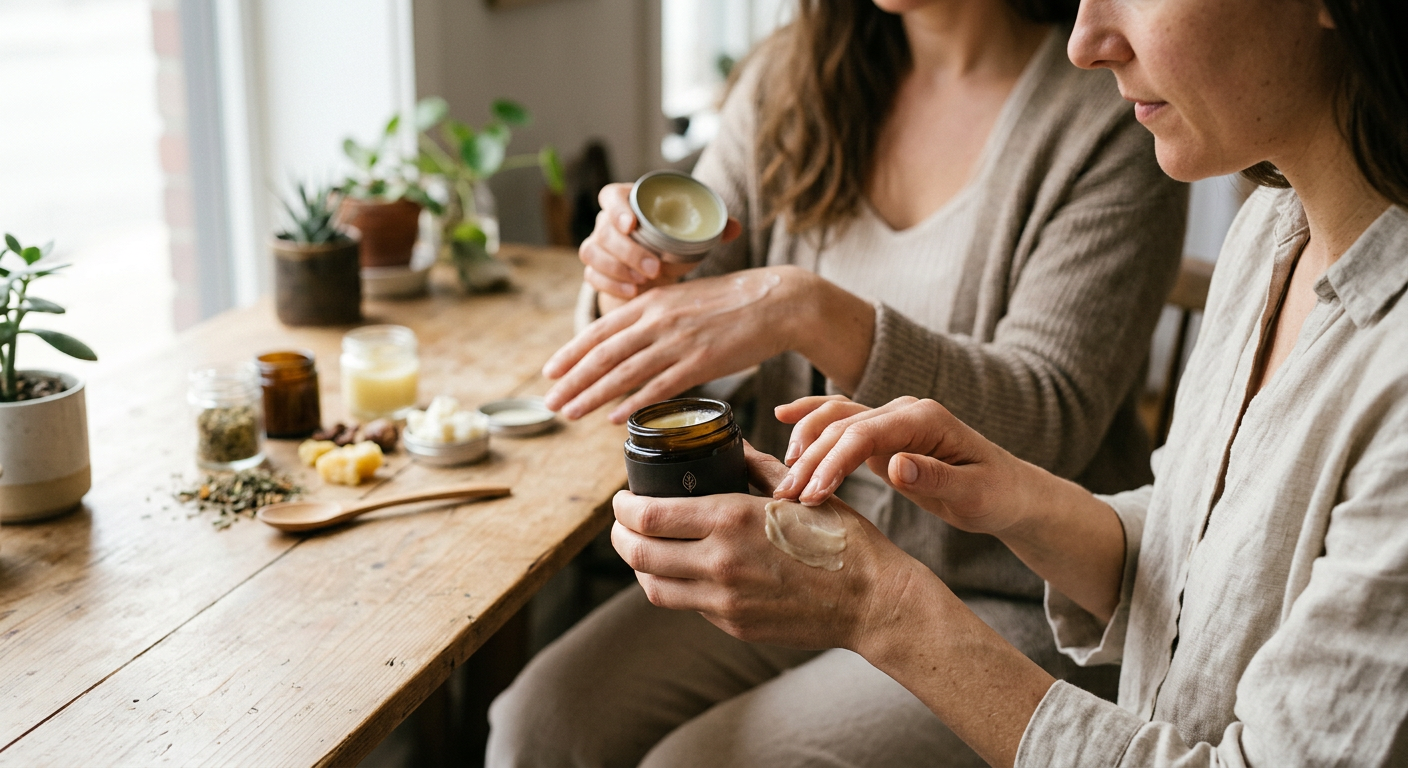
Performance is the question that stops most people from switching. Formulators say plant waxes protect and moisturize well without sacrificing quality, as Merigold points out.
There are trade-offs to manage. Noyah is candid that candelilla on its own can feel firmer and less cushiony than beeswax, which is why well-made vegan balms blend it carefully with softer plant oils to get the glide right. The skill is in the blend, not the absence of animal products.
One caution worth flagging: some plant-based formulas lean too heavily on petroleum alternatives like synthetic waxes or silicones, which create a surface seal rather than condition the skin. If you want a truly natural balm, check that the waxes and oils are plant-derived rather than synthetic stand-ins.
A Note on Bioactive Benefits
Plant-based formulas can offer more than structure. The International Journal of Cosmetic Science highlights that plant-based cosmeceuticals are rich in vitamins, essential oils, polyphenols, and antioxidants, delivering benefits beyond simple moisture.
Sustainability and the Market Trajectory
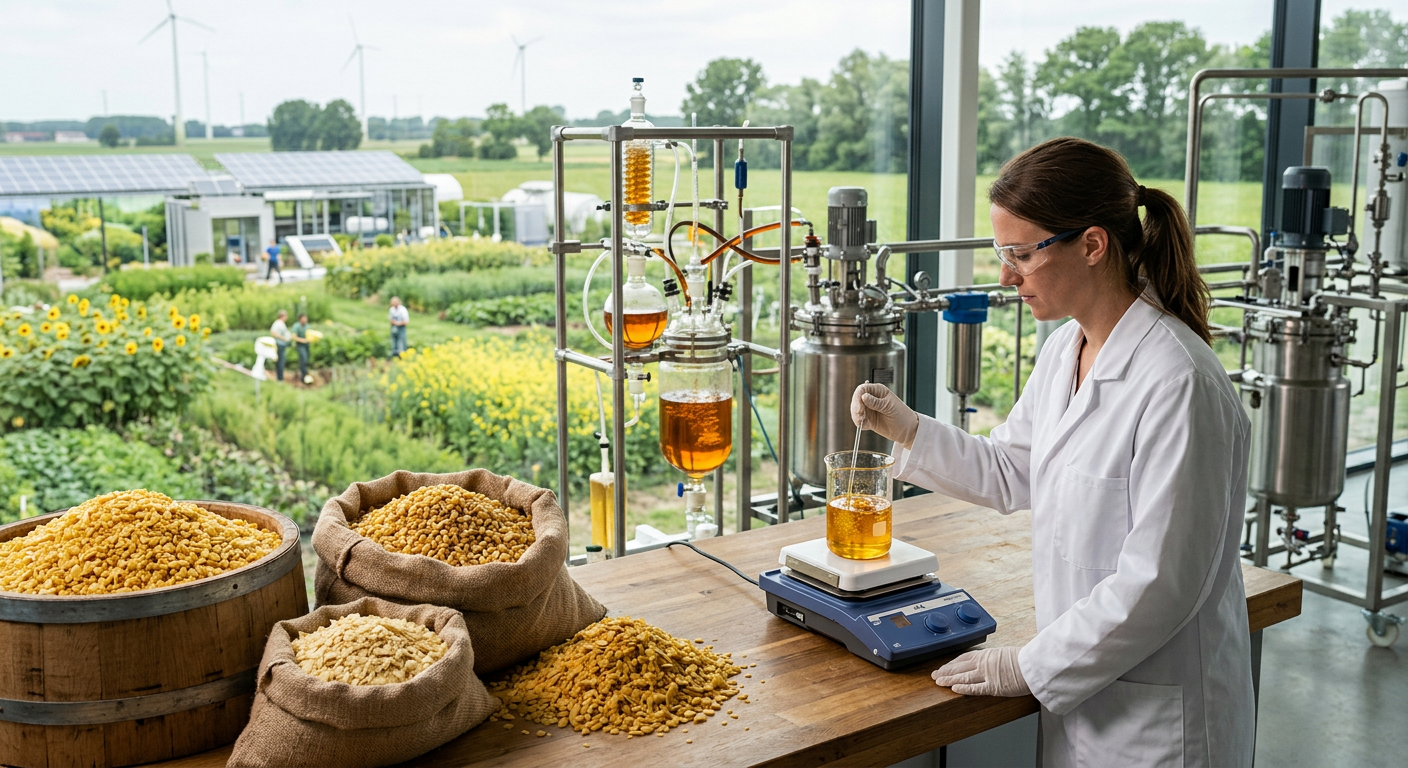
The move away from petroleum-derived and synthetic waxes is structural, not seasonal. IndexBox projects the global candelilla wax market to grow at a 4.6% compound annual growth rate from 2026 to 2035, driven by the shift toward natural, plant-based alternatives and regulatory pressure to cut fossil-based materials.
There’s a commercial case too. Natural Bulk Supplies points out that relying only on beeswax can limit your market, since many customers deliberately avoid animal-derived ingredients.
Consumer demand, regulatory momentum, and real performance are converging, which is why plant-based waxes are worth exploring now rather than later.
Key Takeaways
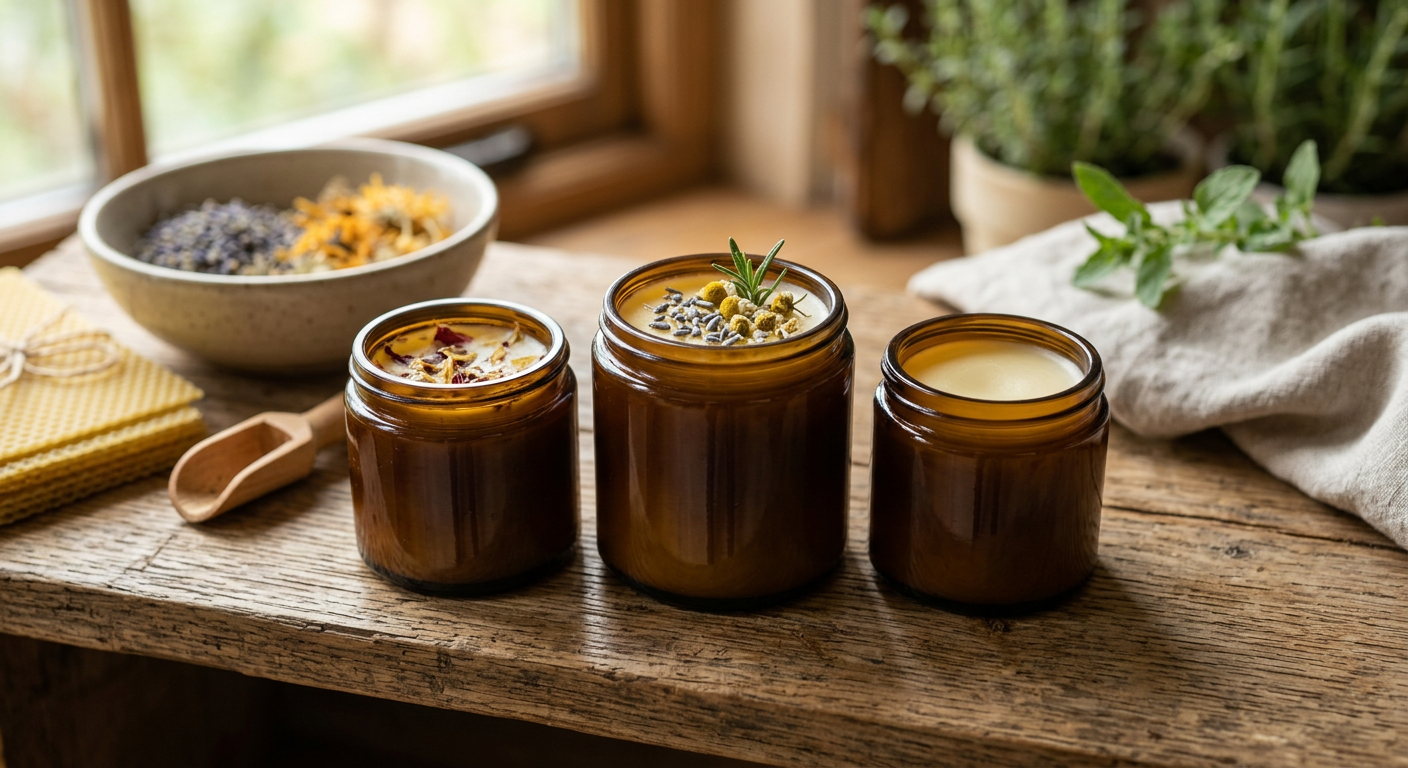
Natural wax balms have moved from alternative to mainstream, and the evidence supports the shift. Candelilla and carnauba deliver the structure, gloss, and durability that balms need, and skilled formulators blend them with plant oils to match or exceed the feel of beeswax.
The market data is clear: 60% of consumers want natural ingredients, the natural cosmetics industry is heading toward $27.04 billion by 2030, and candelilla demand is set to grow steadily through 2035. If you’re choosing a balm or formulating your own, start by matching the wax’s melting point to your product and climate, then read labels to avoid synthetic pseudo-waxes. Pick up a plant-based balm on your next purchase and judge the performance yourself.
Frequently Asked Questions
Are plant-based wax balms as effective as beeswax balms?
Yes. Plant waxes like candelilla and carnauba protect and moisturize effectively, though candelilla alone can feel firmer than beeswax. Good vegan balms blend it with softer plant oils to achieve a comparable glide and cushion.
Which plant wax is the best beeswax substitute?
Candelilla is the go-to substitute. It binds oil well, feels less sticky than beeswax, and leaves a glossy finish. You typically need only about half as much candelilla as beeswax to reach similar firmness.
Why does carnauba wax make such hard balms?
Carnauba has a very high melting point above 82°C, which produces firm, durable products ideal for sticks and hot climates. It has to be heated to 85–90°C during formulation to avoid a grainy texture from shock crystallization.
Is “natural” the same as “vegan” in wax balms?
No. Beeswax is natural but not vegan, because it comes from bees. Plant waxes like candelilla and carnauba are both natural and vegan, which is why formulators choose them for plant-based products.
Are all plant-based balms free of synthetic ingredients?
Not always. Some plant-based formulas rely on synthetic waxes or silicones that seal the surface rather than condition skin. Check the label to confirm the waxes and oils are genuinely plant-derived.
Is the plant-based beauty market actually growing?
Yes, significantly. Plant-based personal care launches grew at a 9% CAGR between 2021 and 2026, and the natural cosmetics industry is projected to reach $27.04 billion by 2030.