

Sustainability in beauty used to be a marketing angle. Now it’s a buying requirement. Grand View Research found that 70% of consumers research a company’s environmental credentials before buying anything, a figure that shows how far the ground has shifted. Vague “green” promises that once earned shelf space no longer hold up against shoppers who want proof, performance, and accountability. Brands that read the next wave correctly are the ones that will shape the market.
From Clean Beauty to Conscious Beauty: What Changed
“Clean beauty” ran the conversation for years without ever settling on a stable definition. Mintel points out that shoppers read it differently depending on where they live. Western European consumers link it to sustainability. In APAC, it means safety and “free from” claims. In the US, thin regulation lets brands define “clean” more or less however they want.
Conscious beauty is the grown-up version of the same idea. Croda Beauty describes it as “gaining traction among industry professionals and forward-thinking brands, especially as an evolution of clean beauty.” It moves the focus off the ingredient list alone and folds in ethical sourcing, carbon footprint, transparent supply chains, cruelty-free practices, and vegan formulations.
The commercial stakes are real. Grand View Research valued the global clean beauty market at USD 10.5 billion in 2025 and projects it to hit USD 35.3 billion by 2033, a 16.8% CAGR. That kind of growth rewards brands that build sustainability into their strategy rather than sprinkling it on top.
Biotech and Fermentation Move Formulation Upstream

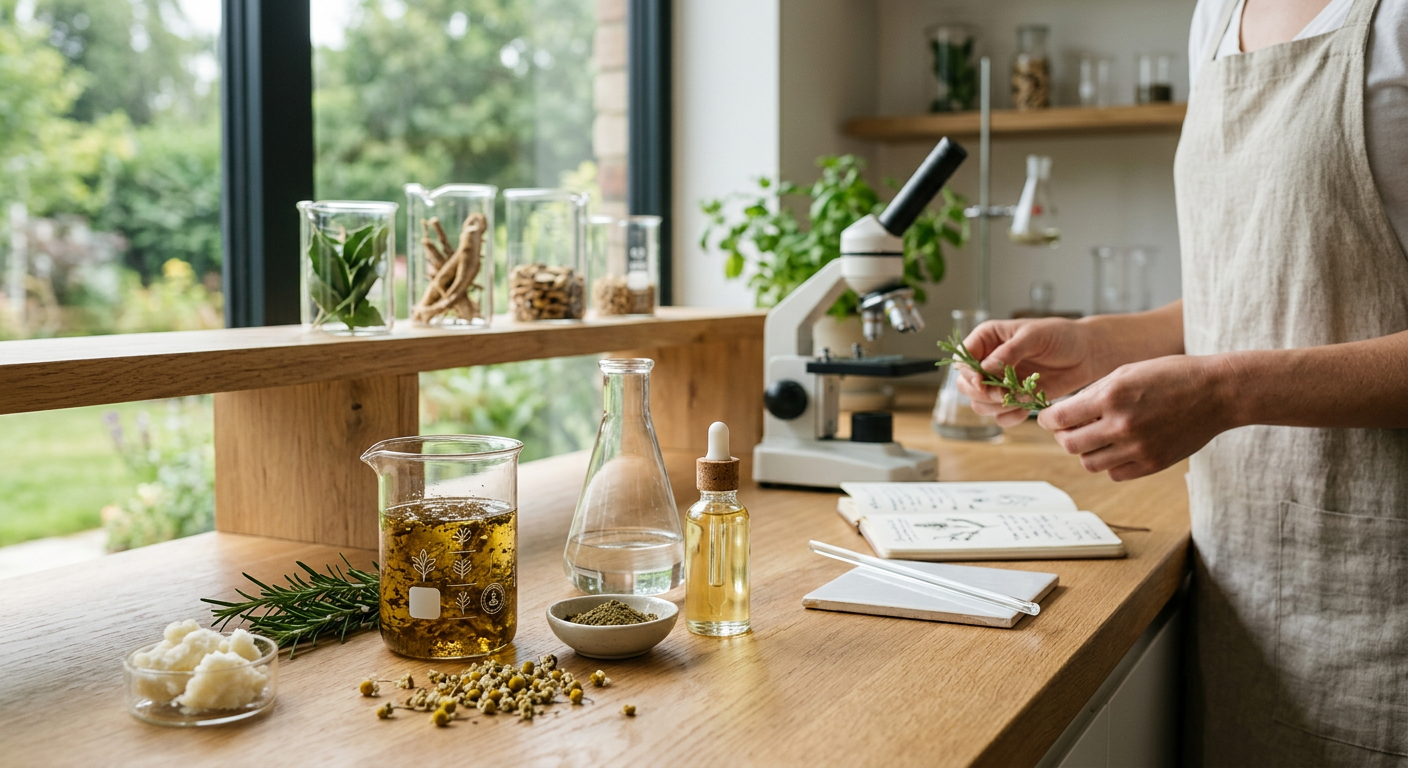
The biggest trend worth watching isn’t a new refill scheme or a clever bottle. It’s happening in the lab. Personal Care Insights reports that eco-conscious beauty has become a whole-value-chain priority, shaping ingredient sourcing, formulation, manufacturing, and traceability.
Biotechnology and fermentation now sit at the center of that shift. Together with upcycling, these approaches will be “among the strongest drivers of change in the next five years,” according to Personal Care Insights. Fermentation can cut production costs, raise yields, or improve how an ingredient performs. In some cases it’s the only workable way to produce a specific ingredient at all.
Why This Matters for Performance
A sustainable formulation still has to work, and that requirement drives every biotech decision. Personal Care Insights puts it plainly: sustainability has to deliver on performance and price at the same time, and brands are always weighing those trade-offs. Lab-grown and fermented ingredients let them cut environmental impact without asking consumers to give up efficacy, safety, or the way a product feels on the skin.
Upcycling and Natural Ingredients Reshape Sourcing
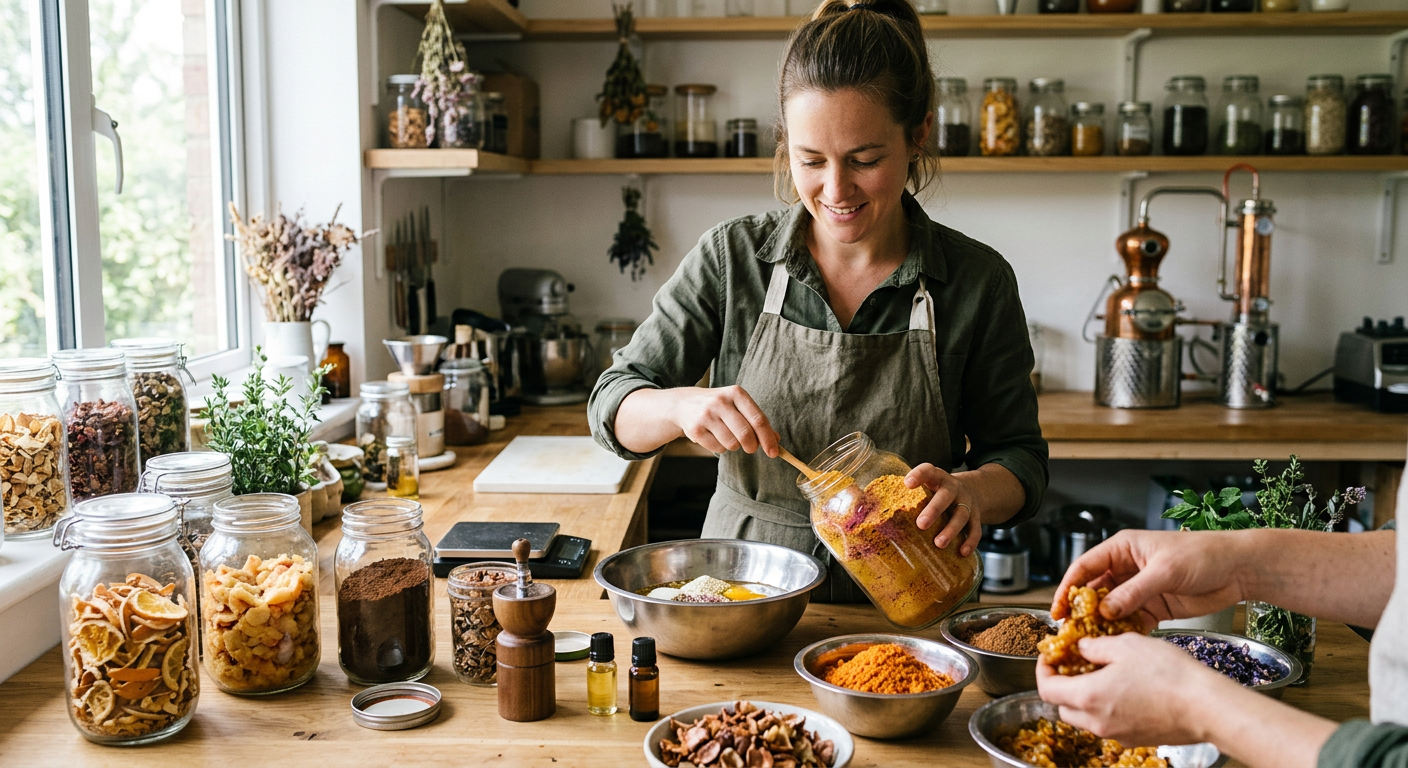
Waste is turning into raw material. More brands now build ingredients by upcycling by-products from other manufacturing processes, which Mintel flags as a way to make conscious cosmetics both more circular and more interesting to shoppers.
Demand for natural components hasn’t cooled. Data cited by CAS shows more than 40% of shoppers prioritize natural ingredients in their beauty and personal care products, and the natural cosmetics ingredients market is projected to grow from USD 642 million in 2022 to USD 1,095 million by 2030.
Sourcing transparency has crossed over from bonus to purchase driver. In Germany, ingredient sourcing matters to nearly 60% of shoppers who research natural and organic products before buying, Mintel reports. A brand that can trace an ingredient from farm to formula holds an edge the competition can’t fake.
Refillable and Waterless Formats Become Standard
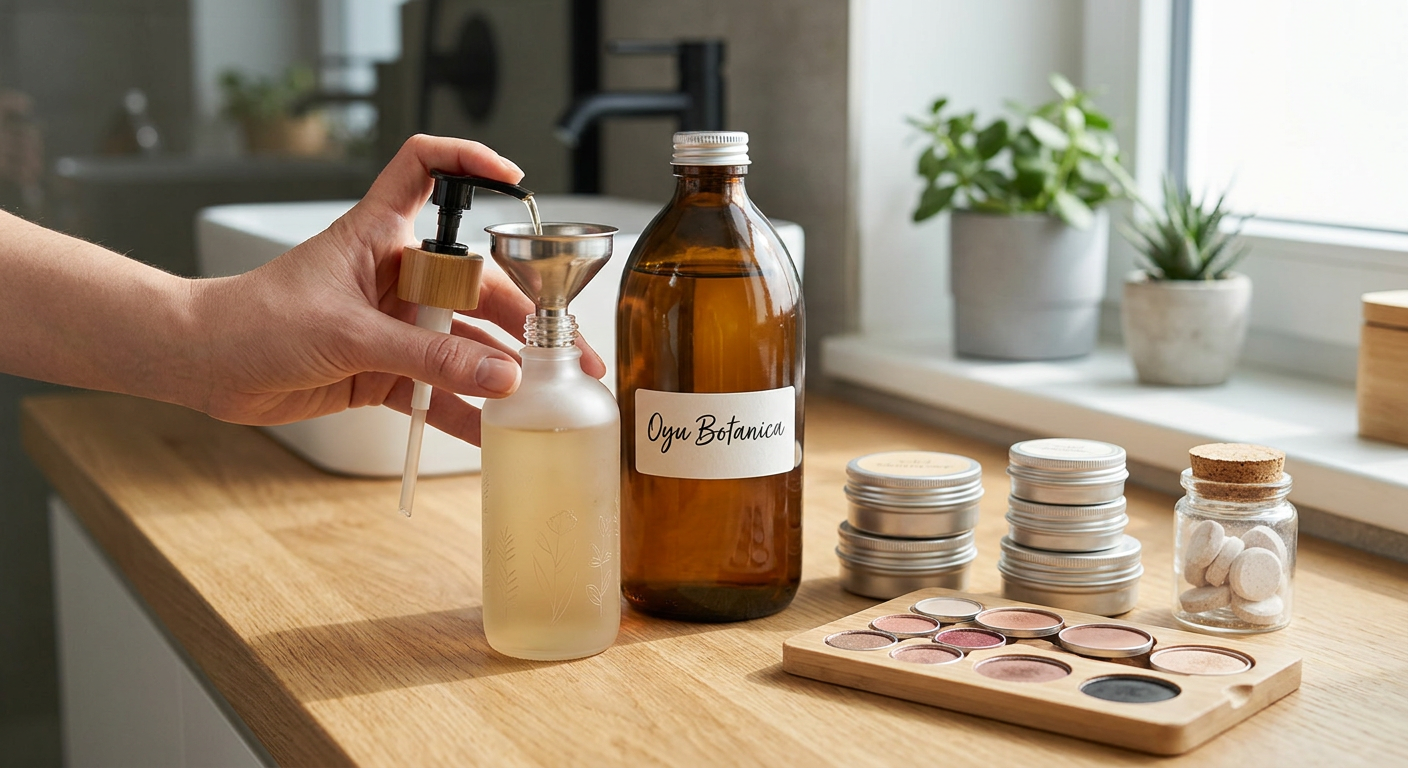
Packaging is where conscious beauty gets concrete for the average shopper. Oyu Botanica reports that refillable systems and minimal-waste packaging are becoming standard rather than premium, shrinking environmental footprints while keeping products effective.
The numbers show the format scaling up. Mintel found that 9% of UK beauty and personal care launches carried refill claims in 2022. The motivation behind that is easy to read: 54% of consumers actively try to keep products out of landfill, per Grand View Research.
Waterless formulas are the next frontier. Concentrating actives and stripping out water conserves resources and cuts shipping weight. Oyu Botanica notes these products land especially well in arid or eco-conscious markets like Dubai and Los Angeles.
Sustainable Packaging Formats Compared
| Format | Environmental Benefit | Best For |
|---|---|---|
| Refillable systems | Reduces single-use packaging waste | Serums, moisturizers, foundations |
| Waterless formulas | Conserves water, lowers shipping weight | Cleansers, shampoos, concentrates |
| Upcycled-ingredient products | Diverts manufacturing by-products from waste | Oils, exfoliants, extracts |
| Minimal-waste packaging | Cuts material use at source | Bars, tablets, mono-material tubes |
Data and Substantiation End the Greenwashing Era
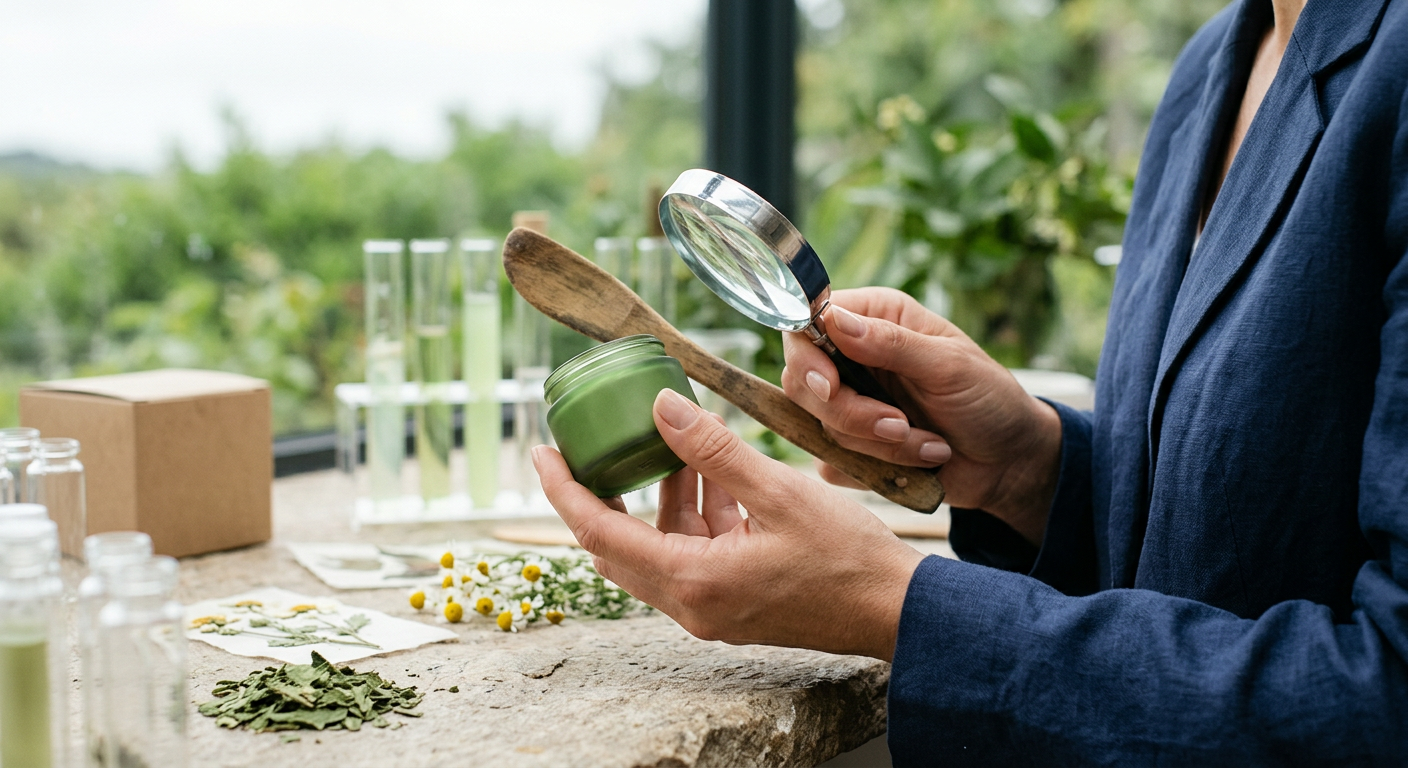
Vague sustainability claims are running out of road. Croda Beauty argues that under sharper scrutiny from regulators and consumers, data has stopped being support and become strategy. The industry has to prove what it promises.
The scrutiny is deserved. Mintel reports that 65% of adults find it hard to tell whether a brand is overstating how eco-friendly it is. Regulation is starting to close that gap. Personal Care Insights covers an incoming EU anti-greenwashing directive that pushes the industry toward real substantiation.
Verified claims now build loyalty on their own. Because 70% of consumers research a company’s environmental credentials, Grand View Research argues that verified claims and genuine eco-initiatives are becoming central to long-term brand trust. For any brand paying attention, substantiation is a competitive asset rather than a compliance chore.
The Market Backdrop: Growth Meets Accountability
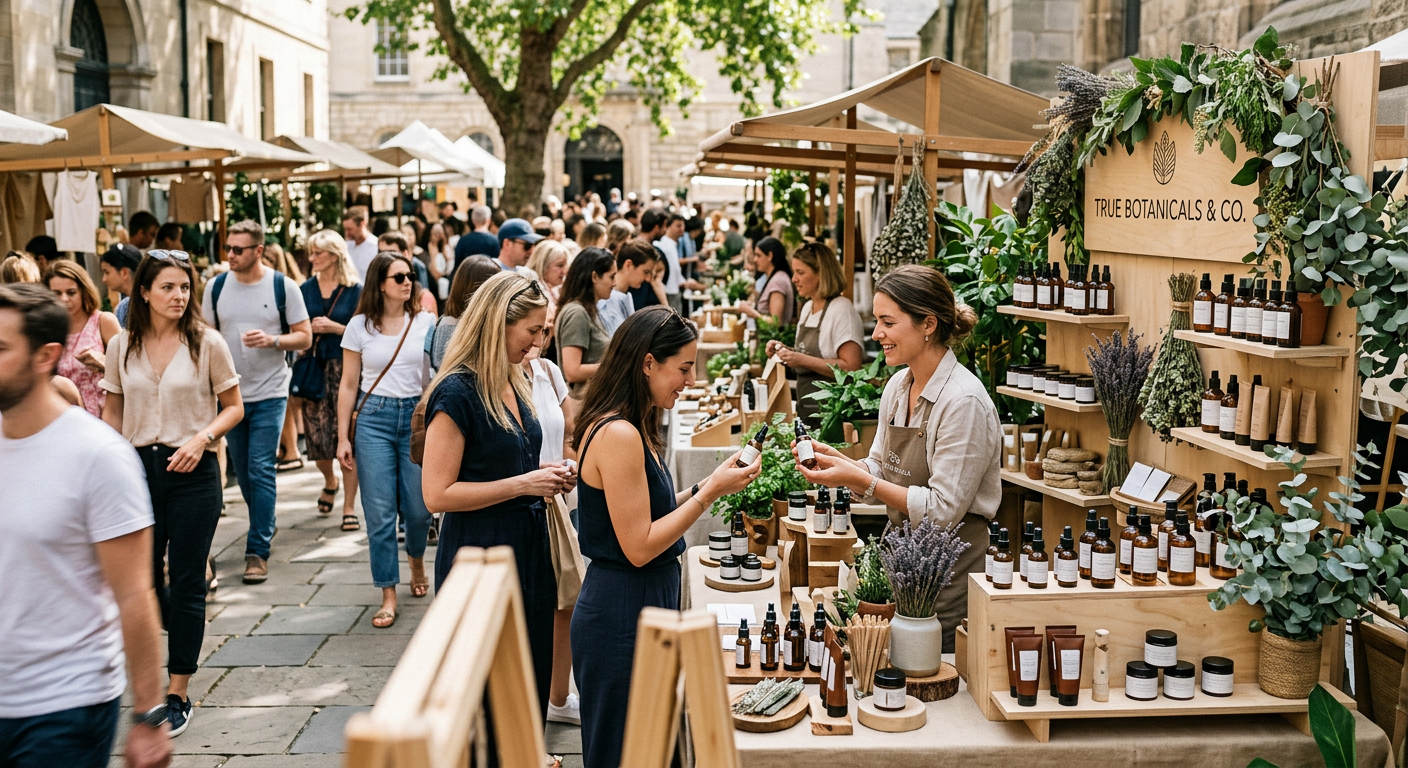
Conscious beauty is riding a broader wave. McKinsey expects the global beauty market to grow 5% a year and reach USD 590 billion by 2030. Sustainable and ethical products are running ahead of that pace.
The gap is measurable. Innova Market Insights data cited by Personal Care Insights shows products with ethical and sustainable claims posted a 15% CAGR from July 2021 to June 2026. New Hope Network reports that natural beauty accounts for 57% of growth across the wider personal care market.
Most of that momentum sits in cities. In North America, New York, Los Angeles, and San Francisco anchor a dominant clean beauty share, powered by shoppers who gravitate to retailers like Credo Beauty and The Detox Market, per Oyu Botanica.
Key Takeaways and What to Do Next
Conscious beauty has taken over from clean beauty as the standard, and the shift rewards proof over promises. A few themes are worth tracking:
- Biotech and fermentation will drive the biggest formulation changes over the next five years.
- Upcycling and traceable natural ingredients are turning sourcing into a purchase driver.
- Refillable and waterless formats are moving from premium to standard.
- Data and substantiation now decide whether consumers trust a brand.
- Sustainable and ethical claims are growing faster than the broader beauty market.
If you run a brand, invest in verified claims and whole-value-chain sustainability before regulation forces your hand. If you’re a shopper, look past the label and reward brands that publish their sourcing, packaging, and environmental data. Pick one product in your routine, hold it against the criteria above, and let what you find guide your next purchase.
Frequently Asked Questions
What is the difference between clean beauty and conscious beauty?
Clean beauty focuses mainly on ingredient safety and “free from” formulations, though its meaning shifts from market to market. Conscious beauty covers more ground, adding ethical sourcing, carbon footprint, transparent supply chains, and cruelty-free and vegan practices, according to Croda Beauty.
How big is the clean beauty market?
The global clean beauty market was valued at USD 10.5 billion in 2025 and is projected to reach USD 35.3 billion by 2033, a 16.8% CAGR, per Grand View Research. North America held the largest share at 34.7% in 2025.
Why is biotechnology important for sustainable beauty?
Biotechnology and fermentation can lower production costs, raise yields, and improve performance while reducing environmental impact. Experts cited by Personal Care Insights expect them to be among the strongest drivers of change over the next five years.
How can I tell if a brand’s sustainability claims are real?
Look for verified data and specific substantiation rather than vague terms like “green” or “eco-friendly.” It matters because 65% of adults find it hard to know if a brand overstates its eco-friendliness, according to Mintel.
Are refillable beauty products becoming mainstream?
Yes. Refillable and minimal-waste packaging are becoming standard, and 9% of UK beauty launches featured refill claims as early as 2022, per Mintel. Demand backs the shift, with 54% of shoppers actively working to keep products out of landfill.
Is sustainable beauty growing faster than the overall beauty market?
Yes. Products with ethical and sustainable claims grew at a 15% CAGR from 2021 to 2026, according to Personal Care Insights, well above the 5% annual growth McKinsey projects for the broader beauty market through 2030.