

Acids and retinols got the spotlight for years while the skin barrier sat quietly in the background. That’s changed. Ceramide serums have become the anchor of barrier-focused skincare, and the market shows it: the global ceramide market was worth roughly USD 417 million in 2025 and is projected to reach USD 761 million by 2034, according to Fortune Business Insights. Growth on that scale reflects a lasting change in how shoppers, dermatologists, and brands define healthy skin.
This article covers what ceramides do, why barrier repair keeps gaining ground, and how to pick a serum that earns its place in your routine.
What Ceramides Are and Why They Matter
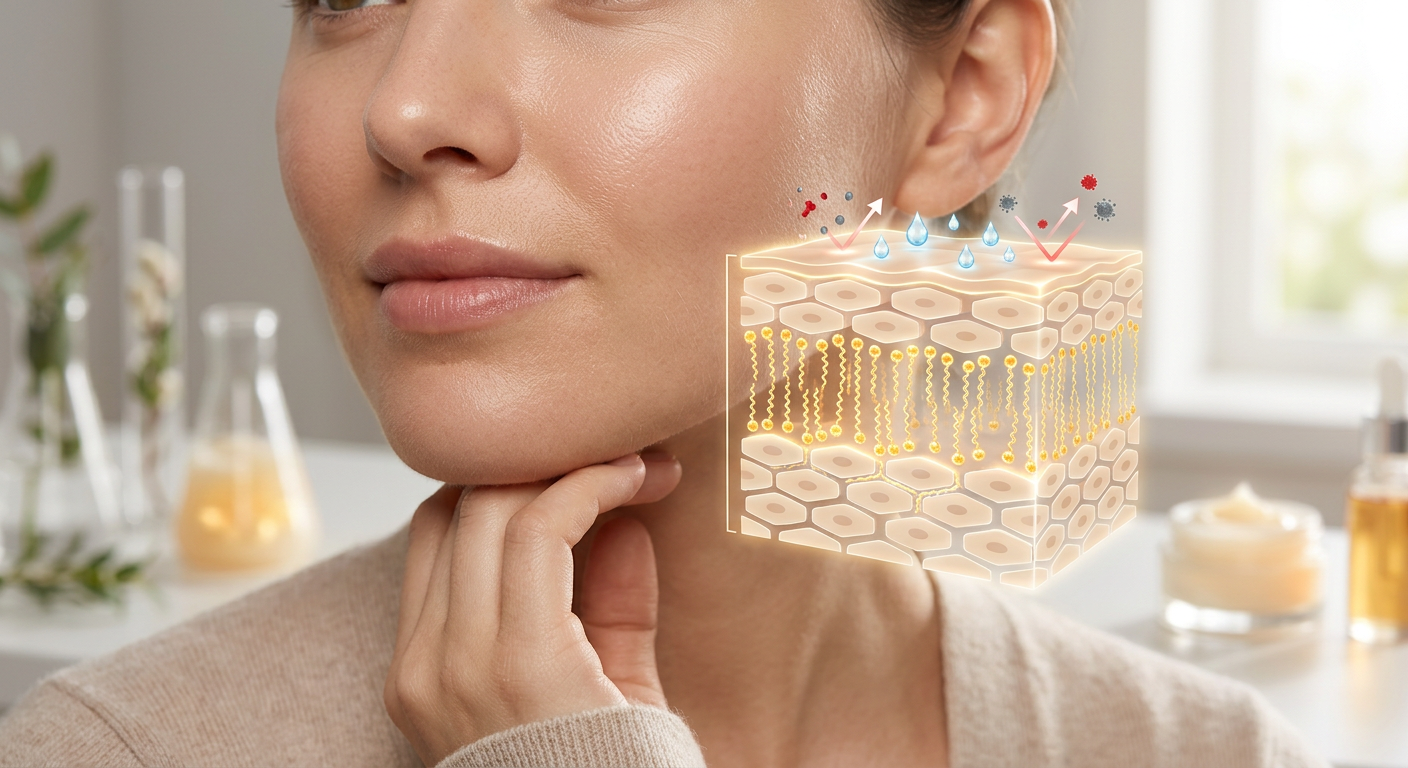
Ceramides are lipid molecules that occur naturally in your skin barrier, the outermost layer that keeps moisture in and irritants out. They make up a large share of the lipids that hold skin cells together, working like mortar between bricks. When ceramide levels are healthy, skin stays hydrated, calm, and resilient.
Those levels drop over time. Aging, sun exposure, hot showers, and harsh cleansers all strip them away, as barrier-repair guides from Intimia and others point out. A weakened barrier lets water escape and irritants slip in, which shows up as dryness, sensitivity, and inflammation.
The clinical evidence is worth a closer look. Formulations enriched with ceramides have shown up to a 42% reduction in transepidermal water loss (TEWL) — the moisture that evaporates through the skin — within controlled dermatological programs, according to research summarized by Strategic Market Research. Less TEWL means better hydration retention and a stronger barrier.
Why Barrier-Focused Skincare Keeps Growing
The aggressive-exfoliation era is fading. LumiVisage notes in its 2026 trend analysis that skincare now begins with the barrier instead of stacking harsh actives. Between stress, pollution, and years of over-using exfoliating acids, a lot of people ended up with compromised, reactive skin. They want repair, not more aggression.
Demand for dermatologist-recommended, science-backed products is another driver. Ceramides check every box: naturally occurring, well-tolerated, and clinically validated. That combination builds trust and brings customers back.
The market data lines up with the shift toward supportive skincare. Skin ceramides lead the product category, and skin care is the largest application segment at roughly 57% of ceramide use, per Strategic Market Research. Barrier-repair positioning is becoming standard, too. Pravada Private Label predicts that gentler cleansers, more hydrating toners, and more supportive serums will define the next few years, with sensitive-skin-safe formulation shifting from niche to default.
The Business Case Is Strong
Brands have a clear financial reason to invest in ceramides. Premium formulations using multi-layer ceramide complexes have shown roughly 24% higher repeat purchase rates, which stabilizes long-term revenue. Dermatology-grade ceramide formulations also cut skin irritation complaints by nearly 21%, lowering returns and improving satisfaction metrics.
How Ceramide Serums Actually Work
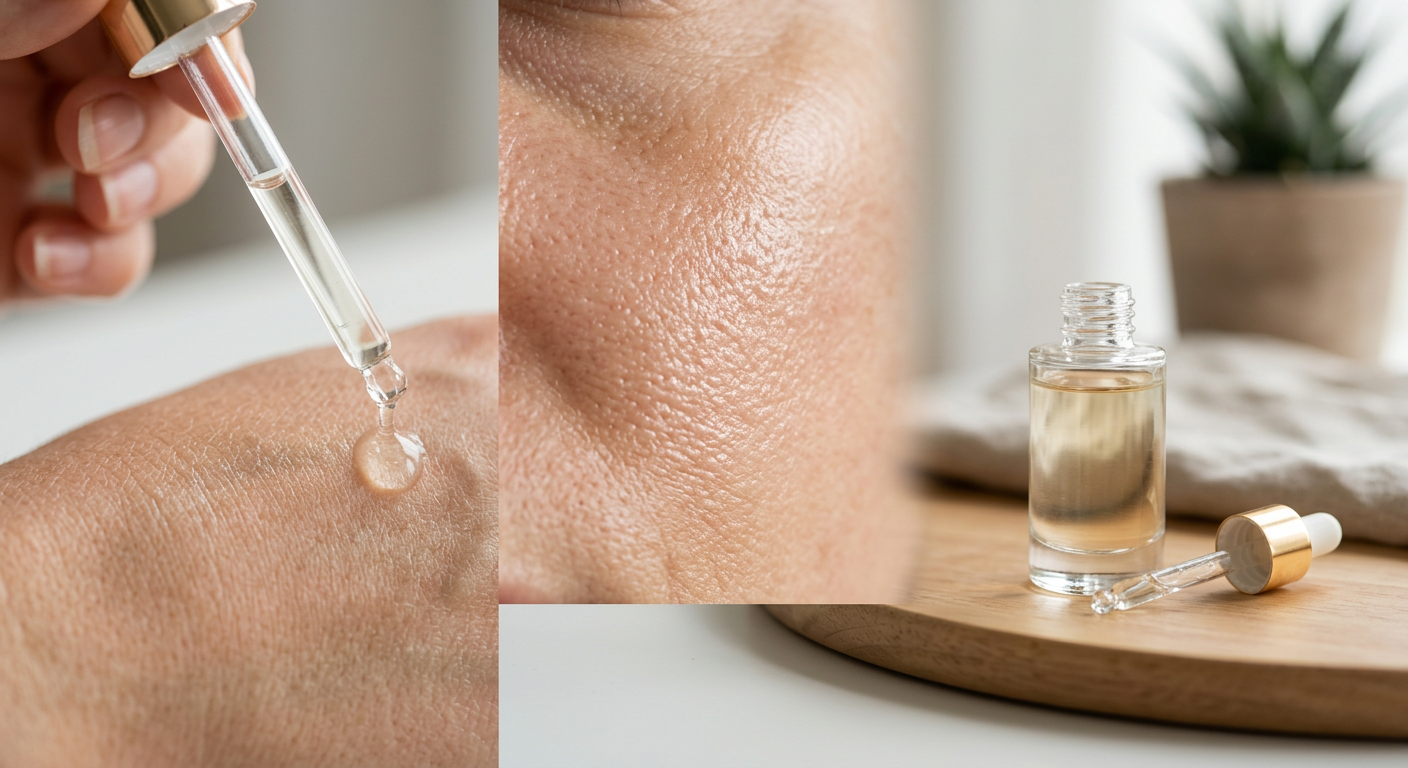
A ceramide serum delivers concentrated lipids straight to the skin, replacing what’s been depleted. The point isn’t to calm inflammation after it flares but to make the barrier less permeable to triggers in the first place. As Chemist Confessions puts it, ceramides help sensitive skin by strengthening the barrier so it reacts less. Consistency matters more than instant results.
The benefits stack over time. As barrier function improves, reactivity tends to drop and hydration lasts longer. This is a slow-and-steady ingredient, not a quick fix.
Delivery technology has raised the ceiling on what these serums can do. Advanced bio-fermentation and lipid encapsulation methods have improved ceramide absorption efficiency by nearly 31%, helping the active penetrate the skin. Ceramide-rich topical formulations improve hydration recovery cycles by roughly 28% compared with conventional emollient-based products that lack lipid support, according to NIH-referenced research cited by Strategic Market Research.
Ceramide Serums vs. Other Hydrators
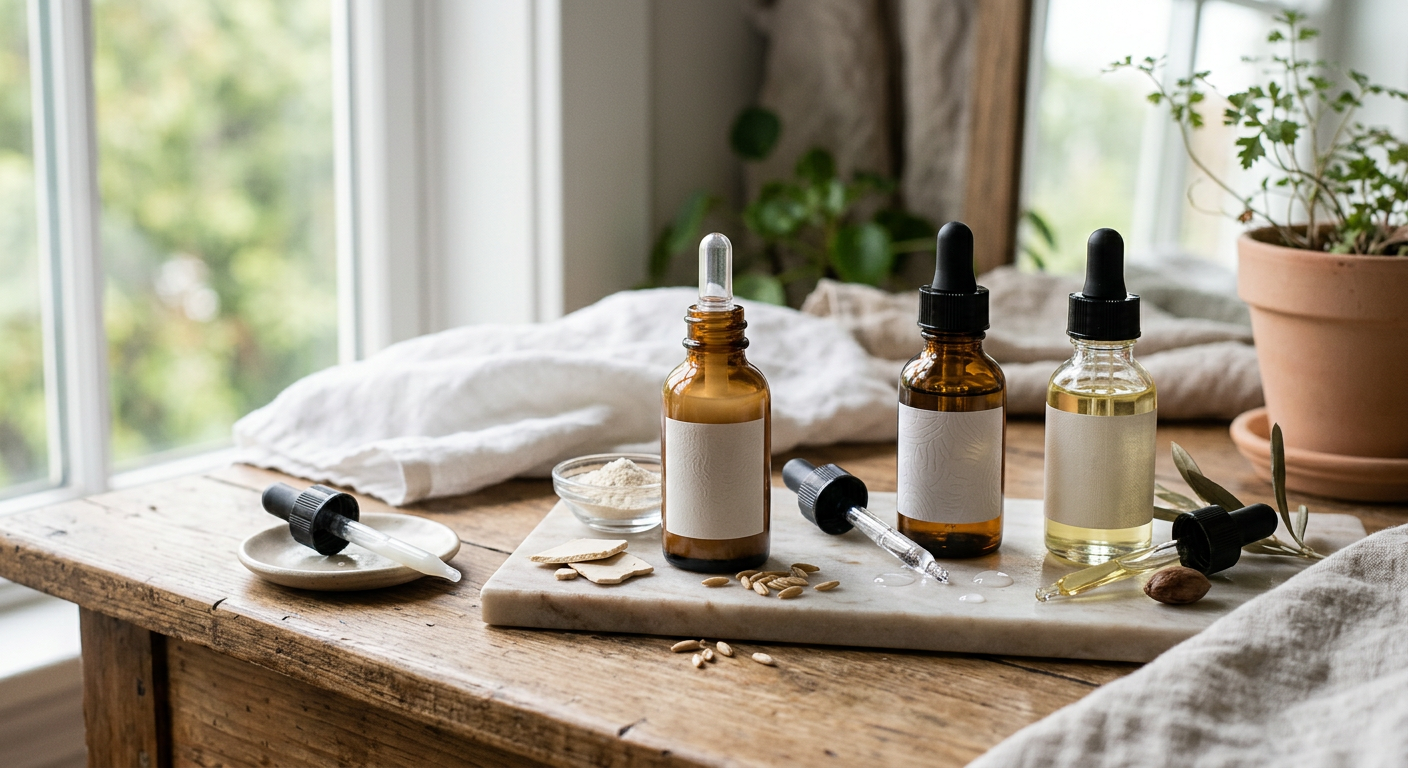
Ceramides rarely work alone. Knowing how they compare to and combine with other popular ingredients helps you build a smarter routine.
| Ingredient | Primary Role | Works Best With | Speed of Results |
|---|---|---|---|
| Ceramides | Rebuild and seal the skin barrier | Hyaluronic acid, peptides | Gradual (weeks) |
| Hyaluronic Acid | Draw water into the skin | Ceramides, moisturizers | Fast (immediate plumping) |
| Niacinamide | Support barrier, calm redness | Ceramides | Moderate |
| Retinol | Boost cell turnover, anti-aging | Ceramides (to offset irritation) | Slow (months) |
| Bisabolol / Oat Extract | Soothe and calm reactivity | Ceramides | Fast (soothing) |
Active ingredients are the specialists; ceramides are the foundation, the way Epionce frames it. Without a healthy barrier, even the strongest actives are hard for skin to tolerate. Pairing ceramides with retinol or acids usually improves both comfort and results.
Ceramides also work well with calming ingredients like bisabolol, silymarin, and oat extract when skin needs extra gentleness. For maximum hydration, layer a humectant like hyaluronic acid underneath a ceramide serum: the humectant draws water in while the ceramides lock it down.
How to Choose and Use a Ceramide Serum
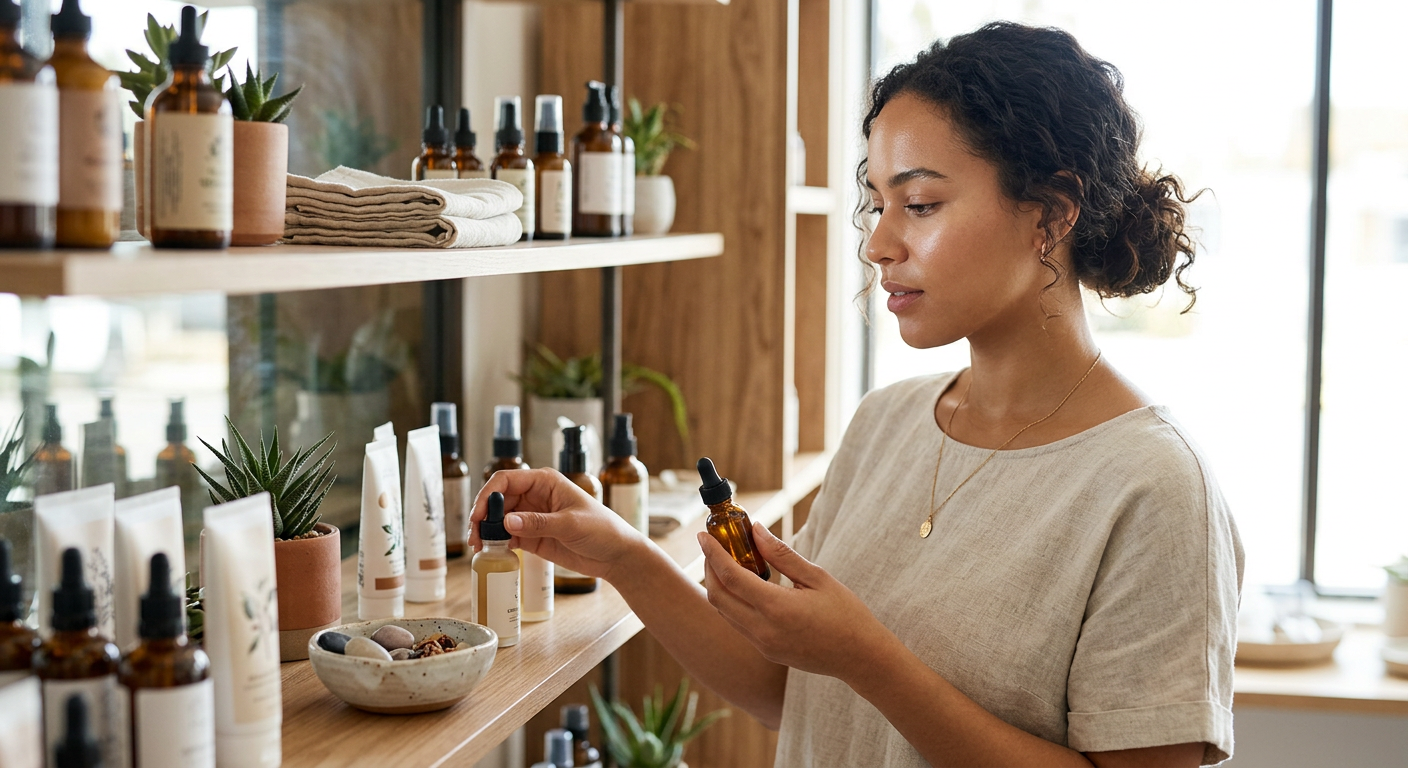
Not every ceramide product performs equally. Use these criteria to evaluate a serum before you buy.
- Look for multiple ceramide types. Formulas with a blend of ceramides (often labeled NP, AP, and EOP) more closely mimic your skin’s natural lipid profile.
- Check for supporting lipids. Cholesterol and fatty acids alongside ceramides create a more complete barrier-repair complex.
- Favor biomimetic or human-identical ceramides. These synthetic, skin-identical versions offer better stability. Pharmaceutical brands using them have reduced formulation instability by roughly 19%.
- Watch the pairings. Ceramides plus hyaluronic acid and peptides is a proven high-performance combination.
- Avoid stripping companions. Skip products with high alcohol content or aggressive fragrances that undercut barrier repair.
Building a Simple Routine
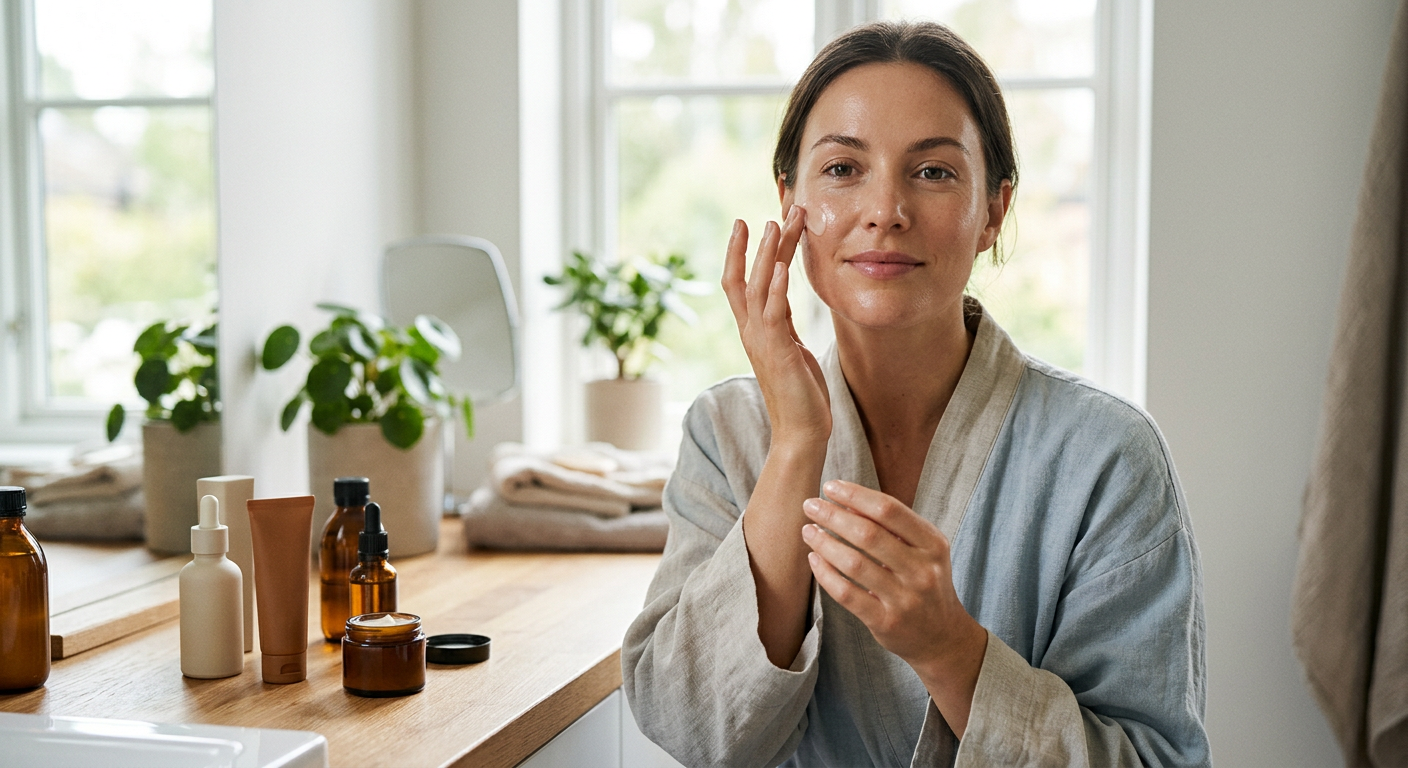
Apply your ceramide serum to clean, slightly damp skin, then seal it with a moisturizer. Consistency delivers the results, since barrier improvements accumulate over weeks, not days. When the barrier is supported, as Three Ships notes, the rest of your routine performs better: hydration lasts longer, irritation happens less often, and actives become easier to tolerate.
If your skin is reactive or over-exfoliated right now, simplify first. Pause strong actives, switch to a gentle cleanser, and let the ceramide serum and a good moisturizer do the repair work before you reintroduce anything harsh.
What the Market Signals Tell Us

The trajectory is consistent across every credible source. Asia-Pacific manufacturers, especially in South Korea and Japan, keep expanding ceramide-centric portfolios tied to microbiome-supportive and hydration-focused trends. By 2026, roughly 59% of premium skincare launches are expected to include ceramide-based barrier-repair positioning, according to Strategic Market Research.
The major players are moving too. L’Oréal launched a ceramide-enriched range in 2024, Estée Lauder partnered with a biotech firm for sustainable ceramide production, and Procter & Gamble’s Olay released a ceramide anti-aging serum that combines peptides and hyaluronic acid. When the biggest beauty companies invest at this scale, they’re betting on lasting consumer demand.
The practical takeaway: barrier-focused skincare is becoming the baseline, and ceramide serums sit at its center. Choosing well-formulated products now puts you ahead of a curve that’s still steepening.
Key Takeaways
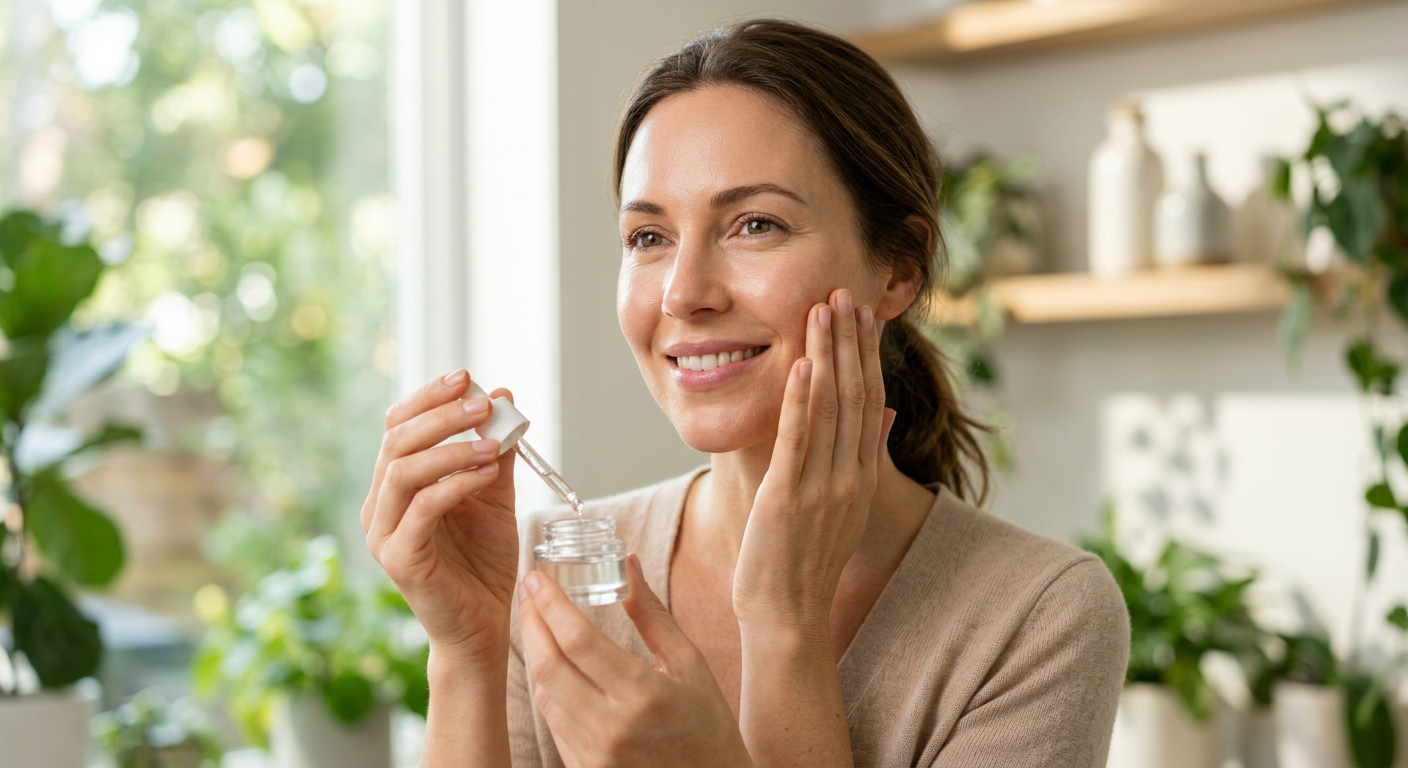
Ceramides are the lipids that hold your skin barrier together. Replenishing them improves hydration, reduces sensitivity, and helps every other product in your routine work better. The market growth from USD 417 million in 2025 toward USD 761 million by 2034 reflects a real shift toward barrier repair over aggressive exfoliation.
The evidence backs it up: up to 42% reduction in transepidermal water loss, 28% better hydration recovery, and 24% higher repeat purchase rates for premium ceramide formulations. Choose a serum with multiple ceramide types and supporting lipids, pair it with humectants and peptides, and apply it consistently.
To strengthen your barrier, audit your current routine, cut anything stripping, and add a well-formulated ceramide serum as your foundation. Within a few weeks of steady use, your skin should be calmer, more hydrated, and more resilient.
Frequently Asked Questions
Q: How long does it take to see results from a ceramide serum?
Ceramide serums work gradually as barrier function strengthens, so expect noticeable improvements in hydration and reduced reactivity over several weeks of consistent use. Unlike humectants that plump skin instantly, ceramides deliver cumulative, longer-lasting benefits.
Q: Can I use ceramides with retinol or acids?
Yes, and it’s often recommended. Ceramides support the barrier and help offset the irritation that retinol and exfoliating acids can cause, which makes those actives easier for your skin to tolerate.
Q: Are synthetic ceramides as good as natural ones?
Human-identical synthetic ceramides are highly effective and often more stable than plant-derived versions, reducing formulation instability by roughly 19% in pharmaceutical-grade products. What matters most is that the formula mimics your skin’s natural lipid profile.
Q: Who benefits most from ceramide serums?
People with dry, sensitive, aging, or over-exfoliated skin see the clearest benefits, since these conditions are linked to depleted ceramide levels. Most skin types benefit from stronger barrier support, though, especially with everyday exposure to pollution and harsh cleansers.
Q: What should I pair with a ceramide serum for best results?
Layer a humectant like hyaluronic acid underneath to draw in water, then seal with a moisturizer. Ceramides also pair well with calming ingredients like bisabolol and oat extract for extra-sensitive skin, and with peptides for anti-aging support.
Q: Do ceramides help with eczema or very dry skin?
Ceramides play a key role in dermatological formulations for conditions like eczema and atopic dermatitis, mostly by reducing transepidermal water loss and reinforcing the barrier. For a diagnosed condition, ask a dermatologist about the right ceramide-based product for your skin.