



Skin changes day to day. Pollution, a rough night of sleep, hormonal shifts, a sudden cold snap—each one alters what your face needs, sometimes within a few hours. Adaptive skincare is built around that reality. Instead of forcing one static formula onto skin that keeps shifting, these products adjust to internal and external conditions. What started as a niche experiment has become a mainstream expectation, and it’s changing how millions of people approach their morning and evening routines.
What Adaptive Skincare Actually Means

Adaptive skincare refers to products designed to respond to changing conditions rather than treat every day as identical. According to Life According to Jamie, bio-adaptive skincare can respond to air quality, sleep quality, stressors, and hormonal changes, using intelligent, plant-derived, results-driven formulas.
That responsiveness is what separates these products from traditional skincare. A conventional moisturizer delivers the same effect regardless of context. An adaptive product responds to variables, whether through smart ingredient systems, climate-specific textures, or AI-guided recommendations that update over time.
The practical payoff is less guesswork. Rather than chasing symptoms through trial and error, you rely on formulas and tools that anticipate what your skin needs before problems compound.
Why Adaptive Skincare Is Gaining Ground

Skincare routines have grown more elaborate, with multistep regimens and personalized solutions gaining popularity. Data from Market.us points to social media, influencer culture, AI algorithms, and skincare devices as key forces reshaping consumer behavior and product choices.
Two pressures are driving demand. The first is environmental. As Glowverse explains, rising temperatures, increased UV exposure, and greater air pollution can worsen dryness and eczema while accelerating aging, forcing people to reassess their regimens.
The second is expectation. According to Pro Marketer, sensitive skin is becoming the norm, weather and pollution now dictate routines, and SPF alone is no longer considered enough. Adaptive products answer all three shifts at once.
The Technology Behind Adaptive Formulas

AI-Driven Personalization
Artificial intelligence sits at the center of this category. Research published in the National Library of Medicine notes that AI platforms like Proven Skincare’s system suggest ingredients based on dozens of variables, recommending antioxidants for high-pollution exposure or retinoids for aging concerns.
The practical benefit is consistency. This kind of adaptability cuts down on the cycle of switching products, which makes it easier to keep a routine that fits as your skin’s needs change.
Climate-Adaptive Ingredients
Formulation is the other half of the story. BeautyAList describes climate-adaptive skincare as a category built to protect and repair skin from environmental stress by strengthening the skin barrier.
These products rely on specific ingredients: mineral sun protection using zinc oxide and titanium dioxide, antioxidants for pollution defense, and hydrators like glycerin and hyaluronic acid to counter extreme heat and dryness. Croda Beauty calls this “geoskincare,” matching ingredients to a specific climate and adjusting routines for seasonal shifts.
Adaptive vs. Traditional Skincare: A Quick Comparison
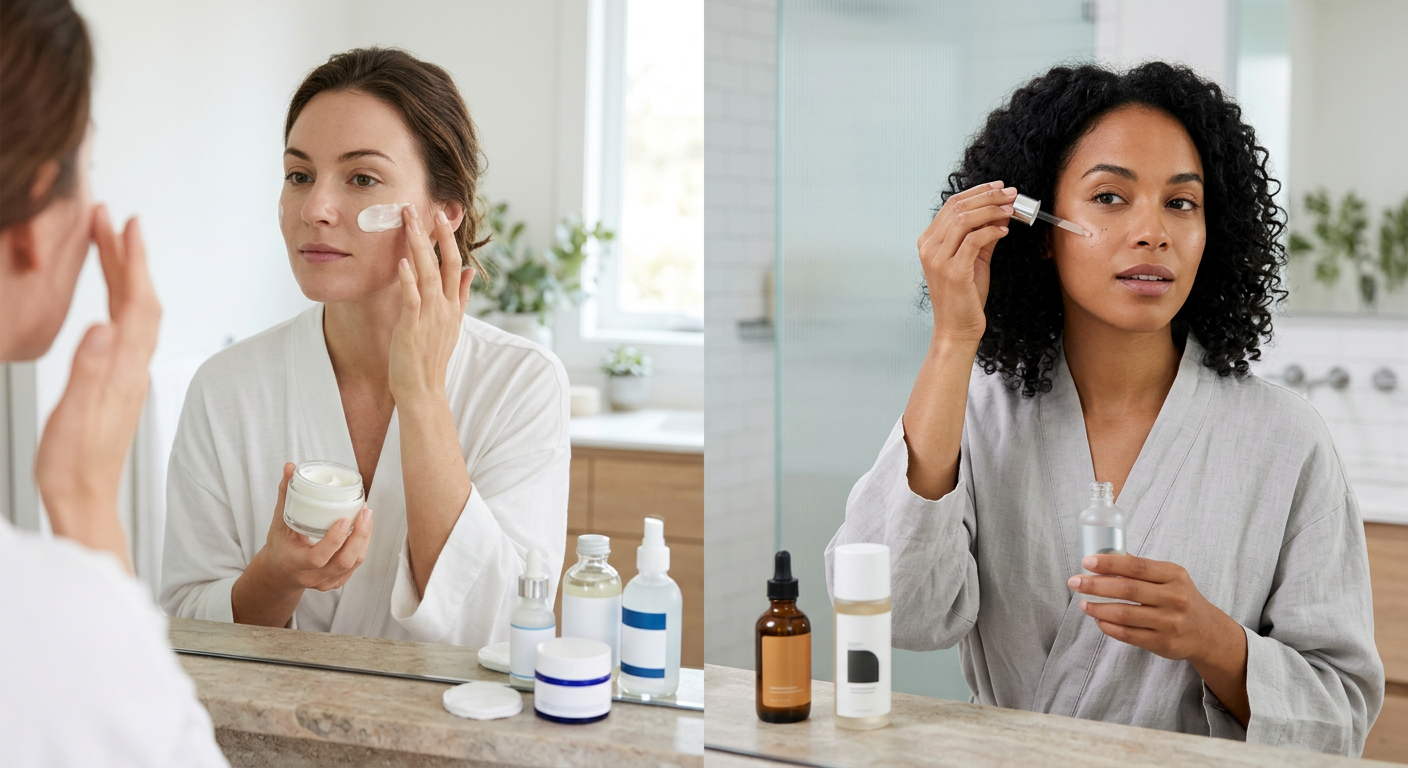
The difference becomes clear when you place the two approaches side by side.
| Feature | Traditional Skincare | Adaptive Skincare |
|---|---|---|
| Formula behavior | Fixed, same effect daily | Responds to skin and environment |
| Personalization | One product for many users | Tailored to individual variables |
| Climate response | Manual seasonal swaps | Built-in climate protection |
| Technology | Minimal | AI recommendations, smart devices |
| Barrier support | Optional | Default priority |
| Best for | Stable skin, simple needs | Sensitive, reactive, or changing skin |
Use this table as a shortcut when auditing your current shelf. If most of your products fall into the left column, you’re probably reacting to problems rather than preventing them.
How to Build an Adaptive Daily Routine

There’s no need to throw out everything you own. Start by understanding your local environment and adjusting products accordingly, then layer in smarter tools over time.
Start With the Essentials
Glowbar recommends a habit-stacking approach: link each step to something you already do, like brushing your teeth. Begin with three basics and expand gradually.
- Cleanser: Choose a mild, hydrating formula that preserves your skin barrier.
- Serum: Add targeted actives, such as antioxidants for pollution exposure.
- SPF: Wear SPF 30 to 50 daily, regardless of weather, per Glowverse.
Apply products on damp skin for better absorption, then build from there.
Adjust for Conditions
Once the base is stable, adapt to context. In cold, dry climates, switch to richer moisturizers and facial oils. In humid or pollution-heavy environments, prioritize lightweight, antioxidant-rich textures and multifunctional products that combine sun and pollution protection to streamline your regimen.
Accessibility and Inclusive Design
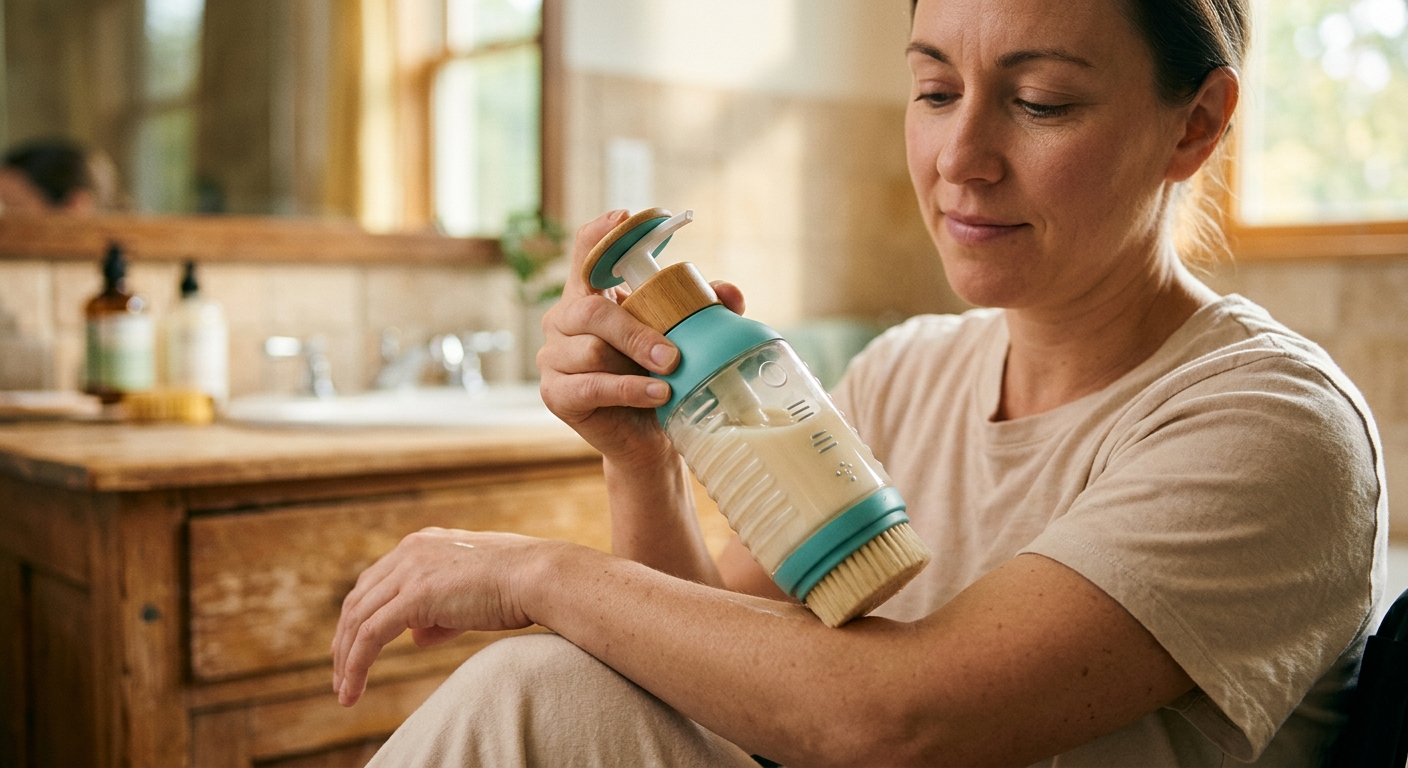
Adaptive skincare carries a second meaning worth recognizing. For people with disabilities, adaptive products remove physical barriers to self-care. As BLDG Active explains, these products use thoughtful design to make routines more accessible.
The features are concrete: barrier-free packaging, gentle cleansers, easy-grip applicators, and Braille instructions. Details like these keep a consistent routine within reach for people who’d otherwise be shut out of it.
The inclusive angle reinforces the broader theme. Whether the product adapts to climate, biology, or physical ability, the category is defined by meeting people where they are rather than expecting them to conform to a rigid standard.
Conclusion
Adaptive skincare marks a real shift in how routines work. Instead of static formulas applied on autopilot, you now have options that respond to pollution, weather, hormones, and even physical accessibility needs. The research across the industry points in one direction: barrier support, climate protection, and AI-driven personalization are becoming default expectations rather than premium extras.
The takeaways are simple. Audit your current products against the adaptive-versus-traditional comparison, lock in a basic cleanser-serum-SPF routine, and adjust for your climate and lifestyle. From there, explore AI recommendation tools and climate-adaptive formulas as your budget allows.
Start small this week by adding a daily SPF and swapping one product for a barrier-supportive, climate-appropriate alternative. Your skin faces different conditions every day, and your routine should be able to keep up.
Frequently Asked Questions
Q: What is adaptive skincare?
Adaptive skincare refers to products that respond to changing internal and external conditions, such as air quality, sleep, stress, and hormones. Unlike traditional formulas that stay the same, these products adjust to give your skin what it needs in the moment.
Q: How is adaptive skincare different from regular skincare?
Regular skincare delivers a fixed effect regardless of context, while adaptive skincare responds to variables through smart ingredients, climate-specific textures, or AI recommendations. This cuts down on trial and error and helps you keep a consistent routine as conditions shift.
Q: Are adaptive skincare products more expensive?
Costs vary, but adaptive products are often priced competitively with regular options, according to BLDG Active. You can also adapt an existing routine gradually rather than replacing everything at once.
Q: What ingredients should climate-adaptive skincare contain?
Look for mineral sun protection like zinc oxide and titanium dioxide, hydrators such as glycerin and hyaluronic acid, and antioxidants for pollution defense. Multifunctional products that combine several of these benefits help streamline your routine.
Q: Does adaptive skincare rely on technology?
Many adaptive products use AI platforms that analyze dozens of variables to recommend ingredients, along with connected skincare devices. Technology is a major driver of the category, though climate-adaptive formulas can work without any device.
Q: Can adaptive skincare help sensitive skin?
Yes. With sensitive skin becoming the norm, adaptive products default to barrier-supportive formulas and gentle, hydrating cleansers. That focus on strengthening the skin barrier makes the category well suited to reactive or easily irritated skin.