



Spend five minutes on skincare TikTok and you’ll run into it: a creamy, milk-white liquid poured onto a cotton pad or pressed straight into the skin. Milky toners are on every shelf and in every feed right now, and search interest keeps climbing. They’re the opposite of the stinging, alcohol-heavy astringents many of us grew up with. Instead they promise hydration, barrier repair, and the “glass skin” glow everyone’s chasing. So why is this specific texture blowing up, and does it deserve a spot in your routine?
Skincare has moved away from stripping the skin and toward strengthening it. Milky toners land squarely in that shift.
What Is a Milky Toner?
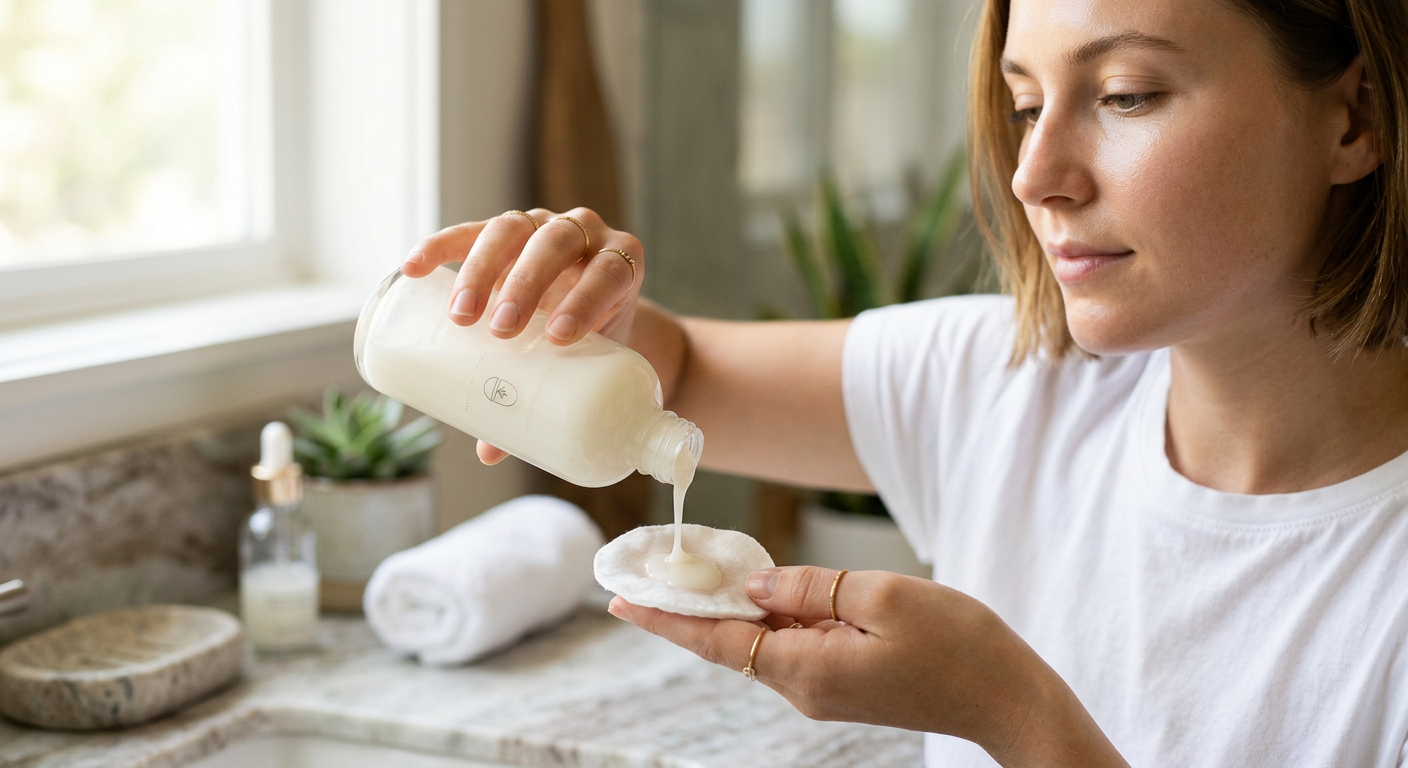
A milky toner is a facial toner with a creamy, lotion-like consistency instead of the usual clear, watery formula. The texture falls somewhere between a classic hydrating toner and a lightweight essence or emulsion. It goes on like water but leaves a soft, conditioned finish.
That milky look comes from emollients and skin-conditioning ingredients suspended in the formula. Old-school toners leaned on alcohol and witch hazel to strip residue and tighten pores. Milky toners use ceramides, hyaluronic acid, and botanical extracts instead. According to Dot & Key, these formulas hydrate, soothe, and prep skin without the harshness of astringent toners.
Milky Toner vs. Traditional Toner
| Feature | Milky Toner | Traditional Toner |
|---|---|---|
| Texture | Creamy, lotion-like | Clear, watery |
| Primary goal | Hydrate and repair barrier | Remove residue, tighten pores |
| Key ingredients | Ceramides, hyaluronic acid, squalane | Alcohol, witch hazel, astringents |
| Best for | Dry, sensitive, dehydrated skin | Oily skin (older formulas) |
| Finish | Soft, dewy, nourished | Matte, sometimes tight |
How Milky Toners Work
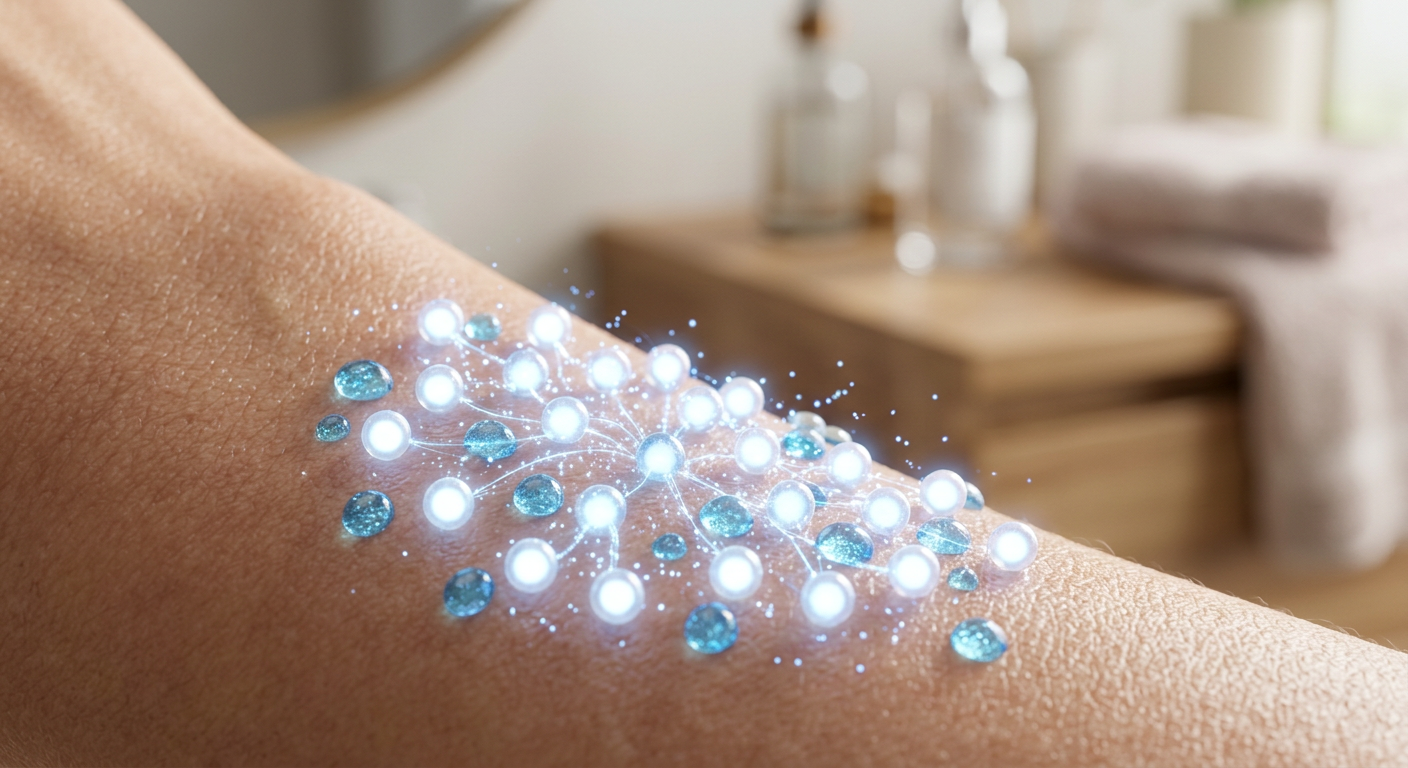
Regular clear toners rely mostly on humectants. Glycerin and hyaluronic acid work like tiny magnets for water molecules, pulling moisture into the outer layers of skin so it looks plump.
Milky toners go a step further. Alongside those humectants, they add emollients and occlusives that seal moisture in and reinforce the barrier. That’s why they feel more substantial than a splash of water but lighter than a moisturizer.
The result is a two-part effect: pull water in, then help the skin hang onto it. For dehydrated or compromised skin, that combination addresses both the symptom and part of the cause.
Why Milky Toners Are Trending Now
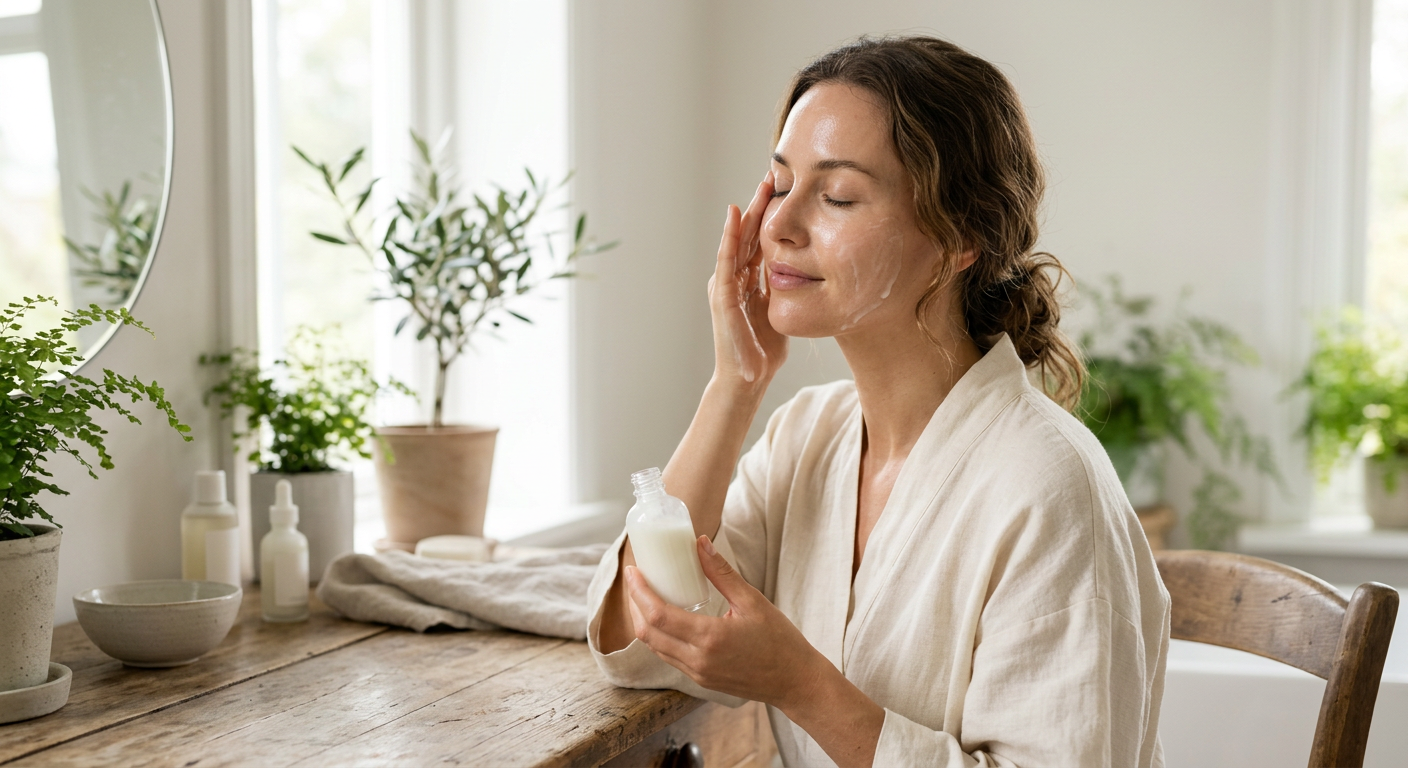
The main driver is the skin barrier conversation. People have backed off aggressive exfoliation and moved toward repair-focused routines, and milky toners deliver hydration while supporting barrier function. The ANUA Rice 70 Glow campaign puts it plainly: skincare isn’t just about exfoliating anymore, it’s about repairing the barrier.
Korean skincare deserves a lot of the credit. Viral products like the TirTir Milk Skin Toner have pulled in millions of views on K-beauty channels, which has framed milky toners as a signature hydration trend heading into 2026. Creators keep ranking them by how much dewiness and plumpness they deliver.
The glass skin aesthetic feeds demand too. That translucent, poreless, lit-from-within look depends on deeply hydrated skin, and milky toners get marketed as an easy first step toward it. A texture that photographs well and feels good has a built-in social media advantage.
The Shift From Stripping to Nourishing
For decades, toner meant tightness and that squeaky-clean feeling that usually signaled a damaged barrier. The market has corrected. Shoppers now read ingredient lists, steer clear of drying alcohols, and reward products that leave skin comfortable instead of stripped.
Milky toners are that correction in physical form. The texture signals gentleness before you even reach the label.
Benefits of Adding a Milky Toner to Your Routine
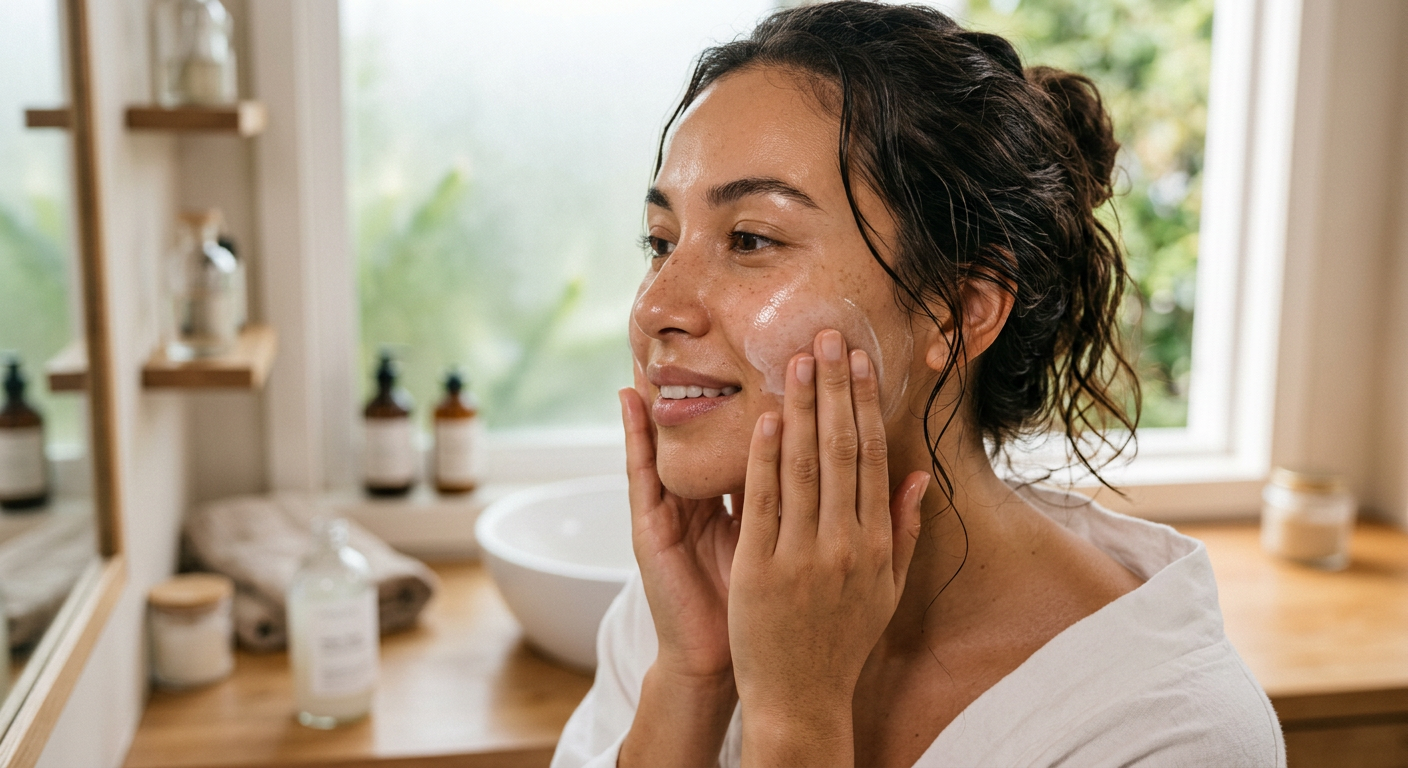
The core benefit is layered hydration that preps skin for whatever comes next. A milky toner improves moisture retention, so your serum and moisturizer have more to work with.
Key benefits include:
- Deep hydration from combined humectants and emollients
- Barrier support via ceramides and fatty acids
- Soothing relief for redness and sensitivity from botanical extracts
- Softer texture and a smoother makeup base
- Gentle prep without the sting of astringent formulas
Some milky toners fold in mild exfoliation. Allure points to Kiehl’s Daily Refining Milk-Peel Toner, a dual-phase formula that pairs lipohydroxy and lactic acids with squalane and safflower oil to resurface skin while replacing moisture. That “peel plus nourish” combination shows how far the category has stretched.
Who Should Use a Milky Toner?
Milky toners work best for dry, dehydrated, sensitive, or barrier-compromised skin. If your current toner leaves your face feeling tight, a milky formula is an obvious swap. The creamy texture cushions instead of stripping.
Oily and acne-prone skin can use them too, with some care. Look for lightweight, non-comedogenic formulas and skip heavy occlusives if you break out easily. A milky toner with niacinamide or gentle acids can hydrate without turning greasy.
How to Apply a Milky Toner
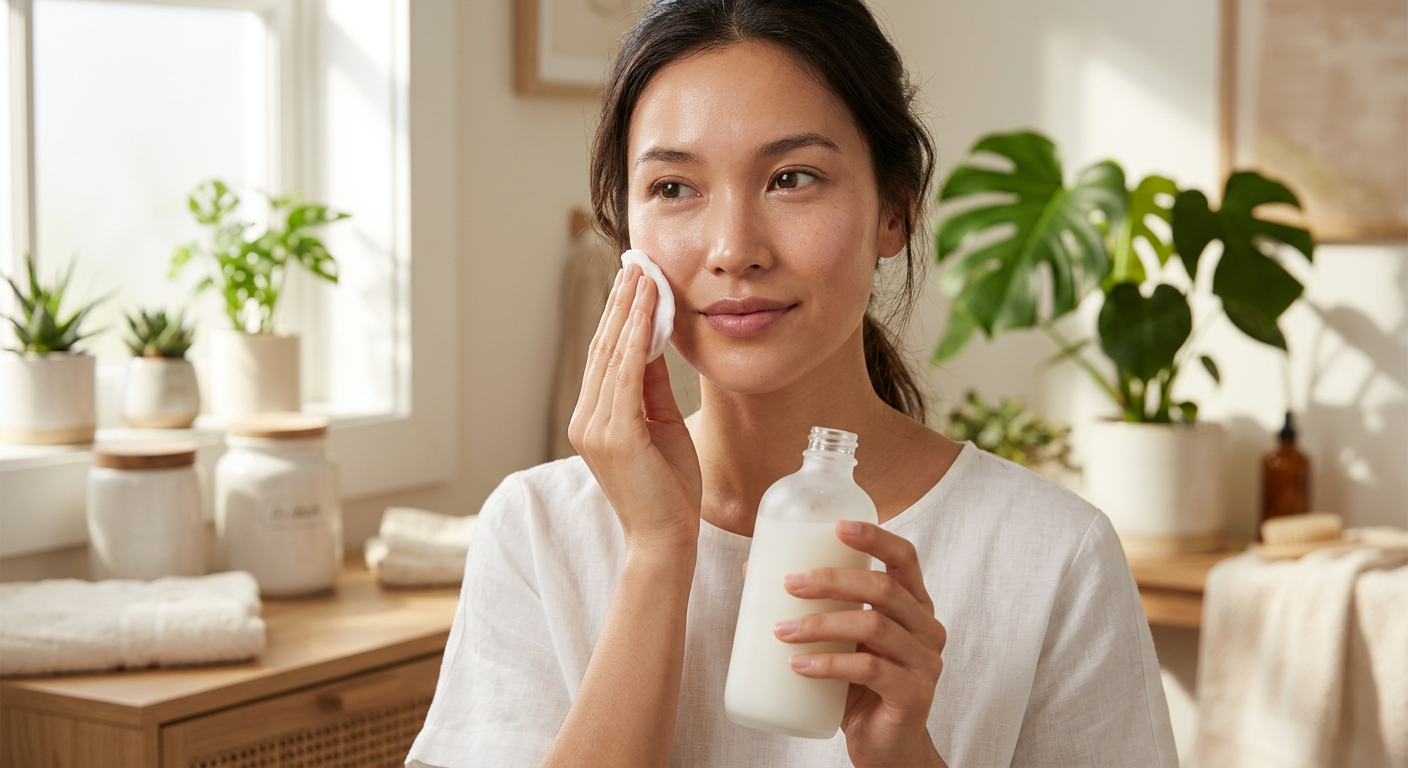
Use it after cleansing and before serums. Two methods work: pour a small amount onto a cotton pad and sweep it across the face, or dispense it into your palms and press it into the skin. Pressing preserves more product and suits dry skin. A cotton pad helps sweep away any lingering residue.
Follow with your serum, moisturizer, and sunscreen in the morning. On dry days, two or three light layers can pack in extra hydration.
Choosing the Right Milky Toner

Read the ingredient list before the marketing. Prioritize barrier-supporting ingredients, and skip formulas heavy on denatured alcohol or fragrance if your skin is sensitive.
Look for these ingredients based on your goal:
- For hydration: hyaluronic acid, glycerin, panthenol
- For barrier repair: ceramides, squalane, fatty acids
- For soothing: centella asiatica, rice extract, allantoin
- For gentle exfoliation: lactic acid, lipohydroxy acid (PHA-adjacent)
Patch test any new toner, especially one with acids. Run it on its own for a few days before layering it with other actives.
Conclusion
Milky toners are trending because they match where skincare is going: hydration, barrier repair, and gentle formulas that actually do something. Their creamy texture delivers moisture and nourishment that astringent toners never could, which explains both the viral attention and the crowded shelves.
If your skin feels tight, dull, or dehydrated, a milky toner is one of the easiest upgrades to make. Read the ingredient list, match the formula to your skin type, and give it a two-week trial. Track your hydration and glow over that window, then decide whether it earns a permanent spot in the lineup.
Frequently Asked Questions
Q: What is the difference between a milky toner and a regular toner?
A milky toner has a creamy, lotion-like texture and focuses on hydration and barrier repair, while regular toners are clear, watery, and often astringent. Milky formulas use ceramides and emollients instead of alcohol, so they nourish rather than strip.
Q: Can oily and acne-prone skin use milky toners?
Yes, but choose lightweight, non-comedogenic formulas. Look for milky toners with niacinamide or gentle acids, and avoid heavy occlusives that could clog pores or feel greasy.
Q: When should I apply a milky toner in my routine?
Apply a milky toner right after cleansing and before your serums and moisturizer. Press it into the skin with your palms or sweep it on with a cotton pad.
Q: Do milky toners replace moisturizer?
No. A milky toner preps and hydrates the skin, but it doesn’t provide the full occlusive protection of a moisturizer. Always follow with a moisturizer and, in the morning, sunscreen.
Q: Are milky toners good for sensitive skin?
They’re often a strong choice for sensitive skin because they rely on soothing ingredients like centella, rice extract, and allantoin instead of drying alcohols. Patch test first and avoid formulas with heavy fragrance.
Q: What ingredients should I look for in a milky toner?
Prioritize hyaluronic acid and glycerin for hydration, ceramides and squalane for barrier repair, and centella or rice extract for soothing. If you want mild exfoliation, look for lactic or lipohydroxy acid.