

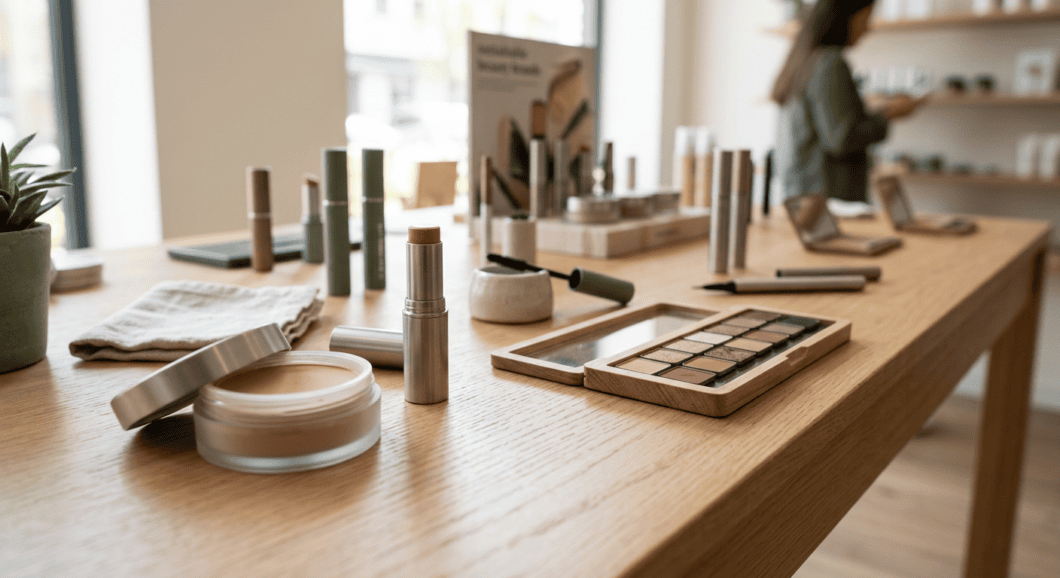
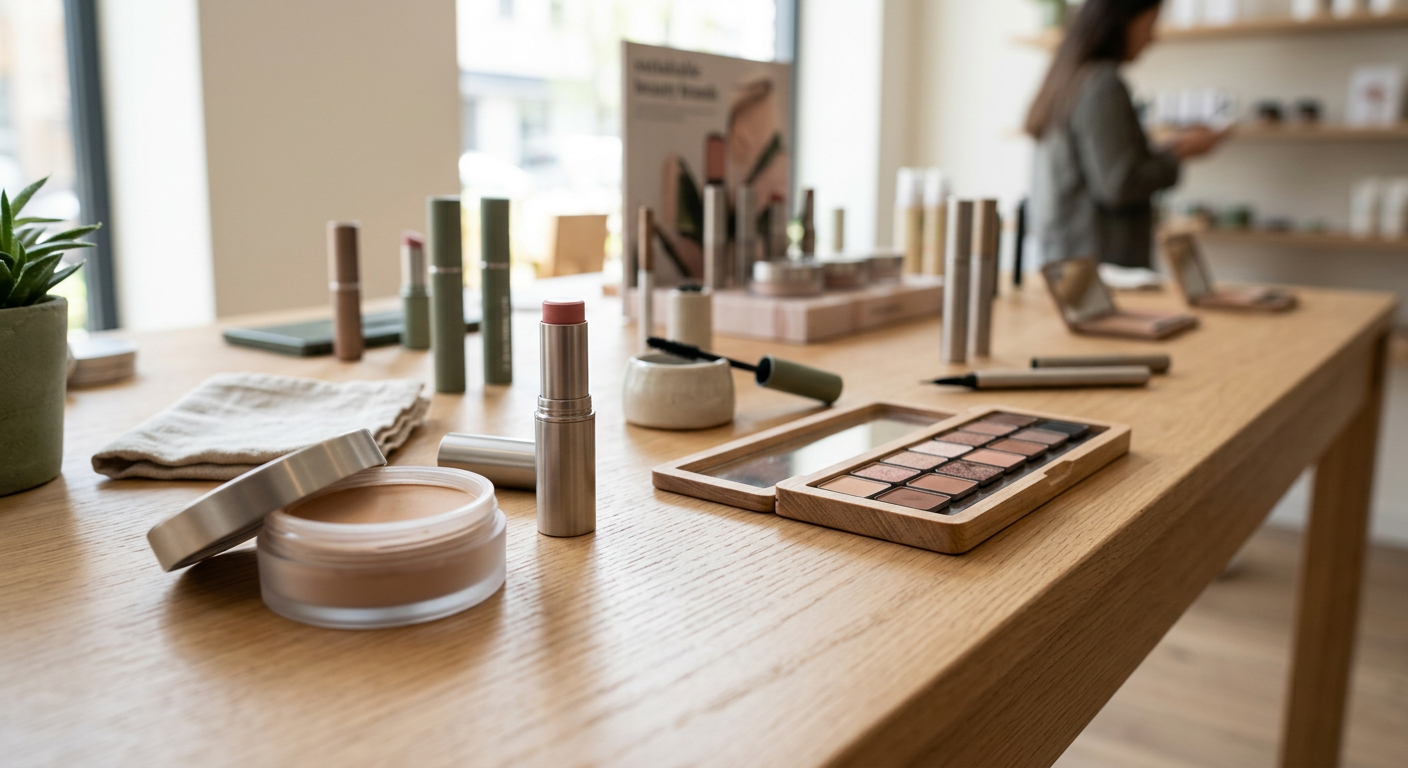
Refillable makeup started with lipstick, but that was only the opening act. Nearly 59% of beauty shoppers bought at least one refill in the past year, and sales across the category have grown by triple digits, according to Qogita. The category has outgrown its lipstick roots, and the next wave of refillable products is already reaching shelves. If you’ve been buying disposable compacts and mascara tubes without a second thought, the options arriving in 2026 are worth a look.
Refillable systems are no longer a niche eco-play. They’re becoming the new baseline across prestige and mass beauty, which changes what you buy, how often you buy it, and how much you throw away.
Why Refillable Makeup Moved Past Lipstick First
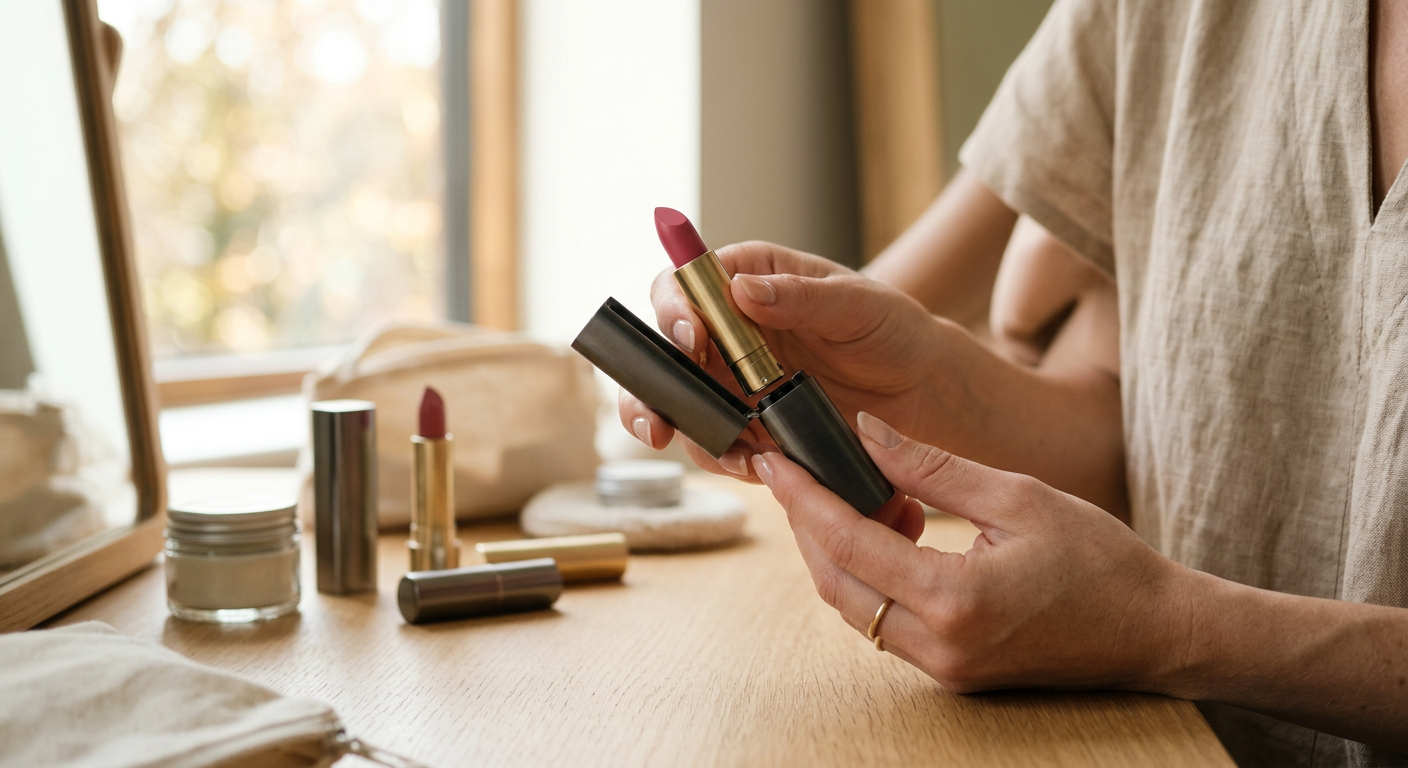
Lipstick and lip balm were the obvious starting point. The formats are simple, refills snap in cleanly, and hygiene matters less than it does with cream products you dip into repeatedly. Brands like La Bouche Rouge and Wild built entire lines around swappable lip refills housed in premium, keep-forever cases.
The economics worked from day one. A shopper buys a nice aluminum or glass case once, then buys cheaper, low-waste refills for years. That model rewards brand loyalty while cutting packaging waste, and it got consumers used to the refill ritual before more complicated products arrived.
The infrastructure has since caught up. As Beauty Packaging reports, refill systems have become more intuitive and better aligned with prestige expectations, and retailers are more willing to stock them. That progress clears the way for categories that used to be too messy or too fragile to refill.
The Next Wave: Categories Going Refillable in 2026
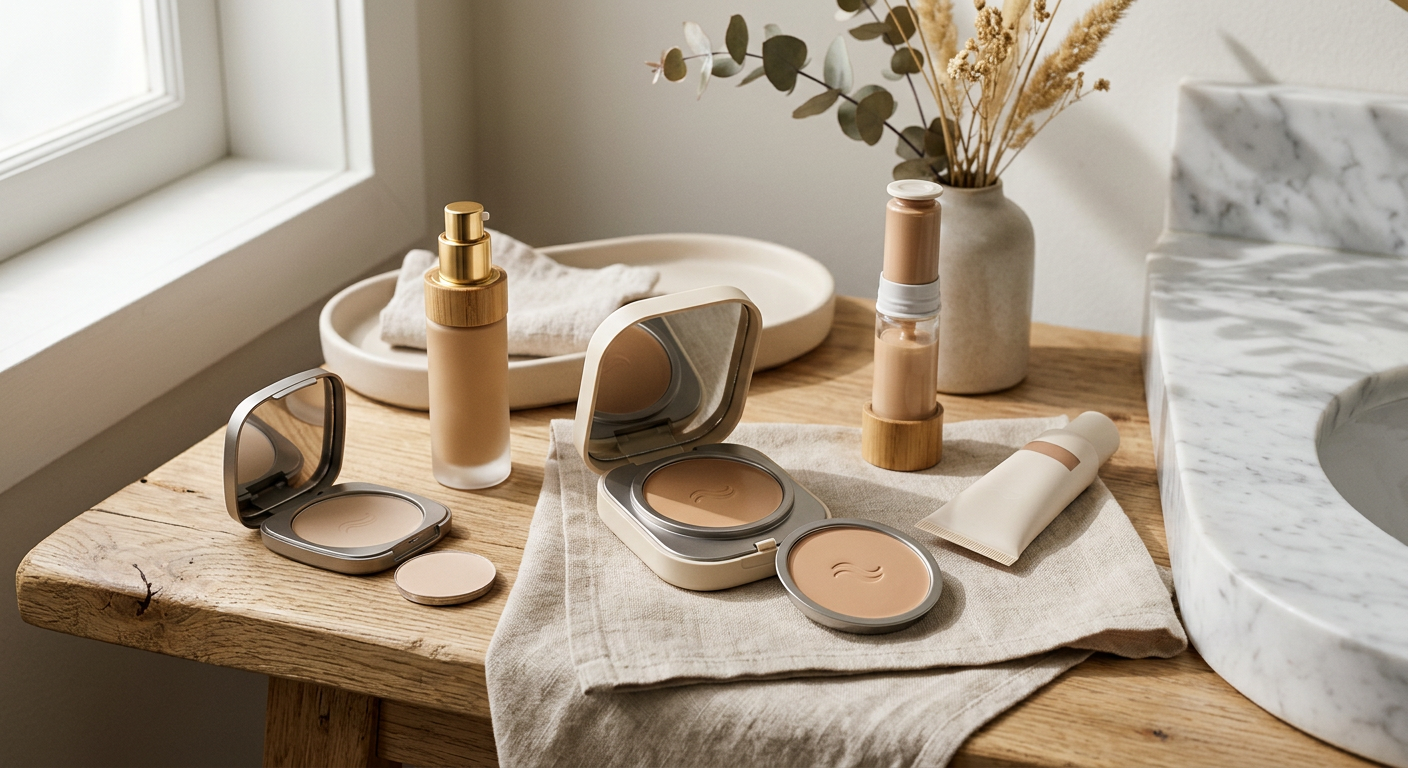
Foundation and complexion products are the biggest frontier. Refillable tinted moisturizers, like the Hydra Vizor Huez SPF 30 set featured by ABC News, point to a shift toward liquid formats that were once considered too complicated to refill.
Powder products are expanding fast. Charlotte Tilbury’s Airbrush Flawless Finish Setting Powder and Kjaer Weis’s cream blush both use magnetic or drop-in refill pans that seat inside a durable outer compact. Blush, bronzer, and pressed powder are natural fits because the pan itself is the consumable part.
Complexion and Color
These formats will lead the next refillable rollout:
- Cream and powder blush with magnetic refill pans
- Refillable foundation compacts using drop-in cartridges
- Setting and pressed powders in reusable outer cases
- Concealer sticks and pots with replaceable inner components
Skincare-Makeup Hybrids
The line between skincare and makeup is blurring, and refillable hybrids sit right at that intersection. Tinted moisturizers, SPF products, and serum-infused foundations increasingly ship in refillable systems. That tracks with the broader hybrid beauty trend flagged in Arbelle’s 2026 report, which found that formulation and sustainability now carry as much weight as marketing.
What’s Driving the Shift: Data on Consumer Demand
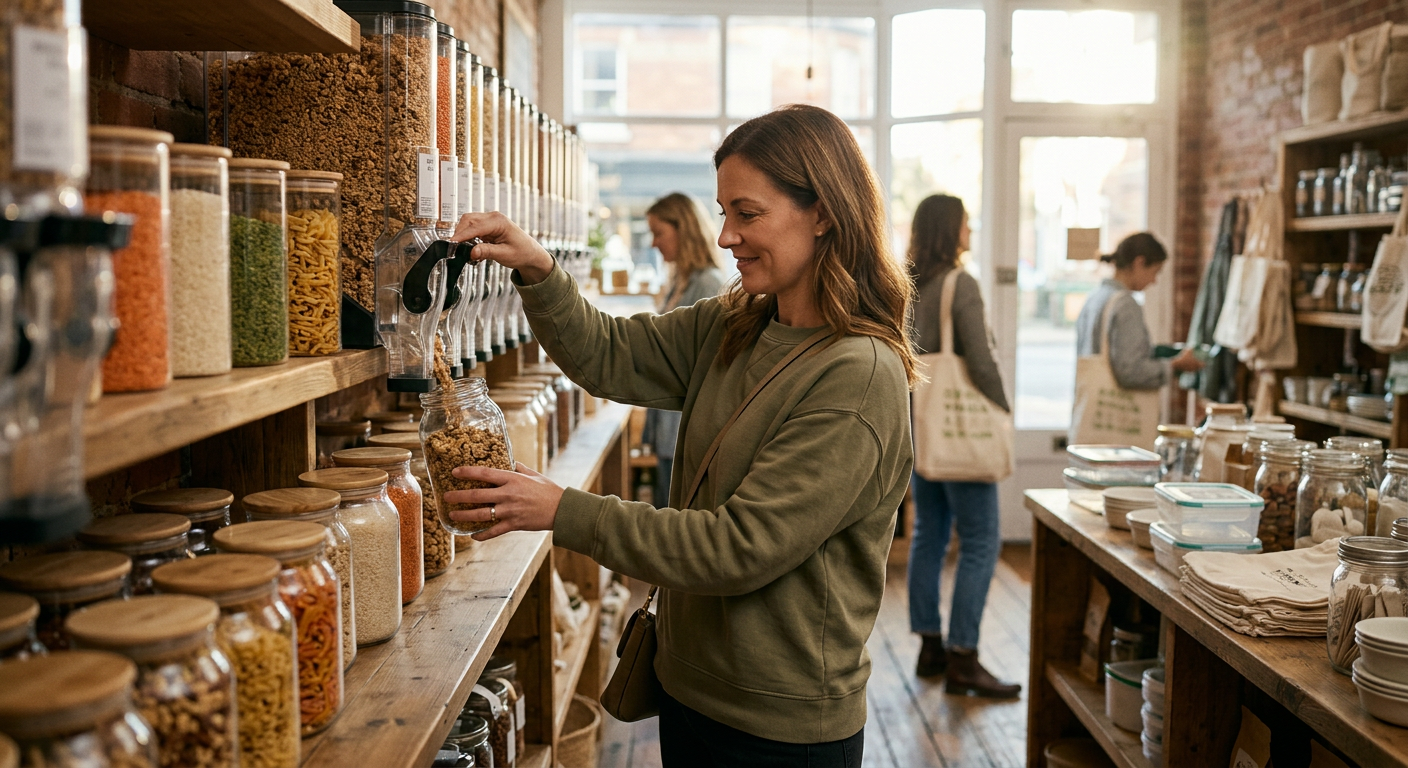
Consumers are voting with their wallets. According to Devera, 59% of beauty shoppers bought at least one refill in the past 12 months, and their reasons are straightforward.
| Motivation | Share of Refill Buyers |
|---|---|
| Lower environmental impact | 70% |
| Cost savings | 64% |
| Convenience | 39% |
The barriers are just as telling. Devera found that 44% of shoppers cited limited availability, 32% pointed to lack of awareness, 19% named process complexity, and 14% raised hygiene concerns. Most of these come down to distribution and design, which is exactly where brands are now spending their money.
For shoppers, that means the products are getting easier to find and easier to use. The two biggest complaints, availability and awareness, are already shrinking.
Packaging Innovation Making It All Possible
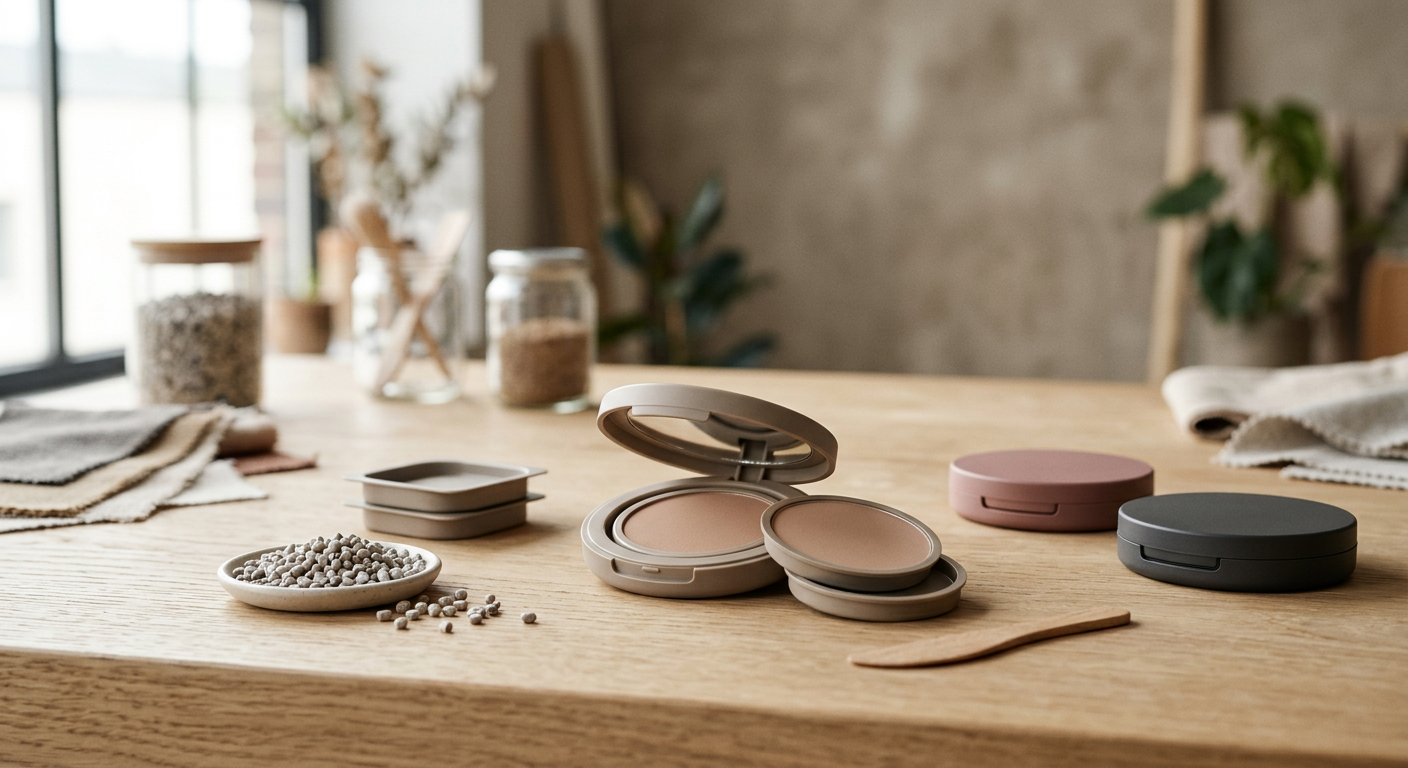
The refill boom depends on smarter materials. Mono-material compacts, post-consumer recycled (PCR) plastics, and reduced secondary packaging are becoming standard rather than premium extras, particularly in mass and masstige segments, per Arbelle.
Mono-material means a package made from a single material type, which makes it much easier to recycle because you don’t have to separate mixed plastics and metals. That one design decision removes one of the biggest recycling headaches in traditional cosmetics.
Waterless formats are gaining ground alongside refills. Solid bars, powders, and concentrated balms strip water from formulas, which cuts plastic and lowers shipping emissions because the products weigh less. Pair a waterless formula with a refillable case and the waste reduction compounds.
L’Oréal Groupe has driven much of this work, and refill breakthroughs now reach even squeezable tubes, a format long considered impossible to refill cleanly. That kind of engineering is what unlocks the next categories.
How to Shop Refillable Makeup Smartly
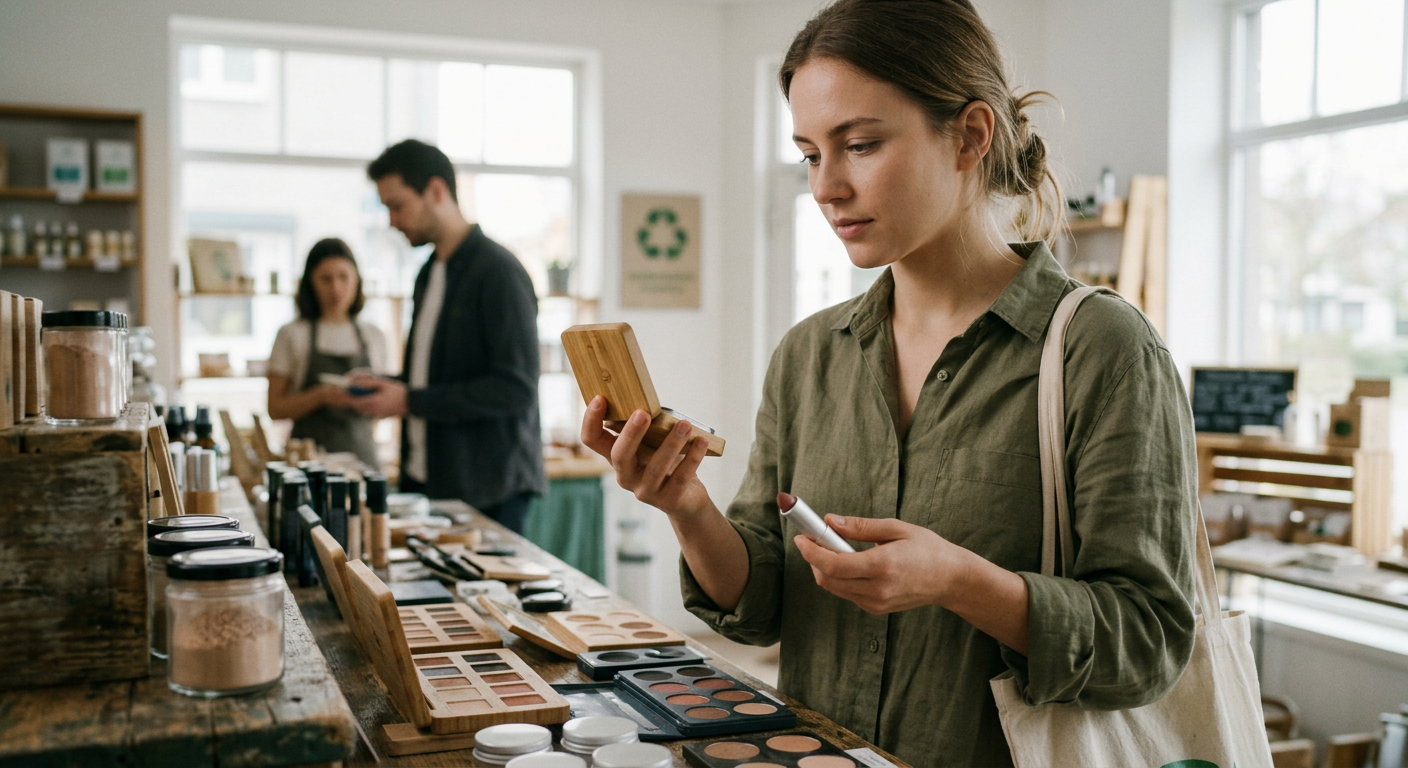
Not every refillable claim holds up. Use this checklist to separate genuine circular systems from greenwashing:
- Check refill availability before buying the case. A refillable compact is useless if the refills are always out of stock.
- Compare cost per refill against buying new. Refills should be meaningfully cheaper than the full product.
- Look for mono-material or PCR packaging so the outer case is actually recyclable.
- Verify the refill mechanism is easy to operate. Magnetic pans and drop-in cartridges tend to be the most user-friendly.
- Consider hygiene for cream products. Choose formats with clean, sealed refills you don’t have to touch directly.
Start with the categories you repurchase most. If you go through blush or setting powder regularly, a refillable version pays off quickly and cuts the most waste over time.
For more on durable outer packaging, see these guides on eco-friendly makeup packaging and the broader circular beauty reset reshaping the industry.
The Bottom Line on Refillable Makeup’s Future
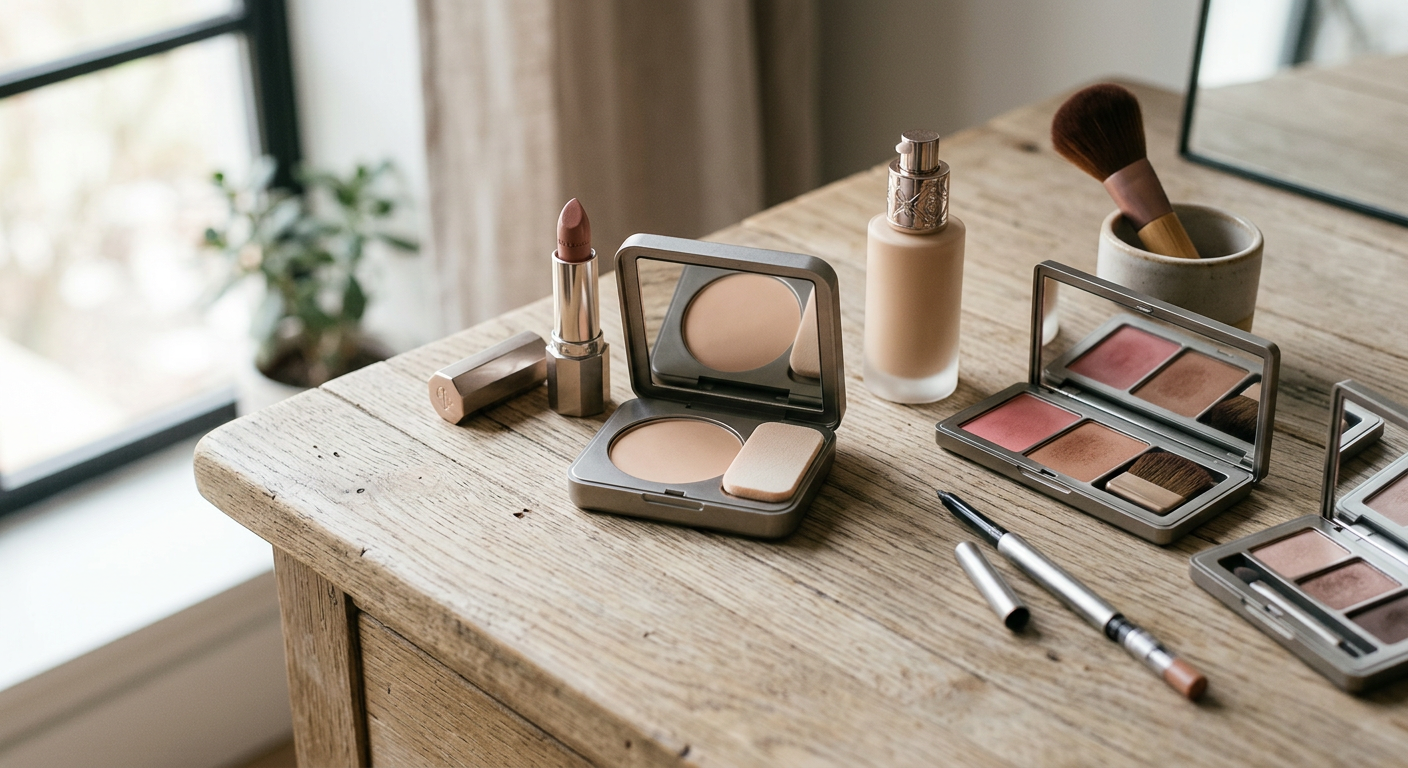
Refillable makeup has moved from lipstick to the full routine. Complexion products, powders, blushes, and skincare-makeup hybrids are the next categories going refillable, backed by triple-digit sales growth and steady demand for lower waste and lower costs.
The infrastructure is finally ready. Mono-material compacts, PCR plastics, and intuitive refill mechanisms have gone from niche to mainstream. The two biggest barriers, availability and awareness, are shrinking fast as brands like Dior, Fenty Beauty, Kjaer Weis, and L’Oréal expand their systems.
Start by identifying the products you repurchase most and swapping them for refillable versions. You’ll cut waste, save money over time, and keep cases you actually want to hold onto. Next time you finish a compact, refill it instead of tossing it.
Frequently Asked Questions
Q: What makeup products are going refillable next?
Complexion products lead the next wave: refillable foundation compacts, tinted moisturizers, cream and powder blush, setting powders, and skincare-makeup hybrids. These follow lipstick and lip balm, which were the first widely refillable categories.
Q: Is refillable makeup actually cheaper?
For most shoppers, yes. According to Devera, 64% of refill buyers cite cost savings, because refills are priced below full products once you own the reusable case. Savings grow the more often you repurchase.
Q: Are refillable makeup products hygienic?
Modern refill systems handle hygiene with sealed drop-in cartridges and magnetic pans you don’t touch directly. Only 14% of shoppers list hygiene as a barrier, and clean-refill designs keep reducing that concern.
Q: What does mono-material packaging mean?
Mono-material packaging is made from a single material type, such as all aluminum or one type of plastic. This makes recycling much easier because there are no mixed materials to separate.
Q: Which brands offer refillable makeup?
Kjaer Weis, Dior, Fenty Beauty, La Bouche Rouge, Charlotte Tilbury, and Wild all offer refillable products, with L’Oréal Groupe leading much of the packaging innovation. Availability keeps expanding across both prestige and mass beauty.
Q: How much has refillable makeup grown?
Refillable makeup and skincare sales have grown by triple digits, according to Qogita. Nearly 59% of beauty shoppers reported buying at least one refill in the past 12 months, per Devera.