

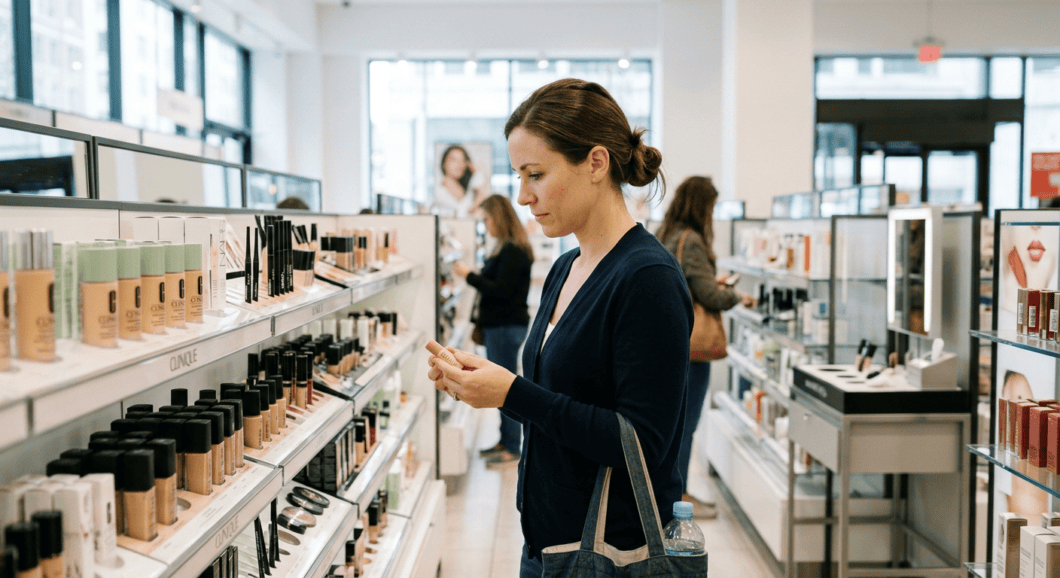
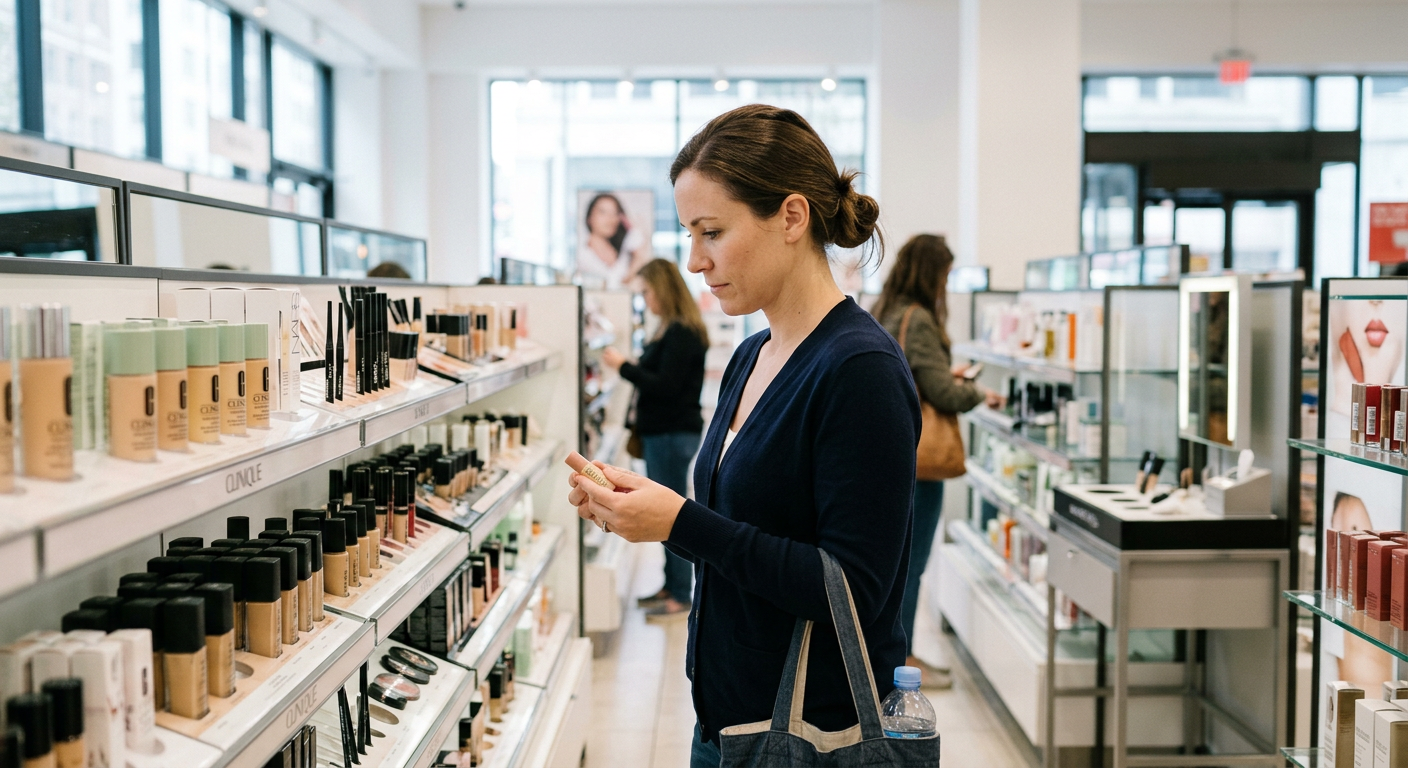
The beauty aisle is telling a new story. Shoppers are buying fewer makeup and skincare products than they did a few years ago, and it isn’t just about tight budgets. Both categories now top the list of purchases people plan to cut, according to surveys from McKinsey & Co. The reasons range from sticker shock to a demand for products that actually deliver, and together they point to a market correcting itself.
That matters whether you sell beauty products, market them, or just buy them. Knowing what’s behind the pullback helps brands adjust and helps shoppers spend more carefully. What follows is a breakdown of the forces changing how people buy beauty.
Price Fatigue Is Driving the Pullback
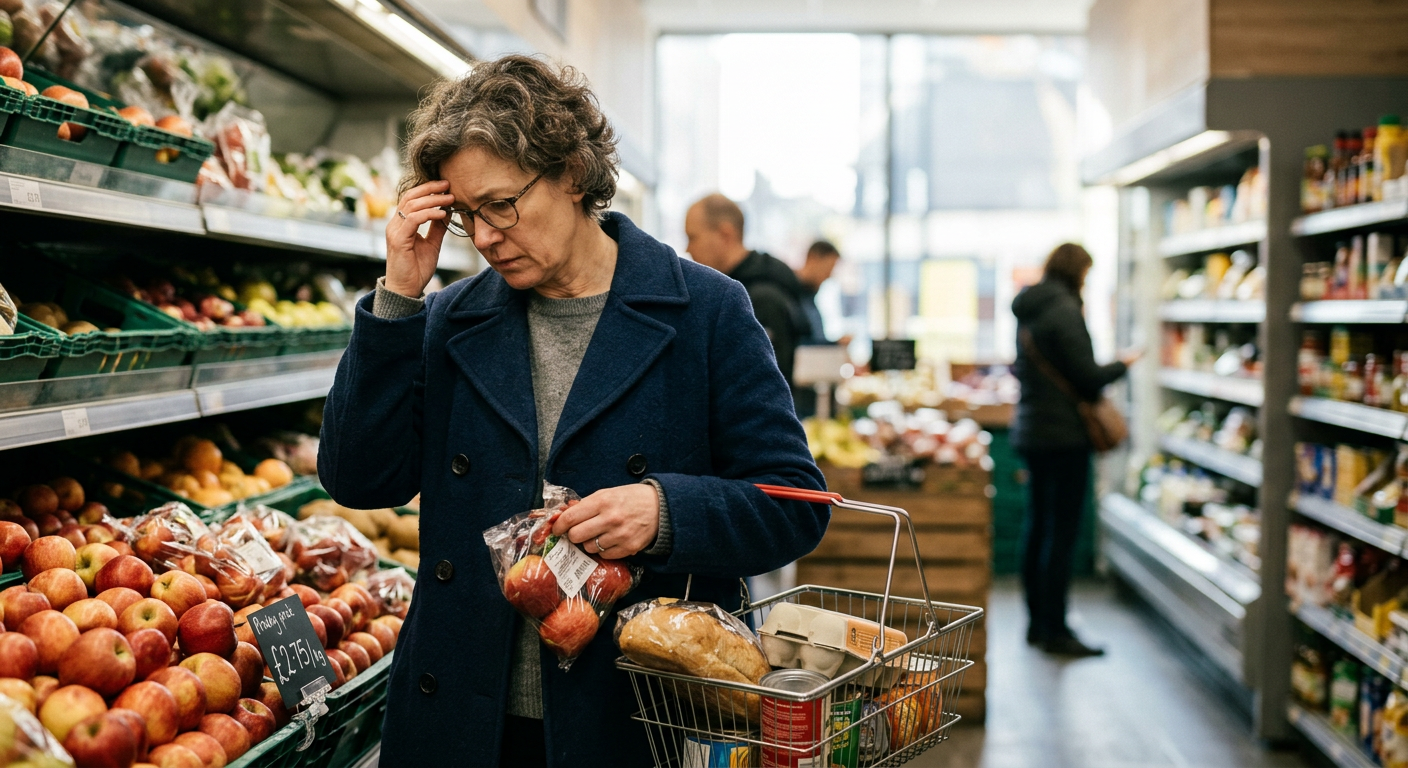
Cost is the biggest reason people are spending less. Research from McKinsey & Co. puts makeup and skincare at the top of every merchandise category for consumer intent to cut spending, ahead of household goods, toys, pet food, and vitamins.
The reason is simple: people think beauty products cost too much. Inflation has eased in the United States, but shoppers still remember the elevated prices of the past few years and haven’t shaken the caution.
The sales figures back that up. McKinsey estimates that certain personal care categories, including bath and shower, haircare, and vitamins, saw sales fall 4% to 6% in the fourth quarter compared with the same period a year earlier.
Price Now Outranks Everything for Younger Buyers
Among Gen Z, price has become the tiebreaker. Statista reports that in 2026, price was the most influential factor for 56% of Gen Z consumers in the United States, just ahead of quality at 52%.
That ranking says a lot. A generation known for chasing trends and sticking with favorite brands is now leading with its wallet, and brands have to justify every dollar to keep up.
Trading Down Has Become the New Normal
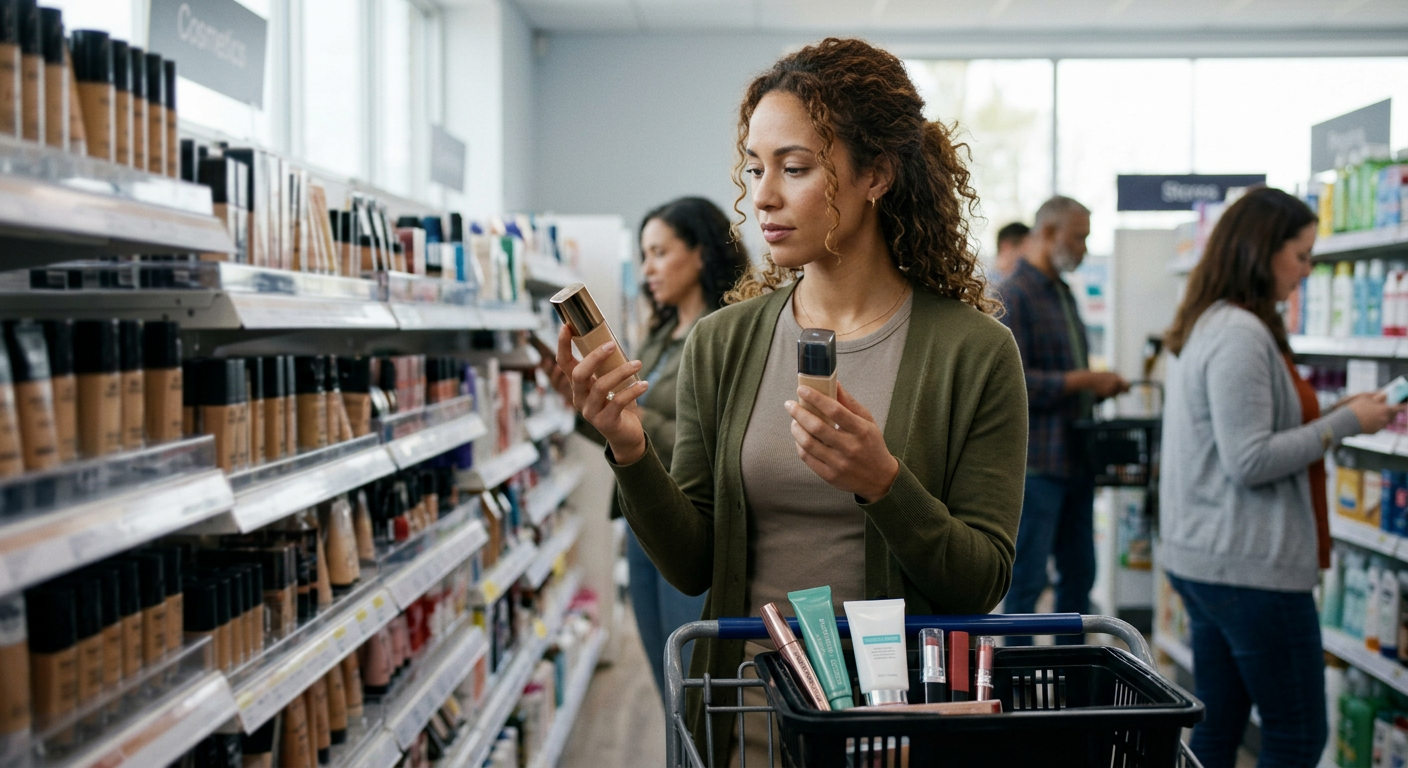
Most people aren’t quitting beauty. They’re switching to cheaper options. Shoppers want comparable products at a better price, especially for the things they use every day.
“Trading down becomes standard practice when faced with must-have personal care products like shampoo and deodorant,” Sarah Jindal, Mintel’s VP of Insights for Beauty and Personal Care, Americas, told the U.S. Chamber of Commerce.
The pattern reaches into premium categories too. Mintel found that 27% of makeup users are actively looking for cheaper alternatives to premium products, up from 2024. A jump that size points to a lasting change in behavior rather than a passing dip.
What “Trading Down” Looks Like in Practice
| Behavior | What Consumers Are Doing |
|---|---|
| Swapping brands | Choosing drugstore dupes over prestige labels |
| Buying less often | Stretching product use and delaying repurchases |
| Prioritizing essentials | Cutting discretionary items before staples |
| Researching more | Comparing ingredients and reviews before buying |
| Sticking to favorites | Repurchasing proven products instead of experimenting |
Consumers Want Results, Not Status
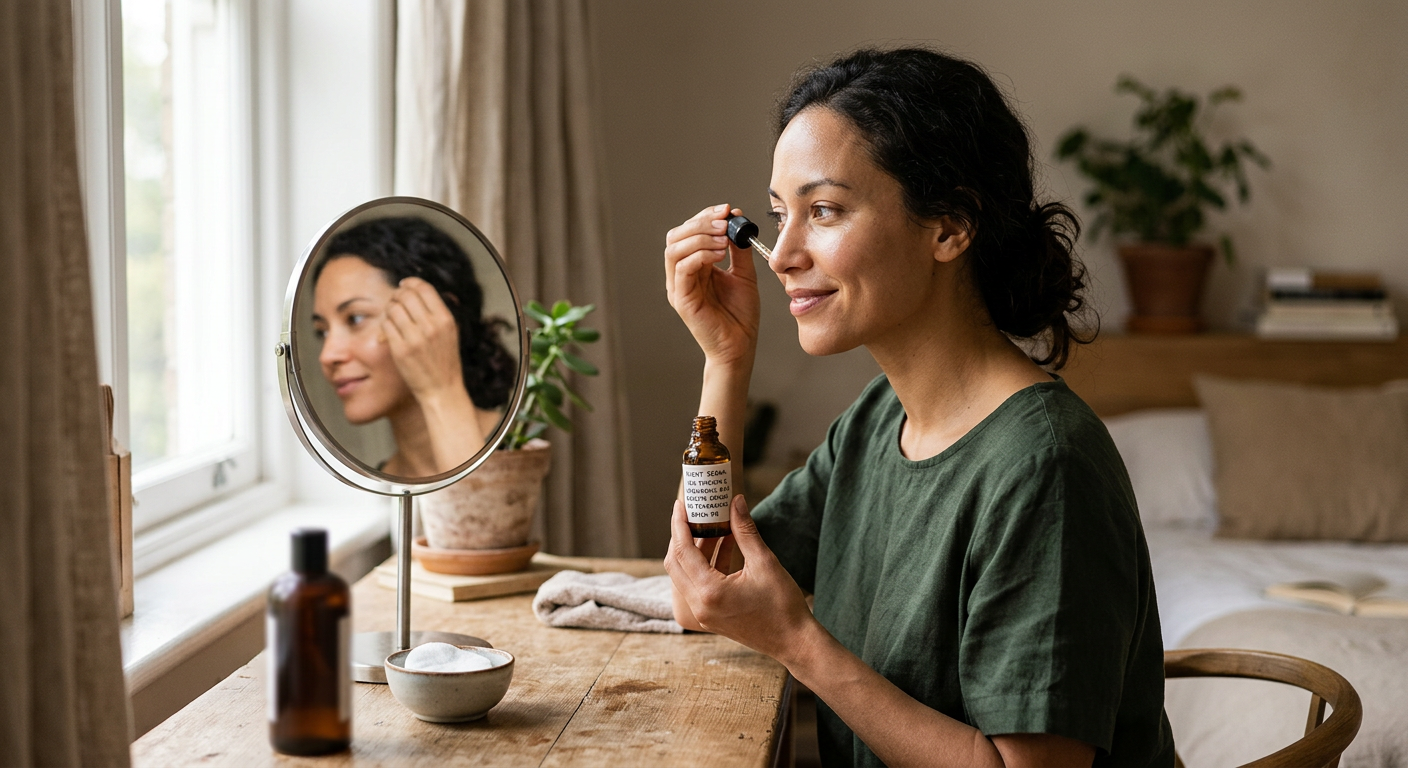
Status-driven beauty is losing ground to results-driven buying. Shoppers care more about whether a product works than whether its logo signals prestige.
According to Global Cosmetic Industry, efficacy and ingredient quality outrank luxury positioning across income groups. People are buying less and expecting more from each purchase.
That sets a higher bar. A product has to show visible results to earn a repeat purchase, and marketing built on aspiration alone doesn’t move sales the way it used to.
The Income Divide in Buying Priorities
Buying motivations split along income lines, though the gap is narrower than most would guess. Lower-income consumers are more likely to prioritize products suited to their specific skin type or concerns (40%), while higher-income shoppers lean more on brand trust (43%).
Both groups want the same thing in the end: proof that a product performs. Status positioning no longer carries the weight it once did.
Research-Heavy Shopping Slows the Buying Cycle
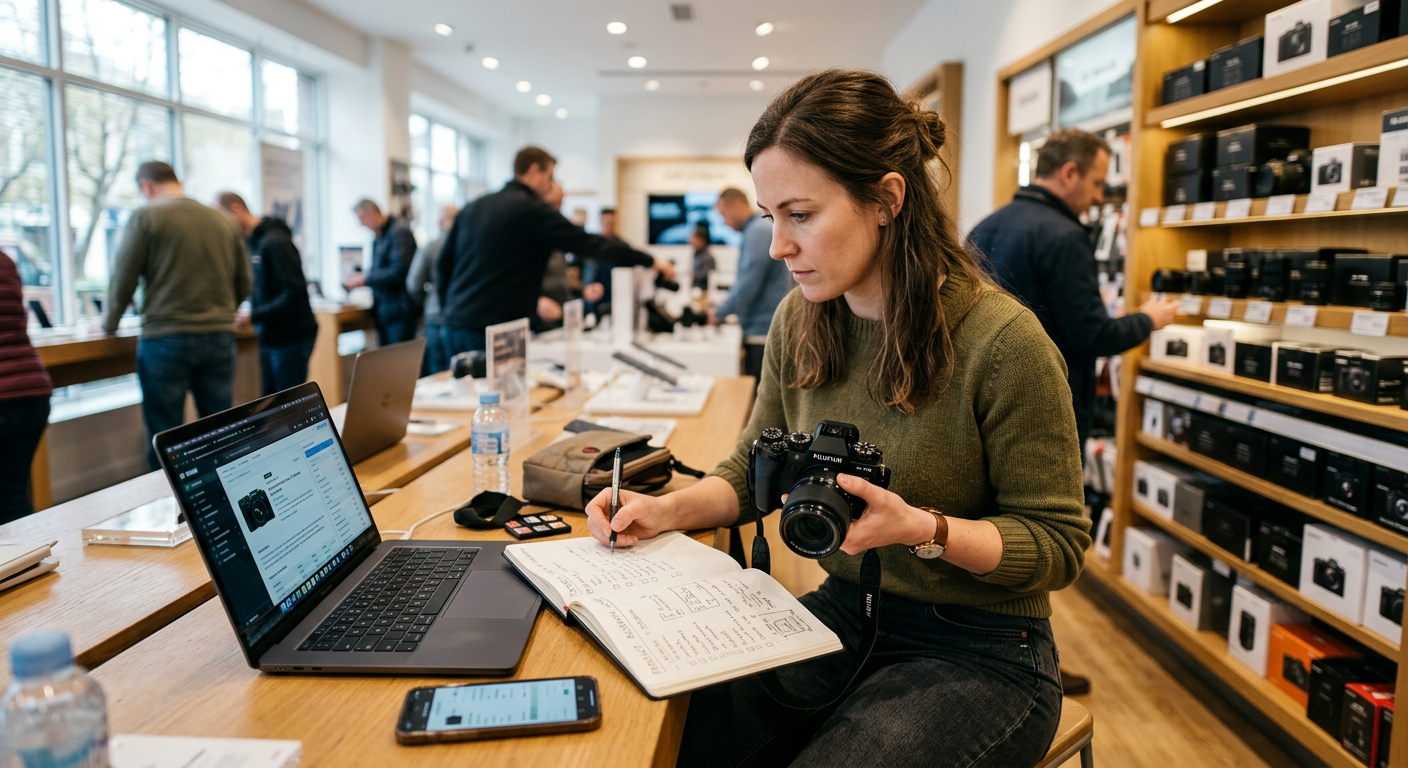
Fewer purchases also come down to a slower, more deliberate process. People research more and buy more cautiously, which cuts down on impulse buys.
Data from Market.us shows that 44% of online beauty shoppers spend more time researching before buying than they would in-store, rising to 60% among certain segments. More research means more scrutiny, and more scrutiny means fewer casual add-to-cart moments.
Loyalty to proven products adds to the slowdown. The same research found that 48% of online shoppers are more likely to buy brands they’ve used before, reaching 62% in some groups. When people stick with what works, they experiment less and buy fewer new items.
How Brands Can Respond to Slower Spending

Slower spending doesn’t mean growth is off the table. Several brands are expanding even as consumers tighten up, according to the U.S. Chamber of Commerce. The ones pulling it off share a few habits.
Strategies that work in a cautious market:
- Lead with efficacy. Prove your product delivers results with clear before-and-after evidence.
- Compete on value, not just price. Offer comparable quality at an accessible price point to capture trade-down shoppers.
- Be transparent about ingredients. Ingredient quality now rivals brand name as a purchase driver.
- Reward loyalty. Since repeat buyers dominate, retention programs protect revenue.
- Simplify the offering. Curated, multi-use products appeal to consumers who want to buy less but get more.
Brands that read this as a signal rather than a setback stand to gain share. Consumers haven’t lost interest in beauty. They want a better deal on quality.
Key Takeaways

The reasons people are buying fewer beauty products are practical and likely to stick. Price fatigue leads the list, with makeup and skincare topping every category for planned spending cuts. Trading down has become routine, and 27% of makeup users now actively seek cheaper alternatives to premium brands.
Standards have gone up at the same time. Buyers want efficacy, ingredient quality, and proof of results over status symbols. Slower, research-heavy shopping and loyalty to trusted products cut the number of items in each cart even further.
For brands, the path is straightforward: deliver measurable value, prove your ingredients work, and earn repeat purchases. For shoppers, the same forces work in your favor. Audit your routine, keep what performs, and expect more from every product you buy.
Frequently Asked Questions
Q: Why are consumers buying fewer beauty products in 2026?
Price fatigue is the main reason. McKinsey research puts makeup and skincare at the top of all categories for planned spending cuts, since consumers think prices are too high. People are also shopping more deliberately, which reduces impulse purchases.
Q: What does “trading down” mean in beauty?
Trading down means switching from premium or prestige products to comparable, lower-priced alternatives. Mintel found that 27% of makeup users are actively seeking cheaper alternatives to premium products, up from 2024.
Q: Do younger consumers care more about price or quality?
For Gen Z, price now edges out quality. Statista reports price influenced 56% of U.S. Gen Z beauty buyers in 2026, compared with 52% who prioritized quality.
Q: Are consumers abandoning beauty products entirely?
No. Most people are still buying beauty products, just buying less often, switching to cheaper options, and expecting stronger results from each purchase.
Q: What matters most to beauty shoppers now?
Efficacy and ingredient quality outrank luxury positioning across income levels. Lower-income buyers prioritize products suited to their skin concerns, while higher-income buyers lean more on brand trust.
Q: How can beauty brands grow despite reduced spending?
Brands that lead with proven efficacy, transparent ingredients, competitive value, and strong loyalty programs keep growing. The U.S. Chamber of Commerce notes that several brands are expanding even as overall consumer spending tightens.