

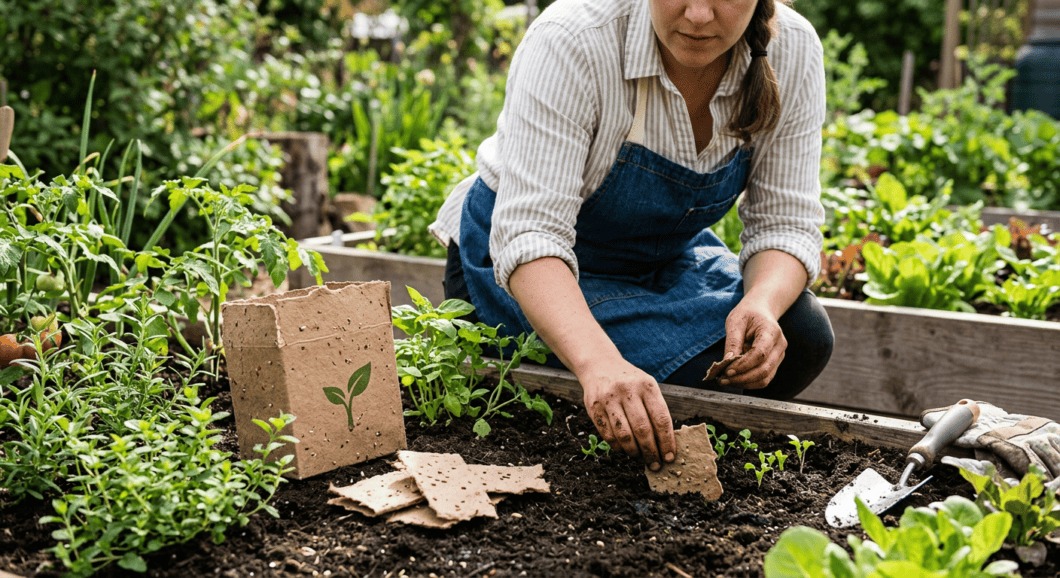
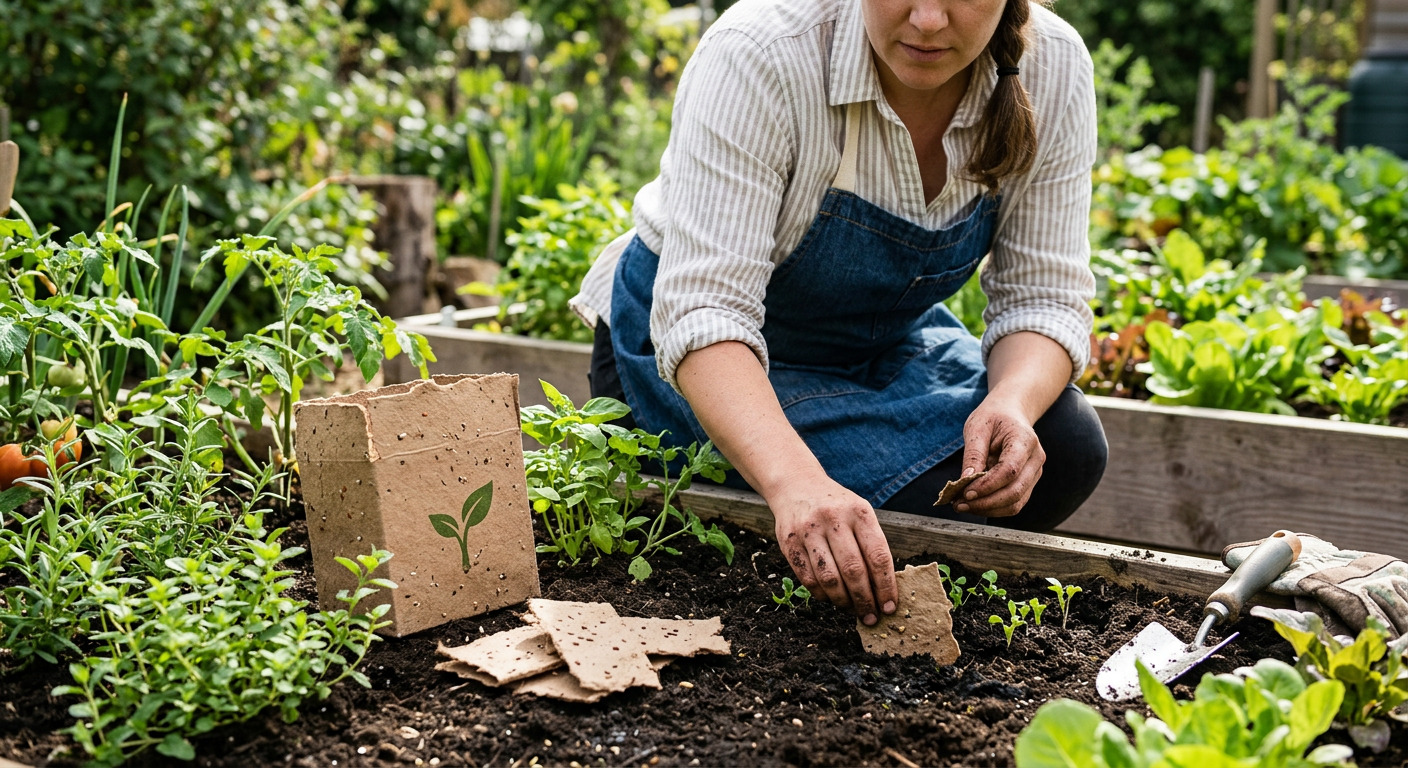
Some companies now ship products in boxes you can plant in your garden, dissolve in a compost bin, or grow from fungus. These aren’t lab experiments. They’re on the market. Eco-friendly packaging has moved from novelty to standard practice, and the spending backs that up. The global eco-friendly packaging market is forecast to expand from USD 277.32 billion in 2026 to USD 536.16 billion by 2035, a 7.6% CAGR, according to Towards Packaging.
For brands, this isn’t a side conversation anymore. Consumers, regulators, and supply chains are all pushing in the same direction. Below are the developments worth tracking.
Why Sustainable Packaging Is Now a Business Baseline
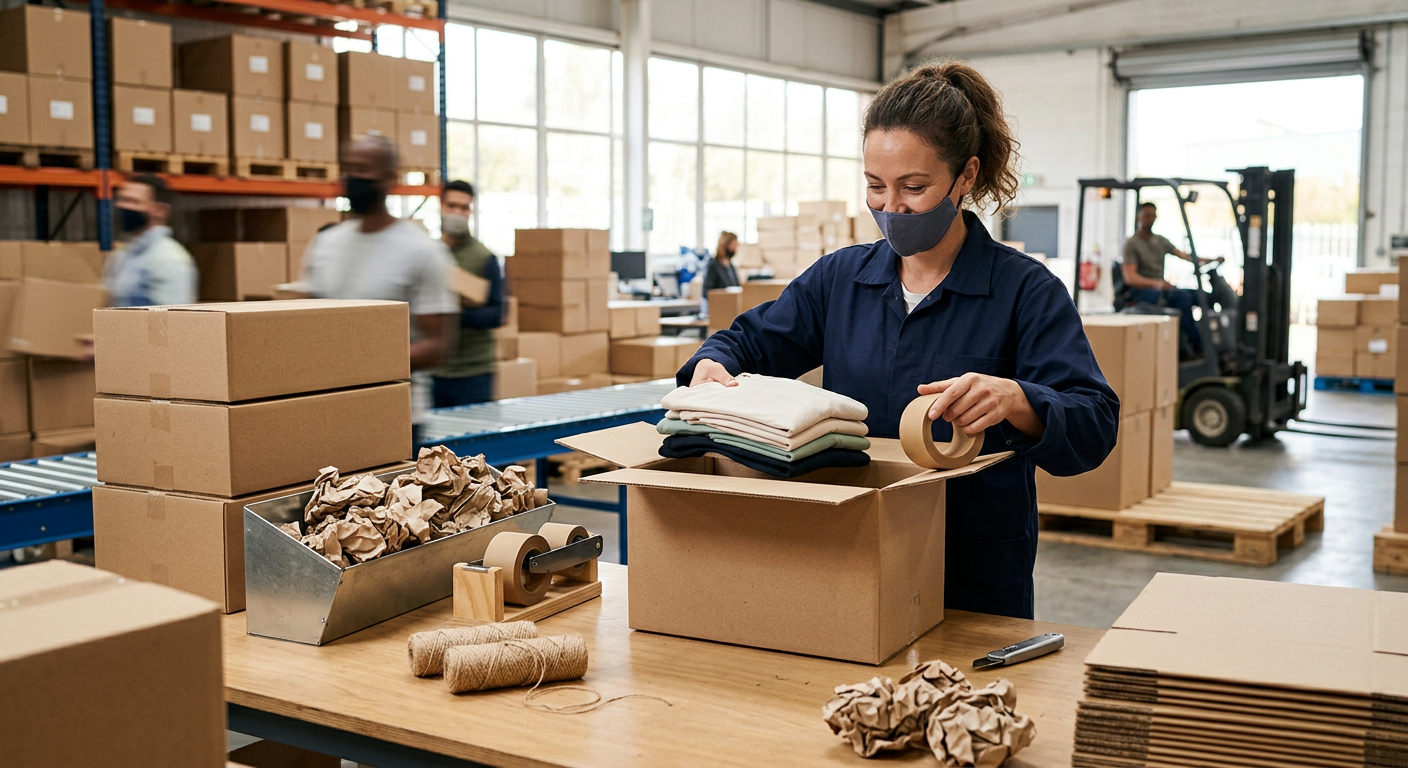
Sustainable packaging used to be a marketing differentiator. Now it’s an expectation. Tightening regulations in the US and EU, shifting consumer demographics, and clearer evidence of what conventional packaging actually costs have pushed brands toward firm commitments instead of vague statements, according to EcoPackables.
That pressure shows up in sales. Consumer preference for sustainable options feeds straight into purchasing decisions, and brands that sit this out tend to lose ground to competitors who move.
One caveat deserves plain language: the distance between what “recyclable” means on a label and what actually ends up recycled is enormous. The materials that matter are the ones that perform in the real world, not on a spec sheet.
Paper-Based Packaging Leads the Shift
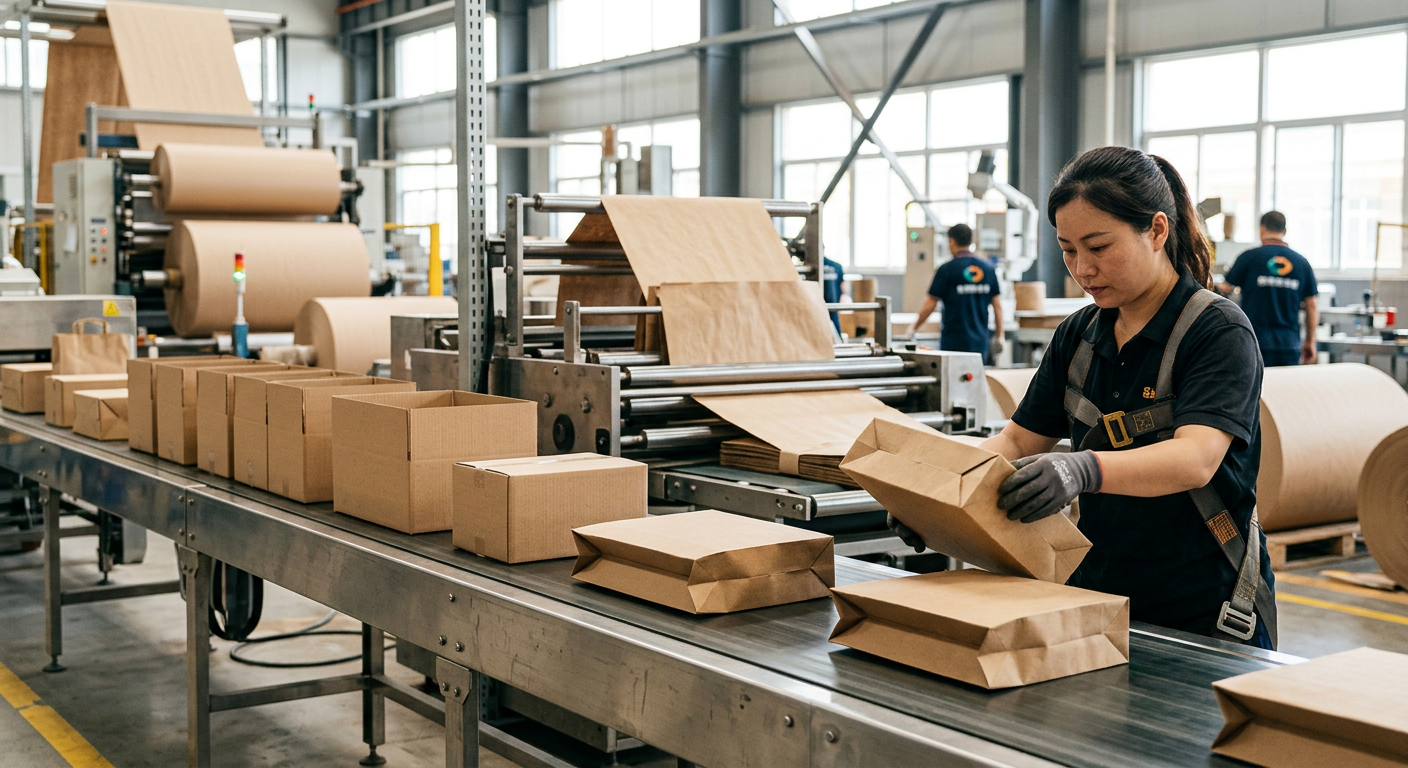
Paper remains the workhorse of eco-friendly packaging, and the reasons hold up. It combines renewable origin, recyclability, and biodegradability in a single material most brands already know how to source. Paper can be recycled several times over, which cuts demand for virgin fiber and lowers overall impact, per The Customize Boxes.
Paper and paperboard led the eco-friendly packaging market by material in 2024, a position that reflects both availability and cost. For most brands, swapping plastic mailers for recycled paperboard is the quickest sustainability gain on the table.
Alternate Fiber Sources
Some brands are moving past traditional wood pulp toward fibers like bamboo, sugarcane bagasse, and agricultural waste. These grow faster than trees, and several of them use byproducts that would otherwise be thrown out. Alternate fiber techniques led the market by technique in 2024, which points to real momentum in this segment.
Plant-Based Plastics and Compostable Materials
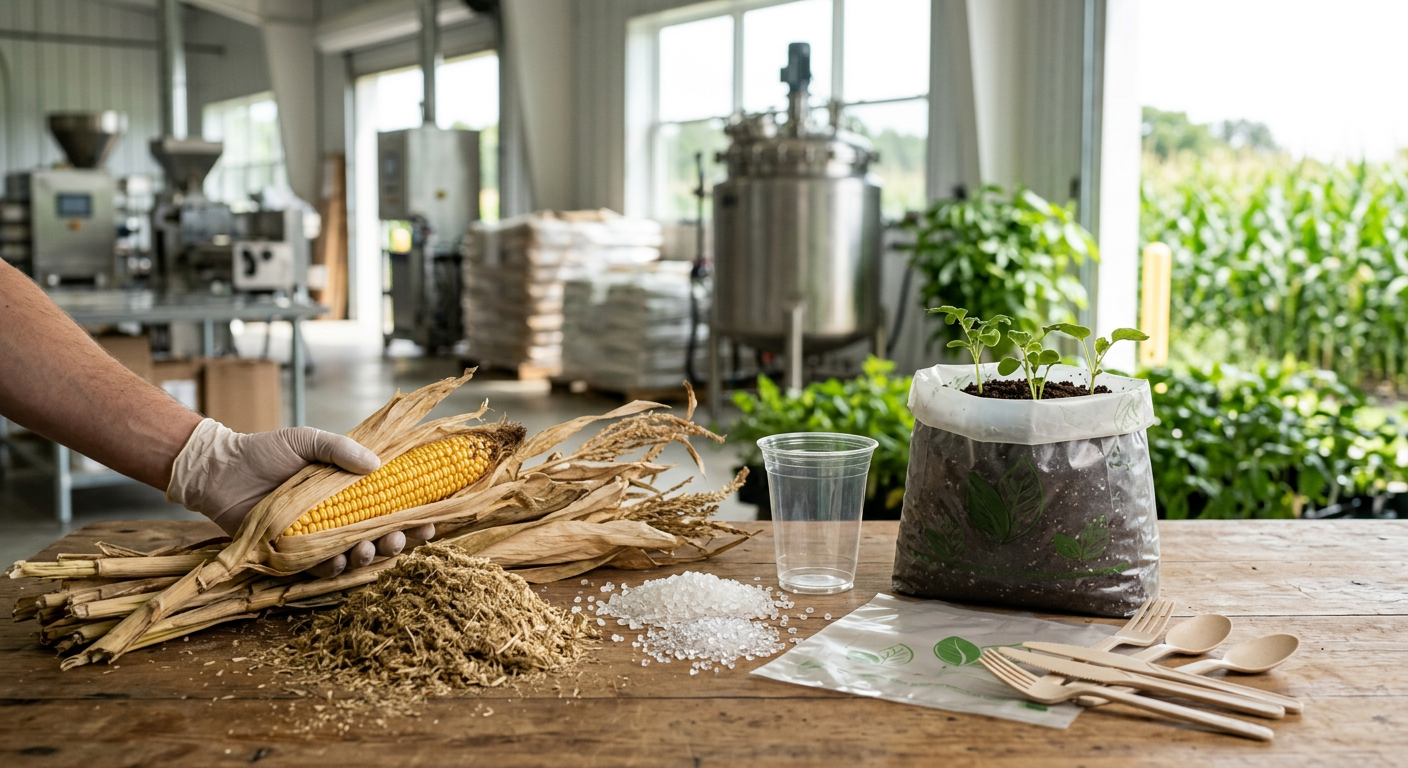
Plant-based plastics, or bioplastics, swap petroleum inputs for renewable feedstocks such as corn starch, sugarcane, and cellulose. They look and feel like conventional plastic while cutting fossil fuel reliance.
Compostable materials go a step further, and the distinction matters. Biodegradable materials break down through natural processes; compostable materials break down completely and return nutrients to the soil without leaving harmful residue, as YUTO explains.
Pangea Organics offers a good example. The company developed the first 100% compostable and plantable product packaging, made with zero waste from 100% post-consumer paper, according to Remesh. The packaging holds seeds a customer can plant once the box has served its purpose.
Mushroom-Based Packaging
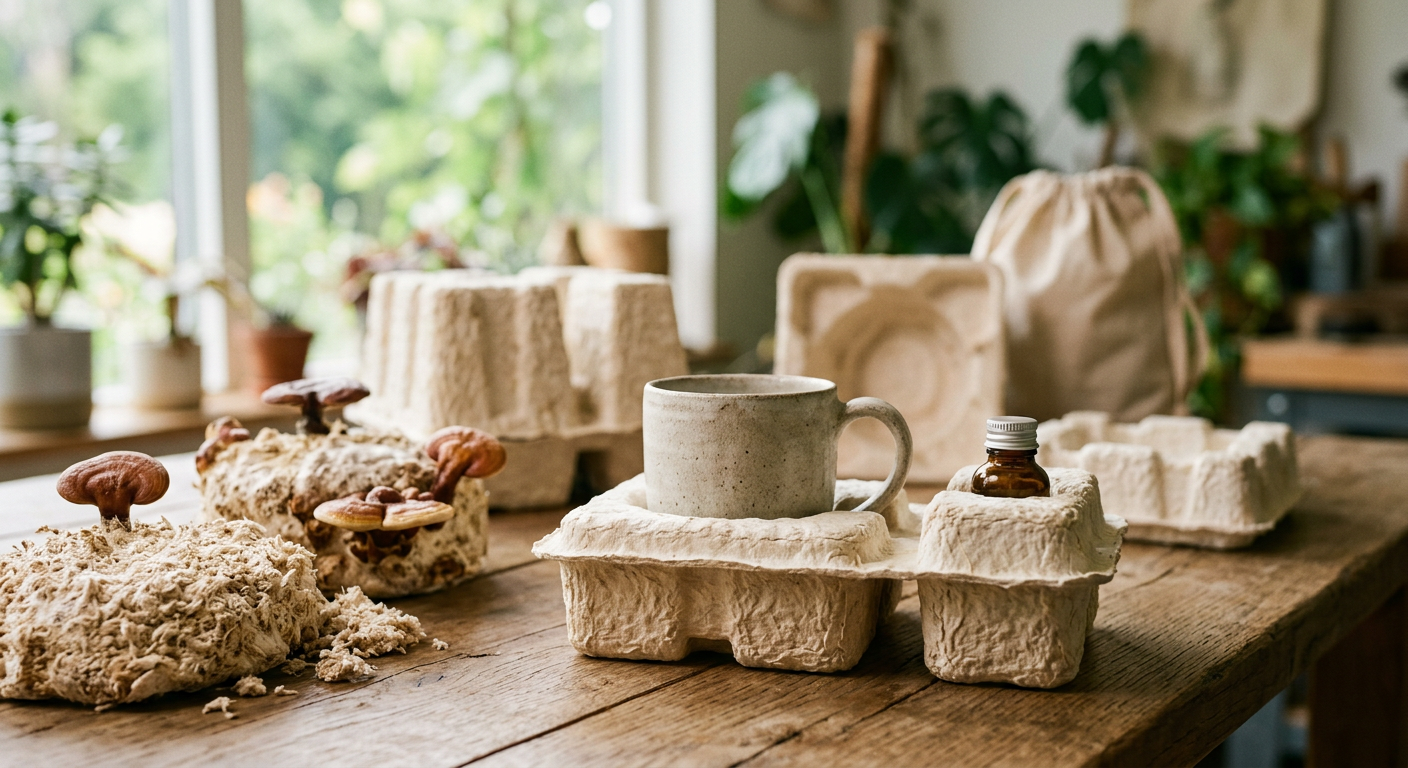
Mushroom packaging is one of the more surprising materials in this category. Manufacturers grow it by combining mycelium, the root structure of fungi, with agricultural waste. The material sets into molds within days and can stand in for expanded polystyrene foam.
The upsides add up. Mushroom packaging composts at home, takes little energy to produce, and runs on waste inputs rather than new resources. It cushions fragile products about as well as conventional foam.
Scale is the sticking point. Production capacity and cost still favor established materials. As demand climbs, though, mushroom packaging has become a workable choice for premium and mid-tier brands that want a distinctive, sustainable option and can absorb the price.
Sustainable Inks, Labels, and Smart Packaging
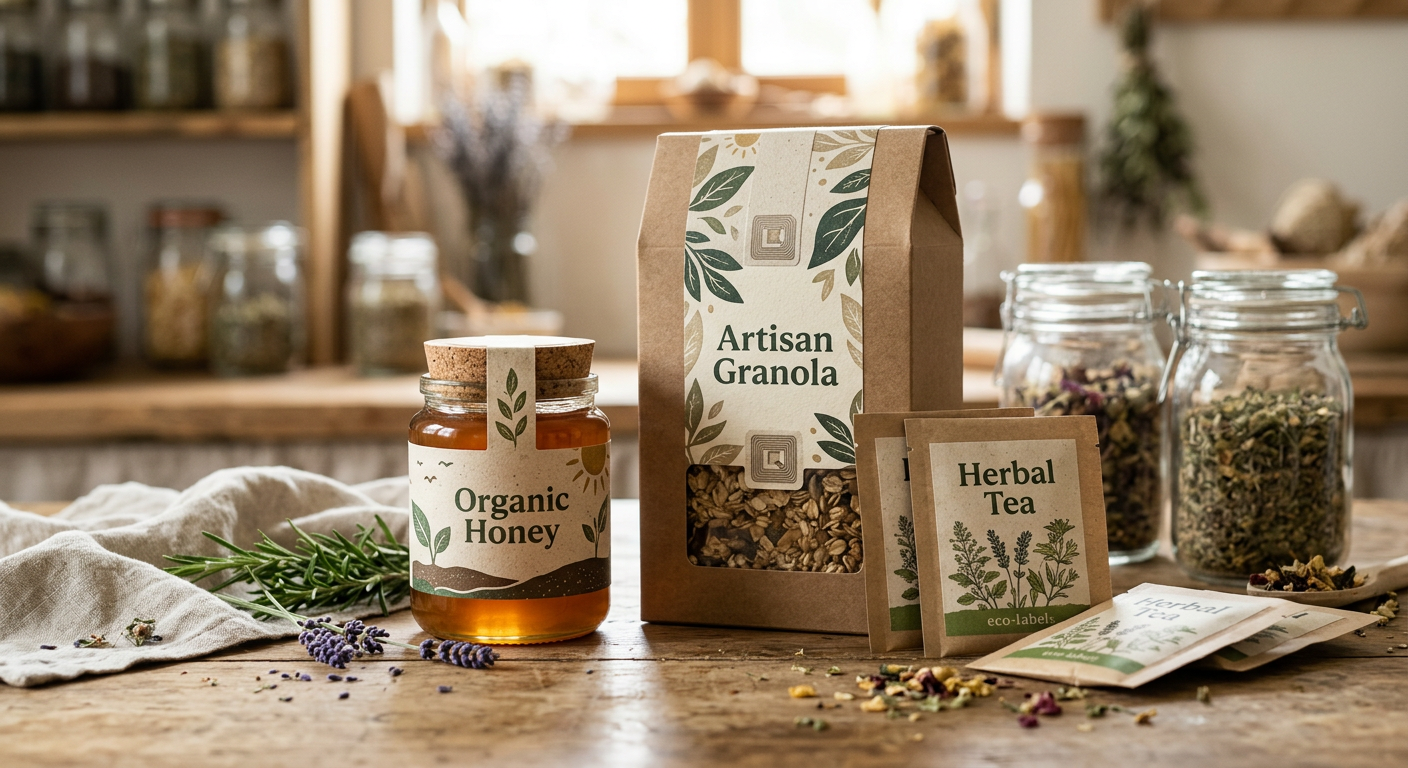
Packaging sustainability doesn’t stop at the box. Traditional labels and inks often carry harmful chemicals and resist breaking down. The alternatives use water-based inks and labels made from recycled or plant-based materials, according to both YUTO and Kodak.
Water-based inks are one of the bigger shifts underway. They skip the petroleum solvents used in conventional printing and make the finished package easier to recycle.
Blockchain-Integrated Packaging
Technology has a role here too. Blockchain-integrated packaging lets brands and consumers verify a product’s origin, authenticity, and sustainability claims across the supply chain. That kind of transparency tackles the credibility problem that undermines so much green marketing.
Comparing Eco-Friendly Packaging Materials
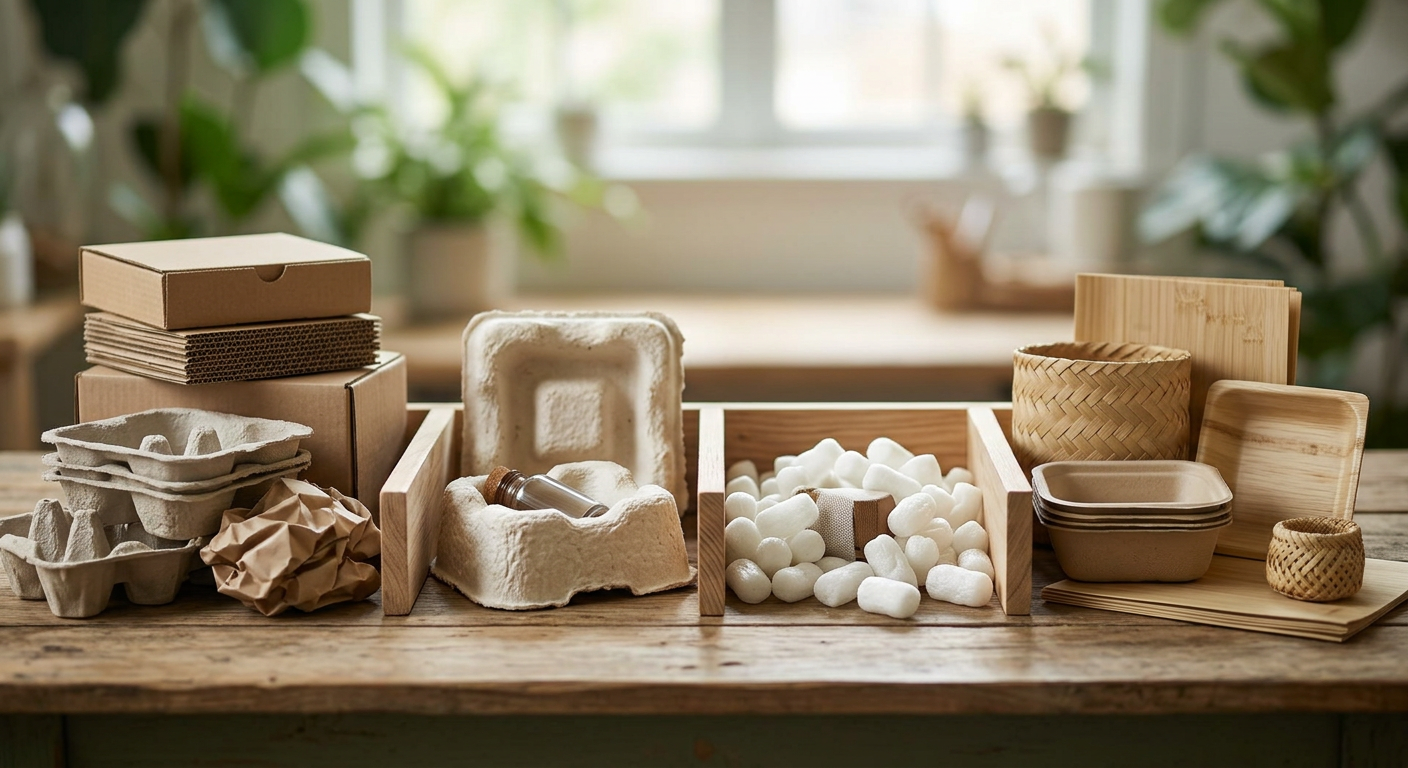
Use this comparison to match materials to your product needs:
| Material | Best For | Compostable | Relative Cost | Key Benefit |
|---|---|---|---|---|
| Recycled paperboard | Retail boxes, mailers | Yes | Low | Widely recyclable, cost-efficient |
| Alternate fiber (bamboo, bagasse) | Food service, boxes | Yes | Low-Medium | Fast-renewing, uses waste |
| Plant-based plastics | Flexible packaging, films | Varies | Medium | Cuts fossil fuel use |
| Compostable materials | Personal care, food | Yes | Medium | Returns nutrients to soil |
| Mushroom-based | Fragile goods, foam replacement | Yes | Medium-High | Home-compostable cushioning |
How to Choose the Right Sustainable Packaging
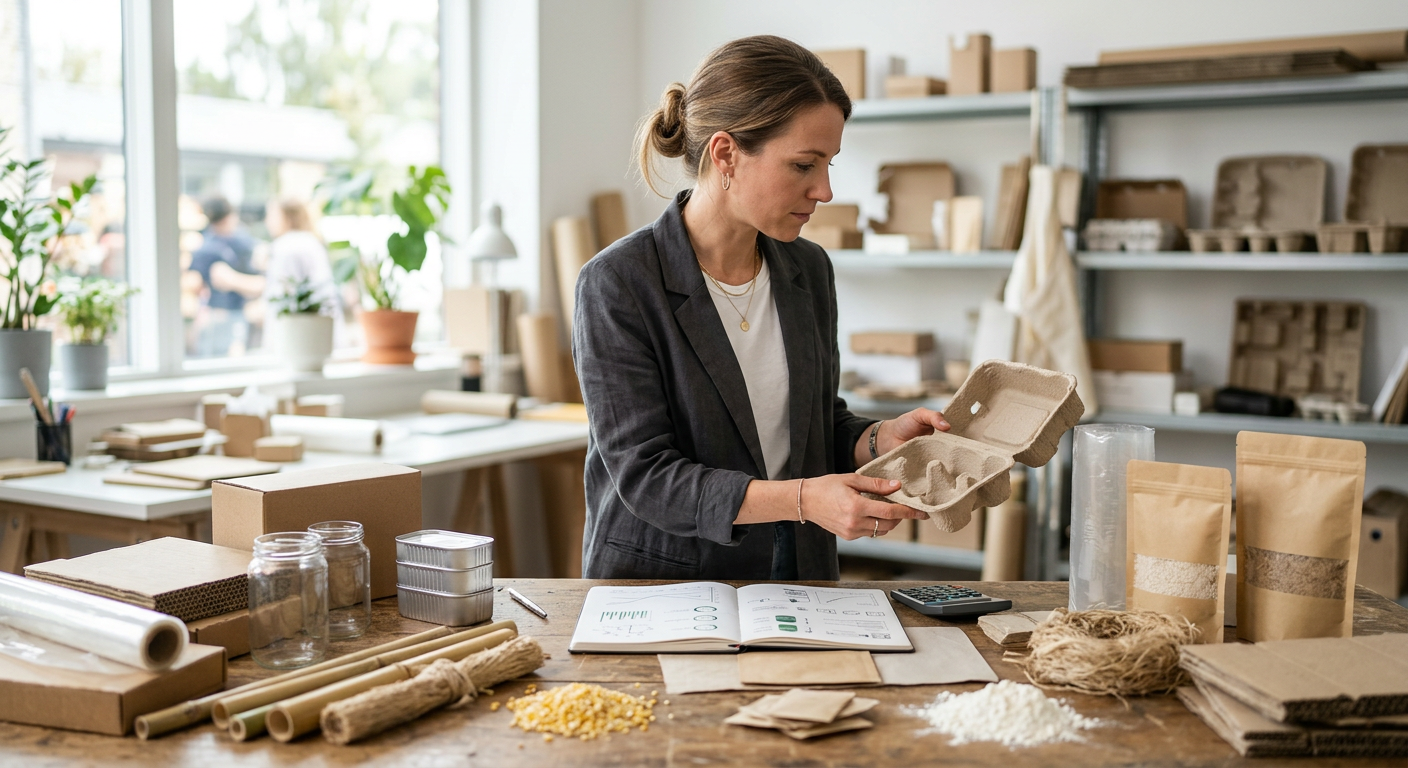
Start with a Life Cycle Analysis (LCA) of your current materials. It shows where your packaging generates the most environmental impact and where a change will actually move the needle, as recommended by REGEN.
Before you substitute anything, look for what you can cut. Small products shipped in oversized boxes stuffed with filler are a common problem; right-sizing the packaging trims waste and shipping costs in one move. From there, transportation choices and local sourcing can shave your carbon footprint further.
Then match packaging to your business goals. The solution has to fit your brand identity, support your ESG commitments, and land at retail without wrecking your margins, according to York Container. A sustainable option you can’t afford to maintain won’t survive its first budget review.
Key Takeaways and Next Steps
Eco-friendly packaging innovation is picking up speed, and the market data says it’s staying. Paper-based and alternate fiber materials give most brands the easiest place to start, while plant-based plastics, compostable materials, and mushroom packaging offer deeper sustainability for the right products. Sustainable inks and blockchain traceability help close the credibility gap that has dogged green marketing for years.
The practical path: audit your current packaging, find one high-impact switch, and pilot it before you scale. Run a Life Cycle Analysis this quarter, pick a single material from the table above, and test it.
Customers are paying attention and regulators are closing the gap. Look at your options now, while the pressure can still work in your favor.
Frequently Asked Questions
Q: What is the most affordable eco-friendly packaging option?
Recycled paperboard is usually the cheapest sustainable option. It’s widely recyclable, cost-efficient, and available at scale, which makes it the fastest win for brands moving away from plastic.
Q: Is compostable packaging the same as biodegradable?
No. Biodegradable materials break down over time through natural processes, but compostable materials break down completely and return nutrients to the soil without harmful residue. Compostable is the stricter, more beneficial standard.
Q: How big is the eco-friendly packaging market?
The global market is forecast to grow from USD 277.32 billion in 2026 to USD 536.16 billion by 2035, at a 7.6% CAGR, according to Towards Packaging. Regulatory and consumer momentum are driving most of that growth.
Q: What is mushroom-based packaging made from?
Mushroom packaging combines mycelium, the root structure of fungi, with agricultural waste. It grows into molds within days and works as a home-compostable replacement for polystyrene foam.
Q: Why does “recyclable” on a label not always mean recycled?
A label means a material can technically be recycled. Whether it actually gets recycled depends on local infrastructure, contamination, and sorting limits, which often stop the process. That gap is why compostable and reduced-material solutions keep gaining favor.
Q: How should I start switching to sustainable packaging?
Start with a Life Cycle Analysis of your current materials, then cut packaging where you can. Pick one high-impact material to pilot, confirm it fits your budget and brand, and scale from there.