



Sixty percent of global consumers now read the ingredient list before they buy. That single figure explains why 2026 is turning into a year defined by ingredients rather than the brands stamped on the front of the box. Shoppers have moved past calorie counting and started treating each ingredient as a tool for managing their own health. The biggest ingredient trends of 2026 follow that logic: transparency, function, and naturalness, showing up across food, beverage, and personal care alike.
If you formulate products, market them, or just want to know what’s headed to store shelves next year, these are the movements to track.
The New Health Paradigm: Consumers Design Their Own Wellness
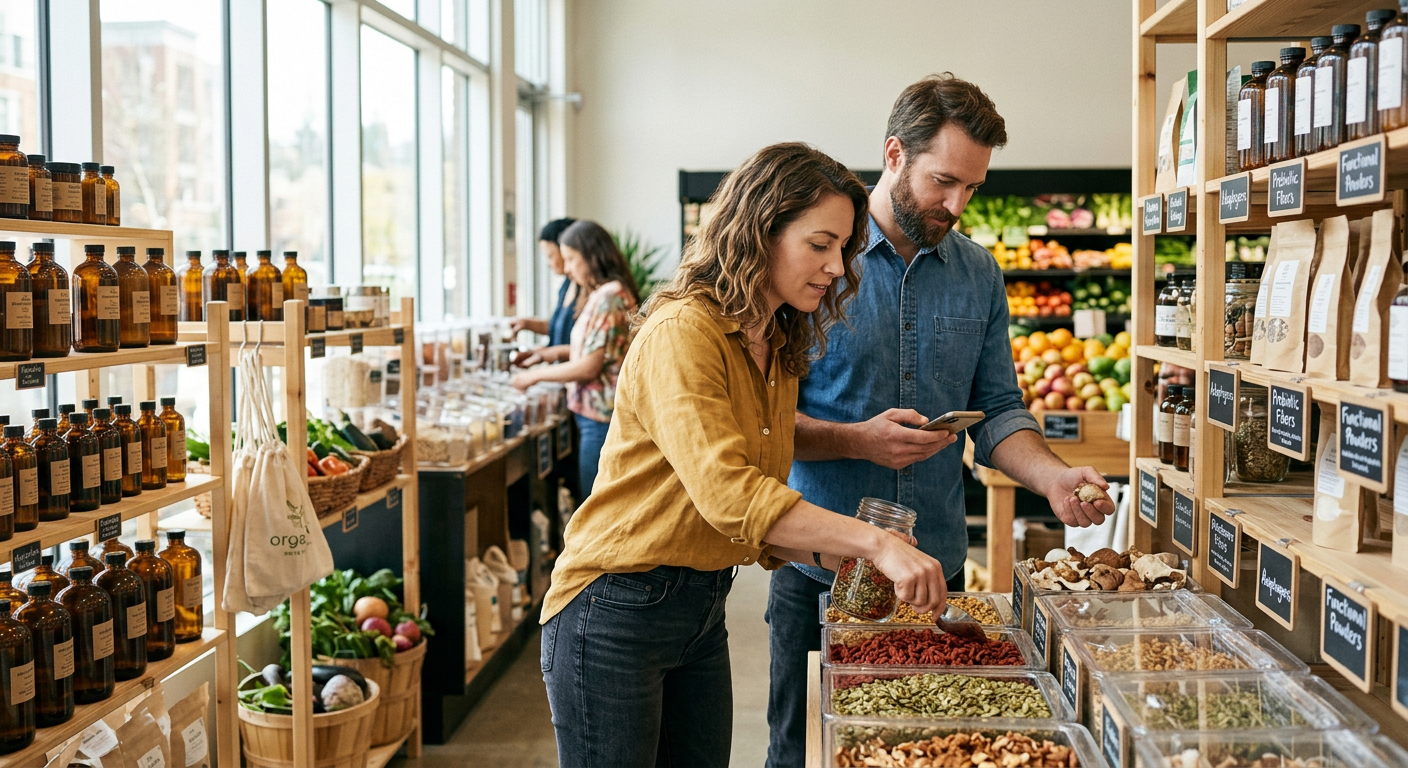
Shoppers have stopped waiting for brands to define “healthy.” Innova Market Insights describes consumers becoming self-sufficient, building personal wellness routines with ingredients as their raw materials.
That reframes the job of product design. An ingredient is now expected to do something specific, and shoppers scan a formula for what it adds to their day rather than what it leaves out.
Innova sorts the behavior into three buckets: adding the good, keeping it natural, and cutting the bad. Every trend below fits one of those three, which makes them a useful way to pressure-test your own product strategy.
Powerhouse Protein: Still King, but Getting Smarter
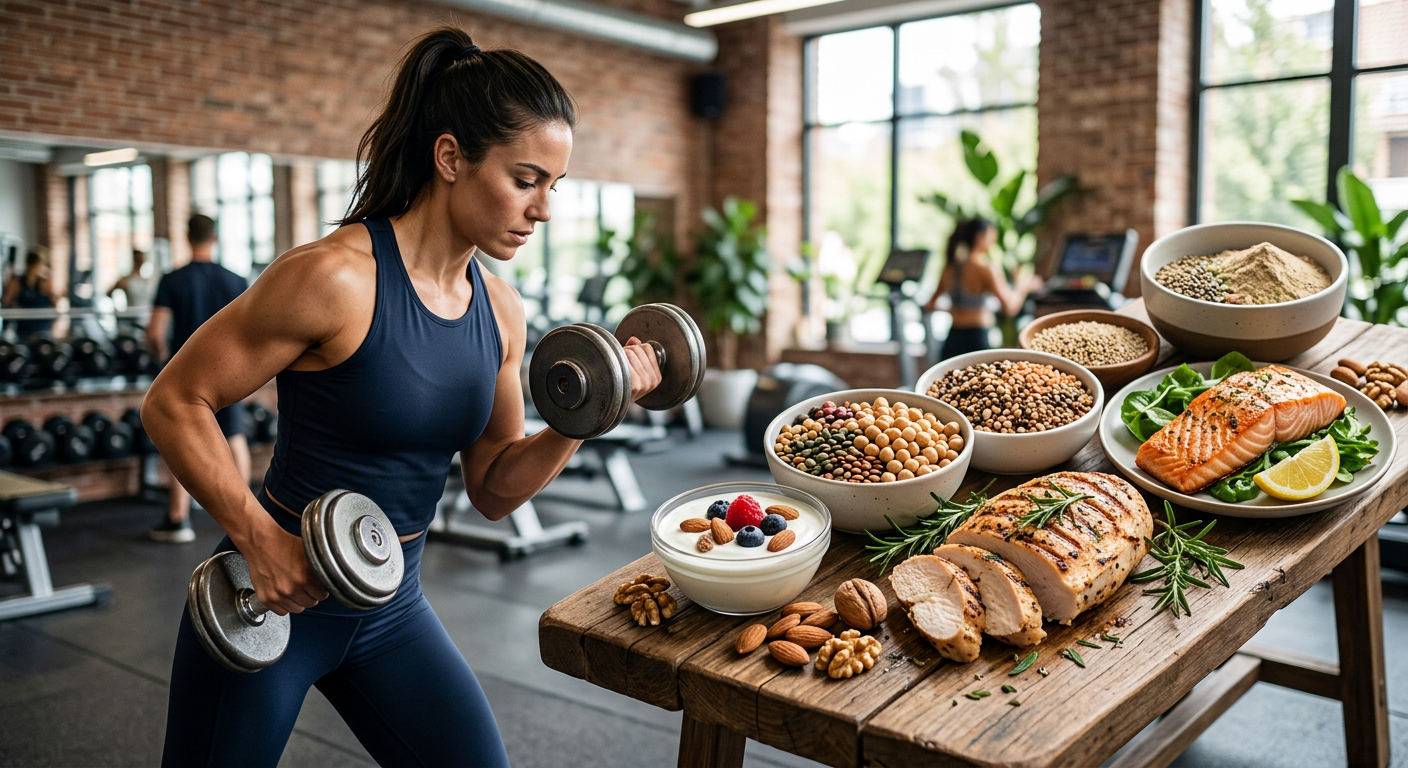
Protein remains the dominant nutrient claim going into 2026, and nothing on the horizon threatens that position. What’s shifting is the sophistication behind the claim.
Innova’s “Powerhouse Protein” trend tracks protein moving into targeted health territory. Instead of a blanket “high protein” flag, expect formulations built around muscle maintenance, satiety, and healthy aging.
Where Protein Is Heading
- Targeted function: Products designed for specific outcomes like recovery or longevity, not just a bigger number on the label.
- Diverse sources: Plant, dairy, and fermented proteins competing on taste and texture.
- Cleaner delivery: Higher purity and better mouthfeel at lower inclusion rates.
Protein carries one big advantage: consumers already trust the claim. The competition has shifted from awareness to precision and quality.
Gut Health and the Rise of Fiber
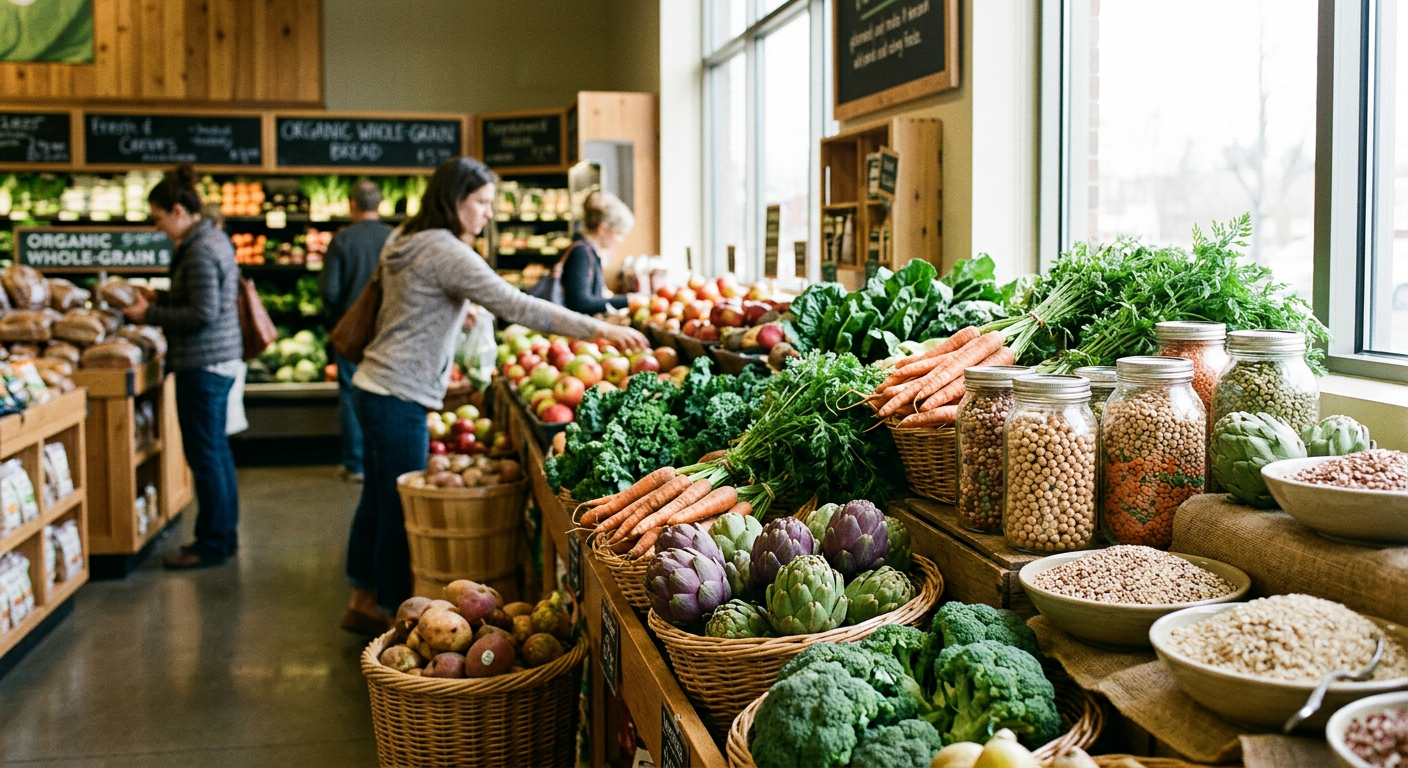
If protein is the established king, fiber is the challenger closing fast. Whole Foods Market predicts fiber will gain real traction in 2026 as shoppers chase gut health, digestive wellness, and natural ways to feel fuller for longer.
Innova’s “Gut Health Hub” trend supports the same reading, placing fiber alongside protein as a nutrient consumers actively seek out. Digestive wellness has moved from niche to mainstream.
Fiber-Forward Ingredients to Watch
- Cassava and chicory root: Regulars on prebiotic beverage ingredient panels.
- Konjac: A fibrous favorite in plant-based products.
- Added-fiber staples: Pastas, breads, crackers, and bars now carry fiber callouts on the front of the pack.
Brands are printing fiber claims more prominently because shoppers reward it. Prebiotic beverages and functional snacks will lead the category through 2026.
Clean Label Becomes the Baseline, Not the Bonus
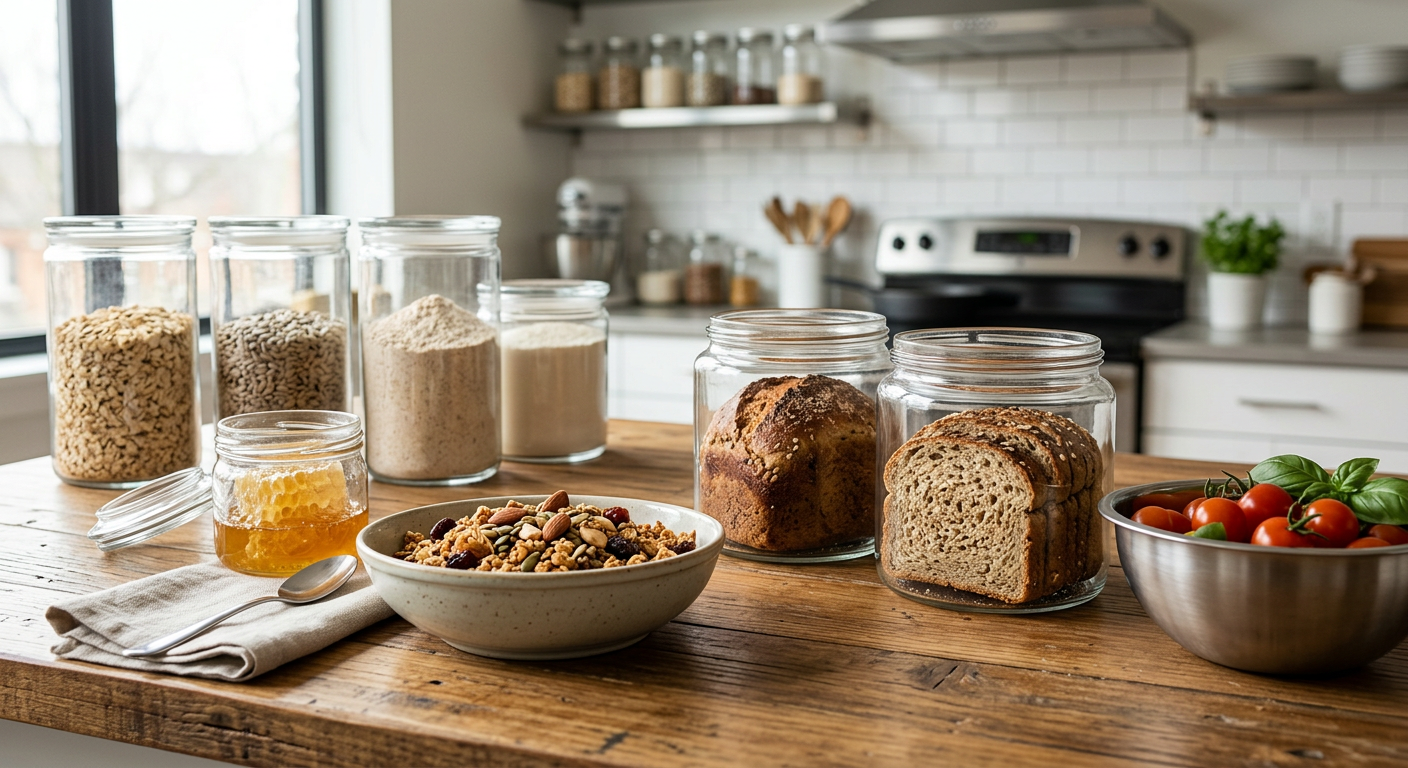
Clean label used to be a premium differentiator. In 2026 it’s the price of entry. IFF’s 2026 North America Flavor Trends point to authenticity, transparency, and natural sourcing as the core drivers of consumer trust.
That raises the bar for everyone. Plant-based colors, recognizable ingredients, and natural flavors are expected now, not celebrated.
The strategic takeaway is straightforward: a clean label no longer wins customers, but a messy one loses them. Shorter ingredient lists and natural sourcing directly shape what the label-reading majority puts in the cart.
Biotech and Fermentation Reshape Personal Care

The ingredient shift reaches well beyond food. The Kline Group names biotechnology as the leading emerging trend in personal care heading into in-cosmetics 2026.
Bioengineered and fermented ingredients are producing a new generation of actives, including biotics, postbiotics, and microbial compounds built to support the skin microbiome. Biomimetic proteins, peptides, and advanced polysaccharides are arriving at higher purity and with a lighter environmental footprint.
Beyond Biotech: Adjacent Beauty Trends
- Sustainability as baseline: Traceable sourcing, upcycled ingredients, and waterless formats.
- Nutricosmetics: “Beauty from within” going mainstream, echoing the functional shift in food.
- Longevity thinking: Formulas built for skin resilience and health span, not just appearance.
- Blue Beauty: An ocean-first lens applied to sun care, packaging, and marine-inspired biotech.
The overlap with food is hard to miss: microbiome support, fermentation, and function-first design turn up on both sides of the store. That convergence is the real story of 2026.
Comparing the Biggest Ingredient Trends of 2026
This table offers a quick-reference snapshot of where each trend lives and why it matters.
| Trend | Category | Key Ingredients | Consumer Driver |
|---|---|---|---|
| Powerhouse Protein | Food & Beverage | Plant, dairy, fermented proteins | Targeted health, satiety |
| Gut Health Hub | Food & Beverage | Cassava, chicory, konjac | Digestive wellness |
| Clean Label | All categories | Plant-based colors, natural flavors | Transparency, trust |
| Biotech Actives | Personal Care | Postbiotics, peptides, polysaccharides | Microbiome, efficacy |
| Sustainable Sourcing | Personal Care | Upcycled, waterless, marine-derived | Environmental impact |
| Nutricosmetics | Cross-category | Functional supplements | Beauty from within |
Every row comes back to the same idea Innova flagged: add the good, keep it natural, cut the bad.
What These Trends Mean for Your Strategy

The smart play in 2026 is to line up with how consumers already think. They want ingredients that do something, come from somewhere they trust, and leave out whatever they see as harmful.
Start with transparency. With 60% of shoppers reading ingredient lists, every panel is marketing copy now. Make it legible, recognizable, and honest.
Then build in function. Whether you sell protein bars or serums, lead with the specific benefit the shopper wants and back it with credible ingredients. The brands that treat the ingredient as the product, not just the recipe, will win the year.
Conclusion
The biggest ingredient trends of 2026 rest on one shared idea: consumers are managing their own health, and ingredients are the instruments they use. Protein holds the top spot while fiber and gut health surge behind it. Clean label becomes the baseline. In personal care, biotech, fermentation, and sustainability are redrawing what an active can be.
Audit your ingredient lists now, put function and naturalness first, and match your callouts to the drivers above. Pull up your top-selling product’s label this week and ask whether it would satisfy a shopper who reads every panel. If it wouldn’t, that’s your starting point.
FAQ
Q: What is the biggest ingredient trend for 2026?
Protein remains the dominant trend, but it’s evolving toward targeted benefits like satiety and healthy aging. Fiber and gut health are the fastest-rising challengers right behind it.
Q: Why do ingredient lists matter so much in 2026?
Innova Market Insights reports that 60% of global consumers always check ingredient lists before buying. What’s on the panel now shapes purchasing decisions across food, beverage, and personal care.
Q: What fiber ingredients should brands watch in 2026?
Cassava and chicory root show up regularly on prebiotic beverage panels, and konjac is a favorite in plant-based products. Added-fiber pastas, breads, crackers, and bars are also expanding on shelves.
Q: How is biotechnology changing beauty ingredients?
Biotech and fermentation are producing next-generation actives such as postbiotics, biomimetic peptides, and advanced polysaccharides. These ingredients offer higher purity, better performance at lower doses, and a lighter environmental footprint.
Q: Is clean label still a competitive advantage in 2026?
Clean label has shifted from a premium differentiator to a baseline expectation. Recognizable ingredients and natural flavors no longer win customers on their own, but their absence can lose them.
Q: Do food and personal care ingredient trends overlap?
Yes. Microbiome support, fermentation, and function-first design now appear in both food and beauty, with nutricosmetics blurring the line between eating your wellness and applying it.