

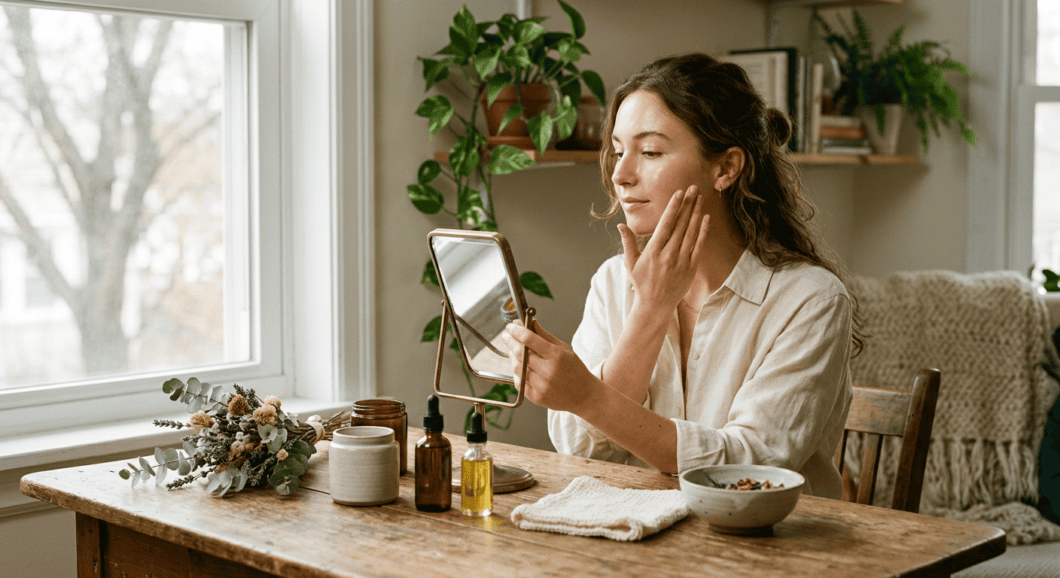
Gen Z spends roughly 95 minutes a day on TikTok, and yet more young shoppers are quietly stepping off the viral product treadmill. It isn’t that they’ve fallen out of love with beauty. They’re tired of the pace. Slow beauty is the pushback: a move away from the endless feed toward deliberate routines, formulations that hold up over time, and self-care done on your own clock.
The idea runs on patience rather than instant results. Rather than swapping in a new hero serum every three weeks, slow beauty asks one thing of a product or a ritual: does it earn its place? Below is a look at what the term means, what’s driving it, and how to build a routine around it.
What Is Slow Beauty?
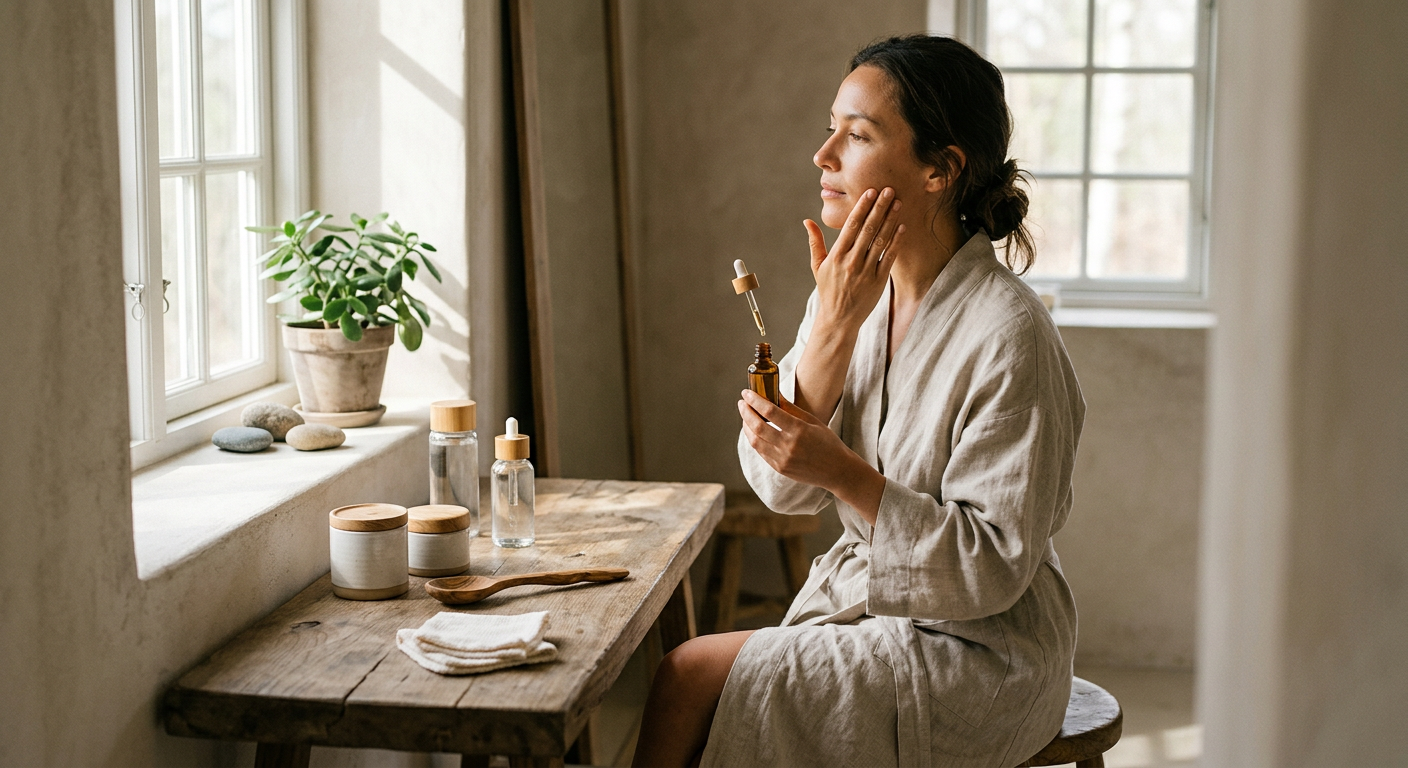
Slow beauty is a philosophy that puts quality, consistency, and mindful rituals ahead of accumulation and quick fixes. Rather than a shelf crowded with trend-driven buys, it favors a small set of products you understand and use on purpose.
The approach owes a lot to the slow food and slow living movements. According to Ma Earth Botanicals, it promotes “quality, consistency, and long-term wellness” over piling up products that promise instant results. Beauty gets tied to personal values rather than algorithmic momentum.
Three ideas hold it together:
- Quality over quantity — fewer, better-formulated products with ingredients you can name.
- Ethical accountability — sustainable sourcing, less packaging, supply chains you can see into.
- Ritual over routine — self-care as a deliberate pause rather than a task to get through.
Axiology Beauty describes it as a revival of “mindful personal care rituals” tied to ethical accountability, and positions it as the direct opposite of disposable beauty culture.
Why Slow Beauty Is Gaining Momentum in 2026
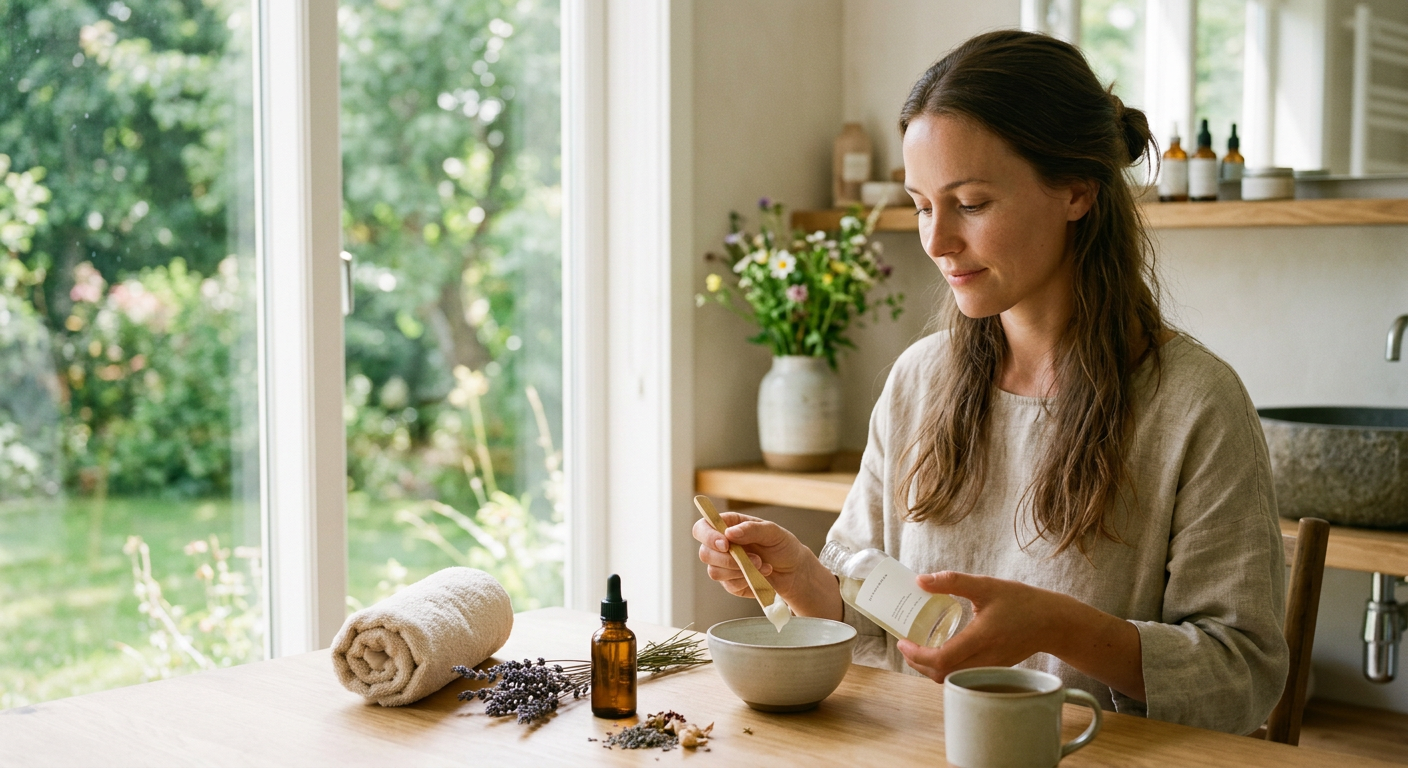
This is no longer a fringe wellness idea. Mintel’s 2026 Global Beauty & Personal Care Predictions names it a defining macro trend, with consumers wanting “mindful, unhurried rituals” instead of trend chasing, as reported by BeautyMatter.
Digital fatigue is what’s driving it. Younger consumers pour hours into platforms built for speed, and many of them now want the one thing those platforms can’t offer: slowness, ritual, a real pause.
The Anti-Algorithm Shift
One of the more interesting turns here is what BeautyMatter calls “anti-algorithm beauty.” It trades viral velocity for friction-filled experiences: phone-free events, seasonal drops, and launches built around a story that rewards attention instead of compressing it.
The commerce data backs up that appetite for experience. NIQ’s Global Beauty Edit 2026 found that 55% of Gen Z will pay more for products that recreate an out-of-home experience. Once speed becomes the default, deliberate friction turns into the premium.
Slow Beauty vs. Fast Beauty: A Clear Comparison
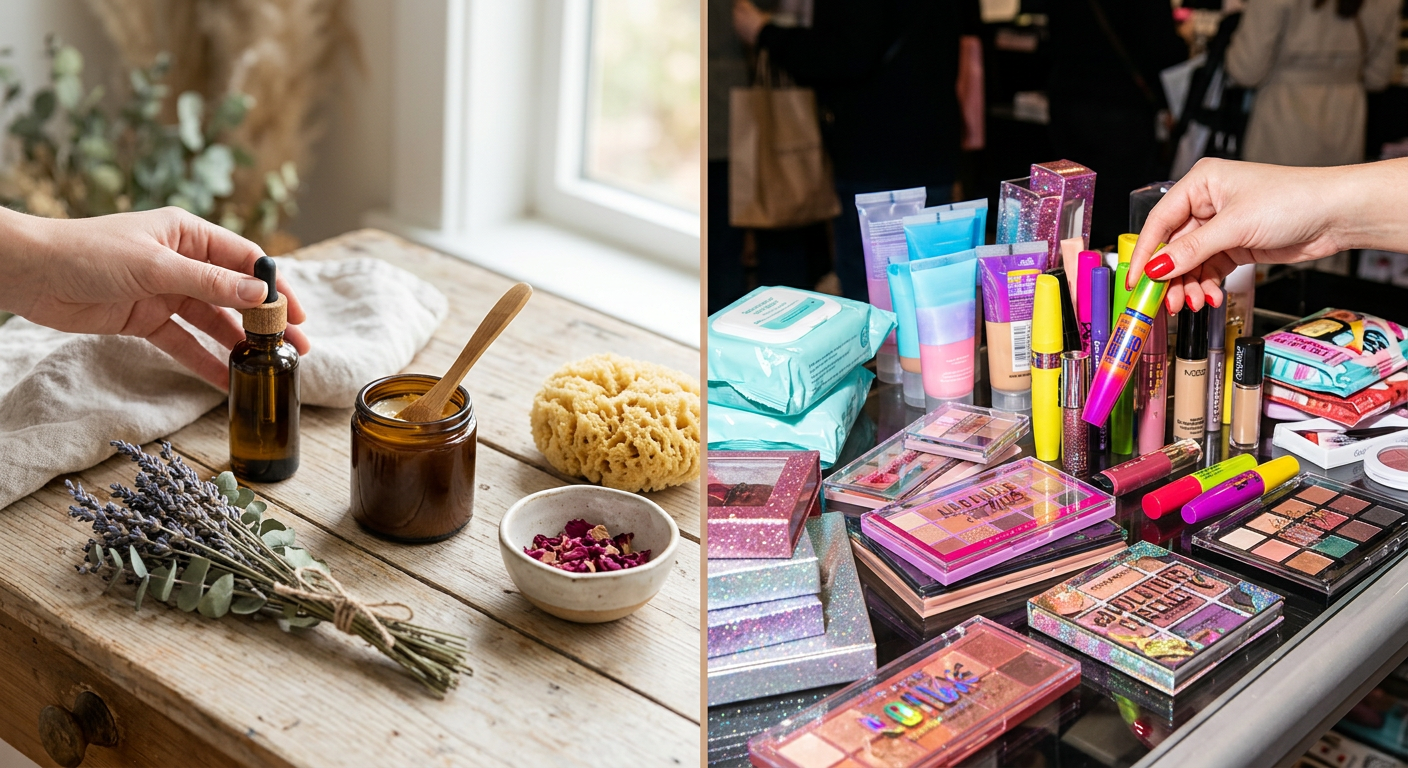
The contrast is what makes the shift easy to act on. Fast beauty optimizes for novelty and volume; slow beauty optimizes for meaning and longevity.
| Factor | Fast Beauty | Slow Beauty |
|---|---|---|
| Purchase driver | Viral trends, FOMO | Personal values, need |
| Product count | Large, rotating shelf | Small, curated set |
| Timeline | Instant results expected | Consistency over months |
| Sustainability | High packaging waste | Reduce, reuse, recycle |
| Experience | Fast, phone-driven | Ritual, intentional pause |
| Spend pattern | Frequent, impulsive | Fewer, considered purchases |
Spending intentions map onto the same split. NIQ found 24% of consumers plan to spend less on beauty in 2026, while 20% plan to spend more, which points to a market pulling apart into mindful reduction on one side and premium investment on the other. Slow beauty speaks to both, because it reframes value around quality rather than quantity.
How to Build a Slow Beauty Routine
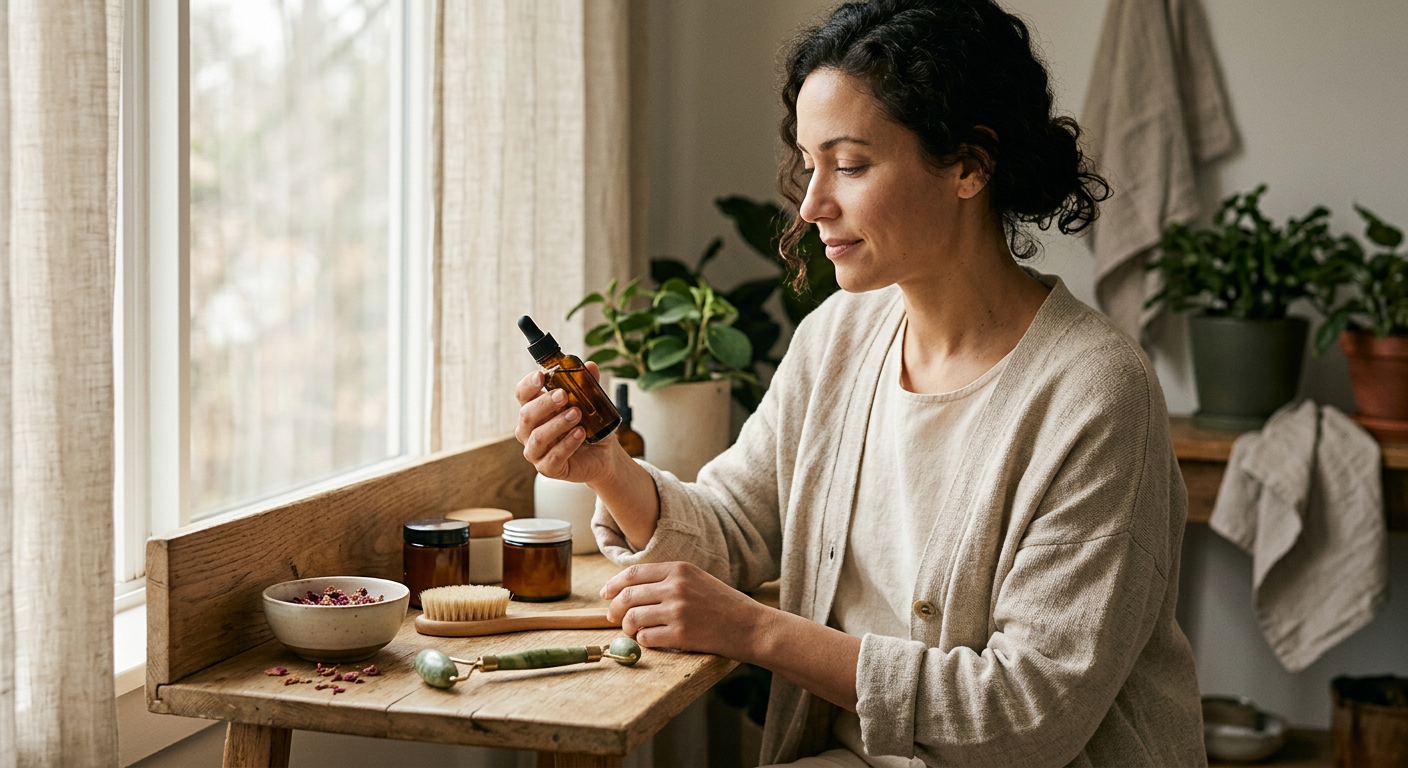
There’s no need to tear down your whole regimen for this. The shift is in how you decide, not in what you buy. Start by taking stock of what you already own and use without thinking.
Step 1: Simplify Your Shelf
Work out which products actually work for your skin and set the impulse buys aside. A pared-back routine cuts waste and makes it far easier to see how each product performs over weeks and months. Greenvines organizes this around the old “reduce, reuse, recycle” mantra.
Step 2: Choose Quality and Transparency
When something does need replacing, go for ethical, sustainable ingredients. Evolve Beauty notes that slow beauty looks for formulations chosen from “an ecological and responsible perspective.” Read the ingredient list, and buy from brands willing to tell you where things come from.
Step 3: Turn Routine Into Ritual
Give the routine your attention instead of running it on autopilot. Apply products slowly, leave the phone in another room, and let those few minutes be a real pause. BeautyMatter points out that rituals become “habitual anchors” that improve consistency, and consistency is where skincare pays off.
What Slow Beauty Means for Brands
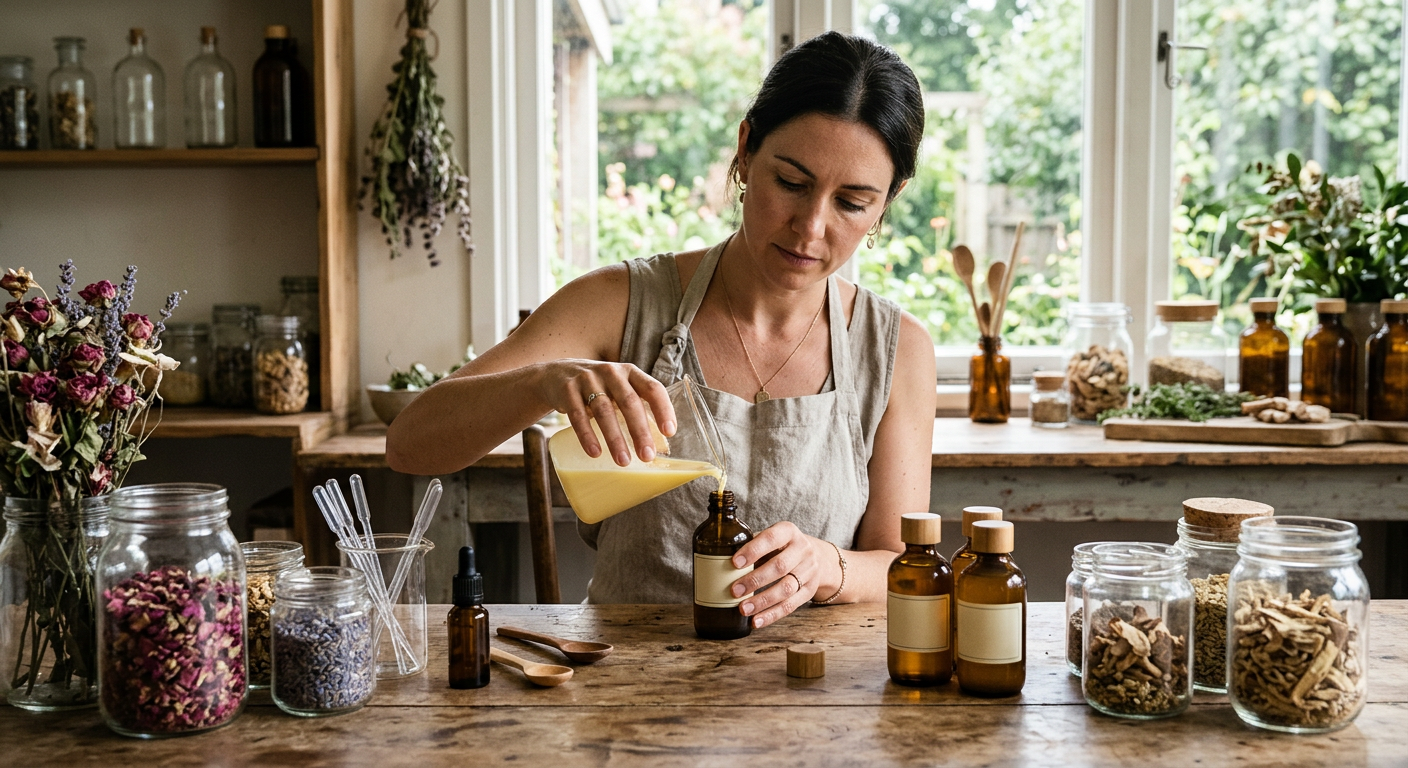
For brands, the message is blunt: proof beats promises. NIQ built its 2026 analysis around “trust in an AI era: proof over promises,” and slow beauty consumers reward transparency, longevity, and narrative depth over hype.
None of that means walking away from digital commerce. Social commerce still carries weight — 22% of consumers have bought beauty directly through TikTok Shop, per NIQ. The opening is in pairing that easy path to purchase with slower, experience-led storytelling that gives customers a reason to stay.
Retention is where it pays off. Rituals that become habitual anchors drive repeat engagement among younger shoppers far more reliably than one viral moment ever will. Brands building for consistency, seasonal drops, and phone-free experiences are setting themselves up for lasting loyalty rather than a spike followed by a fade.
Conclusion: Slowing Down Is the New Growth Strategy
Slow beauty reads as a broader cultural correction. Digitally worn-out consumers, led by Gen Z and Gen Alpha, are trading viral velocity for deliberate rituals, better formulations, and sustainability. Mintel, NIQ, and BeautyMatter land in the same place: mindful beauty is a defining trend, not a passing one.
The practical version is simple. Cut your shelf down, keep the products you can stand behind, and treat self-care as a pause rather than a chore. Pick one ritual to start this week and let consistency do the work the algorithm never could.
Frequently Asked Questions
Q: What is slow beauty in simple terms?
Slow beauty is an approach to self-care that favors quality, consistency, and mindful rituals over trend-chasing and quick fixes. It means buying fewer, better products and using them with intention.
Q: Why is slow beauty becoming popular?
Digital fatigue is the main driver, as consumers tire of the fast, algorithm-driven pace of beauty content. Mintel identified slow beauty as a defining macro trend for 2026, reflecting demand for mindful, unhurried rituals.
Q: Is slow beauty the same as clean beauty?
They overlap but aren’t identical. Clean beauty focuses on ingredient safety, while slow beauty is a broader philosophy covering pace, sustainability, ritual, and mindful consumption.
Q: Does slow beauty mean spending less money?
Not necessarily. Some consumers spend less by simplifying their routine, while others invest more in fewer high-quality, ethical products. NIQ found the 2026 market splitting between both approaches.
Q: How do I start a slow beauty routine?
Start by auditing what you already own, keeping only the products that work, and choosing transparent, sustainable brands when you restock. Then treat your routine as a deliberate ritual rather than a rushed task.
Q: What is anti-algorithm beauty?
It’s a subset of slow beauty that rejects viral velocity in favor of friction-filled experiences like phone-free events, seasonal drops, and narrative launches. The goal is to reward attention rather than compress it.