

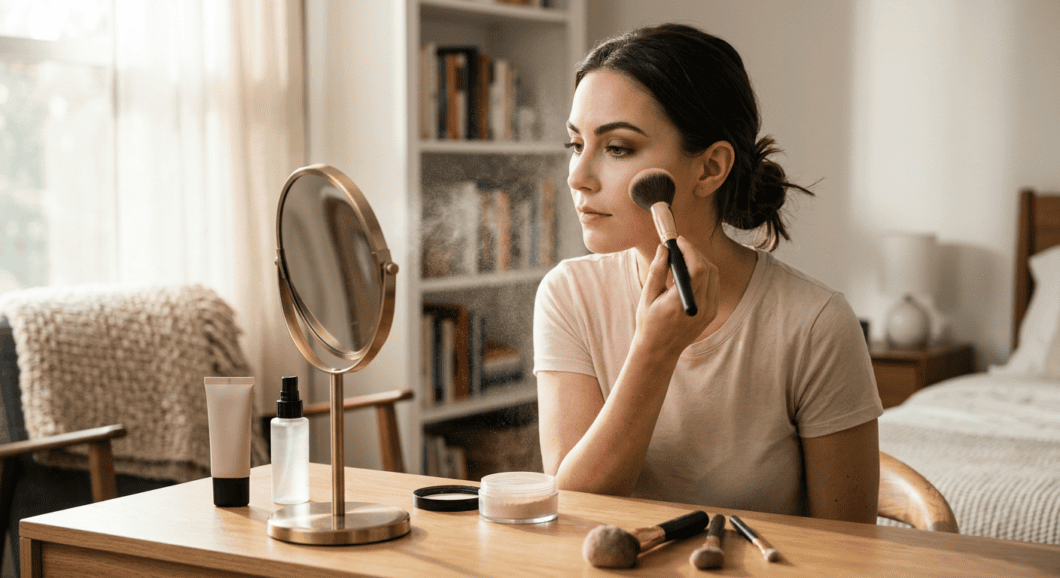
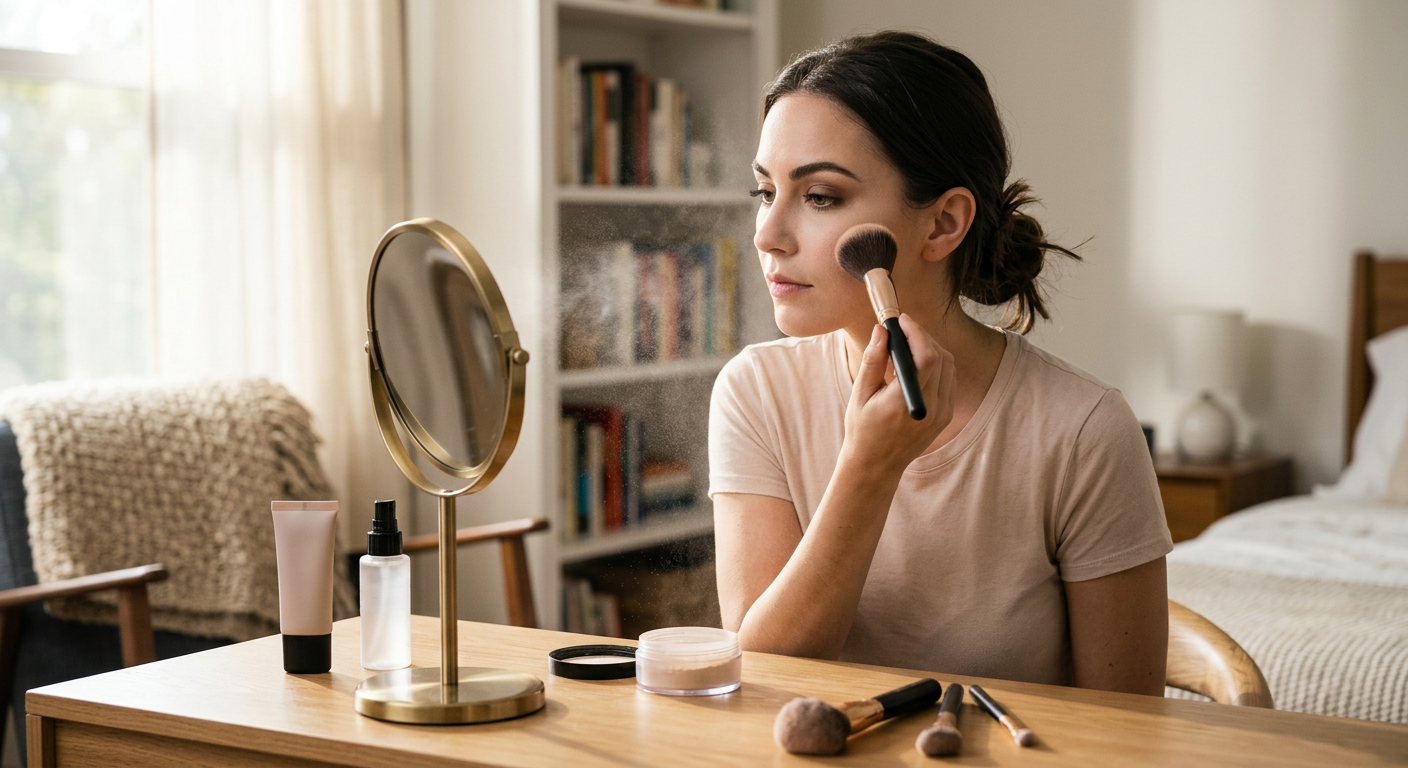
You spend twenty minutes on your face, and by lunch the foundation has slid into your smile lines, the eyeshadow has creased, and the lipstick is gone. No single product fixes this. What works is a chain of steps — prep, application, setting — where each one covers for the weaknesses of the others. Most fading traces back to a handful of avoidable mistakes rather than bad luck, and once you close those gaps, you can get from morning to evening without ducking into a bathroom to patch things up.
Makeup artists interviewed by Vogue say most makeup starts breaking down around the three-hour mark. Stretch that window far enough and touch-ups stop being mandatory. Below is how to stretch it.
Why Your Makeup Fades in the First Place
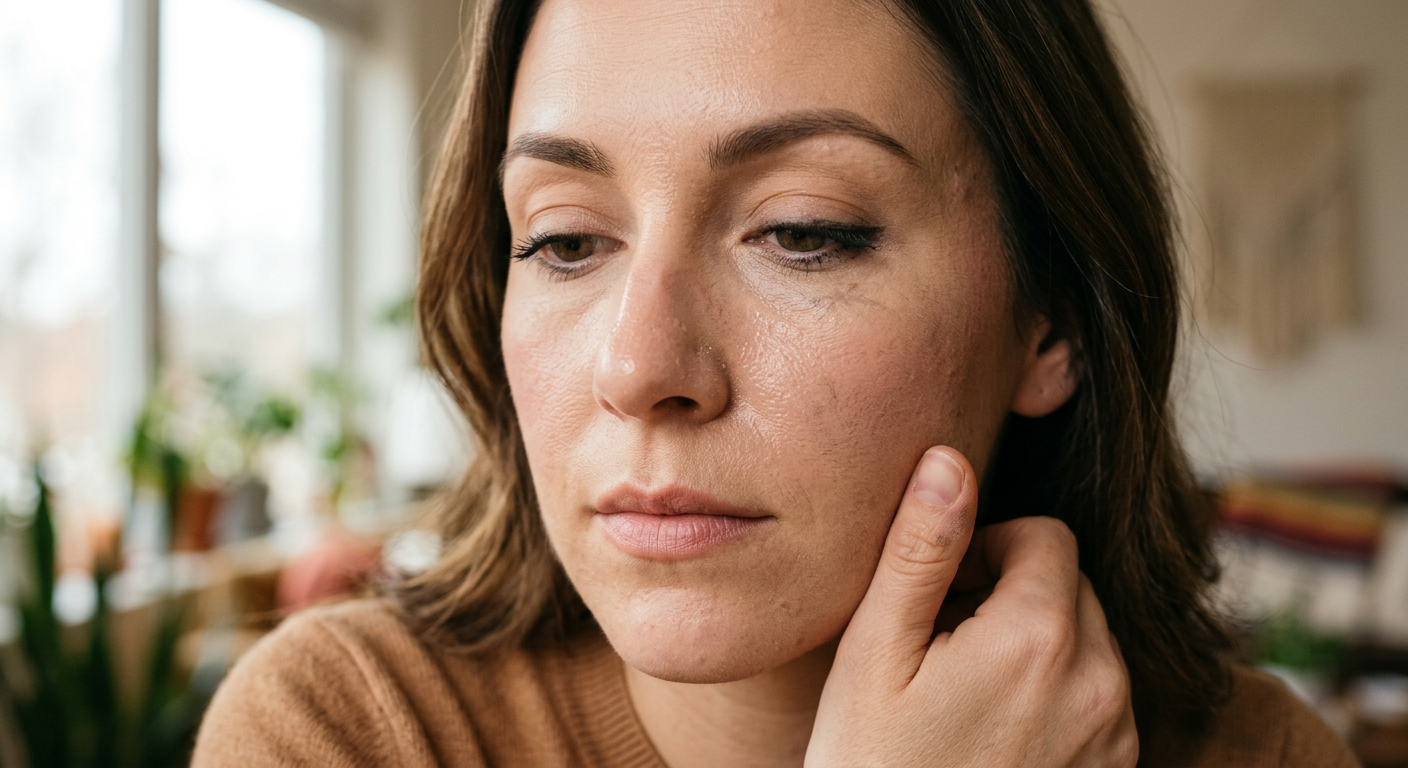
Makeup doesn’t vanish at random. It breaks down because of oil, moisture, friction, and weak adhesion between your skin and your products. As your skin produces sebum through the day, that oil lifts foundation and leaves shine, patchiness, and a cakey texture behind.
Friction does the rest. Touching your face, resting your chin on your hand, talking, smiling — all of it slowly wears product off the areas that move most. Heat and humidity speed the whole thing up.
Almost every one of these causes is manageable. A smooth, balanced canvas and a smart layering order slow the breakdown considerably. The techniques below each target a specific failure point.
Prep Your Skin for a Long-Lasting Base
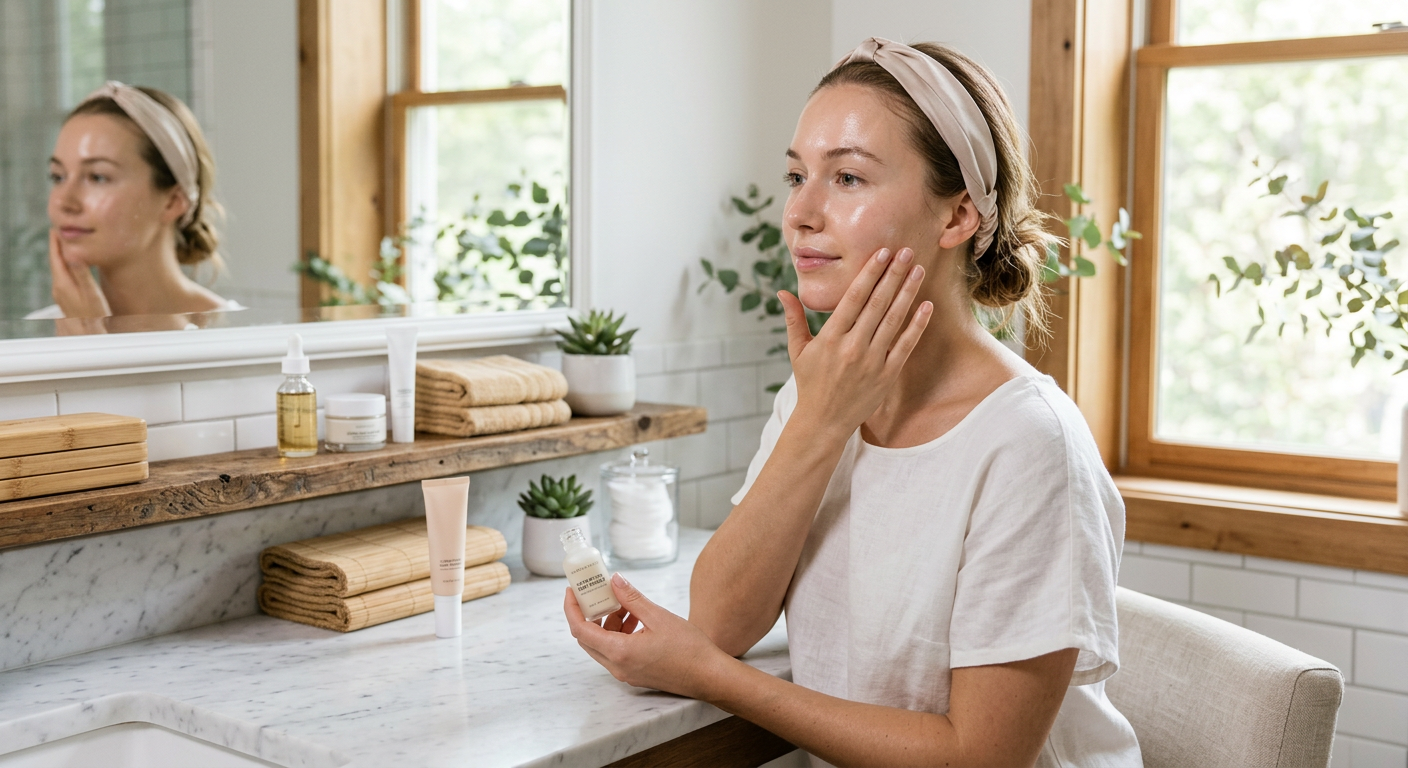
Longevity starts before you touch a single product. Skin prep is the foundation, literally, for everything after it.
Cleanse, Exfoliate, and Moisturize
Begin with a clean face to strip excess oil and dead skin, both of which make product slide or cling unevenly. Exfoliating a few times a week smooths texture so foundation sits flat instead of catching on flaky patches, a point See The Brilliance makes as well.
Then moisturize with something suited to your skin type, and wait. This is the step everyone rushes. Applying makeup over wet or tacky moisturizer traps product underneath and speeds up the breakdown.
Wait Before You Layer
Timing matters between every layer. Ulta Beauty suggests waiting about a minute after moisturizer dries before you prime, then another minute before foundation. Those short pauses let each layer set and bond, and they’re one of the easiest ways to buy yourself more wear time.
Choose the Right Products and Primer
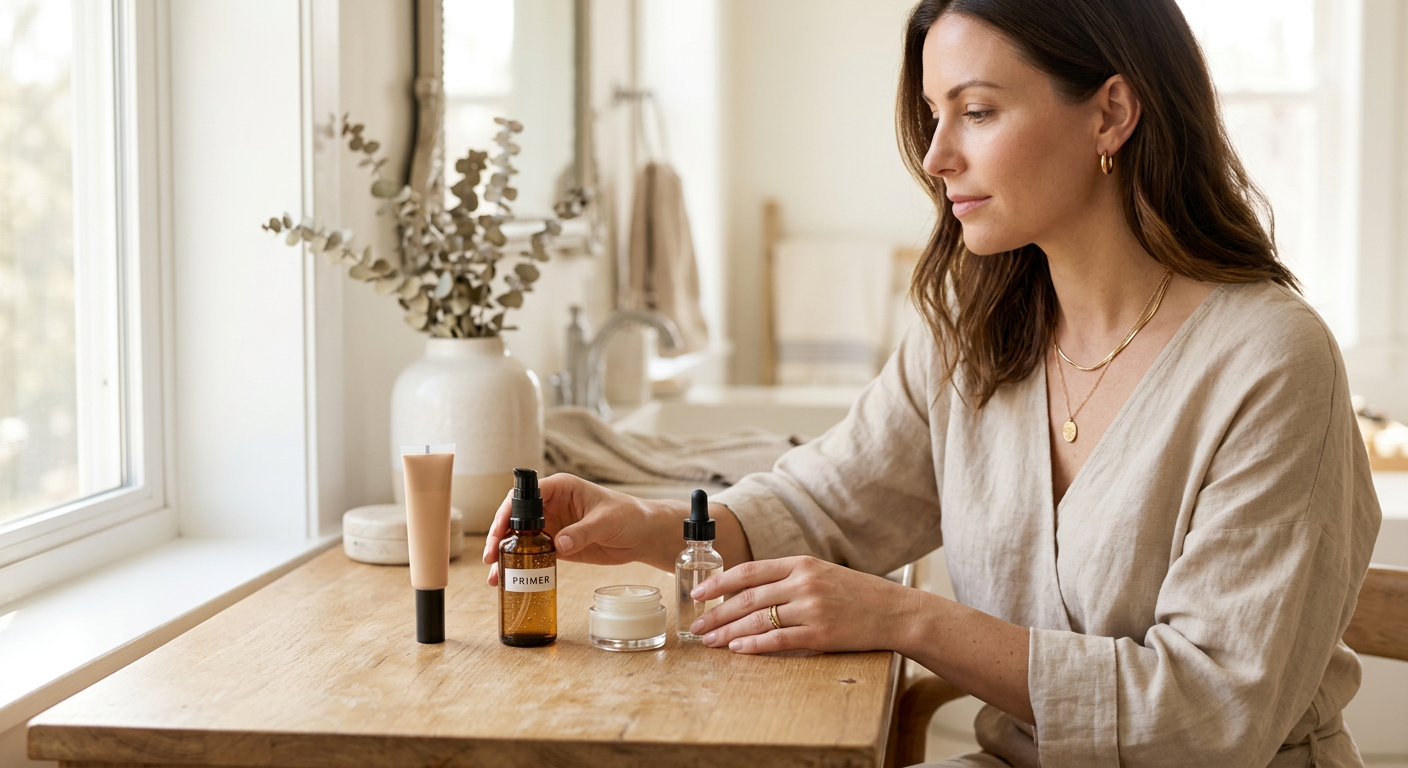
Your formulas decide how hard everything else has to work. Match products to your skin type and to the conditions you’ll actually face that day.
Apply Primer Strategically
Primer lays down a surface for makeup to grip, so it applies more smoothly and stays put longer. Pick the formula that fits the problem you’re solving: mattifying primers control oil, hydrating ones handle dryness, and smoothing ones blur pores and texture.
Use about a dime-sized amount with clean fingertips, working from the center of your face outward. Then give it roughly a minute before foundation, as Ulta Beauty recommends.
Match Foundation Formula to Your Skin
Formula choice is where a lot of longevity is won or lost. Oily skin usually does better with long-wear or matte foundations, while dry skin holds up best with hydrating or satin finishes that won’t grab onto flakes.
Check expiration dates too. Old products, especially liquids and creams, separate and lose their staying power, per No7. Expired makeup fades faster and can irritate your skin.
Master the Application: Less Is More
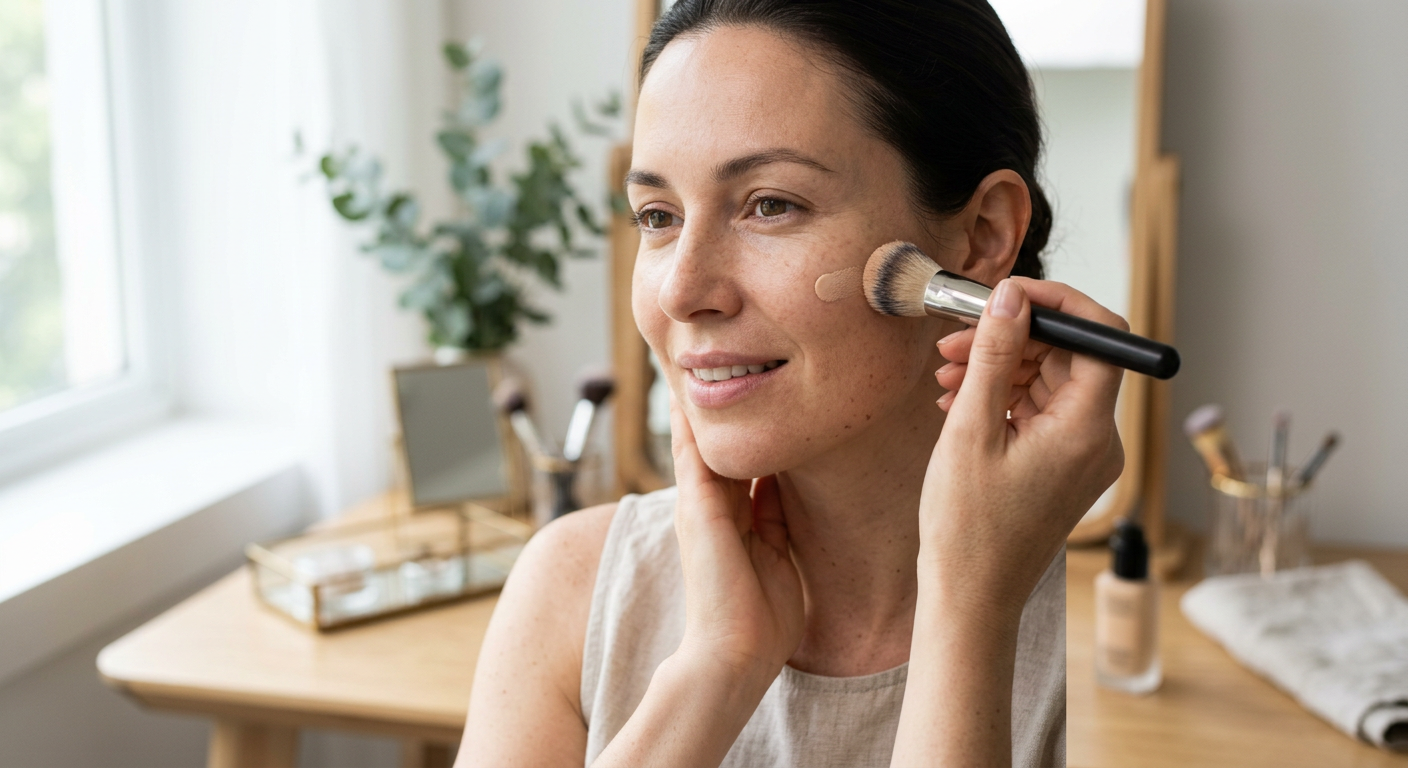
The most common mistake by far is using too much product. Heavy layers don’t last. They break down faster, crease more, and look cakey by midday.
Build coverage in thin layers instead of one thick coat. Start foundation at the center of your face and blend outward, then spot-conceal only where you need it. Keeping product where it belongs means there’s less of it to slide or settle into lines.
The same logic applies to any touch-up. Vogue points out that piling on product during the day is the quickest route to a cakey complexion. Going light at the start is your best defense.
Set Your Makeup with Powder and Spray
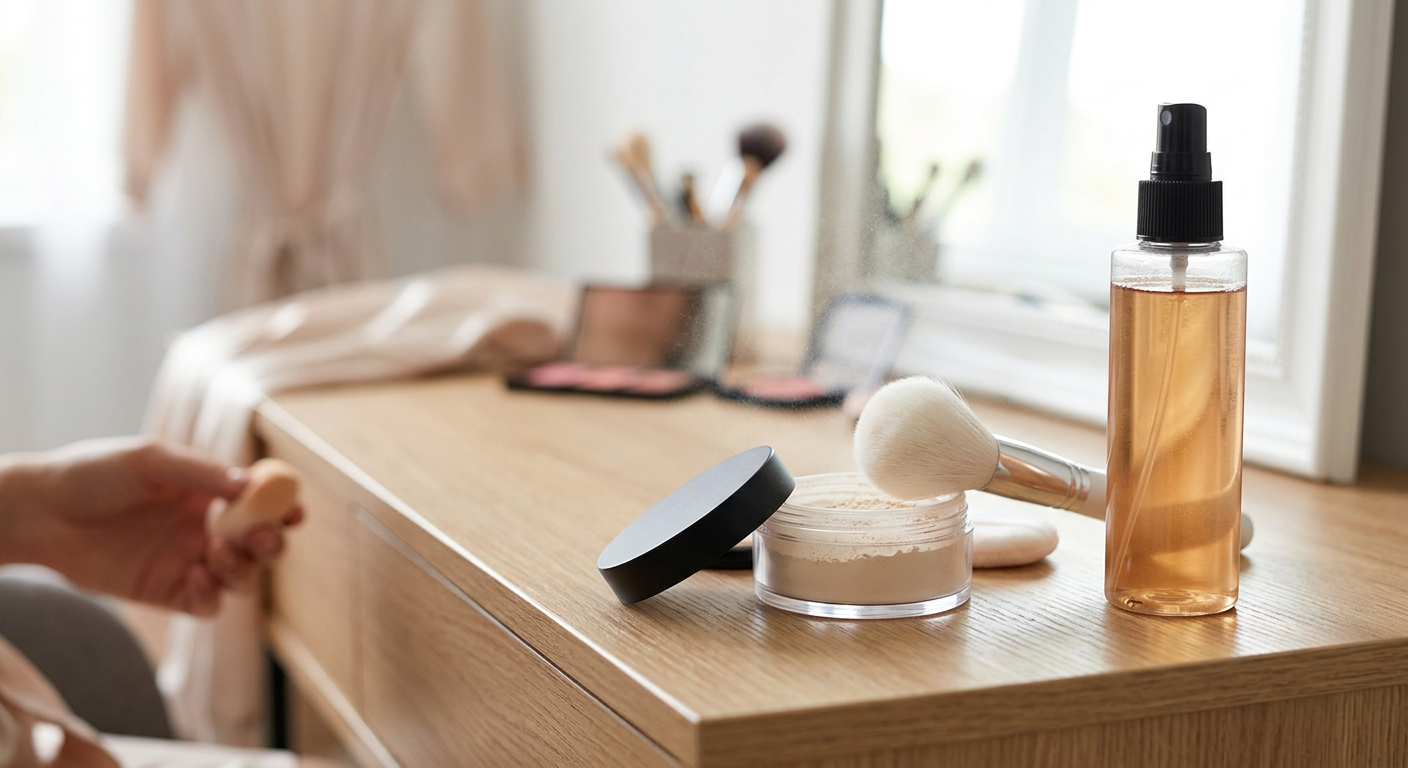
Setting is what turns good makeup into long-lasting makeup. Two tools carry the load: setting powder and setting spray.
Use Setting Powder Where You Need It
Setting powder soaks up oil and locks foundation in place. Concentrate it on your T-zone and anywhere that gets oily or creases, like under the eyes and around the nose. A light dusting does the job. Too much powder reads heavy and draws attention to texture.
Lock It In with Setting Spray
Setting spray is the final seal. Nanshy recommends holding the bottle about ten inches from your face and misting in an X and T pattern for even coverage. Spray too close and you get wet spots that disturb the makeup underneath.
Let it dry fully, roughly 30 seconds to a minute, before you touch your face. For big events or long days, mist once before powder and again after for extra hold. Don’t overdo it; too much product works against you.
Quick Reference: Steps to Long-Lasting Makeup
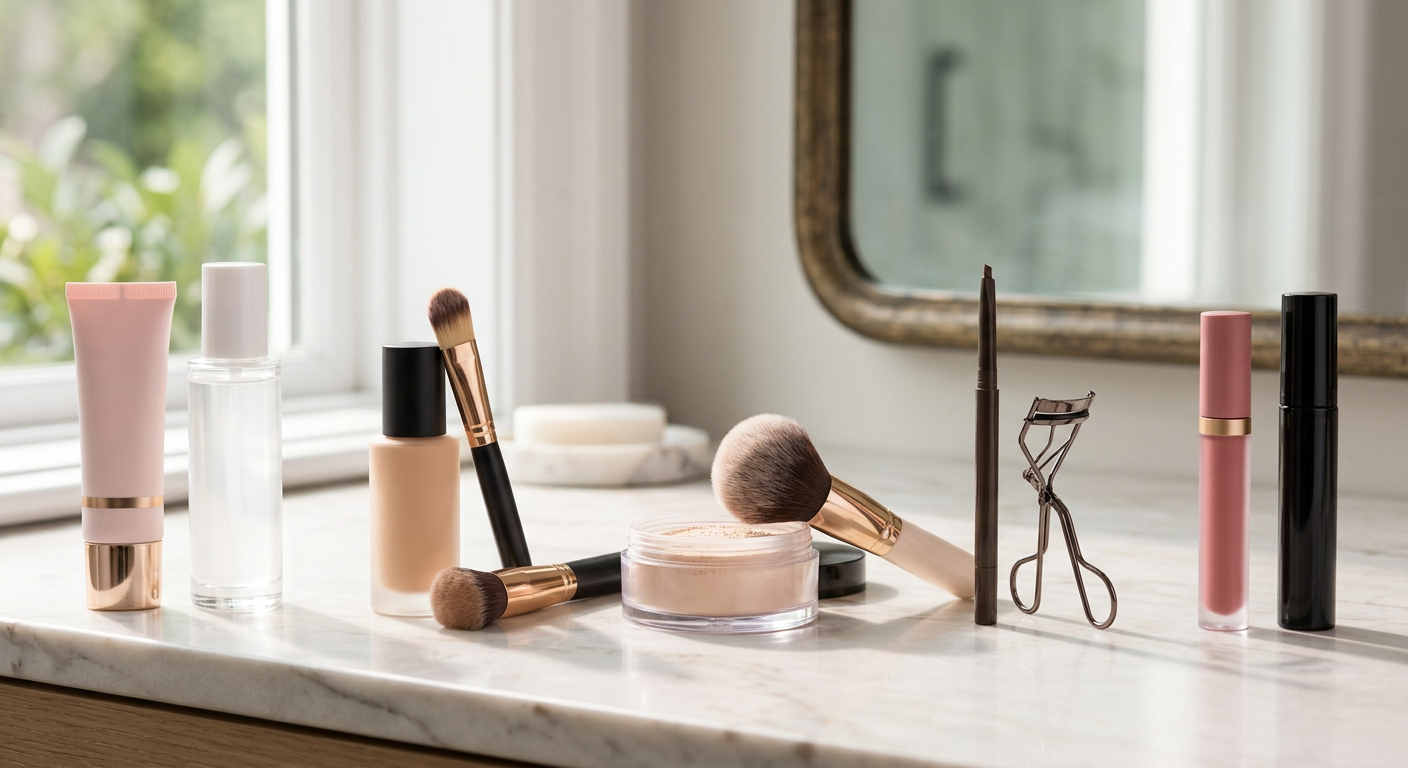
Use this checklist to lock in all-day wear from start to finish.
| Step | Action | Why It Works |
|---|---|---|
| 1. Cleanse & exfoliate | Remove oil and dead skin | Creates smooth, grip-ready canvas |
| 2. Moisturize | Apply and let dry 1 minute | Prevents product breakdown |
| 3. Prime | Dime-sized amount, wait 1 minute | Gives makeup something to cling to |
| 4. Foundation | Thin layers, center outward | Even coverage that resists sliding |
| 5. Conceal | Only where needed | Reduces excess product |
| 6. Powder | Light dusting on T-zone | Absorbs oil, prevents shine |
| 7. Setting spray | X and T pattern, 10 inches away | Seals everything in place |
Extra Tricks the Pros Rely On

A few small habits push wear time further. Keep your hands off your face during the day, since friction and oil transfer quietly undo everything you set in the morning.
Blotting papers beat powder for midday oil. They lift the shine without adding product, so you control the oil without building up the cakey layers that come from re-powdering. For eyes, use an eyeshadow primer to stop creasing, and set your liner and shadow with a matching powder shade for extra hold.
Factor in your environment, too. Heat and humidity call for waterproof or long-wear formulas; dry climates reward hydrating ones. Tuning your routine to the day’s conditions keeps the look intact.
Conclusion
Making your makeup last without touch-ups comes down to a repeatable system: prep the skin, pick formulas that suit it, apply thin layers, and set with powder and spray. Each step answers a specific reason makeup fades, whether oil, friction, moisture, or weak adhesion, so dropping any one step weakens the rest.
If you only change two things, wait between layers and apply your setting spray properly. Those two deliver the most for the least effort. Run the full checklist tomorrow morning and see how far past three hours you can get before your makeup asks for help.
Frequently Asked Questions
Q: How long should makeup last without touch-ups?
With proper prep and setting, makeup can last eight hours or more. Makeup artists note that touch-ups are usually needed around three hours in, so a solid routine can more than double that window.
Q: Does setting spray really make a difference?
Yes. Setting spray seals your makeup and binds the layers together, which extends wear noticeably. Apply it ten inches from your face in an X and T pattern, and let it dry fully.
Q: Should I use setting powder or setting spray?
Use both for the longest wear. Powder absorbs oil and prevents shine; spray seals everything in place. For long days, some people spray before and after powder for extra hold.
Q: Why does my foundation get cakey during the day?
Cakey texture usually comes from too much product or from building on unbalanced skin. Apply thin layers, prep with proper moisturizing and priming, and don’t add heavy product during touch-ups.
Q: What is the best way to control oil without ruining my makeup?
Reach for blotting papers instead of powder through the day. They lift excess oil without adding product, so you avoid both the shine and the buildup that leads to a cakey finish.
Q: Does primer actually help makeup last longer?
Yes. Primer creates a grippy layer that gives foundation something to hold onto, which improves both application and wear. Choose a mattifying, hydrating, or smoothing formula based on what your skin needs.