

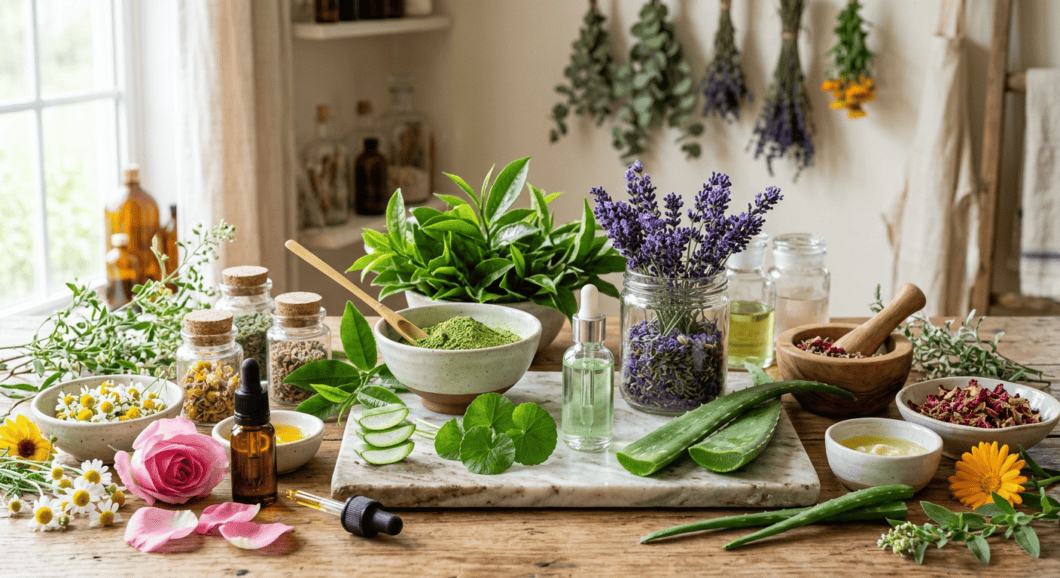
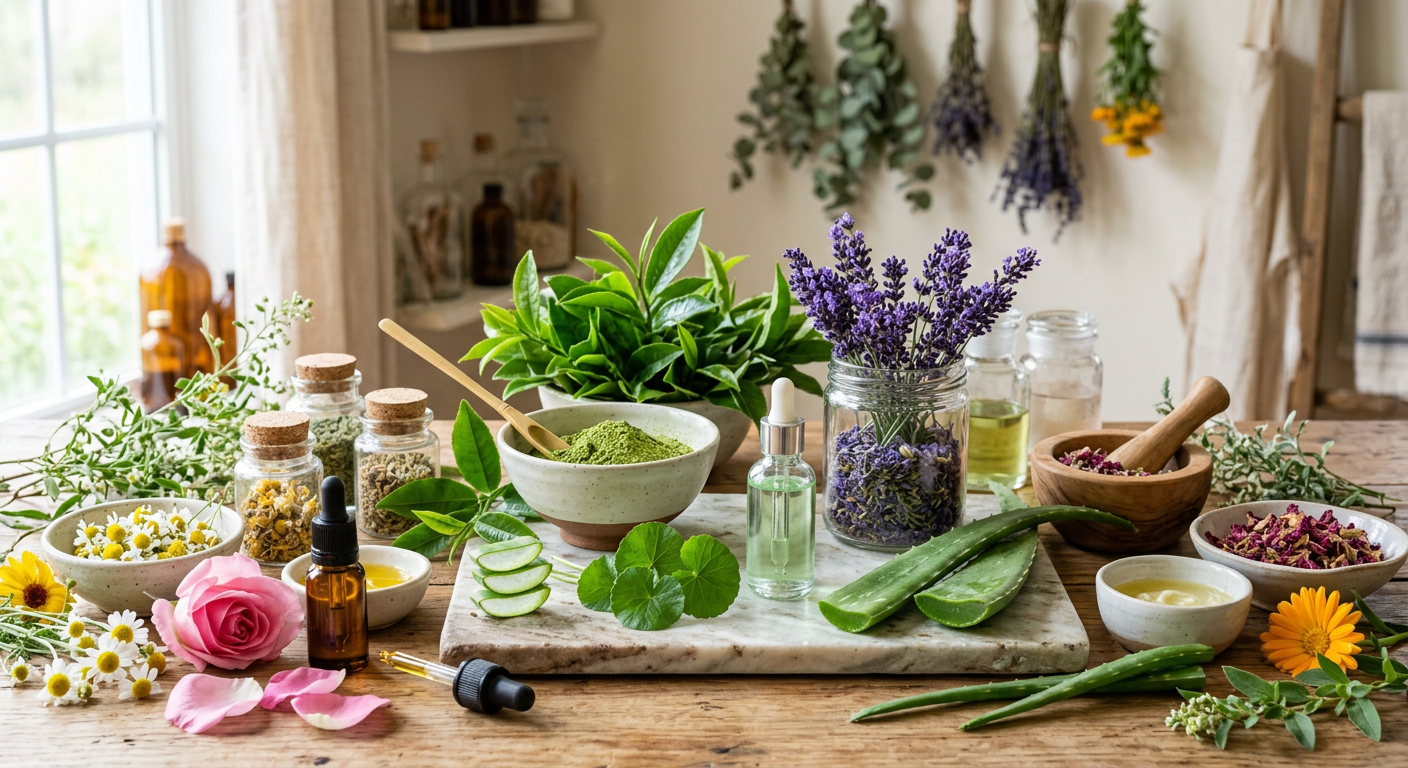
Plant-based ingredients are moving from the fringes of the skincare aisle to its center, and 2026 is when that shift stops being a niche story. Shoppers have grown skeptical of inflated promises and quick-fix serums. They now reward products that back up their claims with results and honest sourcing. Botanical ingredients sit at the heart of that change, combining plant-based performance with the kind of transparency buyers increasingly demand. Below are the specific botanicals gaining ground, the science behind them, and how to choose products that actually work.
Why Botanical Beauty Ingredients Are Dominating 2026
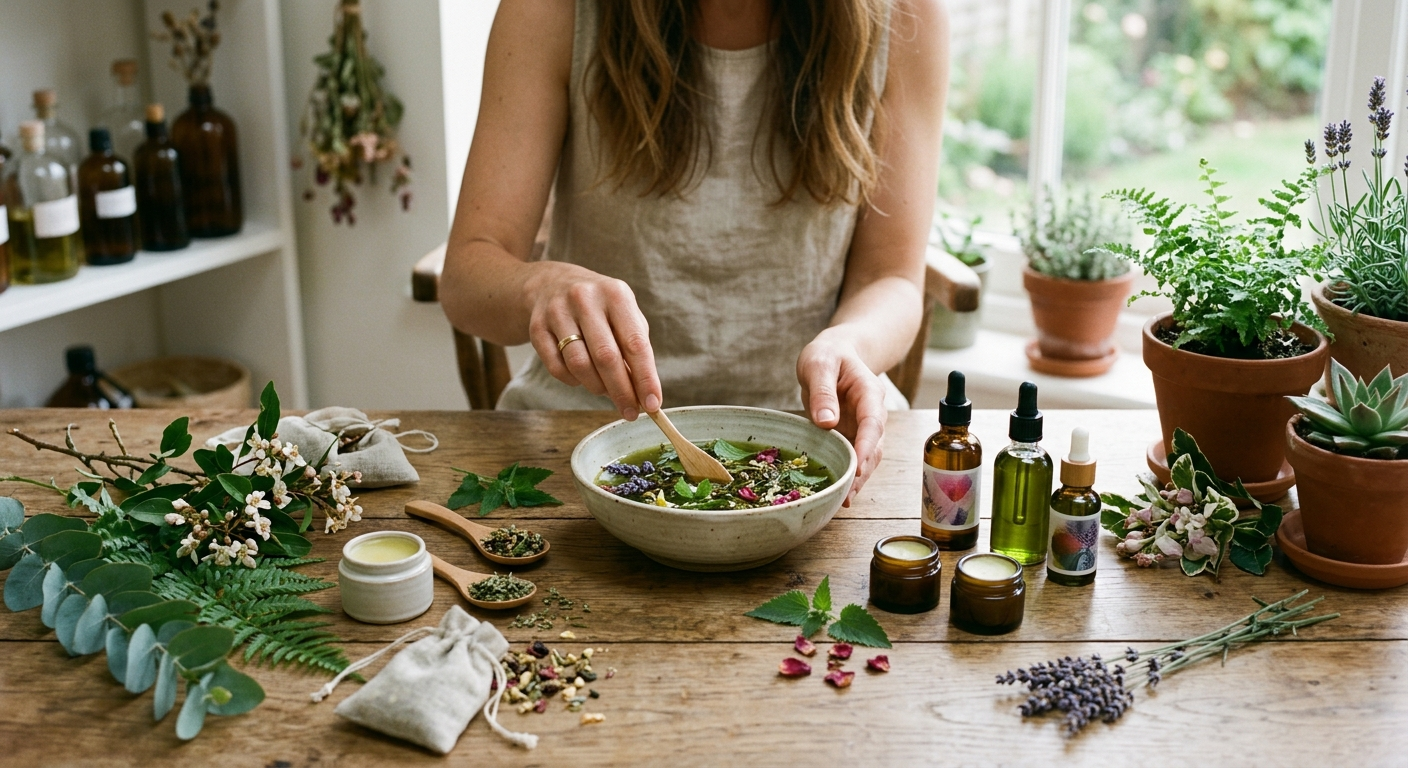
The appetite for plant-based skincare reflects a broader change in how people judge products. Shoppers want visible results without trading away their health or the planet’s, and botanical ingredients address both at once. Topical Skin describes an industry that has turned away from fast, disposable glamour and toward formulations built on proven botanical performance.
This isn’t a passing look. Brands like MA Earth Botanicals helped pull clean, plant-powered formulas out of a niche and into everyday routines, a shift Ma Earth Botanicals documents in its 2026 trend forecast.
The gentler approach is what drives the results. Many brands have dropped harsh exfoliation in favor of routines that work with the skin’s biology, which usually means fewer reactions and a steadier glow, even on sensitive skin.
The Standout Botanical Ingredients of 2026
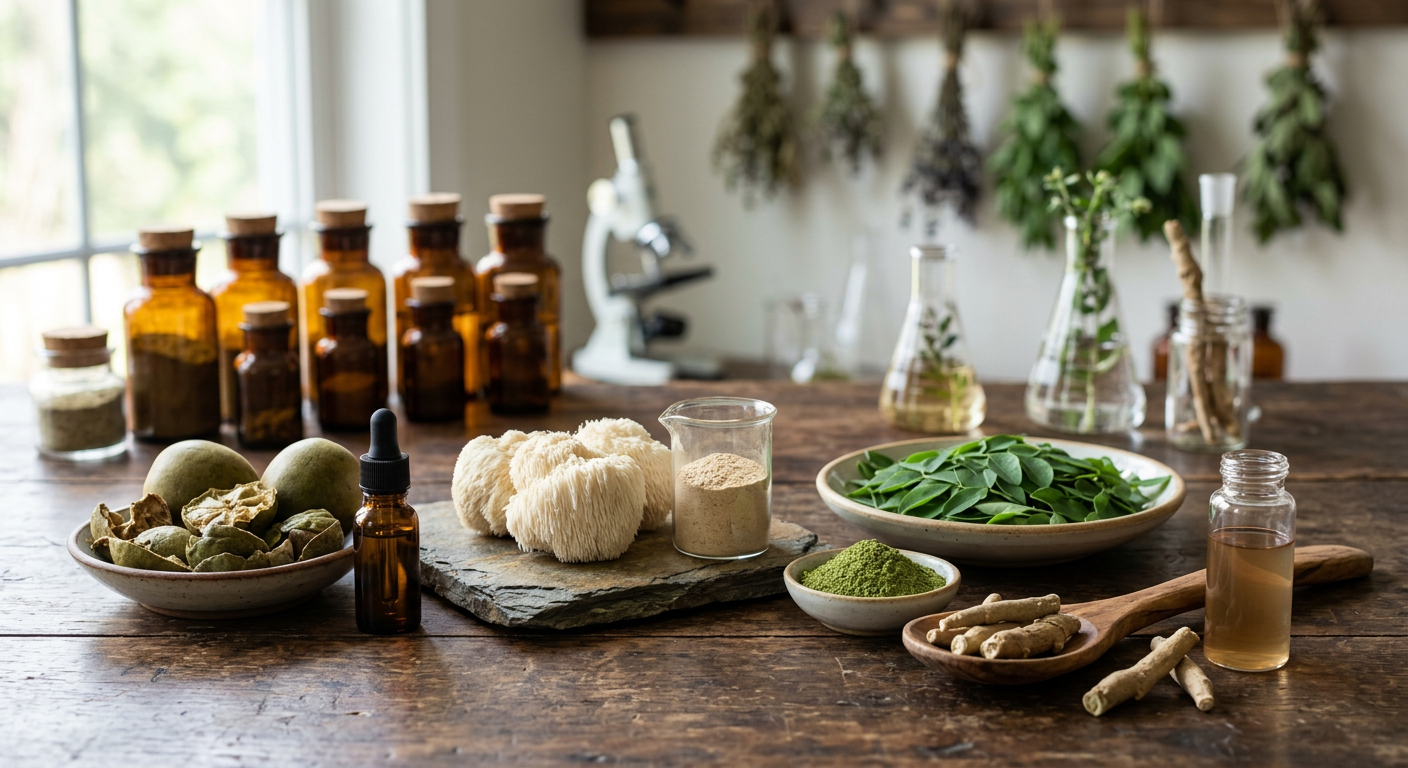
Several botanicals have earned their spot through clinical performance rather than marketing. These are the plant actives formulators and dermatologists are reaching for this year.
Bakuchiol: The Natural Retinol Alternative
Bakuchiol keeps climbing as a gentler stand-in for retinol. It comes from the babchi plant, supports cell turnover, and softens the look of fine lines without the irritation, dryness, or sun sensitivity retinol can bring on. Aadhunik Ayurveda ranks it among the top clean actives for 2026, especially for sensitive skin.
Saffron: The Luxury Botanical Powerhouse
Saffron has moved into premium clean beauty and Ayurvedic formulations. Its antioxidant content and brightening properties make it a natural fit for brands building luxury plant-based lines. The high cost keeps it exclusive, but its standing as one of the best natural skincare ingredients keeps demand steady.
Fermented Adaptogenic Botanical Complexes
One of the more forward-looking trends is the fermented adaptogenic complex. As Vogue Arabia reports, these multi-botanical blends combine adaptogens with fermentation to raise bioavailability, so the skin absorbs more of the active compounds.
Barrier Repair and Soothing Botanicals
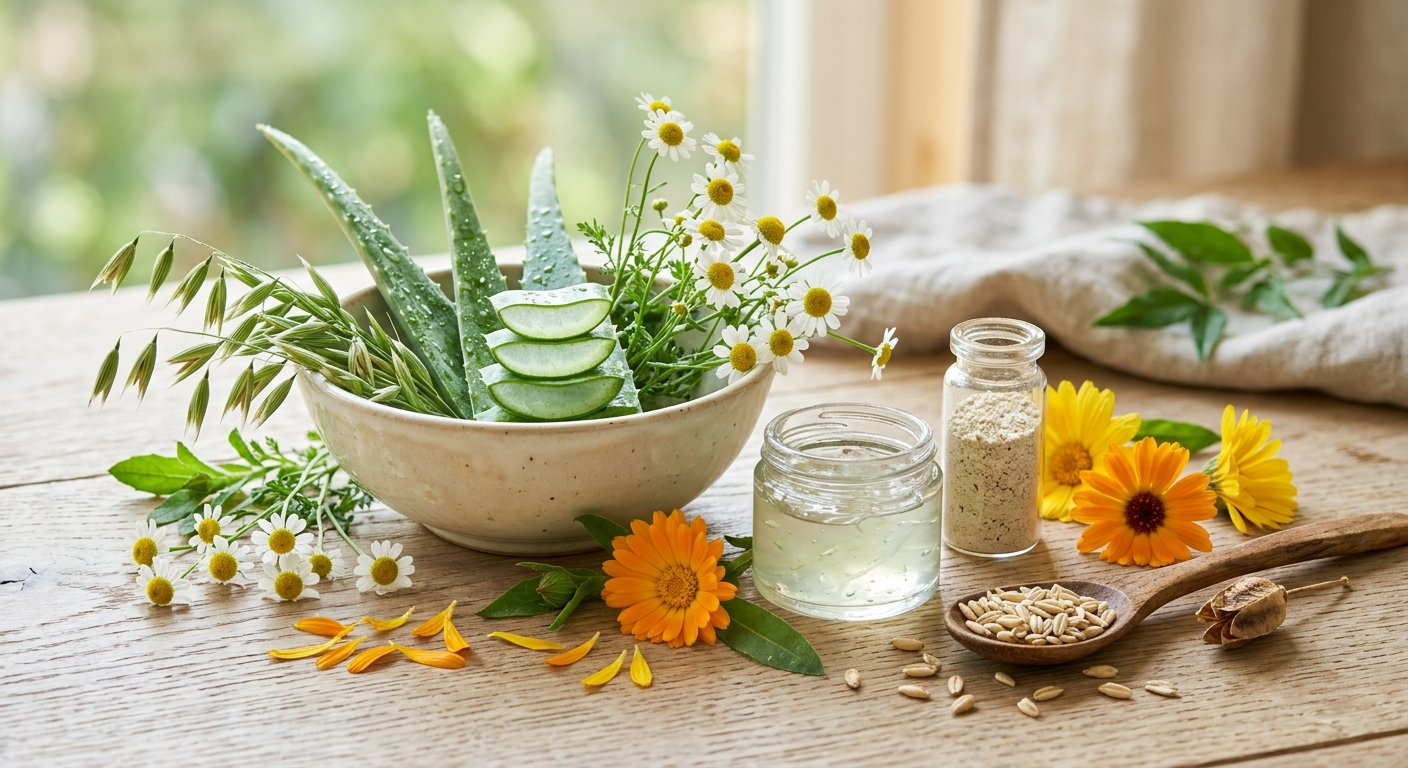
Barrier health defines the 2026 formulation strategy. An intact barrier holds moisture and keeps irritants out, which puts repairing and soothing ingredients in high demand.
Calendula, Centella Asiatica, and Borage
These three lead the soothing category. Pure Light Botanical Beauty highlights calendula, centella asiatica, and borage as go-to ingredients for calming sensitive skin and repairing the barrier naturally. Centella asiatica in particular is a favorite for reducing redness and supporting healing.
Aloe Vera and Plant Oils
Aloe vera remains a dependable option for soothing hydration and barrier recovery. Argan and jojoba oils, both cited by Topical Skin, deliver lipids close enough to the skin’s own oils to ease dryness without clogging pores.
Microbiome-Friendly Botanicals Take the Lead
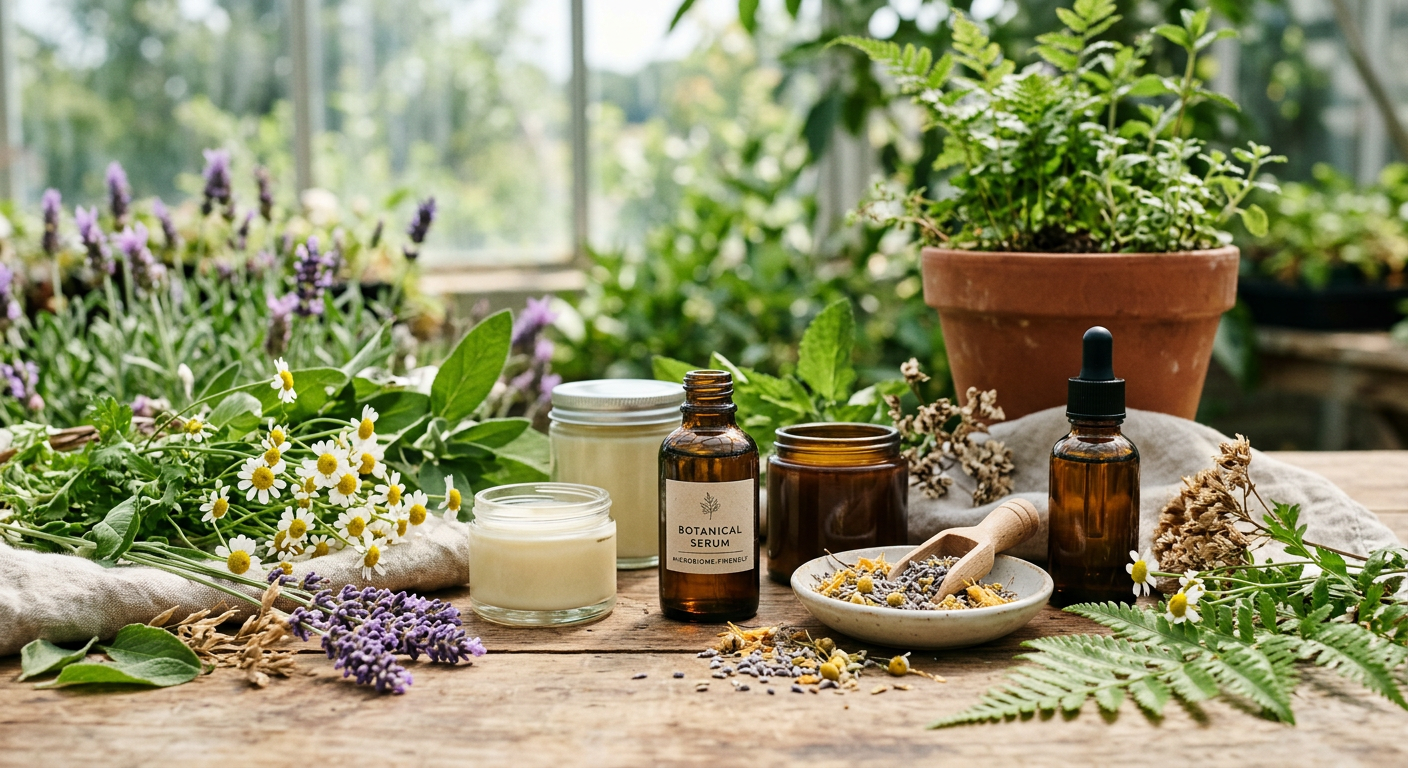
Microbiome-friendly skincare works with the trillions of microorganisms living on the skin rather than stripping them off. Supporting that ecosystem improves resilience, reduces inflammation, and strengthens the barrier over time.
Probiotics and postbiotics anchor the trend. Aadhunik Ayurveda calls them the future of microbiome-friendly skincare and notes their growing presence in clean formulations. Paired with botanical prebiotics, they help balance the skin’s natural flora.
The direction is unmistakable. Harsh cleansers and aggressive exfoliation are on their way out. Formulas that feed and protect the microbiome deliver more sustainable results, especially on reactive skin.
Comparing 2026’s Top Botanical Ingredients
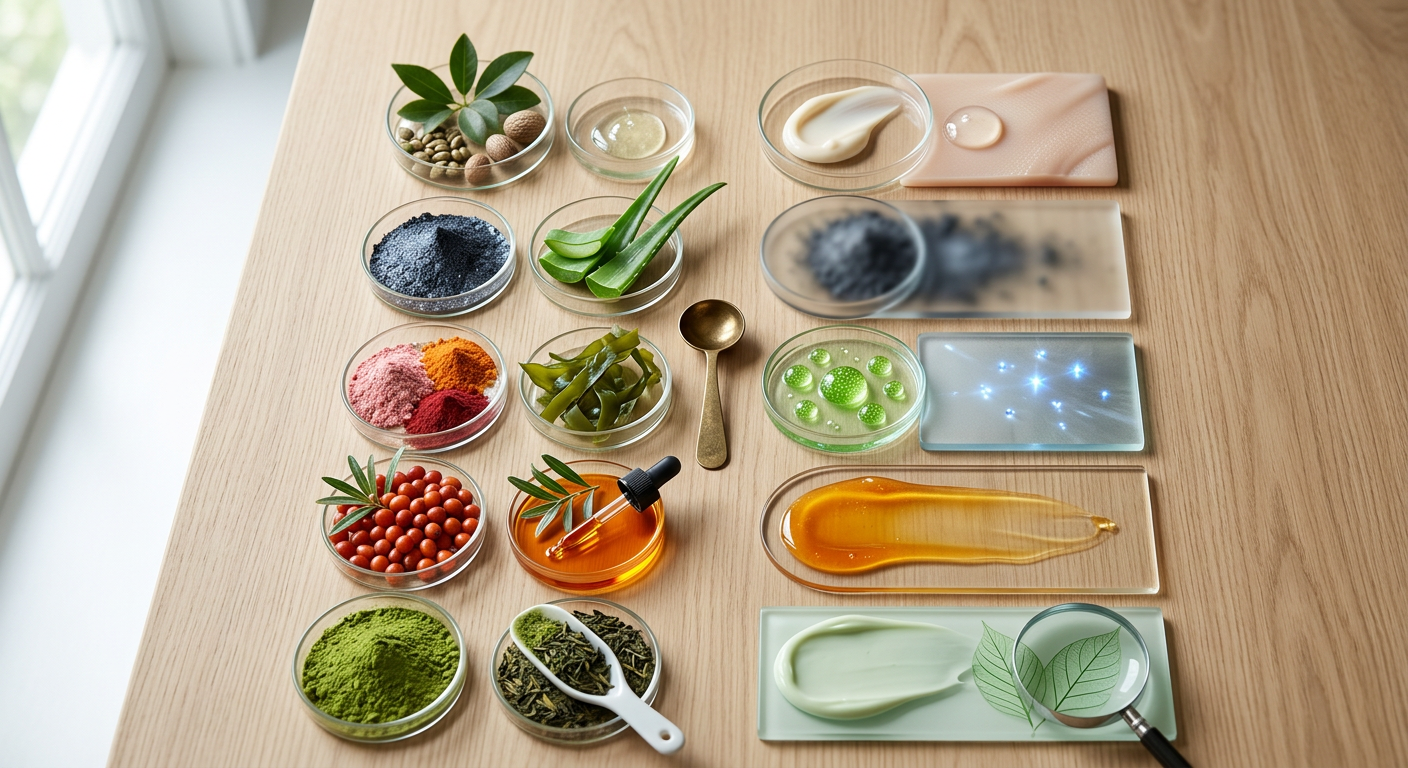
Use this quick-reference table to match ingredients to your skin goals.
| Ingredient | Primary Benefit | Best For |
|---|---|---|
| Bakuchiol | Anti-aging, cell turnover | Sensitive skin needing a retinol alternative |
| Saffron | Brightening, antioxidant | Dull skin, luxury routines |
| Fermented adaptogens | High bioavailability, stress defense | Stressed or aging skin |
| Calendula | Soothing, calming | Irritated or reactive skin |
| Centella asiatica | Redness reduction, barrier repair | Sensitive, compromised barriers |
| Aloe vera | Hydration, barrier recovery | Dry or sunburned skin |
| Probiotics/postbiotics | Microbiome balance | All skin types, especially reactive |
Quick selection guide:
- For anti-aging without irritation: Choose bakuchiol.
- For sensitive or eczema-prone skin: Look for calendula, centella asiatica, and borage.
- For long-term skin resilience: Prioritize probiotics and postbiotics.
How to Build a Botanical Routine in 2026
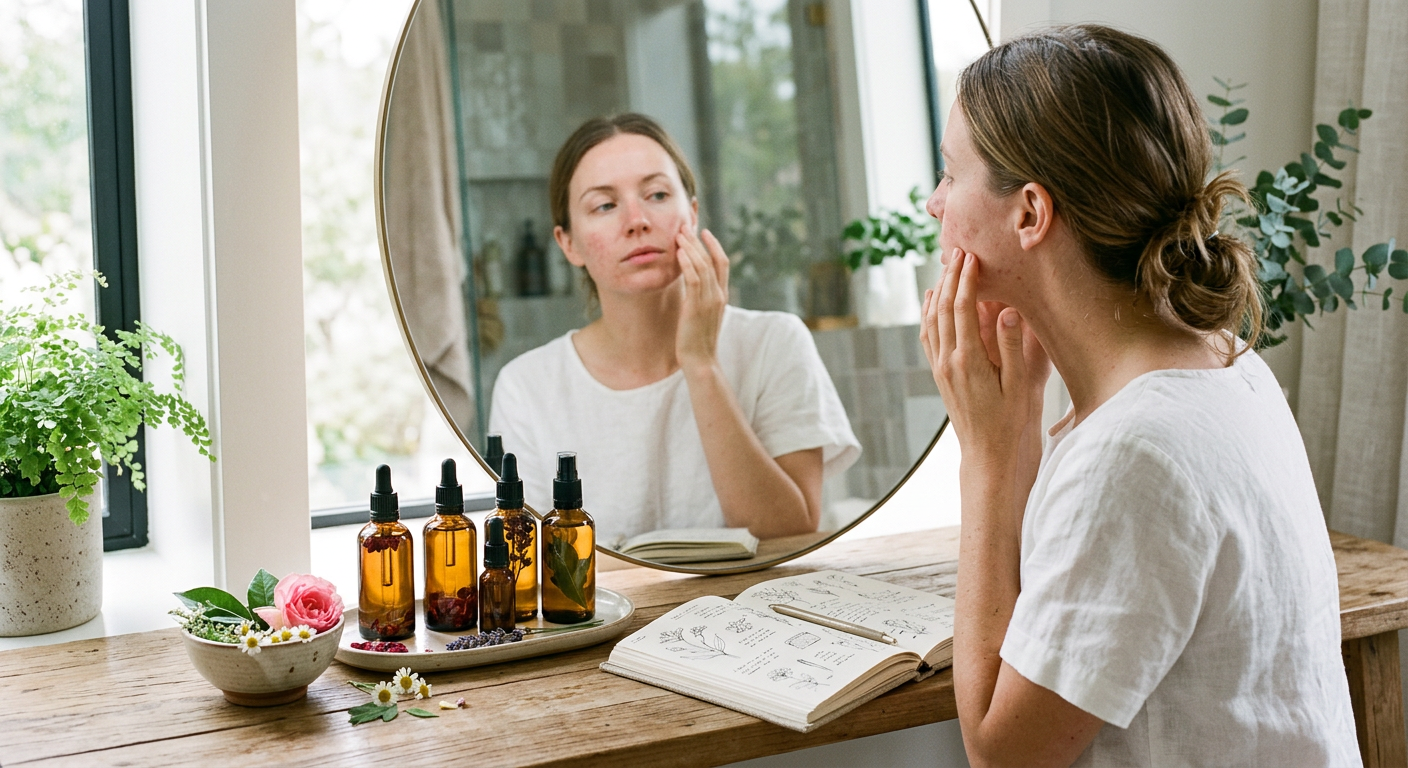
Identify your main skin concern before you start adding trending ingredients at random. Layering too many actives at once can overwhelm even healthy skin, so introduce one botanical at a time and watch how your skin responds over two to three weeks.
Read ingredient lists closely. A product sold as botanical should list plant actives near the top of the formula, not buried below fillers. For a deeper look at formulation quality, Formula Botanica offers expert insight into what makes a natural formula work.
Think about the bigger picture too. As Pure Light Botanical Beauty notes, beauty wellness treats the skin as part of the whole person, pairing topical care with nutrition and stress management. Botanicals do their best work when the rest of your routine supports skin health instead of fighting it.
Conclusion: Choosing Botanicals That Deliver
Botanical beauty in 2026 rewards performance, transparency, and respect for both skin and environment. Bakuchiol, saffron, fermented adaptogens, and barrier-repairing botanicals like calendula and centella asiatica lead the year, while probiotics and postbiotics are reshaping how we support the skin microbiome.
Match ingredients to your specific concerns, add them gradually, and favor formulas that respect your skin’s biology. Compare your current products against this year’s standout ingredients, then upgrade one step at a time toward a routine that holds up over the long haul.
Frequently Asked Questions
Q: What is the most important botanical ingredient to try in 2026?
Bakuchiol, mainly because it offers retinol-like anti-aging benefits without the irritation. It suits nearly all skin types, including sensitive skin, which makes it an easy first upgrade.
Q: Are botanical beauty ingredients safe for sensitive skin?
Many botanicals, including calendula, centella asiatica, and aloe vera, are prized specifically for soothing sensitive and reactive skin. Even so, patch test any new product for 24 hours before applying it to your face.
Q: What does microbiome-friendly skincare actually mean?
It refers to formulas designed to support the beneficial microorganisms on your skin rather than stripping them away. Probiotics, postbiotics, and gentle botanicals help maintain that balance for stronger, calmer skin.
Q: Is bakuchiol really as effective as retinol?
Bakuchiol delivers comparable improvements in fine lines and texture with far less irritation, which makes it a strong alternative. It also doesn’t increase sun sensitivity, so it fits into a daytime routine more easily.
Q: How do I know if a product is genuinely botanical and not greenwashed?
Check that plant actives appear high on the ingredient list rather than near the bottom. Look for specific named botanicals and transparent sourcing information instead of vague terms like “natural extracts.”
Q: Can I combine multiple trending botanicals in one routine?
Yes, but introduce them one at a time so you can tell how your skin reacts. Pairing a soothing botanical like centella with a barrier-supporting oil like jojoba works well for most skin types.