

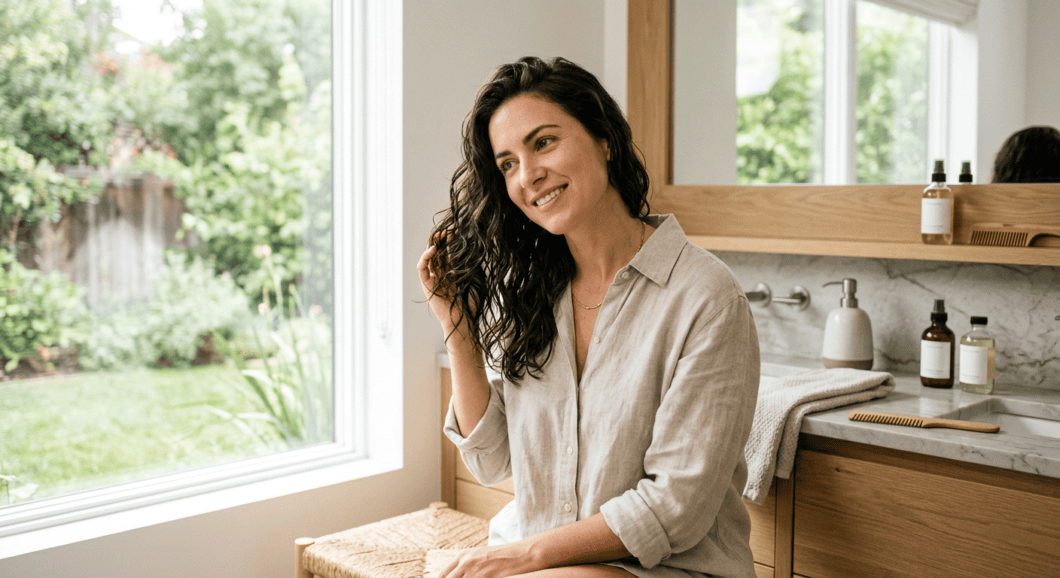
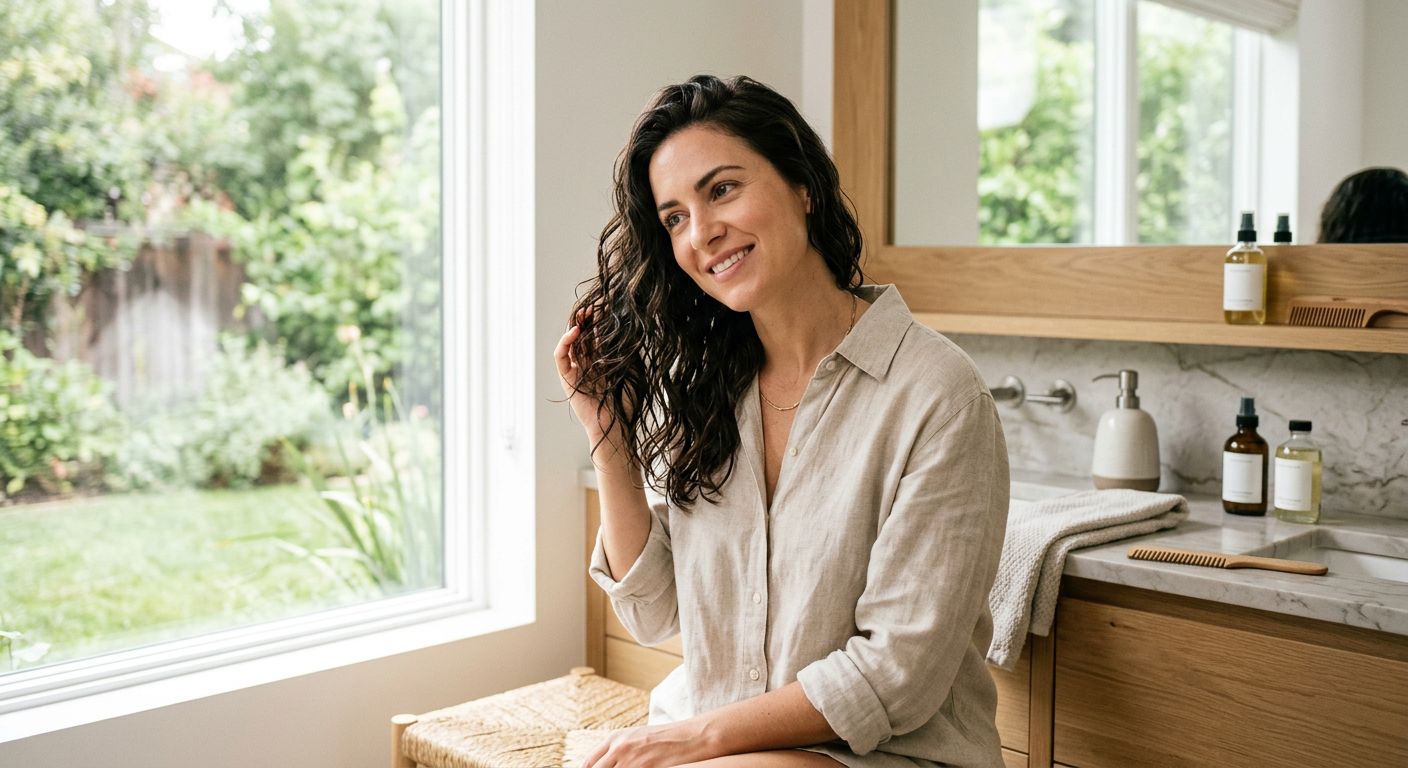
Ten years ago, the hair status symbol was a $50 salon blowout: glossy, bouncy, camera-ready. Now the opposite reads as elevated. The signal has flipped to hair that’s been shampooed and left to dry on its own. Air-dry styling used to be what you settled for on a rushed morning. It’s become a deliberate choice, and it’s changing how people think about their beauty routines.
Why Air-Dry Styling Became a Status Symbol
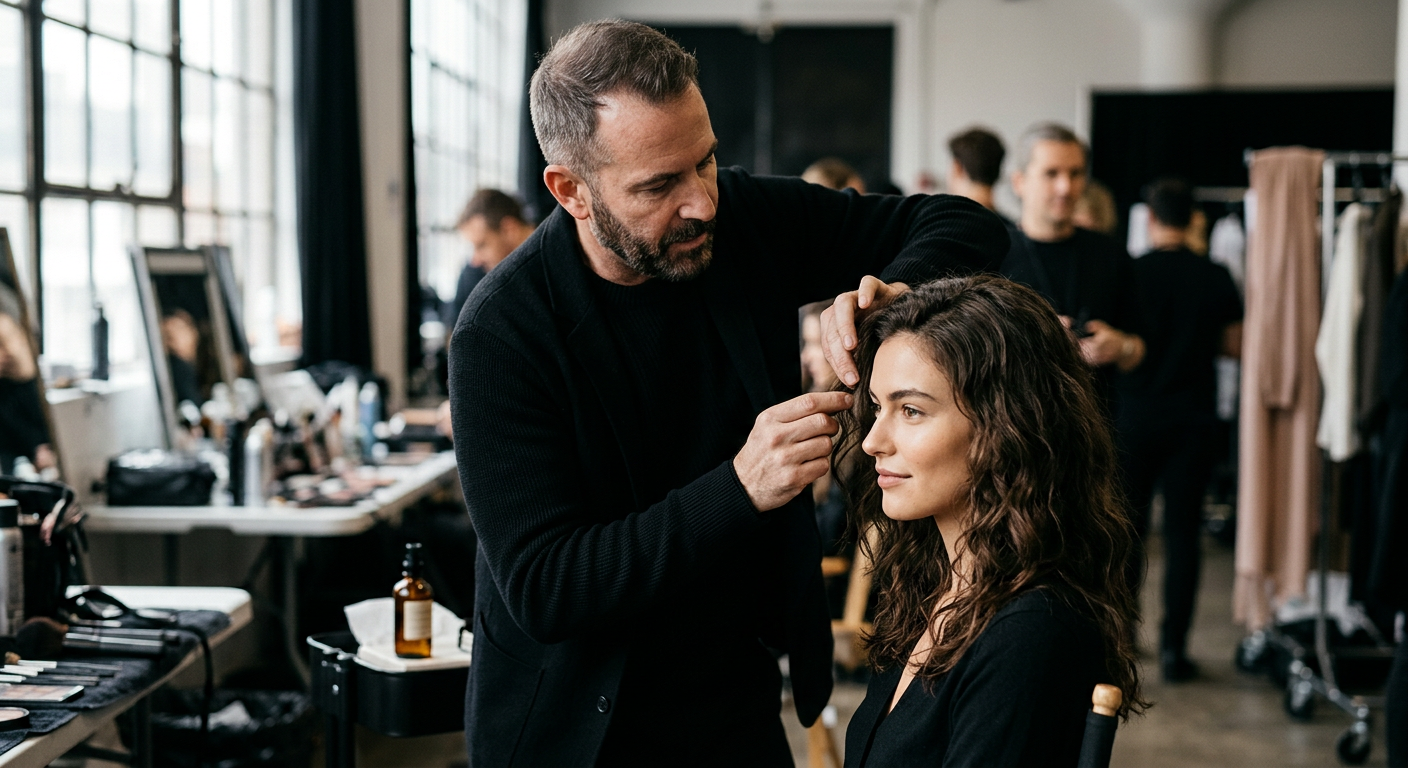
The shift started on the runway. Guido Palau, hairstylist and global creative director for Redken, put it plainly to ELLE Canada: “At one time, a great blow dry felt super rich. Now, there’s a new idea of luxury in hair: shampooed and left to dry naturally.”
That’s a real cultural pivot. For years the default was dryers and curling irons, all chasing the same uniform, polished finish. Palau’s argument is that we’ve lost track of what our own hair texture actually looks and feels like.
Air-drying is the hair version of “no-makeup makeup.” It signals that you have the time, the confidence, and the healthy hair to skip the tools entirely. In a beauty market built on adding more, subtracting has become the move.
The Quiet Luxury Connection
Quiet luxury—understated, high-quality, no visible logos—now shapes hair too. BeautyEQ places low-maintenance, versatile techniques that let hair dry naturally squarely inside that aesthetic.
The wider luxury market backs this up. Euromonitor and BSPK both name shifting consumer values, sustainability, and authenticity as the forces defining luxury in 2026. Effortless hair fits those priorities.
The Real Reason Time Is the New Luxury
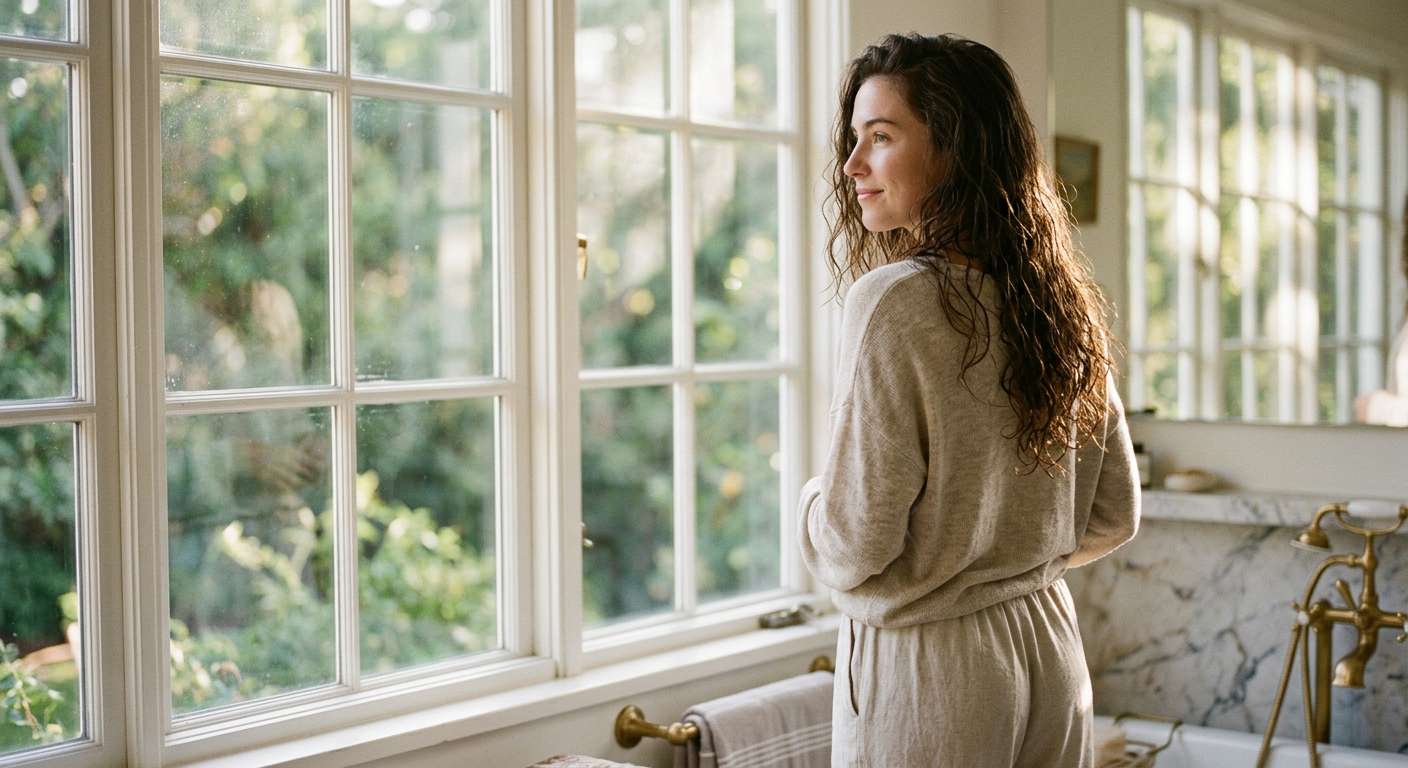
Air-drying is free, yet it feels expensive. The luxury isn’t the technique. It’s the time.
Most people don’t have twenty minutes to spare while their hair dries before they leave the house. InStyle’s testing team called it “a rare luxury to have time to twiddle our thumbs while our hair air-dries.” That captures it.
One post on Facebook showed the tension clearly. A new mom described her once-a-year air-dry ritual, noting she used to do it every day before kids and now leans on a fast blowout instead. Done properly, air-drying demands patience that most schedules can’t accommodate anymore. That’s precisely why it reads as indulgent.
Air-Dry Styling vs. The Blowout: A Comparison
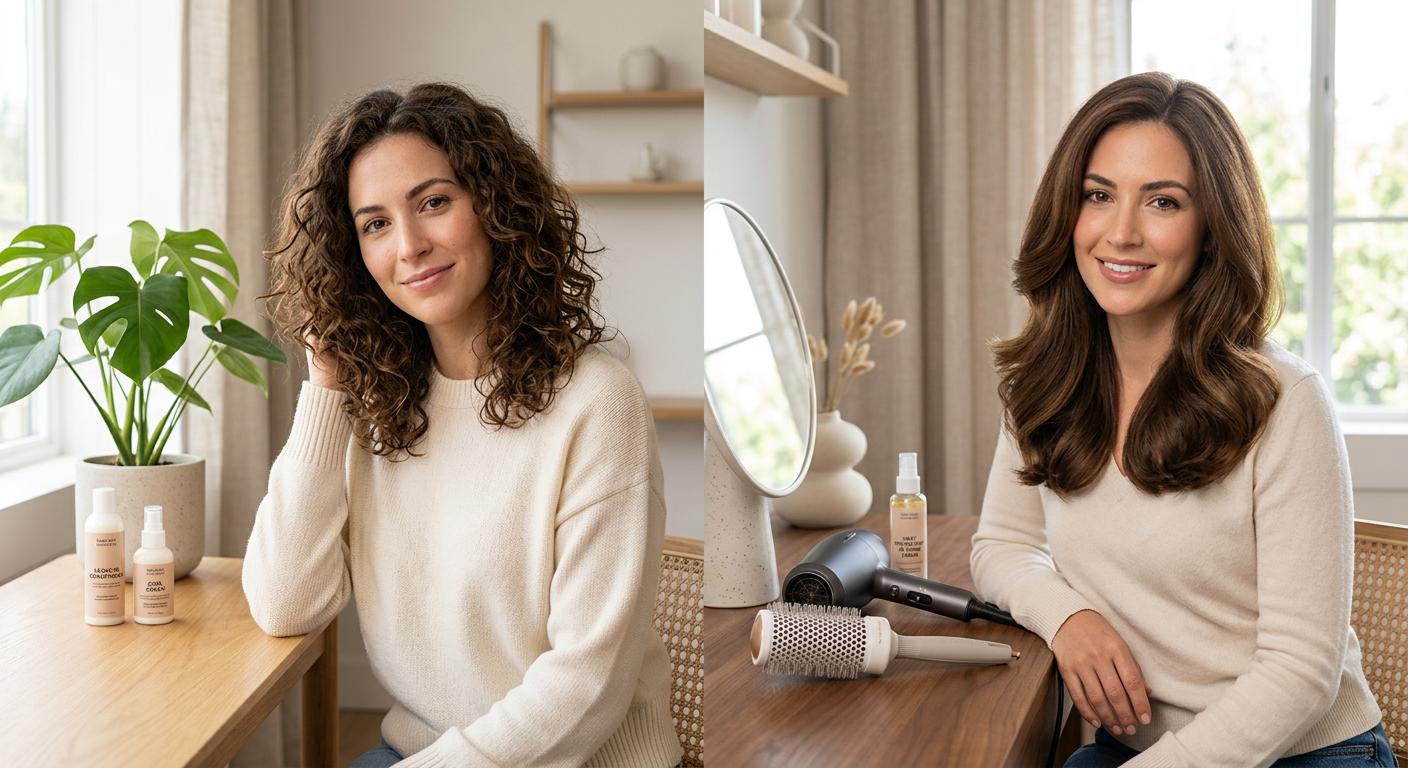
Both have their place. The choice comes down to time, hair health, and the finish you’re after.
| Factor | Air-Dry Styling | Traditional Blowout |
|---|---|---|
| Time investment | 20–60 min passive | 15–30 min active |
| Heat damage | None | Moderate to high |
| Cost | Product only | $40–$60 per salon visit |
| Finish | Natural texture, movement | Smooth, uniform, polished |
| Longevity | 1–2 days | 2–4 days |
| Skill required | Low to moderate | Moderate to high |
| Environmental impact | Minimal energy use | Ongoing electricity use |
The blowout still wins on longevity and precision. Air-drying wins on hair health, cost over time, and the effortless look people keep chasing.
How to Air-Dry Your Hair the Right Way
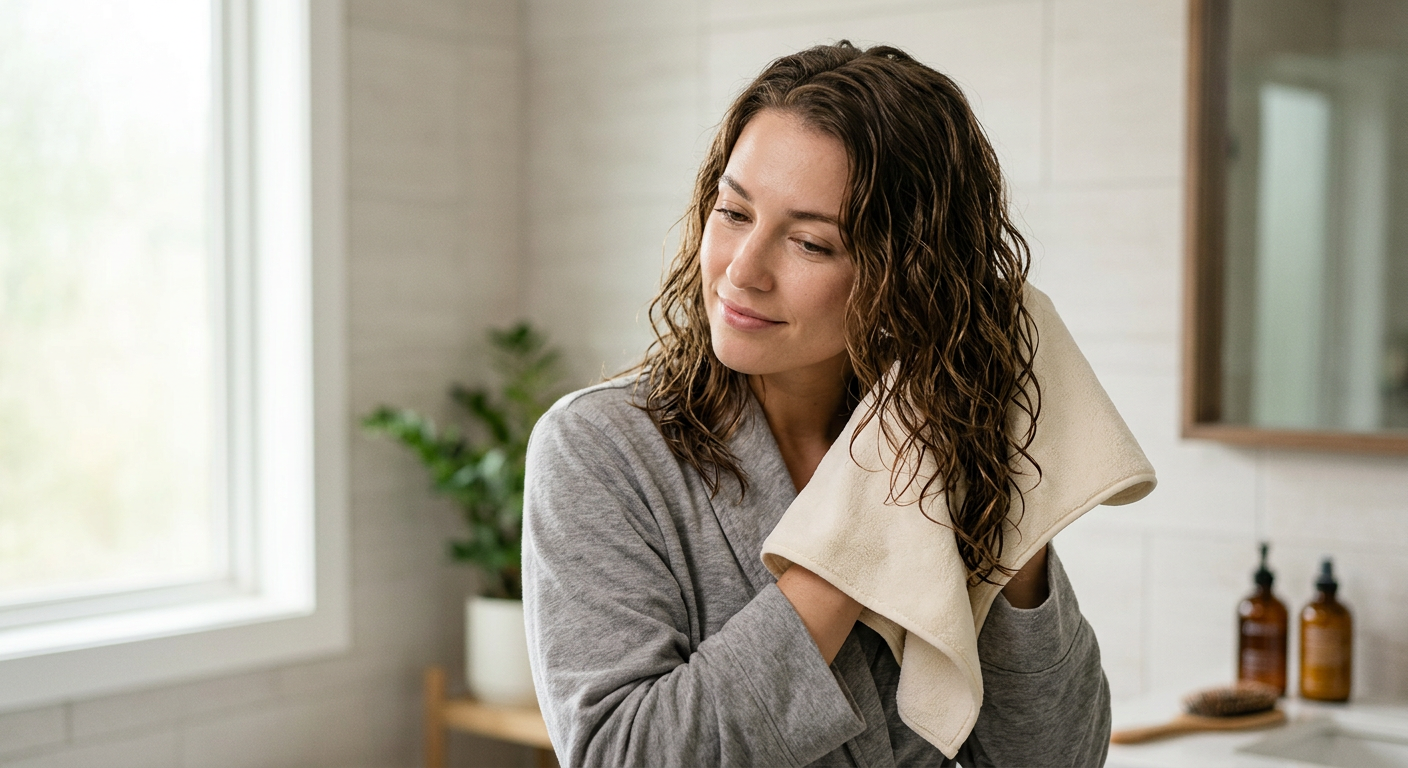
Air-drying isn’t the same as ignoring your hair. Do it carelessly and you get frizz and flat roots. Do it with a bit of method and you get texture and shine.
Start With How You Dry
Don’t rub with a bath towel. NewBeauty recommends squeezing or scrunching hair upward with a microfiber towel or a soft cotton T-shirt. The rough fibers on a standard towel lift the cuticle and cause frizz.
If your hair is frizz-prone, SheerLuxe suggests wrapping it in a turban or towel for 10 to 15 minutes first. That absorbs the excess water gently, so your styling products can do their job instead of sliding off.
Layer Your Products Correctly
Order matters. SheerLuxe advises priming with an oil-based cream or detangler, then following with a gel or leave-in for hold and definition. Product applied to soaking-wet hair mostly goes to waste, because the follicle can’t absorb anything through all that water.
Build Volume Before You Let It Set
For root volume, flip your head upside down, work product through your roots and ends, and scrunch it in with your hands. Flip back up and leave it alone.
That last part is the hardest rule to follow: stop touching your hair. Every time you handle it you break up the natural pattern and bring the frizz back. Let it set.
The Best Air-Dry Products Worth Your Money
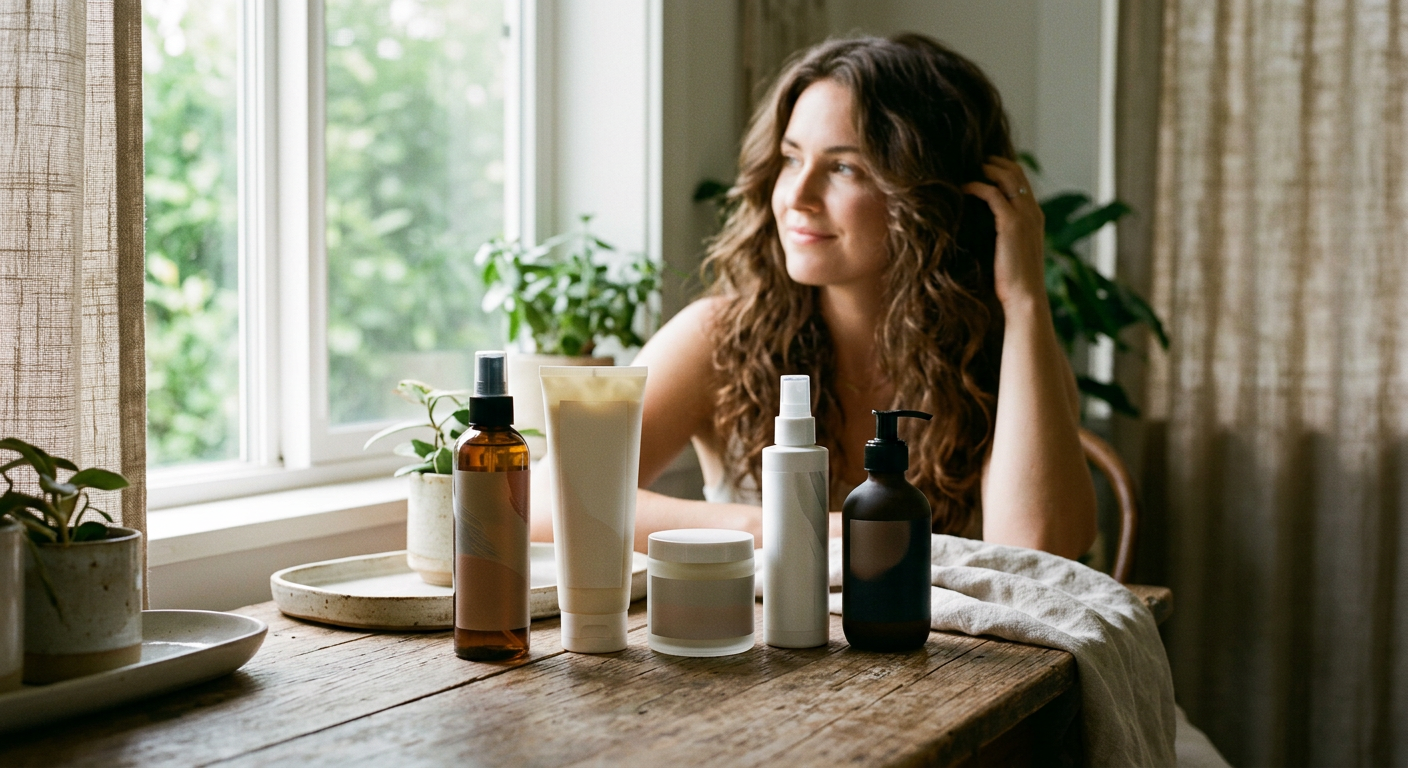
The trend has produced a wave of formulas built for it. InStyle tested 13 products for its 2026 roundup, favoring lightweight, hydrating ingredients like hyaluronic acid, aloe vera, and natural oils, along with real frizz control.
Two standouts from their testing:
- JVN Complete Hydrating Air Dry Hair Cream ($28) — A hydrating cream that testers showed delivered visible before-and-after smoothing.
- Bumble and bumble Don’t Blow It Fine Hair Air Dry Styler ($37) — Made for fine hair that tends to fall flat without heat.
Match the formula to your hair type. The main categories:
- Air-dry creams for medium to thick hair that needs hydration and frizz control
- Lightweight stylers for fine hair that needs texture without weight
- Curl gels and leave-ins for defining and holding natural texture
- Oil-based primers for coarse or dry hair prone to frizz
What This Means for the Hair Industry
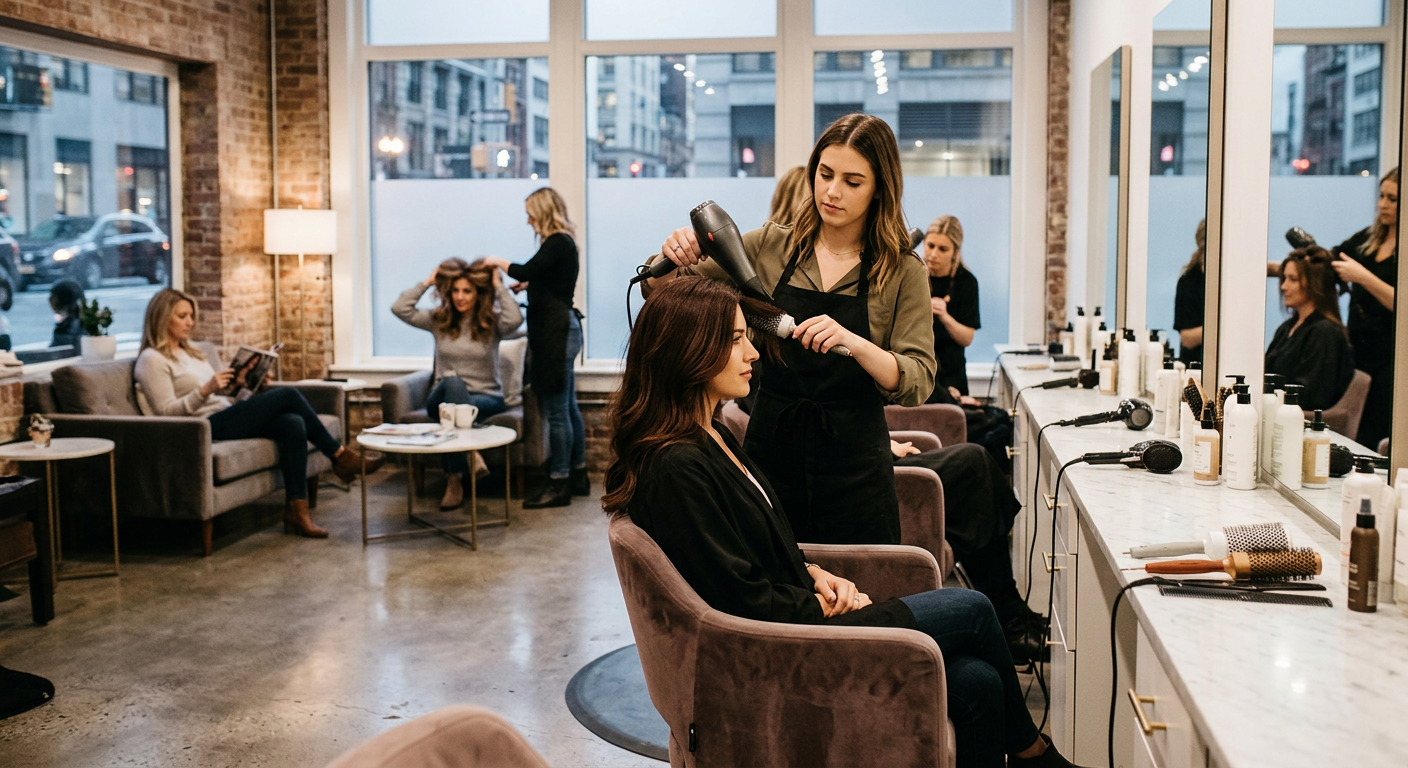
The blowout economy isn’t going away, but it’s under pressure. Blo Blow Dry Bar and Drybar built entire chains on the premium blowout, launching in 2007 and 2010 respectively. That cultural cachet has cooled since.
The hair dryer market keeps growing, driven by rising incomes and demand for premium tools, per Market.us. The two trends run in parallel: people still buy high-end dryers, they just reserve them for occasions rather than every morning.
For brands, the opening is in styling products, not tools. Air-dry creams, gels, and primers are a growing category built on health, sustainability, and ease—the same values reshaping luxury in 2026.
Key Takeaways and Your Next Step
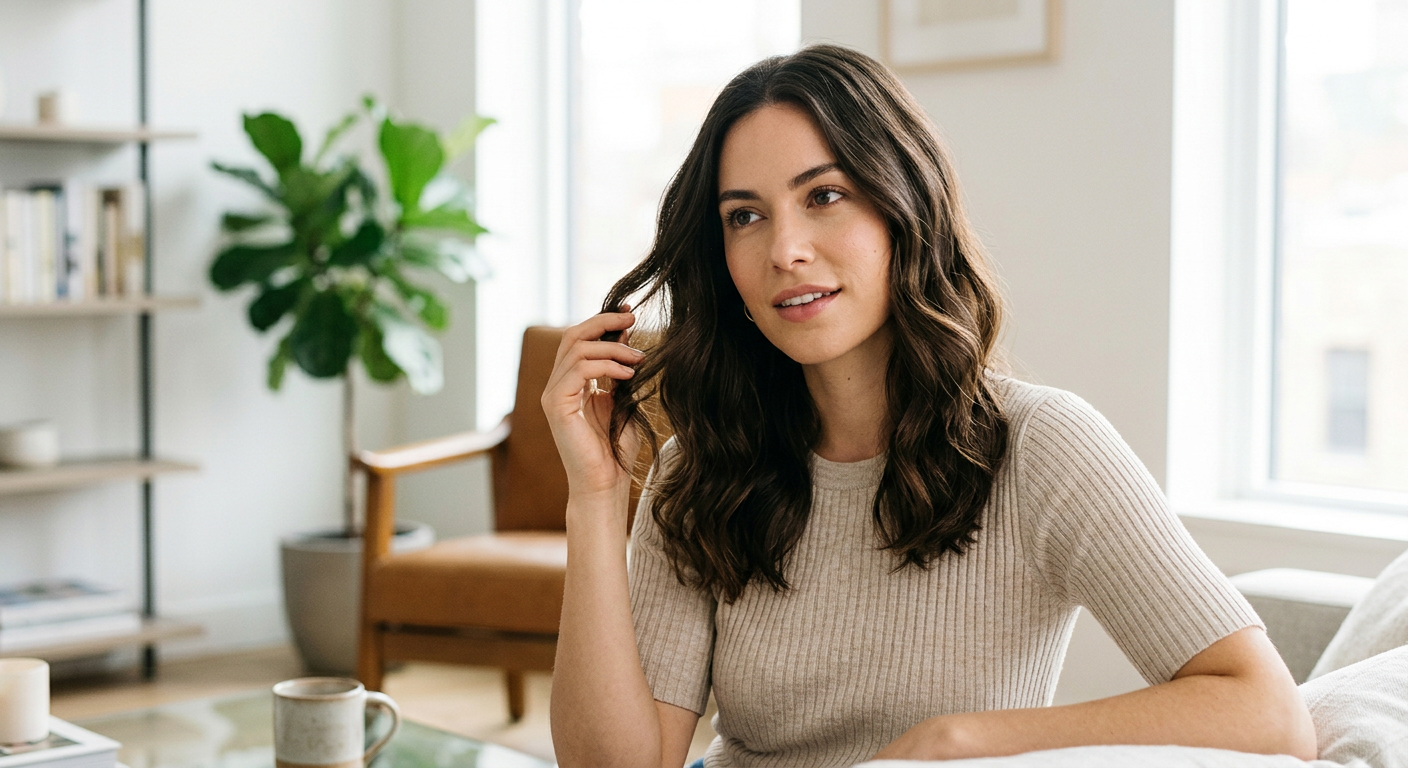
Air-dry styling has moved from a time-saving fallback to a status symbol. It signals healthy hair, spare time, and a preference for quiet confidence over polished uniformity. The technique rewards patience and the right products, from gentle drying with a microfiber towel to layering primers before stylers.
To try it, keep it simple. Swap your bath towel for a soft T-shirt, buy one good air-dry cream matched to your hair type, and leave your hair alone while it sets. Give it a full week. Your strands, your schedule, and your styling budget will all come out ahead.
Frequently Asked Questions
Q: Is air-drying actually better for your hair than blow-drying?
On heat damage, yes. Air-drying eliminates the heat that weakens the cuticle over time. Wet hair is more fragile, though, so handle it gently and skip the rough towel-drying.
Q: How long does air-dry styling take?
Anywhere from 20 minutes to over an hour, depending on your hair’s thickness and length. Most of that time is passive, so you can get on with your routine while it dries.
Q: What products do I need to air-dry my hair well?
At minimum, one air-dry cream or leave-in suited to your hair type. For frizz-prone or curly hair, layer an oil-based primer first, then a gel for hold and definition.
Q: How do I stop my hair from getting frizzy when it air-dries?
Squeeze the water out gently with a microfiber towel or cotton T-shirt rather than rubbing, apply product to damp rather than soaking hair, and stop touching your hair while it dries. Handling disrupts the natural pattern and brings back frizz.
Q: Why is air-drying considered a luxury if it costs nothing?
The real cost is time. Letting hair dry naturally takes patience that busy schedules rarely allow, which is exactly why intentional air-dry styling now reads as an indulgence rather than a shortcut.