

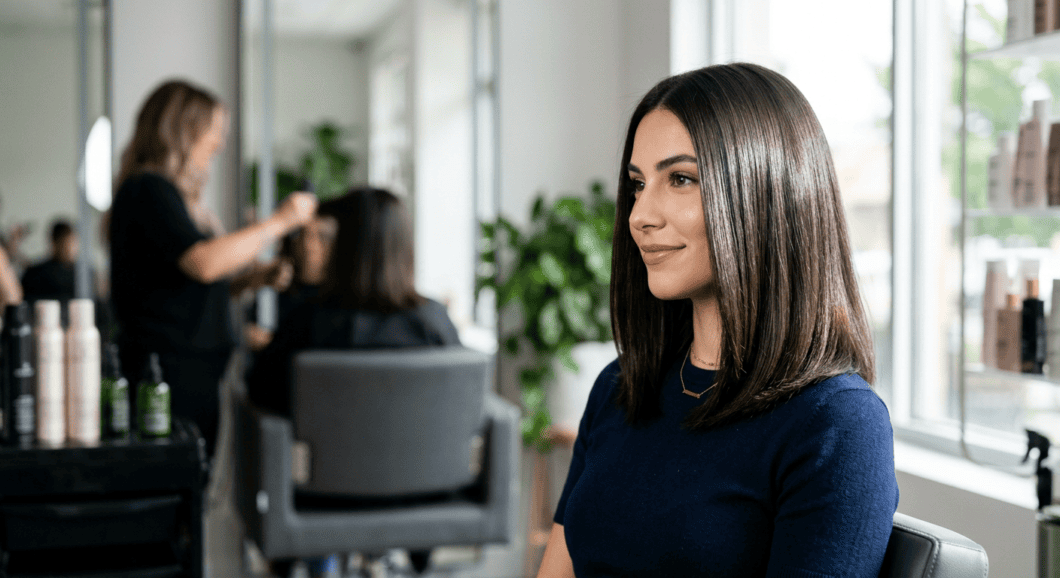
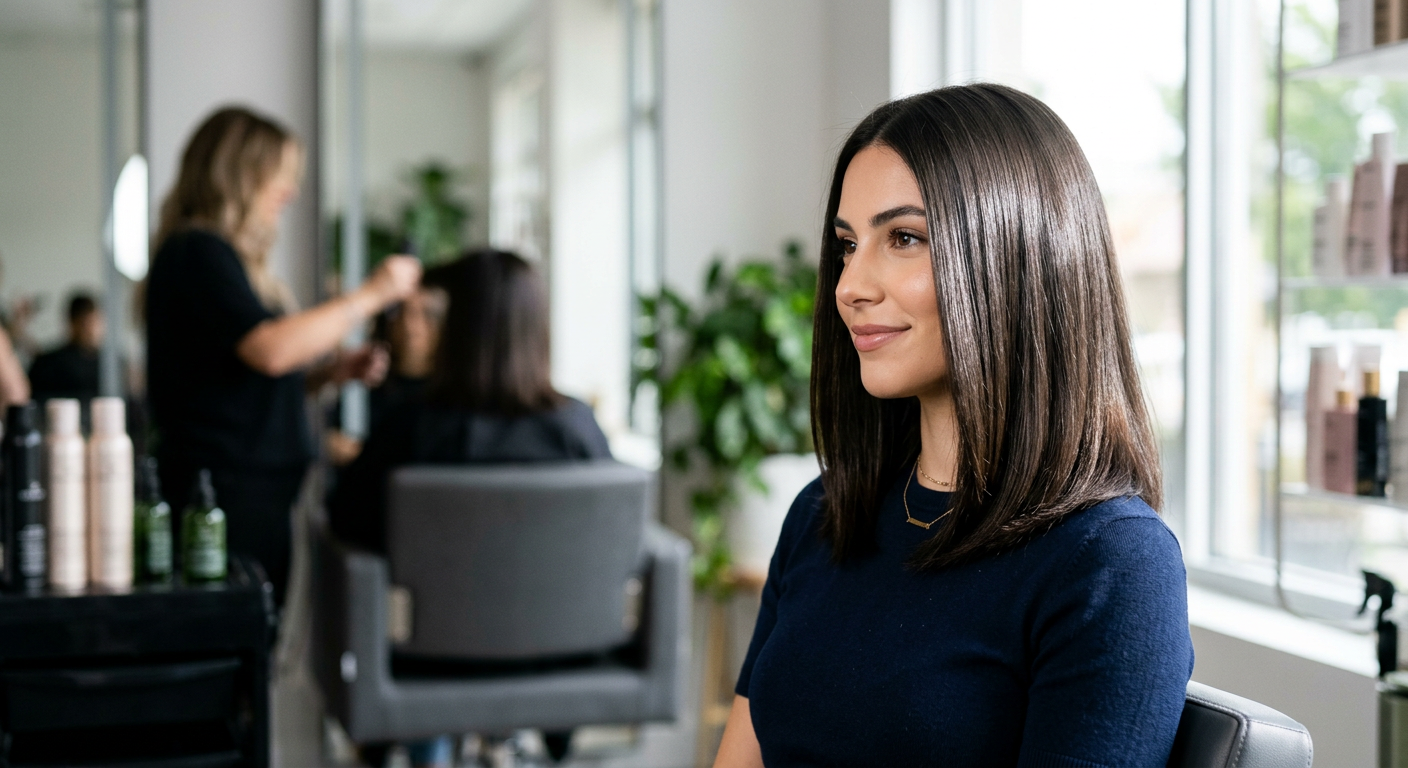
The mirror-shine obsession that defined 2025 is softening. Glass hair—the glossy, light-reflecting finish borrowed from K-beauty’s “glass skin” trend—dominated red carpets, TikTok tutorials, and salon requests for the better part of two years. Stylists are now calling the shift: the hard, wet-look gloss is giving way to something more forgiving. Silk hair is the 2026 version, and it puts soft movement and lived-in health ahead of pure reflectivity.
If you’ve spent months chasing that flawless, glass-like shine, this transition is worth understanding. Silk hair keeps the healthy glow but trades stiffness for touchable texture. What follows is what’s changing, why, and how to adapt your routine.
What Silk Hair Actually Means
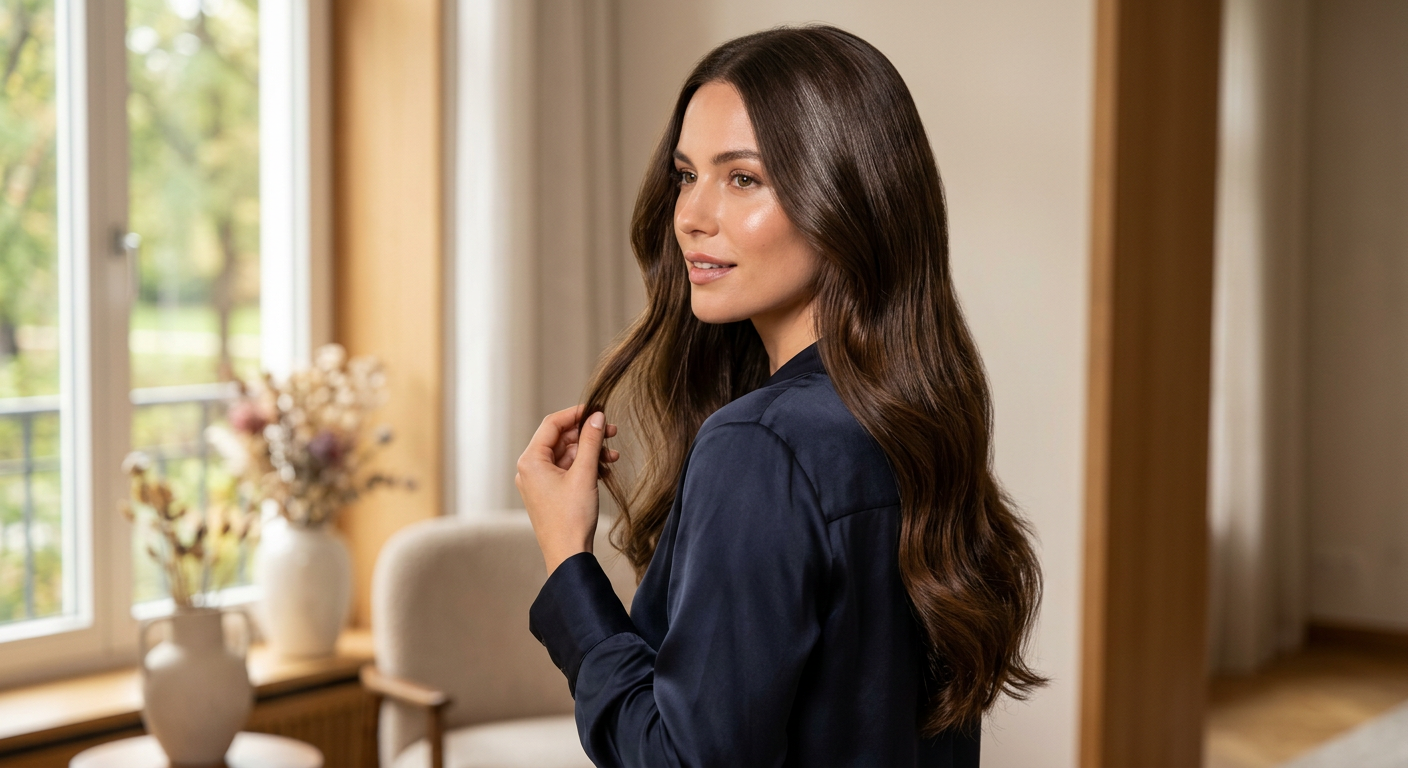
Silk hair is the natural next step from glass hair—high shine, but with fluidity and softness instead of a flat, mirror-like finish. Glass hair reflects light like a pane of glass. Silk hair diffuses it the way fabric does: smooth, luminous, and a little softer to the eye.
The distinction matters beyond wordplay. Glass hair often demanded heavy serums, aggressive flat-ironing, and a poker-straight finish to hit that reflective effect. Silk hair loosens those rules. It accepts natural bends, a bit of body, and a finish that looks healthy rather than lacquered.
This softening tracks with a broader beauty philosophy. As Strala Beauty notes, the shine effect depends on a smooth cuticle lying flat to reflect light. Silk hair keeps that cuticle health as its foundation but drops the pressure to eliminate every wave and strand of movement.
Why the Trend Is Shifting in 2026

The move from glass to silk comes down to a growing focus on hair health over pure styling. At its most extreme, glass hair could look effortful and even damaging, since it usually took repeated heat and product buildup to get there. Consumers and stylists have responded by putting the underlying condition of the hair first.
K-beauty’s “scalp-first” approach is driving much of this. According to runwaytv, 2026’s biggest beauty shift treats haircare as an extension of skincare, emphasizing regenerative actives, scalp health, and longevity over a single day’s styling result. Silk hair is the visible payoff of that deeper investment.
From Effect to Foundation
Glass hair was largely an effect you applied. Silk hair is a condition you build. The trend rewards consistent habits: weekly bond-repair treatments, targeted scalp serums, and less heat exposure.
Stylists at Salon Culture Dallas confirm that sleek, shiny styles remain strong contenders in 2026, but the emphasis has moved toward smoothness achieved through health. Finishing oils and heat protectants now support the hair rather than mask damage.
Glass Hair vs. Silk Hair: The Key Differences
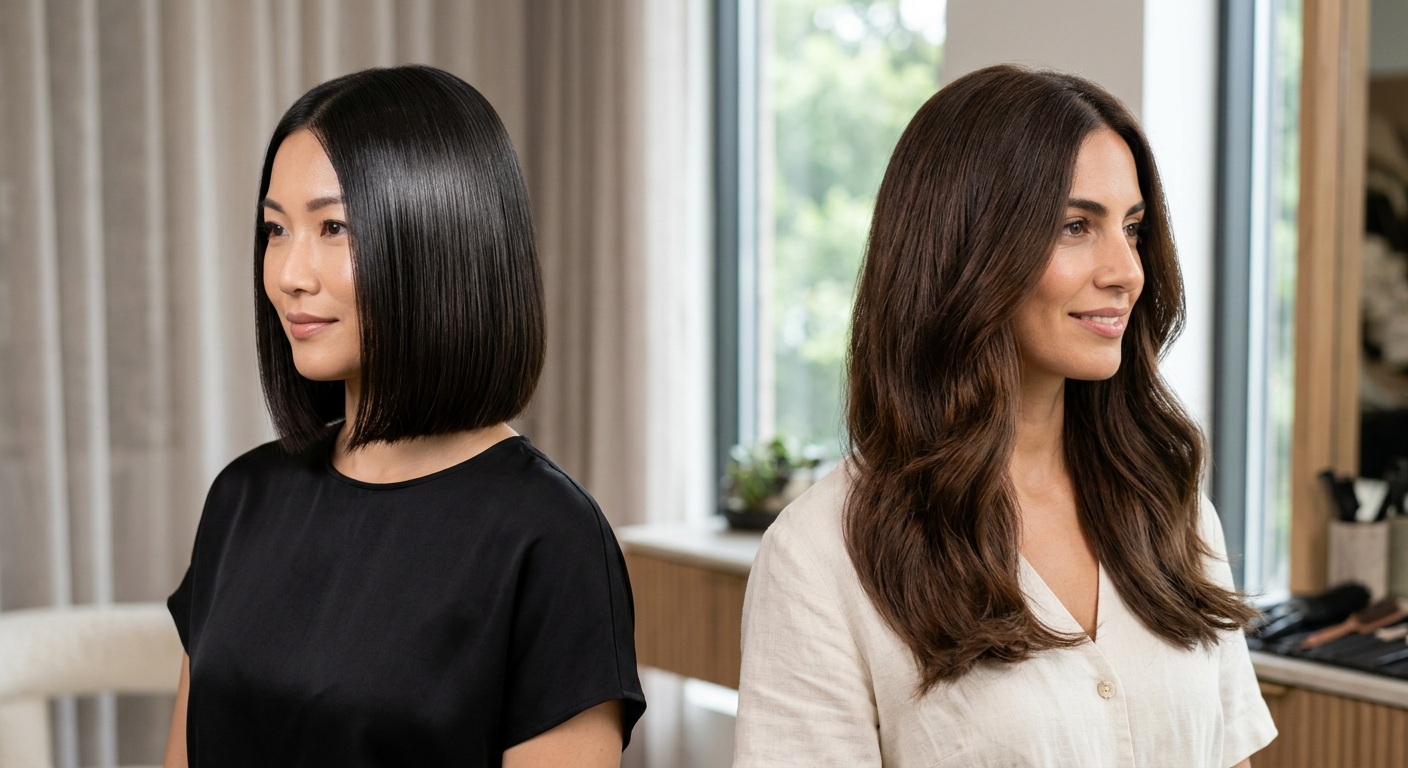
Deciding which look suits you comes down to a handful of practical differences. The comparison below breaks them down across the details that matter most.
| Feature | Glass Hair | Silk Hair |
|---|---|---|
| Finish | Mirror-like, high reflectivity | Soft, luminous, fabric-like sheen |
| Texture | Poker-straight, flat | Fluid with natural movement |
| Product weight | Heavier serums and oils | Lightweight, buildable layers |
| Styling effort | High—flat-ironing required | Moderate—air-dry friendly |
| Core focus | Surface shine | Underlying hair and scalp health |
| Best for | Special occasions, red carpet | Everyday, low-maintenance wear |
The short version: glass hair delivers dramatic impact for events, while silk hair fits a realistic daily routine without giving up the gloss.
How to Get Silk Hair at Home
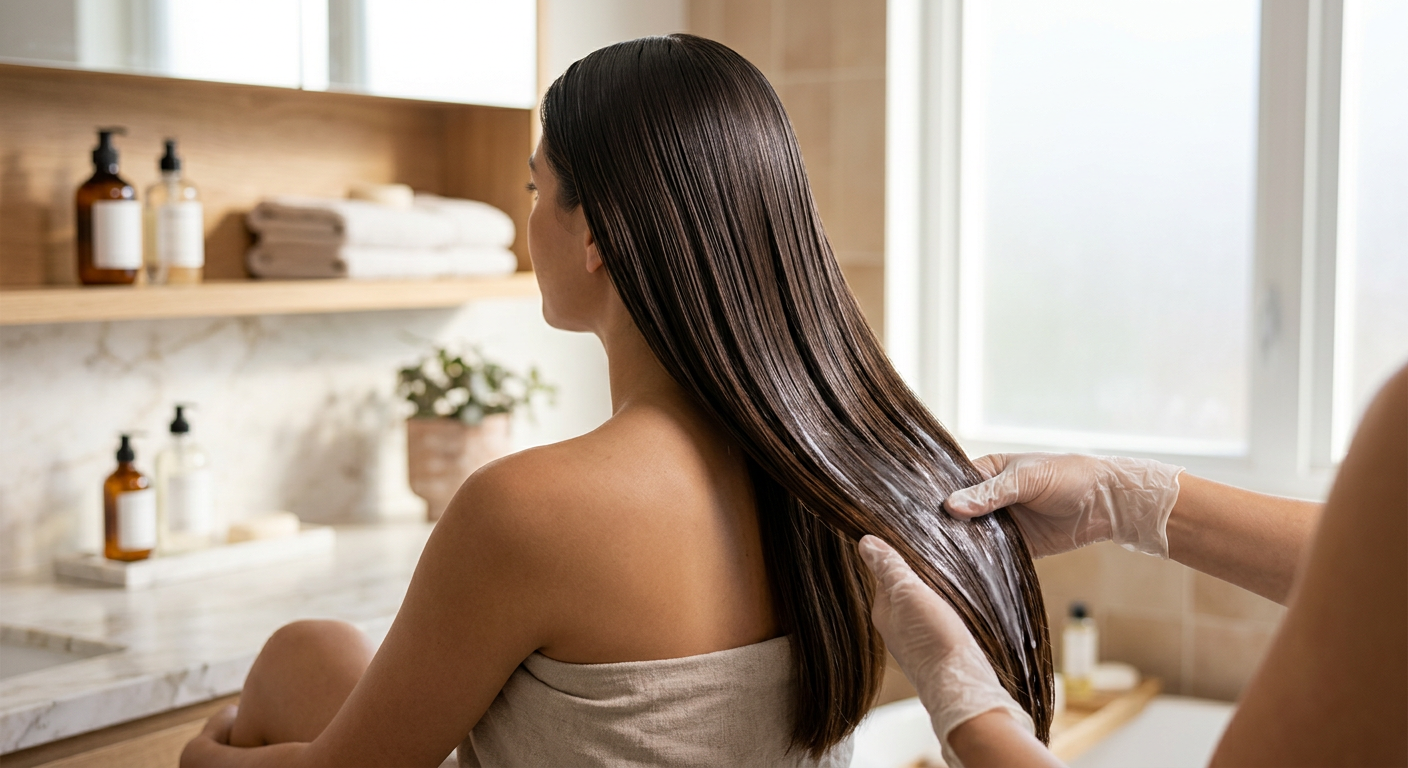
Silk hair starts with repairing the hair’s internal structure, not just coating the surface. Bond-building treatments address the trend at its foundation. Products like Olaplex Nº3 or Epres Bond Repair, both highlighted by stylist Chlöe Swift, rebuild the internal bonds that damage and chemical processing break down.
From there, the finishing routine stays light. Silk hair avoids the heavy oils that gave glass hair its lacquered look. A serum-oil hybrid, applied sparingly to mid-lengths and ends, smooths the cuticle without dragging strands down.
A Simple Silk Hair Routine
- Repair weekly: Use a bond-repair or hydrating mask once a week to restore internal strength.
- Protect from heat: Apply heat protectant before every hot tool. This one is non-negotiable for cuticle health.
- Micro-oil sparingly: Work a few drops of hair oil through the ends to enhance shine, not saturate.
- Prioritize your scalp: A scalp serum and weekly massage support healthier growth at the root.
- Sleep on silk: A silk bonnet or pillowcase reduces friction and preserves smoothness overnight.
Choose Targeted Products
Match your products to your hair’s specific needs rather than following a generic routine. For color-treated hair, a pH-balancing bond repair like pH Plex helps maintain condition through chemical processing. Fine hair benefits from lighter leave-ins, while coarse hair can handle richer masks.
The Science Behind Soft, Healthy Shine
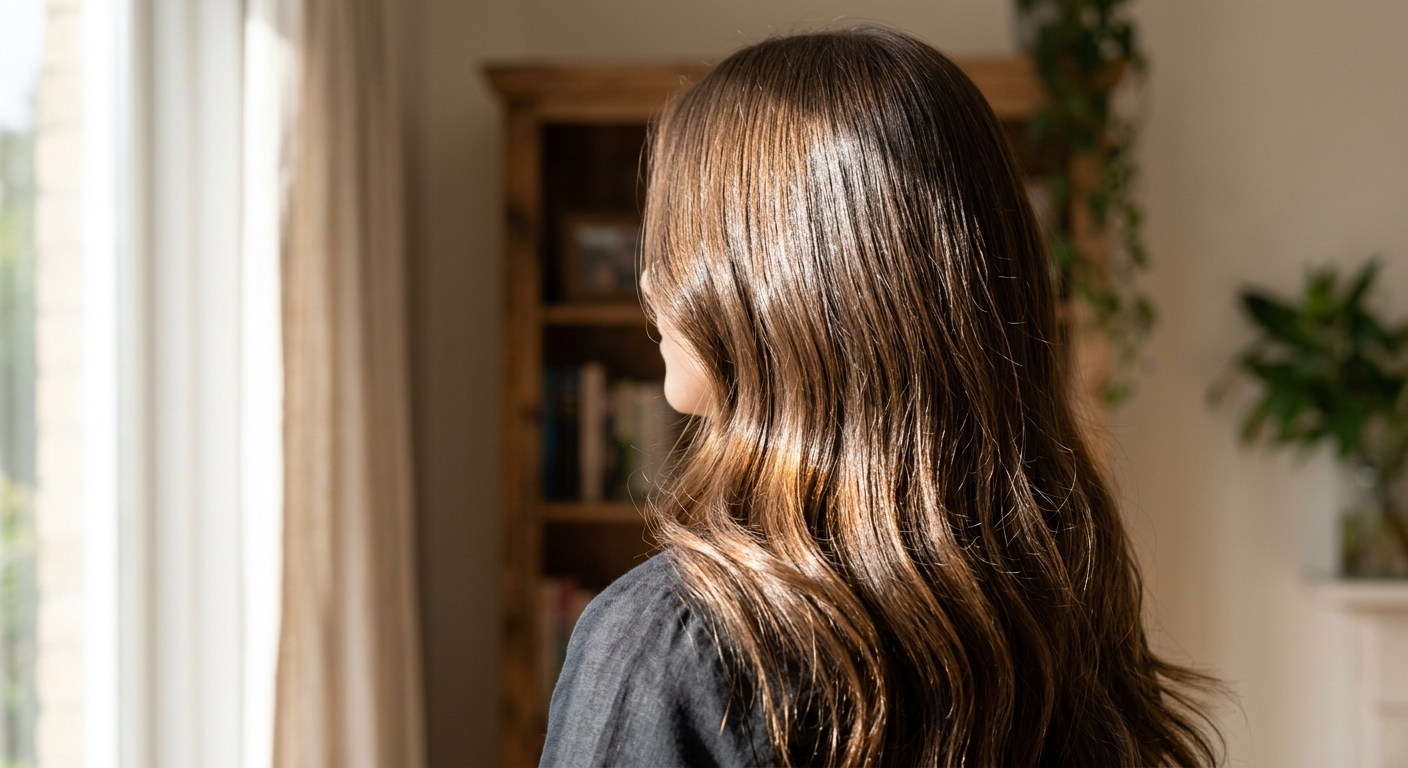
Shine is a function of light reflection, and light reflects best off a smooth, intact cuticle. When the cuticle scales lie flat, hair appears glossy; when they lift or break, hair looks dull. This is the same principle that made glass hair possible, and it remains the foundation of silk hair.
The difference lies in how you get to that smoothness. As Clinikally points out, healthy hair is the foundation for a shiny appearance—treatments can enhance shine, but they cannot fully compensate for damaged hair. Silk hair leans into this by building real health instead of layering product over compromised strands.
Regenerative actives and scalp-focused ingredients extend the same logic to the root. A healthier scalp produces stronger hair, which holds shine longer and resists frizz. That focus on longevity is what separates the silk hair era from the quick-fix styling of earlier trends.
Who Should Try Silk Hair

Silk hair suits nearly every hair type because it works with your natural texture rather than against it. If glass hair felt too high-maintenance or left your hair looking greasy, silk hair offers the same luminous payoff with far less effort.
It’s especially well suited to hair recovering from heat or color damage. Because the trend centers on repair and scalp health, adopting a silk hair routine improves your hair’s condition over time. You get better-looking hair now and healthier hair later.
The trend also fits the growing preference for low-maintenance styling. Stylists surveyed by Who What Wear point to chic, low-effort looks gaining ground in 2026, and silk hair sits comfortably in that category, delivering polish without daily flat-ironing.
Key Takeaways and Your Next Step

Glass hair isn’t disappearing. It’s maturing. The 2026 shift toward silk hair keeps the luminous, healthy shine everyone loved while trading stiffness for softness and surface tricks for real hair health. The result is a look that fits real life: touchable, low-maintenance, and rooted in condition rather than styling alone.
To make the shift, start with the foundation. Focus on bond repair, protect against heat, and treat your scalp as seriously as you treat your skin. Layer lightweight finishing products only after the health is in place.
Want to start now? Audit your current routine this week, add one bond-repair treatment, and swap any heavy serum for a lightweight hybrid oil. The silk hair era starts with a single healthier habit.
Frequently Asked Questions
Q: What is the difference between glass hair and silk hair?
Glass hair delivers a flat, mirror-like reflectivity that requires heavy product and straight styling. Silk hair keeps the healthy shine but adds soft movement and a lighter finish, prioritizing hair health over pure surface gloss.
Q: Can I get silk hair if my hair is damaged?
Yes, and it’s one of the better routines for damaged hair. Silk hair centers on bond-repair treatments and scalp health, so following the routine improves your hair’s condition while delivering shine.
Q: Do I need to use heat tools for silk hair?
Not necessarily. Because silk hair embraces natural texture and movement, it’s more air-dry friendly than glass hair, though a heat protectant remains essential whenever you do use hot tools.
Q: What products help achieve silk hair?
Bond-repair treatments like Olaplex Nº3 or Epres, a lightweight serum-oil hybrid for the ends, and a targeted scalp serum form the core. A silk pillowcase or bonnet helps maintain smoothness overnight.
Q: Is silk hair a lasting trend or a passing fad?
Because silk hair is built on hair health and cuticle science rather than a specific styling gimmick, it has staying power. Stylists expect healthy, high-shine hair to stay relevant well beyond 2026.
Q: How long does it take to achieve silk hair?
You can see improved shine immediately with the right finishing products, but true silk hair develops over several weeks of consistent bond repair, scalp care, and reduced heat exposure.