

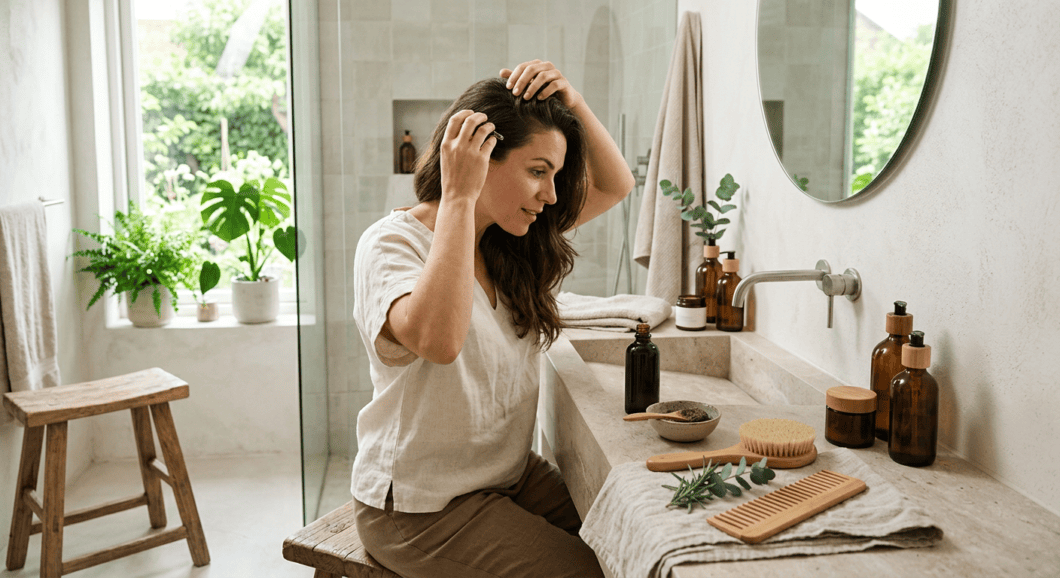
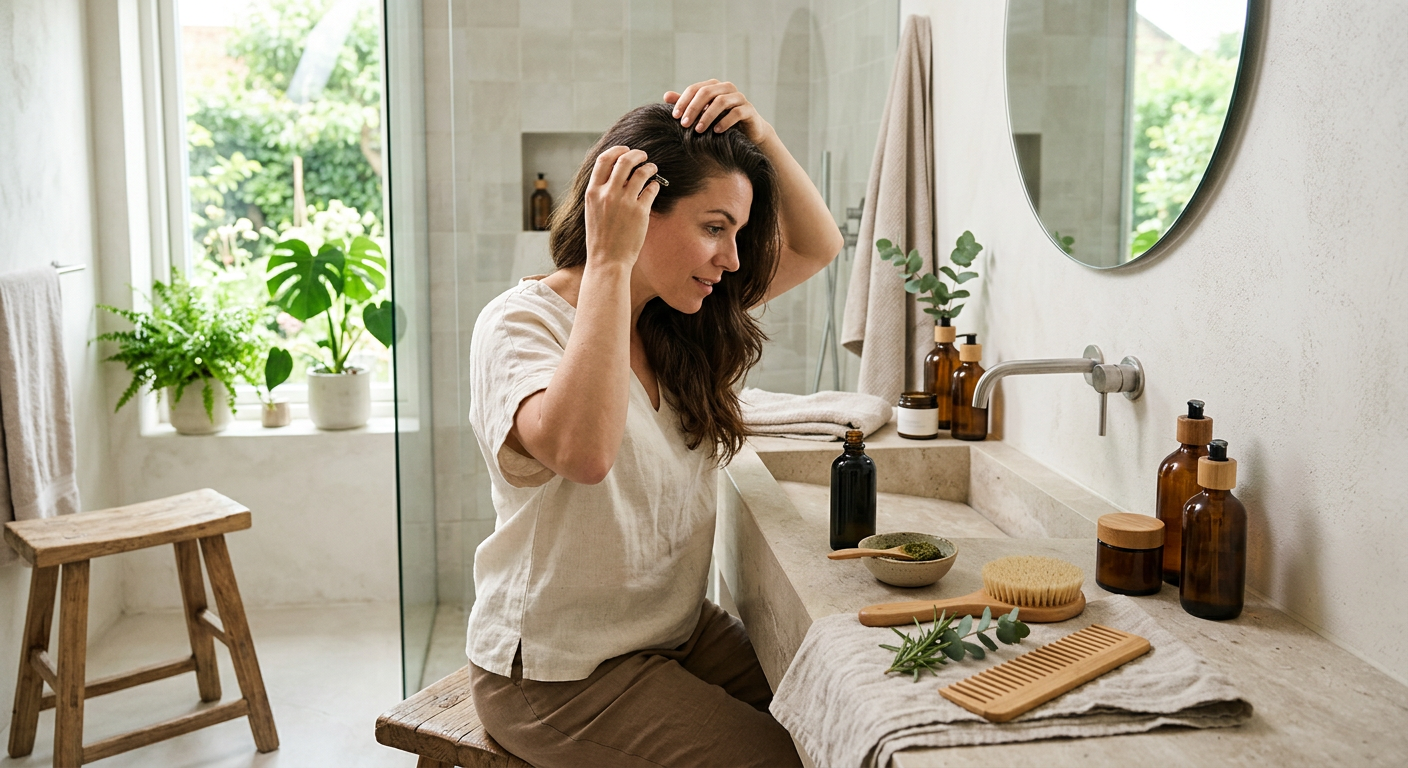
Look at the average bathroom shelf and you’ll find conditioners, masks, and serums bought to rescue hair that still feels thin or lifeless. When none of it works, the problem often isn’t the hair. It’s the scalp. Scalp wellness has become one of the bigger movements in beauty, and the reasoning is hard to argue with: hair grows out of the scalp, so that’s where the work has to happen. A nourished, balanced, protected scalp grows hair that comes in stronger and fuller.
For years, people treated hair and skin as two separate projects. That’s changing. The scalp is living skin, complete with oil glands, a microbiome, and cells that turn over constantly, and it needs the same attention you already give your face.
What Scalp Wellness Actually Means

Scalp wellness means treating your scalp as living skin rather than the patch of ground where hair happens to sprout. Like the skin on your face, the scalp has a protective barrier, sebaceous (oil) glands, an immune response, and its own delicate microbiome of bacteria and fungi.
Good scalp care supports balance, comfort, and resilience at the root instead of masking symptoms or cycling through one shampoo after another. As Agwe Wellness points out, most people respond to thinning or shedding by trying to repair the strands, but healthy hair doesn’t start with hair. It starts at the scalp.
When the scalp environment is in good shape, your follicles have what they need to produce stronger hair over time. Neglect it, and even the best styling products can only paper over the problem.
Why the Scalp Is the Foundation of Hair Health
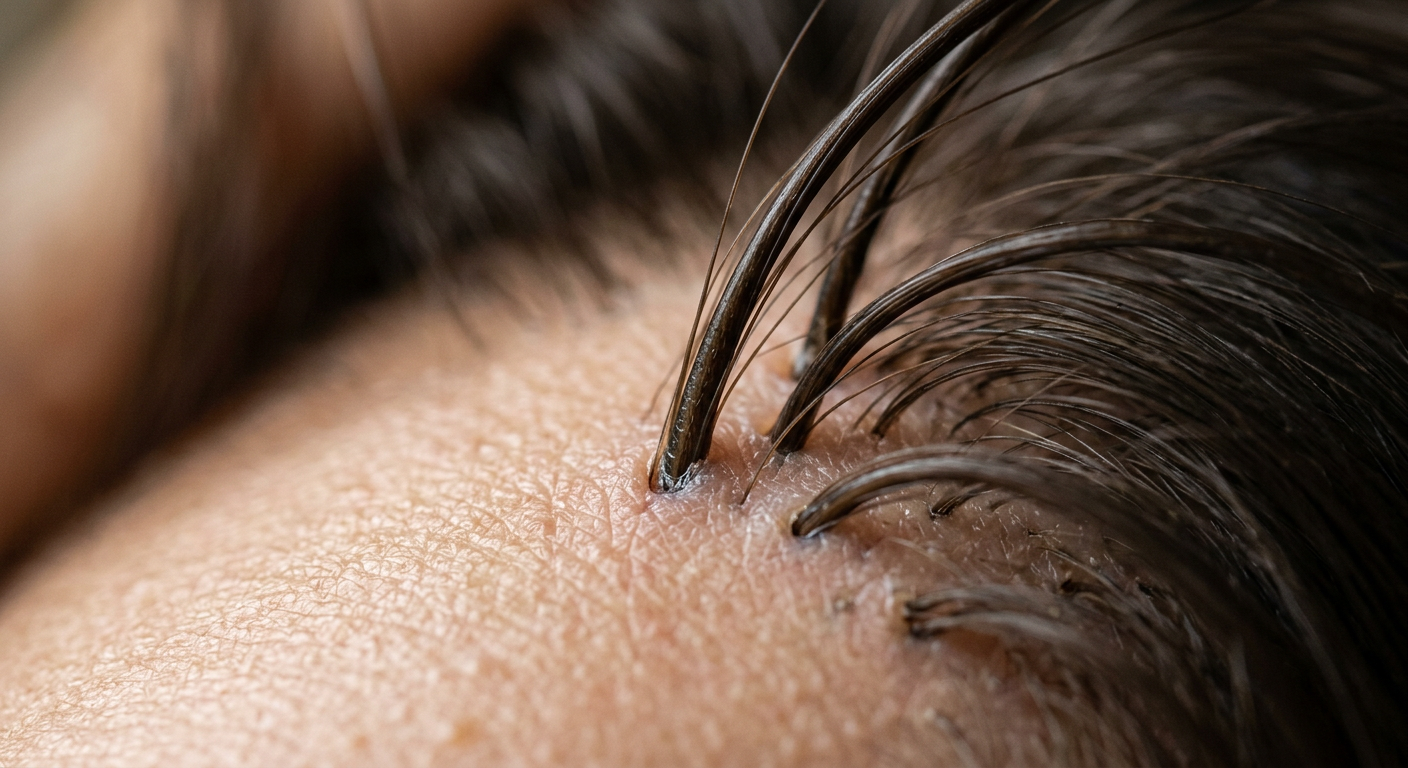
Every strand of hair begins inside a follicle beneath the scalp’s surface. That follicle needs good circulation, balanced oil production, and a clean, inflammation-free environment to do its job.
The science backs this up: the scalp is living tissue that needs consistent support, as Max Green Alchemy notes. When buildup, excess oil, or inflammation throw that environment off, hair grows in weaker, thinner, and slower.
The Scalp-Hair Connection
Picture the scalp as soil and your hair as the plant growing out of it. Water the leaves all you want; if the soil is poor, the growth stays weak. Rich, balanced soil is what produces something that thrives.
Hair works the same way. As Actsyl puts it, a nourished, balanced, protected scalp is what makes hair look fuller and stronger, because great hair always starts at the root.
Signs Your Scalp Needs Attention
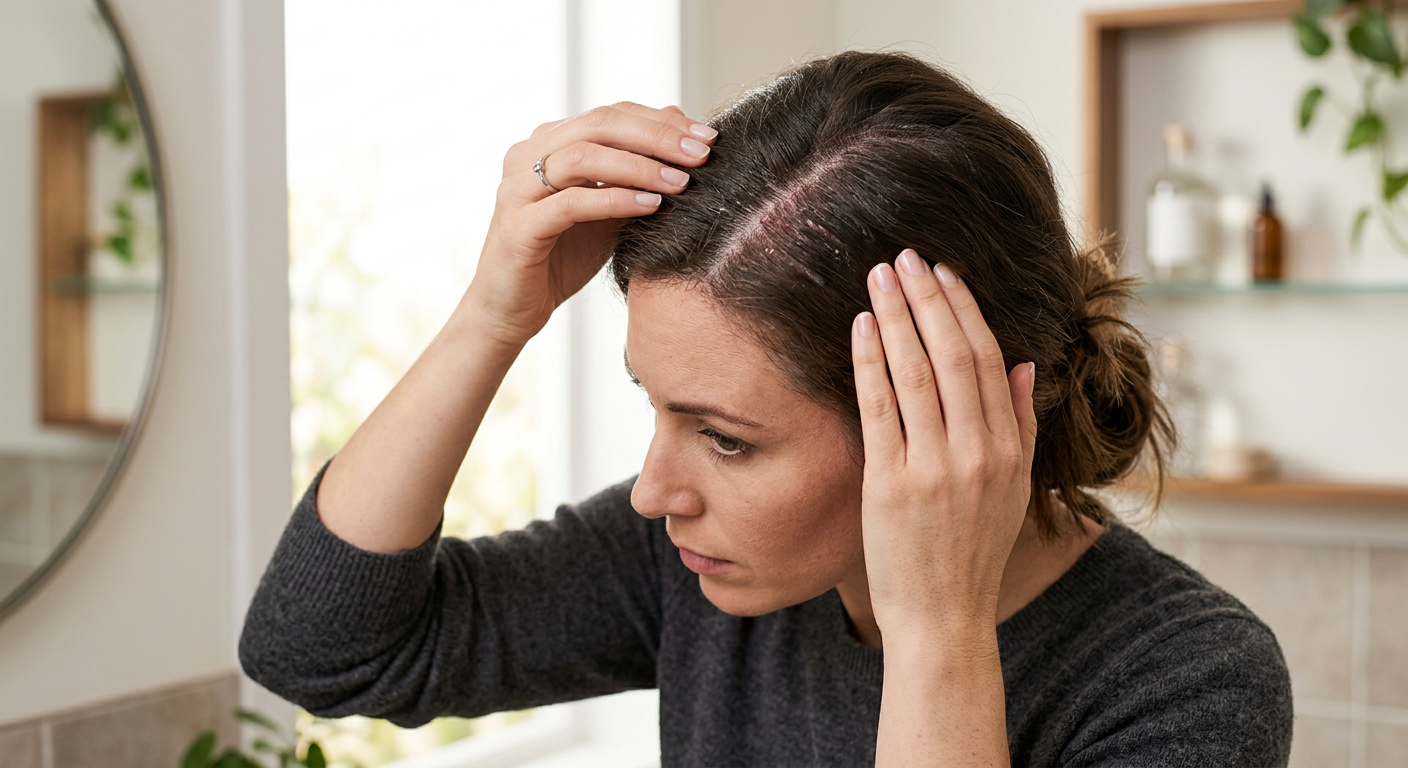
Your scalp usually flags trouble before your hair does. Learn to read those signals and you can step in before shedding or thinning takes hold.
Common warning signs include:
- Persistent flaking or dandruff that comes back after washing
- Itchiness or tightness across the scalp
- Excess oiliness at the roots within a day of washing
- Redness or irritation, especially at the hairline
- Increased shedding or noticeable thinning
- A dry, tight feeling after cleansing
If two or more of these sound familiar, your scalp needs a more deliberate routine. Left alone, these problems tend to snowball.
Scalp Wellness Trends Driving 2026
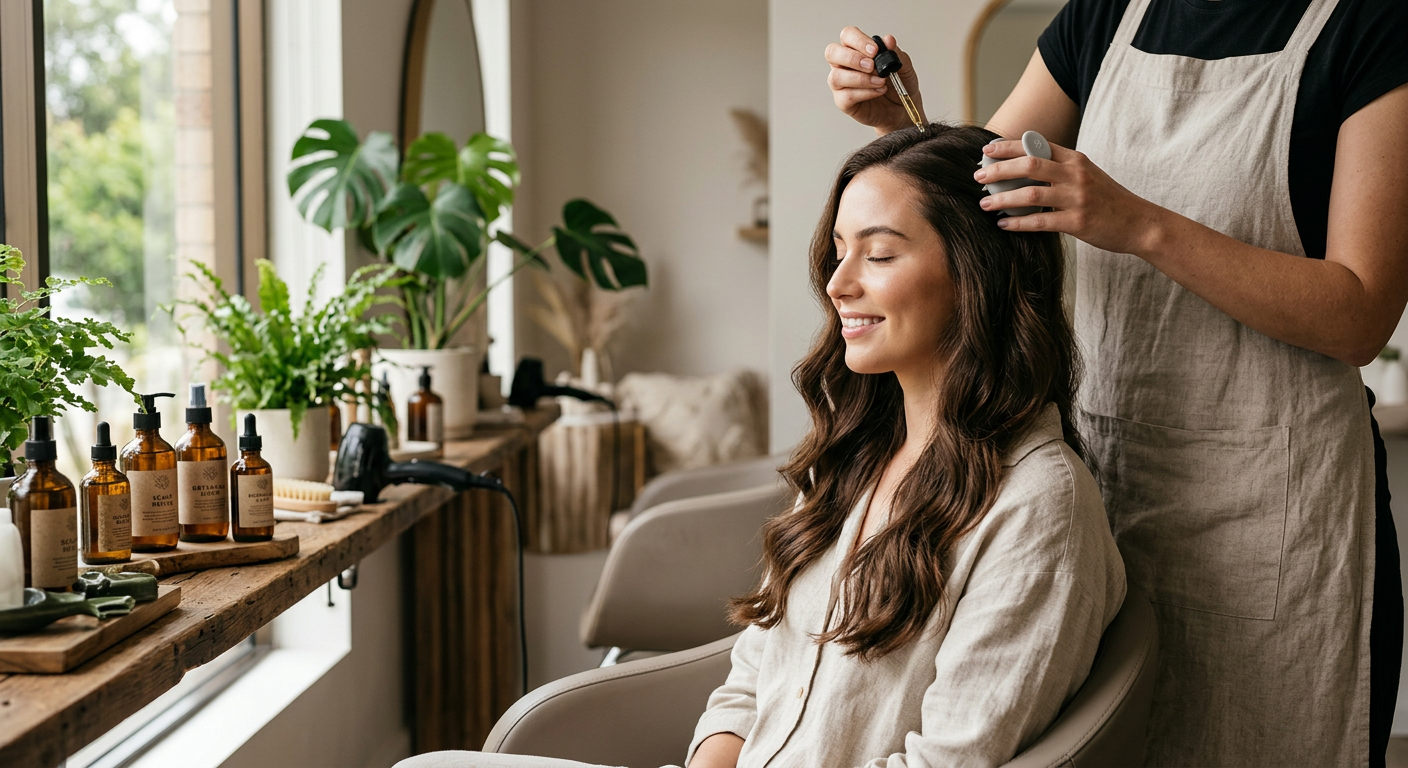
The beauty industry has crowned 2026 the year of scalp health, pushed along by new technology, better treatments, and a growing sense that hair is really an extension of skin. Hair care is getting more technical and more personalized, moving past cuts and color to treat everything from the root to the fiber.
Salons now offer scalp facials, exfoliating treatments, and microbiome-balancing rituals that used to be reserved for facial skin. Scalp care has moved to the center of the routine, according to CMX Beauty.
Scalp Treatments Compared
| Treatment | What It Does | Best For | Frequency |
|---|---|---|---|
| Scalp exfoliation | Removes buildup and dead skin | Oily or flaky scalps | 1–2x per week |
| Scalp serum | Delivers active ingredients to follicles | Thinning or weak hair | Daily |
| Scalp massage | Boosts circulation to follicles | All scalp types | 3–5x per week |
| Scalp mask | Hydrates and soothes | Dry, irritated scalps | Weekly |
| Clarifying wash | Deep-cleans product residue | Product buildup | Every 1–2 weeks |
These work best in combination, matched to your scalp type rather than applied across the board.
How to Build a Scalp Wellness Routine
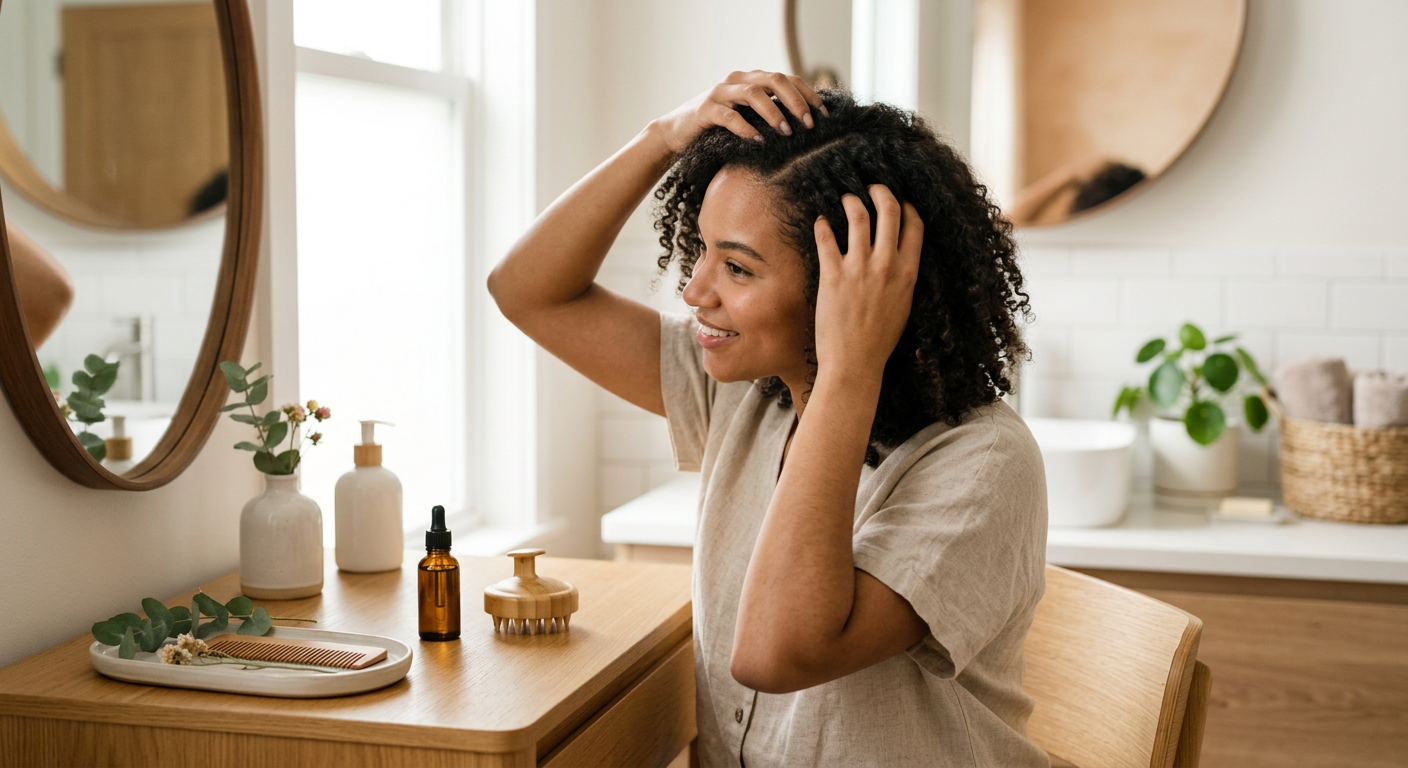
A solid routine doesn’t need a shelf full of products. It needs consistency and the right steps for your scalp type. The basics come down to keeping the scalp clean and balanced, supporting circulation and follicle health, and cutting down on inflammation and buildup.
Step 1: Cleanse Without Stripping
Wash with a gentle, balanced shampoo suited to your scalp type. Overwashing strips natural oils and triggers rebound oil production; underwashing lets buildup accumulate. Every two to three days works for most people.
Step 2: Exfoliate Weekly
Use a physical or chemical scalp exfoliant once or twice a week to clear dead skin, sebum, and product residue. This keeps follicles clear and helps active ingredients get where they need to go.
Step 3: Nourish and Stimulate
Apply a scalp serum with proven ingredients, then massage for two to three minutes to boost circulation. Regular massage supports follicle health and drives nutrients to the root.
Step 4: Protect the Barrier
Go easy on harsh heat, tight hairstyles, and aggressive brushing, all of which stress the scalp. Protecting the barrier keeps your microbiome balanced and inflammation down.
Choosing the Right Ingredients

Not every scalp product earns its place. Look for research-backed ingredients that address a specific concern instead of marketing buzzwords.
Ingredients worth seeking out:
- Salicylic acid for gentle exfoliation and buildup removal
- Niacinamide to support the scalp barrier and reduce irritation
- Peptides to strengthen follicles
- Zinc pyrithione to control flaking and balance the microbiome
- Hyaluronic acid for hydration without heaviness
- Caffeine to stimulate circulation at the root
Match the ingredient to your main problem. An oily, flaky scalp benefits from salicylic acid and zinc; a dry, tight scalp needs hydration and barrier support.
Conclusion: Start at the Root
Healthy hair is a byproduct of a healthy scalp. Treat your scalp as living skin, cleanse gently, exfoliate regularly, feed the follicles, and protect the barrier, and you build the conditions for stronger, fuller hair over time.
The move toward scalp wellness isn’t a passing fad. It reflects a better understanding of how hair actually grows and what it needs. Stop chasing quick fixes at the strand level and start building a routine that supports your hair where it begins.
Spend five minutes today looking at your scalp. Figure out your type, pick two or three targeted products, and stick to a simple weekly routine. The difference shows up within a few weeks.
Frequently Asked Questions
Q: How often should I wash my scalp for optimal health?
Every two to three days works for most people, using a gentle, balanced shampoo. Overwashing strips natural oils and triggers excess oil production; washing too rarely lets buildup collect and clog follicles.
Q: Can scalp care actually help hair grow?
It creates the environment follicles need to produce stronger hair, though it won’t reverse genetic hair loss on its own. Better circulation, less inflammation, and cleared buildup all improve growth conditions over time.
Q: What is the difference between dandruff and a dry scalp?
Dandruff usually shows up as larger, oily flakes and often ties back to a yeast imbalance, while a dry scalp produces smaller flakes with a tight, itchy feeling. Dry scalp responds to hydration; dandruff typically needs an ingredient like zinc pyrithione.
Q: Is scalp exfoliation safe to do every week?
Yes. Exfoliating once or twice a week is safe and helpful for most scalp types. It clears dead skin and buildup, though anyone with a sensitive or irritated scalp should exfoliate gently and less often.
Q: Do I need separate products for my scalp and hair?
For best results, yes. Scalp-specific products target the follicles and skin barrier, while hair products condition and protect the strands, so using both covers your hair’s full lifecycle.
Q: How long before I see results from a scalp routine?
Most people notice more scalp comfort and less flaking within two to four weeks. Visible changes in hair strength and fullness usually take two to three months, since hair grows slowly from the follicle.