

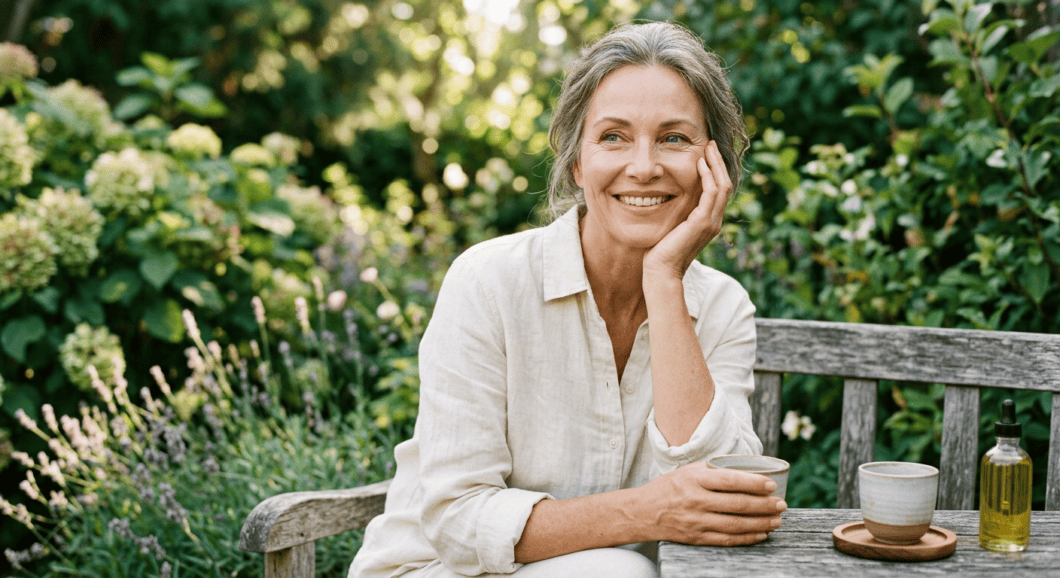
For decades, the beauty industry sold one promise: fight the clock. Creams claimed to erase wrinkles, serums promised to reverse time, and treatments were framed as a war against your own face. That framing is coming apart. In 2026, consumers, dermatologists, and med spas are trading anti-aging for skin longevity — a philosophy built around keeping skin healthy, resilient, and functional for as long as possible.
Skin longevity is one of the fastest-growing movements in skincare and aesthetics, according to Spherical Insights. It sits where biotechnology, regenerative science, and preventive healthcare meet. It also changes the practical stuff: what you buy, which treatments you book, and how you decide whether any of it worked.
What Is Skin Longevity?

Skin longevity means maintaining the skin’s vitality, resilience, and function over time, working at a cellular level. Instead of erasing every visible sign of age, the approach prioritizes prevention, collagen preservation, barrier support, and inflammation reduction. As Let’s Make Beauty frames it, the target is the root causes of skin vitality, not surface wrinkles.
The distinction runs deeper than a rebrand. Anti-aging treats aging as a defect to correct. Skin longevity treats it as a natural process you can support so your skin performs better as it matures.
The timeline changes too. Rather than waiting for lines to appear and then chasing correction, you invest early in the tissues, barriers, and cellular systems that keep skin strong.
Why Anti-Aging Is Falling Out of Favor
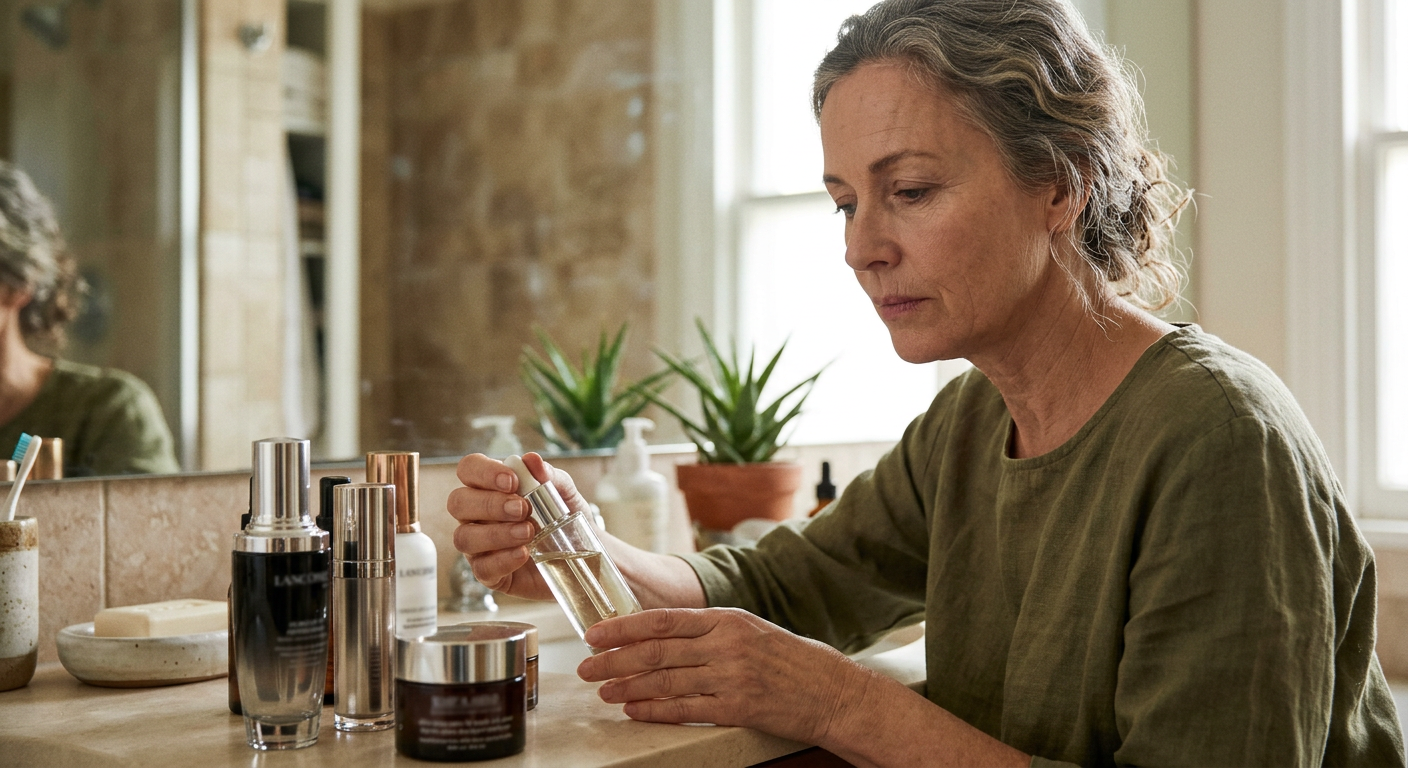
The anti-aging model rewarded aggressive, temporary fixes. Consumers got tired of products that promised to “reverse time” and delivered results that faded in weeks. The language started to feel dated, even hostile toward the ordinary business of getting older.
There’s a data reason for the shift. Dermatologists now stress that roughly 80% of visible skin aging is within your control, driven by sun exposure, lifestyle, and daily habits rather than genetics alone, according to guidance shared by the Miami Herald. That number reframes skincare as a preventive practice rather than a rescue mission.
Younger consumers are pushing the change as well. They want science-backed solutions that support skin function and cellular resilience over decades, not cosmetic patches that need reapplying every quarter.
Anti-Aging vs. Skin Longevity at a Glance
| Factor | Anti-Aging | Skin Longevity |
|---|---|---|
| Goal | Erase visible signs of age | Preserve healthy skin function over time |
| Timeline | Reactive, correction-focused | Proactive, prevention-focused |
| Approach | Aggressive, temporary fixes | Regenerative, cumulative support |
| Key focus | Wrinkles and surface concerns | Collagen, barrier, microbiome, inflammation |
| Mindset | Fighting aging | Optimizing how skin ages |
The Science Behind Skin Longevity
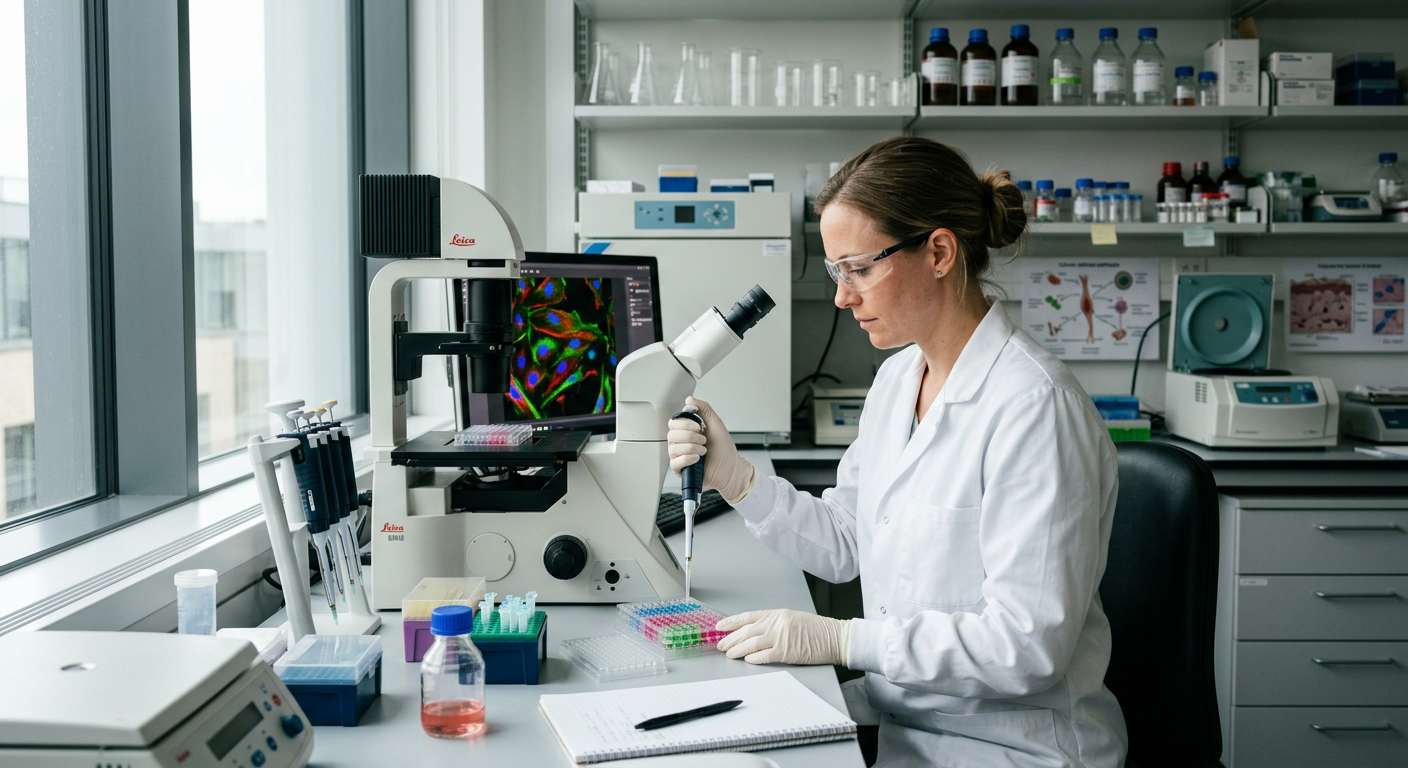
Skin longevity pulls from biological aging research, regenerative medicine, and cellular biology. The strategy targets four systems: cellular repair, barrier strength, microbiome balance, and inflammation control. Support these, and skin holds its structural integrity longer.
Collagen preservation is the center of gravity. Collagen is the scaffolding that keeps skin firm, and its natural decline speeds up without intervention. Longevity-focused formulas try to protect and stimulate collagen rather than mask its loss.
Inflammation is the other core target. Chronic low-grade inflammation, often called “inflammaging,” degrades collagen and weakens the barrier over time. Bring it down, and skin functions closer to the way it did when it was younger.
Ingredients Leading the Movement
A handful of actives now define the longevity category, as outlined by Marianella:
- Peptides — signaling molecules that support collagen production and skin repair, and the ingredient most often called the defining active of 2026.
- Bakuchiol — a gentler retinol alternative that delivers renewal with less irritation.
- Vitamin C — moves past brightening to support collagen synthesis and long-term resilience.
- Barrier lipids and ceramides — reinforce the skin’s protective layer.
- Antioxidants — neutralize the free radicals that speed up cellular aging.
The Shift From Aggressive Treatments to Regenerative Aesthetics
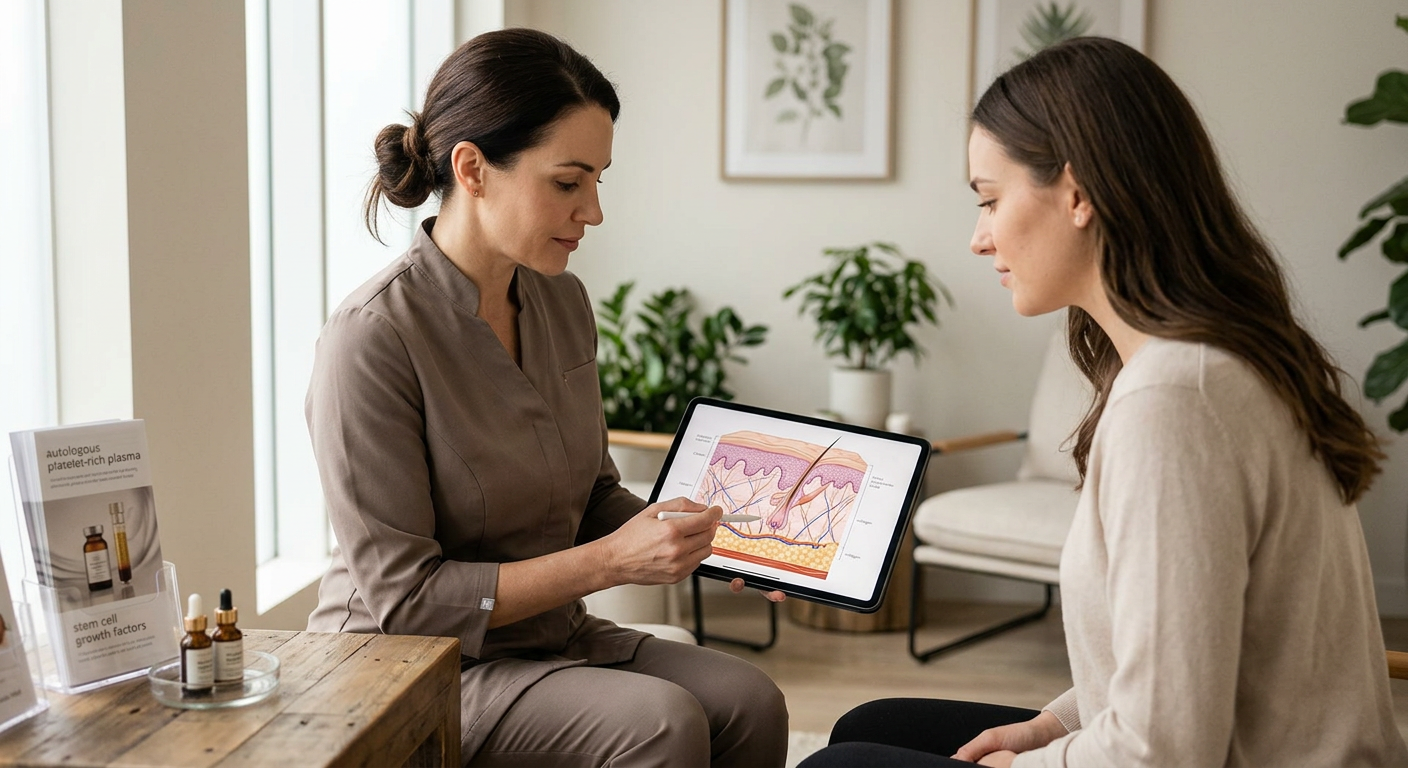
Aesthetic medicine is moving the same direction. Med spas are pivoting from surface-level correction toward regenerative treatments that help skin perform better over time. The aim is to improve how skin behaves as it matures, not to freeze it.
The Parlour in Miami puts it plainly: support skin health now so it keeps looking vibrant and naturally youthful for years, according to The Parlour. Treatments increasingly work by stimulating the skin’s own repair mechanisms instead of forcing dramatic short-term change.
It’s a quieter, more sustainable model. You still see results, but they build cumulatively and keep the skin’s natural character intact.
How Skinification and Supplements Fit In
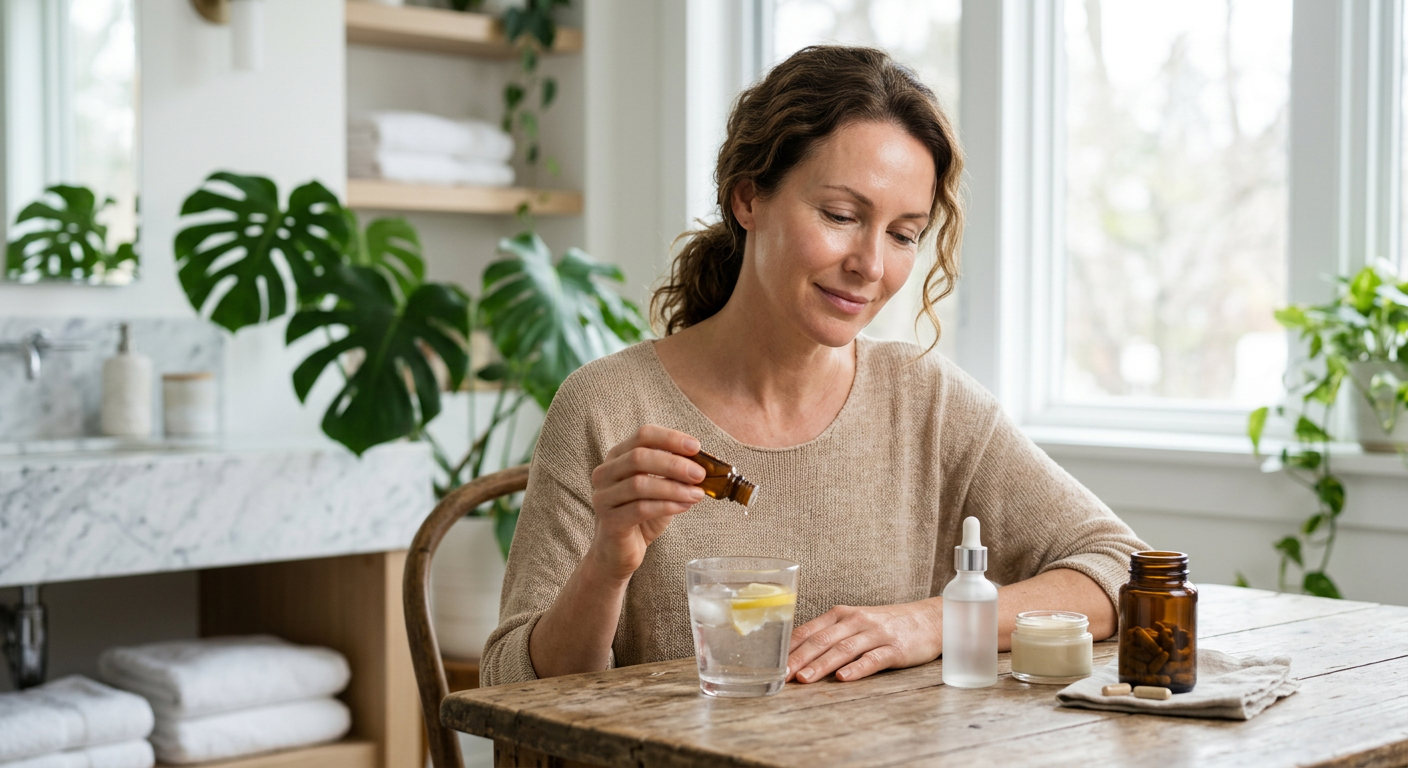
Longevity beauty reaches well past your serum. “Skinification” — the migration of skincare-grade ingredients into makeup, body care, and haircare — means longevity actives now show up across your whole routine. Your foundation, body lotion, and even your hair products can support skin function.
Supplements have become central too. Consumers increasingly link skin health to internal wellness and treat nutrition as part of the equation. Collagen peptides, antioxidants, and targeted micronutrients work on the skin from the inside.
This inside-out, whole-body view is what separates longevity beauty from the isolated product claims of the anti-aging era. Skin health becomes a byproduct of overall wellness.
Building a Skin Longevity Routine
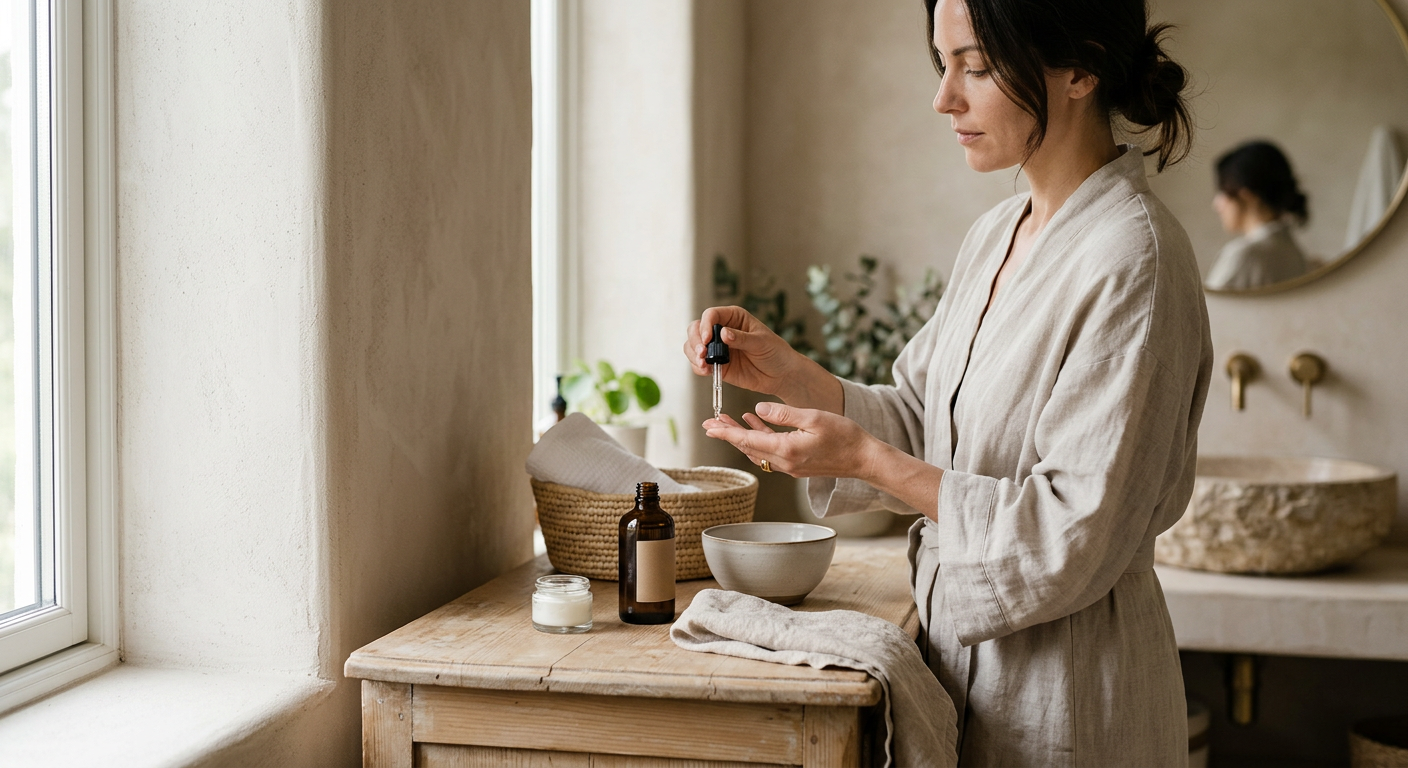
You don’t need a shelf full of products to adopt this philosophy. The whole thing runs on consistency and three systems: protection, prevention, and repair.
Start with the fundamentals:
- Daily broad-spectrum SPF — the single most effective longevity habit, since sun exposure drives most visible aging.
- A barrier-supporting moisturizer — with ceramides or lipids to keep the protective layer intact.
- A collagen-supporting active — peptides, bakuchiol, or vitamin C, used consistently.
- Antioxidant protection — to reduce oxidative stress and inflammation.
- Lifestyle support — sleep, hydration, nutrition, and stress management, which influence the 80% of aging you can control.
The value of this routine is in the compounding. Small, consistent actions add up over years to keep skin resilient. For more on evidence-based actives, see the ingredient research from Let’s Make Beauty.
Conclusion: Age Well, Not Backward
Skin longevity is a real turning point in how we care for skin. It trades the impossible promise of reversing time for the achievable goal of aging well, with healthy, resilient, functional skin that lasts. The pillars are consistent: protect the barrier, preserve collagen, reduce inflammation, and support skin from the inside out.
Anti-aging chases correction; skin longevity builds prevention. Aggressive fixes fade, while regenerative habits compound. And roughly 80% of visible aging responds to the choices you make every day.
Start now. Audit your current routine, add daily SPF if it’s missing, and pick one longevity active to build around. The health of your skin in twenty years is being decided by the habits you set this week.
Frequently Asked Questions
Q: What is the difference between skin longevity and anti-aging?
Anti-aging aims to erase or reverse visible signs of age with aggressive, often temporary fixes. Skin longevity focuses on preserving healthy skin function over time through prevention, collagen support, and barrier care.
Q: Is skin longevity only for older adults?
No. It’s a preventive approach, so starting in your 20s and 30s protects collagen and barrier function before significant decline sets in. Earlier investment produces stronger cumulative results.
Q: Which ingredients matter most for skin longevity?
Peptides, bakuchiol, vitamin C, ceramides, and antioxidants lead the category. Peptides are the most frequently cited longevity ingredient of 2026 for their role in collagen support and repair.
Q: How much of skin aging can I actually control?
Dermatologists estimate roughly 80% of visible skin aging is within your control, driven by sun exposure, lifestyle, and daily habits. That makes consistent SPF use and healthy routines the highest-impact things you can do.
Q: Do beauty supplements really support skin longevity?
Supplements are a growing part of the movement because skin health connects to internal wellness. Collagen peptides, antioxidants, and targeted micronutrients can support the skin from the inside, complementing topical care.
Q: What is the single most important skin longevity habit?
Daily broad-spectrum SPF. Because sun exposure drives most preventable aging, consistent sun protection delivers the greatest long-term return on skin resilience.