

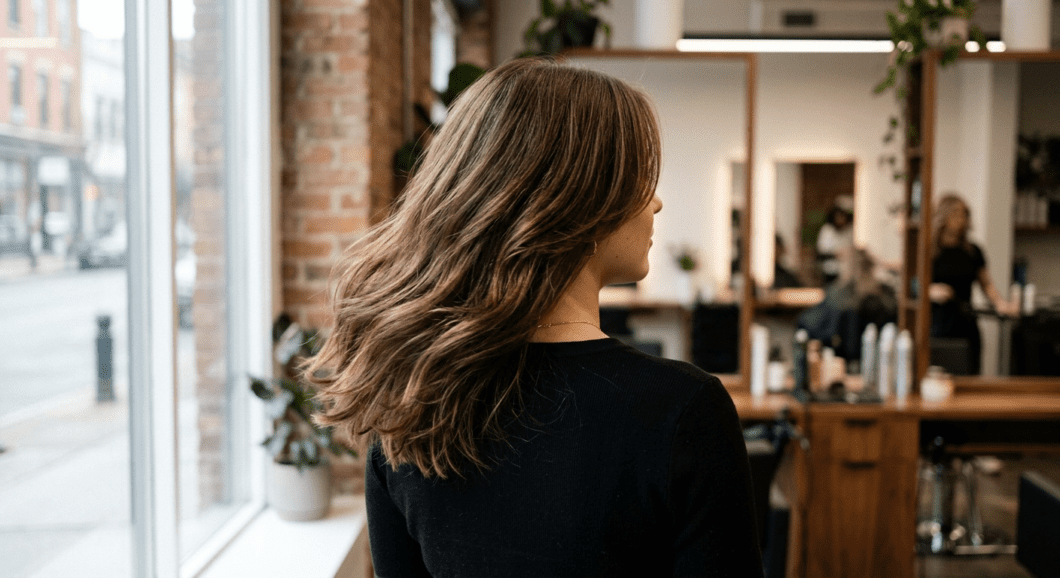
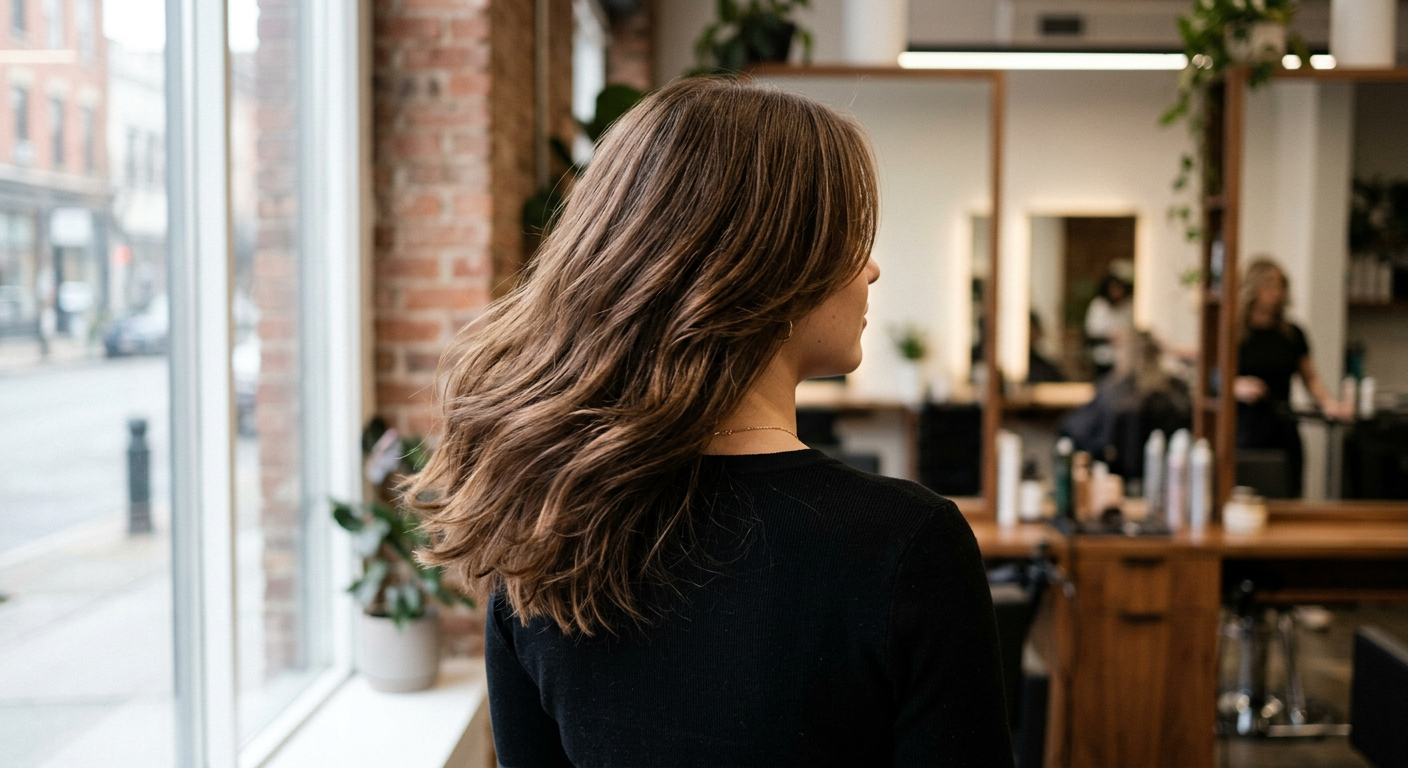
Invisible hair layers add body, bounce, and dimension without leaving a single visible layer line. The cut keeps your length fully intact and builds movement from the inside, so the effect looks like your hair simply behaves better on its own. Stylists nicknamed them “ghost layers,” and over the past few years they’ve become one of the most requested cuts for people who want shape without losing fullness. It’s a clean break from the choppy, obvious layering of decades past.
What Are Invisible Layers?
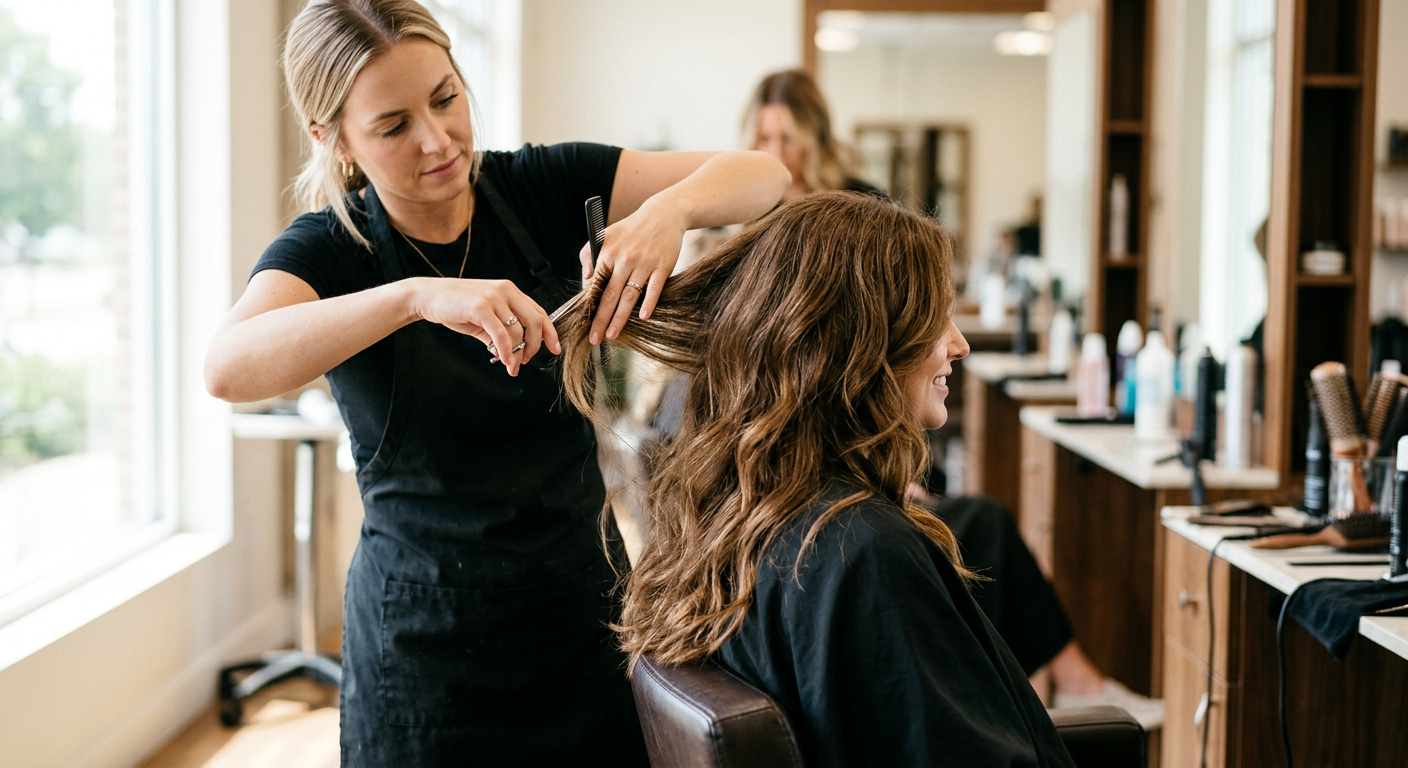
Invisible layers are an internal cutting technique that adds movement and removes weight without creating visible lines or distinct lengths. The layers live inside the hair rather than on the surface, which is why they stay hidden. The result is an airy, bouncy cut that still reads as long, uniform length.
Celebrity hairstylist Sabrina Rowe Holdsworth describes them as “soft and well-blended, with no clear line of ‘layer’ visible,” according to Real Simple. Stylist Lovette Candice puts it plainly: “You’ll get the layered movement without anyone knowing you have layers.”
This is the opposite of the 1990s “Rachel” cut, where the layers were the whole point. With invisible layers, the layering disappears into the hair, and the only thing people notice is the improved movement and volume.
Why Stylists Call Them “Ghost Layers”
The nickname captures what defines the technique: the cut is there, but you can’t see it. Stylists remove weight and build movement deep inside the haircut, so the finished result reads as natural texture rather than deliberate layering. As hairstylist Omar Antonio told PS Beauty, the goal is “removing weight and adding movement into a haircut while creating a finished look with minimal or no layers at all.”
How Invisible Layers Differ From Traditional Layers

Traditional layers create distinct lengths and visible steps in the hair. They’re designed to be seen, and on certain cuts they can read as choppy or, on fine hair, stringy. Invisible layers take the opposite approach, blending everything so the eye registers fullness and flow instead of layering.
The difference matters most for people who love their current length and shape. With traditional layers, changing the volume usually means changing the silhouette. With invisible layers, the outline of your cut stays exactly as it is while you gain lift and movement underneath.
| Feature | Traditional Layers | Invisible Layers |
|---|---|---|
| Visibility | Clearly visible lengths and steps | Blended, no visible layer line |
| Length impact | Often shortens the silhouette | Maintains full length |
| Best result | Bold, defined shape | Natural, effortless movement |
| Risk on fine hair | Can look stringy or thin | Builds volume without thinning ends |
| Grow-out | Visible as it grows | Grows out softly and seamlessly |
The Salon Techniques Behind the Cut
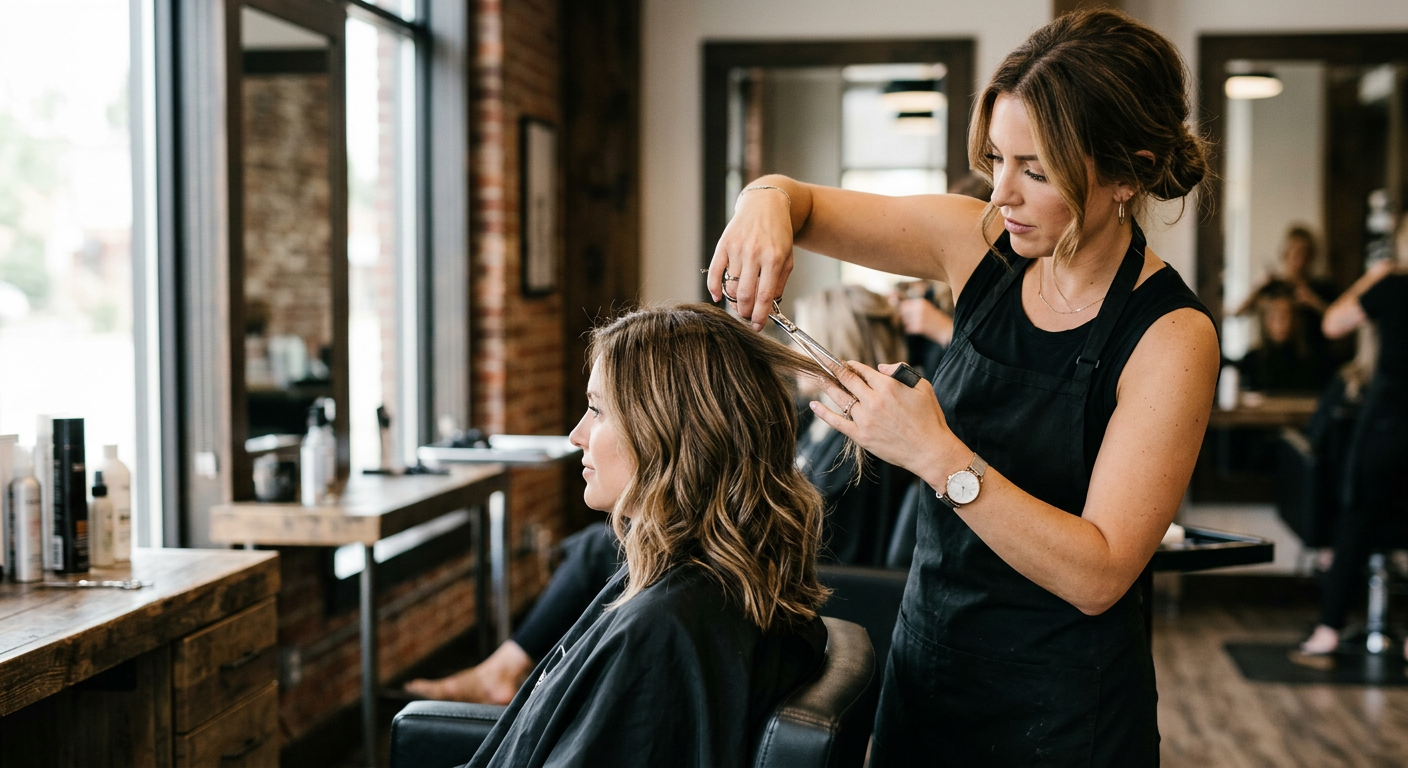
Invisible layers come from a range of precision techniques, and most stylists work on dry hair so they can see exactly how each section falls. The goal across every method is the same: build internal movement without disturbing the visible shape.
Pen Cutting
Pen cutting uses a feather razor held like a pen to add fine detail and texture within the layers. Omar Antonio calls it his favorite method for ghost layering, since it can deconstruct a blunt cut or add subtle shape. “Pen cutting puts your autograph on the hair,” he told PS Beauty.
Back Cutting
Back cutting, usually done with longer shears, is nearly invisible to the eye but adds significant movement. The stylist divides the hair into top and bottom sections, then cuts the bottom section from the root downward toward the tips rather than trimming the ends. This removes bulk that weighs hair down while leaving the surface length untouched. It works especially well on long hair with medium density.
The Hidden Layer (Vertical and Horizontal)
Sam Villa ArTeam member Jesse Linares demonstrates a “hidden layer” approach for clients who want crown volume without altering their silhouette, as shown by American Salon. In the vertical technique, the stylist elevates a section with vertical finger positioning so the curve of the head creates longer lengths toward the exterior. The horizontal technique uses horizontal finger positioning with firm tension across the top of the head, so each strand follows the head’s curve and length increases uniformly with no short interior section appearing.
Who Should Get Invisible Layers?

Invisible layers work across hair types and textures, but they pay off most for specific clients. Clients who say they want shape but not bulk, or want their hair to lay better without looking layered, are exactly who the technique was built for, as Summit, New Jersey’s Lumie Salon notes.
Fine to Medium Hair
Fine and medium hair benefits most, because invisible layers build volume and movement without removing fullness from the ends. Plenty of people with fine hair avoid layers entirely, worried about stringy, choppy results. Hairstylist Candace explains in Real Simple that these clients “just need internal layers to give them an undone bounce with fullness.”
Thick Hair Seeking Less Weight
Thick hair gains a different advantage. Invisible layers lighten the load by removing internal bulk and adding texture, so the hair moves more freely and feels less heavy without the visible chop lines that traditional thinning can leave behind.
Invisible layers are ideal if you:
- Love your current length and want to keep it
- Have fine hair and want volume without thinning your ends
- Have thick hair that feels heavy or hard to style
- Want movement that grows out softly and naturally
- Dislike the choppy look of obvious layered cuts
How to Ask Your Stylist for Invisible Layers

The technique has been around for years, so most experienced stylists will understand the request right away. You can ask for “invisible layers” or “soft layers,” according to Holdsworth in Real Simple. “Ghost layers” works just as well.
Placement is the detail that makes or breaks the result. If you have long hair, ask for light layers starting a few inches above where your hair lands so you keep your length and ends intact. As Lovette Candice notes, “knowing how high or how low you should be placing these layers really gives the best outcome.”
Bring reference photos and be specific about your goal. Tell your stylist whether you want crown volume, reduced bulk, or general movement, since each goal points to a different technique. A short consultation before the cut helps your stylist tailor the approach to how your hair naturally grows and falls.
Conclusion: Movement Without Compromise
Invisible layers solve a problem that has frustrated clients for decades: how to add movement and volume without sacrificing length or living with obvious, choppy layers. By cutting within the hair using pen cutting, back cutting, and hidden layering, stylists create lift and bounce that reads as natural rather than designed. The cut suits fine hair seeking fullness and thick hair seeking lightness, and it grows out softly instead of awkwardly.
If you’ve hesitated to layer your hair because you feared losing length or fullness, this is the technique worth requesting. Book a consultation with a stylist experienced in invisible or ghost layering, bring a reference photo, and describe the movement you want. A good cut doesn’t announce itself.
Frequently Asked Questions
Q: Do invisible layers make your hair shorter?
No. Invisible layers are cut internally to add movement while keeping your visible length intact. The layering blends into the hair, so your silhouette and overall length stay the same.
Q: Are invisible layers good for fine hair?
Yes. Fine and medium hair benefits the most, because the technique builds volume and bounce without thinning your ends. Stylists place the layers internally so the hair gains fullness rather than looking stringy.
Q: What is the difference between invisible layers and ghost layers?
They’re the same technique under two names. Both refer to layers cut within the hair that add movement and remove weight without creating any visible layer line.
Q: How do I ask my stylist for invisible layers?
Ask for “invisible layers” or “soft layers,” and mention whether you want crown volume, less bulk, or general movement. Bring a reference photo and discuss placement, especially how high the layers should start on longer hair.
Q: Can thick hair get invisible layers?
Yes. For thick hair, invisible layers remove internal bulk and add texture so the hair feels lighter and moves more freely, without the visible lines that traditional thinning often leaves.
Q: How long do invisible layers last?
Because they grow out softly and seamlessly, invisible layers usually look good for several months without an obvious “grown-out” stage. Most clients refresh them at their regular trim intervals, roughly every 8 to 12 weeks.