


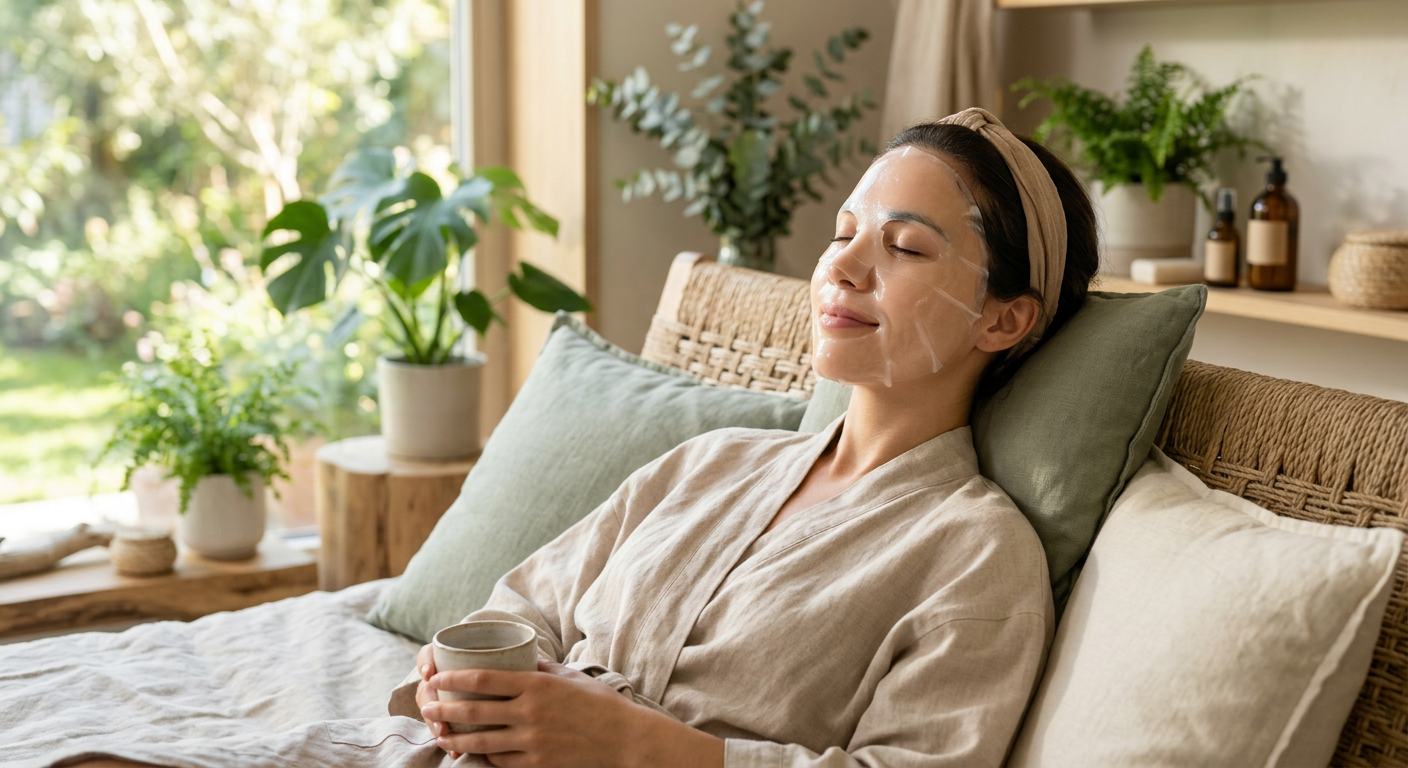
Scroll through Instagram or TikTok right now and you will spot them everywhere — those translucent, gel-like face masks draped across celebrity selfies, backstage at fashion week, and in the flat-lays of every beauty editor worth following. Hydrogel masks never truly disappeared, but something has shifted. The global hydrogel face mask market is projected to grow at a 10.1% CAGR through 2034, and market data puts the category at $4.8 billion in 2026, up from $3.8 billion in 2024. This is not a passing trend — it is a full-scale comeback with serious momentum behind it.
What Makes Hydrogel Masks Different From Regular Sheet Masks
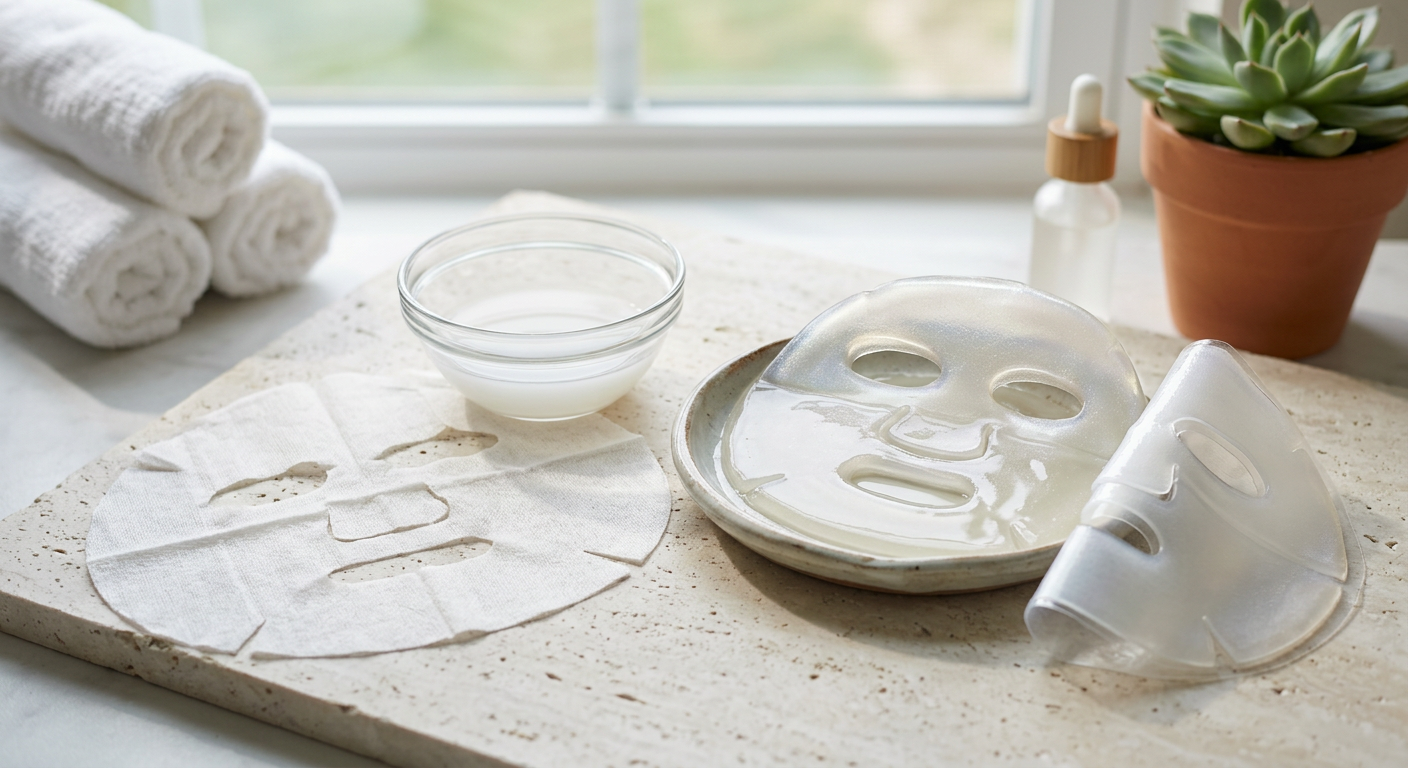
Not all sheet masks are created equal. Standard cotton or fiber masks sit on the skin and deliver ingredients passively. Hydrogel masks work differently at a structural level.
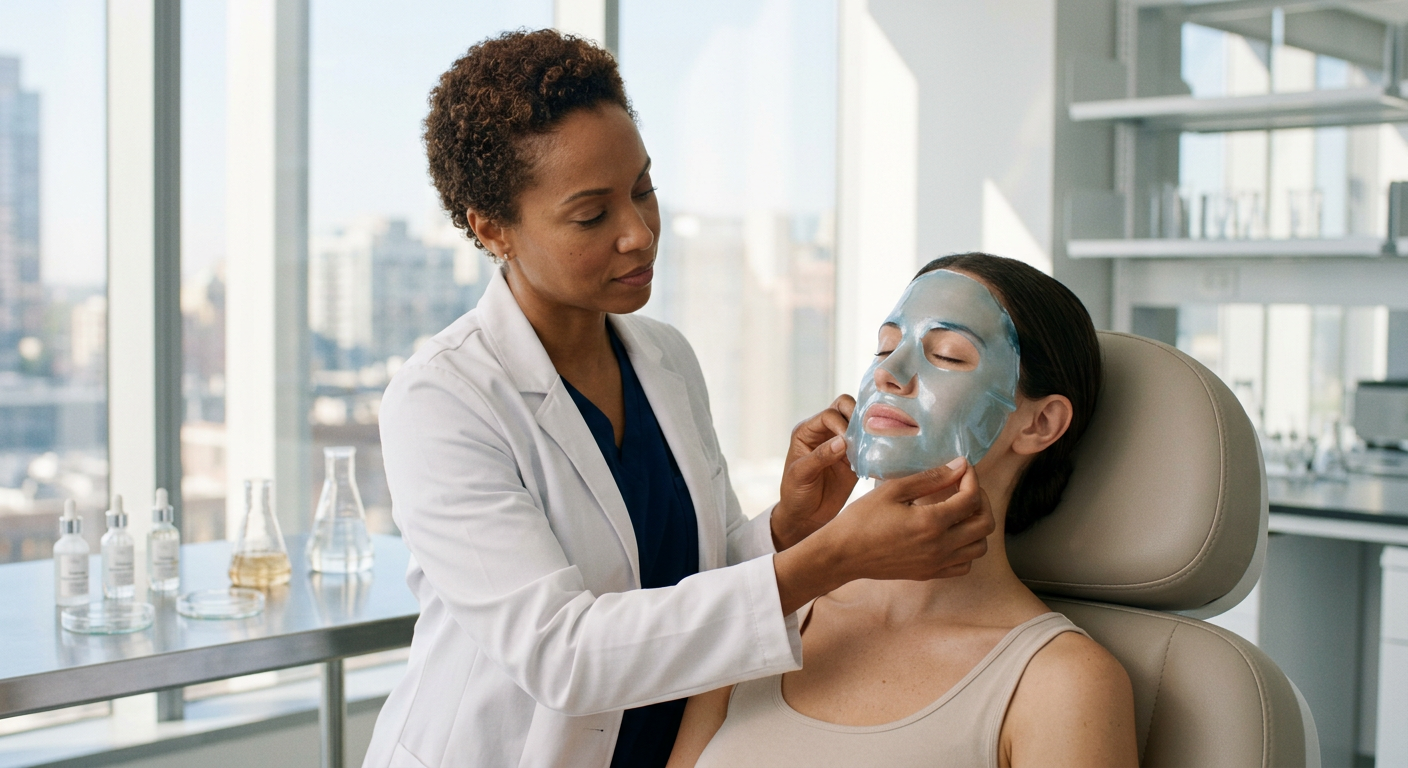
Hydrogel masks are built from a cross-linked polymer network — typically bio-cellulose fibers or synthetic polymers — that can hold many times their weight in water. That structure creates a tight, skin-conforming seal that cotton masks cannot replicate, which means better ingredient delivery and more consistent contact with the skin’s surface.
Yahoo Shopping’s skincare analysis notes that hydrogel masks are inherently cooling, which helps calm inflamed skin, while cotton masks can feel rough and may pull moisture away from the skin rather than depositing it. That distinction matters if you are dealing with sensitivity, redness, or dehydration.
Bio-Cellulose vs. Synthetic Polymer Hydrogels
According to Future Market Insights, bio-cellulose-based products are expected to account for 58.3% of the market in 2026, reflecting consumer preference for natural-origin materials.
The Science Behind Why Hydrogel Masks Actually Work
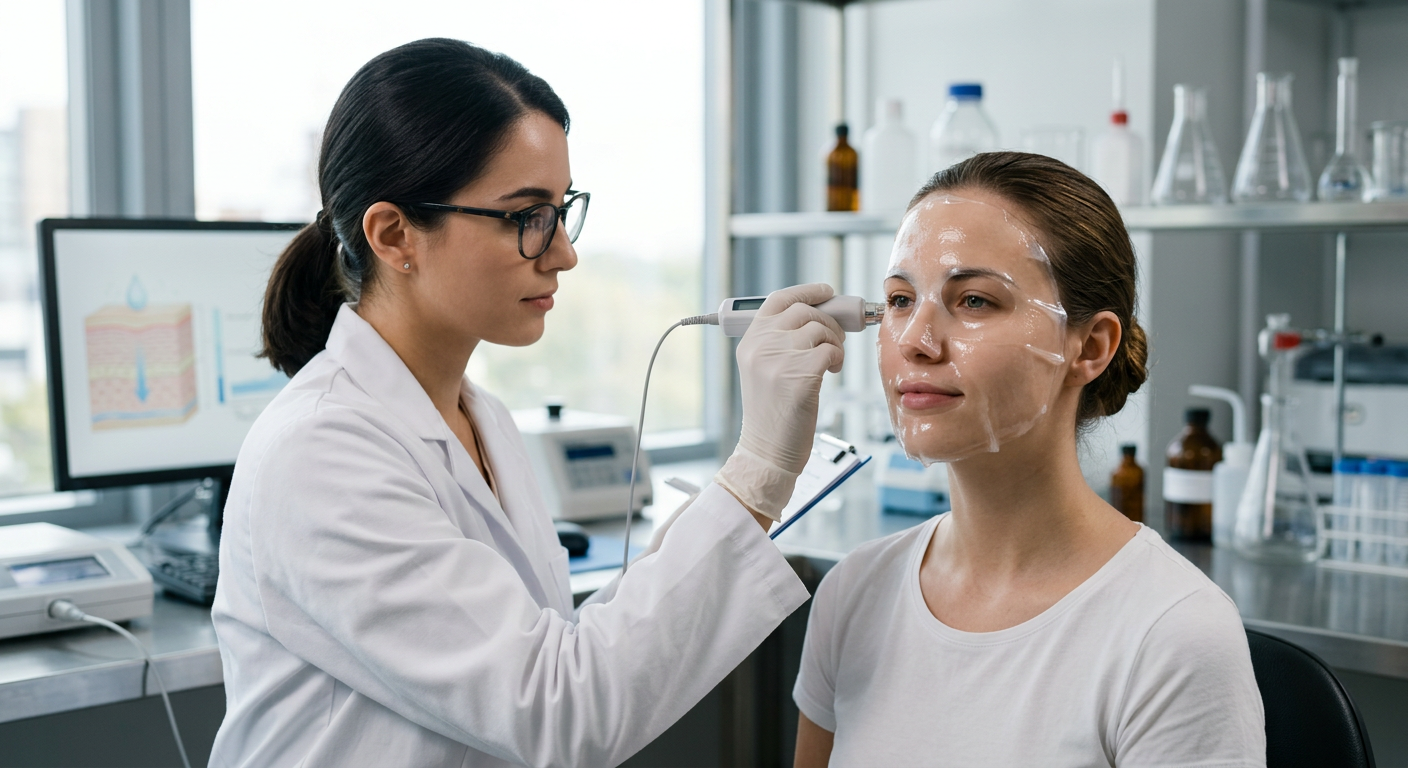
The effectiveness of a hydrogel mask comes down to occlusion. The mask physically prevents water from evaporating off the skin’s surface, creating a temporary humid microenvironment that allows active ingredients to penetrate more deeply than they would through standard topical application.
Celebrity facialist Nichola Joss, who uses 111SKIN Hydrogel Face Masks backstage at Roland Mouret and Christopher Kane shows, explains the mechanism directly: “You can massage on top of the mask to really push the ingredients deeper into the skin,” she told Grazia Daily. Occlusion plus manual stimulation accelerates absorption in a way no serum alone can match.
Key Active Ingredients to Look For
The mask is a delivery vehicle. What it carries matters as much as the format. The most effective hydrogel masks currently on the market feature:
- Hyaluronic acid — draws moisture into the skin and holds it there; L’Oréal Paris’s Glass Skin Hydrogel Glow Mask uses this as a core active
- Niacinamide — reduces pore appearance and supports the skin barrier
- Peptides — signal the skin to produce collagen; common in premium anti-aging formulations
- Centella asiatica (Cica) — calms inflammation and accelerates skin repair
- Vitamin C derivatives — brightening agents that work well under occlusion
Why Hydrogel Masks Are Trending Again Right Now
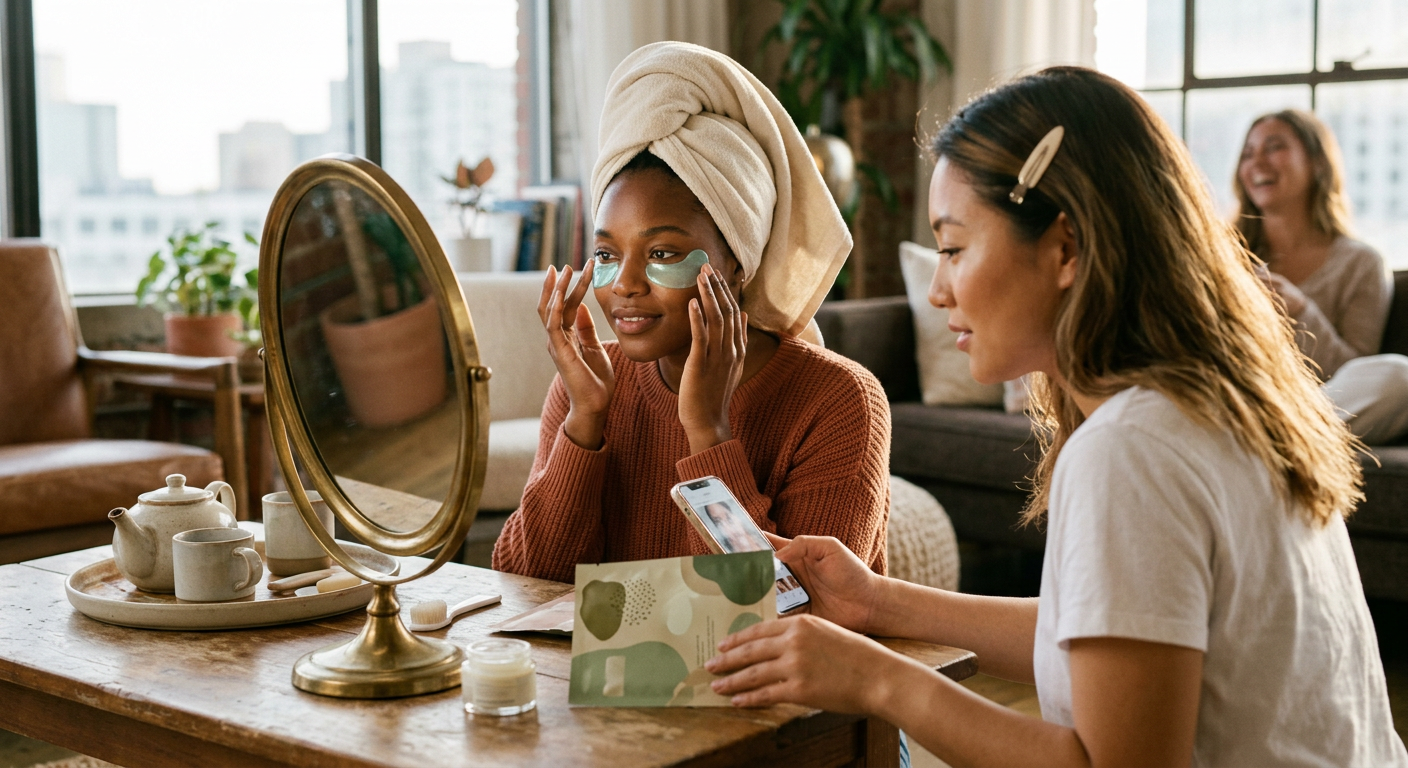
Three forces are converging to push hydrogel masks back into the spotlight: K-beauty’s continued global influence, the premiumization of everyday skincare routines, and a broader cultural shift toward visible, shareable self-care rituals.
K-beauty introduced the concept of layering hydration and treating the skin barrier as a priority rather than an afterthought. Hydrogel masks fit that philosophy precisely. As Nutriadvisor’s 2026 market report notes, K-beauty influence is one of the primary drivers behind the category’s growth, alongside rising skincare awareness in Southeast Asia, the Middle East, and Latin America.
Social media is the second driver. Hydrogel masks are visually distinctive — they look different, they photograph well, and they signal a certain level of skincare seriousness. Sofia Richie, Emma Roberts, Vanessa Hudgens, and Gabrielle Union have all posted hydrogel mask selfies, and that kind of organic celebrity visibility drives purchase intent in ways that paid advertising rarely does.
Premiumization is the third. Consumers who spent the last few years investing in serums and actives are now looking for delivery systems that maximize those investments. A hydrogel mask applied over a vitamin C serum or a peptide treatment is a functional upgrade to a routine they are already committed to, not an indulgence.
How the Market Has Grown — and Where It Is Heading
The numbers tell a clear story. Hydrogel face masks now account for 31% of the total global facial mask market, up from 22% in 2022. Premium hydrogel masks priced above $8 per unit represent the majority of market revenue, indicating that consumers are willing to pay for quality in this category.
Custom Market Insights projects the market will reach $560.2 million by 2034 at a 10.1% CAGR. Future Market Insights puts the 2025 valuation at $142.07 million with a projected 10.3% CAGR through 2036, creating an incremental opportunity of over $260 million in the next decade.
Regional growth is particularly strong in Asia-Pacific, which remains both the largest producer and consumer of hydrogel masks. North America and Europe are closing the gap as consumers in those markets become more sophisticated about skincare formats and ingredient delivery.
How to Choose the Right Hydrogel Mask for Your Skin

With hundreds of options now available, the most useful framework is to match the mask’s primary active ingredient to your skin’s most pressing concern.
For dehydration and dullness: Look for hyaluronic acid plus vitamin C derivatives. The L’Oréal Paris Glass Skin Hydrogel Glow Mask is a widely available option in this category, formulated specifically for a luminous, glass-skin finish.
For anti-aging: Peptide-rich formulations combined with bio-cellulose material give the best results. The 111SKIN Hydrogel Face Mask is a benchmark product in this segment, used by professional facialists for a reason.
For sensitivity and redness: Cica or centella asiatica-based masks with a cooling gel formulation calm the skin barrier without triggering irritation. Avoid masks with fragrance or alcohol in the ingredient list.
For oily or acne-prone skin: Niacinamide-forward formulas help regulate sebum without stripping the skin. Hydrogel masks are well-suited for oily skin types because they hydrate without adding oil — a misconception that keeps many oily-skin consumers away from this category.
How Often Should You Use a Hydrogel Mask
- Dry or dehydrated skin: 2–3 times per week
- Normal to combination skin: 1–2 times per week
- Sensitive or reactive skin: Once per week, or after skin-stressing treatments like chemical exfoliation
- Pre-event skin prep: The night before or the morning of, for an immediate radiance boost
Getting the Most Out of Your Hydrogel Mask Routine
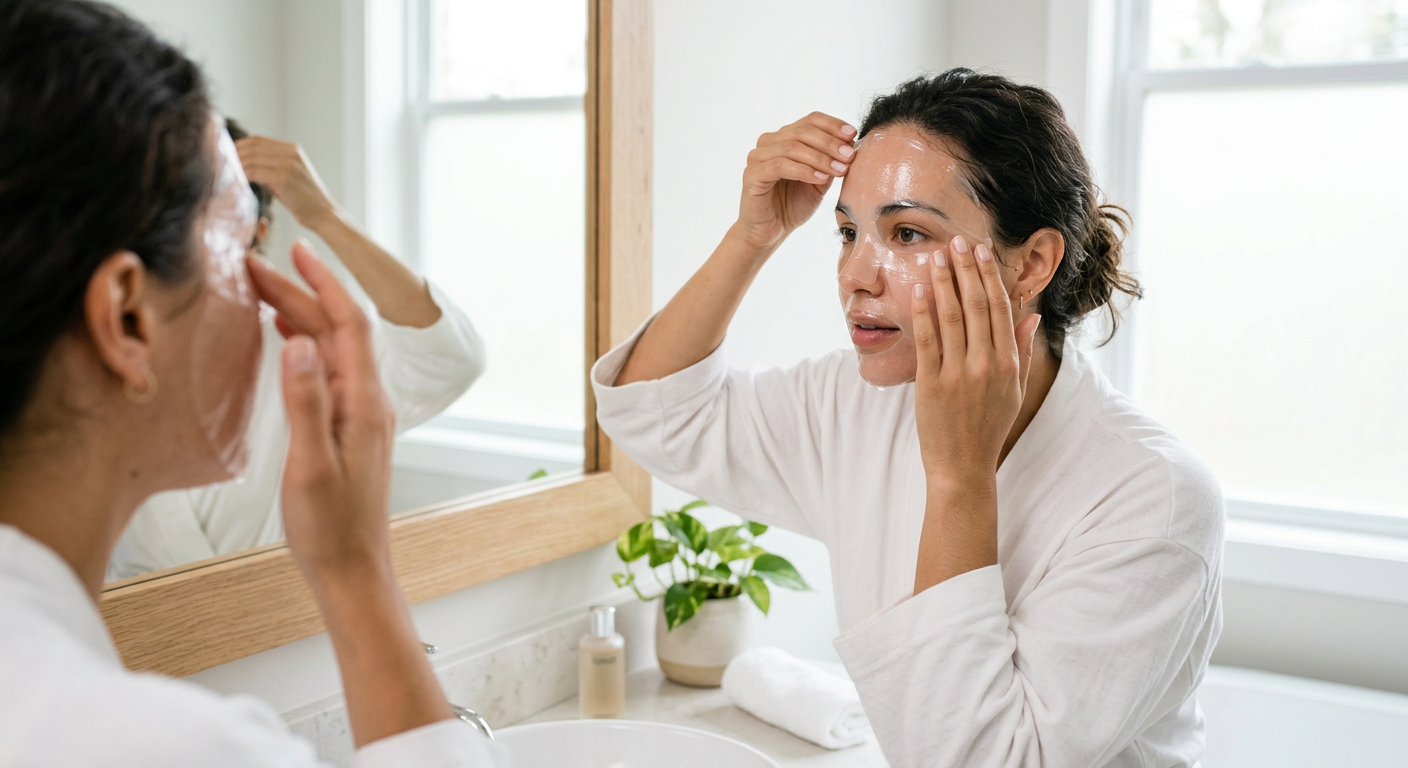
Application technique affects results more than most people realize. Start with clean, slightly damp skin — the residual moisture helps the mask adhere and creates a better seal. Apply any water-based serums before the mask, not after, so the occlusive layer drives those actives deeper.
Leave the mask on for the time specified on the packaging, typically 15–30 minutes. Do not exceed the recommended time; a mask that has dried out can begin pulling moisture back from the skin. When you remove it, massage the remaining essence in rather than rinsing it off.
Follow with a moisturizer to lock in what the mask delivered. Without a sealant layer, much of that hydration will evaporate within an hour.
Conclusion
Hydrogel masks are trending again because they deliver real, visible results that align with where skincare is heading: high-performance ingredients, efficient delivery systems, and formats that fit into a modern, experience-driven routine. The market data supports this — 10%+ annual growth, rising premiumization, and a 31% share of the global facial mask category are not the hallmarks of a fad.
The category has evolved significantly. Formulations are more targeted, materials are more sophisticated, and the price range now spans from accessible to clinical-grade. Start with a formula matched to your primary skin concern, apply it consistently, and treat it as a functional part of your routine rather than an occasional treat.
The difference shows up within a few uses — and the science explains exactly why.
Frequently Asked Questions
Q: Are hydrogel masks better than regular sheet masks?
Hydrogel masks generally outperform standard cotton sheet masks in terms of ingredient delivery and skin contact. Their polymer structure creates a tighter seal, prevents evaporation, and allows actives to penetrate more effectively than a loose-fitting fiber mask.
Q: Can you reuse a hydrogel mask?
No. Hydrogel masks are single-use products. Once removed, the mask has released its active ingredients and the material can harbor bacteria. Reusing it increases the risk of irritation or breakouts.
Q: How long should you leave a hydrogel mask on?
Most hydrogel masks are designed for 15–30 minutes of wear. Check the specific product instructions, and remove the mask before it begins to dry out — a dried mask can draw moisture back from the skin.
Q: Are hydrogel masks safe for sensitive skin?
Hydrogel masks are generally well-tolerated by sensitive skin types. Their cooling, gel-based format is less irritating than some fiber masks. Always check the ingredient list for common irritants like fragrance, alcohol, or essential oils before use.
Q: What is the difference between a hydrogel mask and a sleeping mask?
A hydrogel mask is a sheet-format treatment worn for 15–30 minutes and then removed. A sleeping mask is a cream or gel applied as the final step of an evening routine and left on overnight. Both hydrate, but they serve different purposes and use different formats.
Q: Why do celebrities use hydrogel masks before events?
Hydrogel masks deliver an immediate boost of hydration and radiance that shows up clearly on camera. Applied the morning of an event or the night before, they temporarily plump fine lines, even skin tone, and create a smooth base for makeup — which is why makeup artists rely on them backstage at fashion shows.