

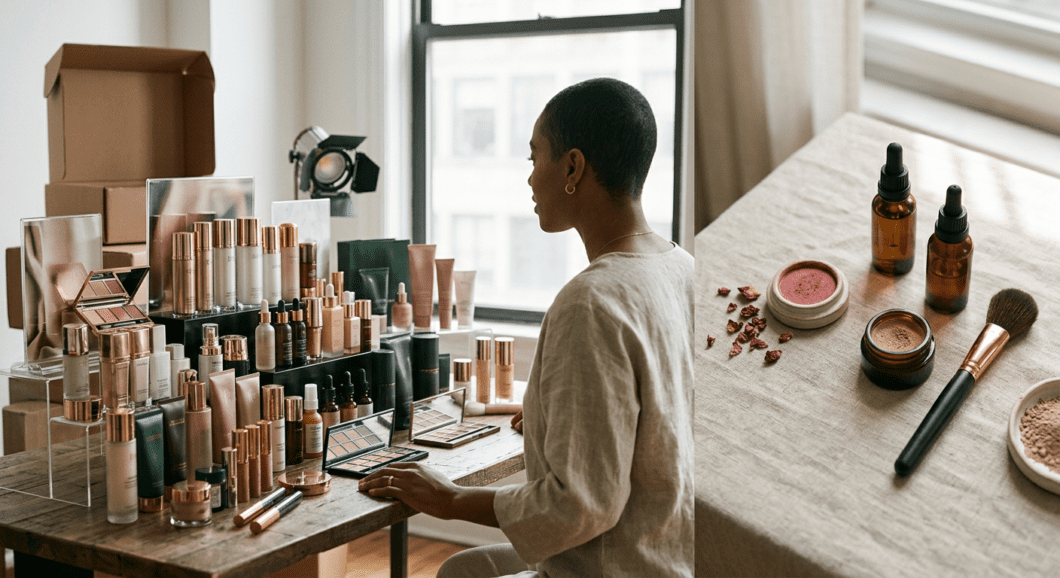
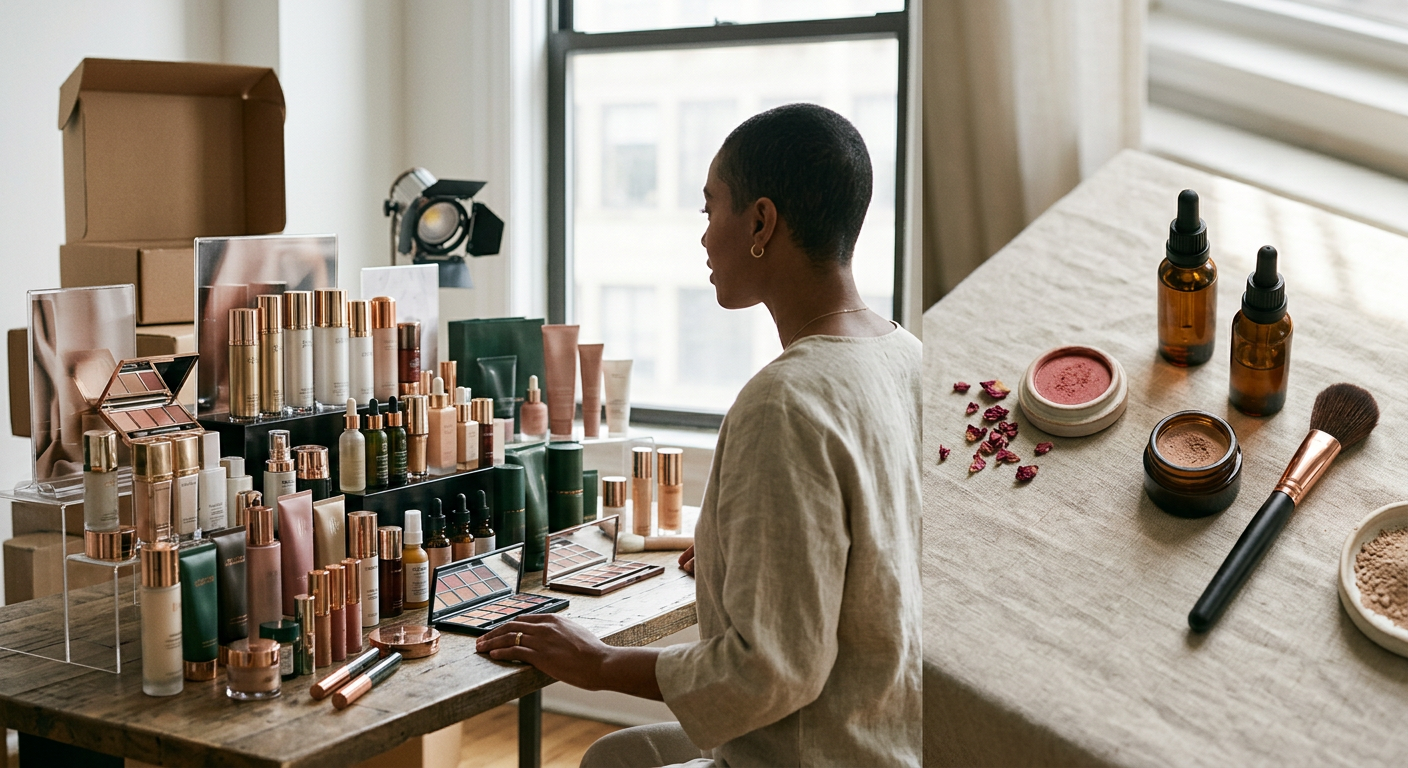
The grand beauty launch — the splashy campaign, the 40-SKU collection, the year-long runway to retail — is quietly dying. Brands that once measured success by the scale of their debut are finding that smaller, more frequent product drops outperform blockbuster launches on nearly every metric that matters. According to Euromonitor International, over 25% of all new brand launches globally now come from the beauty and personal care industry — a sector moving faster, leaner, and smarter than it ever has.
The Problem With Traditional Big Launches
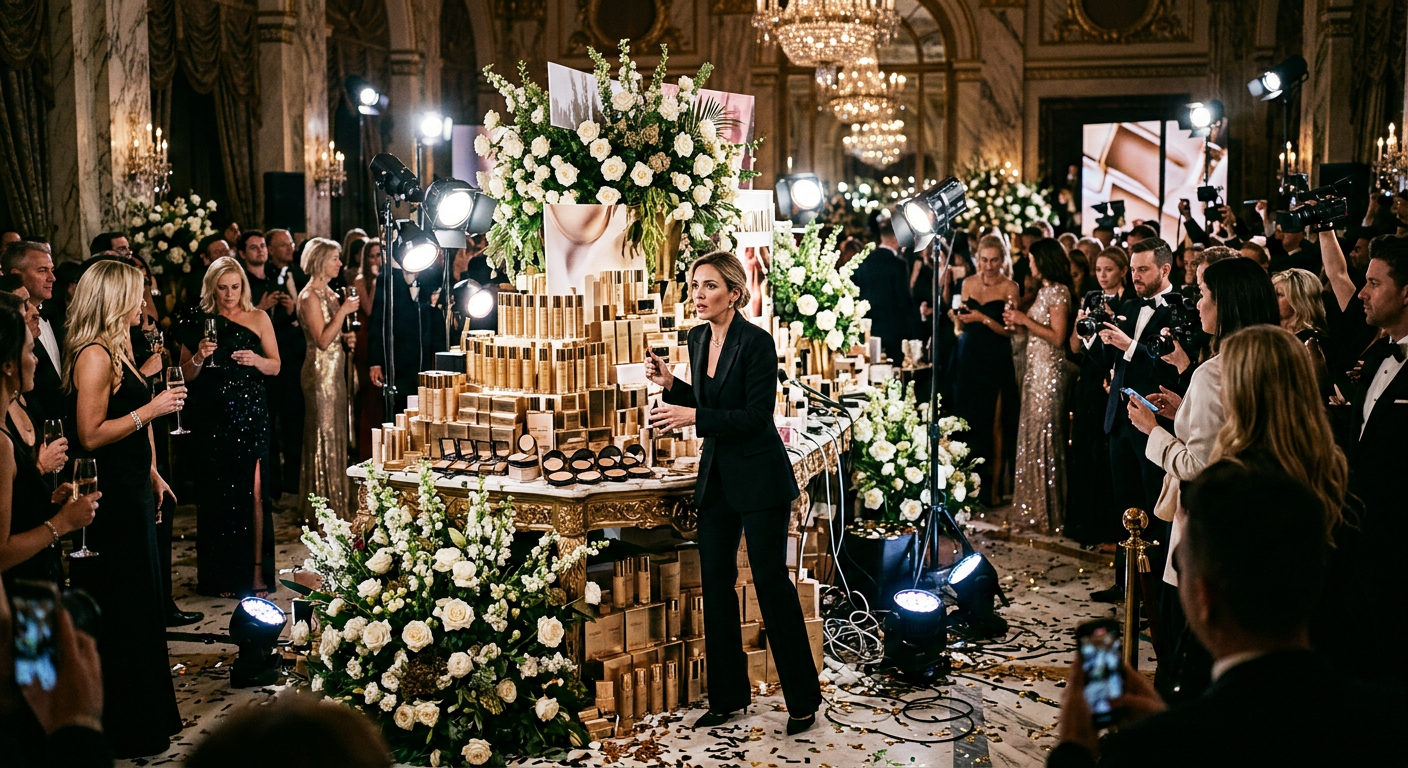
Legacy beauty launches were built around a simple premise: go big or go home. Brands would invest months — sometimes years — into a single product line, betting enormous budgets on one coordinated moment.
Consumer attention doesn’t work that way anymore. By the time a traditionally developed product reaches shelves, the trend it was designed to capture has already peaked, mutated, or been replaced entirely. Spate’s 2026 Beauty Industry Trends report puts it plainly: “Consumer behavior has moved, while a lot of product strategies haven’t.”
Big launches also carry enormous financial risk. A single misjudged product can tie up capital, warehouse space, and marketing spend — leaving brands unable to respond to what consumers actually want right now.
How Smaller Drops Align With Modern Consumer Behavior
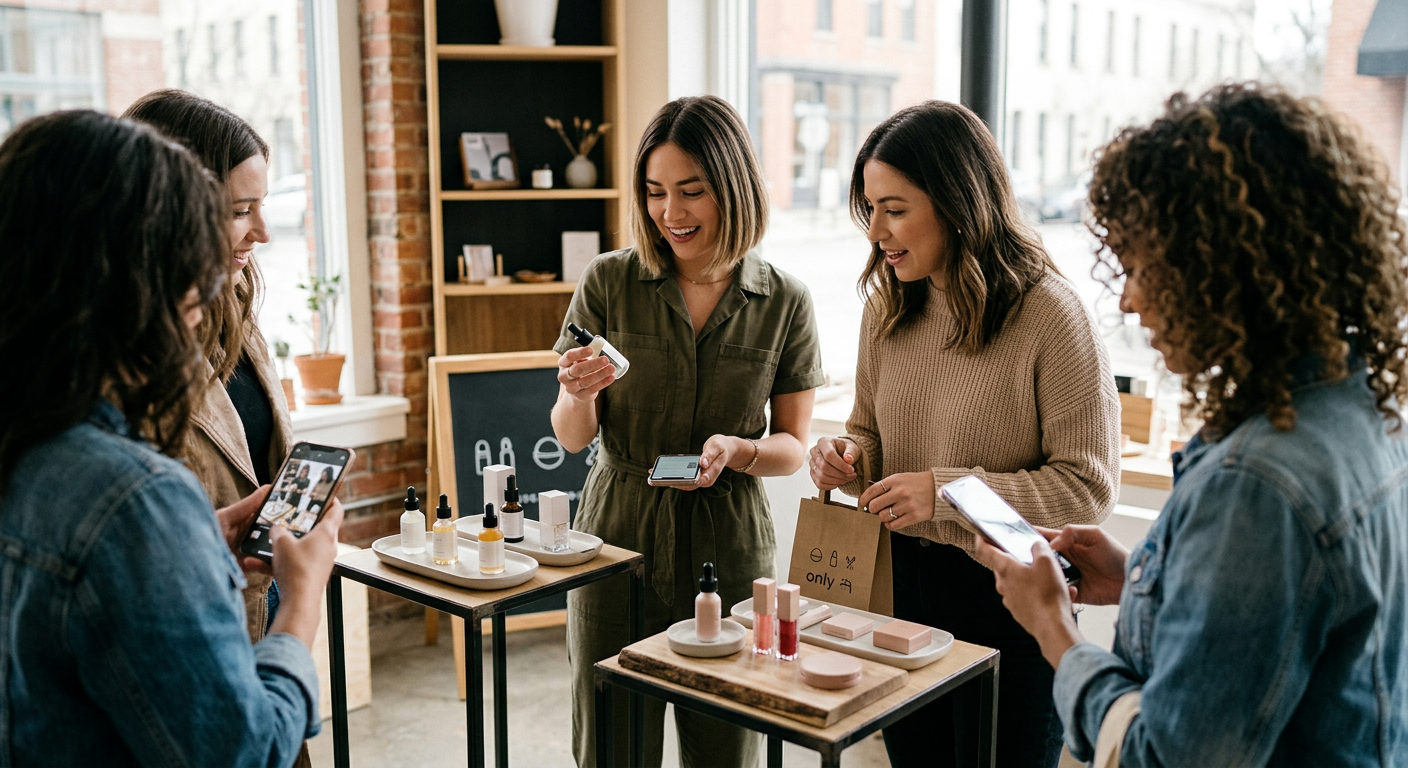
Smaller beauty drops — limited, focused product releases launched at higher frequency — work because they match how consumers discover and buy products today.
TikTok has fundamentally rewired the purchase funnel. As Spate notes, consumers are building wishlists on TikTok and buying there directly, with certain categories now treating TikTok Shop as a primary retail channel alongside Sephora and Ulta. A brand no longer needs to convince a retail buyer that demand exists — the viral video already proved it.
The advantage goes to brands that can move quickly from social signal to shelf. Fashion Week Online’s analysis of modern beauty launches confirms the shift: “Slow, rigid product cycles are disappearing. Beauty brands now work in shorter, more flexible sprints. They test, adjust, and launch.”
What Drives the Urgency
- Trend cycles are compressing. A skincare ingredient can go from niche to mainstream to oversaturated in under six months.
- Social proof is immediate. Reviews, reactions, and repurchase signals surface within days of a drop, not quarters.
- Consumer loyalty is conditional. Shoppers follow the product that solves their problem now — not the brand that promises something next season.
Smaller Brands Are Winning the Speed Game

Independent and emerging beauty brands have a structural advantage in this environment. Without the bureaucratic layers of a multinational, they can compress the gap between product concept and consumer hands.
eMarketer reports that smaller beauty brands are achieving faster-growing sales than their big-name competitors, both in-store and online. The agility that once looked like a liability — no massive distribution network, no legacy retail relationships — has become an asset.
K-beauty brands offer the clearest case study. According to NielsenIQ data cited by Beauty Independent, K-beauty sales in the U.S. jumped 37.2% to reach $2 billion in the 52 weeks ended August 2024, driven by brands like Anua and Medicube. Their approach: targeted drops amplified by TikTok Shop, followed by retail placement on Amazon, Sephora, and Ulta — not the other way around.
Big vs. Small Launch Strategy: A Direct Comparison

Understanding the trade-offs helps clarify why the industry is shifting. Here’s how the two approaches stack up:
Big launches optimize for spectacle. Smaller drops optimize for relevance.
The Role of Social Commerce in Accelerating the Shift
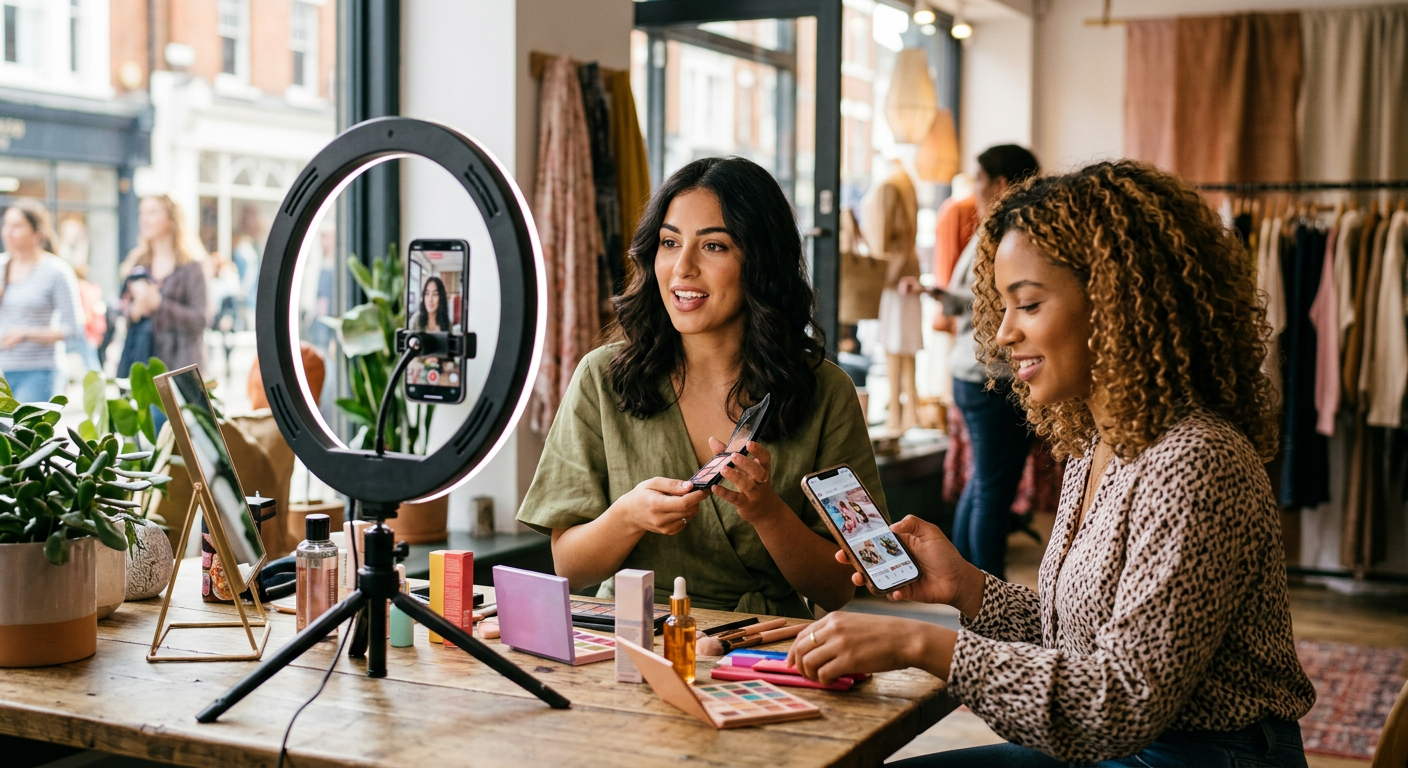
Social commerce hasn’t just changed where people buy beauty — it has changed what they expect from a launch. Consumers now anticipate exclusivity, urgency, and authenticity from product releases, not polished corporate campaigns.
Shared and earned content has become the primary discovery engine. As Adweek’s guide to modern product launches notes, “Instagram launches, splashy TikToks and virtual ecommerce displays have taken the place of in-store sampling and end caps.” The brands adapting fastest are treating every drop as a content event, not a retail transaction.
This also changes the economics of launch marketing. A smaller drop with a focused creator campaign can generate outsized awareness at a fraction of what a traditional launch would cost in paid media. The investment shifts from production to community — and community scales.
Building Anticipation Without the Bloat
Effective small drops use scarcity strategically. Limited quantities, waitlists, and early-access programs create genuine demand signals that help brands forecast before they over-produce. This is an operational improvement with real downstream effects, not just a marketing tactic.
What This Means for Product Quality and Consumer Trust

A reasonable concern with faster, smaller launches is whether quality suffers. The data suggests the opposite — when done well.
Frequent drops force brands to stay closer to their customers. PowerReviews research found that 80% of consumers are less likely to purchase a product without reviews. Smaller launches make it easier to seed reviews, gather real feedback, and iterate before scaling. The result is a tighter feedback loop that improves formulation decisions over time.
Consumer expectations are also rising in sophistication. Beauty Independent’s 2026 skincare trends analysis highlights a clear shift: “Consumer demand is moving from fixing and symptom-focused, fragmented products toward integrative, mechanism-driven formulations that optimize how skin functions.” Brands launching smaller, more intentional drops are better positioned to meet this demand with precision rather than volume.
How Established Brands Are Adapting

Legacy beauty conglomerates are not ignoring this trend. Many are restructuring their launch calendars around the drop model — creating sub-brands, limited editions, and capsule collections that operate on shorter cycles while the parent brand maintains its broader distribution infrastructure.
The challenge for large brands is cultural, not just operational. Speed requires decision-making authority at lower levels of the organization, rapid creative iteration, and a tolerance for imperfect launches that improve in public. Smaller brands build these habits by necessity. Established players have to build them deliberately.
Productboard’s framework for product launches emphasizes that seamless collaboration between product development, marketing, sales, and customer support is non-negotiable for launch success — and that the brands winning are those treating launch strategy as a continuous process, not a one-time event.
Conclusion: The Drop Model Is the New Default
The shift from big launches to smaller beauty drops is not a passing trend — it reflects a structural realignment of how the industry creates, tests, and sells products. Faster development cycles, social commerce, and more demanding consumers have collectively made the traditional launch model too slow, too expensive, and too risky to rely on.
The brands gaining ground are those that treat every drop as both a product release and a learning opportunity. They launch smaller, listen faster, and iterate continuously. The result is a tighter connection between brand and consumer — and a more resilient business.
Key takeaways: – Smaller drops reduce financial risk by distributing it across multiple launches – TikTok and social commerce reward speed and authenticity over scale – K-beauty brands demonstrate what’s possible when agility meets quality – Consumer trust builds through iteration and reviews, not launch spectacle – Large brands can adapt, but it requires structural and cultural change
If you’re evaluating your own launch strategy, start by auditing your current development timeline. Identify where months are being spent on internal approval cycles rather than consumer-facing work — and consider what a leaner, faster first drop might teach you that a year of planning never could.
Frequently Asked Questions
Q: What is a beauty drop, and how is it different from a traditional product launch?
A beauty drop is a small, focused product release — often one to five SKUs — launched quickly and frequently rather than as part of a large, coordinated campaign. Traditional launches involve more products, longer development timelines, and higher upfront investment, while drops prioritize speed, relevance, and consumer feedback.
Q: Are smaller beauty drops only viable for indie brands?
No. While independent brands pioneered the drop model, established beauty companies are increasingly adopting it through limited editions, capsule collections, and sub-brands. The model requires operational agility and faster decision-making, which larger organizations can develop with the right internal structure.
Q: How does social media influence the success of smaller beauty drops?
Social platforms — particularly TikTok — have compressed the discovery-to-purchase cycle dramatically. A well-executed drop supported by creator content can generate viral awareness within days. Spate’s 2026 beauty trends data shows TikTok Shop now functions as a primary retail channel for certain beauty categories, making social alignment essential to drop success.
Q: Does launching smaller products more frequently hurt brand perception?
Not if quality is maintained. Frequent drops can strengthen brand perception by demonstrating responsiveness to consumer needs. The risk to brand equity comes from launching underdeveloped products — not from launching often. Brands that use drops as a test-and-learn mechanism typically improve product quality over time.
Q: How do brands build anticipation for a smaller drop without a large marketing budget?
The most effective tactics include waitlists, limited-quantity releases, early access for loyal customers, and seeding product with relevant creators before launch. These approaches generate genuine demand signals and social proof at a fraction of traditional paid media costs, while also providing useful pre-launch data on consumer interest.
Q: What role do product reviews play in the small drop strategy?
Reviews are critical. Research from PowerReviews shows that 80% of consumers are less likely to buy a product with no reviews. Smaller drops make it easier to run targeted sampling programs, collect early reviews, and display them prominently before scaling distribution — reducing purchase hesitation and improving conversion from the start.