

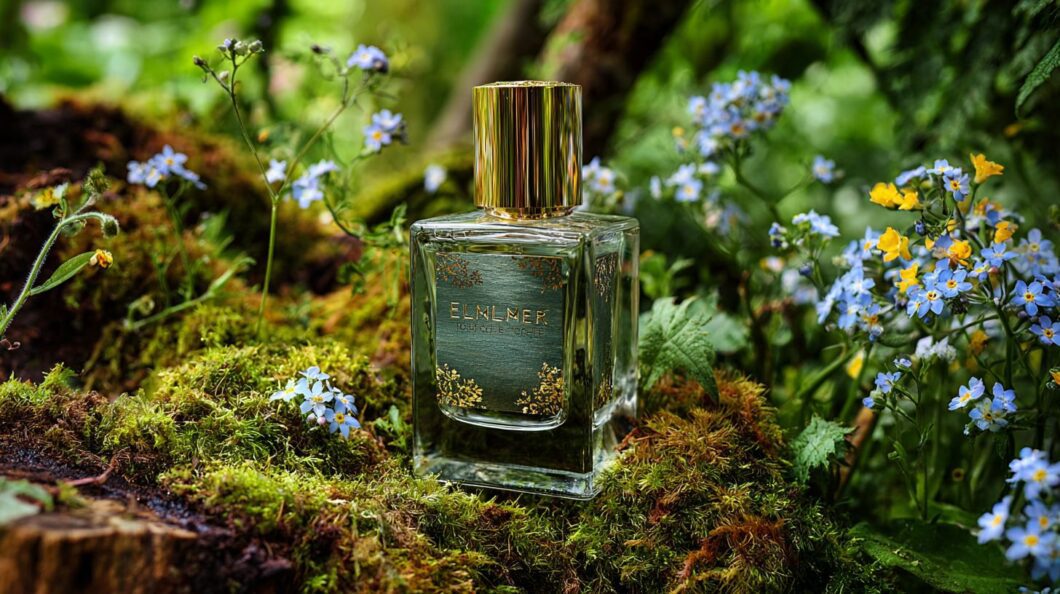
Ever wondered how luxury beauty brands can feel indulgent without harming the planet? Eco-luxury beauty nails that balance, blending sustainability with stunning packaging that looks and feels high-end. You’ll see how it’s reshaping the beauty industry, from smart materials to clever designs that keep luxury alive.
Key Takeaways:
Defining the Eco-Luxury Intersection
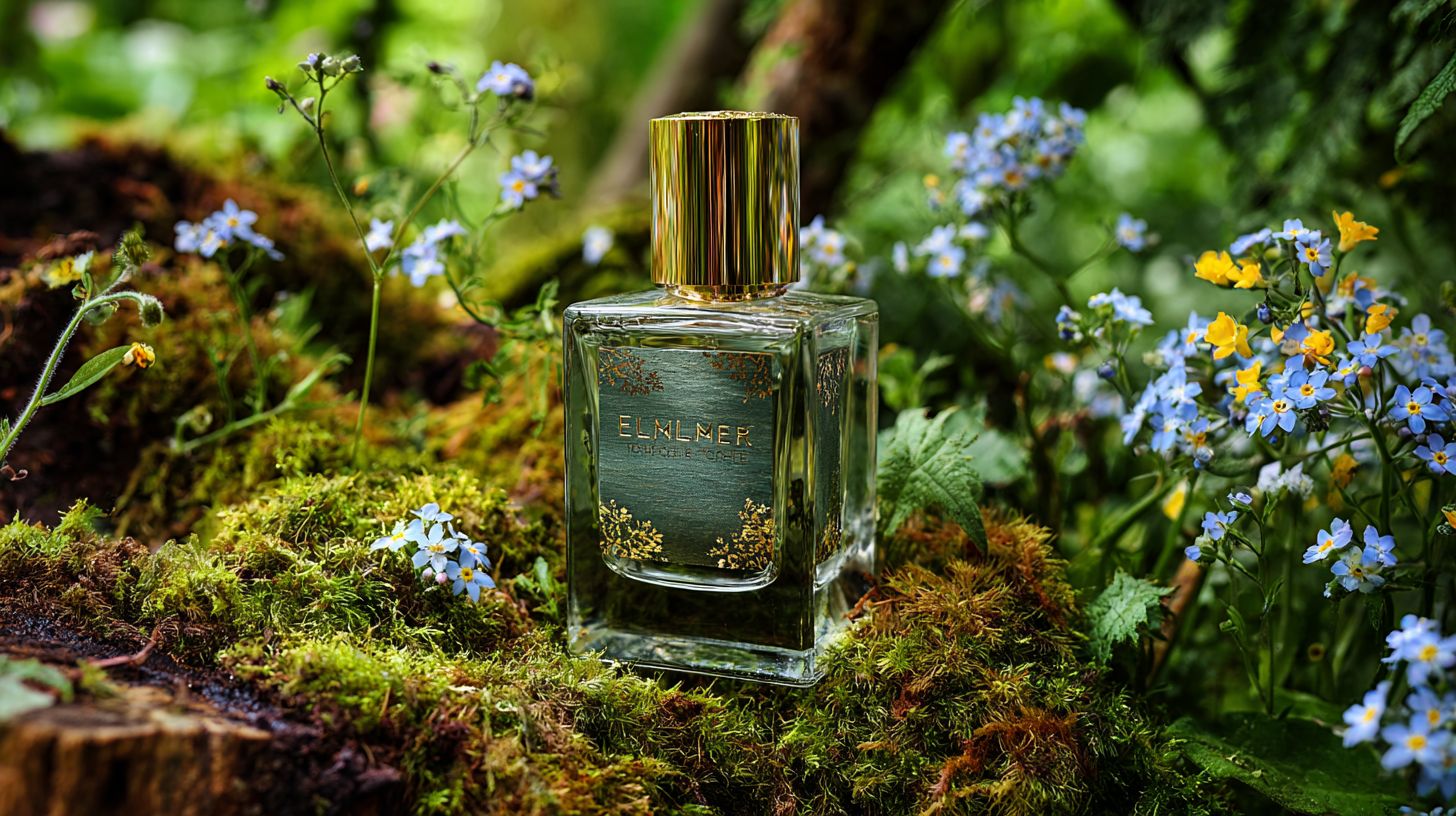
At its core, eco-luxury beauty reimagines premium packaging and product design through sustainable materials and refillable systems while preserving the sensory allure and exclusivity of high-end brands.
Brands like REN Clean Skincare exemplify this by using recycled plastic (rPET) bottles that maintain a sleek, frosted glass-like finish. These choices reduce waste without diminishing the prestige of unboxing, as the packaging feels just as indulgent as traditional luxury options.
L’Occitane advances the intersection with refill stations in stores, allowing customers to reuse elegant glass jars for their Almond Shower Oil. This circular design fosters responsibility, turning routine repurchases into personalized, eco-conscious rituals that enhance brand loyalty.
Both brands highlight how innovation in materials like PCR content and monomaterial structures elevates the experience. Consumers enjoy the tactile pleasure of high-end skincare packaging that aligns with eco-friendly values, proving sustainability can coexist with luxury.
Market Trends and Consumer Demand
Consumers today demand beauty that aligns with their values, driving luxury brands to prioritize sustainability amid rising interest in eco-friendly packaging and circular practices.
Affluent buyers now seek premium products that reflect their commitment to the environment. They favor refillable skincare jars and recycled materials over traditional single-use options. This shift pushes brands to innovate in high-end packaging.
Urban professionals, for instance, choose cosmetic products with rPET or PCR content for a guilt-free unboxing experience. Eco-conscious demographics influence wholesale suppliers like Alba to offer prestige glass and monomaterial designs. These choices reduce waste while maintaining luxury appeal.
Events such as Packaging Innovations & Empack 2025 highlight growing collaboration on biodegradable solutions. Brands respond by embedding responsibility into every design stage. This trend shapes the green beauty industry toward more sustainable luxury.
Growth Statistics and Target Demographics
Eco-conscious consumers, particularly millennials and Gen Z with discerning tastes, seek out brands that integrate sustainability into every aspect of high-end beauty packaging and design.
Consider the persona of a city-dwelling executive who values refillable packaging for daily skincare routines. This group prioritizes eco-friendly materials like recycled plastic and glass over conventional options. They drive demand for circular economy practices in cosmetics.
Another key audience includes wellness enthusiasts favoring prestige brands with low-waste unboxing. These buyers support innovations showcased at events like Packaging Innovations & Empack 2025, such as monomaterial structures and refill systems. Their preferences push suppliers toward environmental responsibility.
- Urban professionals opting for rPET-based lipstick tubes to minimize plastic waste.
- Affluent parents choosing biodegradable jars for family beauty products.
- Travelers preferring compact, refillable prestige packaging for on-the-go use.
Sustainable Materials for Packaging
Selecting the right sustainable materials transforms luxury cosmetic packaging into a statement of responsibility, balancing durability, recyclability, and visual appeal for premium products. Brands can choose options that align with eco-conscious consumers while maintaining high-end aesthetics. This approach reduces environmental impact without sacrificing quality.
Common categories include recycled plastics, glass, and biobased alternatives. Each offers unique benefits for beauty packaging, from lightweight designs to elegant finishes. Suppliers innovate to meet the demands of the luxury skincare market.
Consider a comparison of key materials to guide decisions.
| Material | Pros | Cons |
|---|---|---|
| rPET | Lightweight, fully recyclable, cost-effective for bottles | May show minor clarity variations |
| PCR Glass | Premium look, durable for jars, infinite recyclability | Heavier weight increases shipping costs |
| Biodegradable Polymers | Decomposes naturally, innovative for refillable systems | Requires specific disposal conditions |
These choices support circular economy principles, allowing brands to appeal to consumers who value responsibility in their unboxing experience.
Biodegradable and Recycled Options
Biodegradable polymers and recycled options like rPET enable luxury brands to create eco-friendly packaging that decomposes responsibly or repurposes existing plastic without compromising quality. These materials fit seamlessly into high-end design, offering clarity and strength for skincare bottles and jars. Brands prioritize them to meet rising regulations and consumer expectations.
rPET for bottles stands out as lightweight and recyclable, ideal for refillable systems that cut down on waste. It maintains the premium feel expected in luxury beauty while supporting sustainability goals. Many prestige lines adopt it for its versatility in custom shapes.
PCR glass brings elegance to jars, with post-consumer recycled content enhancing environmental credentials. Suppliers like Alba Group provide high-quality PCR glass tailored for the cosmetic industry. This option suits monomaterial designs that simplify recycling.
| Property | rPET | PCR Glass |
|---|---|---|
| Weight | Light | Heavy |
| Cost | Moderate | Higher |
| Recyclability | High, curbside | Excellent, infinite loop |
| Aesthetics | Clear, modern | Luxurious, frosted options |
By choosing these, brands foster collaboration across the supply chain, from wholesale to retail, promoting a greener beauty industry.
High-End Design Principles
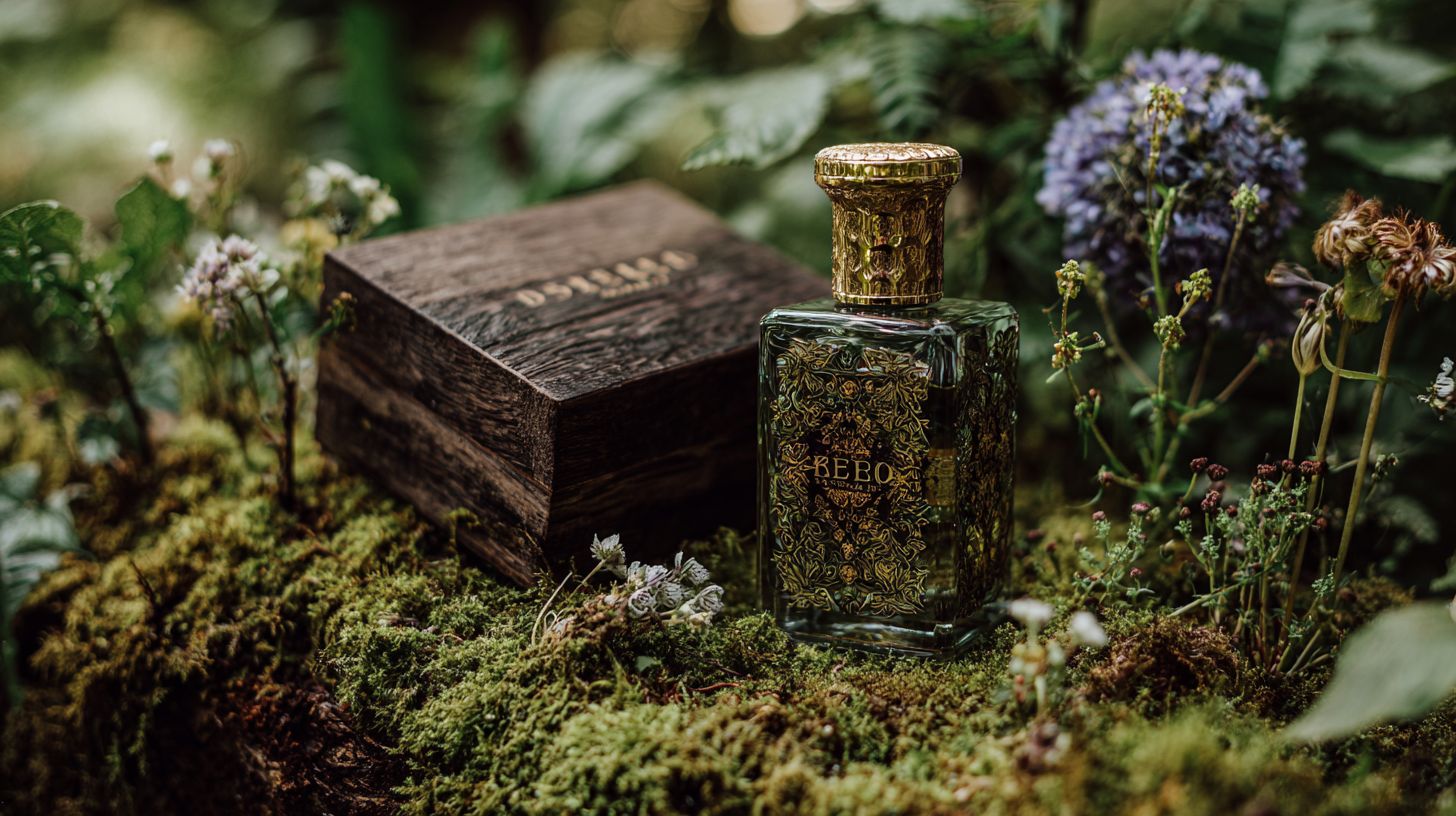
High-end design in sustainable beauty marries opulent aesthetics with practical eco innovations, ensuring every jar, tube, and bottle feels indulgent while advancing circular economy goals.
Principles like minimalism and modularity guide this approach. Minimalism strips away excess to highlight premium materials such as recycled glass or rPET. Modularity supports refillable systems that extend product life and reduce waste.
These designs elevate the unboxing experience for skincare prestige. Consumers unbox a sleek, matte-finish bottle and feel the weight of responsibility paired with luxury. Brands achieve this through thoughtful collaboration with suppliers like Alba for eco-friendly packaging solutions.
In practice, monomaterial construction simplifies recycling while maintaining high-end appeal. Experts recommend focusing on tactile elements, like soft-touch surfaces, to blend sustainability with sensory indulgence. This balance positions eco-conscious brands as leaders in the green beauty industry.
Aesthetic Meets Functionality
Mon-material construction and refillable mechanisms allow beauty brands to craft packaging that is both visually striking and user-friendly, streamlining recycling while enhancing the premium experience.
Follow this step-by-step design checklist for high-end results. First, prioritize matte finishes on rPET or PCR plastics. These choices deliver a sophisticated, non-glossy look that hides fingerprints and signals quality to discerning consumers.
Second, integrate magnetic refill systems for effortless use. Brands like La Bouche Rouge exemplify this with lipstick cases where refills snap into place magnetically. This modularity cuts down on plastic waste and creates a ritualistic unboxing moment.
Third, test for visual impact with before-and-after renderings. Imagine a standard glossy tube transformed into a matte, monomaterial version, side by side. Such visuals help teams refine designs that meet regulations and appeal to eco-conscious luxury seekers.
- Use recycled glass for jars to add heft and prestige.
- Incorporate biodegradable labels that peel cleanly for recycling.
- Partner with innovators for custom refill stations in wholesale packaging.
Innovation in Eco-Packaging
Cutting-edge innovations from suppliers like Alba, Alba Group, AptarGroup, and Quadpack are redefining eco-packaging for luxury beauty, introducing refill systems and smart materials that minimize waste.
These advancements allow premium brands to maintain high-end appeal while embracing sustainability. Consumers enjoy the unboxing experience without compromising on environmental responsibility.
Key technologies focus on refillable designs and recycled components. This shift supports the circular economy in the beauty industry.
Brands collaborate with suppliers to create eco-friendly packaging that meets regulations and consumer demands for green prestige products.
Highlight Technologies
Airless refillable pumps from AptarGroup protect sensitive skincare formulas from air exposure. They enable easy refills, reducing plastic waste over time.
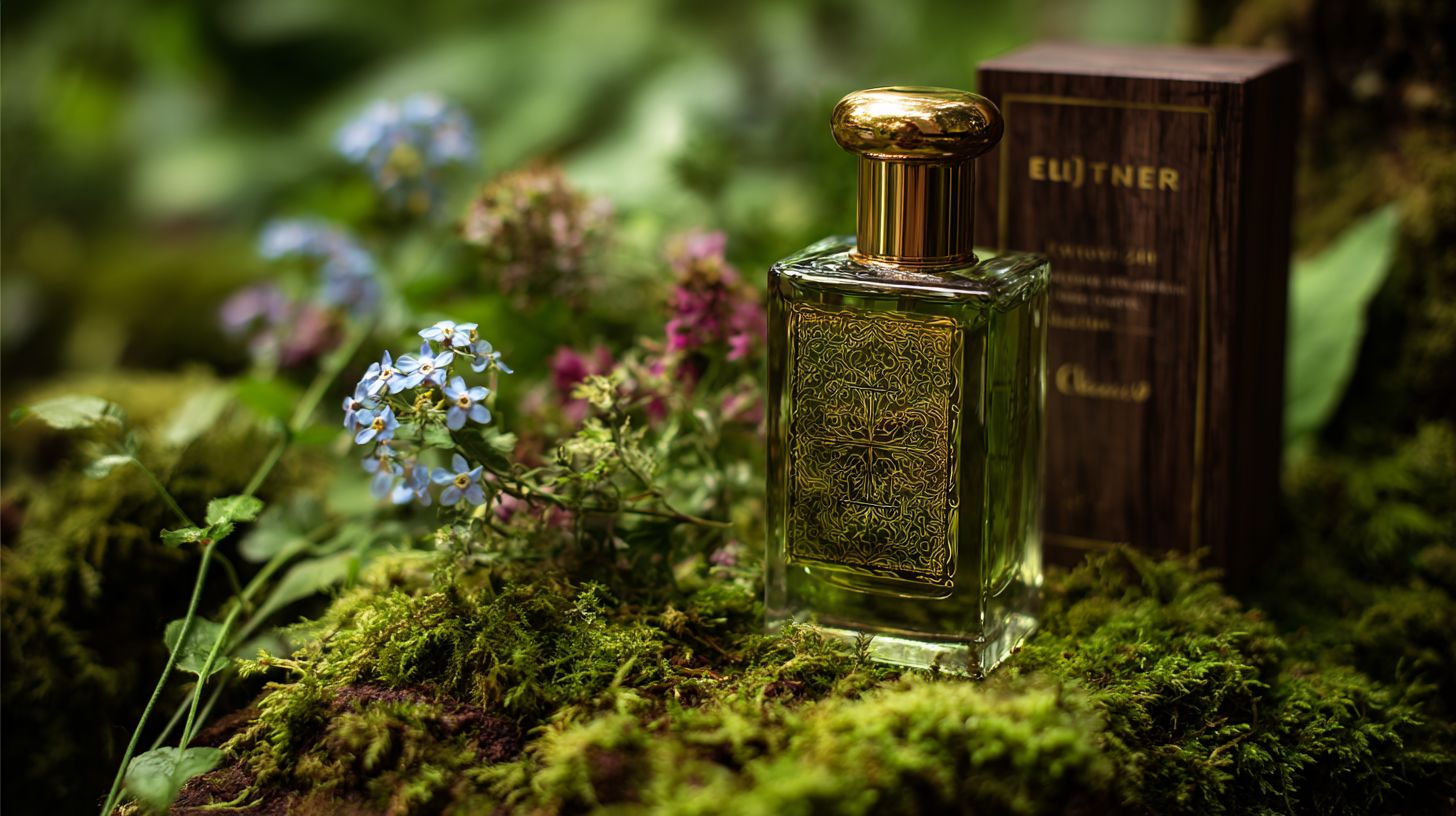
Quadpack offers wooden caps with PCR bases, blending natural aesthetics with post-consumer rPET plastic. This combination appeals to eco-conscious luxury consumers seeking premium feel.
Alba Group provides monomaterial solutions for easier recycling. These designs simplify end-of-life processing in cosmetic packaging.
Five Real Innovations
- Lush’s solid formats: Eliminate packaging entirely with shampoo bars and solid deodorants, ideal for zero-waste skincare.
- Refillable glass jars by Alba: Used in prestige serums, allowing users to swap out refills at stores for reduced material use.
- Biodegradable pumps from AptarGroup: Break down naturally, perfect for high-end cleansers in sustainable luxury lines.
- rPET bottles with wooden accents by Quadpack: Combine recycled PET with renewable wood for lightweight, recyclable perfume packaging.
- Monomaterial pouches: Enable full recycling streams, applied in travel-sized moisturizers for eco-friendly on-the-go beauty.
Supplier Comparison
| Supplier | Key Innovation | Applications | Benefits |
|---|---|---|---|
| AptarGroup | Airless refillable pumps | Skincare serums, creams | Preserves formulas, easy refills |
| Quadpack | Wooden caps with PCR bases | Perfumes, lotions | Natural look, recycled content |
| Alba Group | Monomaterial tubes | Lip balms, foundations | Simplified recycling |
This table shows how suppliers drive innovation in eco-packaging. Brands select based on product needs and sustainability goals.
Supply Chain Sustainability
A sustainable supply chain ensures luxury brands source eco-friendly materials responsibly, from wholesale recycled glass to compliance with evolving environmental regulations. Beauty companies can build this chain through a clear four-step process. This approach aligns prestige packaging with consumer demands for responsibility.
Start by auditing suppliers for PCR certification. Check if they provide post-consumer recycled content in materials like rPET plastic or recycled glass. This step typically takes 1-2 weeks and sets a strong foundation for eco-luxury beauty.
Next, partner with innovators such as HCP Packaging or Zenpack for advanced solutions. These collaborators offer refillable designs and monomaterial options that reduce waste. Such partnerships drive circular packaging in the cosmetic industry.
Implement traceability software to track materials from source to shelf. This tool ensures transparency in unboxing experiences for eco-conscious consumers. Regular monitoring of regulations keeps brands ahead of environmental standards.
- Audit suppliers for PCR certification in 1-2 weeks, verifying recycled content in glass and plastics.
- Partner with innovators like HCP Packaging for refillable and biodegradable designs.
- Adopt traceability software for full supply chain visibility.
- Monitor regulations continuously to maintain compliance.
Challenges like cost premiums arise with premium sustainable materials. Negotiate bulk deals with suppliers or emphasize long-term savings from reduced waste. This strategy balances luxury with sustainability in high-end skincare packaging.
Branding and Marketing Strategies
Effective branding positions sustainable packaging as a core luxury value, weaving environmental responsibility into marketing narratives that resonate with eco-conscious prestige seekers.
Brands build trust through transparency campaigns that detail material sourcing and production processes. Consumers respond to honest stories about refillable glass jars or rPET innovations, fostering loyalty in the high-end beauty market.
Marketing ties eco-friendly design to premium experiences, like showcasing circular packaging in visual ads. This approach highlights how sustainability elevates cosmetic products without compromising elegance.
Key tactics include partnerships with suppliers like Alba for monomaterial solutions. These strategies reduce waste while reinforcing a brand’s commitment to environmental responsibility.
Luxury Storytelling with Green Credentials
Brands like REN, Aveda, Lush, Giorgio Armani, and L’Occitane master luxury storytelling by spotlighting refillable designs and biodegradable innovations in campaigns that celebrate eco-elegance.
L’Occitane’s refill bars feature in-store experiences where customers return containers for fresh skincare fills, emphasizing reduced plastic waste. Clarins shifted to rPET packaging, marketing it as a chic, recycled alternative that maintains prestige appeal.
These cases show how green credentials integrate into narratives, turning sustainable materials into selling points for eco-conscious consumers.
Here are 5 actionable strategies to enhance your branding:
- Encourage user-generated unboxing content by sharing videos of refillable La Bouche Rouge packaging on social media.
- Collaborate with influencers like Victoria Brownlie to showcase eco-luxury routines.
- Launch transparency campaigns with behind-the-scenes videos on PCR content sourcing.
- Host virtual events highlighting biodegradable designs and their lifecycle.
- Develop a content calendar template for consistent messaging.
Content calendar template: Week 1: Tease refill innovation at Packaging Innovations & Empack 2025. Week 2: Influencer unboxing. Week 3: Material deep-dive. Week 4: Customer stories. Repeat quarterly to build momentum in the green beauty industry.
Frequently Asked Questions
What is Eco-Luxury Beauty: Where Sustainability Meets High-End Packaging?
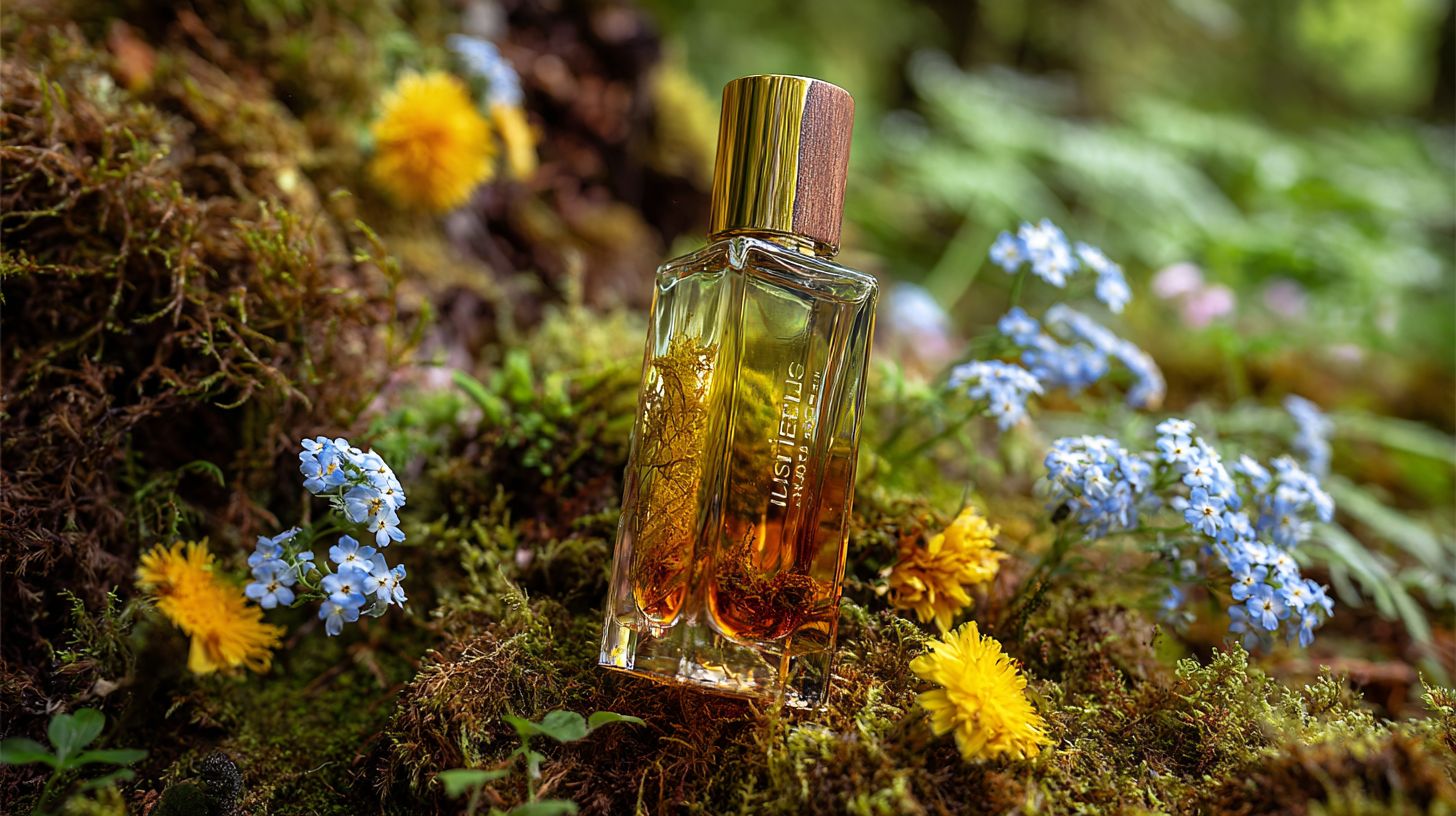
Eco-Luxury Beauty: Where Sustainability Meets High-End Packaging refers to a premium beauty trend that combines environmentally responsible practices with luxurious, sophisticated packaging. It uses recycled, biodegradable, or upcycled materials to create elegant designs that appeal to conscious consumers seeking both style and ethics.
Why choose Eco-Luxury Beauty: Where Sustainability Meets High-End Packaging over traditional luxury brands?
Eco-Luxury Beauty: Where Sustainability Meets High-End Packaging offers the same opulent experience as traditional luxury but with a lower environmental footprint. It reduces waste through sustainable sourcing, supports ethical manufacturing, and ensures high-quality, refillable packaging that maintains exclusivity without compromising the planet.
What materials are typically used in Eco-Luxury Beauty: Where Sustainability Meets High-End Packaging?
Common materials in Eco-Luxury Beauty: Where Sustainability Meets High-End Packaging include post-consumer recycled glass, bamboo, algae-based bioplastics, and FSC-certified wood. These are crafted into sleek, durable designs that rival fine jewelry in aesthetics while being fully recyclable or compostable.
How does Eco-Luxury Beauty: Where Sustainability Meets High-End Packaging benefit the environment?
Eco-Luxury Beauty: Where Sustainability Meets High-End Packaging minimizes plastic pollution, conserves resources, and lowers carbon emissions through responsible production. Brands often incorporate zero-waste systems, carbon-neutral shipping, and partnerships with conservation efforts, making luxury accessible without ecological harm.
Are products in Eco-Luxury Beauty: Where Sustainability Meets High-End Packaging as effective as conventional ones?
Yes, Eco-Luxury Beauty: Where Sustainability Meets High-End Packaging delivers the same high-performance formulas using clean, natural ingredients. The focus on sustainability enhances product purity, often resulting in longer-lasting, skin-friendly results backed by rigorous testing and scientific innovation.
Which brands exemplify Eco-Luxury Beauty: Where Sustainability Meets High-End Packaging?
Brands like Aesop, Le Labo, Herbivore, Kjaer Weis, Origins, Weleda, and The Body Shop lead in Eco-Luxury Beauty: Where Sustainability Meets High-End Packaging with refillable metal compacts, ocean-bound plastic bottles, and minimalist wooden cases. These pioneers prove that sustainability can elevate packaging to art-like status. Burt’s Bees also excels with natural packaging solutions.
Brands like Aesop, Le Labo, and Kjaer Weis lead in Eco-Luxury Beauty: Where Sustainability Meets High-End Packaging with refillable metal compacts, ocean-bound plastic bottles, and minimalist wooden cases. These pioneers prove that sustainability can elevate packaging to art-like status.