



Most skincare routines are built around the same variables: cleanser, serum, SPF, repeat. But research is pointing to something that sits upstream of all of it — the state of your nervous system. The Global Wellness Summit now identifies nervous system regulation as “the next frontier of human health”, and the skin is where that frontier becomes visible. If you’ve tried most of what’s on the shelf and still deal with breakouts, dullness, or sensitivity that won’t resolve, your nervous system may be the variable you haven’t accounted for.
How the Nervous System and Skin Are Biologically Linked
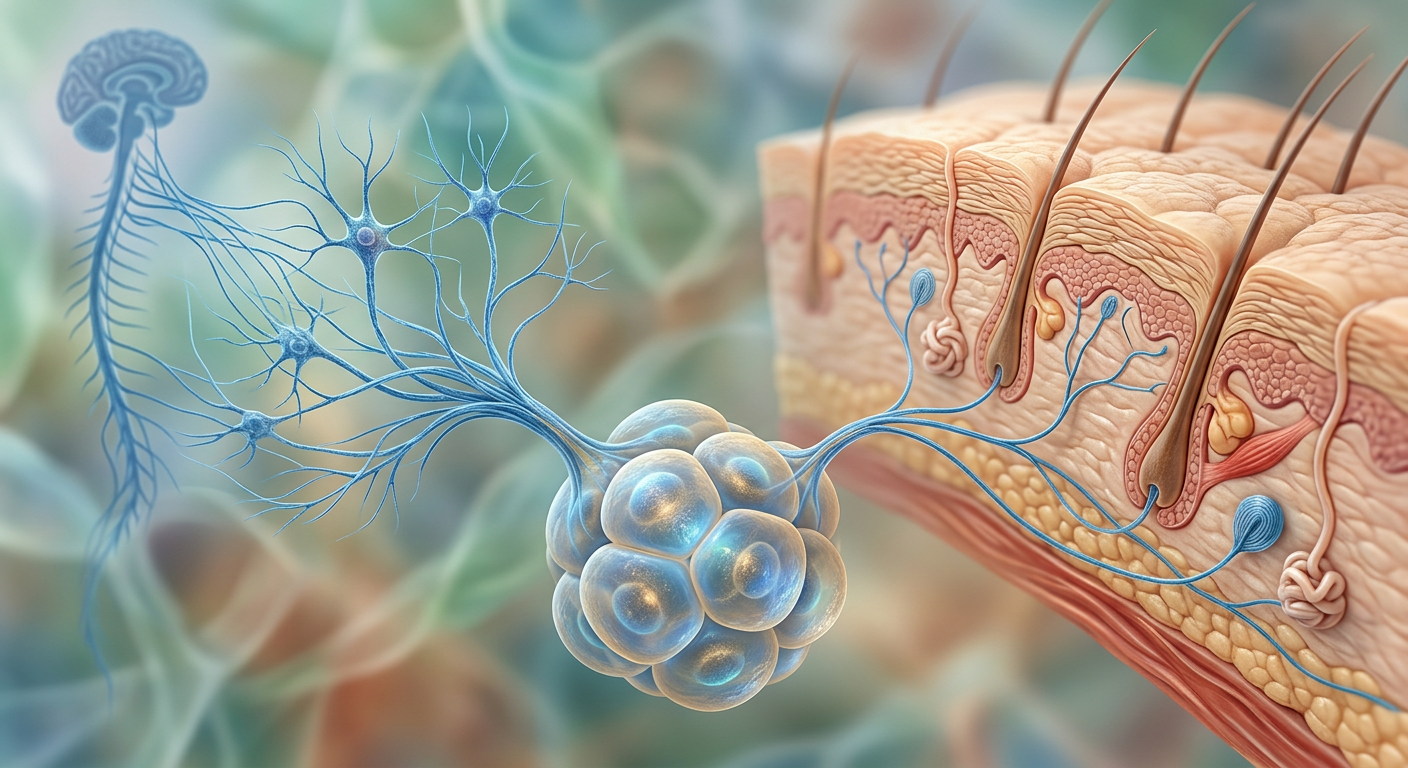
The skin and nervous system share the same embryonic origin. Both develop from the ectoderm in early fetal development, and they remain in close communication throughout life, exchanging chemical signals that affect function on both sides.
The autonomic nervous system controls blood flow to the skin, sebaceous gland activity, and the skin’s immune response. When it tips toward sympathetic dominance — the fight-or-flight state — a cascade of physiological changes follows, and they show up on your face.
Juve Skin’s clinical overview puts it plainly: the nervous system governs the body’s stress response, immune function, and capacity to repair and regenerate — all of which directly shape skin health. This isn’t a metaphor. It’s measurable biology.
The Role of Cortisol in Skin Breakdown
Sustained stress keeps cortisol elevated, and elevated cortisol does specific, documented damage to skin: it degrades collagen, increases sebum production, impairs the barrier, and drives systemic inflammation. That’s the biological mechanism behind acne, premature wrinkling, and chronic redness.
Cortisol also interferes with hyaluronic acid production, which undermines the skin’s ability to hold moisture. The result is skin that reads as simultaneously oily and dehydrated — a paradox that no moisturizer resolves while the underlying stress response is still running.
The Vagus Nerve: Your Skin’s Regulation Highway

The vagus nerve runs from the brainstem through the heart and gut. It’s the primary pathway of the parasympathetic nervous system — the counterpart to fight-or-flight — and its tone has a direct effect on skin inflammation and repair capacity.
Nina Livii Skincare’s clinical overview identifies poor vagal tone as a driver of systemic inflammation, which shows up in conditions like eczema, psoriasis, and rosacea. The vagus nerve isn’t peripheral to skin health — it’s central to it.
Signs of Low Vagal Tone That Show on Skin
- Persistent redness or flushing without a clear topical cause
- Slow wound healing and prolonged post-breakout marks
- Chronic dryness that doesn’t respond to consistent moisturizing
- Inflammatory flares that track closely with stressful periods
- A dull, grey-toned complexion despite adequate sleep
Improving vagal tone through breathwork, cold exposure, or massage shifts the body into a state where skin repair, collagen synthesis, and barrier restoration become physiologically possible. The skin improvement follows from the nervous system shift, not the other way around.
Neurocosmetics: Where Skincare Meets Neuroscience
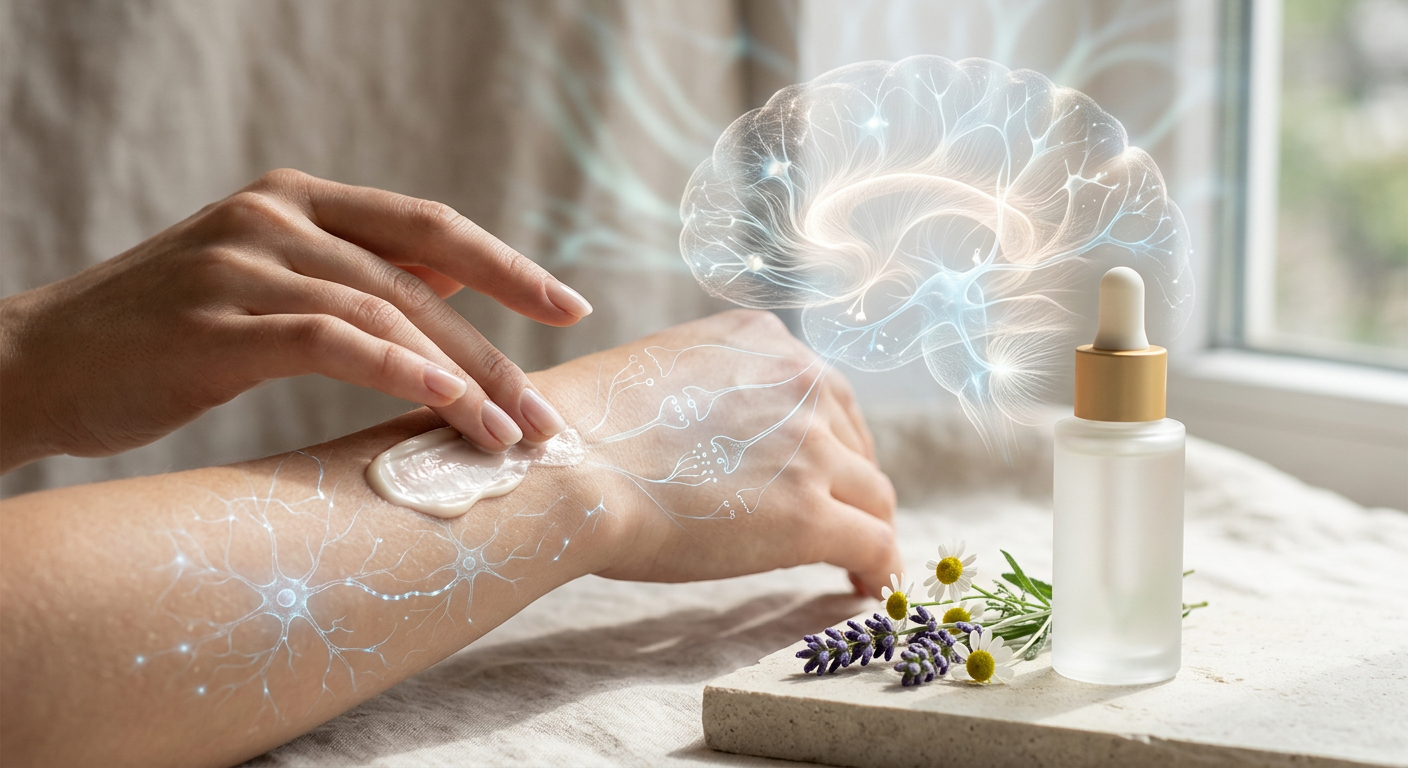
A new category has emerged from this research: neurocosmetics. The premise is that the brain and skin are in constant dialogue, and products in this category target both skin health and the psycho-emotional state of the person using them. Rather than just moisturizing or exfoliating, these formulations interact with the skin’s neuroreceptors to reduce perceived stress and calm inflammatory signaling.
Niacinamide, adaptogenic botanicals, and peptides that mimic the skin’s own neurotransmitters are central to this approach. The intended mechanism is a feedback loop: calmer skin signals calm to the brain, which reduces cortisol output, which produces calmer skin.
This isn’t fringe science. Major dermatology and cosmetic chemistry conferences have dedicated significant programming to neurocosmetics over the past three years, reflecting a genuine shift in how the industry understands the skin-brain relationship.
Practical Nervous System Regulation for Better Skin
The following approaches have documented physiological effects on both stress hormone levels and skin outcomes. None of them require a complete routine overhaul.
Breathwork
Slow, diaphragmatic breathing activates the vagus nerve and shifts the body toward parasympathetic dominance within minutes. A simple protocol: inhale for four counts, hold for four, exhale for six to eight. This measurably lowers cortisol and heart rate. Juve Skin integrates breathwork directly into facial treatments for this reason — topical results depend on the body’s internal state.
Facial and Buccal Massage
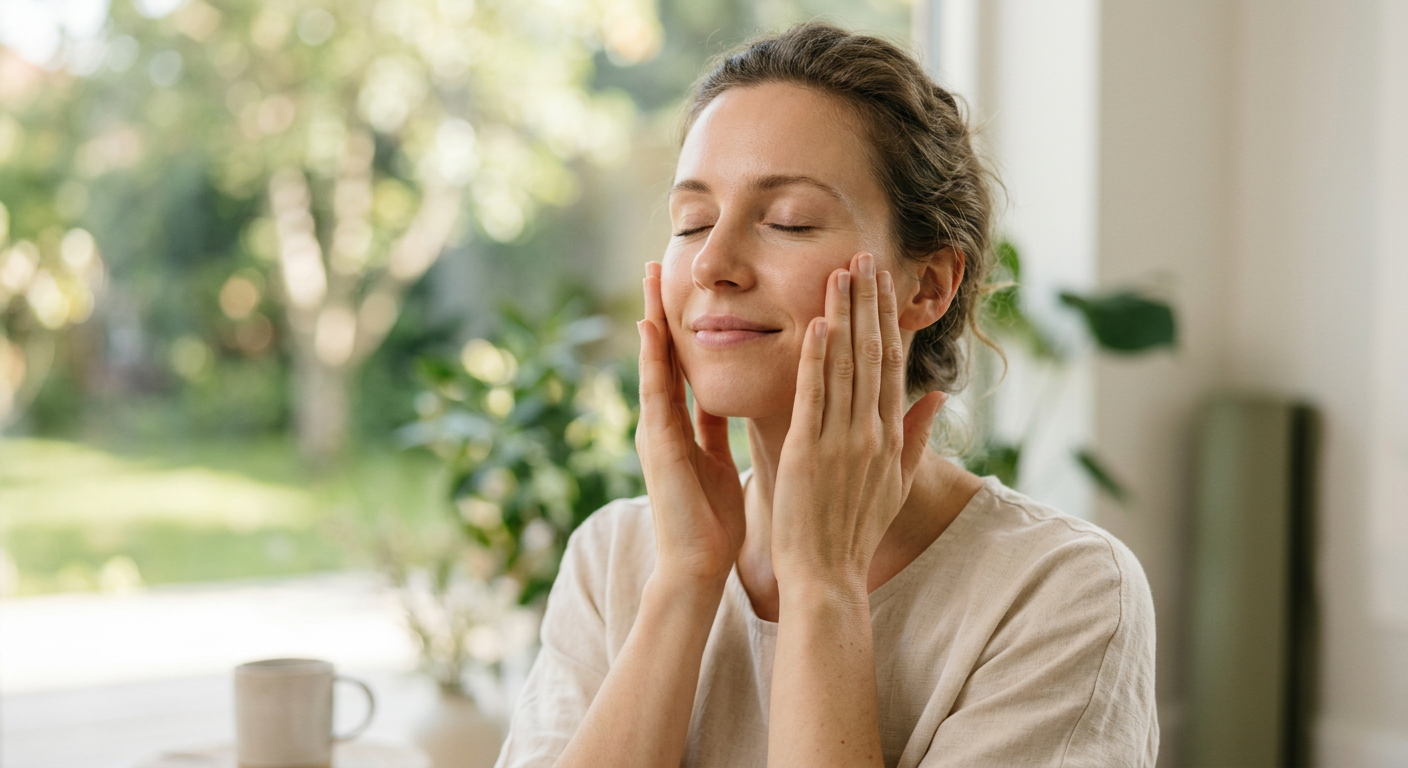
Techniques like NEO-lifting and buccal massage work on two levels at once. They stimulate lymphatic drainage and circulation while activating mechanoreceptors — nerve endings in the skin that signal safety to the nervous system. Esthetician Jennie Fresa describes buccal massage as “a transformative modality that enhances both the physical appearance and psycho-emotional wellbeing” of clients. The dual effect is what distinguishes it from a standard cosmetic treatment.
Sensory-Based Skincare Rituals
Intentional touch, calming scents like lavender or bergamot, and quiet application rituals engage the parasympathetic nervous system through sensory input, reducing cortisol output during the ritual itself. The Skin Wellness Connection in Westbrook uses intentional touch and soothing aromas as a core element of skin treatment, not a soft add-on. The sensory environment of a treatment affects what the treatment can accomplish.
Nervous System Regulation vs. Traditional Skincare: A Comparison

The combined approach outperforms either method in isolation because it addresses both the symptom and the physiological environment in which the symptom develops.
Why 2026 Is the Turning Point for This Trend

Sanctuary Wellness Spa’s 2026 trend report frames nervous system regulation as foundational health, not a luxury: “You cannot heal a body that does not feel safe.” That framing has moved from wellness circles into mainstream clinical practice.
Outside Online’s 2026 wellness trend analysis identifies nervous system tracking — using wearables and biofeedback tools to monitor autonomic state — as one of the year’s defining health behaviors. Consumers are less interested in surface-level fixes and more interested in understanding the systems driving their symptoms.
For skin, this means the question is shifting from “what should I put on my skin?” to “what state is my body in, and how does that affect my skin?” It’s a more accurate question, and it tends to produce better answers.
Building a Nervous System-Informed Skincare Practice

Start by taking an honest look at your stress load. Chronic sleep deprivation, sustained high-pressure work, and unmanaged anxiety all keep cortisol elevated regardless of what you apply topically. No vitamin C serum compensates for a chronically dysregulated nervous system.
From there, layer in regulation practices. Five minutes of slow breathing before your morning skincare. A weekly facial massage. A consistent wind-down routine that signals safety to your body before sleep. These aren’t indulgences — they’re the conditions under which skin repair actually occurs.
Consider working with practitioners who understand the skin-nervous system connection: estheticians trained in somatic techniques, somatic therapists, or integrative dermatologists. The most effective skin outcomes in 2026 will come from this integrated model, not from better product selection alone.
Conclusion
The skin-nervous system connection is backed by embryology, endocrinology, and clinical observation. Your skin reflects your autonomic state, and topical intervention can only do so much when the body is locked in chronic stress response.
Regulate your nervous system as consistently as you apply your skincare. Breathwork, intentional massage, sensory rituals, and stress management aren’t separate from your skin health practice — they’re part of what makes the rest of it work.
Assess your current stress load and add one regulation practice to your daily routine this week. The biology is already in place.
Frequently Asked Questions
Q: Can stress really cause visible skin problems?
Yes. Elevated cortisol from chronic stress degrades collagen, impairs the skin barrier, increases sebum production, and triggers systemic inflammation — all of which produce visible outcomes including acne, dullness, premature wrinkling, and sensitivity. The connection is physiological, not psychological.
Q: How long does it take for nervous system regulation to improve skin?
Most people notice changes in skin reactivity and hydration within two to four weeks of consistent regulation practices. Structural improvements like collagen density take longer — typically three to six months — because they depend on sustained shifts in the body’s internal environment.
Q: What is the vagus nerve’s role in skin health?
The vagus nerve is the primary pathway of the parasympathetic nervous system. High vagal tone promotes anti-inflammatory signaling, better circulation, and faster cellular repair — all of which support healthier skin. Low vagal tone correlates with chronic inflammation and conditions like eczema, rosacea, and psoriasis.
Q: Are neurocosmetics products worth trying?
Neurocosmetics can be a useful addition to a skincare routine, particularly formulations containing peptides, adaptogens, or ingredients that interact with the skin’s neuroreceptors. They work best as part of a broader approach that includes actual nervous system regulation practices, not as a standalone solution.
Q: What is the easiest nervous system regulation practice to start with?
Slow diaphragmatic breathing. A four-count inhale, four-count hold, and six-to-eight-count exhale activates the vagus nerve and shifts the body toward parasympathetic dominance within minutes. Five minutes before your skincare routine is a low-barrier starting point with documented physiological effects.
Q: Do professional facial treatments help regulate the nervous system?
Yes, particularly techniques like buccal massage and lymphatic drainage facials. These treatments stimulate mechanoreceptors in the skin that signal safety to the nervous system, while simultaneously improving circulation and lymphatic flow. The dual effect makes them more effective than topical-only treatments for stress-related skin concerns.