



By mid-morning your skin feels tight, flakes show up around your nose, and no amount of water seems to fix it. Cold air outside, heating inside, and hot showers all pull moisture out faster than a summer routine can replace it. Two products usually solve the problem: a hydrating serum and a rich moisturizer. The difference between them determines whether your winter routine actually keeps skin comfortable.
Most people need both. Once you understand what each product does and how they work together, you’ll spend less and get better results.
Why Your Skin Changes in Winter

Winter skin problems start with the air around you. Cold outdoor air holds less moisture, and heated rooms are drier still. Between the two, your skin loses water all day.
Healthline notes that cold weather and excessive indoor heat cause water to evaporate from skin quickly. That process has a name: transepidermal water loss, or TEWL. It’s the main reason skin feels dry, tight, and irritated once temperatures drop.
Your barrier takes the brunt of it. Truly Beauty explains that a compromised barrier does a worse job of keeping water in and environmental stressors out. A lightweight summer routine often stops working in December because it was built for different conditions.
The Case for Changing Your Routine
You don’t need to replace everything, but texture matters. U Beauty points out that lighter serums and gel moisturizers work better in warm weather, while richer creams or oils support hydration more effectively in the cold.
Introduce new products one at a time. That way you can tell how each formula works on your skin instead of guessing which one caused a reaction.
What Hydrating Serums Actually Do
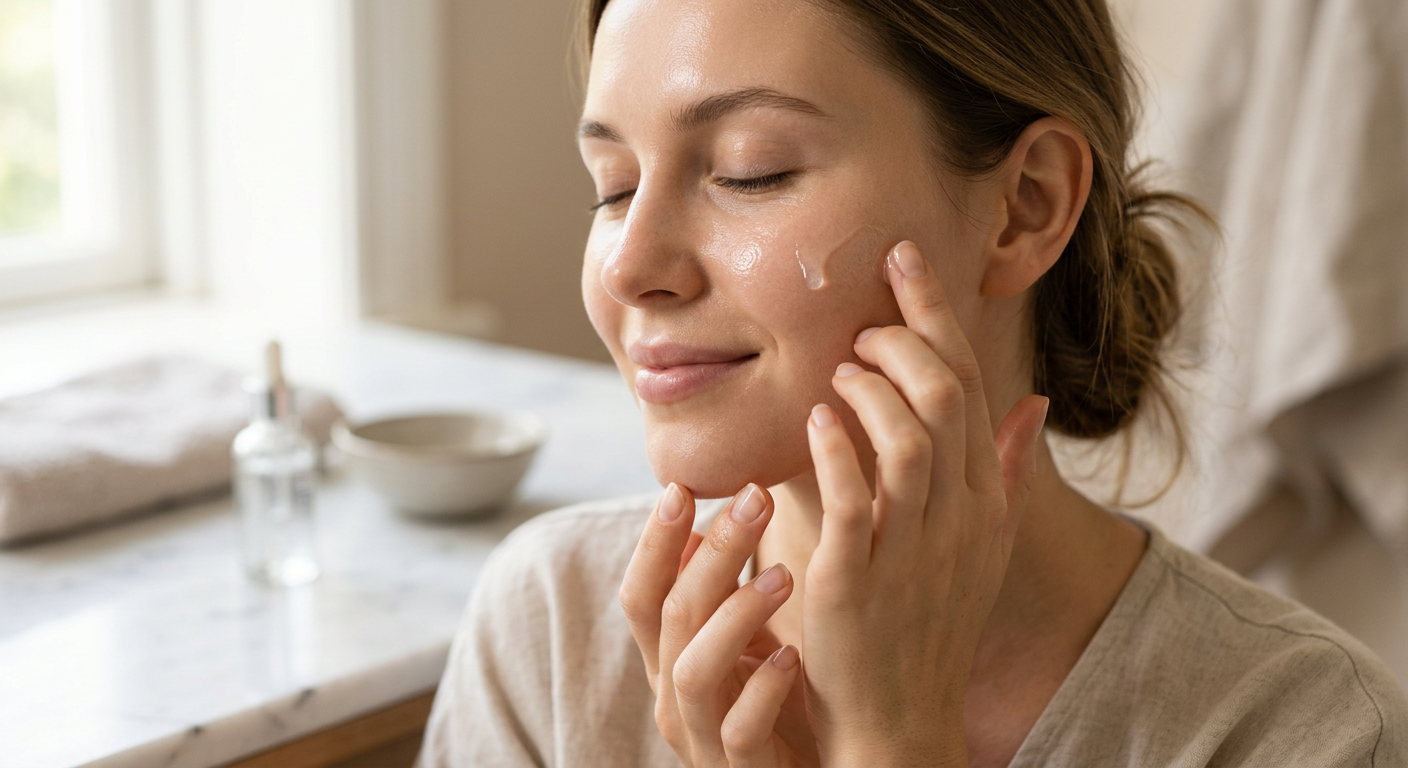
Hydrating serums are concentrated, water-based formulas built to deliver moisture deep into the skin. The ingredients doing the work are humectants: hyaluronic acid and glycerin, which attract and bind water.
AARP explains that serums pack specific ingredients at high concentration, and their smaller molecules penetrate more deeply than creams do. That depth is the point. A hyaluronic acid serum raises the moisture content inside your skin rather than resting on the surface.
Serums have a real limit, though. “Make no mistake—serums are not moisturizers,” AARP’s beauty editor writes. They hydrate, but most can’t lock that moisture in by themselves.
Serums Supplement, They Don’t Replace
Curology makes the same point: serums can hydrate your skin, but probably not enough to replace a thicker, richer moisturizer. They’re built for layering, not for going it alone.
Watch your ingredient combinations too. Curology warns that stacking too many actives at once can cause irritation, a real risk when your winter barrier is already stressed.
What Rich Moisturizers Actually Do
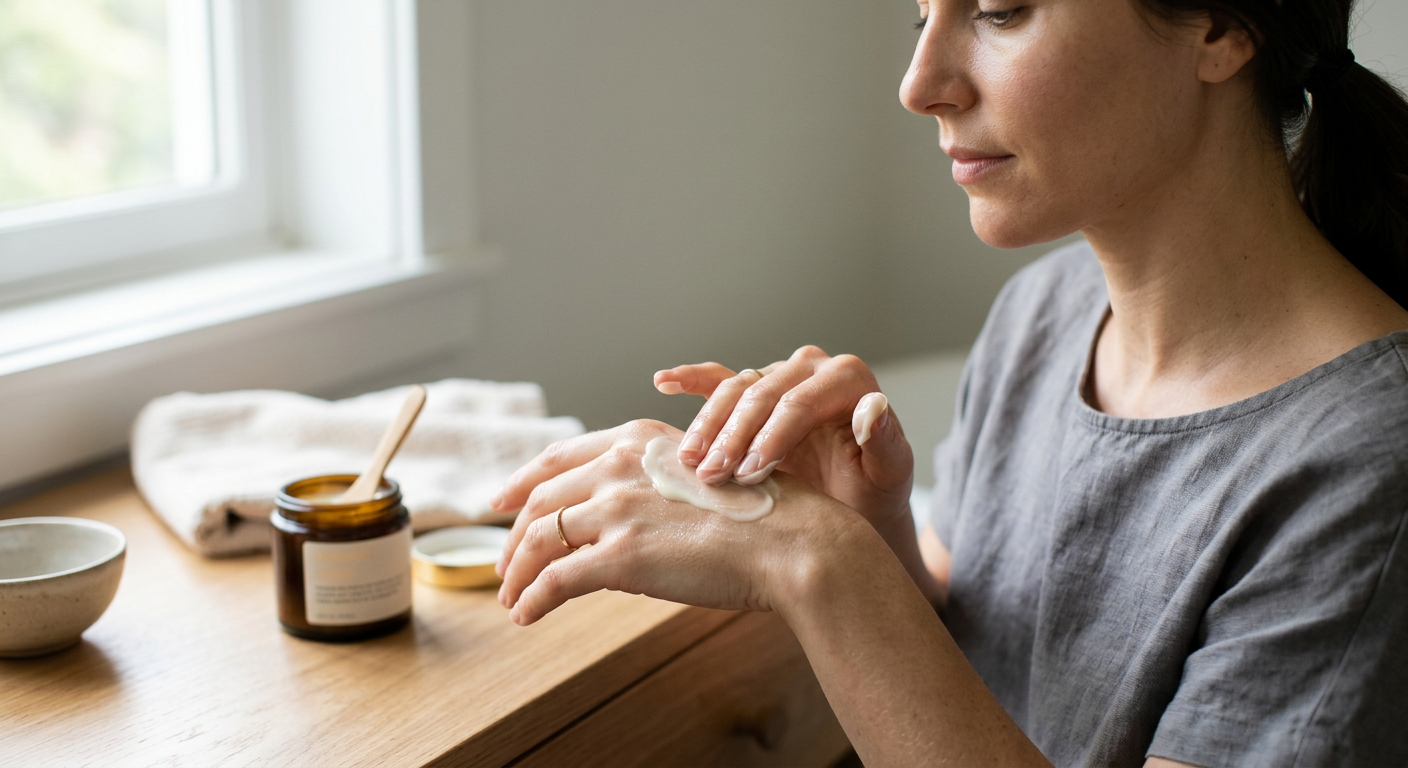
Rich moisturizers do the opposite job. Rather than pulling water into your skin, they seal it in with emollients and occlusives, ingredients that reinforce the barrier and slow transepidermal water loss.
BABOR puts it plainly: a winter moisturizer needs to hydrate the skin and form a protective shield that keeps moisture from escaping. In colder months a lightweight lotion often falls short, which is where a thicker cream earns its place.
Check the ingredient list for shea butter, vitamin E, and oils. BABOR recommends these because they fortify the barrier and defend against harsh winds and dry indoor heat.
The Texture Upgrade
Estée Lauder describes the seasonal swap well: lightweight moisturizers handle humid summer days, but more emollient formulas hydrate intensely and lock in moisture when the air turns dry. A rich moisturizer is also what gives skin that softer, plumper look, which a serum alone won’t produce.
Serum vs. Moisturizer: A Side-by-Side Comparison
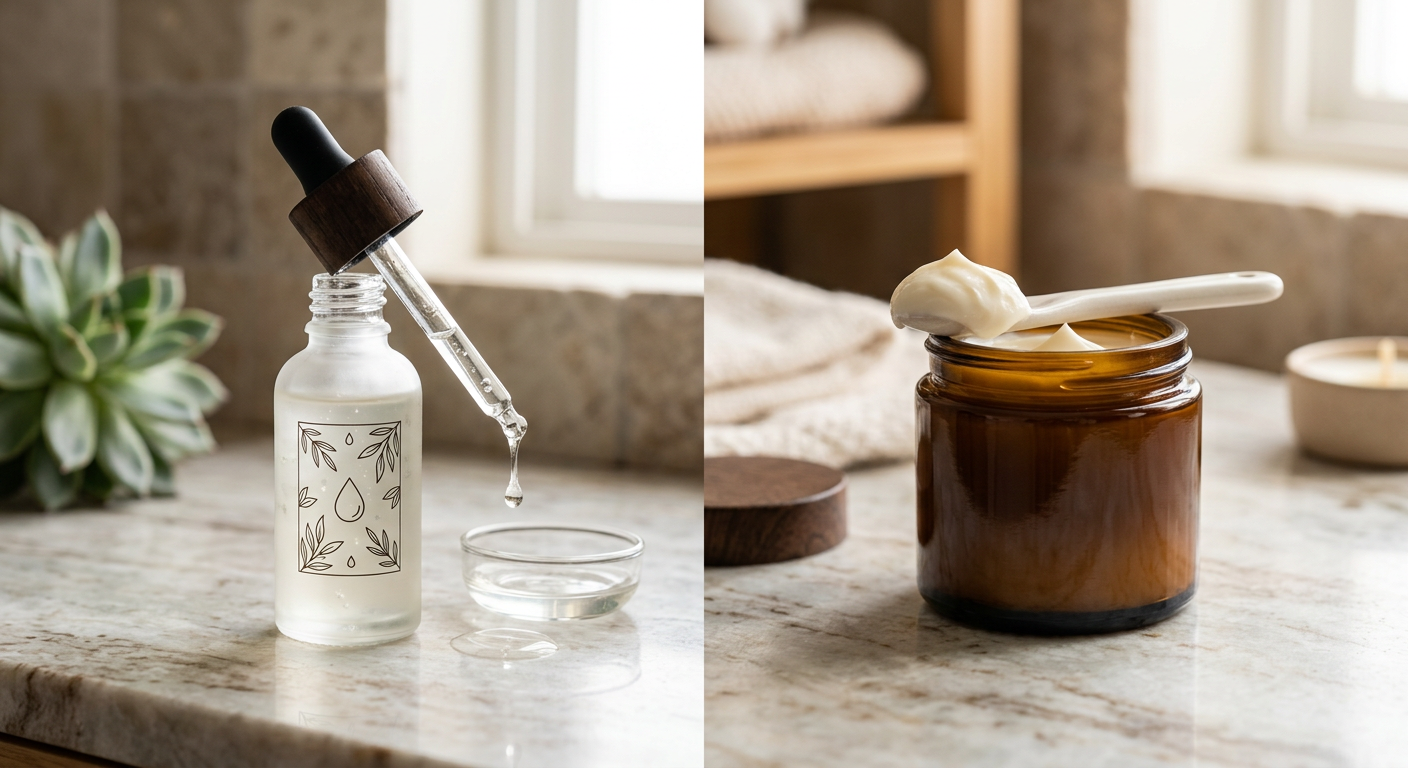
Here’s how the two compare at a glance:
| Feature | Hydrating Serum | Rich Moisturizer |
|---|---|---|
| Primary job | Attracts water into skin | Seals moisture in, reinforces barrier |
| Key ingredients | Hyaluronic acid, glycerin (humectants) | Shea butter, oils, ceramides (emollients/occlusives) |
| Texture | Light, fluid, fast-absorbing | Thick, creamy, substantial |
| When applied | First, on cleansed skin | Last, over serum |
| Can it work alone? | Not for dry winter skin | Yes, but less targeted hydration |
| Best for | Boosting moisture content | Preventing water loss (TEWL) |
The two products solve different problems. One adds water; the other keeps it from leaving.
Why Using Both Beats Using Either Alone
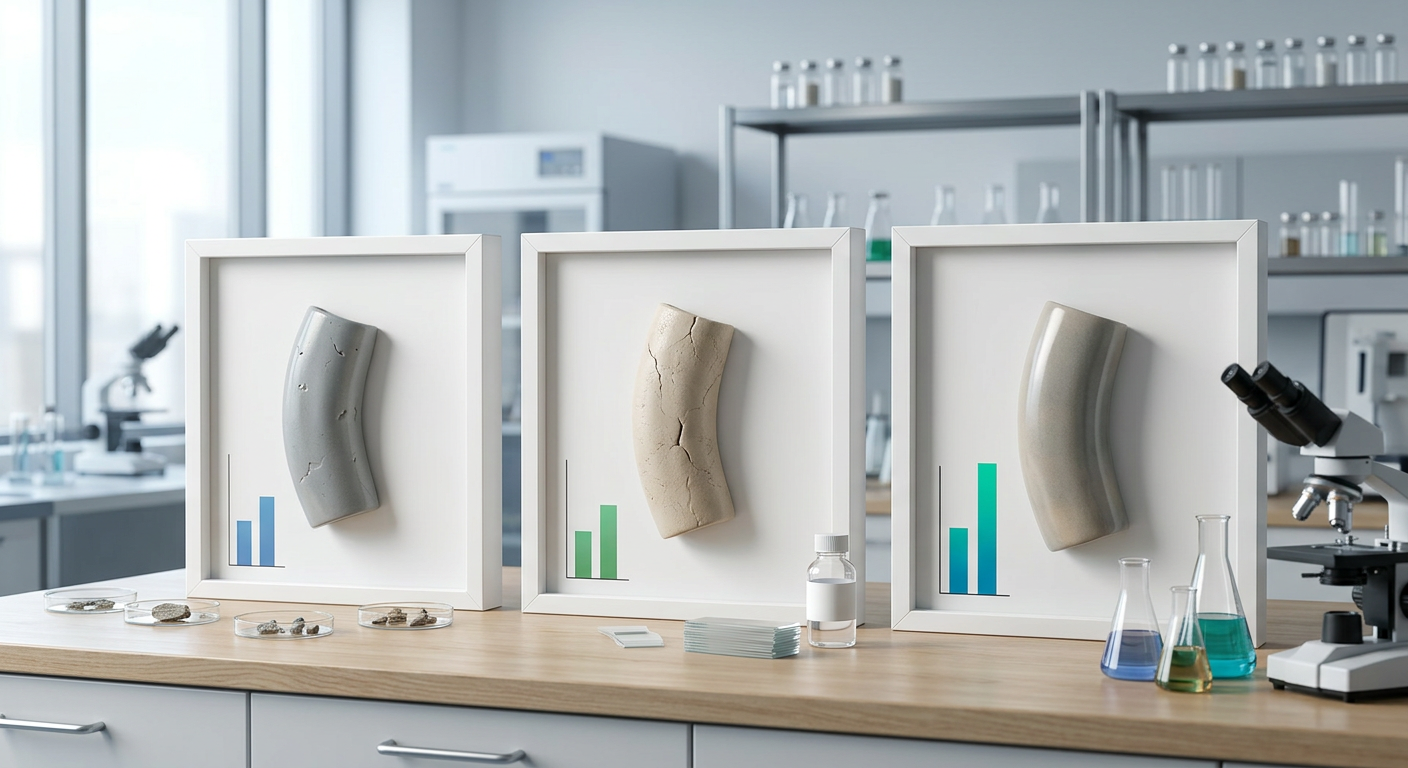
This isn’t marketing. A randomized study of 123 volunteers in the International Journal of Cosmetic Science found that a serum-and-cream regimen outperforms separate use in sustaining hydration, reducing TEWL, and balancing surface lipids over an 8-hour window.
The researchers compared four groups: a cleanser control, a hyaluronic acid serum alone, a moisturizing cream alone, and a routine combining the serum followed by the cream. The combined routine delivered the most complete results across hydration, barrier protection, and oil balance. That matches the biology. The serum draws water in; the cream locks it there before it can evaporate.
Shopping habits reflect this. NewBeauty reports that while a large share of readers use moisturizing creams, 80 percent also reach for hydrating serums. Most people already treat the two as partners.
How to Layer Them Correctly
Order matters. Skin Type Solutions explains that serums go on before moisturizers because this improves absorption of the serum’s active ingredients. Apply the moisturizer first and you slow the serum’s penetration.
For winter, follow this sequence:
- Cleanse with a gentle, non-stripping formula
- Apply your hydrating serum to clean skin while it’s still slightly damp
- Seal with a rich moisturizer to lock everything in
- Finish with sunscreen in the morning, since UV exposure matters year-round
Healthline adds a useful detail: applying thick moisturizers to damp skin locks in moisture most effectively.
Building Your Winter Routine
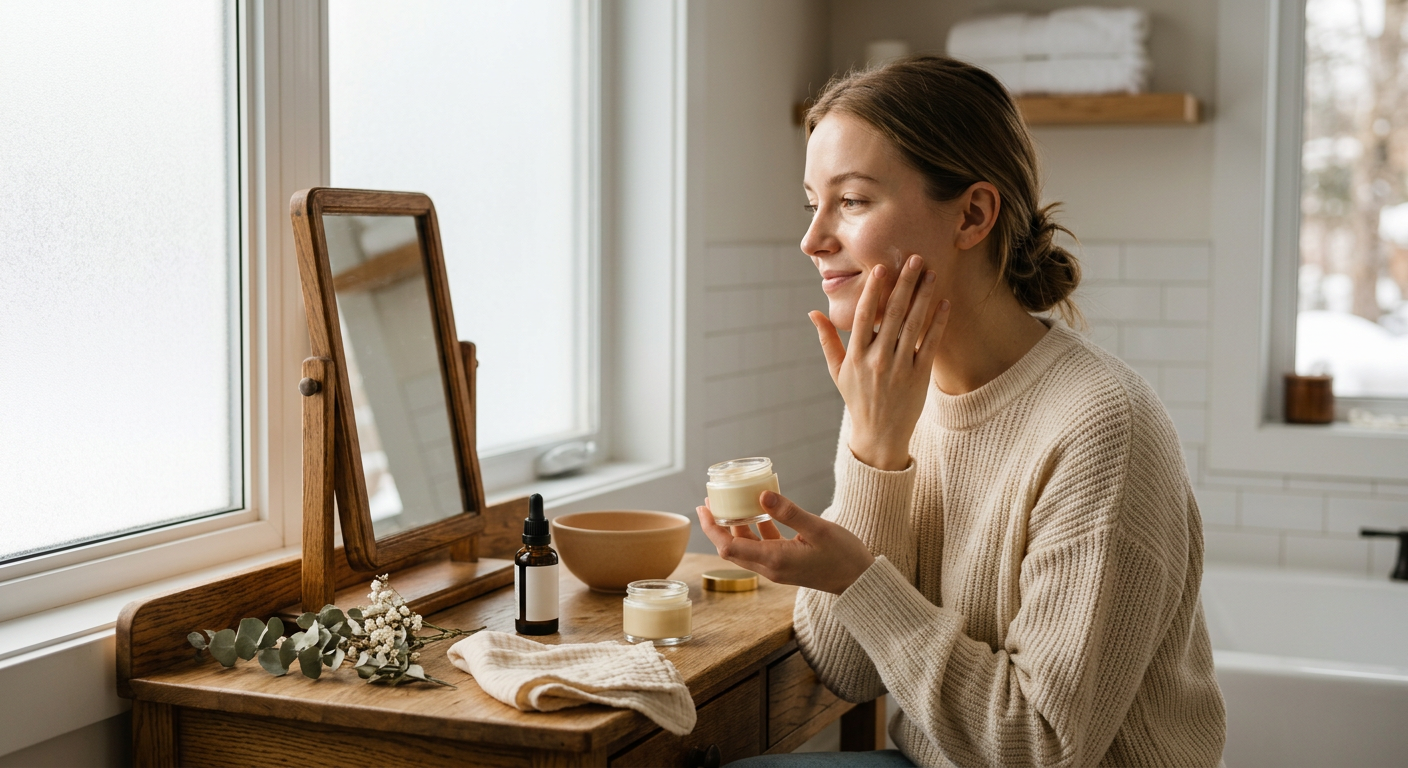
A ten-step regimen isn’t the goal. Truly Beauty frames it as layered hydration plus barrier repair: humectant-rich serums to attract moisture, barrier-supporting ingredients like ceramides and peptides, and a moisturizer to seal everything in.
Keep it simple when conditions are harsh. U Beauty recommends streamlining your routine during cold months, since fewer products mean less chance of irritation and easier consistency. When your skin starts feeling tight or flaky, that’s the signal to add more hydration.
Adjust as you go. Your skin’s needs shift with the weather, so pay attention to how it feels week to week. The right routine is the one your skin responds to, not the longest product list you can fit on a shelf.
Conclusion
Rich moisturizers and hydrating serums aren’t rivals. Serums pull water deep into your skin with humectants like hyaluronic acid, while rich moisturizers seal that moisture in and reinforce the barrier against TEWL. The research supports pairing them: a serum-and-cream regimen beat either product used alone across hydration, barrier protection, and oil balance over eight hours.
The winter formula is simple. Cleanse gently, apply a hydrating serum to damp skin, lock it in with a rich moisturizer, and add sunscreen each morning. Add one product at a time so you can see what works, then adjust as the weather turns. Look at your current routine this week and find the gap, whether it’s a hydrating serum you’re missing or a richer moisturizer your skin has been asking for.
Frequently Asked Questions
Do I really need both a serum and a moisturizer in winter?
For dry winter skin, yes. A hydrating serum adds moisture and a rich moisturizer locks it in, and research shows the combination sustains hydration and reduces water loss better than either used alone.
Should I apply serum or moisturizer first?
Serum first. According to Skin Type Solutions, serums go on before moisturizers because this improves absorption of the serum’s active ingredients. Applying moisturizer first slows that penetration.
Can a rich moisturizer replace my hydrating serum?
Not fully. A moisturizer seals in moisture and reinforces your barrier, but it doesn’t deliver the deep, concentrated hydration a humectant-rich serum provides. The two solve different problems.
What ingredients should I look for in a winter moisturizer?
Look for emollient, barrier-supporting ingredients like shea butter, vitamin E, ceramides, and nourishing oils. BABOR notes these fortify the skin barrier and prevent moisture from escaping in cold, dry conditions.
Why does my skin feel tight even when I use moisturizer?
Tightness usually means you need more hydration, not just more occlusion. Adding a hydrating serum under your moisturizer, and applying both to slightly damp skin, helps draw water in before you seal it.
Do I need to change my whole routine for winter?
No. Mostly you need to upgrade textures: swap lighter summer formulas for richer creams and add barrier support. Introduce changes gradually so you can tell how your skin responds.