

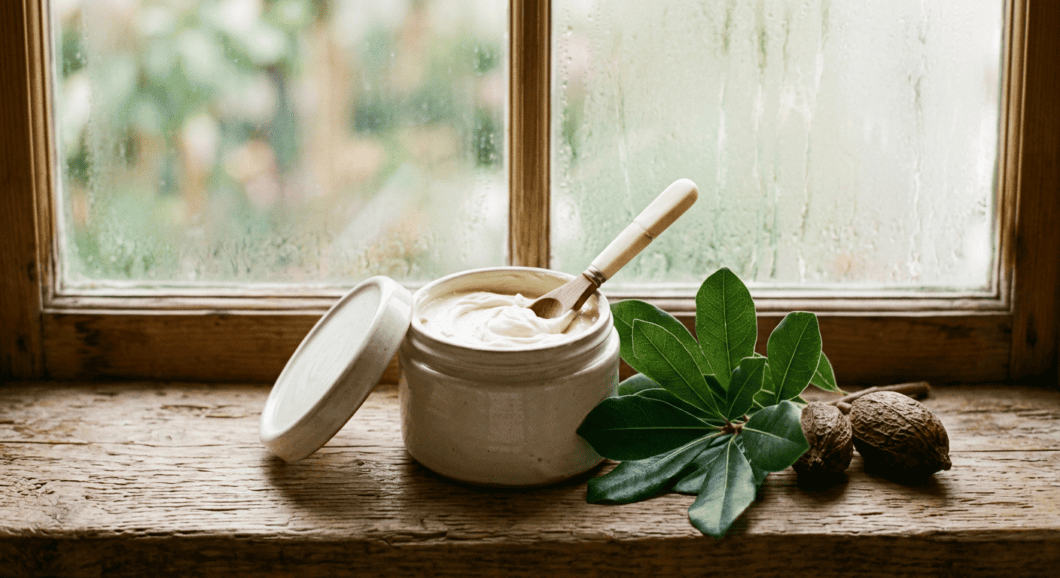
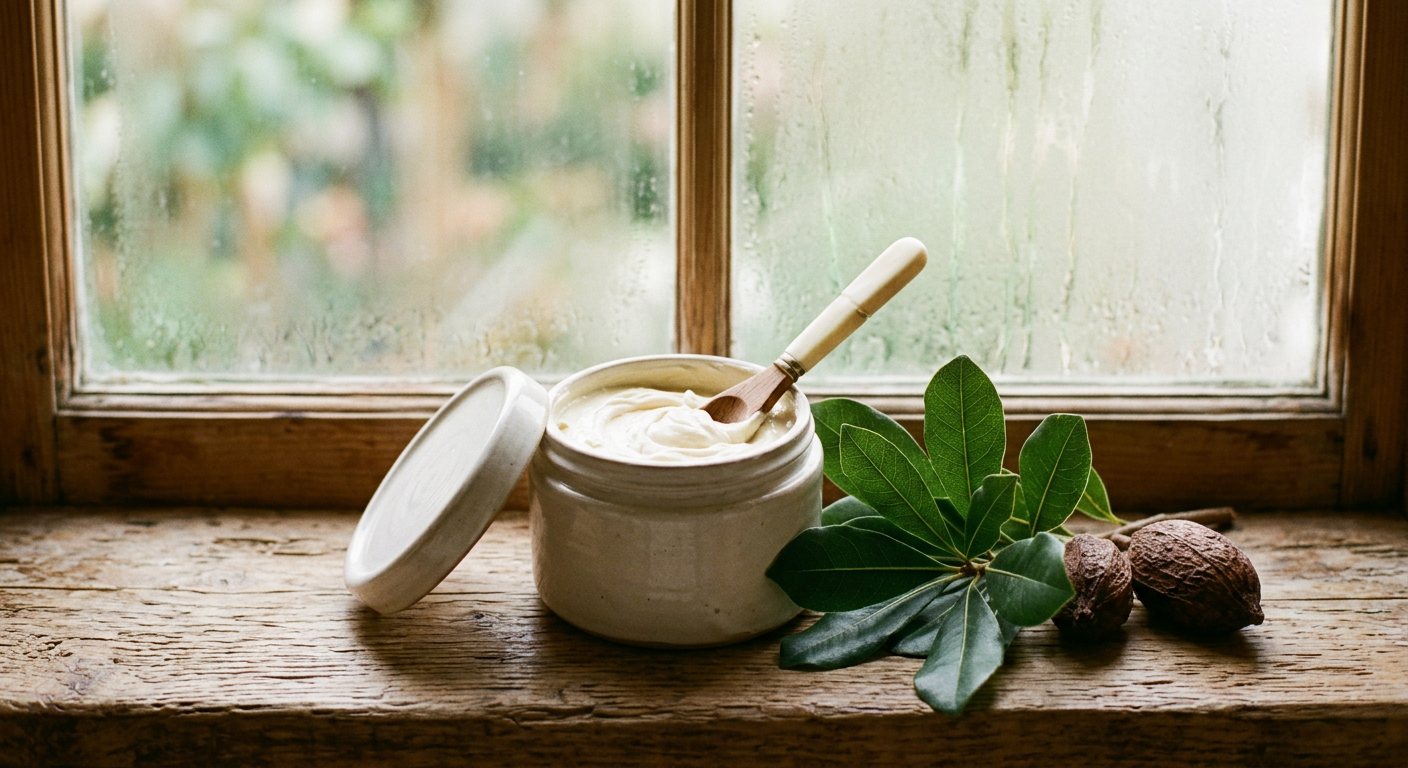
Winter wrecks your skin before you even leave the house. Indoor heating, low humidity, and cold air strip moisture from skin for months at a stretch, and you see the damage in cracked heels and rough elbows. Plant-based body butters answer that with dense, oil-rich hydration from shea, cocoa, mango, and other botanical fats. Instead of the water-heavy formulas you get in standard lotions, they deliver concentrated nourishment to the exact spots cold weather hits hardest. If you want skin that holds up from November through March, botanical butters belong in your routine.
What Makes a Body Butter “Plant-Based”
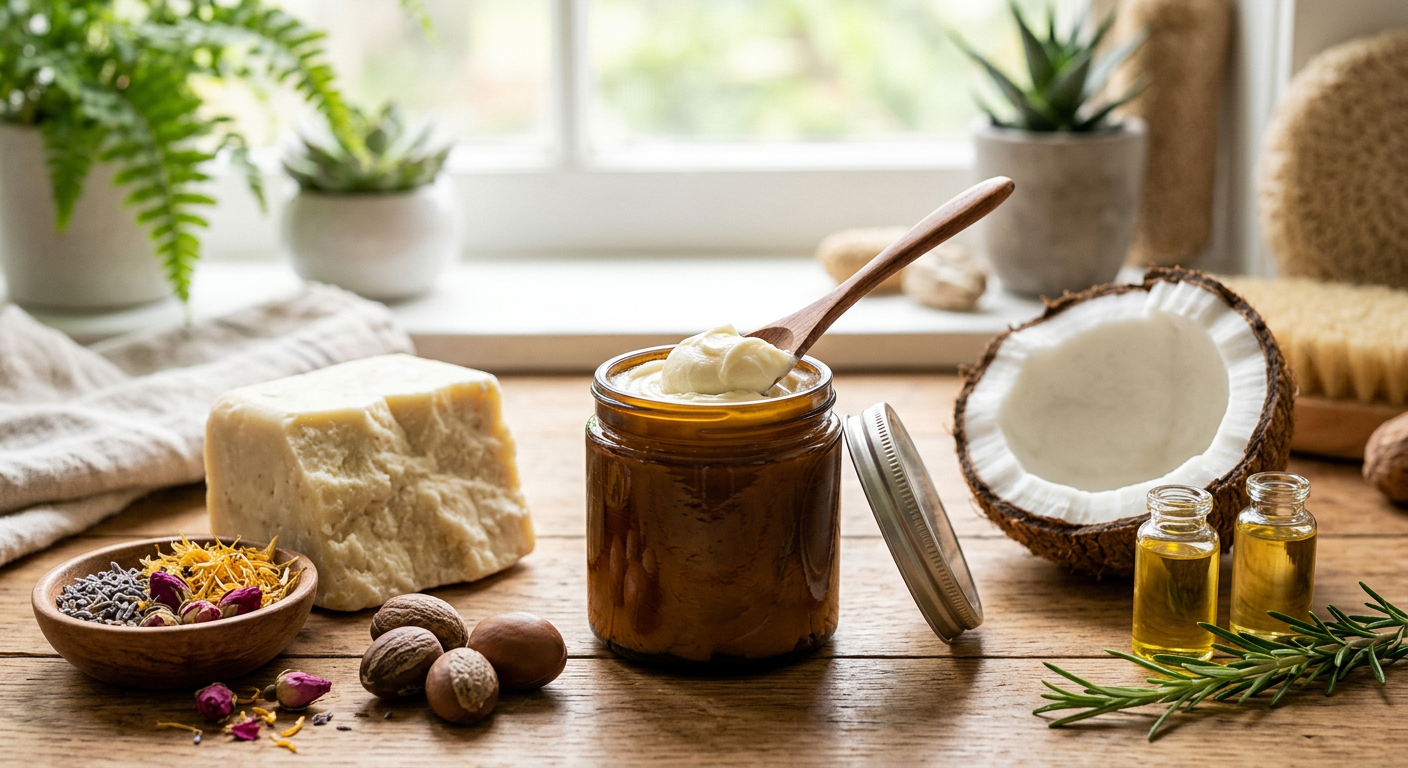
A body butter is a rich, oil-based moisturizer built mostly from plant-derived fats rather than water. Shea, cocoa, mango, and kokum butters form the backbone of these formulas, each pressed from the inner kernels, nuts, or seeds of different plants.
Botanical butters stay solid at room temperature, which gives body butters their creamy, substantial texture. Mountain Rose Herbs points out that the same qualities making them good moisturizers also make them useful for thickening lotion bars, lip balms, and hair conditioners.
Water content is where lotions and body butters diverge. Body butters have little to none. As Allure notes, these ultra-rich products lean on ingredients like shea butter, cocoa butter, squalane, and ceramides instead. That higher oil concentration is what makes them work in harsh, cold weather.
Why Winter Demands a Heavier Moisturizer
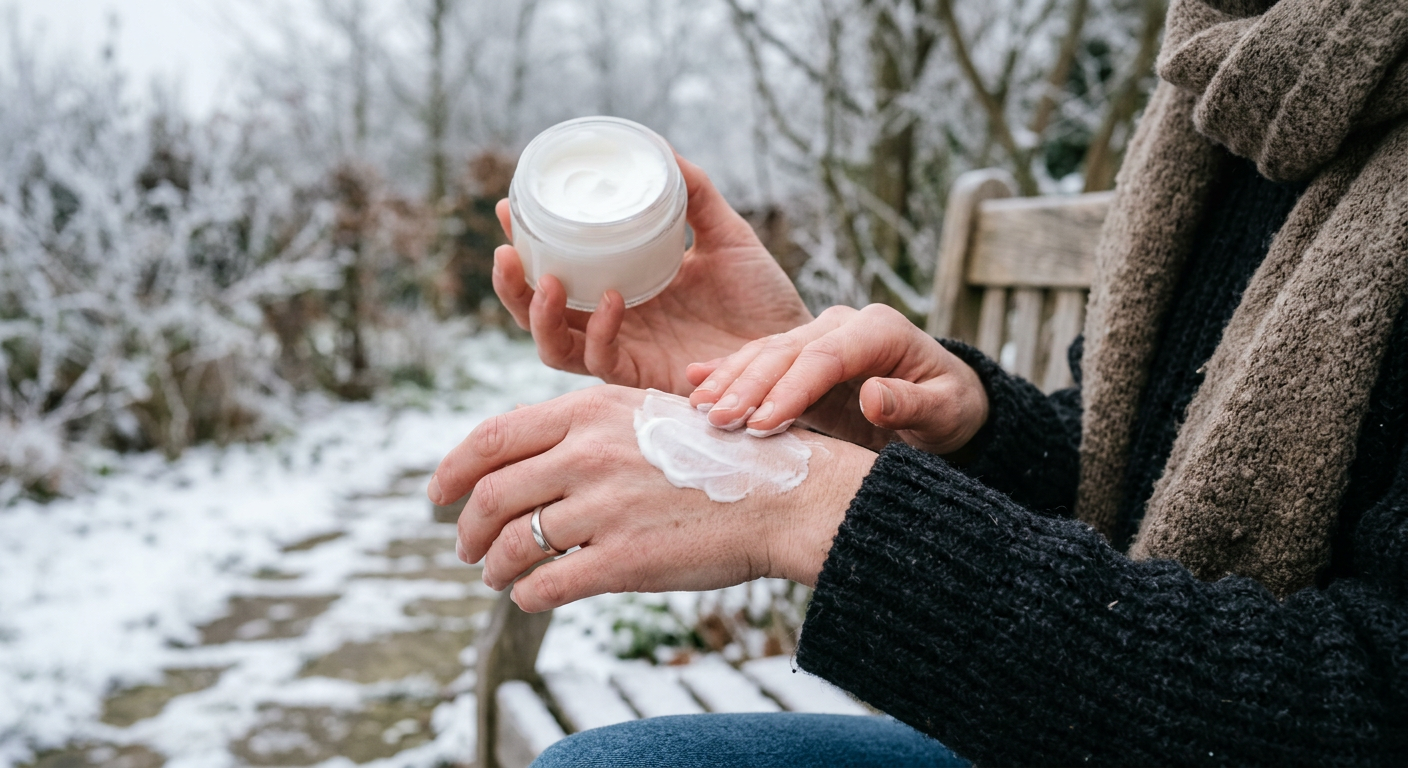
Cold weather does measurable damage to the skin barrier. A systematic review cited by North Biomedical found that low humidity and low temperature directly reduce skin barrier function, raising susceptibility to irritants and increasing the prevalence of dermatitis flares.
Indoor heating recreates those same conditions inside, month after month. The result is a cycle of dryness that a lightweight lotion often can’t break.
Body butters interrupt that cycle through occlusion. Their thicker consistency and higher concentrations of occlusive ingredients make them better at preventing water loss, according to board-certified dermatologist Debra Luftman via Allure. They melt into the skin, smooth the surface, and seal moisture in.
The Occlusive-Only Limitation
Pure butters have one weakness: they trap moisture but can’t draw it in. An occlusive-only product slows water loss, but it has nothing to pull water toward the skin in the first place.
Layering solves this. North Biomedical recommends pairing a butter with a humectant step underneath, or choosing a formula that already includes glycerin rather than relying on pure butters and waxes alone.
The Science Behind Skin Hydration
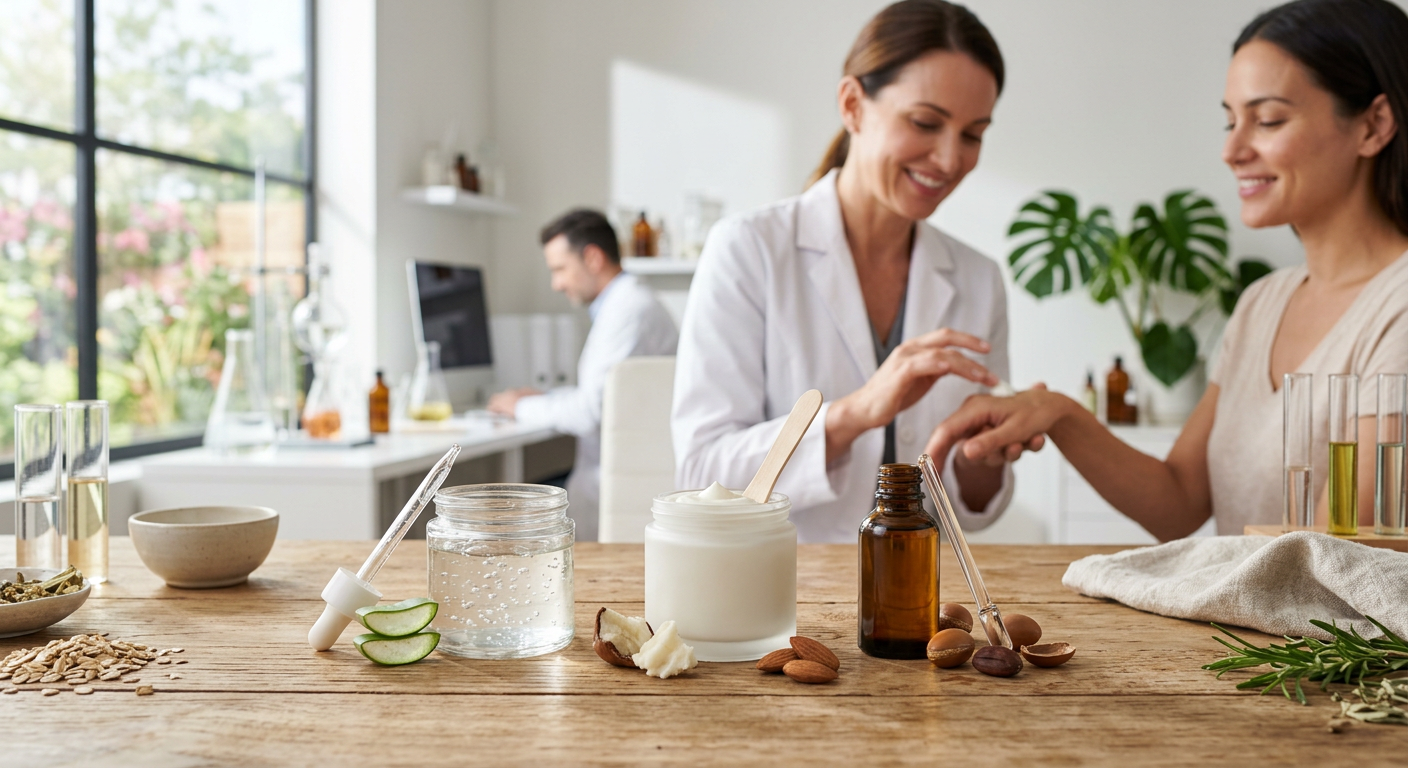
Every effective moisturizer does three jobs, and knowing them makes it easier to choose the right product. Natural Inspirations breaks it down: a moisturizer has to draw water in, smooth rough spots, and lock moisture in.
Those three functions map to three ingredient categories:
- Humectants draw water into the skin (glycerin, aloe, hyaluronic acid)
- Emollients smooth and soften rough patches (plant butters and oils)
- Occlusives form a barrier that locks moisture in (waxes, heavier butters)
Body butters handle the emollient and occlusive jobs well. That’s why they beat lighter products in winter, when sealing the barrier matters most. Add a humectant step and you’ve covered all three bases.
Comparing Popular Plant Butters
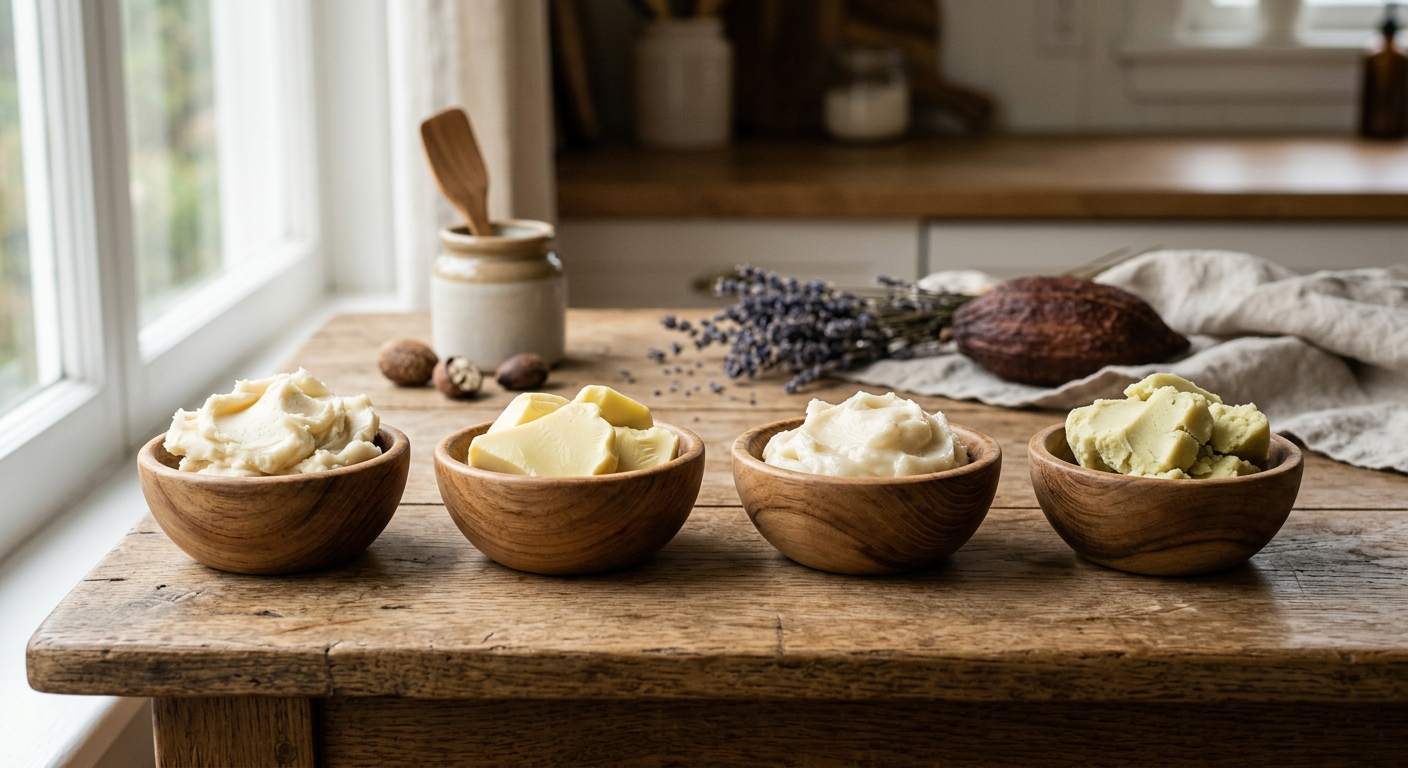
Botanical butters don’t all behave the same way. Color, scent, and richness vary, and the right choice depends on your climate and your skin. Refined kokum and mango butters, for instance, are the go-to when you want to avoid adding color to a formula, per Mountain Rose Herbs.
| Butter | Texture & Color | Best For | Season |
|---|---|---|---|
| Shea | Light to deep yellow, very rich | Deep winter hydration | Winter |
| Cocoa | Yellow-cream, firm | Barrier protection, body melts | Winter |
| Mango | Off-white to light cream, smooth | Lighter moisture, non-greasy feel | Transitional |
| Kokum | Off-white, firm, low scent | Color-free formulas, summer | Summer |
Formulators tend to swap butters with the seasons. The guidance from Beauty Healing Organic is direct: cold, dry air calls for heavy butters like shea in winter, while lighter options like kokum suit hot summer months.
Matching Butter to Season
Natural Inspirations lays out a simple seasonal framework:
- Winter (cold and dry): Reach for body butter to lock in moisture.
- Summer (warm and humid): Use a lighter lotion or dry oil.
- Spring and fall (variable): Layer lotion in the morning, dry oil at night.
How to Apply Body Butter for Best Results
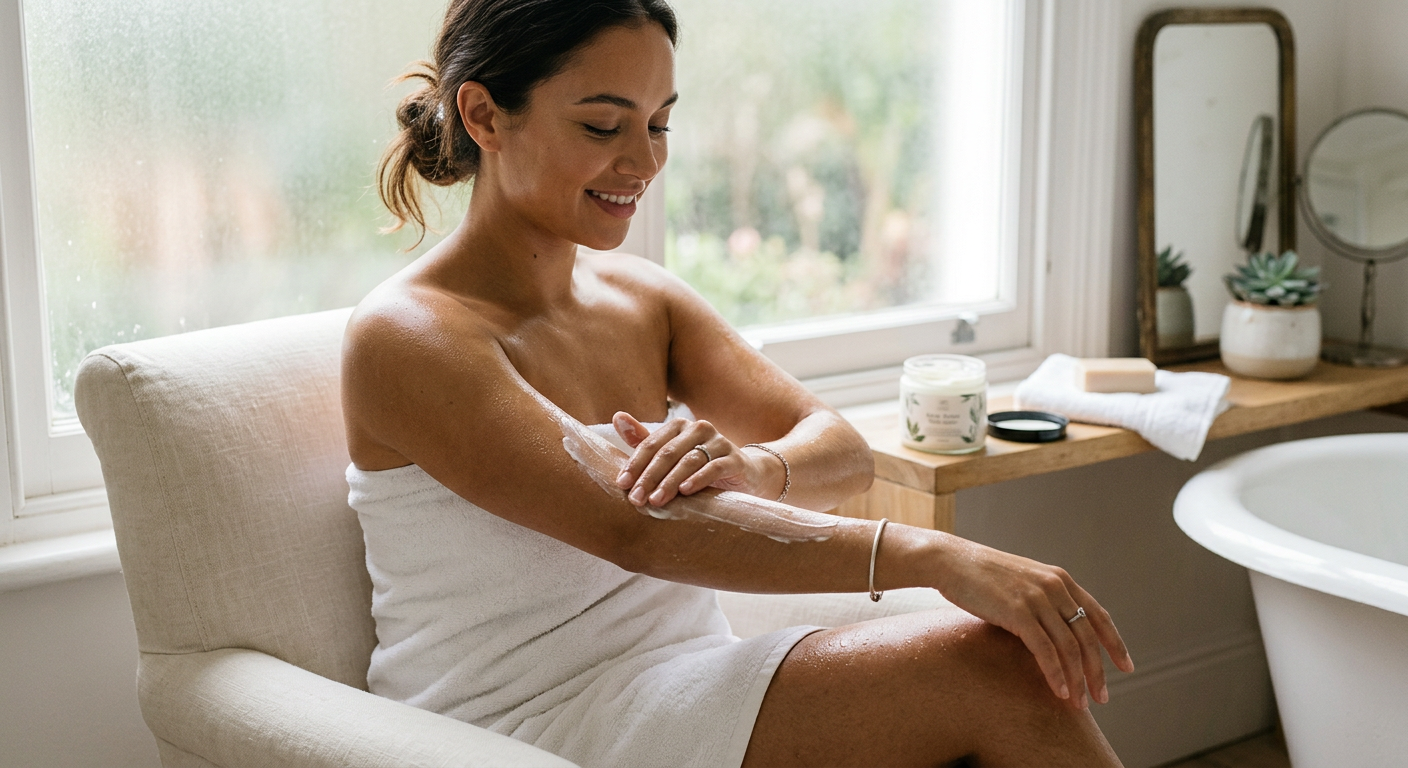
Timing matters as much as the product. Every dermatologist consulted by Good To Greatness agrees that body butter works best on damp skin, right after a shower.
Dr. Gohara recommends patting the skin dry rather than rubbing it, then applying the butter within a minute or two. That traps the water still sitting on your skin and gets the most out of the product’s sealing effect.
One thing to expect: body butters absorb more slowly than lotions, and some feel a little wet on first contact. Let the butter dry before you dress, or apply it before bed so the residue doesn’t end up on your clothes. Use it all over, or focus on the stubborn dry zones like knees, heels, and elbows.
A Market Shifting Toward Botanical Care

Demand for rich, plant-based moisturizers keeps climbing. Future Market Insights projects body butter sales to grow at a 6.0% CAGR from 2026 to 2036, taking the market from USD 623.2 million to USD 1,116.1 million.
That growth tracks a change in how people use these products. The same report notes USD 492.9 million in incremental value as richer body moisturizers move beyond winter-only use into year-round barrier care.
Rising demand brings more scrutiny over quality and safety. The European Commission reported that cosmetics accounted for 36% of Safety Gate alerts in 2025, the largest notified category, according to Future Market Insights. For shoppers, the lesson is to choose formulas with transparent ingredient lists and credible sourcing.
Key Takeaways and Next Steps
Plant-based body butters give winter skin the concentrated, oil-rich hydration that lighter lotions can’t match. Shea and cocoa butters do their best work in cold, dry conditions, while mango and kokum suit warmer seasons. Apply butter to damp skin within two minutes of showering, and layer a humectant underneath to handle the one job occlusives can’t.
Start by sizing up your climate and your driest trouble spots, then pick a butter to match. You can browse a full selection of pure plant butters to build a seasonal routine, and if you want full control over what goes in, blending your own is worth a try. Your winter skin barrier will thank you for it.
Frequently Asked Questions
Is body butter better than lotion for winter?
For most people, yes. Body butters contain little to no water and higher concentrations of occlusive ingredients, which makes them better at preventing moisture loss in cold, dry conditions than water-based lotions.
When should I apply body butter?
Apply it to damp skin within one to two minutes of showering, patting yourself dry rather than rubbing first. Dermatologists say this traps surface water and gets the most hydration out of the product. Applying before bed also keeps residue off your clothes.
Which plant butter is best for very dry skin?
Shea and cocoa butter are the richest, most occlusive options, which makes them ideal for deep winter hydration. On stubborn areas like heels and elbows, these heavier butters outperform lighter options like mango or kokum.
Why does my body butter stop working in winter?
An occlusive-only butter can slow moisture loss but can’t draw water into the skin. Low indoor humidity from heating makes the problem worse, so pair your butter with a humectant step or choose a formula that contains glycerin.
Are plant-based body butters safe?
They’re generally safe when sourced responsibly, though quality varies. Cosmetics were the largest category of EU Safety Gate alerts in 2025, so look for products with transparent ingredient lists and credible sourcing.
Can I use body butter every day?
Yes. Butters are especially valuable in winter, but the market is shifting toward year-round use for routine barrier care. In warmer, humid weather, lighter formulas or dry oils may feel more comfortable.