


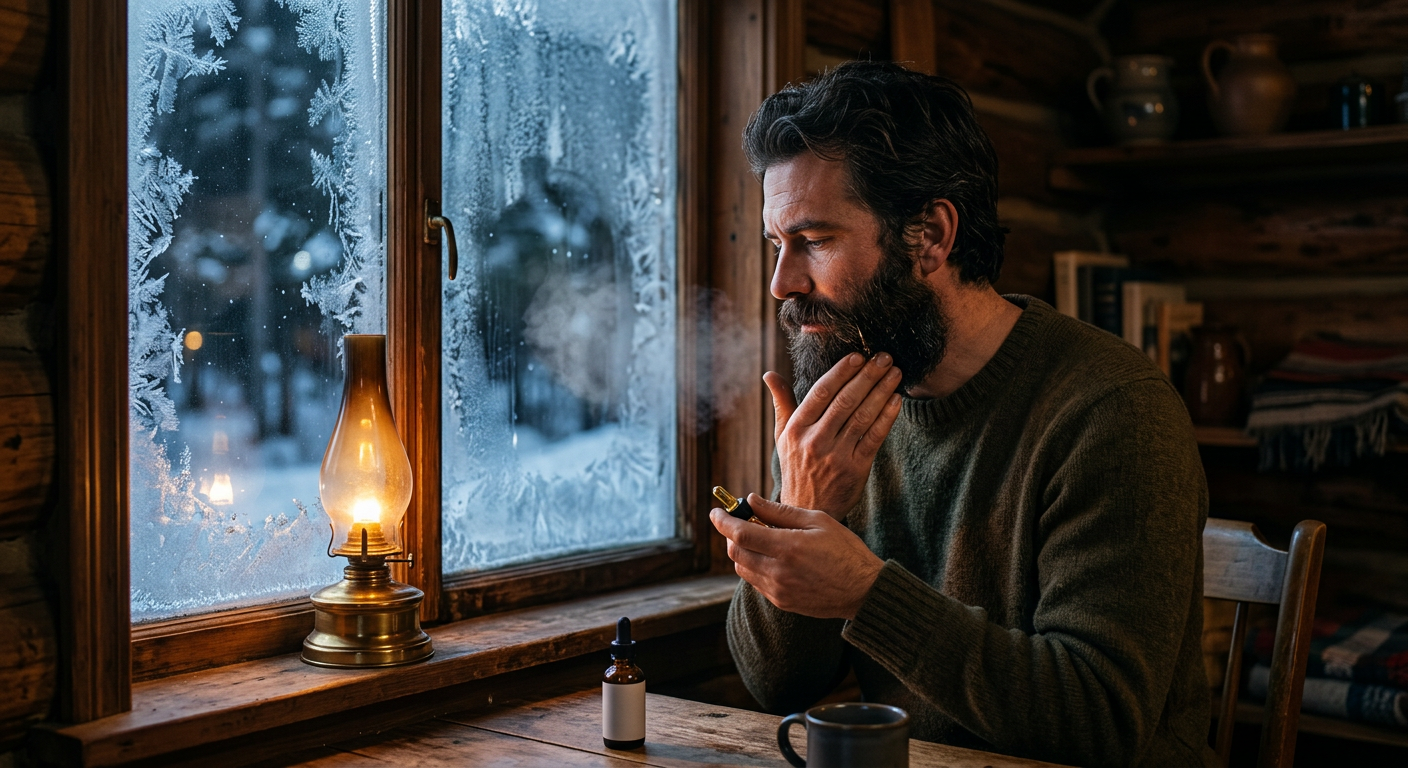
Every winter does a number on your beard. By January, the soft beard you had in October turns brittle, flaky, and itchy enough to make you want to shave the whole thing off. The cause is simple: cold air and low humidity pull moisture out of your facial hair and the skin underneath it. Fixing it takes a handful of adjustments that keep facial hair soft even when it’s below freezing outside.
This guide covers what changes when the weather turns cold, which products hold up, and the routine that carries a beard from the first frost to the spring thaw.
Why Winter Wrecks Your Beard
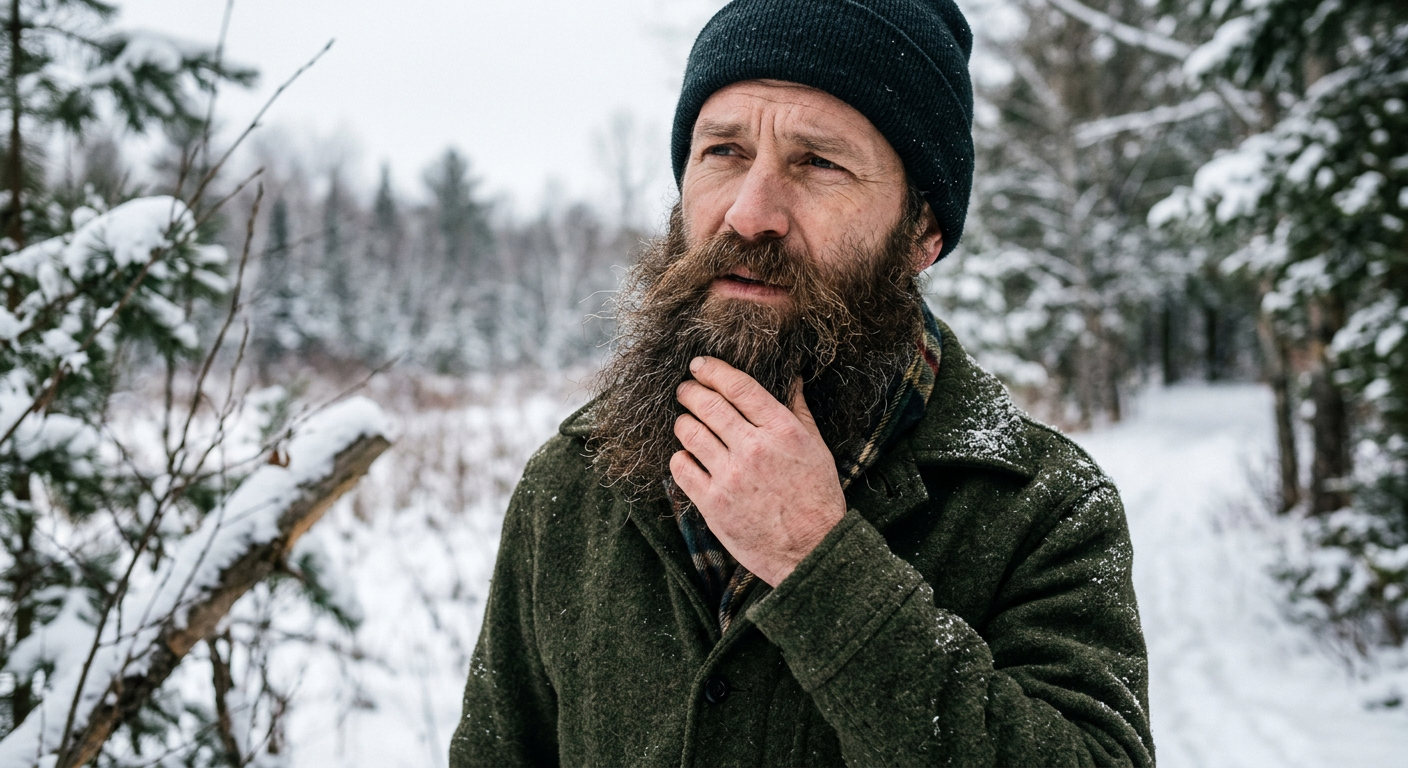
Low humidity does most of the damage. Beard hair is porous, so it absorbs and loses moisture depending on its surroundings. In winter the dry air, both outdoors and in heated rooms, pulls that moisture out of your facial hair, according to Reuzel.
The problem goes below the surface, too. Cold air and low humidity draw moisture from the hair cortex and leave the cuticle open to breakage, as Grizzly explains. Colder air holds much less moisture, which creates an osmotic pull that drags water out of the hair and the skin beneath it.
Indoor heating adds to the problem. You walk from a cold, dry street into a dry, heated room, and your beard never gets a break from losing moisture. That’s where the usual winter symptoms come from: brittleness, flaking, and an itch that won’t quit.
The Dry Skin Connection
The itch usually starts on the skin, not the hair. Cold or dry conditions can leave your skin dry, a condition called xerosis, according to dermatologist Dr. Alok Vij at Cleveland Clinic.
Dr. Vij recommends working a face moisturizer into your beard and the irritated skin under it, and he points out that oil-based moisturizers hold more moisture than water-based ones. That’s why beard oil stops being optional once the cold sets in.
Wash Less, Wash Smarter

Over-washing is the quickest route to a brittle winter beard. Every wash with the wrong product strips the natural oils that keep your beard soft and your skin hydrated.
Two to three times a week with a dedicated beard wash hits the right balance, according to Reuzel. On the off days, a quick rinse with water keeps things fresh without stripping oils. Skip the shampoo you use on your scalp, which is too harsh for facial hair and the thin skin underneath.
Water temperature matters more than most men think. Use lukewarm water rather than hot, since hot water strips your natural oils, as Wahl advises. After washing, pat your beard dry with a towel instead of rubbing, which cuts down on friction and breakage.
Choose Sulfate-Free Products
Regular shampoos and conditioners strip a beard of its natural oils and leave it dry. Go with a beard-specific shampoo and conditioner that’s free of harsh chemicals and sulfates, which Wolf’s Mane recommends for gentler cleansing. Exfoliate the skin under your beard, too, to clear dead skin cells and head off flaking, a tip from All About Men Barbershop.
Upgrade Your Beard Oil and Balm
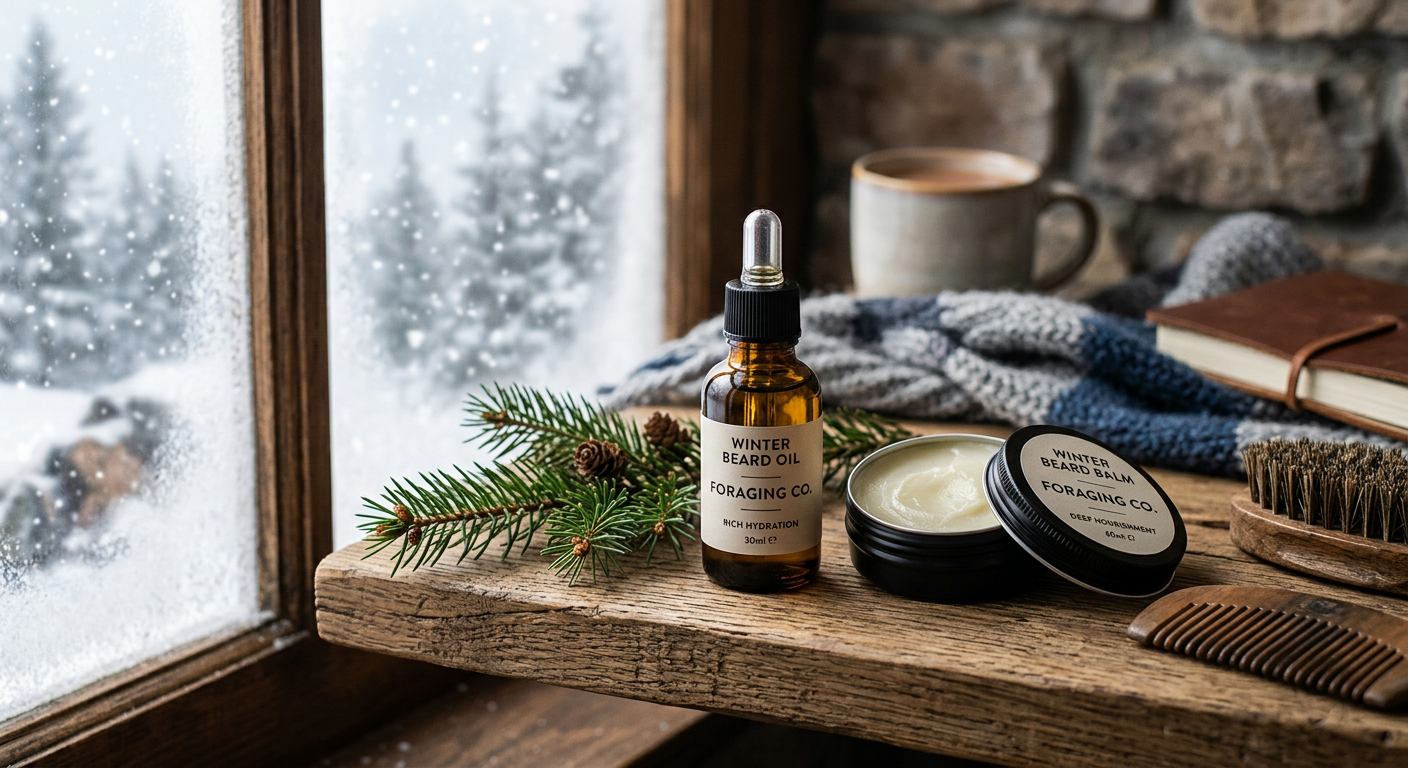
Winter calls for heavier products than summer. The better winter beard oils use high-occlusive carrier oils like argan and avocado to build a physical barrier that locks moisture into the skin, according to Live Bearded.
Avocado oil is worth hunting down. It’s high in oleic acid and monounsaturated fats, which makes it one of the few oils that can reach the inner sections of the hair and wrap each strand in moisture, keeping a beard soft even in freezing weather.
For more protection, move from oil to balm or butter. Grizzly recommends switching from lightweight oils to high-viscosity beard butter for a better barrier through the coldest months, per Grizzly. Apply 3 to 6 drops of oil daily depending on your beard’s length, as Live Bearded suggests.
Summer vs. Winter Product Comparison
| Factor | Summer Routine | Winter Routine |
|---|---|---|
| Product type | Lightweight beard oil | Heavy oil, balm, or butter |
| Key ingredients | Light carrier oils | Argan, avocado (occlusive oils) |
| Wash frequency | More frequent | 2–3 times per week |
| Water temperature | Cool | Lukewarm |
| Main goal | Control shine, reduce oil | Lock in moisture, prevent breakage |
Brush, Comb, and Trim Regularly
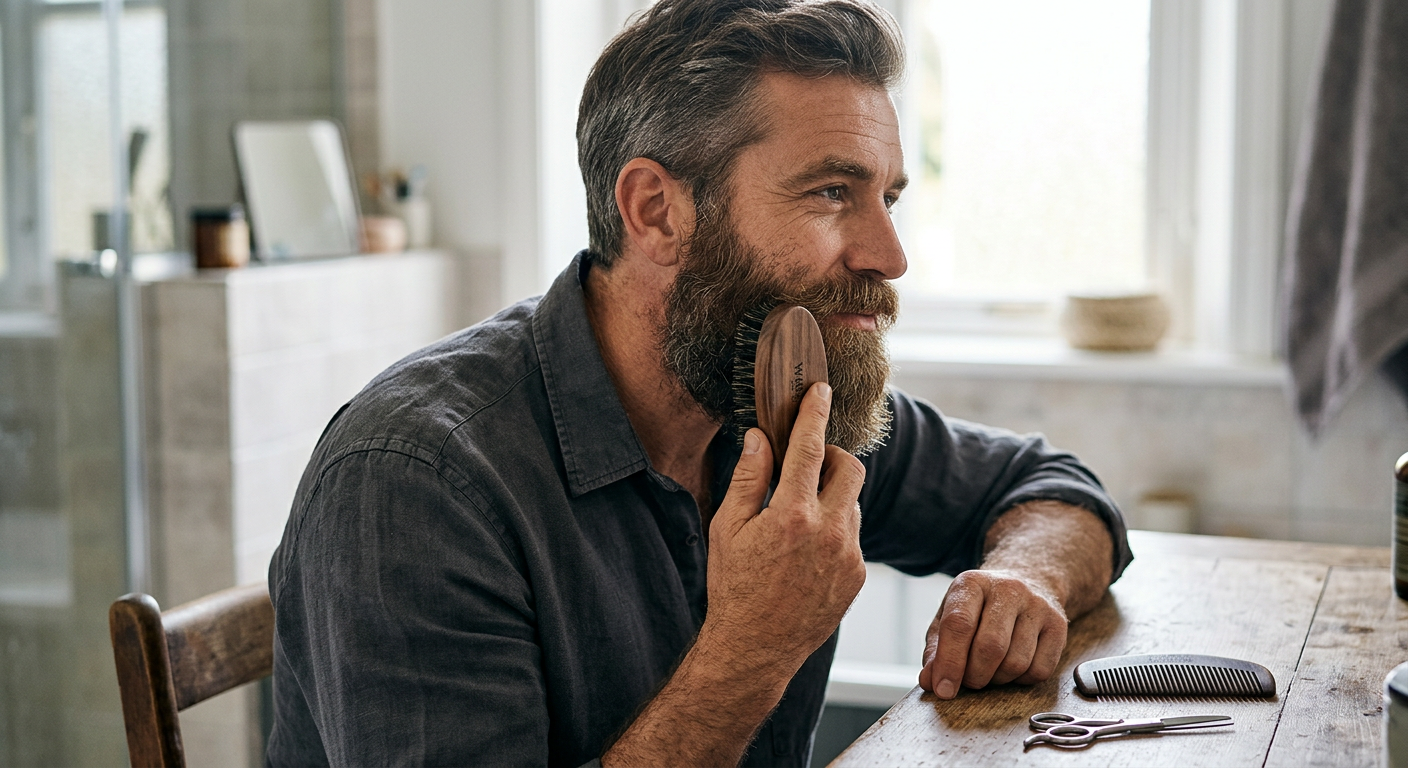
Grooming does more than tidy a beard. It spreads the oils that keep it soft. Regular combing distributes natural oils evenly and prevents tangling and breakage, according to All About Men Barbershop. Pick a comb with wide teeth so you can detangle without tearing hair.
Brush after you apply oil or balm. Add a softening balm or a couple of drops of beard oil, then brush to spread the oils and keep tangles down, as Wahl recommends.
Trimming stays in the rotation through winter. Run a trimmer over your beard to keep it neat and to cut dead ends, which stops split, brittle tips from working their way up the hair shaft. A tidy beard also holds product more evenly.
Protect Your Beard From the Elements
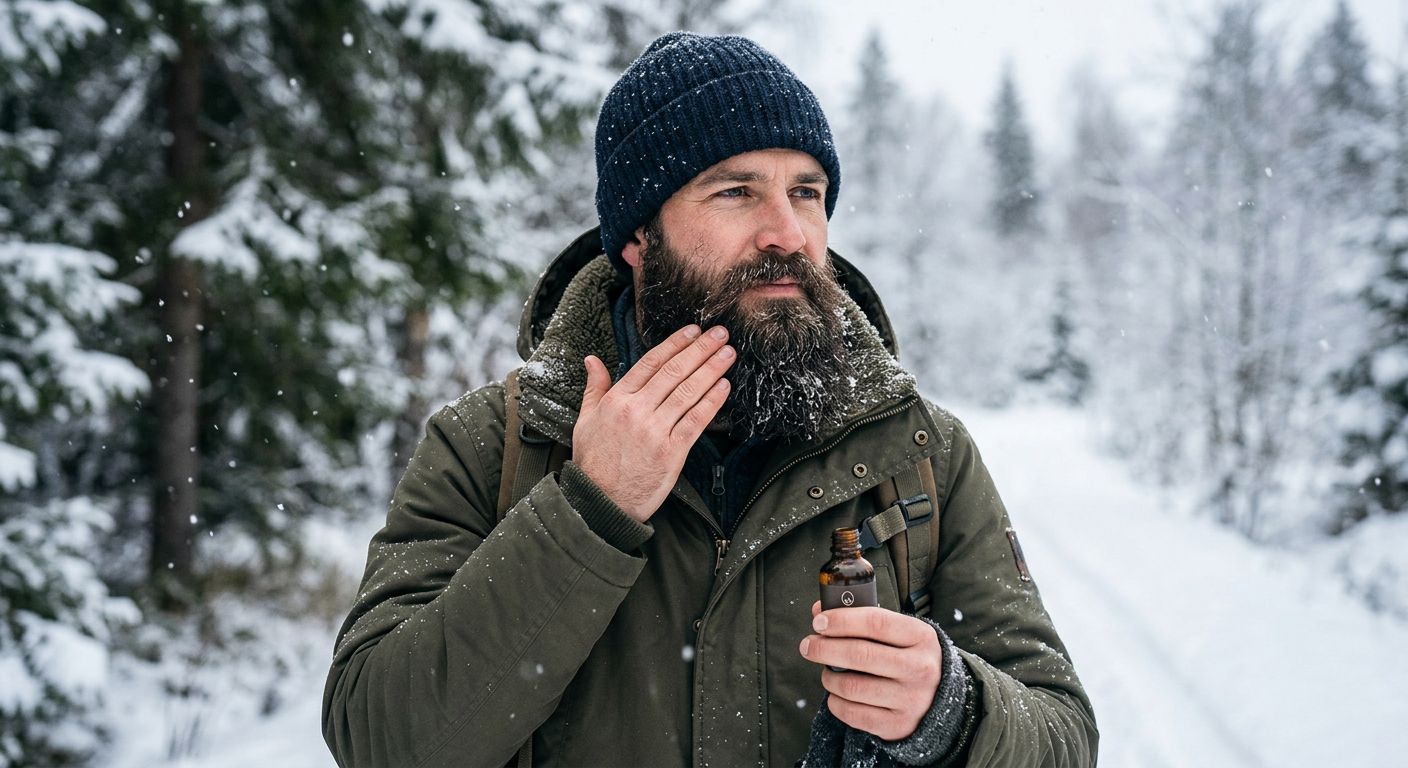
The biggest winter threat you can actually control is moisture freezing in your beard. A wet beard in freezing temperatures can freeze solid, so covering up before you go out is worth the trouble.
Wrap your beard in a scarf in extreme cold, a tip echoed by both The Glossy Locks and Wolf’s Mane. For the best defense against breakage, use silk or satin-lined scarves to cut friction and mechanical breakage at the tips, as Grizzly advises.
There’s a payoff for all the extra work. Longer beards act as a layer of insulation, trapping warm air near the face, according to Wahl. A beard won’t stand in for a scarf or hood when it’s truly cold, though.
Hydrate From the Inside
Topical products only go so far. Drink more water through winter to support hydration from the inside, as The Glossy Locks notes. Well-hydrated skin grows healthier hair and holds up better against the drying pull of cold air.
Timing Your Winter Beard Growth
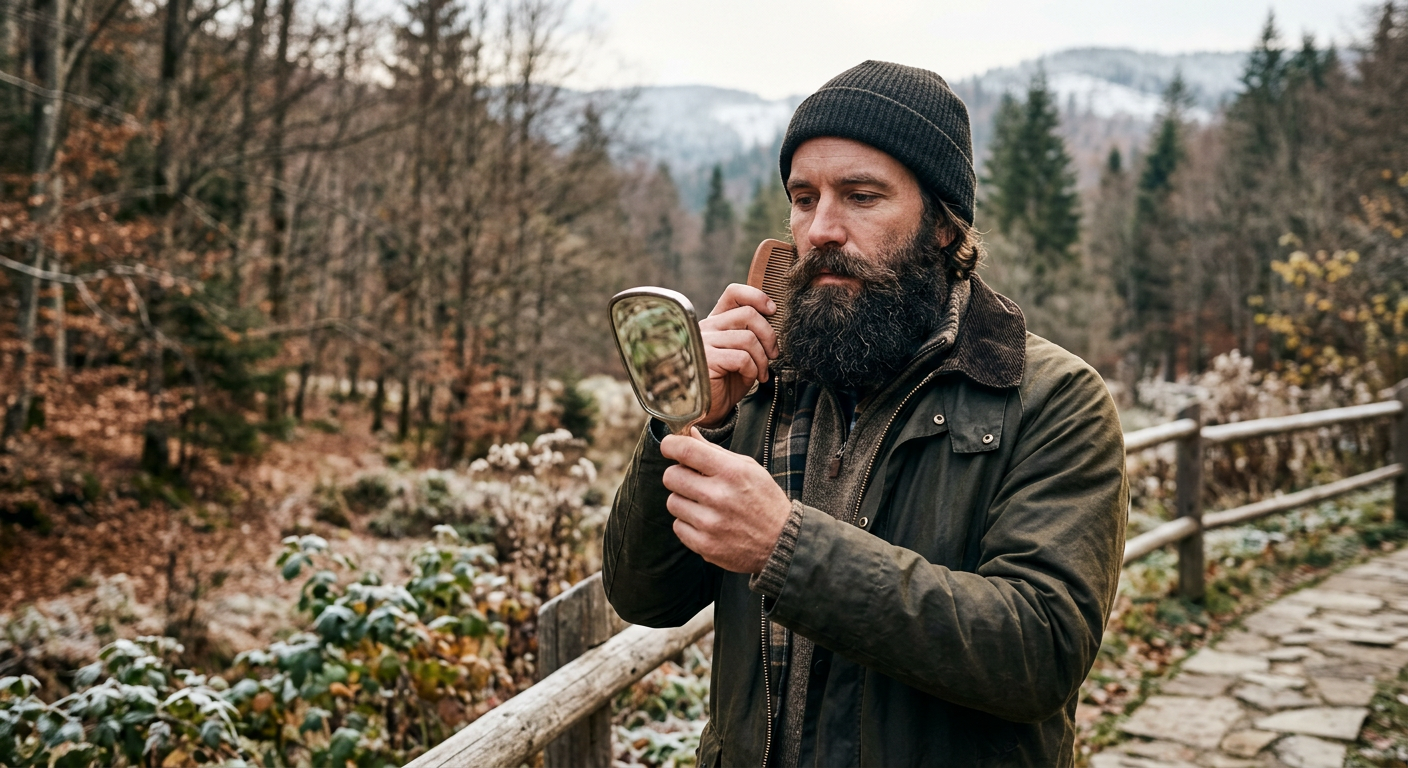
If you want a full beard for the coldest months, start early. Beard growth slows to its lowest rate in January and February, according to The Beard Club, which recommends starting a winter beard in late September or early October to build length before deep winter hits.
Starting early also gives you time to set up your care routine. Get into the habit of washing and conditioning with products made for facial hair, and pick up a good beard oil at the outset to soothe the skin and keep it hydrated from day one.
Key Takeaways and Next Steps
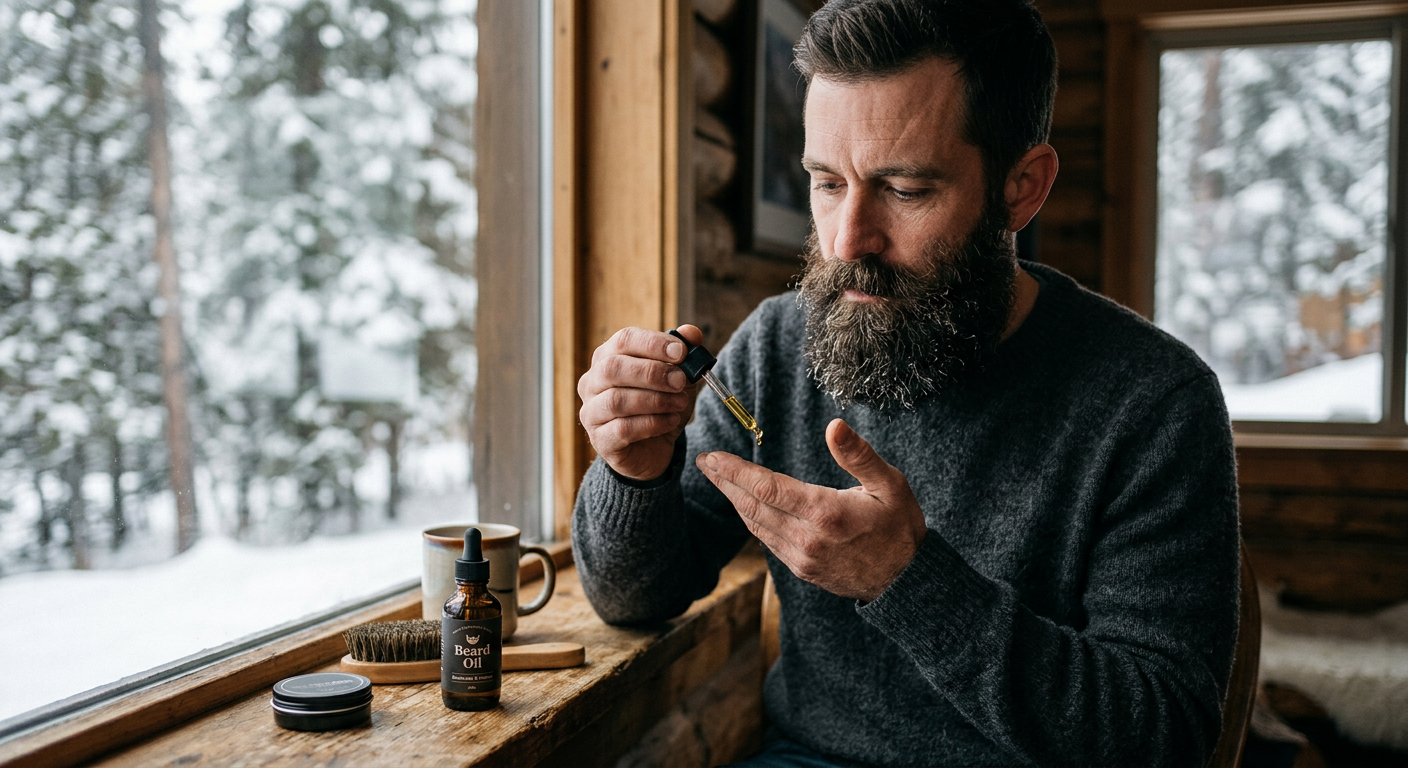
Winter beard maintenance comes down to two things: replacing lost moisture and protecting the beard from the elements. Wash two to three times a week with a sulfate-free beard wash, use lukewarm water, and switch to heavier oils or balm with occlusive ingredients like argan and avocado. Brush daily to spread the oils, trim dead ends, and cover up with a scarf when it’s bitter out.
Start by auditing what you’re already using. If you’re still reaching for scalp shampoo or a lightweight summer oil, swap them out now. Those two changes alone will change how your beard feels all winter. Set up the routine this week and your facial hair will stay soft and comfortable until spring.
Frequently Asked Questions
How often should I wash my beard in winter?
Two to three times a week with a dedicated beard wash, according to Reuzel. Over-washing strips the natural oils that keep a beard soft, so a plain water rinse covers the off days.
Why does my beard itch so much in cold weather?
Cold, dry air dries out your skin, a condition called xerosis, which leads to itching, according to Cleveland Clinic. Working an oil-based moisturizer into your beard and the skin underneath usually settles it down.
Should I use beard oil or beard balm in winter?
Balm and butter give you heavier, longer-lasting protection than oil, which makes them the better pick for the coldest months. Look for occlusive ingredients like argan and avocado oil that build a barrier to hold moisture in the skin.
Can my beard really freeze in cold weather?
Yes. A wet beard in freezing temperatures can freeze, which is why Wahl recommends drying it thoroughly and covering it with a scarf in extreme conditions.
What water temperature should I use to wash my beard?
Lukewarm, not hot. Hot water strips your beard’s natural oils and makes winter dryness worse, according to Wahl.
When should I start growing a winter beard?
Late September or early October, according to The Beard Club, since growth slows to its lowest rate in January and February. An early start gives you enough length before deep winter arrives.