



The center part has owned hair feeds for years. That grip is loosening. The deep side part, defended by millennials and mocked relentlessly by Gen Z, is back in rotation. Vogue reports that spring 2026 marks the side part’s return, with A-listers and It girls alike adopting it. Winter is a sensible season to test it, and this guide covers how to style a deep side part through the colder months.
Why the Deep Side Part Is Back

Nostalgia only explains part of it. The deep side part is a reaction against the minimal “clean girl” aesthetic that defined the last few years. Hair historian Rachael Gibson told Vogue that people are “feeling a desire for change and options that let them pull hair more into the look.”
The style has a long record. Gibson traces side parts to the 1920s, their reappearance in the 1940s alongside the romantic curled looks of stars like Veronica Lake, and another run in the early ’90s during the supermodel blowout era. A century of recurrence puts this well past passing-fad territory.
The 2026 version differs in its deliberateness. Celebrity hairstylist David von Cannon told Vogue that “a side part instantly makes a look feel more intentional and stylized” because it creates natural asymmetry. Harper’s Bazaar describes this winter’s version as “deeper and more swoopy than ever,” citing Hannah Waddingham as a reference point.
How Deep Should Your Part Really Go

The most flattering version is usually less extreme than people assume. Jessica Wang recommends starting with a part one finger-width off-center, then shifting it farther over only if the look still reads flat.
The goal is balance and movement, not a dramatic line across your scalp. If a part looks theatrical, or your eye lands on the parting instead of your face, pull it back toward the center.
The Five-Minute Side Part Test
Before committing to a full wash and blowout, Jessica Wang suggests a quick trial run:
- Lightly dampen only the front and crown rather than wetting all your hair.
- Make a part one finger-width off-center using a comb tip or fingertip.
- Direct the heavier side up and away from the scalp, not flat across it.
- Tuck the lighter side behind your ear or pin it while the roots dry.
- Take one photo straight on and one from each side before deepening the part.
A new part always feels odd at first because it’s unfamiliar, which is where the camera helps. The photos give you an objective read before you decide.
Finding the Right Side for Your Face Shape

Where your part sits changes the whole effect. Von Cannon told Vogue that parting against your natural direction builds more volume, while going with your natural part produces a softer, more laid-down result.
Face shape is a useful guide. Deeper side parts create more length, which flatters rounder faces, while softer parts suit angular features. Schwarzkopf notes that a side part also softens harsh angles and draws attention away from facial asymmetry while highlighting your best features.
For precision, New York hairstylist Carlyn Griscti recommends lining the part up with the arch of your eyebrow, particularly when you want a sleeker finish. Schwarzkopf says the same: for a symmetrical look, align the part with the highest point of your eyebrow.
How to Style a Deep Side Part Step by Step
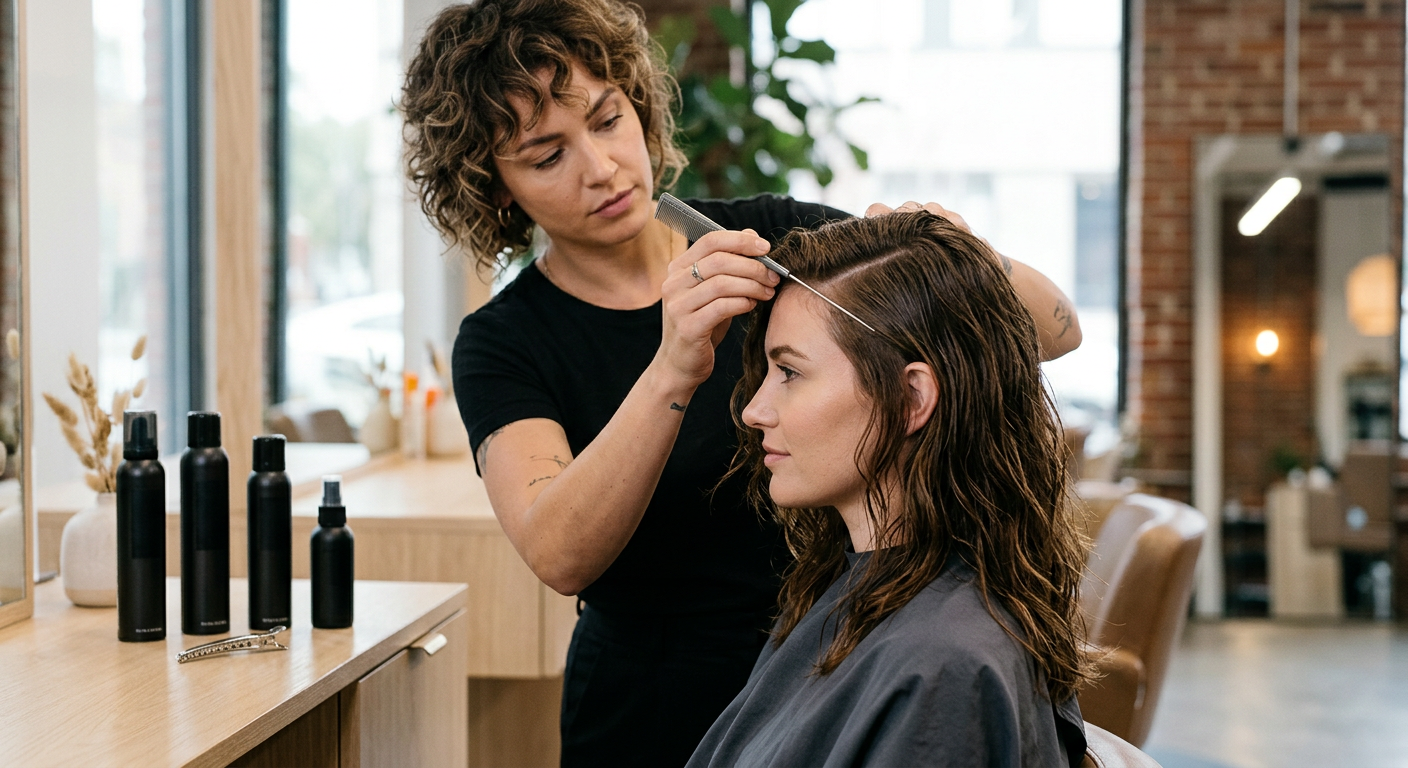
The technique is straightforward. Product choice and direction do most of the work. Celebrity stylist James, quoted in Marie Claire, advises choosing where your parting sits while your hair is still damp, then blow-drying in that direction.
The Core Technique
- Set the part when damp. Comb your part into place before any heat touches it.
- Apply a root-lift product. Marie Claire stresses using something lightweight that adds lift without weight, which matters most for fine hair.
- Blow-dry with light tension. James recommends a paddle brush to direct the hair.
- Flip into place. Once dry, gently flip the hair for lift rather than forcing it with heavy product.
Finishing for Day and Evening
For evening, James suggests layering in a wet-look product such as Color Wow Pop and Lock for polish and shine. On textured hair, a curl control cream adds gentle definition and softness.
Keep the rest of the look simple. With a parting this low, understated styling lets the part carry the statement on its own.
Styling the Deep Side Part for Winter

Winter brings hats, scarves, and static, all of which call for a slightly different approach. A sleeker, glossier finish holds up better under layers, and Perfect Locks notes that this kind of styling pairs well with the rich, deep colors popular this season.
The deep side part also works with a bouncy winter blowout. Cloud Nine recommends towel-drying after washing, then spritzing with a heat protectant before you begin.
Comparison: Three Winter-Ready Deep Side Part Looks
| Look | Best For | Key Product | Finish |
|---|---|---|---|
| Hollywood Waves | Evening, parties | Curl-defining cream | Full-bodied, glamorous |
| Sleek Bun | Office, formal | Gel or smoothing balm | Polished, minimal |
| Bouncy Blowout | Everyday | Heat protectant + round brush | Soft, voluminous |
For the sleek bun, Elle explains that you decide on your parting first, then apply gel or smoothing balm from roots to mid-lengths before smoothing hair into a ponytail. A deep side part gives an otherwise minimal bun its edge.
To build glamorous waves, Schwarzkopf suggests parting clean, blow-dried hair with a fine-tooth comb, then pairing the deep side part with full-bodied waves for a Hollywood effect.
Common Mistakes to Avoid
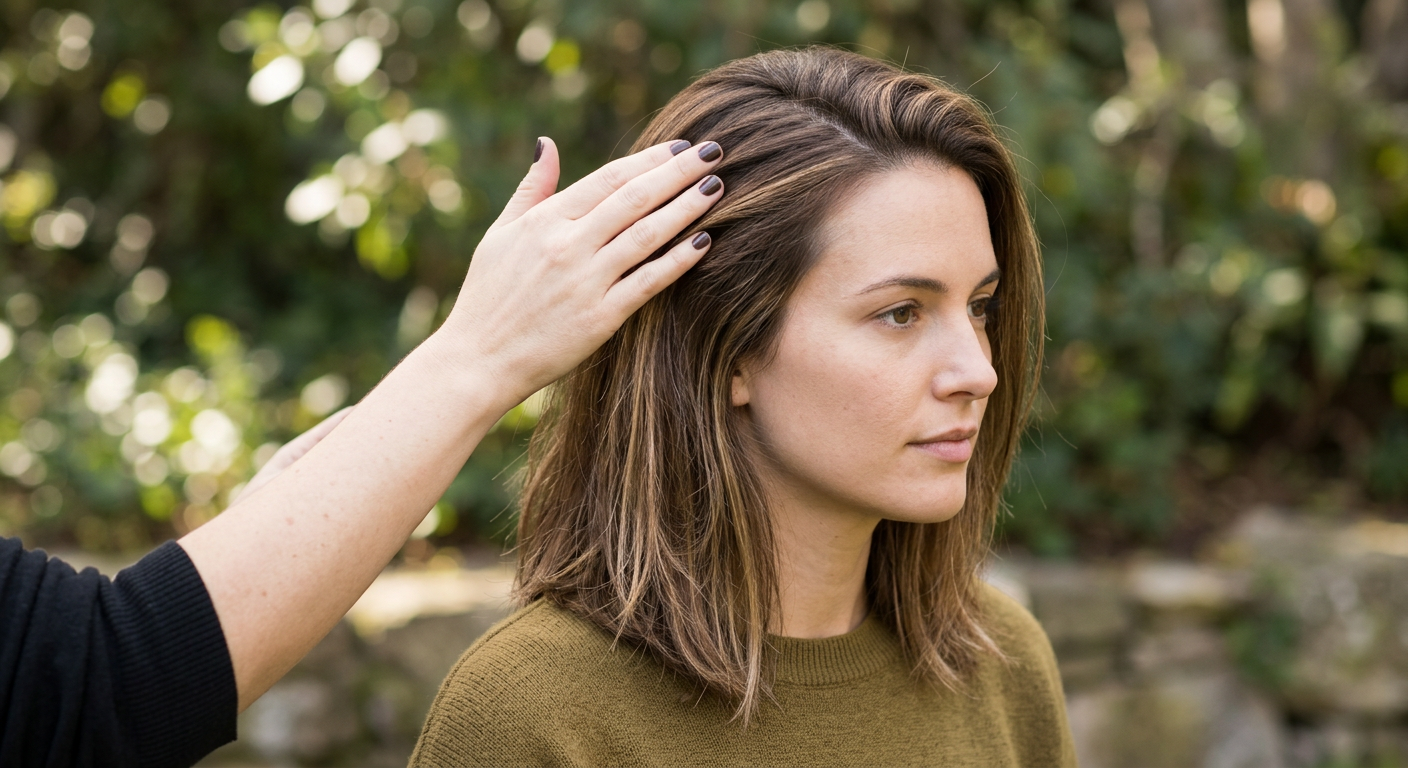
The most frequent error is forcing the hair flat across the scalp. Marie Claire is clear that lift should come from blow-drying direction and gentle flipping, not from piling on heavy product.
Overloading fine hair with weight is the second trap. Lightweight root products preserve volume; dense creams flatten the crown and collapse the shape you worked to build.
Going too deep too fast is the last one. Jessica Wang advises starting subtle and moving the part over gradually. A part that reads as a hard line distracts from your face rather than framing it.
Conclusion
The deep side part has earned its revival across a century of reinvention, and winter suits it well. Find your part while damp, choose your side based on the volume and face-shaping effect you want, and let lightweight products and blow-drying direction do the work. Whether you finish with Hollywood waves, a sleek bun, or a soft blowout, the deep side part delivers an intentional, flattering look that breaks up the clean-girl sameness.
Try the five-minute test tonight. Take your before-and-after photos, adjust the depth, and commit to the version that draws the eye to your face, not your scalp.
Frequently Asked Questions
Where should a deep side part be placed?
Align the part with the highest point of your eyebrow for a symmetrical, sleek look. Start one finger-width off-center and move it deeper only if the style still feels flat.
Does a deep side part suit every face shape?
Yes. Schwarzkopf notes a side part flatters all face shapes by softening harsh angles, while deeper parts add length for rounder faces and softer parts add softness to angular features.
How do I add volume to a deep side part?
Part against your natural direction, apply a lightweight root-lift product, and blow-dry with light tension using a paddle or round brush. Flip the hair into place rather than forcing lift with heavy styling products.
Why is the side part trending again in 2026?
The side part is a reaction against the minimal “clean girl” aesthetic. Experts told Vogue that people want more volume, texture, and intentional styling that lets their hair take up space.
What products work best for a deep side part on fine hair?
Choose lightweight root-lift products that add volume without weight. For evening, a wet-look product like Color Wow Pop and Lock adds polish and shine without flattening fine strands.
How do I keep a deep side part from falling flat in winter?
A sleeker, glossier finish holds up better under hats and scarves. Set the part when damp, use heat protectant before blow-drying, and opt for polished styles like a sleek bun or defined waves.