

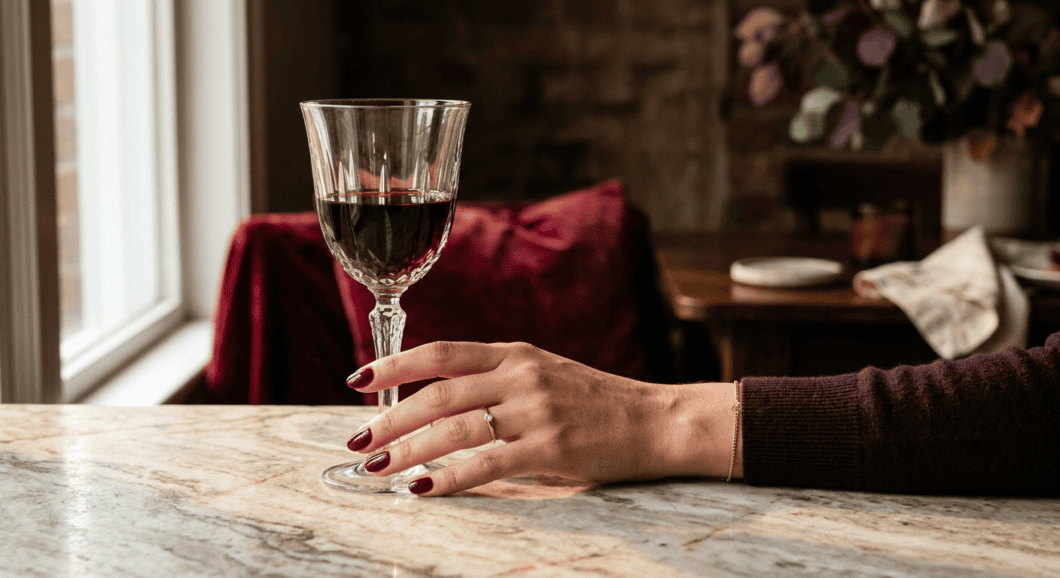
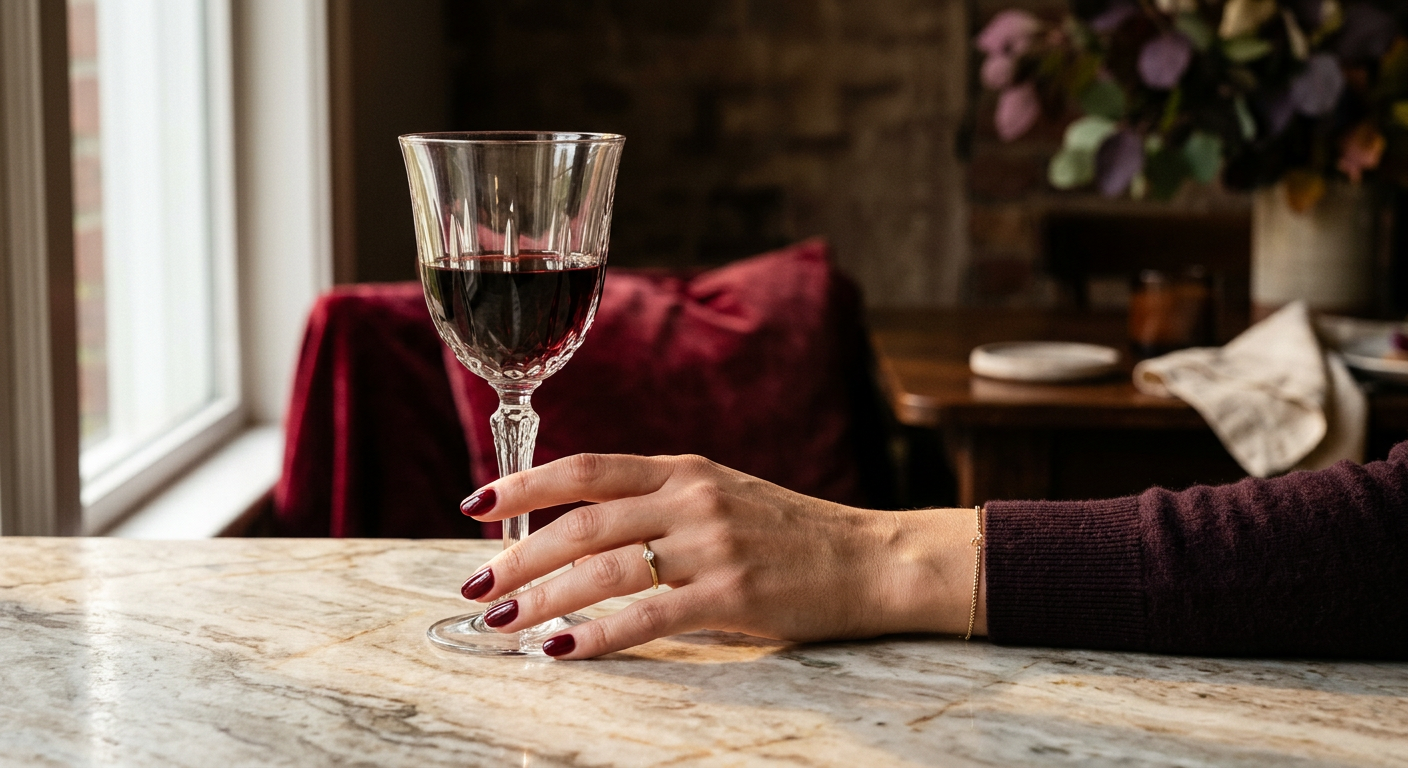
Every September, dark reds and cherry tones take over the feeds. Burgundy in autumn is hardly news. What’s new this year is Bordeaux: a wine-inspired take that gives the old standby more depth and a slightly more grown-up feel. If you want a manicure that reads richer and moodier than standard burgundy, Bordeaux is worth requesting by name. It’s the quiet-luxury answer to summer’s bright polish, and it works across skin tones and nail lengths. Below, why stylists keep reaching for it and how to wear it.
What Makes Bordeaux Different From Burgundy?
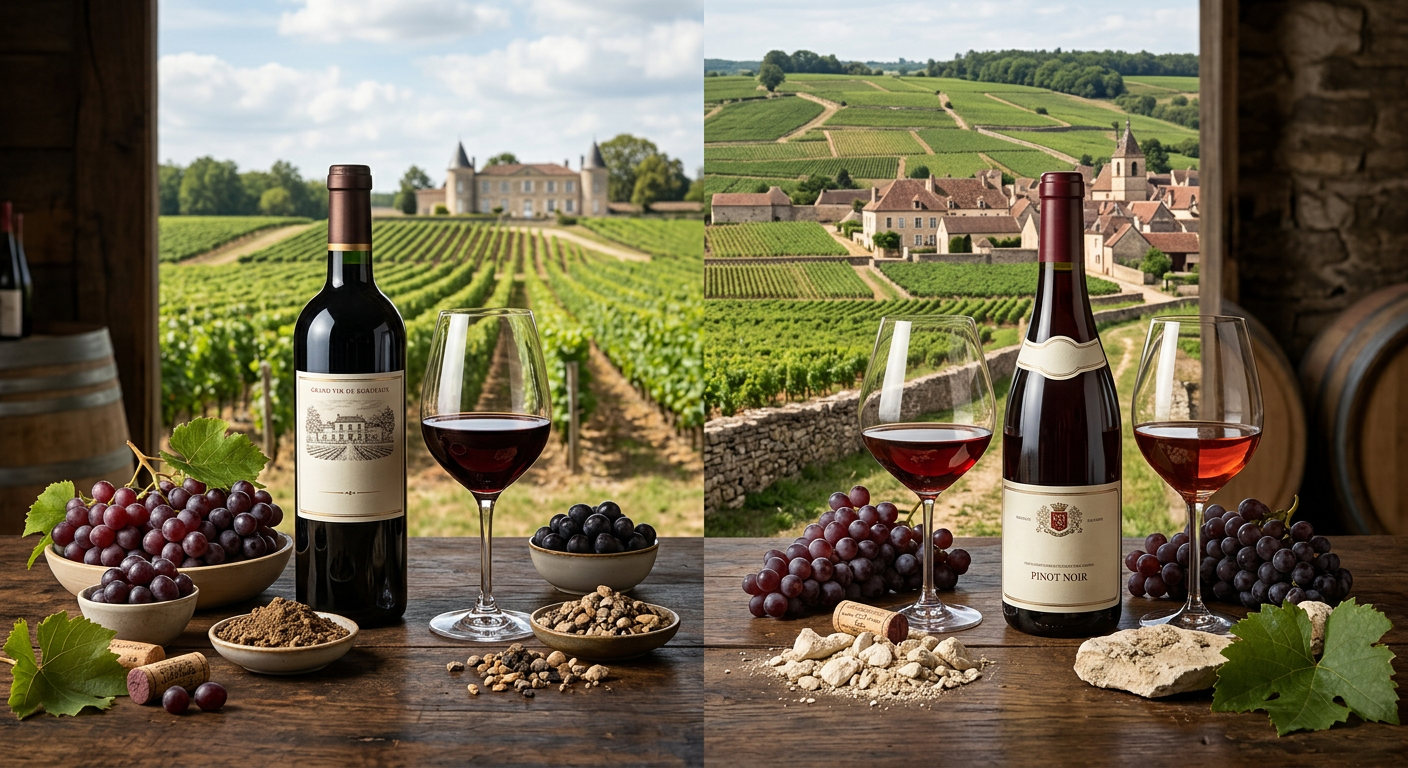
Burgundy and Bordeaux belong to the same wine-inspired family, but they aren’t identical. Burgundy sits somewhere between maroon and a purple-tinted red. Bordeaux, named for a different French region, carries more earthiness.
Susan Carroll, founder of Young LDN in Notting Hill, puts the distinction plainly. “A brown undertone softens the red and gives it an incredibly luxurious, almost wine-stained quality,” she told ELLE. “Rather than a very obvious red-purple burgundy, these shades can shift between deep red, chocolate, and oxblood depending on the light.”
That shifting is the whole point. Carroll says the variation is what makes Bordeaux feel modern. Burgundy can read flat under certain lighting; Bordeaux moves, catching warmth one moment and leaning toward oxblood the next.
The Wine-Shade Family at a Glance
If you’ve ever stood at the salon unsure which shade to request, this guide helps. The names overlap, so the finish often matters more than the label.
| Shade | Undertone | How It Reads |
|---|---|---|
| Burgundy | Purple-tinted red | Classic rich wine-red |
| Bordeaux | Brown-softened red | Earthy, dimensional, wine-stained |
| Merlot | Warm red | Slightly brighter, visibly red |
| Oxblood | Deep brown-red | Almost black-red, moody |
| Maroon | Warm brown-red | Earthy and understated |
Mirellé Inspo treats Bordeaux and wine as largely interchangeable with the true burgundy reference, with Bordeaux implying the most refined, slightly plum-adjacent interpretation.
Why Bordeaux Nails Are Trending This Autumn
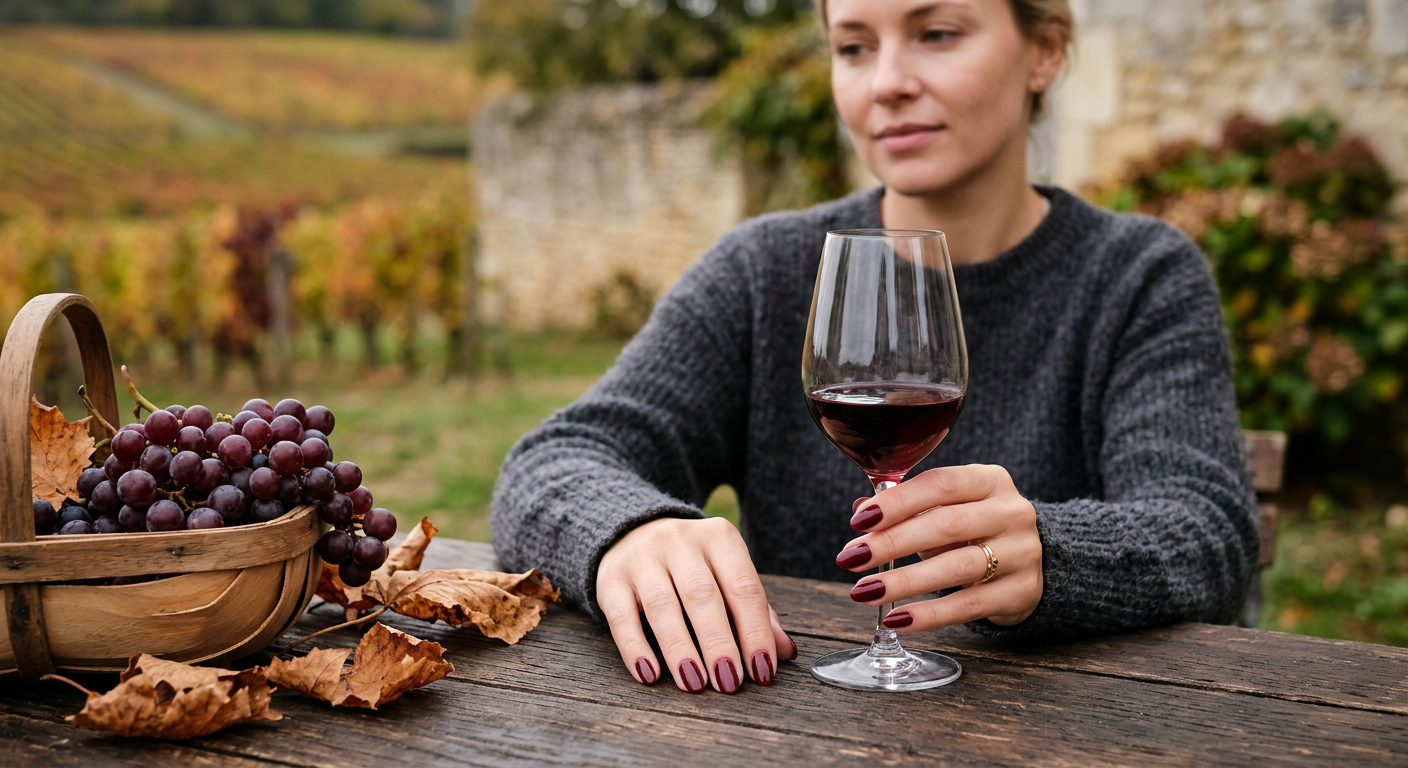
Deep reds resurface every time the temperature drops. Carroll says these hues come back at the start of autumn “because they have that richness and warmth that we associate with the season.” But Bordeaux’s current momentum comes from more than the calendar.
The wider shift toward manicure minimalism has made it especially appealing. After months of clean, natural colors and barely-there finishes gaining ground, one rich shade feels like a low-effort statement. Bordeaux gives you drama without the upkeep of intricate nail art.
The sales data tracks the seasonal swing. Velvora’s order analysis across 13 months of trading found red rising from 7% of color tags in warmer months to 11% from October onward, while nude and brown climb from 12% to 15%. Deep Merlot Burgundy ranked as a joint second best seller across their entire dataset.
Celebrity Co-Signs
Few things accelerate a nail trend like a celebrity manicure. Jennifer Lopez’s nail artist Tom Bachik recently dubbed one of her looks the “Bordeaux Baddie Mani,” pairing a wine-inspired shade with long, almond-shaped tips, as reported by Glamour.
Vogue’s experts agree. “Romantic and striking, fall is the perfect season for this dark red,” nail artist Sakakura told Vogue, citing the classic Essie Wicked as a reliable pick.
The Best Ways to Wear Bordeaux Nails Now
One of Bordeaux’s biggest advantages is its versatility. The shade works across nail shapes, lengths, and finishes, so you can tailor it to your life rather than the other way around.
Carroll recommends short, softly rounded or squoval nails for a chic, understated version, “particularly with a high-gloss finish.” A glossy topcoat amplifies the wine-stained depth and makes the color shift more visible. For more drama, longer almond or oval tips give the shade more surface to play across.
Finish matters as much as shape. High-gloss Bordeaux reads polished and luxurious; a matte version leans moody and contemporary. Both suit the season, so pick based on the mood you’re after.
Quick Styling Checklist
- For understated elegance: short squoval nails with high-gloss Bordeaux
- For drama: long almond tips in a deep, oxblood-leaning Bordeaux
- For low maintenance: a single glossy coat, no nail art required
- For a modern edge: a matte topcoat over a classic Bordeaux base
- For subtle detail: fine polka dots or chrome accents over a Bordeaux base
Does Bordeaux Suit Every Skin Tone?
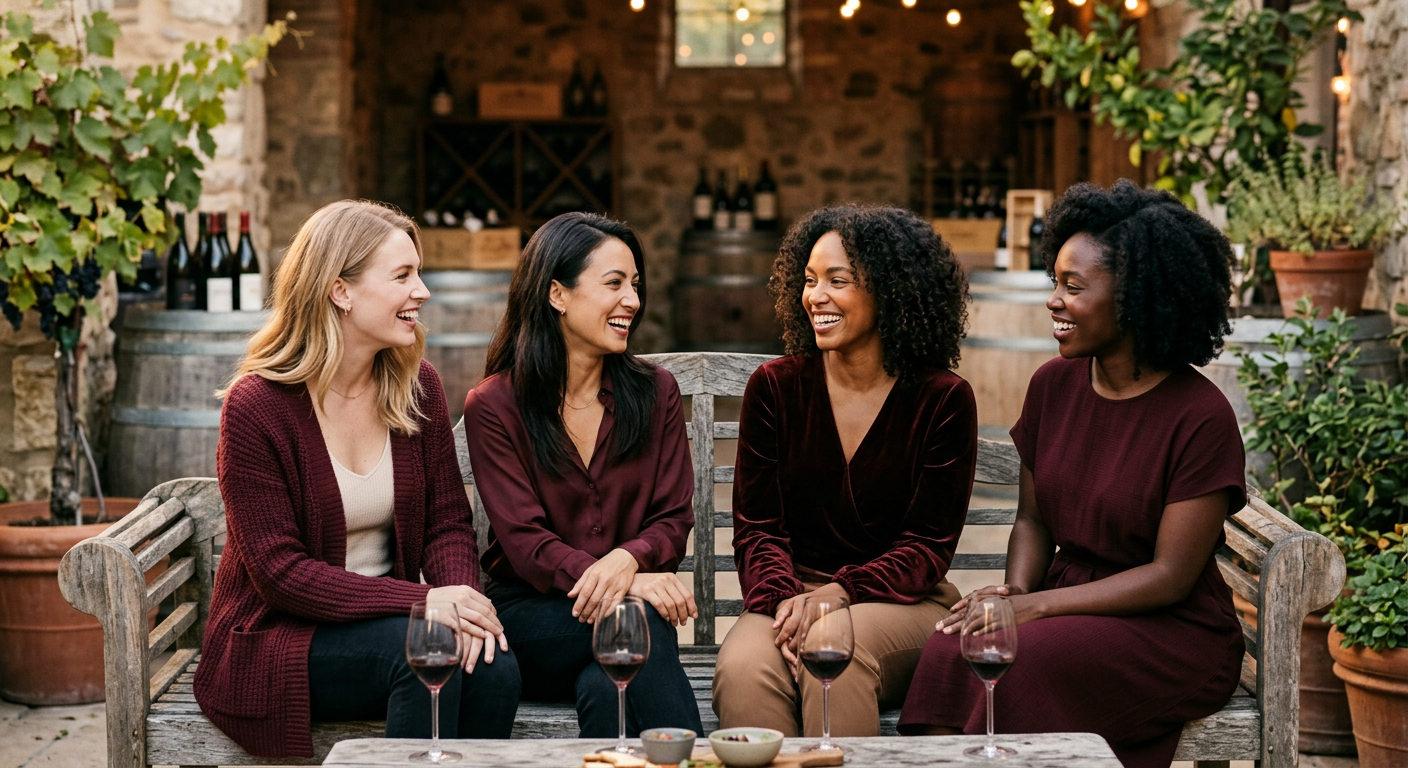
Part of Bordeaux’s appeal is its forgiving range. Because the shade moves between deep red, chocolate, and oxblood depending on light, there’s almost always a version that flatters your skin.
No universal rule dictates which undertone you’re “allowed” to wear. Redounds.com advises starting by deciding how dark you want the manicure to read, then comparing swatches against your skin and wardrobe in daylight. Merlot and Bordeaux usually show more visible red, while oxblood sits closer to brown or near-black.
A simple way to decide: choose a warmer, more visible red Bordeaux if you want brightness, and a deeper, brown-leaning version if you want something moodier. Finish and depth shape the final look more than the name on the bottle.
Shades and Products to Try
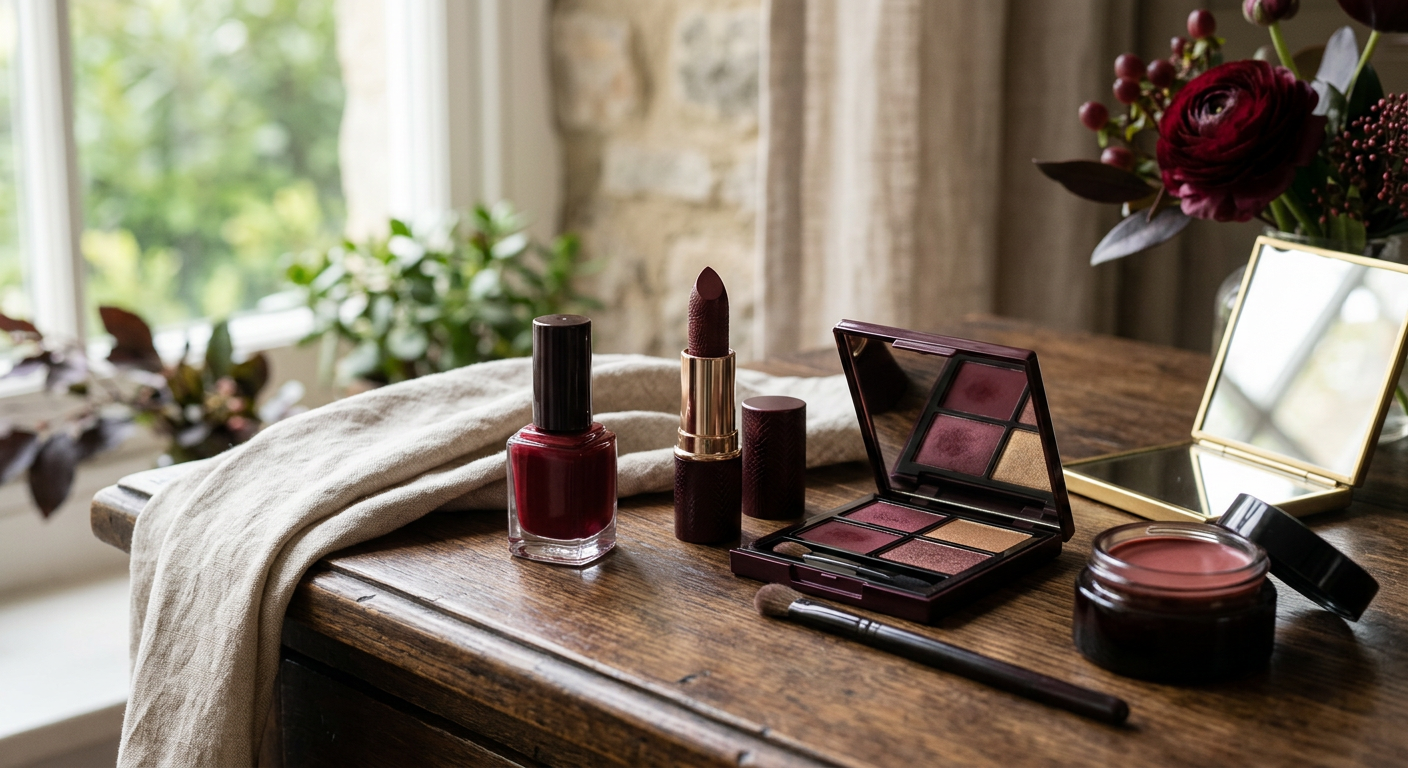
You don’t need a luxury budget for the Bordeaux look, though premium options exist. Vogue’s editors recommend Essie Wicked as a classic entry point, alongside shades like Aprés Nails Gel Couleur in Never Bordeaux You, CND Vinylux in Bordeaux Babe, and Chanel’s Le Vernis Longwear Nail Colour in 155 Rouge Noir.
For an at-home manicure that lasts, go with a gel or long-wear formula. Deep shades show chips and regrowth more readily than nudes, so a durable finish keeps Bordeaux looking fresh longer.
If you want nail art, keep it subtle. Bordeaux pairs well with the season’s other big trends, plaid, polka dots, florals, and chrome, as Cosmopolitan notes. A bold base with delicate polka dots is an easy autumnal upgrade.
The Takeaway
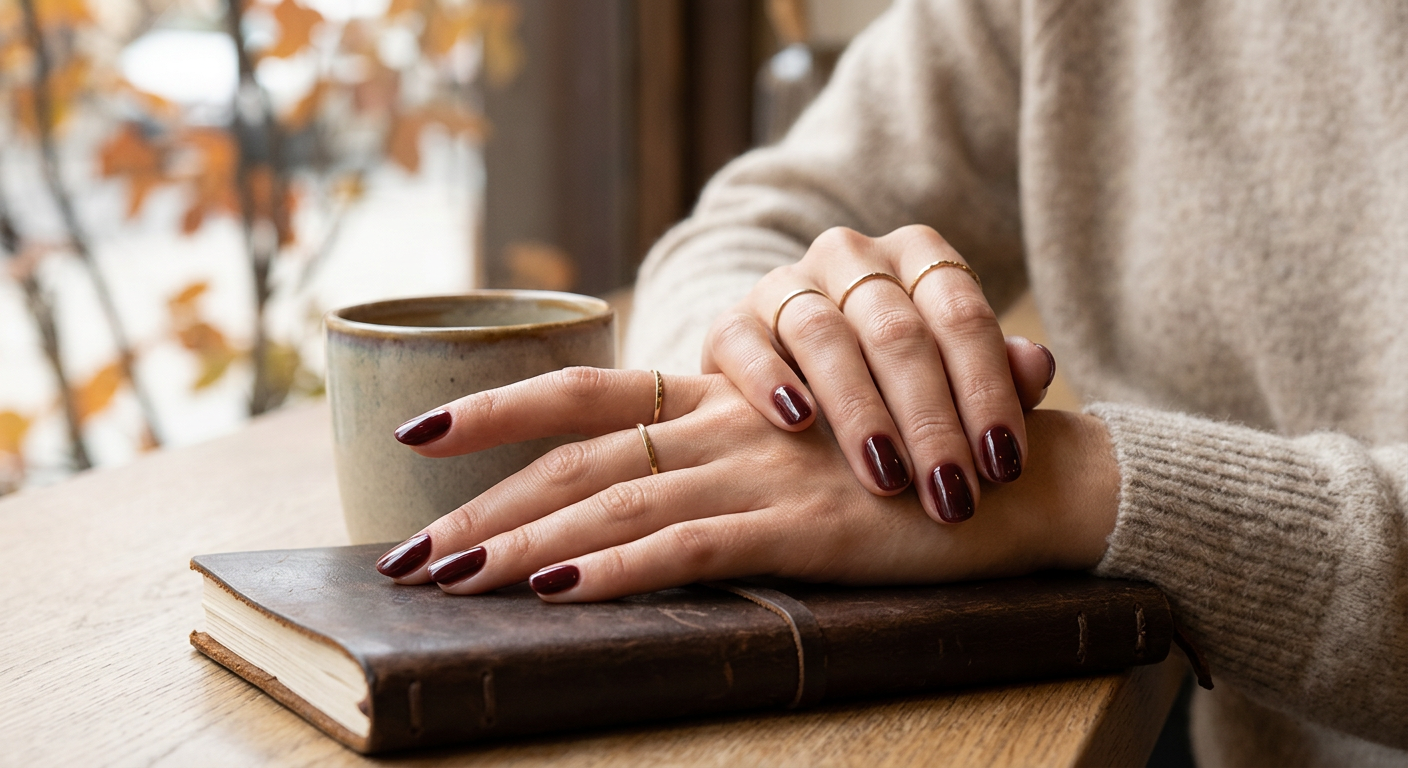
Bordeaux nails are the polished way to wear burgundy this autumn. The brown undertone gives the color depth and that wine-stained quality flat burgundy can’t match. Both expert opinion and sales data point the same direction: deep reds dominate the colder months, and Bordeaux leads this season.
Whether you prefer short squoval nails with a high-gloss finish or long almond tips in a moody oxblood, there’s a Bordeaux for you. Book your next appointment with a specific shade in mind, or pick up a long-wear polish and try it at home. This autumn, trade basic burgundy for its chicest alternative.
Frequently Asked Questions
What is the difference between Bordeaux and burgundy nails?
Burgundy is a purple-tinted red sitting between maroon and red, while Bordeaux has a brown undertone that gives it an earthier, wine-stained quality. Bordeaux shifts between deep red, chocolate, and oxblood depending on the light, which makes it feel more dimensional.
Do Bordeaux nails suit every skin tone?
Yes. Because the shade ranges from deep red to oxblood, there’s almost always a flattering version. Compare swatches against your skin in daylight and choose a warmer, more visible red or a deeper, brown-leaning tone based on your preference.
What nail shape works best for Bordeaux?
Short, softly rounded or squoval nails look chic and understated, especially with a high-gloss finish. Longer almond or oval tips give the shade more room to show its color shift.
What finish should I choose for Bordeaux nails?
A high-gloss topcoat emphasizes the wine-stained depth, while a matte finish reads moodier and more contemporary. Both suit autumn, so pick based on the look you want.
Which Bordeaux polishes do experts recommend?
Vogue editors suggest Essie Wicked as a classic choice, plus Aprés Nails Gel Couleur in Never Bordeaux You, CND Vinylux in Bordeaux Babe, and Chanel’s Le Vernis in 155 Rouge Noir. A gel or long-wear formula helps the deep shade resist chips and regrowth.
Is Bordeaux the same as merlot or oxblood?
They’re related wine shades with different undertones. Merlot reads slightly brighter and more visibly red, while oxblood is closer to a near-black brown-red. Bordeaux sits in between, earthy but still clearly red.