

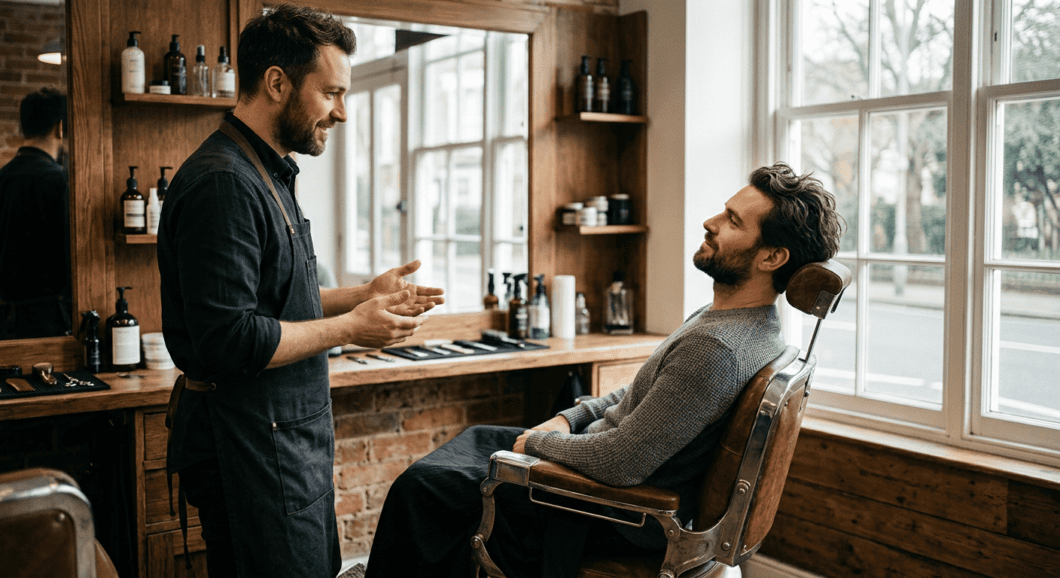
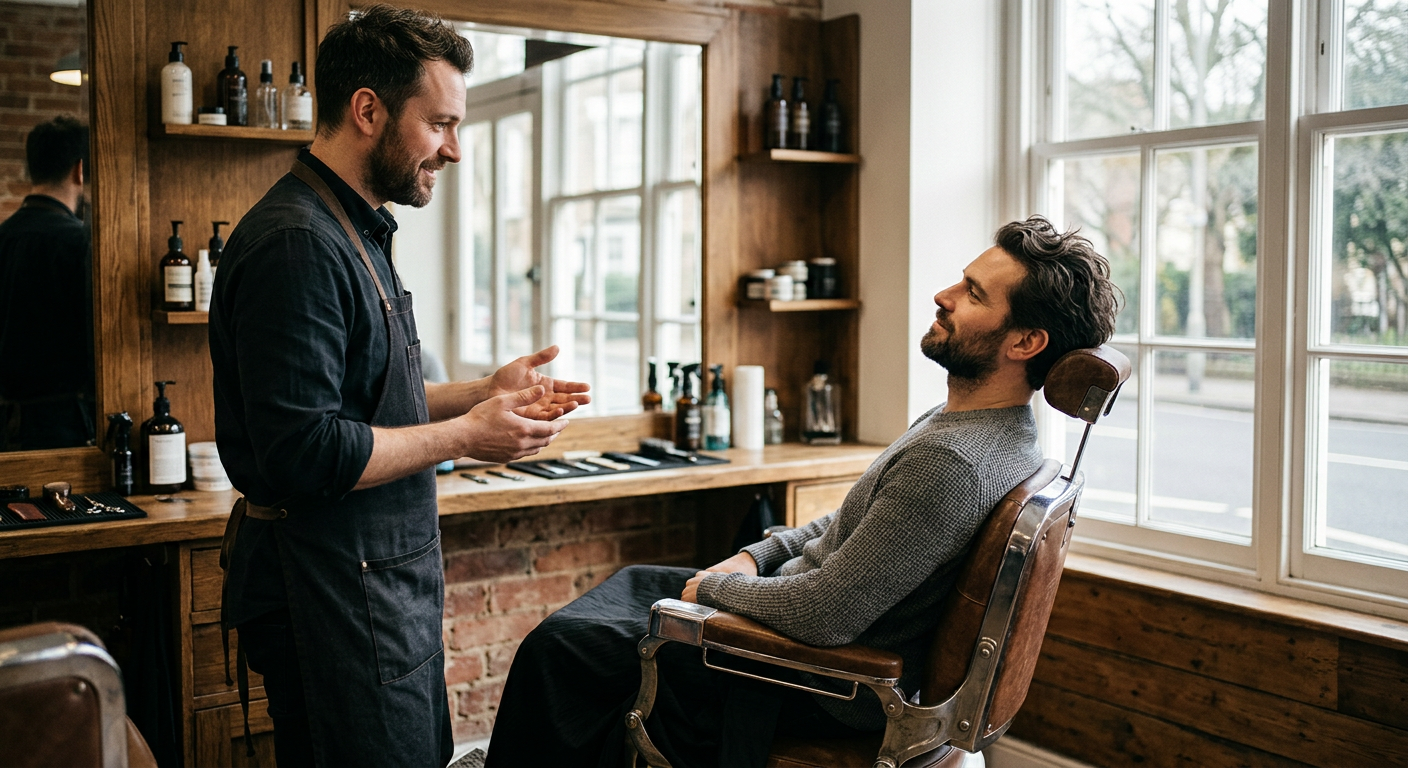
The slicked-back, glass-shine look that packed barbershops a few years ago is on its way out. Walk into a salon this year and barbers will tell you the same thing: clients have stopped asking for hair lacquered into place. The demand now runs toward texture, movement, and finishes that read as “I woke up like this” rather than “I spent half an hour at the mirror.” It isn’t purely about looks, either. The change tracks with how men are rethinking grooming and maintenance across the board.
The Rise of Intentional Effortlessness

The mood of men’s styling right now comes down to intentional effortlessness: looking like you made an effort without looking like you tried too hard, as Primal State puts it. Heavy pomades and high-shine finishes have given way to matte textures, salt sprays, and lightweight creams that let hair fall where it wants to.
Call it a correction against the over-sculpted looks of the mid-2020s. SWAGGER Magazine describes the dominant trend as cuts that feel deliberate but natural: lived-in, textured, easy to maintain. Matte finishes are beating high-shine, and softer fades are pushing out razor-sharp lines.
The thinking behind it is simple. The goal in 2026 is to look like yourself rather than force your hair into a rigid template. Work with your natural structure instead of fighting it.
Why Over-Styled Finishes Fell Out of Favor
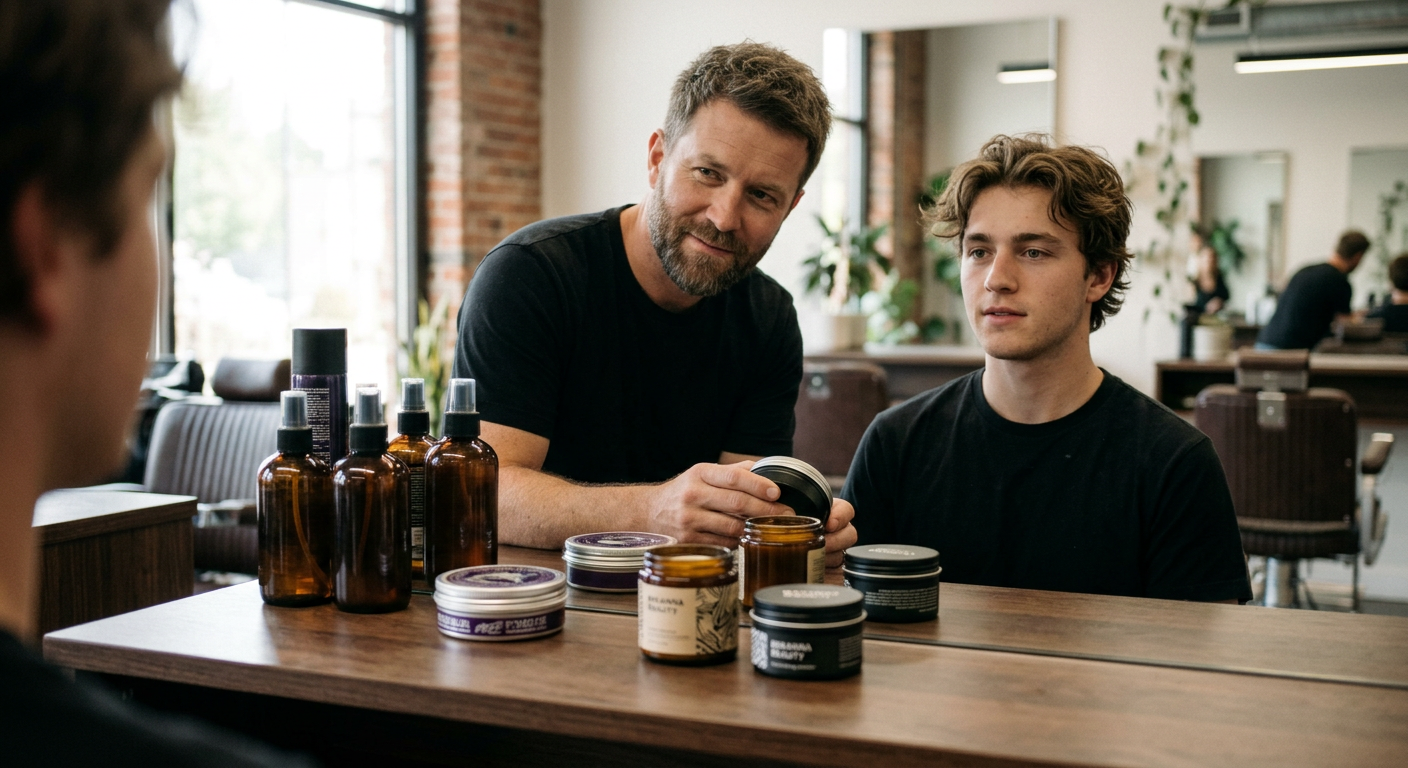
High-gloss pomades haven’t vanished, but they’ve lost their place as the default. Breanna Beauty points out that most men now want a style that holds without looking wet, stiff, or fussed over. Over the past couple of years, low-shine has quietly become the standard.
Barbers hear one complaint constantly: a client’s hair looks greasy or overly slick even right after washing. Uppercut Deluxe notes that the culprit usually isn’t the haircut. It’s the product. Reach for high-shine formulas too often and a polished style tips into oily fast.
The Shine Spectrum
Knowing where products land on the shine spectrum explains a lot about the shift:
| Finish | Light Reflection | Best For | Risk |
|---|---|---|---|
| Matte | Absorbs light fully | Textured, casual looks | Can look dry if overused |
| Low shine | Reflects just enough | Everyday control and definition | Minimal |
| Natural finish | Almost untouched | Effortless, undone looks | Needs light application |
| High shine | Reflects heavily | Classic slick styles | Reads as greasy quickly |
Breanna Beauty’s take is that natural texture leads because it reads as more modern and less deliberate. High-shine styles can look dated or overdone, while matte and low-shine finishes shape the hair without making it look greasy or overworked.
The Cuts Driving the Natural Look
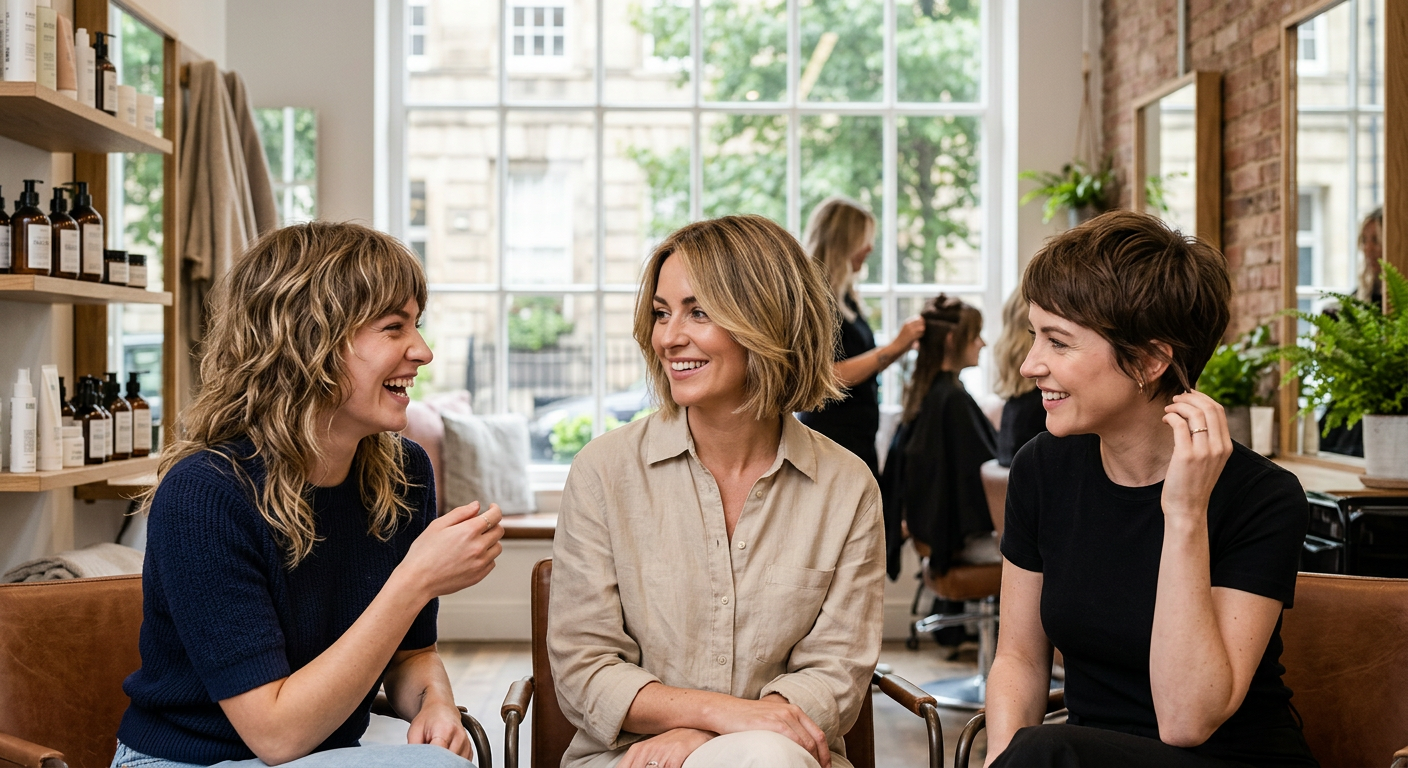
The change in finish runs parallel to a change in cuts. Schedy News quotes barber Bailey Snowden, who pegs natural texture as the defining feature of 2026 men’s hairstyles, with clients drifting away from heavily styled looks toward movement, softness, and individuality.
The “lived-in” cut sits at the center of all this. These styles use soft layering, subtle tapering, and natural finishes, kept clean by precise barbering around the neckline and hairline. The result is a put-together look that barely needs daily styling.
Fades Are Softening, Not Disappearing
The skin fade still gets requested plenty, but the way it’s styled has shifted. Rather than traditional quiffs or pompadours, barbers now pair fades with relaxed, textured tops: messy crops, natural curls, that sort of thing. A sharp fade against softer texture gives you something versatile and current.
Longer hair is coming back too, borrowing from 1990s aesthetics. Hindustan Times reads the move away from hyper-structured fades as a bigger evolution, with masculinity in 2026 leaning less on rigid templates and more on self-expression. Hairstylist Charles Harrison frames it as a wider shift toward individuality and low-maintenance grooming.
The Products That Make It Work
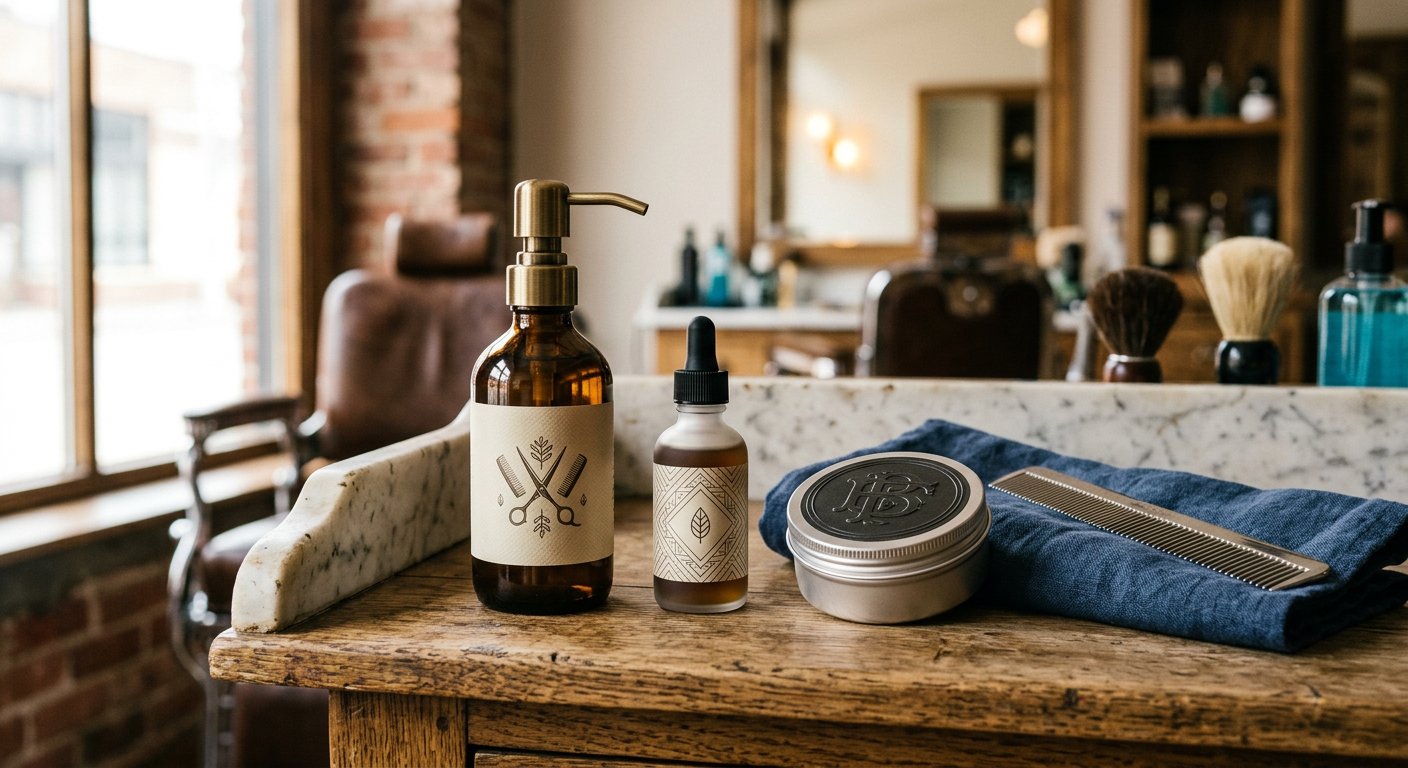
Five products won’t do you any good. The right two or three will. Barberfriends puts 2026 styling around matte clay, pomade, or sea salt spray, built for movement rather than stiffness.
A simple routine covers most of it:
- Sea salt spray first, on damp hair, to build texture and grip
- Matte clay or lightweight cream for shape and hold
- Less product than you think you need — always start light
Order matters. Barberfriends recommends the sea salt spray first, then clay or pomade to finish. Layering this way builds natural volume before you add definition.
Application discipline is what keeps you out of the over-styled trap. Breanna Beauty’s advice: go light. Start with less than you think you need, because you can always add more. Overloading is the fastest way to kill the natural effect and slide into grease.
Don’t Over-Wash
One rule runs against instinct. Dear Barber explains that your natural oils give hair grip, texture, and flexibility. Hair that’s too clean goes fluffy, dry, and harder to shape, which is the opposite of the textured look you’re after.
Why the Shift Is More Than a Trend
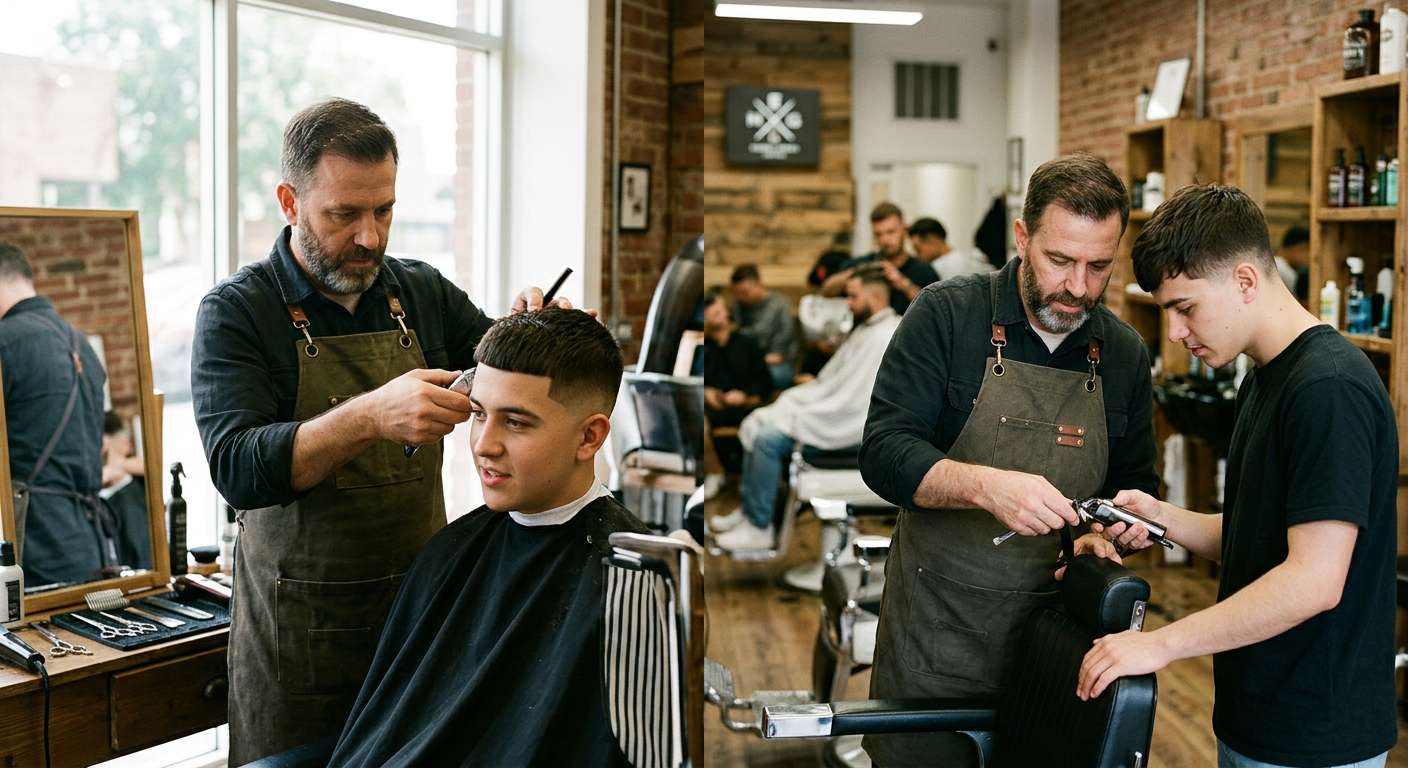
Two things are keeping this change in place. Fadez by Goatari notes that a generation who grew up watching their dads scrape pomade out of a tin has moved to lighter products: sea-salt sprays, matte creams, air-dry finishes. Social media is full of “cut once, style never” looks that reward the haircut itself over the styling piled on top.
The practical side matters as much as anything. Low-maintenance styles land hard with working professionals in their mid-20s to late 30s, guys who want a sharp look without a long morning routine. Few people want to spend 30 minutes on their hair every day, and natural finishes hold up through it anyway.
There’s a health angle as well. Being gentler with your hair, using fewer heavy products and handling it less, is better for your scalp and your hair over time. With the American Hair Loss Association reporting that two-thirds of American men see noticeable hair loss by 35, working with your natural texture rather than overloading it makes sense for the long haul.
How to Make the Switch
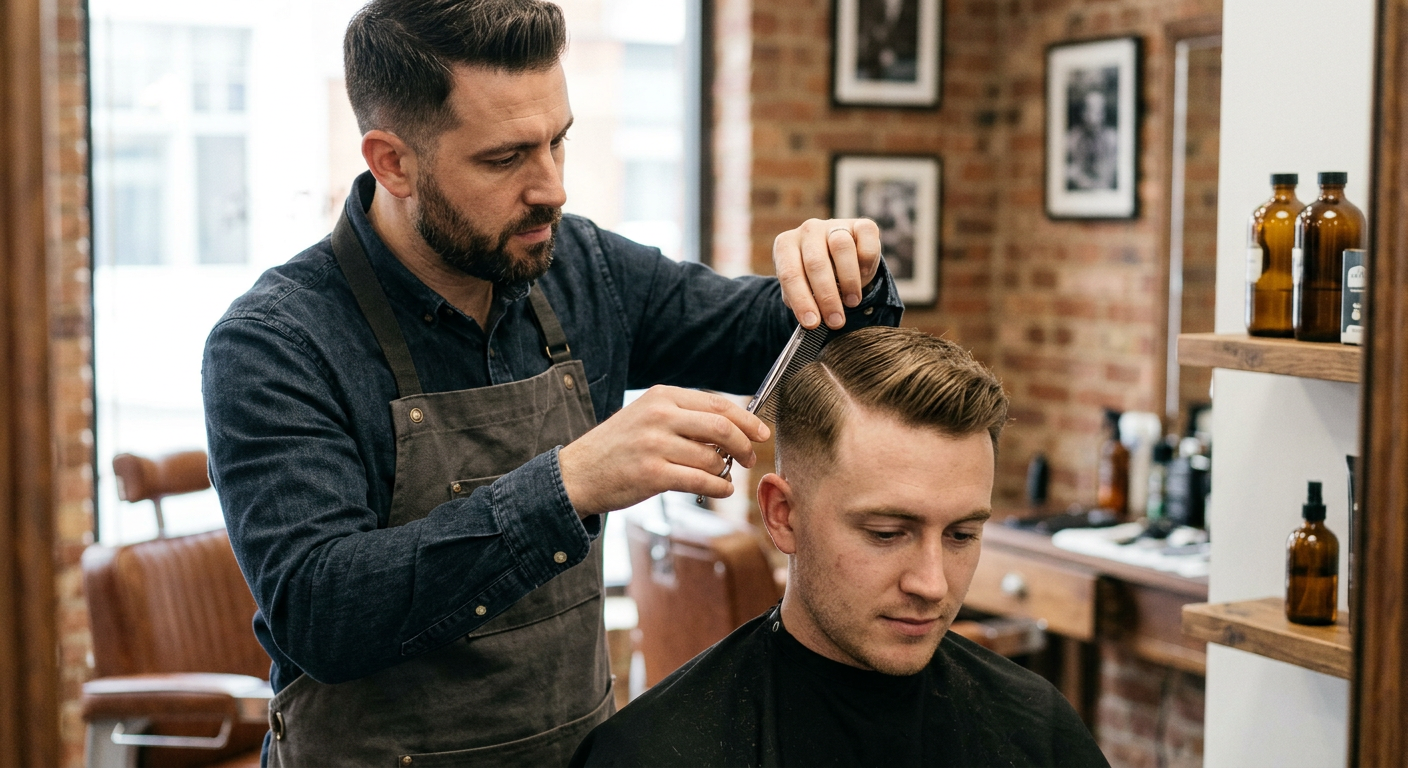
Making the change isn’t complicated if you do it in stages. Start with the cut. Ask your barber for a lived-in, textured style with a softer fade or natural neckline that works with your hair’s growth pattern. A good cut does most of the heavy lifting.
Then clear out your product shelf. Trade the high-shine pomade for a matte clay or cream, and pick up a sea salt spray for texture. Last, rework the routine: use less product, start with damp rather than wet hair, and stop combing everything into perfect place.
What you get is a look that’s easier to keep up, flatters you in more settings, and reads far more current than the slicked-down finishes of a few years back.
Key Takeaways

Natural-looking men’s hair has taken over from over-styled finishes because it photographs better, maintains easier, and lines up with a real shift toward individuality over rigid templates. The formula holds across every expert source: a textured, lived-in cut, matte or low-shine products, a light hand on application.
Ready to switch? Book a barber appointment and ask for a lived-in cut suited to your natural texture, then build a minimal routine around a sea salt spray and a matte clay. Start light, work with your hair instead of against it, and let the cut do the talking.
Frequently Asked Questions
What’s the difference between low shine and natural finish?
Low shine gives you visible structure with minimal reflection; natural finish products leave hair looking almost untouched. Most men do well with both: low shine for shape and definition, natural finish for the effortless part.
Which products create a natural-looking finish?
Matte clay, lightweight creams, and sea salt sprays are the core three. Spray the sea salt first for texture, then finish with a small amount of clay or cream for shape and hold.
Is the fade going out of style in 2026?
Not entirely. Fades are still in demand but softening. Barbers now pair low and mid fades with relaxed, textured tops rather than sharp quiffs, and some men are growing their hair out longer instead.
How much product should I use for a natural look?
Less than you think. Overloading is the fastest way to lose the natural effect and leave hair looking greasy, and you can always add more if you need it.
Does washing my hair too often hurt the natural look?
Yes. Natural oils give hair grip, texture, and flexibility, so over-washing leaves it fluffy, dry, and harder to shape.
Why are over-styled, high-shine looks losing popularity?
High-shine finishes reflect heavily and can read as dated, greasy, or overworked. Men increasingly want a finish that holds without looking wet, stiff, or fussed over.