


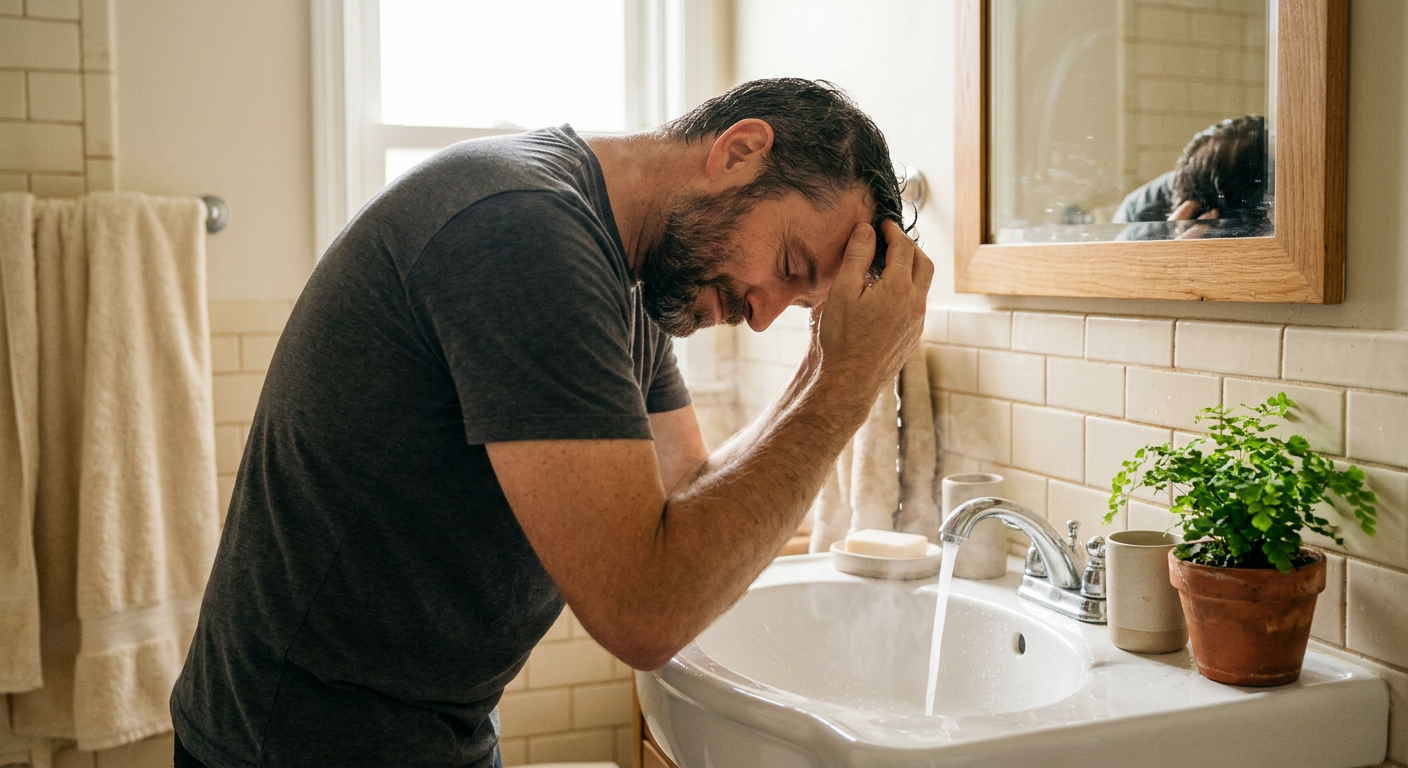
Most men run the same hair routine for years without thinking about it: a quick rinse, one bottle for everything, no attention paid to the skin underneath. That’s starting to change. Scalp-first hair care has moved from a niche barbershop principle to a mainstream grooming standard, and the shift is backed by dermatology, market data, and a generation of men who now think about their scalp the way they think about their face. If your hair looks dull, thins, flakes, or refuses to cooperate, the problem may not be your hair at all. It may be the skin beneath it.
Why the Scalp Became the New Frontier in Men’s Grooming
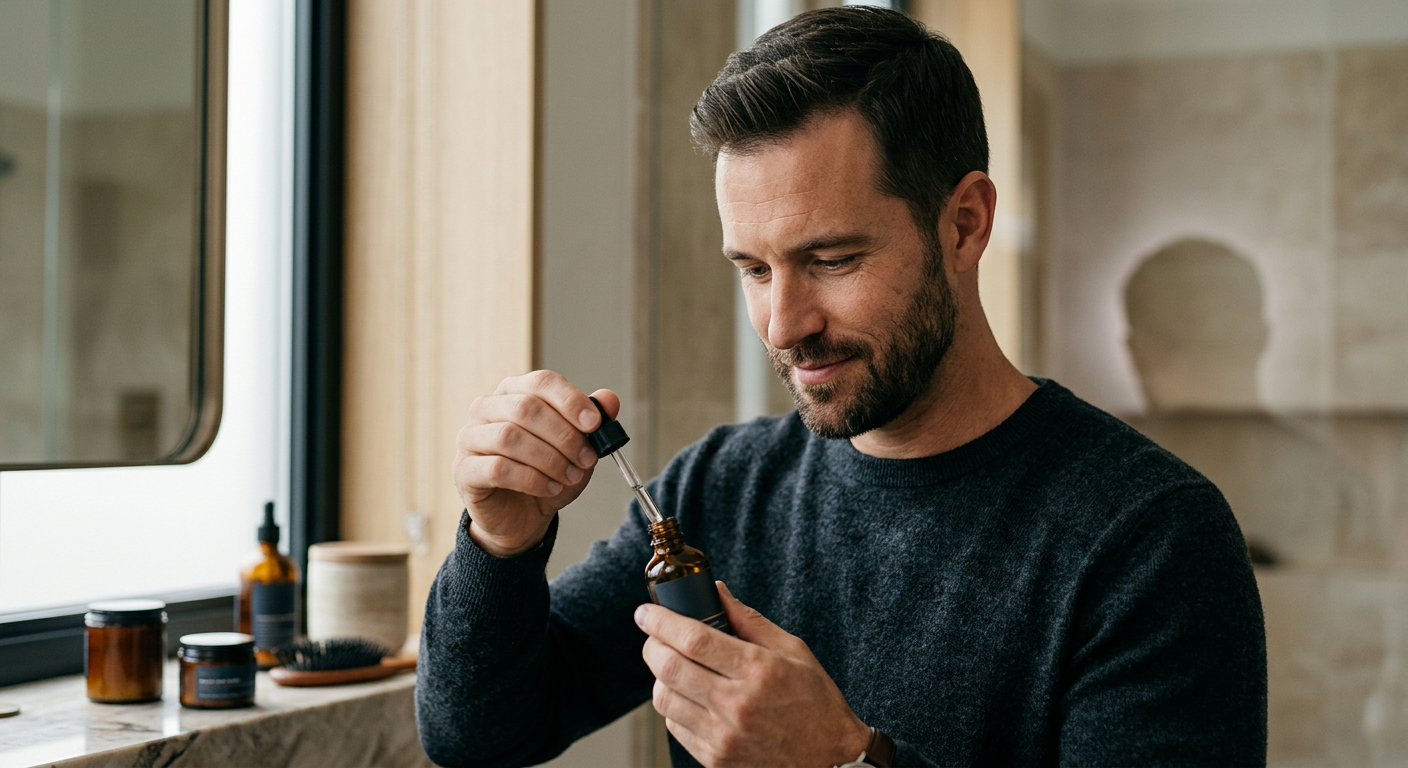
For years, men’s grooming stopped somewhere around the hairline. Face wash, moisturizer, maybe a serum. The scalp got shampooed and ignored. That’s changing, and the language of scalp care now mirrors skincare almost exactly: cleanse, exfoliate, hydrate, protect, as SWAGGER Magazine points out.
The logic is simple. The scalp is skin. It deals with oil, sweat, dead skin, product buildup, and environmental exposure just like the skin on your face. Hair just makes it easier to ignore.
Industry analysts call this trend “skinification.” According to Inolex, scalp-first routines are becoming the default, with consumers building hair routines the way they build skincare routines: focused on barrier support, retention, and prevention rather than repair.
The Data Behind the Shift

This isn’t a passing fad. The numbers point in one direction, and they involve real money and real behavior change.
The global hair and scalp care market sits at roughly US$120.2 billion in 2026 and is projected to reach US$189.3 billion by 2033, a 6.7% CAGR, according to Persistence Market Research data cited by Breanna Beauty. The same source notes that the wider men’s grooming and skincare space is heading toward a $37 billion opportunity by 2035, with usage up 68% in two years.
Younger men are driving the change. Breanna Beauty reports that Gen Z men are 62% more likely to use skincare than Gen X, with 68% adoption among Gen Z. As those habits move from face to scalp, scalp care follows.
Salons see it too. Scalp treatment services grew 9% in Q1–Q3 2025 versus the same period in 2024, and scalp care retail rose 6%, according to Kline Group. At just over $40, scalp treatments carry a premium over other salon services, which average almost $36.
Why Hair Problems Are Often Scalp Problems
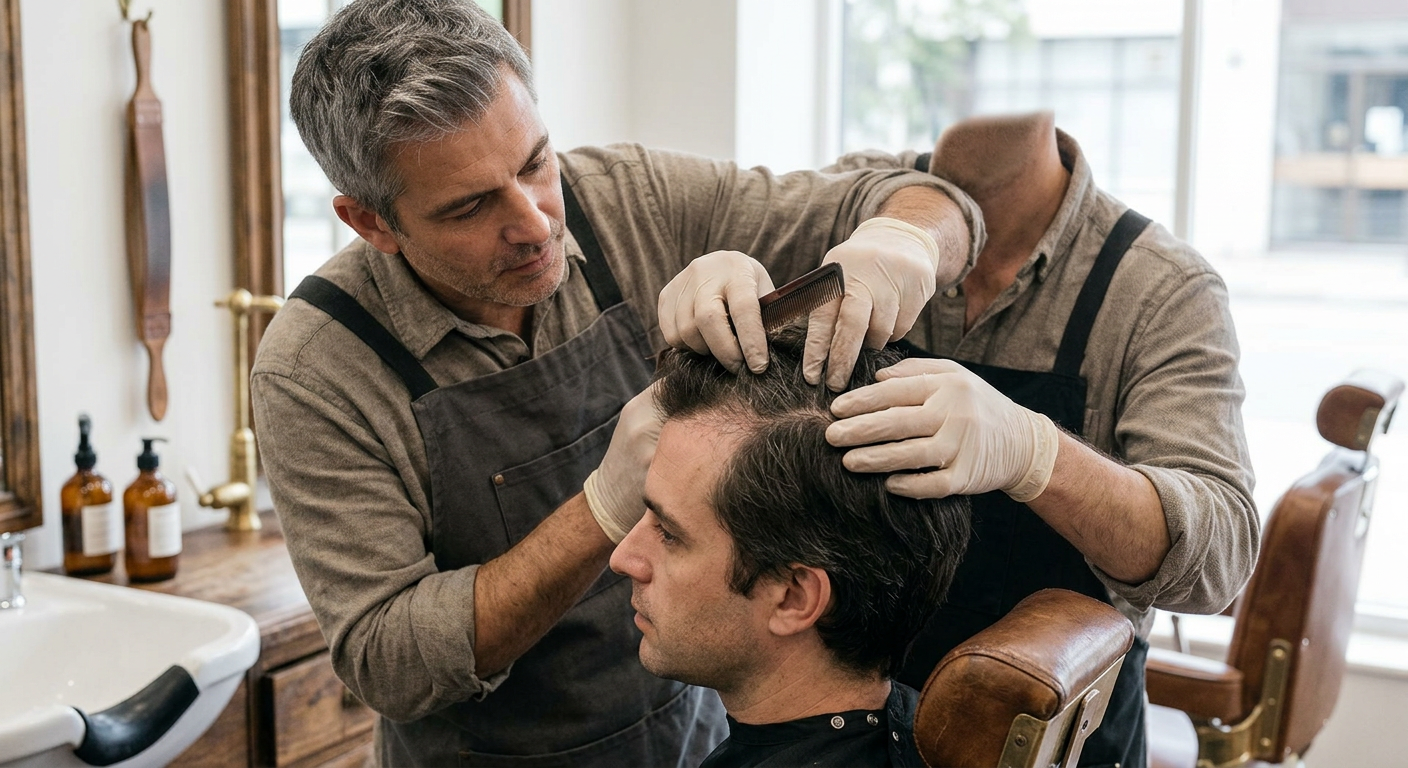
Professional barbers have long understood something most grooming routines miss: hair health is built on scalp health. As Cold Label puts it, “scalp first, hair second” is a principle rooted in grooming science, not a slogan.
Each follicle is anchored in the scalp, drawing nutrients, oxygen, and blood supply from it. When that environment is compromised, the hair shows it. A scalp can look fine while still being inflamed, dehydrated, or congested, and hair products can mask the symptoms without correcting what’s underneath.
Common Scalp Issues Men Face
A lot of the complaints men blame on their hair actually start at the scalp:
- Dandruff and flaking — often tied to seborrheic dermatitis, not simple dryness
- Oily buildup — a scalp that gets greasy fast needs gentle, consistent cleansing
- Itchiness and irritation — frequently caused by product buildup or harsh cleansers
- Thinning and shedding — androgenetic alopecia is the most common form of hair loss in men, influenced by the hormone DHT, per Cosmoderma
Knowing your scalp type is the first step. A scalp that lays flat and gets oily fast needs lightweight products, while a dry or flaky scalp needs gentle cleansing and hydration, as outlined by The Spot Barbershop.
How to Build a Scalp-First Routine
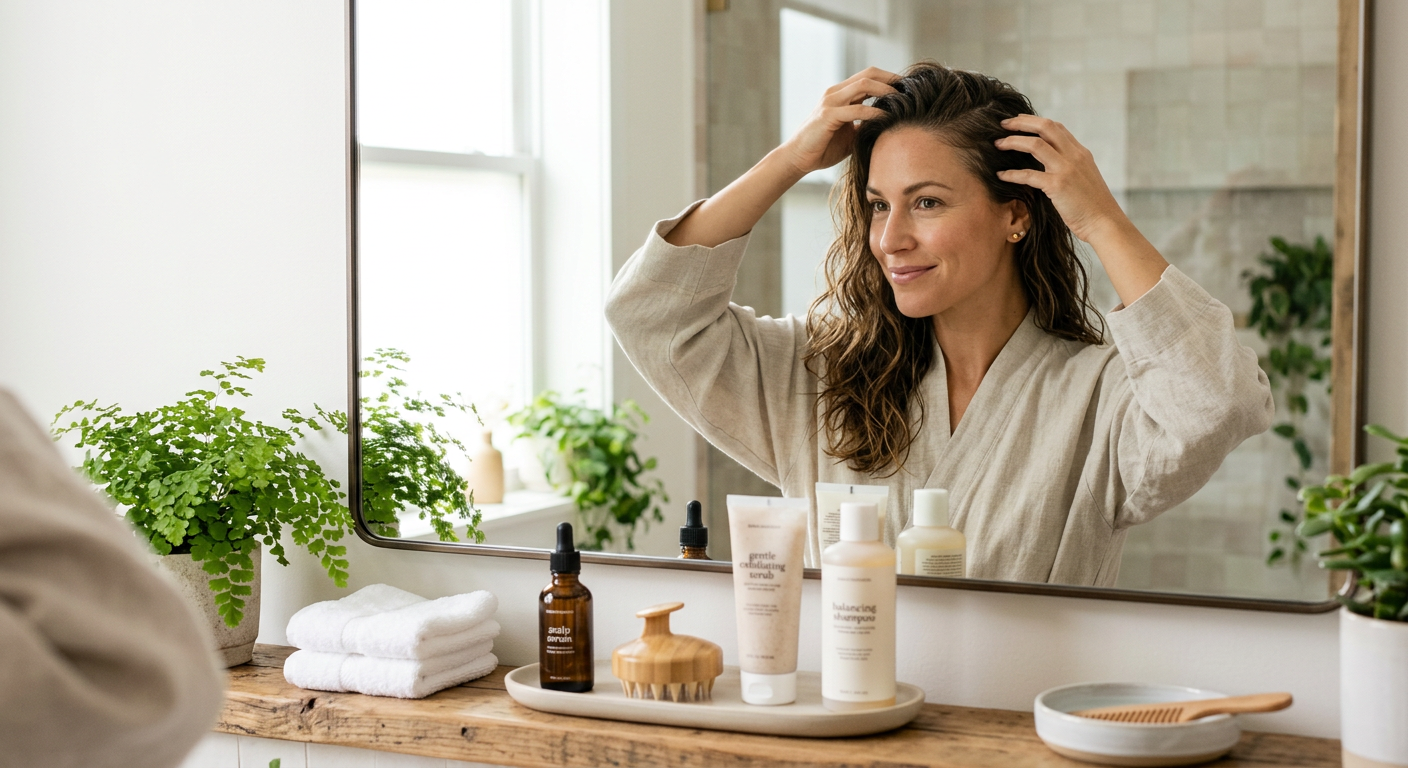
A scalp-first routine doesn’t mean six new bottles on your counter. It means paying attention to a part of your skin you’ve spent years pretending isn’t there. The framework below draws on guidance from barbering professionals with a collective 100-plus years behind the chair, per Cold Label.
The Five-Step Scalp-First Framework
| Step | What to Do | How Often |
|---|---|---|
| 1. Cleanse without stripping | Use a sulfate-free cleanser designed for scalp health, applied to the scalp not the ends | Every other day for most men |
| 2. Exfoliate | Use a gentle scalp scrub to clear dead skin and buildup; avoid scratching with fingernails | Weekly or bi-weekly |
| 3. Deep clean | Clarify to remove stubborn buildup | Monthly, or twice weekly with heavy product use |
| 4. Condition and massage | Support moisture balance and stimulate circulation with a purposeful massage | With each wash |
| 5. Style second | Apply styling products on a healthy foundation, not to compensate for neglect | As needed |
The American Academy of Dermatology recommends applying shampoo mainly to the scalp rather than the full length of the hair, where it clears accumulated oil, dead skin, and product buildup, according to SWAGGER Magazine.
How often you wash depends on your hair type and how oily your scalp gets. The old blanket advice that everyone should wash on the same schedule no longer holds. For most men, every other day works, with a deeper cleanse at least once a month to clear buildup, as Breanna Beauty recommends.
Don’t Forget Protection and Ingredients
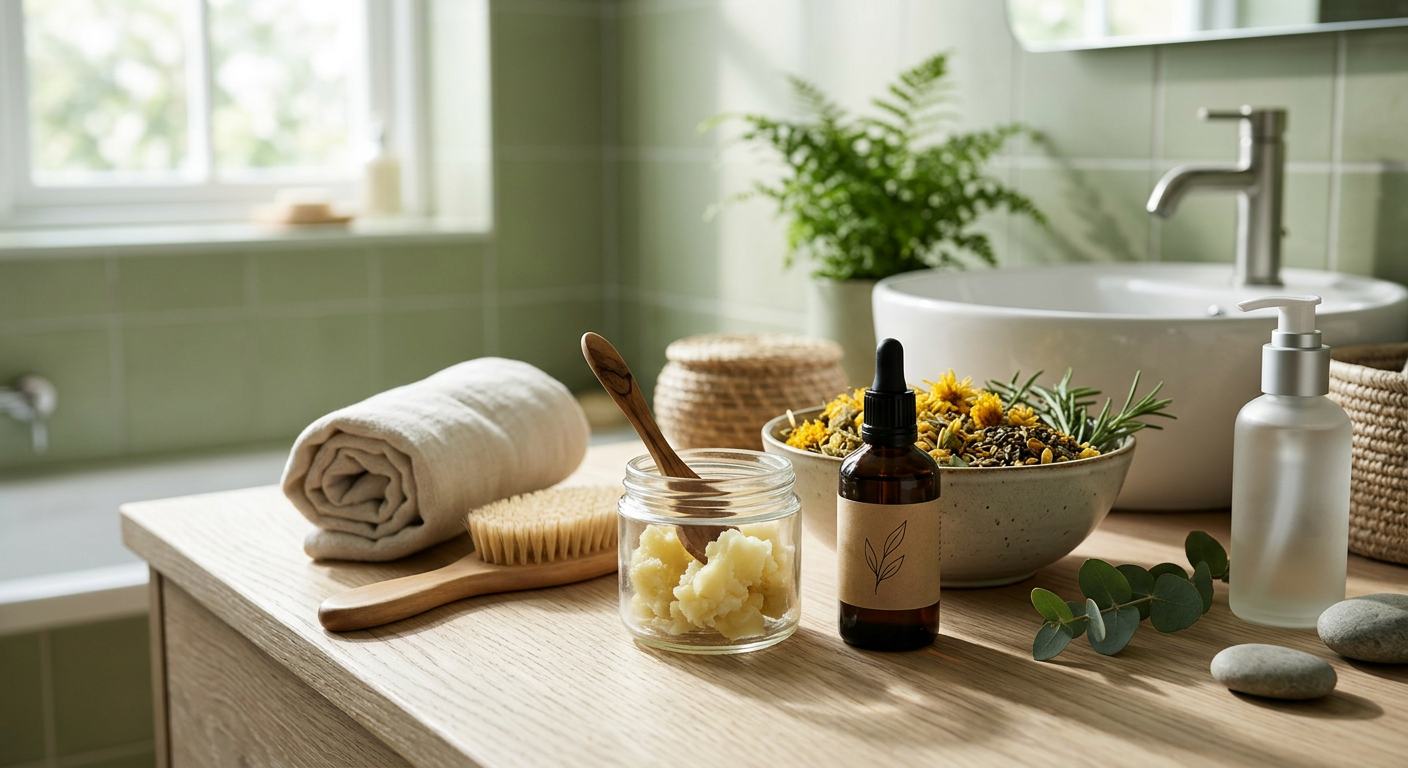
Cleansing is only half the equation. What you put on your scalp, and what you keep off it, matters just as much.
Choose gentle, sulfate-free cleansers that remove buildup while preserving the scalp’s natural balance, and add lightweight natural oils to support moisture, per Cold Label. Harsh cleansers strip the scalp and can trigger the same oiliness and irritation you’re trying to fix.
Sun protection is the step most men skip entirely. Dermatologists recommend protecting exposed scalp with broad-spectrum SPF 30 or higher, and spray or powder sunscreens are easier to apply without wrecking your hair, according to SWAGGER Magazine. A thinning crown or a short cut leaves scalp skin exposed to the same UV damage as your face.
Caffeine-based formulas have also gained ground in the hair-retention segment, with the “skinification” of hair driving demand for scalp serums and targeted treatments, as noted in the UK Men’s Grooming Market Report.
When to Bring in a Professional
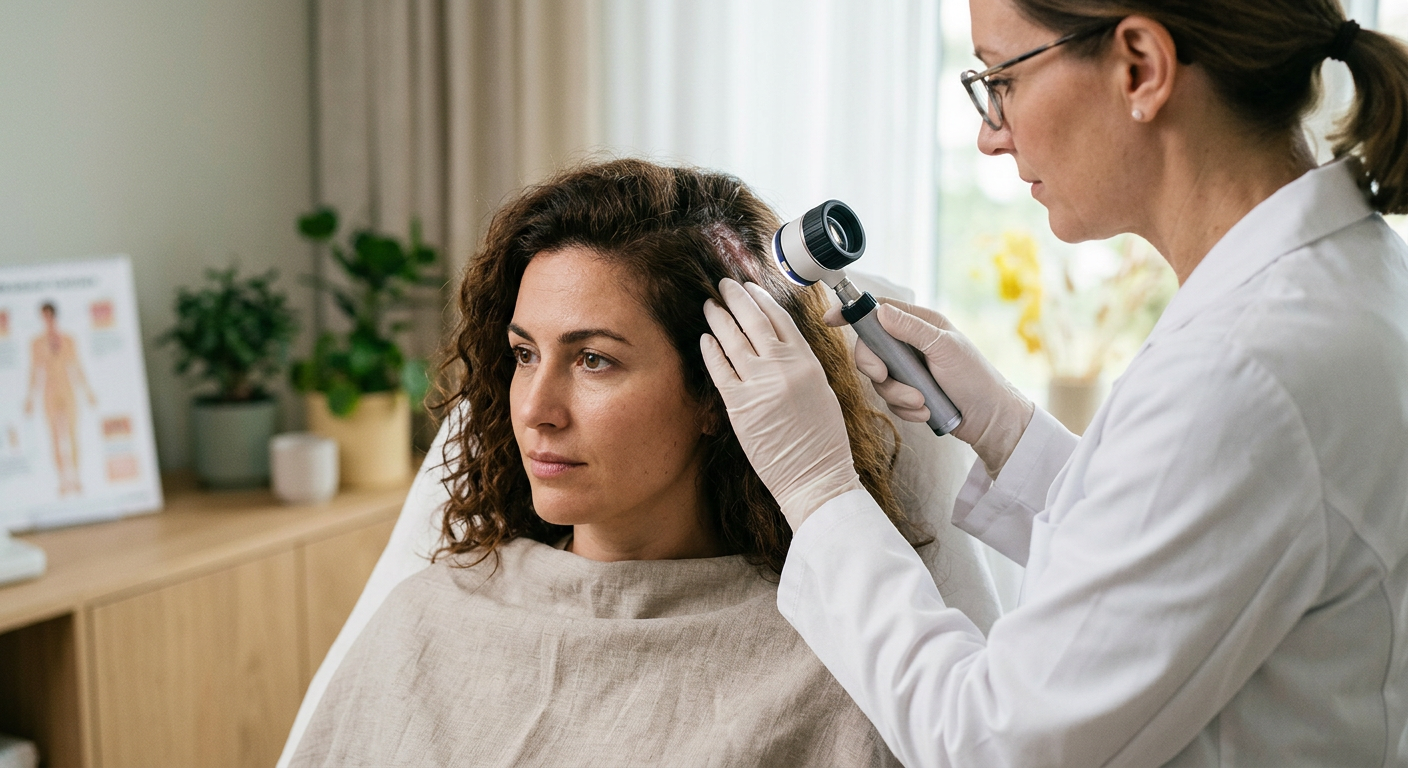
You can handle most of a scalp-first routine at home, but some issues call for expert help. Persistent flaking, sudden thinning, or scalp irritation that won’t settle are worth a professional assessment.
Many salons now offer targeted services. Treatments like Keravive rejuvenate the scalp, strengthen follicles, and support healthy growth, according to Changes Salon. A barber can also identify your scalp type and recommend products tailored to it, which saves you months of trial and error.
For hair loss specifically, early intervention matters. Androgenetic alopecia is progressive, and addressing scalp health early gives any restoration or maintenance strategy a stronger foundation to work from.
Key Takeaways
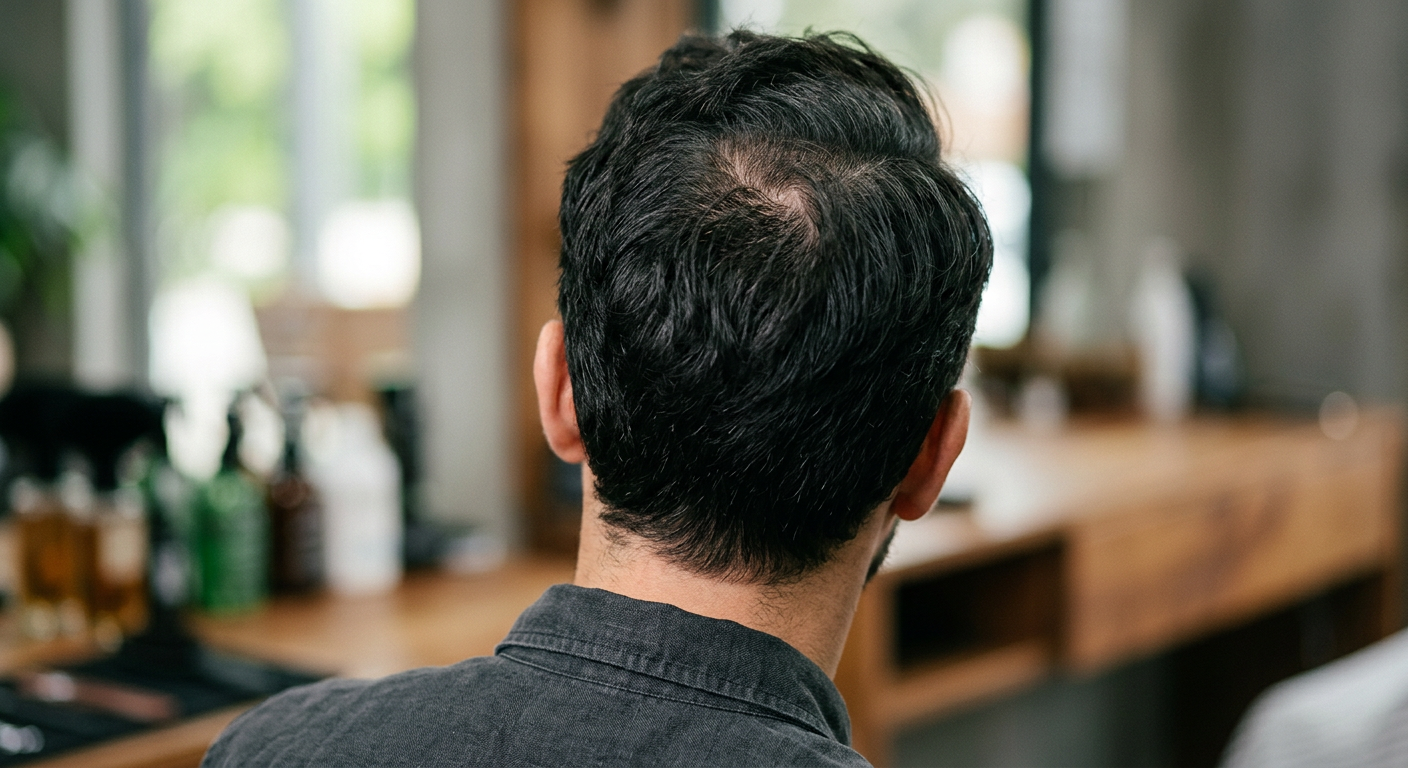
Scalp-first hair care has moved from barbershop wisdom to a data-backed grooming standard. The scalp is skin, and treating it that way, through cleansing, exfoliating, conditioning, and protection, produces healthier, more resilient hair over time.
The essentials to remember:
- Your scalp is skin. Treat it with the same intention you give your face.
- Many hair problems start at the scalp, including flaking, buildup, and irritation.
- Cleanse the scalp, not just the hair, using gentle sulfate-free products every other day for most men.
- Exfoliate weekly, deep-clean monthly, and protect exposed scalp with SPF 30 or higher.
- Style second. Products work best on a healthy foundation.
Start small. Swap your all-in-one bottle for a scalp-focused cleanser this week, add a weekly exfoliation, and watch how your hair responds. If problems persist, book a scalp assessment with a barber or salon that offers dedicated scalp treatments.
Frequently Asked Questions
What does “scalp-first” hair care actually mean?
Scalp-first hair care prioritizes the health of the skin beneath your hair before styling or the hair shaft itself. The idea is that stronger, better-looking hair grows from a clean, balanced, well-nourished scalp.
How often should men wash their scalp?
For most men, every other day works, though it depends on your hair type and how oily your scalp gets. Add a deeper cleanse at least once a month to clear buildup, or twice weekly if you use heavy product or have thicker hair.
Do I really need to exfoliate my scalp?
Yes, if you want to clear away dead skin, flakes, and product buildup that clog follicles. Use a gentle scalp scrub weekly or bi-weekly, and avoid scratching with your fingernails, which can damage the skin.
Should I put sunscreen on my scalp?
Dermatologists recommend broad-spectrum SPF 30 or higher on any exposed scalp, especially with short cuts or thinning areas. Spray and powder sunscreens are easier to apply without leaving your hair greasy.
Can scalp care help with hair thinning?
Scalp care supports a healthier environment for follicles, but androgenetic alopecia is genetic and influenced by DHT. A scalp-first routine strengthens your foundation, though persistent thinning warrants a professional assessment.
Is scalp care just a marketing trend?
The data suggests otherwise. The global hair and scalp care market is projected to grow from US$120.2 billion in 2026 to US$189.3 billion by 2033, and salon scalp treatments grew 9% year over year, which points to durable behavior change rather than hype.