



Think back to your last big wellness push. The tracker on your wrist, the morning routine with twelve steps, the supplement stack you’d quietly abandoned by February. For a lot of people, that approach produced more exhaustion than recovery, and 2026 is the year the pendulum swung the other way. Comfort-first wellness, which trades constant optimization for simple rituals and nervous system care, has become the defining health movement of the year. Data dashboards are out. Five-minute habits that actually last are in.
The numbers back this up. Of the 51% of Americans planning to change their wellness routines this year, 44% said they’re simplifying, more than double the 21% chasing advanced optimization, according to Talker Research. “More is better” has lost ground to “less, but consistent.”
What Comfort-First Wellness Actually Means
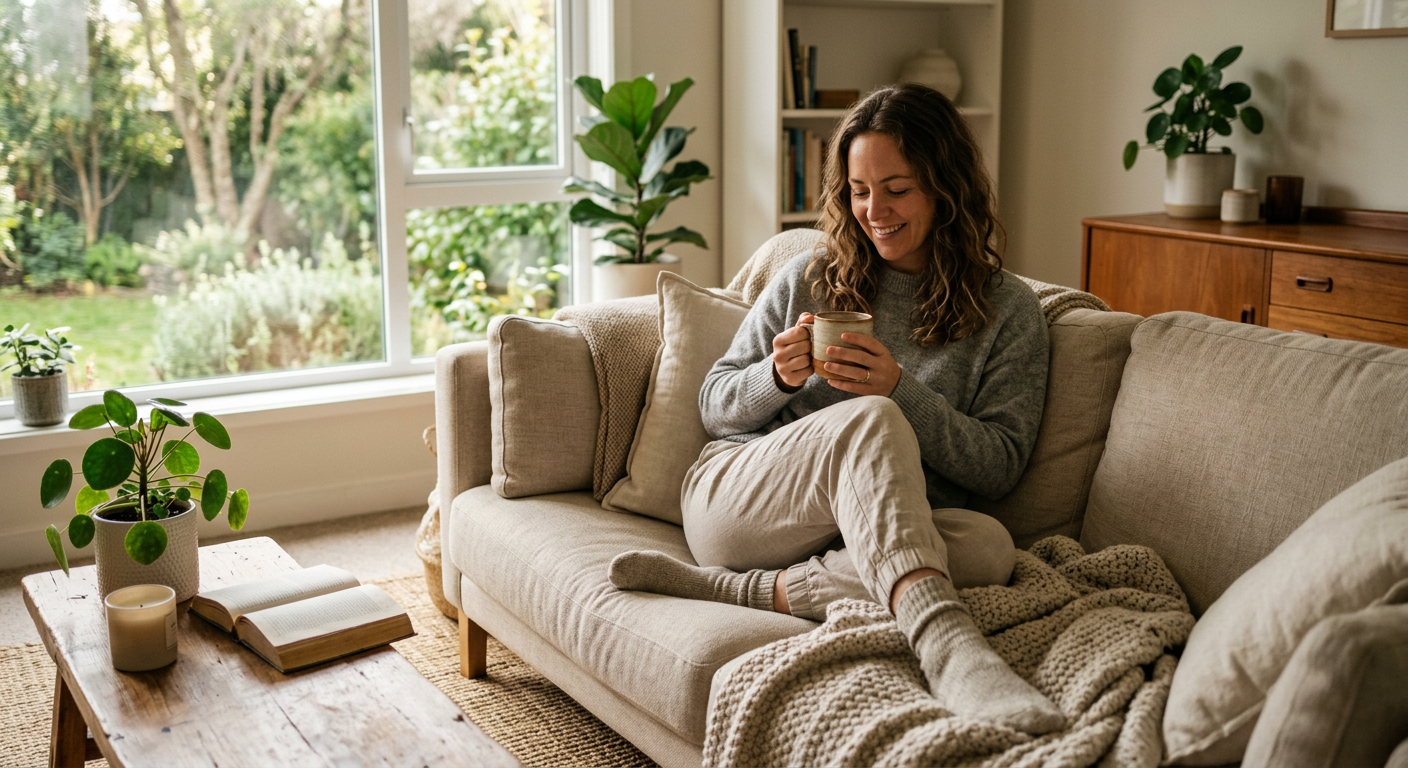
Comfort-first wellness favors practices that feel good and hold up over time, rather than ones that promise maximum results. It’s a reaction to burnout from “healthmaxxing,” the pursuit of every available metric, device, and protocol. The point moves away from measurement and toward meaning.
The Global Wellness Summit frames this as a tug-of-war between two forces. Its 2026 trends report from the Global Wellness Institute describes a split between “hardcare,” meaning high-tech, hyper-optimizing approaches like longevity clinics and wearables, and “softcare,” the growing appetite for no-tech, human, emotionally driven wellness. The report expects offerings to pivot toward “meaning over measurement, catharsis over clinical data, self-expression over self-surveillance.”
Technology doesn’t vanish in all this. Comfort just becomes the organizing principle. You keep what helps and drop the practices that generate anxiety instead of ease.
Why Simple Rituals Are Winning in 2026
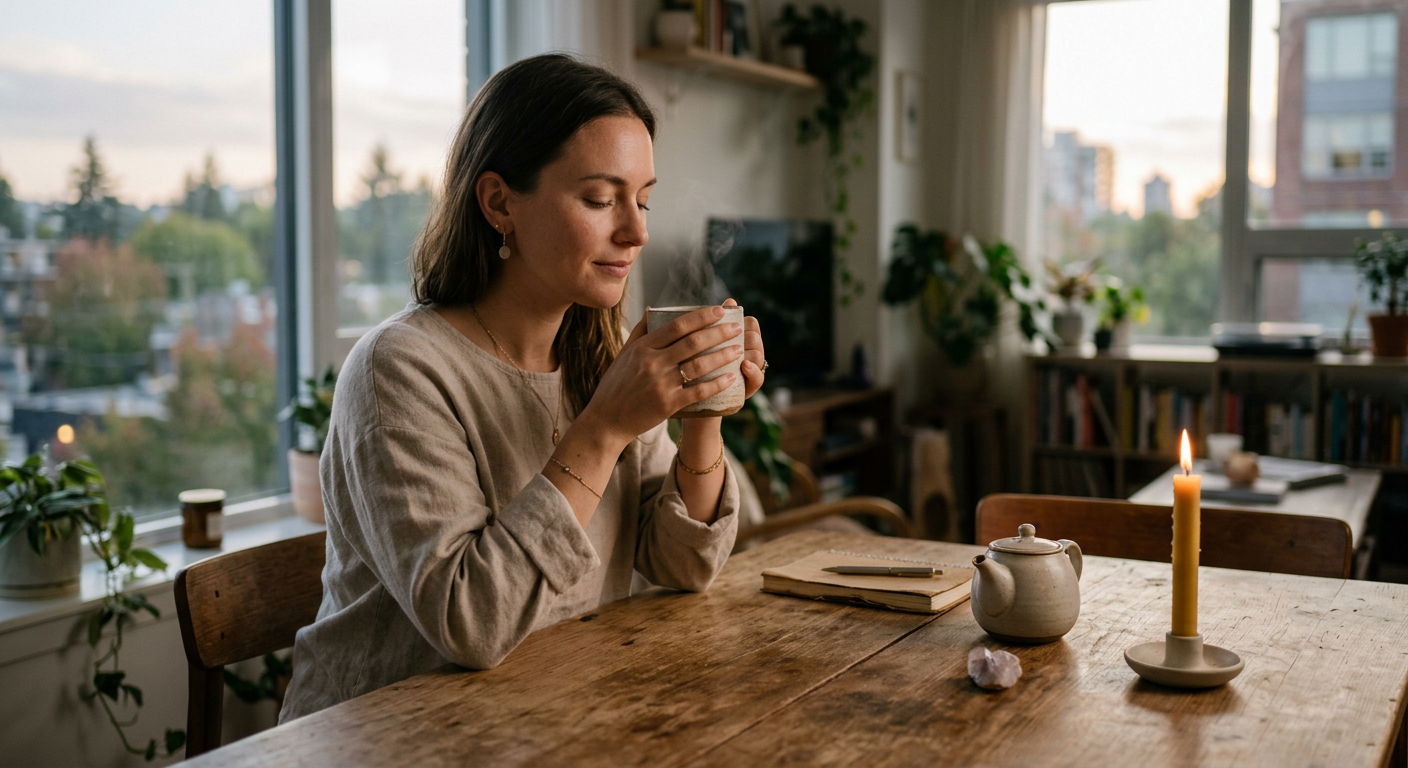
Simple rituals win for a practical reason: they survive busy days. The Boring Magazine points out that these rituals are “getting simpler on purpose,” because people want routines that are doable rather than routines that require perfect conditions. A ritual built on ideal circumstances falls apart the first time life gets messy.
There’s a backlash against wellness pressure too. Talker Research found that Gen Z feels more pressure than any other generation to keep up with wellness trends (70%), and 54% regularly experience “health FOMO,” the feeling of falling behind for not using the latest tools. Simplicity turns out to be the cure for that particular exhaustion.
The Comfort Economy
The shift reaches past personal habits into how people shop and spend. The Nextatlas Blog describes consumers assembling “personal toolkits of micro-joy,” meaning curated lists of foods, rituals, and sensory experiences they come back to when they need a reset. Nextatlas calls it the “dopamine menu,” a deliberate, guilt-free approach to pleasure that shows up across food, beauty, and home.
The Science of Small: Micro-Habits That Stick
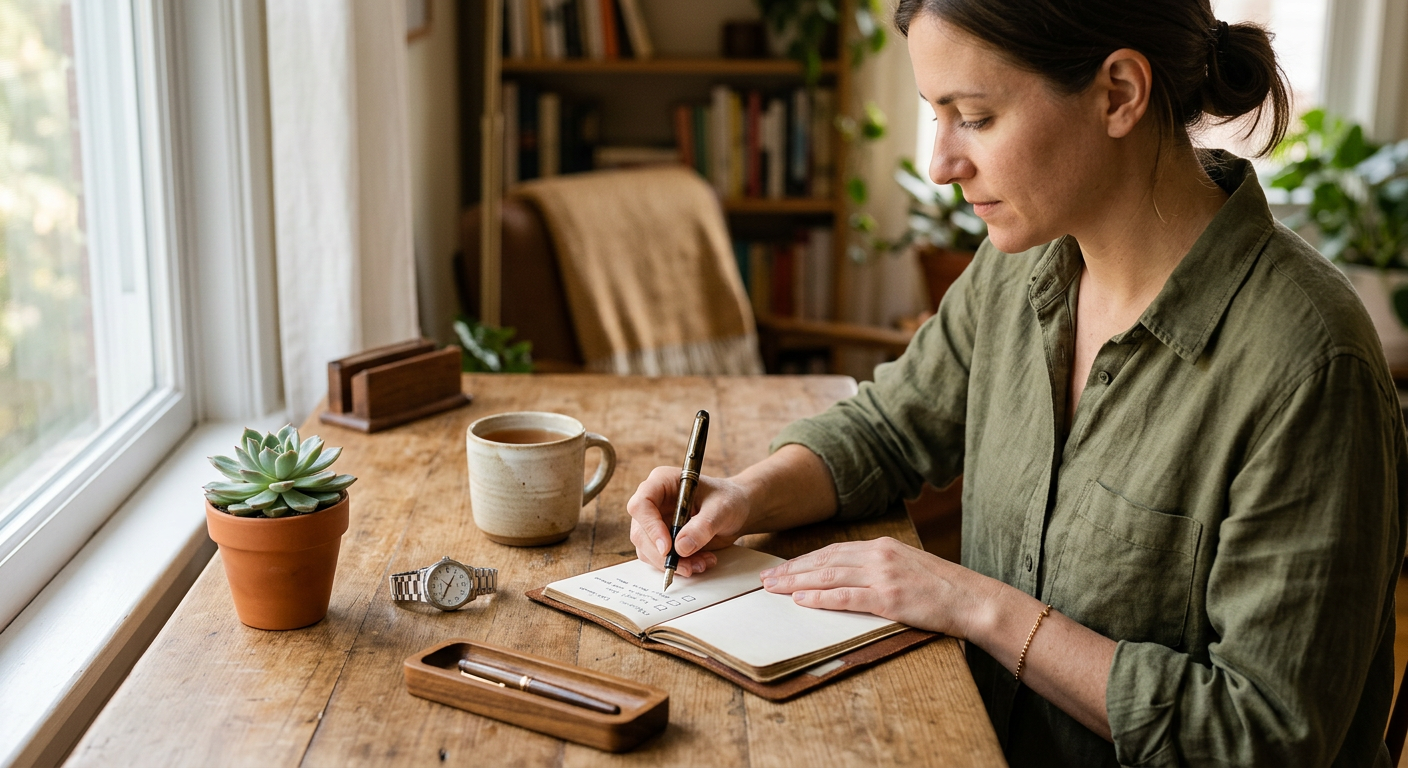
Micro-habits are small actions that take a minute or two, and they form the backbone of comfort-first wellness. They work because they lower the barrier to starting, then compound over time. The adoption numbers are hard to argue with.
A survey reported by The Intake found that 76% of Americans currently practice micro health habits, with physical movement (79%) and hydration (63%) leading the list. Results show up quickly: 61% noticed a positive health change within four weeks, including 18% who felt a difference inside the first week.
The outcomes carry weight. Three-quarters of Americans (75%) report better physical health since starting micro-habits, and 71% say the same for their mental health and stress levels. Those aren’t marginal gains from marginal effort. They’re meaningful shifts from very small inputs.
How to Start a Micro-Habit
Real Simple recommends starting with one core ritual that feels easy and natural, something you can do in two minutes or less. Once it runs on autopilot, you layer in others. Sequence is the key: master one before adding the next.
Nervous System Regulation Takes Center Stage
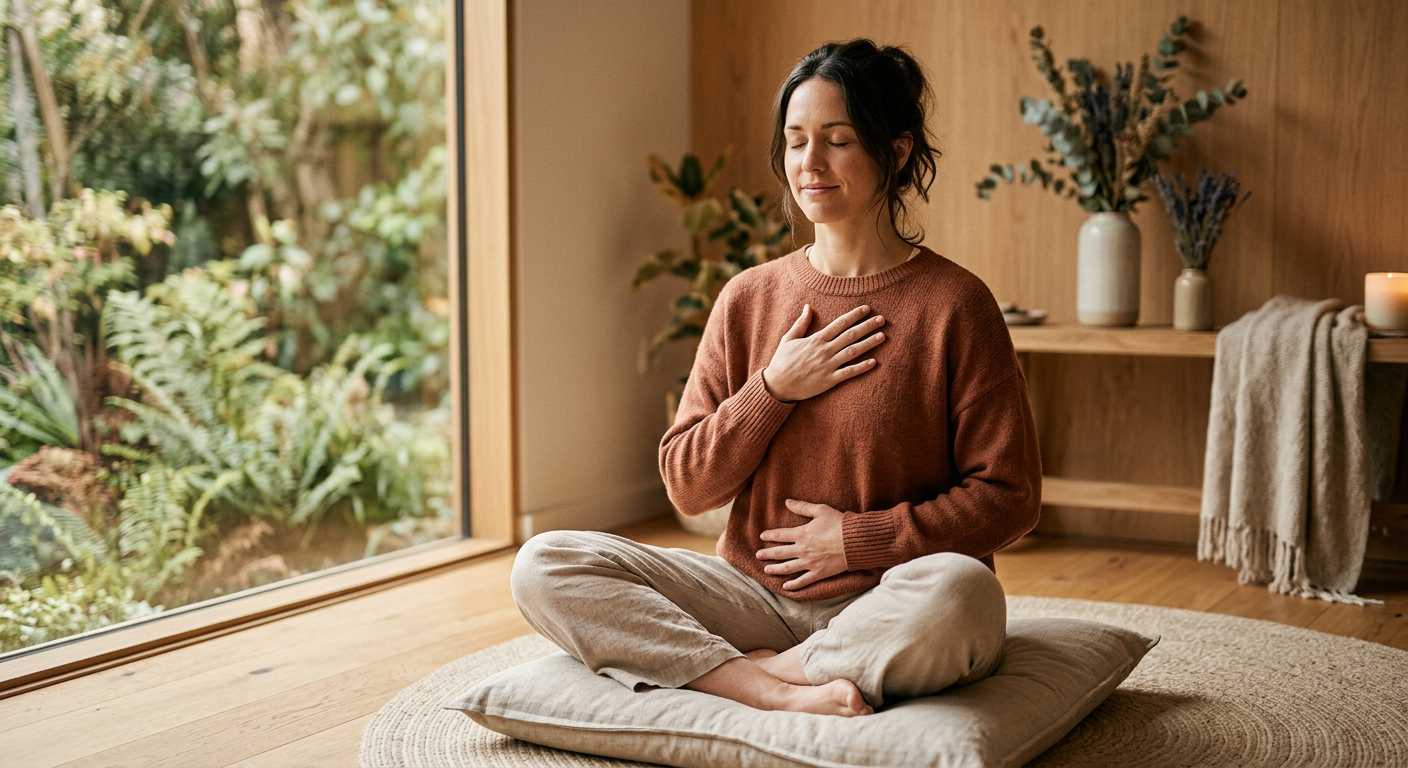
If one theme ties together 2026’s comfort-first rituals, it’s nervous system care. Rather than pushing the body harder, people are learning to downregulate, to move out of stress mode and into rest and recovery.
Healf describes a next chapter of wellbeing that feels “calmer, more selective and far more personal,” one that prioritizes nervous system regulation and long-term resilience over rigid routines. In that framing, food becomes “nervous-system input, not just fuel,” and rest becomes intentional rather than accidental.
Dr. Axe points to a parallel “rise of restorative rituals”: magnesium bathing, herbal nighttime infusions, 4-7-8 breathing for sleep, lymphatic massage, slow-flow yoga. The common thread is gentle healing, practices that calm the body rather than tax it.
Building Your Own Comfort-First Routine
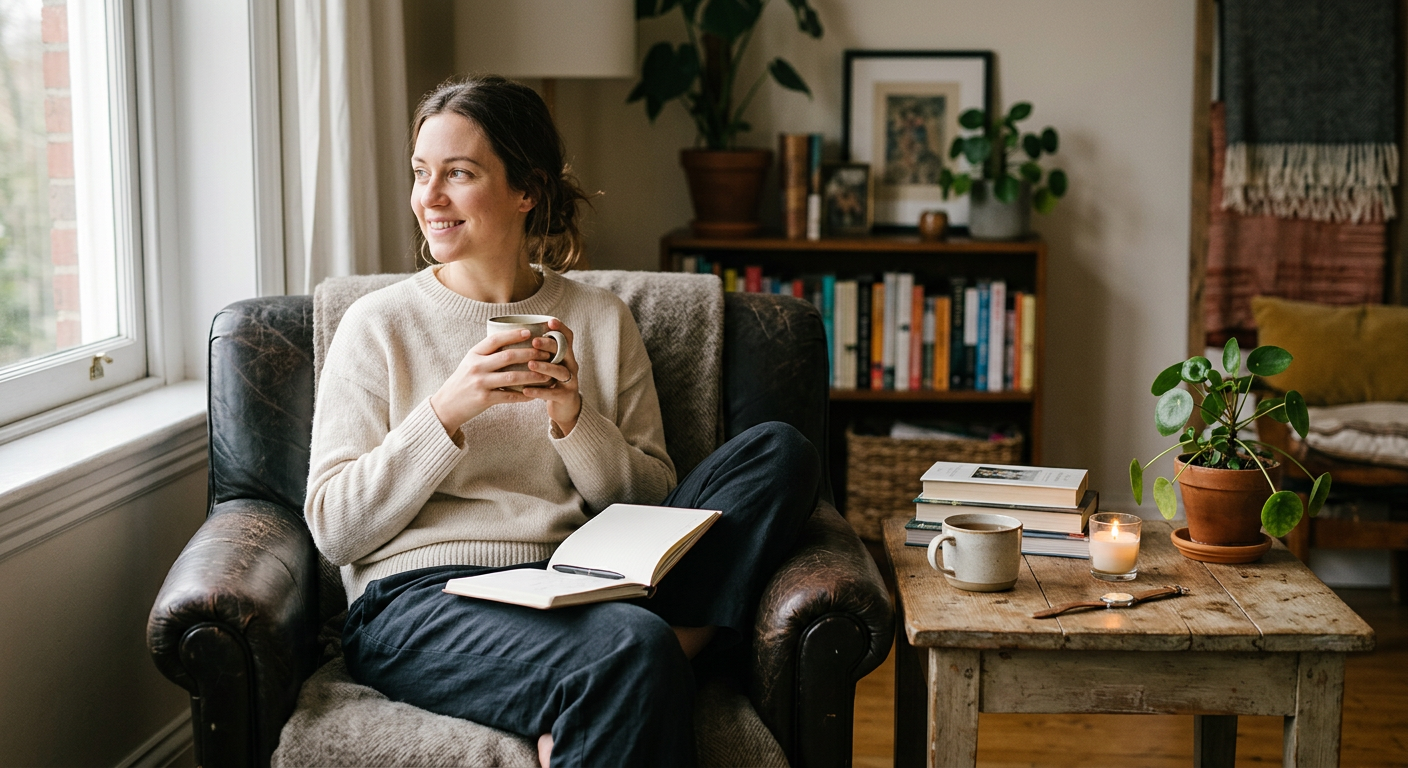
A full system overhaul isn’t the goal. A few anchored practices that fit the life you already live will do more work. The Boring Magazine notes that small rituals work best when they’re specific, easy to repeat, and tied to moments you already have: morning, mid-day, evening.
Canyon Ranch makes the same point about mindset. Its 2026 reset guide from Canyon Ranch suggests scheduling self-care like any other commitment and building a daily stress-regulation practice as short as five minutes. ELLE editors offer concrete examples: ELLE reminds readers that the best ritual is the one you can sustain, whether that’s five minutes of journaling or a single new breathing exercise.
Comfort-First vs. Optimization-First: A Quick Comparison
| Factor | Comfort-First Wellness | Optimization-First Wellness |
|---|---|---|
| Core goal | Sustainability and ease | Maximum measurable results |
| Time commitment | Minutes per day | Multi-step routines |
| Tools | Minimal, often no-tech | Wearables, trackers, data |
| Emotional tone | Calm, guilt-free | Pressure, “health FOMO” |
| Success metric | How it makes you feel | Numbers and benchmarks |
| Example | 4-7-8 breathing, a warm bath | Supplement stacks, sleep scoring |
A Simple Starter Ritual Stack
- Morning: Two minutes of breathwork, or a glass of water before coffee
- Mid-day: A short walk, or a five-minute reset between tasks
- Evening: A magnesium bath, herbal tea, or a few lines of journaling
Start with one. Add more only once it feels automatic.
Key Takeaways and Your Next Step
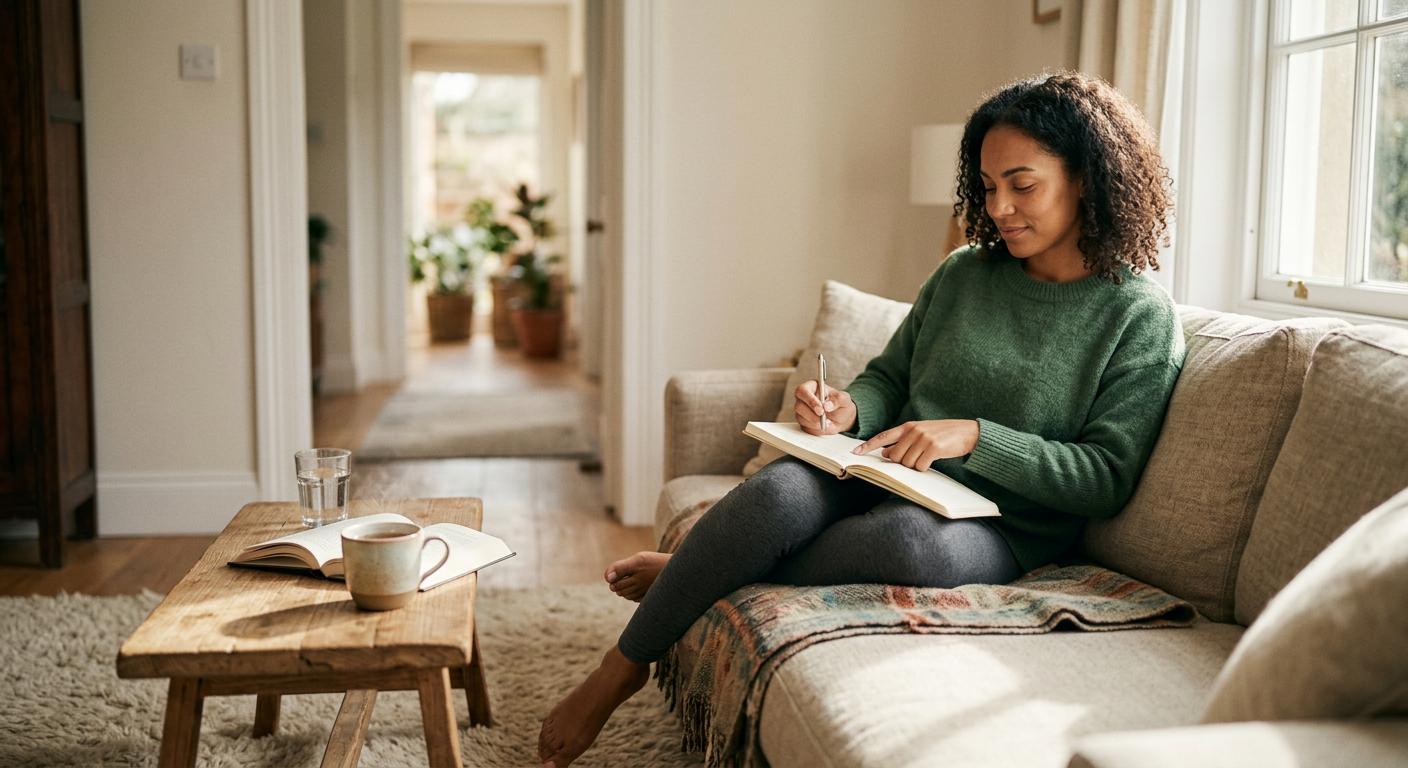
Comfort-first wellness isn’t a retreat from health. It’s a smarter route to it. The data shows Americans simplifying in large numbers, and the results from micro-habits come fast and hold up. Nervous system regulation, restorative rituals, and sustainable routines are taking over from the pressure to optimize everything.
The takeaway is plain: choose practices you can actually keep, tie them to moments you already have, and judge success by how you feel rather than what a device reports.
Pick one two-minute ritual today. Breathwork, a walk, a glass of water before your morning coffee. Do it again tomorrow. That consistency, not complexity, is what makes 2026’s comfort-first movement work.
Frequently Asked Questions
What is comfort-first wellness?
Comfort-first wellness prioritizes simple, sustainable practices that feel good over complex optimization routines focused on maximum measurable results. It emphasizes nervous system care, ease, and consistency, often favoring the no-tech rituals the Global Wellness Summit calls “softcare.”
Why are simple wellness rituals so popular in 2026?
People are burned out on “healthmaxxing” and wellness pressure. Talker Research found 44% of Americans changing their routines are simplifying, more than double the number pursuing advanced optimization, because simple rituals survive busy days and reduce anxiety.
How fast do micro-habits produce results?
Faster than most people expect. According to The Intake, 61% of people noticed a positive health change within four weeks of starting micro-habits, including 18% who felt a difference inside the first week.
What are good examples of comfort-first wellness rituals?
Five minutes of journaling, 4-7-8 breathing for sleep, magnesium bathing, herbal nighttime infusions, slow-flow yoga, a short mid-day walk, or drinking water before your morning coffee. The best ritual is one you can sustain over time.
How do I start a wellness routine that actually sticks?
Begin with one core ritual that takes two minutes or less and tie it to a moment you already have, like morning or evening. Once it runs on autopilot, add another, mastering one habit before layering in the next.
Is comfort-first wellness less effective than optimization?
The data says no. Of Americans practicing micro-habits, 75% report better physical health and 71% report better mental health and stress levels, which suggests small, sustainable actions can deliver meaningful results.