

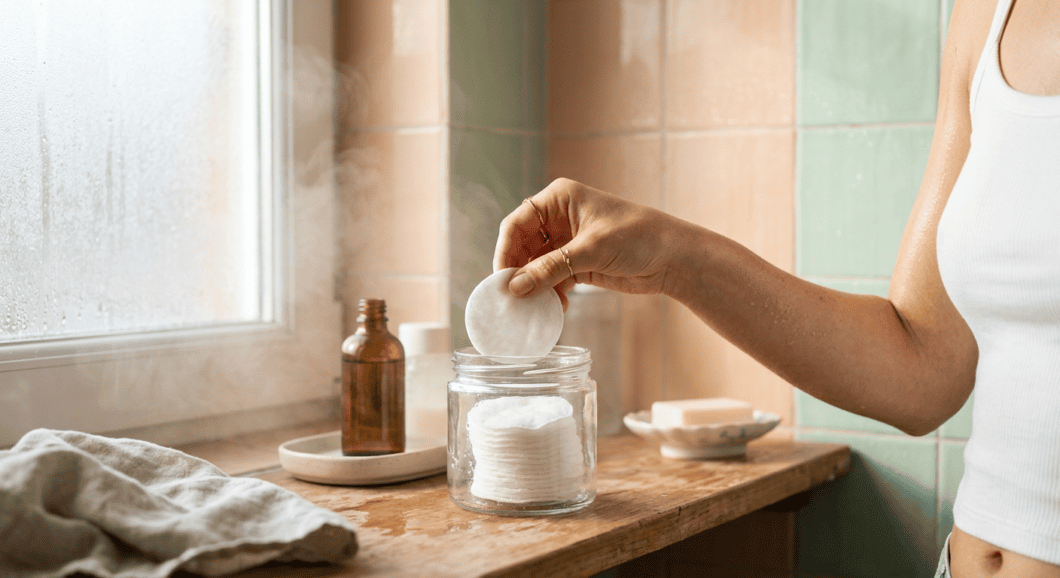
Look in your bathroom cabinet and there’s a decent chance you’ll spot a jar of toner pads. These pre-soaked rounds got written off years ago as a cousin of the early-2000s makeup wipe, but they’ve clawed their way back into one of the fastest-growing corners of skincare. The appeal comes down to time. Most people don’t want a ten-step routine, and a toner pad puts active ingredients on the skin in a single swipe. Future Market Insights projects the global market will grow from USD 3.70 billion in 2025 to USD 6.56 billion by 2035, a trajectory that points to a lasting change in how people handle their daily routine rather than a quick spike.
What Exactly Are Toner Pads?
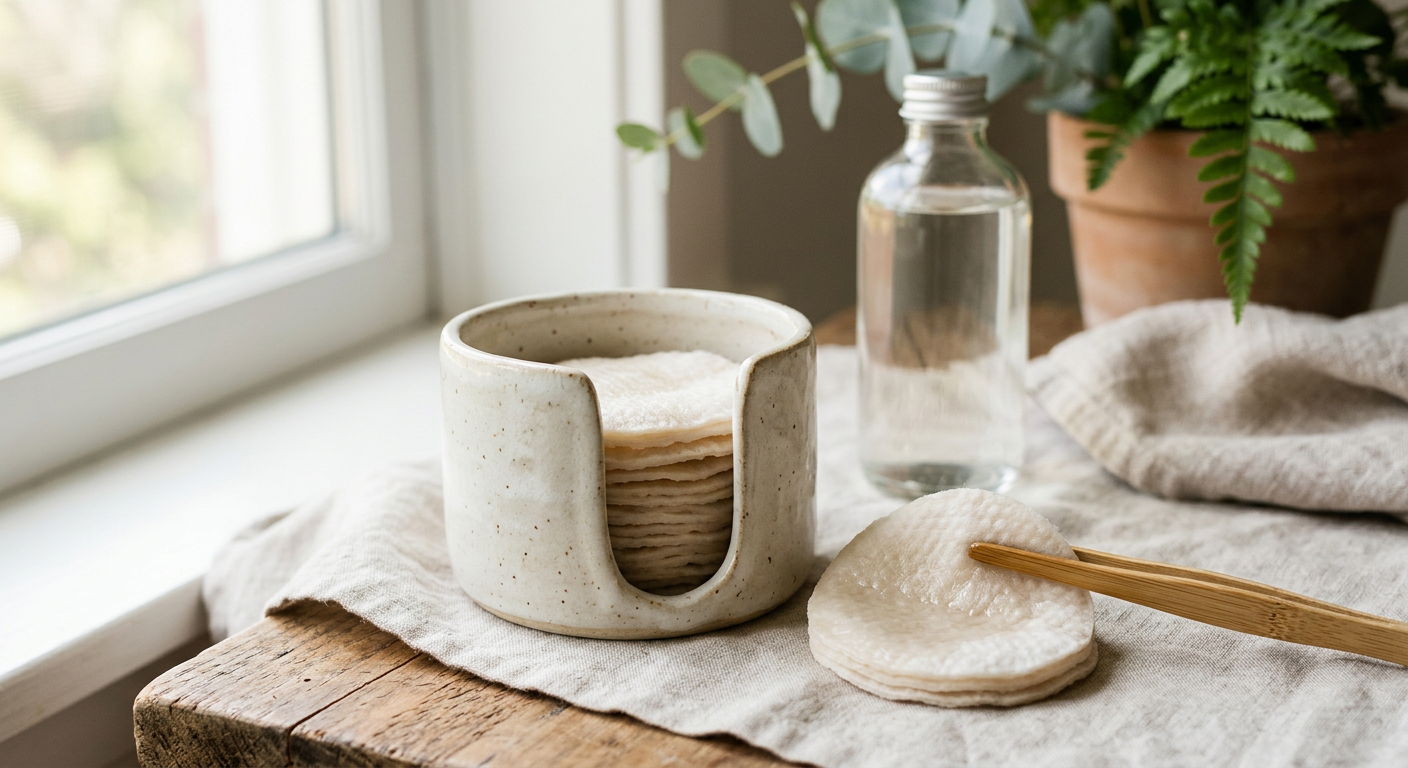
Toner pads are cotton rounds or squares soaked in toner, essence, or treatment serum. “They’re basically a more convenient way to apply toner,” dermatologist-cited expert Song told Byrdie. A jar usually holds 50 or more single-use pads.
The name undersells them. “They are much more versatile than simply toner in pad form,” board-certified dermatologist Y. Claire Chang, MD, told Vogue. Depending on the formula, one pad can hydrate, soothe, brighten, exfoliate, and prep the skin for whatever comes next.
That range is the selling point. Each swipe delivers a measured dose of actives, so you get serum-level benefits without guessing how much liquid to pour onto a cotton round.
Why Toner Pads Are Having Another Moment
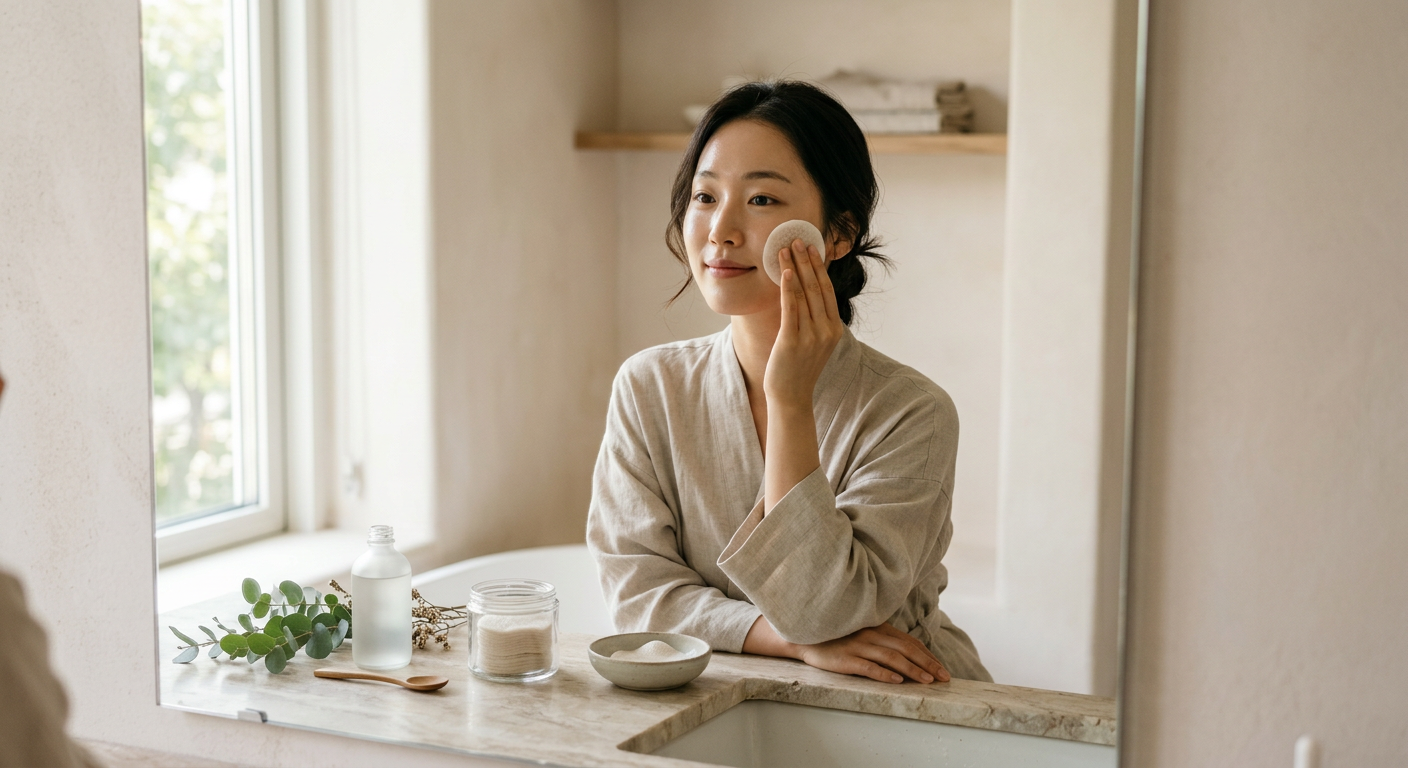
The format traces back to Korean skincare, where the emphasis has long been on intention over excess. Elle India points out that the pads fold exfoliation and hydration into one step, which supports the glass-skin look while trimming the routine down.
Timing explains a lot of it too. Shoppers are swimming in products. “Everyone is busy, and the amount of ingredients and products we need to use nightly is increasing, making it more complicated,” dermatologist Rachel Nazarian, M.D., F.A.A.D., told Good Housekeeping. The pads cut through that.
From K-Beauty Staple to Stateside Obsession
The category took off quickly. “Over the past month or two, I’ve watched the category go from a K-beauty staple to a full-blown Stateside obsession,” wrote a beauty editor at Marie Claire. Brands are rolling out new pads constantly, and Future Market Insights credits dermatologist-recommended versions with active ingredients for driving most of the growth.
Not the Makeup Wipes of the Past
Today’s pads have little in common with the drying, landfill-clogging wipes of the early 2000s. British Vogue describes the current crop as ultra-thin, often dual-sided, soaked in gentle ingredients, and sometimes packaged with mini tweezers for mess-free application. The applicator doubles as a tool.
The Convenience Factor That Drives Demand
Convenience is the main pitch, and it holds up under scrutiny. According to Superkos, the pads cut out cotton rounds, reduce spills and waste, and make it easier to use the same amount of product each time.
They travel well, too. Open the jar, swipe, done. For a lot of people, that one frictionless step is what separates a routine they stick to from one they abandon by Thursday. A pad you’ll reach for every night beats a serum collecting dust on the shelf.
Can Toner Pads Replace Multiple Steps?
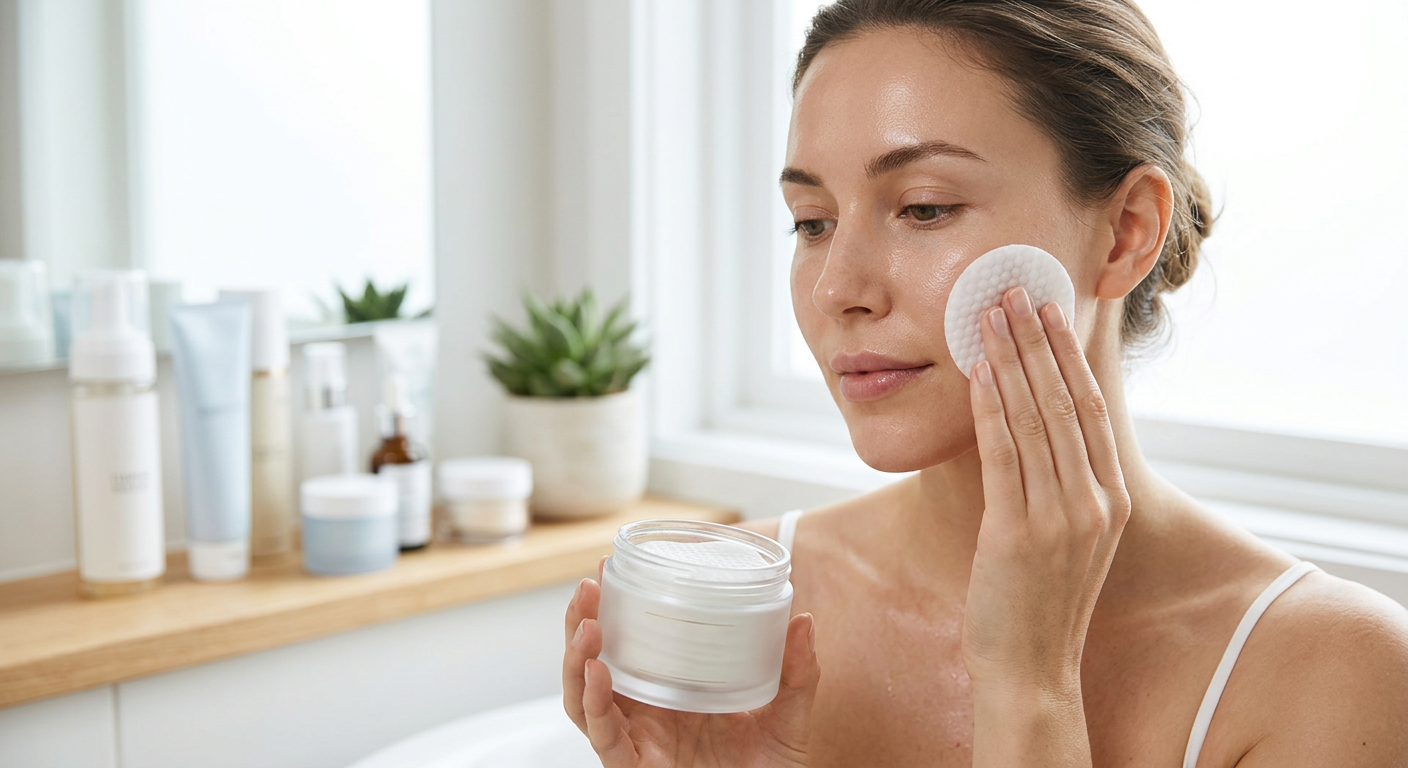
Terez and Honor notes that a single pad can cleanse, exfoliate, and tone at once depending on the formula, which is a draw for anyone short on time. The pads can collapse several traditional steps into one, but the right choice hinges on your specific concern.
Here’s how the common types map to what they replace:
| Pad Type | Key Ingredients | What It Does | Frequency |
|---|---|---|---|
| Cleansing | Micellar water, gentle surfactants | Removes dirt and oil | Daily |
| Exfoliating | AHAs, BHAs, PHAs | Sloughs dead skin, boosts cell turnover | 2–3 times a week |
| Hydrating | Hyaluronic acid, glycerin | Locks in moisture | Daily |
| Treatment | Niacinamide, tea tree, peptides | Targets acne, redness, aging | As directed |
One rule worth remembering: exfoliating pads belong in the rotation only two to three times a week, while hydrating and cleansing pads are fine daily, per Terez and Honor. Leaning too hard on acid-based pads can wreck your barrier, which undercuts the whole gentle, K-beauty premise.
Choosing the Right Toner Pad for Your Skin
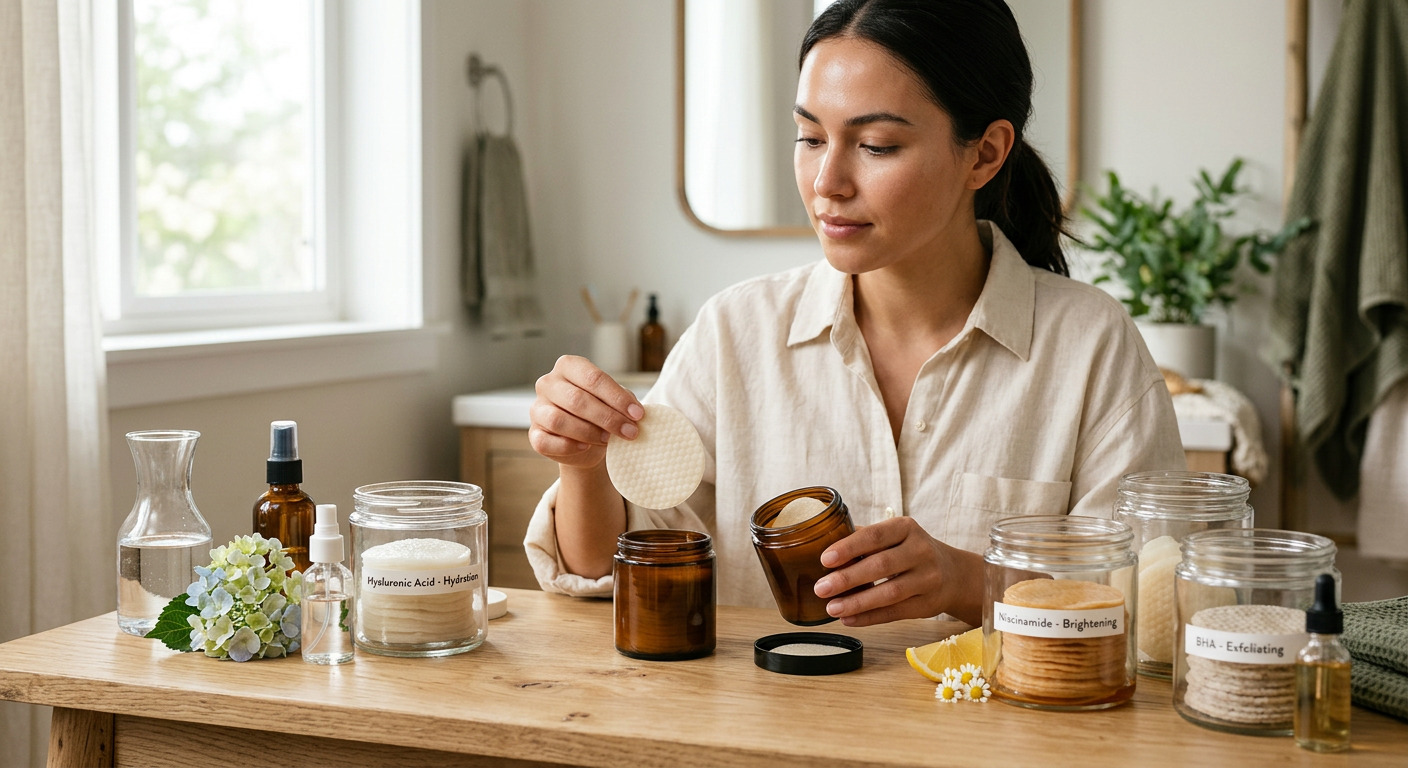
Match the active to your goal. Hyaluronic acid leads the ingredient market with a 24.3% share in 2025, and hydration tops the skin-concern segment at 38.5%, according to Future Market Insights. If dryness is the problem, a hydrating pad is a safe place to start.
Ingredients to Look For
- Hyaluronic acid and glycerin for hydration and plumping
- Salicylic acid (BHA) for acne and congested pores
- Glycolic acid (AHA) for dullness and texture
- Niacinamide and panthenol for barrier support and redness
- PHAs for sensitive skin that can’t tolerate stronger acids
Transparency is becoming its own selling point. Fact.MR reports rising demand for dermatologist-tested pads that clearly label their actives, including BHA, niacinamide, and panthenol.
Where to Buy
Physical stores still move the most product, with beauty chains offering testers and bundles, per Future Market Insights. E-commerce keeps gaining ground, though, and subscription models are starting to appear as brands scramble to hang onto customers. The names you’ll see most often are COSRX, Neogen, Anua, Round Lab, Abib, and Mediheal.
How to Use Toner Pads for Maximum Glow
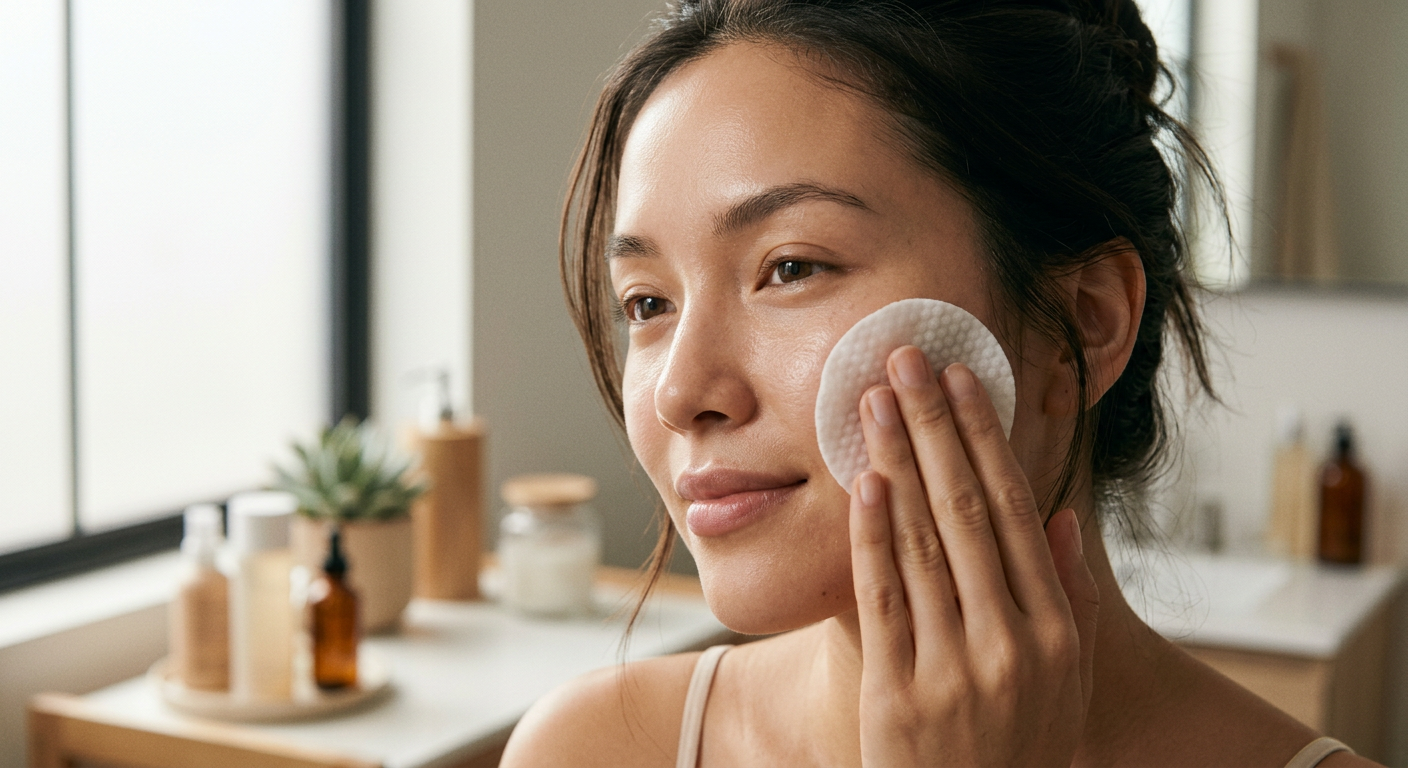
The process is straightforward, though technique still counts. Elle India recommends starting on clean skin so the actives can absorb properly.
Follow these steps:
- Cleanse first and pat your skin dry.
- Swipe the pad gently outward across your face and neck.
- Use the textured side for light exfoliation if your pad is dual-sided.
- Let it absorb before applying serums and moisturizer.
- Lay a pad flat on a problem area as a quick spot-treatment or mini mask.
Plenty of people press a pad onto a breakout as a targeted treatment or lay several across the face as a quick sheet mask, a use the editors at Allure have praised. That flexibility is a big reason the format works across so many skin types.
The Takeaway
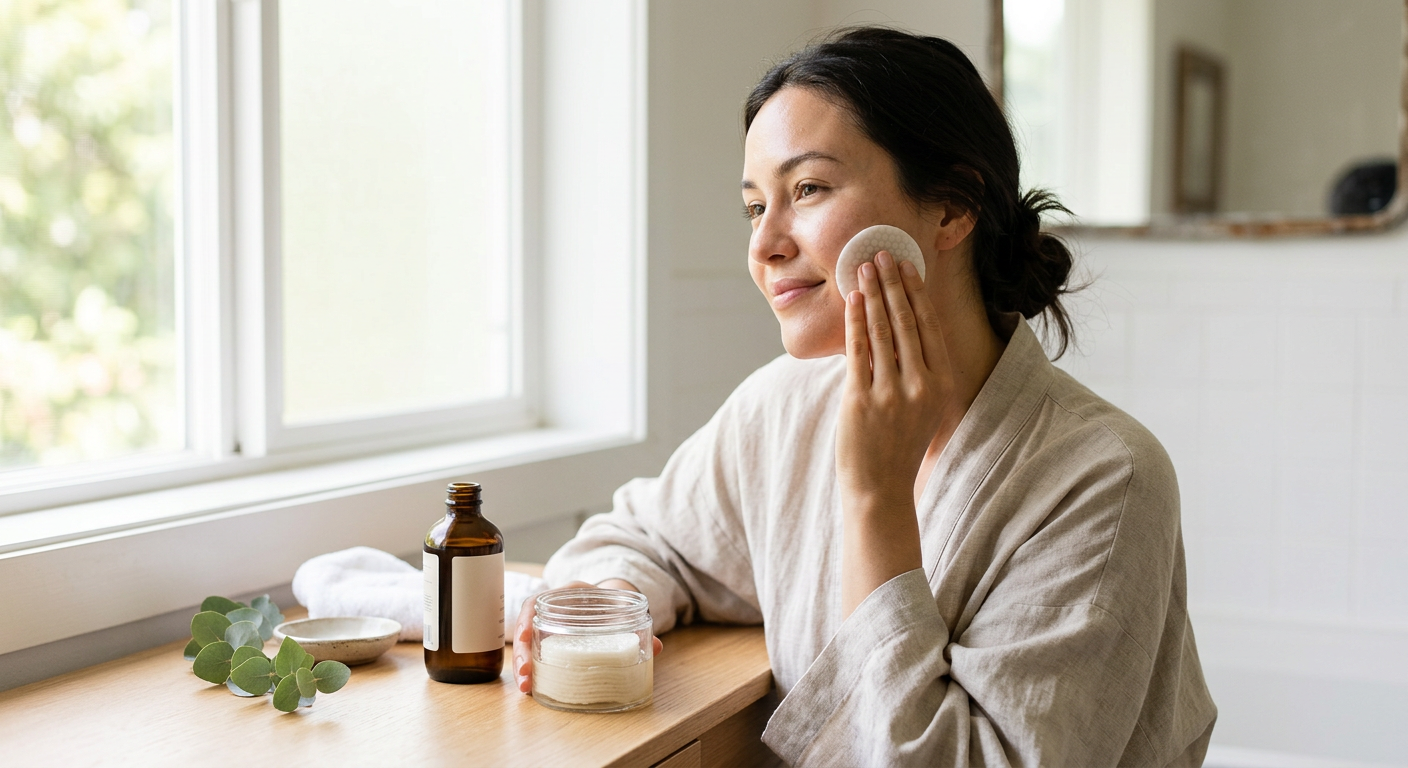
Toner pads are back because they answer a real problem: effective, active-packed skincare without the mess or the multi-step commitment. They grow out of K-beauty’s barrier-first philosophy, sit behind a market expanding at a 5.9% CAGR through 2035, and have dermatologists in their corner for precise, gentle delivery.
Pin down your main skin concern first, then pick a pad with the matching active. Use hydrating and cleansing pads daily, keep exfoliating pads to two or three times a week, and read the ingredient label before you buy. For results-driven skincare that fits a packed schedule, a jar of toner pads is about as easy an upgrade as you’ll find.
Frequently Asked Questions
Can I use toner pads every day?
It depends on the type. Hydrating and cleansing pads are generally safe for daily use, but exfoliating pads with AHAs or BHAs should be limited to two to three times a week to protect your skin barrier.
Do toner pads replace my serum and moisturizer?
Not entirely. Toner pads can condense cleansing, toning, and exfoliating steps, but you should still follow with a moisturizer and, in the morning, sunscreen to lock in hydration and protect your skin.
Are toner pads better than liquid toner?
They are more convenient and consistent. Toner pads deliver a precise, measured dose each time, reduce spills and product waste, and eliminate the need for separate cotton rounds, according to industry sources.
Which toner pad ingredient is best for hydration?
Hyaluronic acid is the leading choice and dominates the market with a 24.3% ingredient share in 2025, per Future Market Insights. Glycerin is another effective hydrating ingredient to look for.
Are toner pads suitable for sensitive skin?
Yes, if you choose the right formula. Pads with PHAs, niacinamide, or panthenol are gentler options, and K-beauty formulations generally avoid harsh ingredients that dry out or irritate the skin.
Do toner pads work for acne?
They can. Look for pads with salicylic acid (BHA) to target congestion, or apply a treatment pad directly to blemishes as a quick spot treatment.