

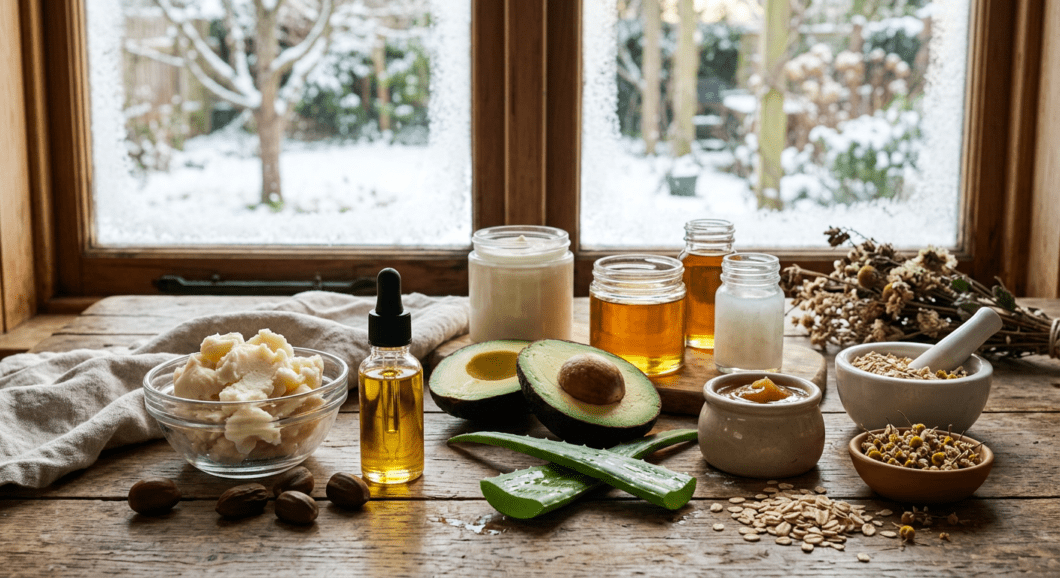
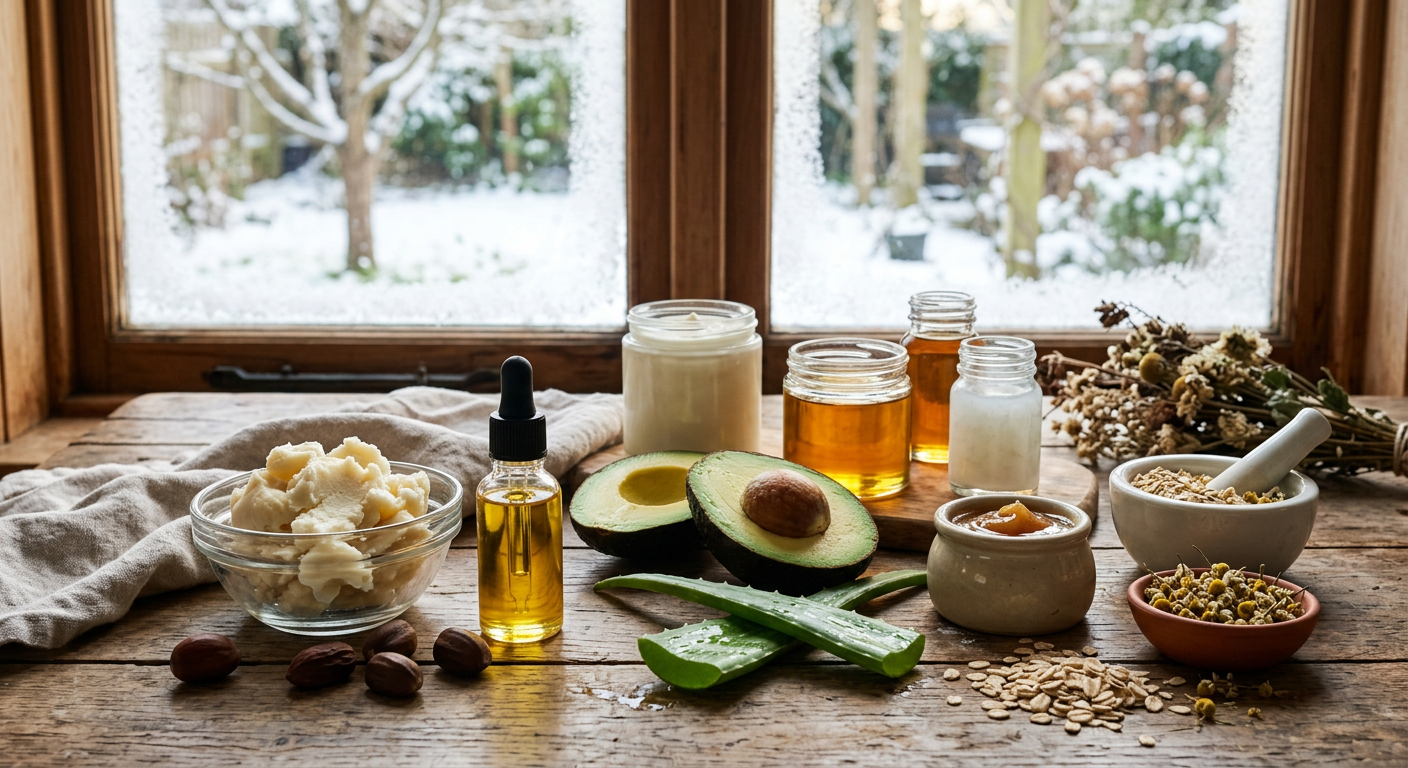
Skin loses moisture faster in winter than at any other time of year. Cold air, wind, and low outdoor humidity strip away natural oils, and indoor heating finishes the job by pulling moisture out of the air around you. The result is tightness, flaking, redness, and a dull, tired look that no amount of sleep seems to fix.
Most of that damage reverses with the right ingredients. Build your products around proven hydrators, barrier-strengtheners, and nourishing oils, and your skin can stay soft through the worst of the season. This guide covers which ingredients to prioritize and why.
Why Cold Weather Wrecks Your Skin

Winter hits the skin barrier from two directions. Outdoors, cold air holds less moisture, and wind speeds up water loss from the surface. Indoors, heating systems dry out the air and pull even more hydration from your skin.
ZO Skin Health describes this combination as stripping skin of its natural moisture, which leads to dryness, sensitivity, dullness, and irritation. Hot showers and harsh winds compound the problem.
A weakened barrier can no longer hold water well. Sunsafe Rx notes that untreated dry skin can progress from chapping and cracking into conditions like eczema. Ingredient selection matters more in winter than at any other point in the year.
Hydrating Powerhouses: Hyaluronic Acid and Glycerin
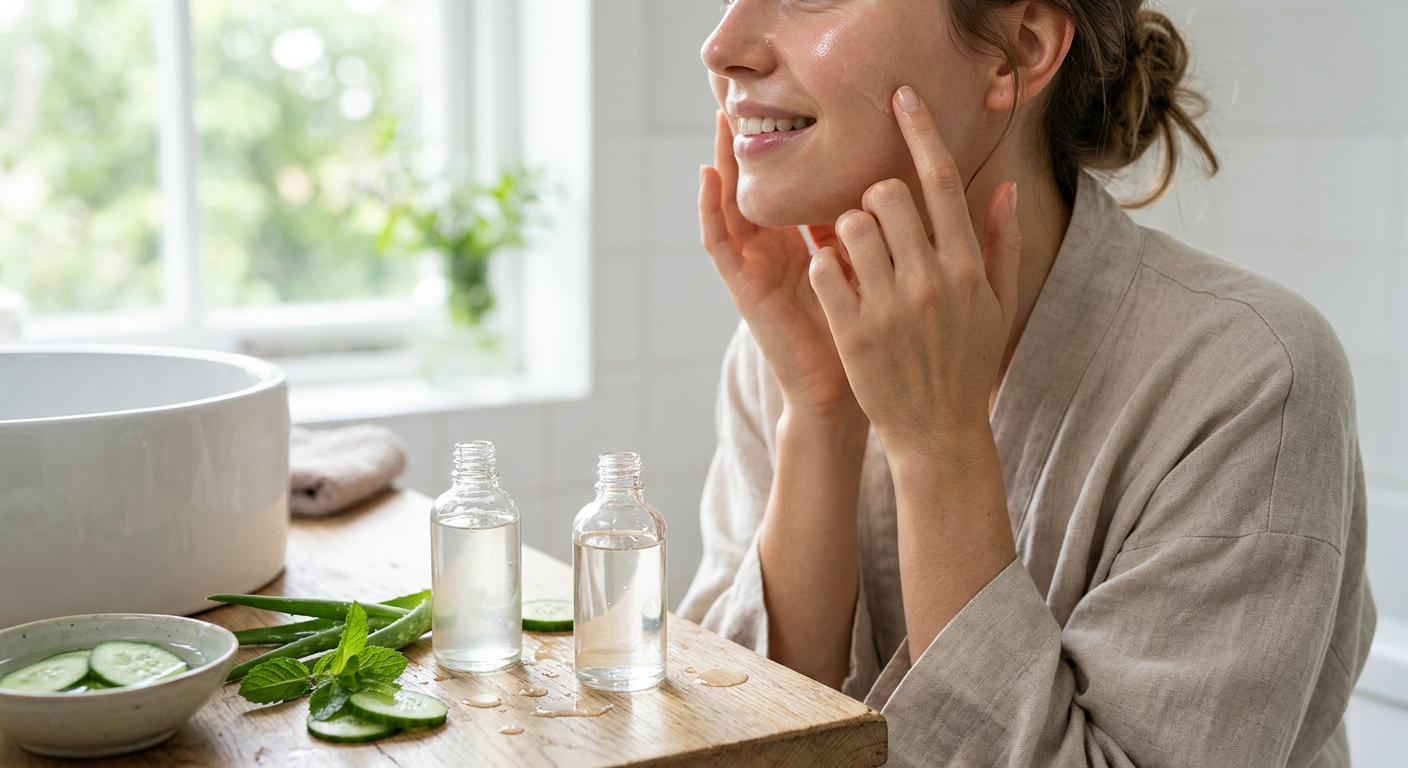
Hydrators, known as humectants, pull water into the upper layers of the skin. They form the foundation of a cold-weather routine because they replace the moisture that winter air keeps stealing.
Hyaluronic Acid
Hyaluronic acid holds up to 1,000 times its weight in water, which makes it one of the most efficient hydrators available. It plumps the skin and softens the look of fine lines that become more visible when skin is dehydrated.
Apply it to damp skin and seal it with a moisturizer. In very dry climates, using it on dry skin without a sealing layer can backfire and pull moisture from deeper skin layers.
Glycerin
Glycerin is an underrated, affordable humectant that shows up in countless effective formulas. It attracts water and helps restore the skin’s natural moisture balance. Both ZO Skin Health and Pac Cosmetics name it as a core winter ingredient. Pair it with a richer cream to lock the hydration in place.
Barrier-Strengthening Ingredients: Ceramides and Niacinamide
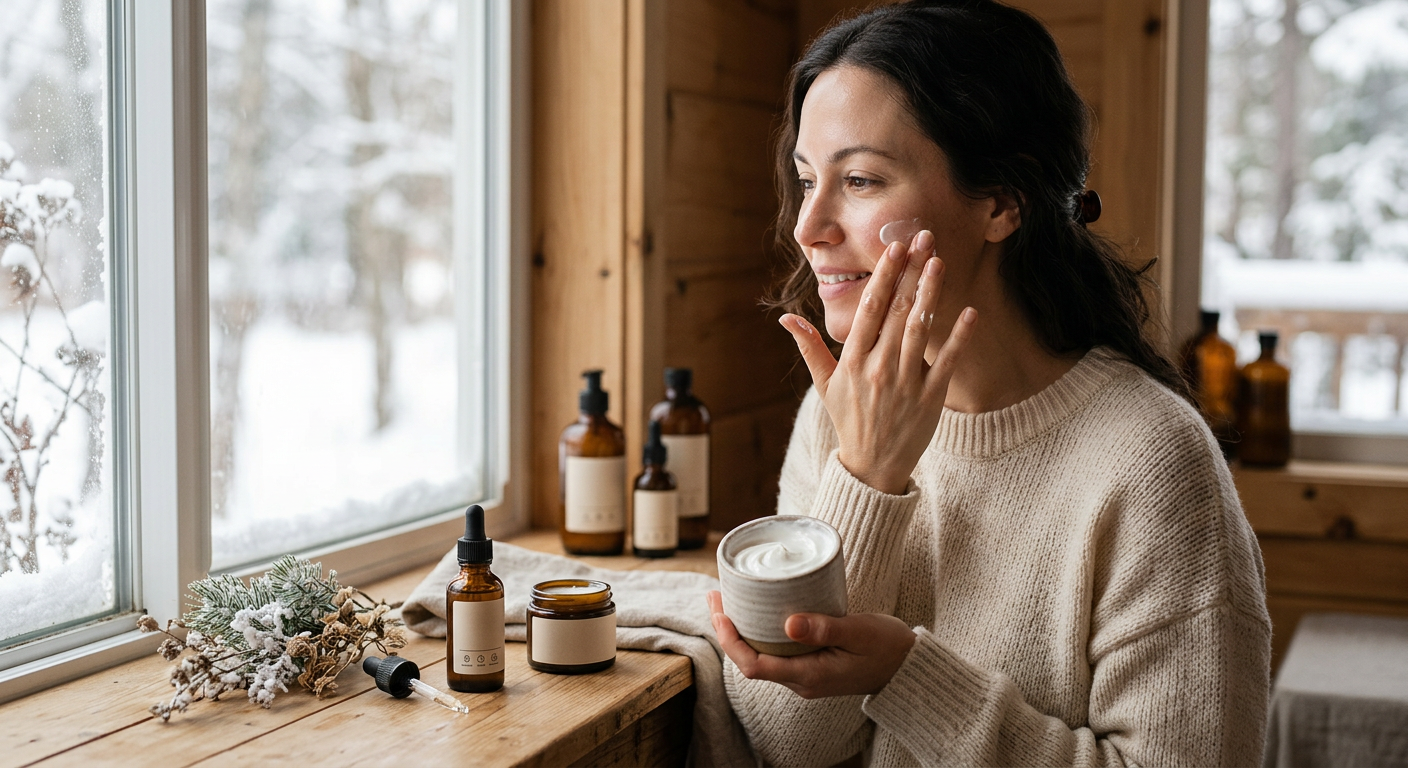
Hydration alone won’t carry you through winter. You also need ingredients that repair and reinforce the barrier so moisture stays put.
Ceramides
Ceramides are lipids that occur naturally in your skin and make up a large part of the barrier that holds water in. Cold weather depletes them, which is why your skin feels tight and looks flaky. Replenishing ceramides through skincare rebuilds that protective layer and reduces water loss.
Niacinamide
Niacinamide (vitamin B3) is a year-round multitasker that earns its place in winter. CULT Aesthetics reports that it strengthens the skin barrier and calms irritation. It also reduces redness, a good match for skin reddened by cold wind. Look for concentrations between 2% and 5% to balance efficacy and gentleness.
Nourishing Oils: Jojoba, Squalane, and Shea Butter
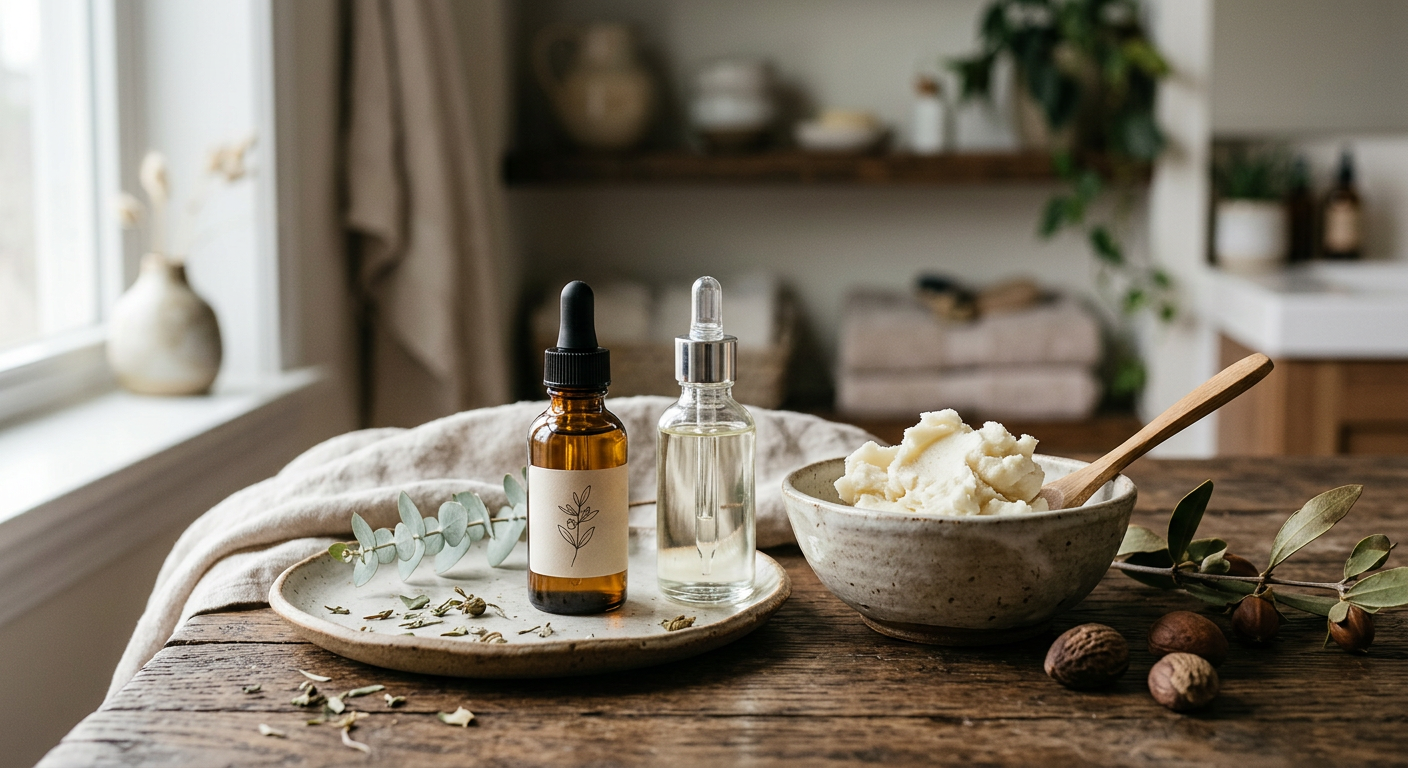
Oils and butters work as occlusives and emollients. They smooth the surface and create a protective seal that keeps moisture from escaping, which is what dehydrated winter skin needs.
Jojoba oil closely mimics the skin’s natural sebum, so it absorbs well without feeling greasy. Squalane is a lightweight, non-comedogenic oil that softens skin and reinforces the barrier. ZO Skin Health recommends both as nourishing winter oils.
Shea butter delivers a richer, more occlusive finish that suits very dry areas like cheeks, hands, and elbows. Pac Cosmetics recommends switching to creams formulated with shea butter, squalane, and ceramides as the temperature drops.
Cold-Weather Ingredient Comparison
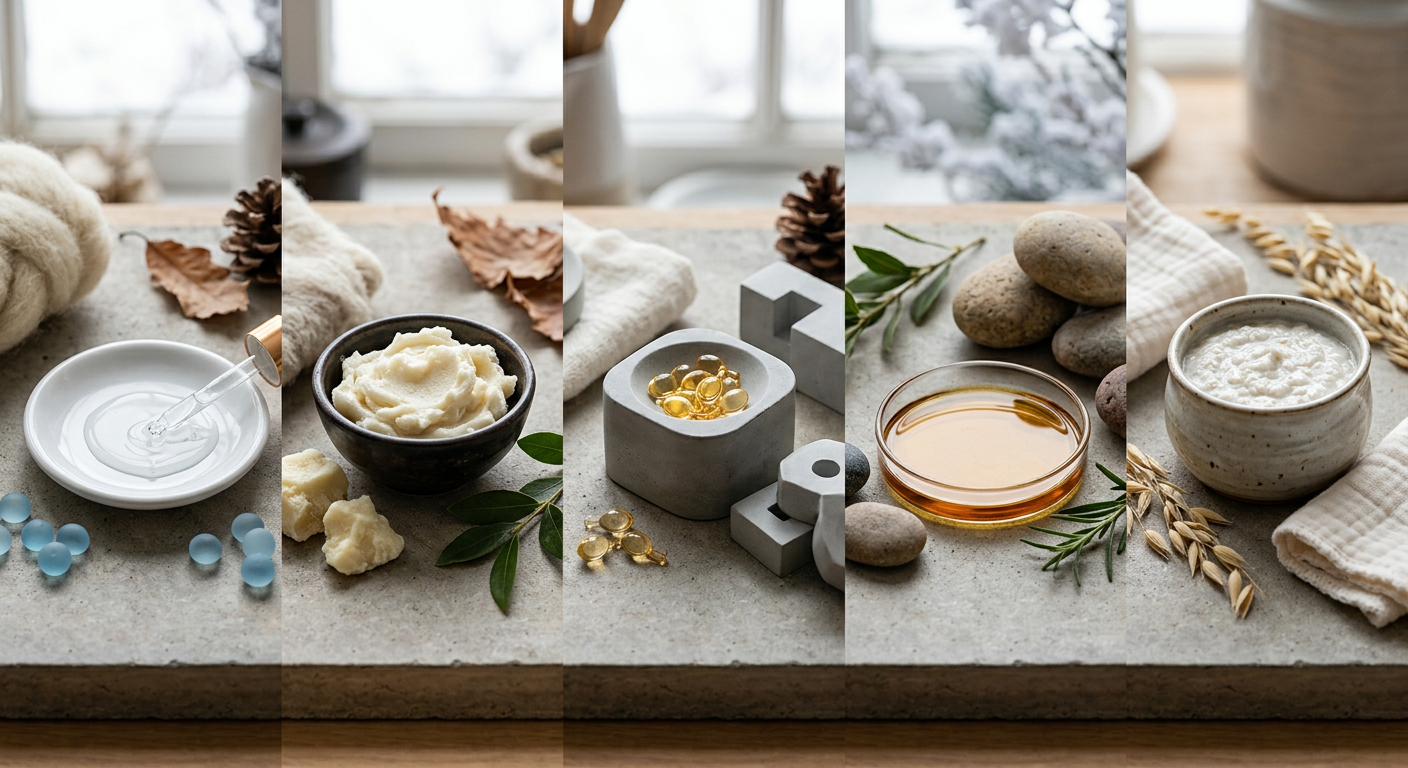
Use this quick-reference table to match each ingredient to its primary job and best skin type.
| Ingredient | Type | Primary Benefit | Best For |
|---|---|---|---|
| Hyaluronic acid | Humectant | Deep hydration, plumping | All skin types |
| Glycerin | Humectant | Restores moisture balance | All skin types |
| Ceramides | Barrier lipid | Repairs and seals barrier | Dry, sensitive |
| Niacinamide | Barrier support | Strengthens barrier, calms redness | Sensitive, reactive |
| Jojoba oil | Emollient | Sebum-like softening | Normal, combination |
| Squalane | Emollient | Lightweight barrier support | All, including oily |
| Shea butter | Occlusive | Rich, protective seal | Very dry skin |
Layer these in order of consistency: humectants first, then barrier serums, then oils and creams to seal everything in.
Feed Your Skin From the Inside

Topical ingredients work better when your diet supports them. Sunsafe Rx makes the case that the best way to keep skin supple is to moisturize from the inside out.
Healthy fats, particularly omega-3 fatty acids, support the skin barrier and help it retain moisture. Add eggs, nuts, chia seeds, avocados, and fatty fish like salmon to your winter meals. These foods supply the building blocks your skin uses to repair itself.
Hydration counts too. Cold weather can dull your thirst response, so it’s easy to drink less without noticing. Spread your fluid intake across the day, and round things out with plenty of vegetables and some fruit.
Building Your Cold-Weather Routine
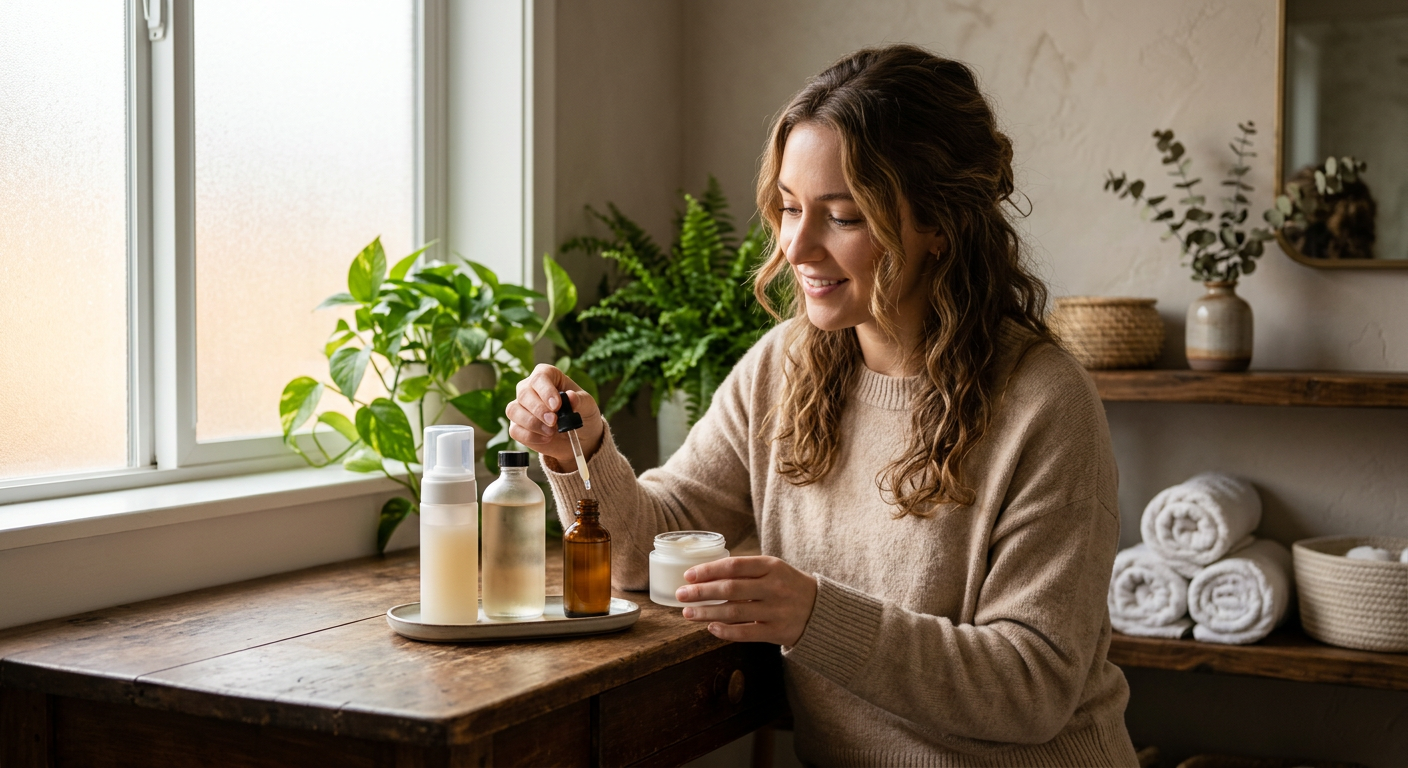
Combine these ingredients into a simple, layered routine, and keep it consistent. Barrier repair happens over weeks, not days.
A reliable winter sequence looks like this:
- Gentle cleanser — avoid foaming, stripping formulas
- Hydrating serum — hyaluronic acid or glycerin on damp skin
- Barrier treatment — niacinamide or a ceramide serum
- Moisturizer — a richer cream with ceramides, squalane, or shea butter
- Facial oil (optional) — jojoba or squalane to seal in very dry conditions
- Sunscreen (daytime) — UV damage continues even on overcast winter days
Adjust the richness to your skin type. Oily and combination skin can skip the facial oil, while very dry skin benefits from a heavier occlusive at night.
Conclusion
Cold weather puts your skin under real stress, but the right ingredients give you a way to fight back. Hydrators like hyaluronic acid and glycerin replace lost moisture, barrier-builders like ceramides and niacinamide keep it locked in, and oils like jojoba, squalane, and shea butter seal everything down. Support all of it with a diet rich in healthy fats and steady hydration.
Start by checking your current products against the comparison table above, then layer your routine from lightest to richest. Stick with it, and you get soft, calm skin that holds up no matter how cold it gets.
Frequently Asked Questions
Q: What is the single best ingredient for dry winter skin?
There’s no single best ingredient, but ceramides come closest because they directly repair the barrier that cold weather depletes. Pair them with a humectant like hyaluronic acid for stronger hydration and protection.
Q: Should I apply hyaluronic acid to wet or dry skin in winter?
Apply it to damp skin, then seal it with a moisturizer. In dry winter air, using it on dry skin without a sealing layer can pull moisture from deeper layers and leave your skin feeling tighter.
Q: Can I use facial oils if I have oily skin in winter?
Yes. Lightweight, non-comedogenic oils like squalane and jojoba support the barrier without clogging pores. Start with a few drops at night, and skip them if your skin feels congested.
Q: Do I still need sunscreen in cold weather?
Yes. UV rays cause damage even on cloudy or snowy days, and snow reflects additional UV onto your skin. Apply a broad-spectrum sunscreen every morning as the final step in your routine.
Q: How long does it take to see results from a winter skincare routine?
Surface hydration improves within days, but barrier repair takes two to four weeks of consistent use. Stick with your routine daily rather than switching products frequently.
Q: Does diet really affect how my skin looks in winter?
Yes. Healthy fats and omega-3s help your skin retain moisture and repair its barrier from the inside. Foods like salmon, avocados, nuts, and chia seeds support softer, healthier-looking skin.