

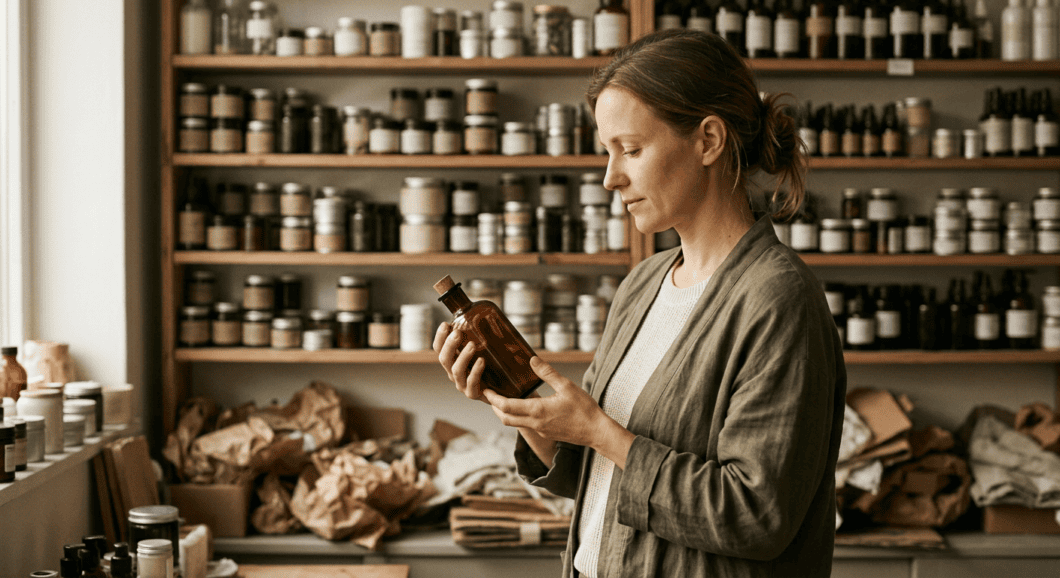
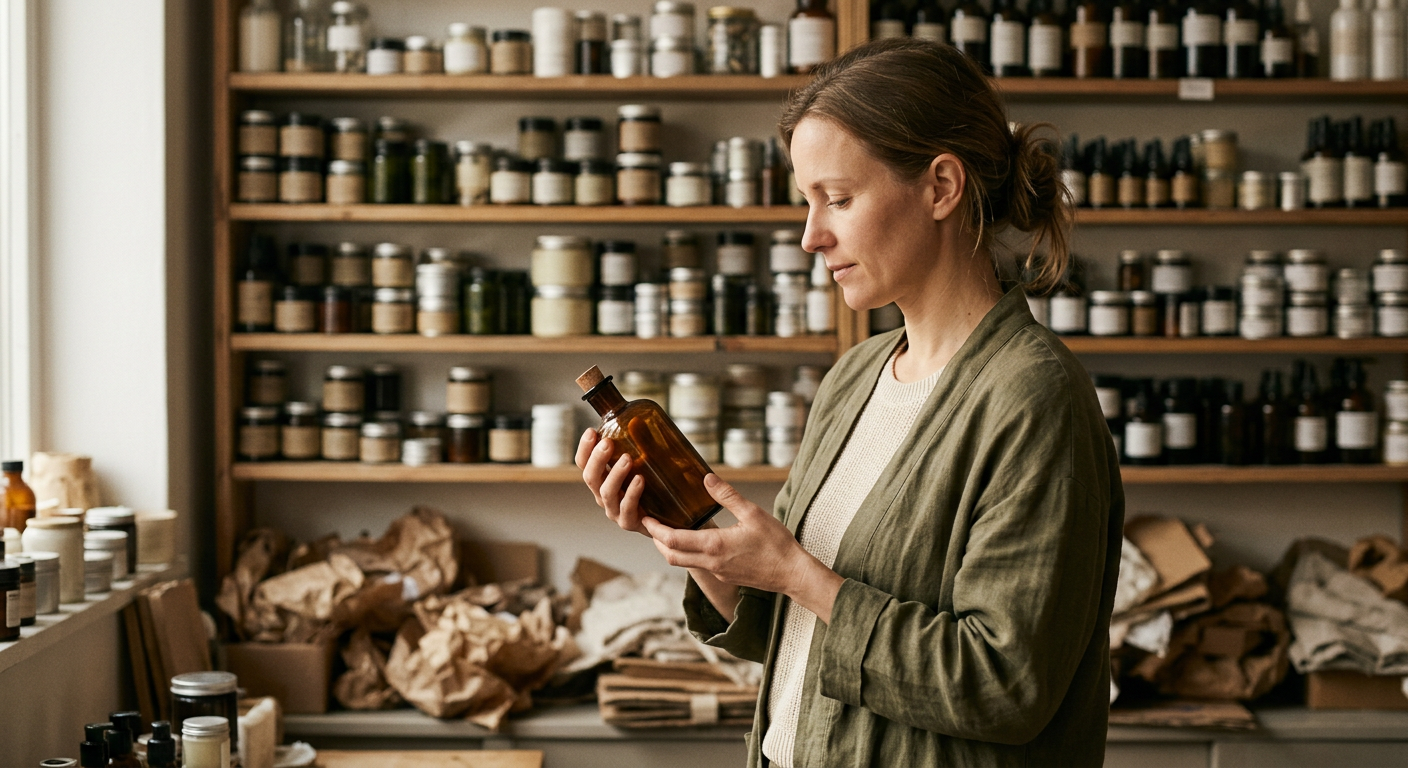
Seventy-two percent of consumers feel overwhelmed by the sheer volume of new beauty launches, according to McKinsey’s 2025 State of Fashion & Beauty report. Shoppers have stopped chasing the next drop and the trendiest formula. They want fewer products, stronger proof, and confidence in every decision. Any brand planning for 2027 needs to understand what changed.
Why Beauty Shoppers Are Rejecting the “More Is Better” Model
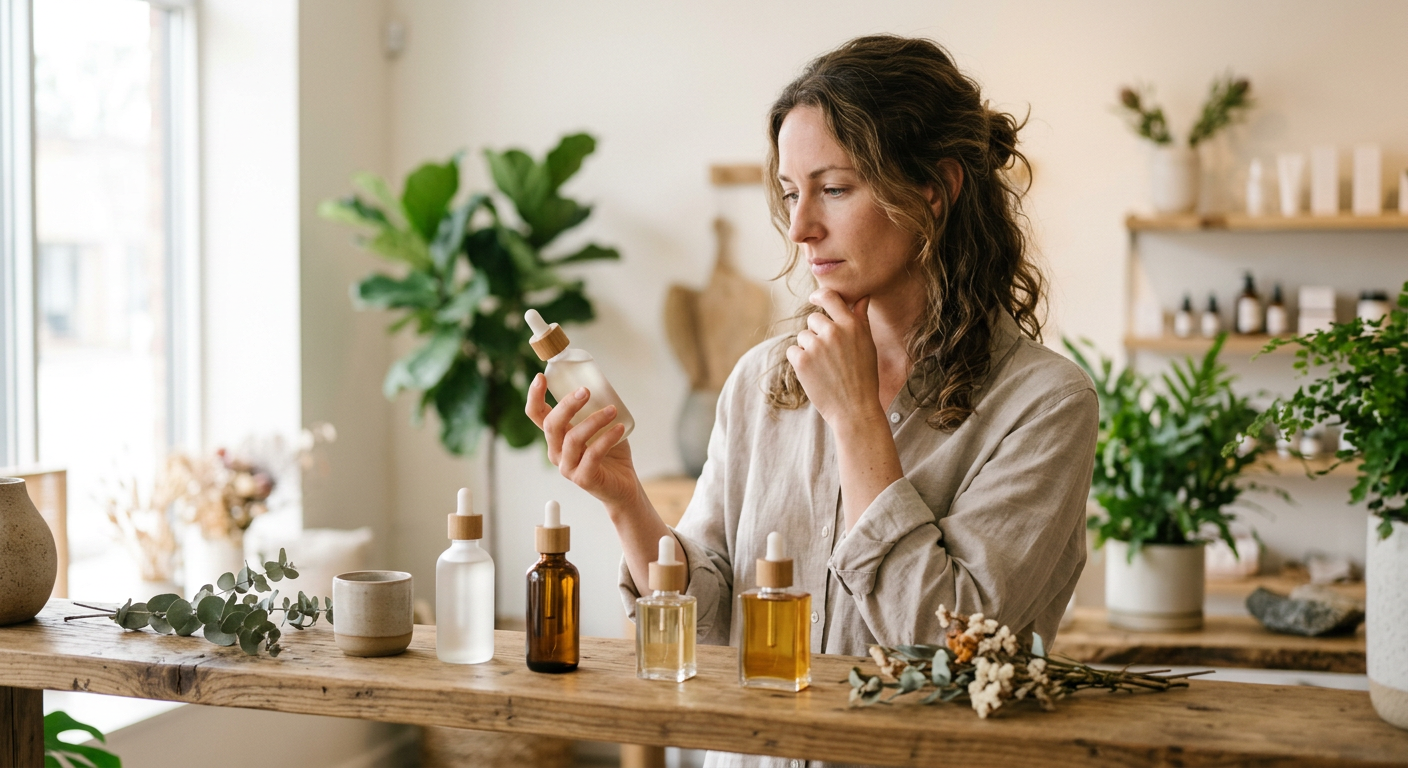
For decades, the beauty industry ran on abundance. New ingredients, new formats, new claims, and a constant stream of launches drove growth and excitement. That model now works against shoppers rather than for them.
Decision fatigue has become the defining friction point. NielsenIQ reports that more than 64% of global consumers feel overwhelmed by the number of choices in beauty and personal care, with younger shoppers reporting the highest levels of fatigue. When every serum promises hydration, brightening, acne control, and anti-aging at once, the shopper freezes instead of buying.
So people edit instead of accumulate. NielsenIQ found that 33% of global consumers say the last few years taught them that less is more, which fuels demand for multifunctional formulas and tightly curated ranges. Intentional shoppers want products that do more with less, and they want certainty before they spend.
What “Intentional Beauty” Actually Means
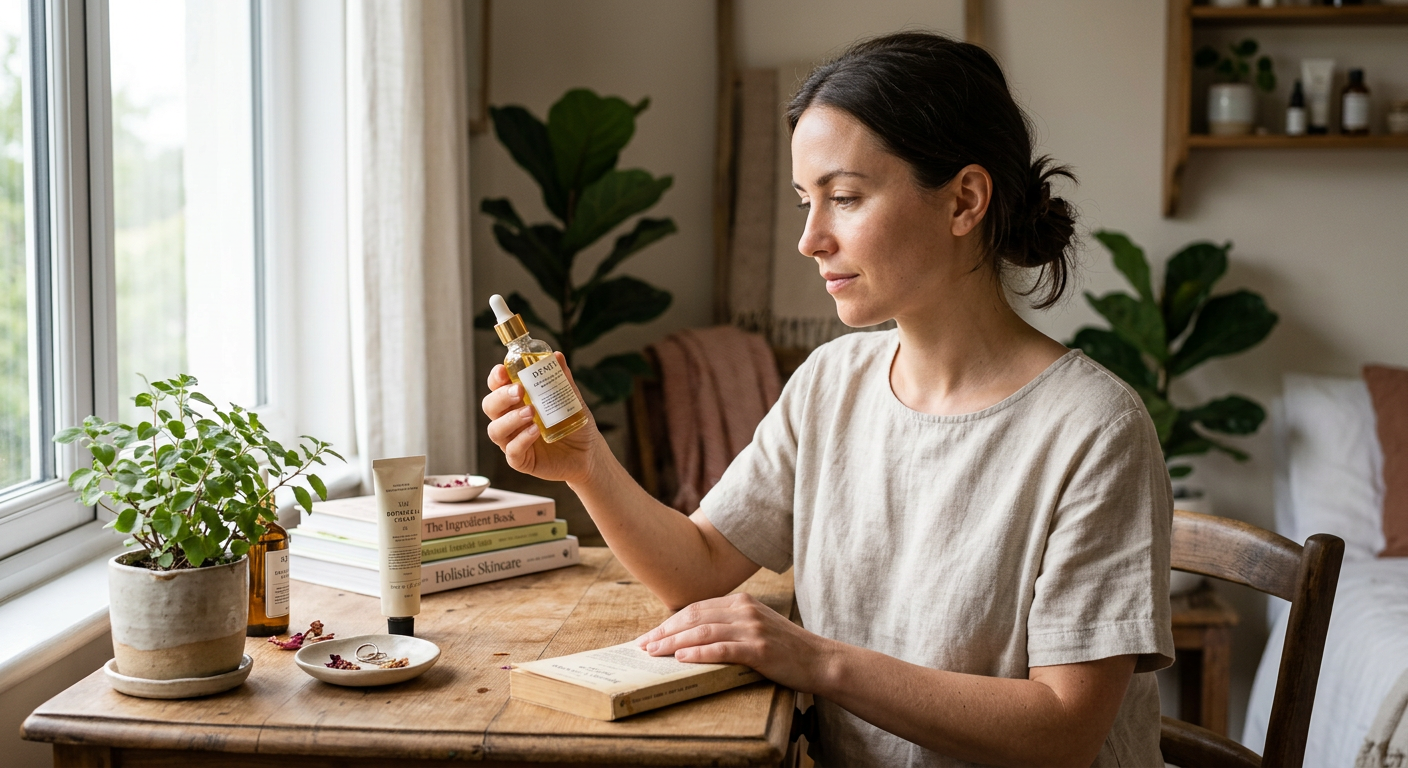
Intentional beauty is not minimalism for its own sake. It is buying with purpose, guided by evidence and personal need rather than hype or launch-week marketing.
Revieve’s Chief Product and Marketing Officer frames it around confidence: today’s shopper is searching for confidence in their decisions, not just the newest product. They want simplicity without sacrificing efficacy, and personalization without complexity.
The Core Traits of the 2027 Beauty Shopper
The intentional shopper arrives with a consistent set of expectations across markets:
- Ingredient-literate: They read labels, research actives, and understand what they are applying.
- Proof-driven: They want clinical data, dermatologist backing, and verified reviews.
- Value-focused: They weigh appearance, well-being, and budget on every purchase.
- Wellness-minded: They connect beauty to long-term health, not just short-term looks.
- Selective: They prefer a tight routine over a crowded shelf.
NielsenIQ’s Global Beauty Views 2026 records the same pattern from Seoul to São Paulo: higher efficacy, greater ingredient awareness, and more intentional routines.
How Discovery and Decision-Making Have Changed

The old playbook assumed shoppers waited for a launch, saw an ad, searched, and bought. That linear path is gone. Discovery, comparison, and purchase now happen simultaneously across social, search, retail, and DTC channels.
Two numbers reframe the entire funnel. A Condé Nast/Tapestry study found that 80% of the beauty purchase journey happens in the pre-search, influence phase, while PowerReviews reports that 92% of shoppers use ratings and reviews on product pages. By the time someone searches your brand, most of the decision is already made.
Discovery runs digital-first now, powered by creators, ingredient education, skin diagnostics, and AI-led recommendations. Brands that still lean on six- to eight-week launch bursts tend to arrive late, after the choice has already tipped in one direction.
Where Intentional Shoppers Look Before They Buy
| Touchpoint | What Shoppers Are Doing | Why It Matters |
|---|---|---|
| Creator content & social video | Comparing real results and routines | Drives early demand before search |
| Ratings & reviews | Validating claims from real users | 92% use reviews on product pages |
| Ingredient-scanning apps | Checking formulation quality | 21% of French consumers cite Yuka as a key source |
| AI research tools | Filtering options and validating claims | 75% of “Optimizers” use AI for research |
| Retailer & DTC pages | Confirming price, proof, and availability | Closes high-intent shoppers near checkout |
The Role of AI in Confident Beauty Buying
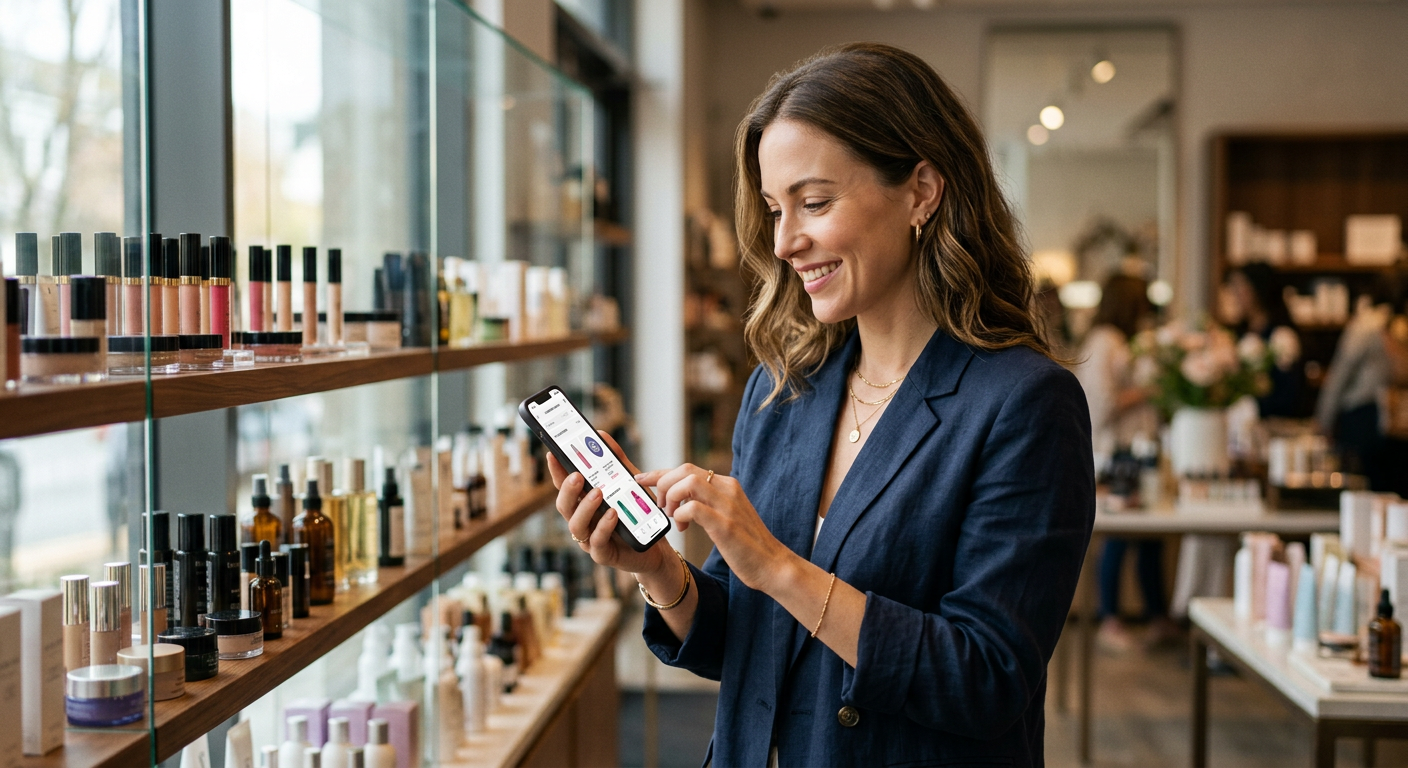
Intentional shoppers face too many choices, not too few. AI narrows the field and makes the next step feel simpler, which is how it moved from novelty to necessity.
BCG’s 2026 research covering roughly 5,000 US adults found that about 75% of highly engaged “Optimizers” already use AI for research, and about one in four treat it as a primary source. AI fills the gap between discovery and decision, helping shoppers filter options, validate claims, and choose across a more complex ecosystem.
Brands are answering with diagnostic and personalization tools tied to real buyer signals. Euromonitor points to examples like Estée Lauder’s Jo Malone London Scent Scanner, which translates visual taste into fragrance on Pinterest, and Chalhoub Group’s Layla AI, the Middle East’s first large-scale generative AI beauty coach. The advantage is moving from the shelf to the algorithm.
The takeaway for brands: AI personalization works best when it connects to concrete signals like skin concerns, routine stage, and product depletion timing, rather than generic quizzes that lead nowhere.
Trust, Wellness, and Value as the New Growth Levers

Intentional shoppers reward proof and punish vagueness. Clinical data, ingredient clarity, reviews, and dermatologist support now shape conversion more than polished brand claims, especially at prestige and clinical price points.
In the $50 to $150-plus range, shoppers look harder at ingredient transparency, dermatologist backing, and clinical proof before committing. Personalization expectations run just as high: a FIT CFMM whitepaper reports that 71% of consumers expect individualized interactions, and 76% feel frustrated when those expectations go unmet.
Wellness and beauty have merged. Euromonitor’s longevity trend shows consumers equating healthy living with looking good, which drives demand for products that support long-term vitality at every life stage. The emphasis is moving from anti-aging correction toward proactive “healthspan” thinking.
Value ties it all together. As Circana found, today’s shopper balances aspiration with well-being, efficacy with affordability, and convenience with personalized expectations. Brands win by understanding how these competing priorities interact, not by chasing a single trend.
What Brands Should Do Now to Win Intentional Shoppers

The intentional shift rewards discipline over volume, and the market is still growing. McKinsey projects the global beauty market will expand 5% annually to reach $590 billion by 2030. The winners will align proposition, proof, and presence.
Priorities That Move the Needle
- Follow buyer decisions, not launch dates. Fund the pre-search phase where 80% of the journey happens.
- Invest in product-page content. With 92% of shoppers reading reviews, your PDP is a conversion engine, not an afterthought.
- Protect availability. NielsenIQ notes a 20% online out-of-stock rate can cost roughly one-fifth of demand and hurt search ranking.
- Prove your claims. Lead with clinical data, ingredient clarity, and expert backing.
- Tie AI to real signals. Personalize around skin concerns, routine stage, and repurchase timing.
Brands that connect insight, media, product-page content, and retention into one measurable loop will turn intentional shoppers into loyal ones.
Key Takeaways and Next Steps

The move toward intentional buying is structural, not seasonal. Shoppers are ingredient-literate, proof-driven, wellness-minded, and selective, and they make most of their decisions before they ever search your brand. Decision fatigue has replaced the appetite for more, and AI has become the filter that helps them choose with confidence.
For brands, the path forward is to trade launch-week spikes for a decision-led strategy built on transparency, efficacy, and personalization. Audit your product pages, strengthen your review and clinical proof, and map where your shoppers actually make decisions. Start with your highest-intent touchpoints and build outward. The brands that respect the intentional shopper’s need for clarity and proof will own the next era of beauty growth.
Frequently Asked Questions
What does “intentional beauty” mean?
Intentional beauty describes shoppers who buy with purpose, guided by evidence and personal need rather than hype or new launches. They prioritize efficacy, ingredient transparency, and confidence in their decisions over accumulating more products.
Why are beauty shoppers becoming more selective?
Decision fatigue is the main driver. NielsenIQ reports more than 64% of global consumers feel overwhelmed by beauty choices, and McKinsey found 72% feel overwhelmed by the volume of new launches, pushing them toward fewer, better-proven products.
How is AI changing beauty shopping in 2027?
AI now bridges the gap between discovery and decision by filtering options and validating claims. BCG found about 75% of highly engaged “Optimizers” use AI for research, and roughly one in four treat it as a primary source.
How much of the beauty purchase journey happens before search?
A Condé Nast/Tapestry study found that 80% of the beauty purchase journey happens in the pre-search, influence phase. That means creators, reviews, and comparisons shape most decisions before a shopper ever types your brand name.
What matters most to intentional shoppers at higher price points?
At prestige and clinical price points of roughly $50 to $150-plus, shoppers scrutinize ingredient transparency, dermatologist backing, and clinical proof. Verified reviews and clear efficacy data drive conversion more than polished brand messaging.
Is the beauty market still growing despite this shift?
Yes. McKinsey projects the global beauty market will grow about 5% annually to reach $590 billion by 2030, so intentionality is reshaping how people buy rather than reducing overall demand.