

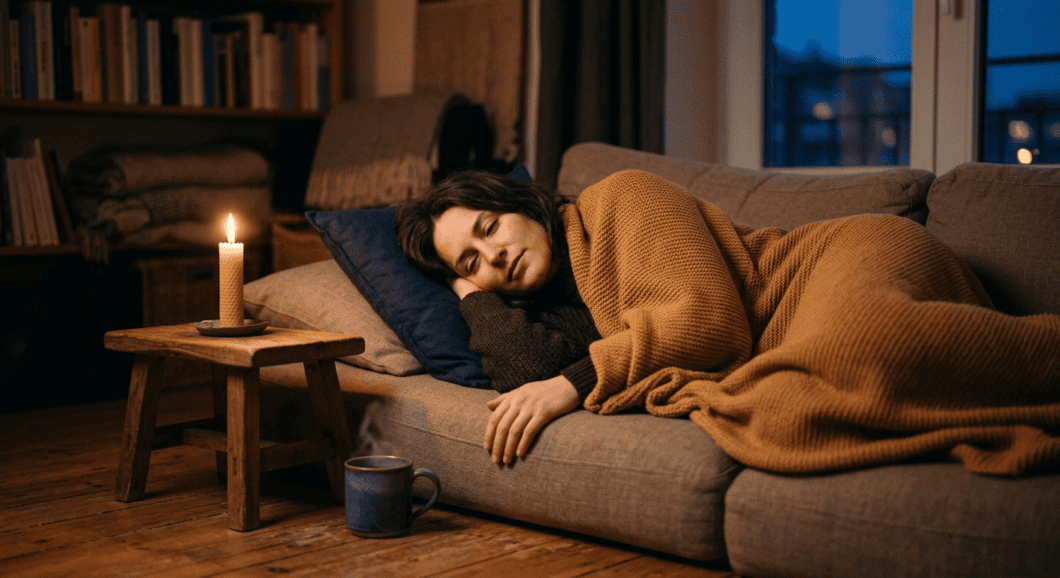

What if the most valuable thing you did all day happened after 9 p.m., with your phone in another room? For years, wellness culture sold us the pre-dawn hustle: cold plunges, lemon water, journaling before sunrise. That model is losing ground. Restorative self-care, built around quiet evenings and intentional rest, has become the new wellness luxury, and the numbers behind it hold up better than any morning-routine sermon ever did.
This is not a passing aesthetic. It tracks a measurable change in how people spend their time, money, and attention. Rest used to read as laziness. Now it reads as restoration.
Why Rest Became the New Luxury

For most of the last decade, luxury meant more: more optimization, more supplements, more curated experiences. That definition is inverting. As Style Rave puts it, wellness is now “moving inward, toward silence, structure, and sustainability, where rest is not treated as laziness but as a form of restoration.”
The self-care people want most today is private, deliberate, and almost invisible in its simplicity. It’s stillness over spectacle, a predictable response to years of constant stimulation and the pressure to always be “on.”
The economics back this up. The global sleep economy is now worth more than $585 billion, according to the Global Wellness Institute, while wellness tourism is projected to top $1.4 trillion by 2027, per Condé Nast Traveler. People are voting with their wallets for rest.
The Evidence Behind the Evening Reset
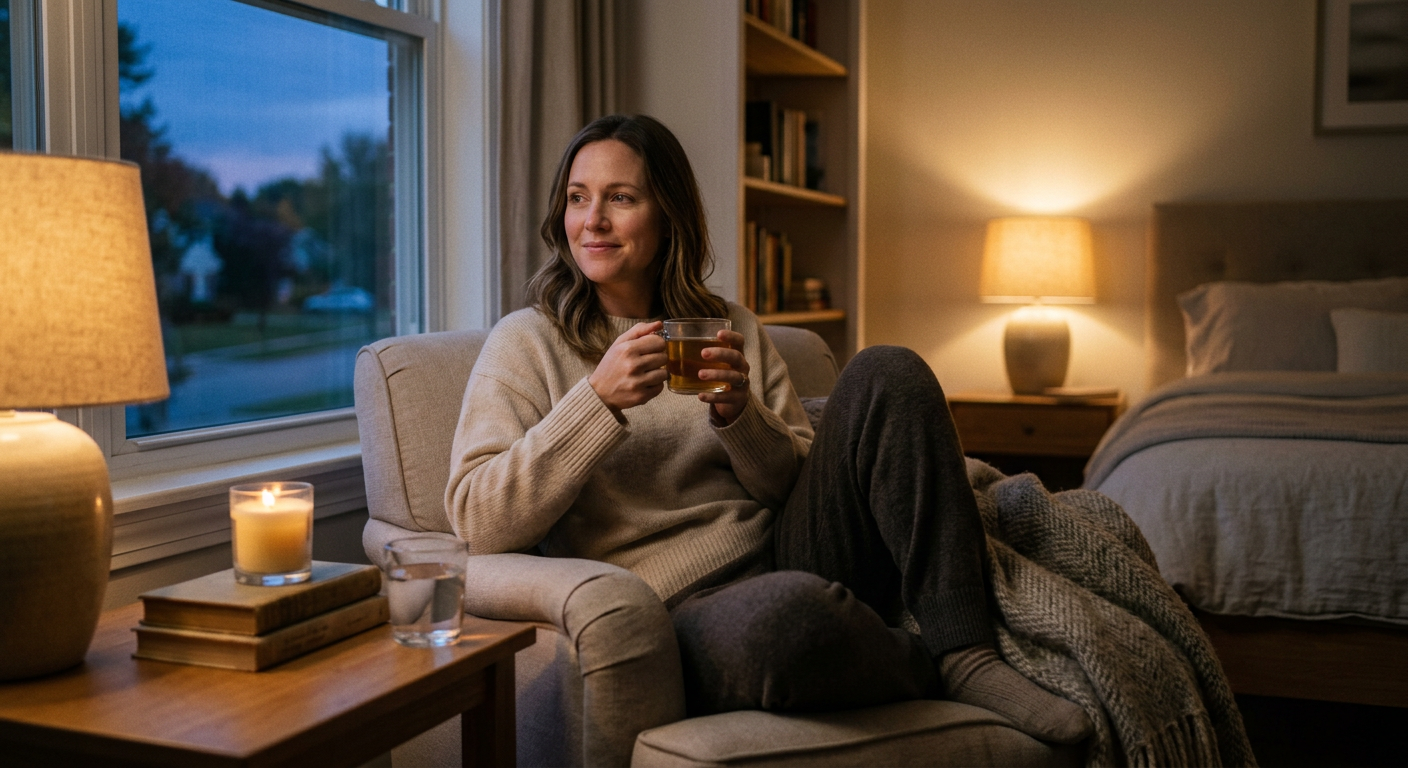
The strongest case for quiet evenings is physiological. The body is already primed for rest at night, so a wind-down routine works with your biology instead of against it. WPP Elevate explains it plainly: “As cortisol levels naturally fall in the evening and melatonin begins to rise, the body is already moving towards rest. The evening reset simply supports and deepens that process.”
This is where the morning routine failed most people. It asked them to perform at their best before the day had properly begun. The evening reset asks only that they slow down when the body already wants to.
The Cortisol Connection
Timing matters for more than sleep. According to Her Luxe Rituals, a study in the Journal of Clinical Endocrinology & Metabolism found that elevated evening cortisol is associated with poorer sleep quality and increased oxidative stress on skin cells. Winding down isn’t indulgence. It’s maintenance for your nervous system and your skin at the same time.
The Anatomy of a Restorative Evening
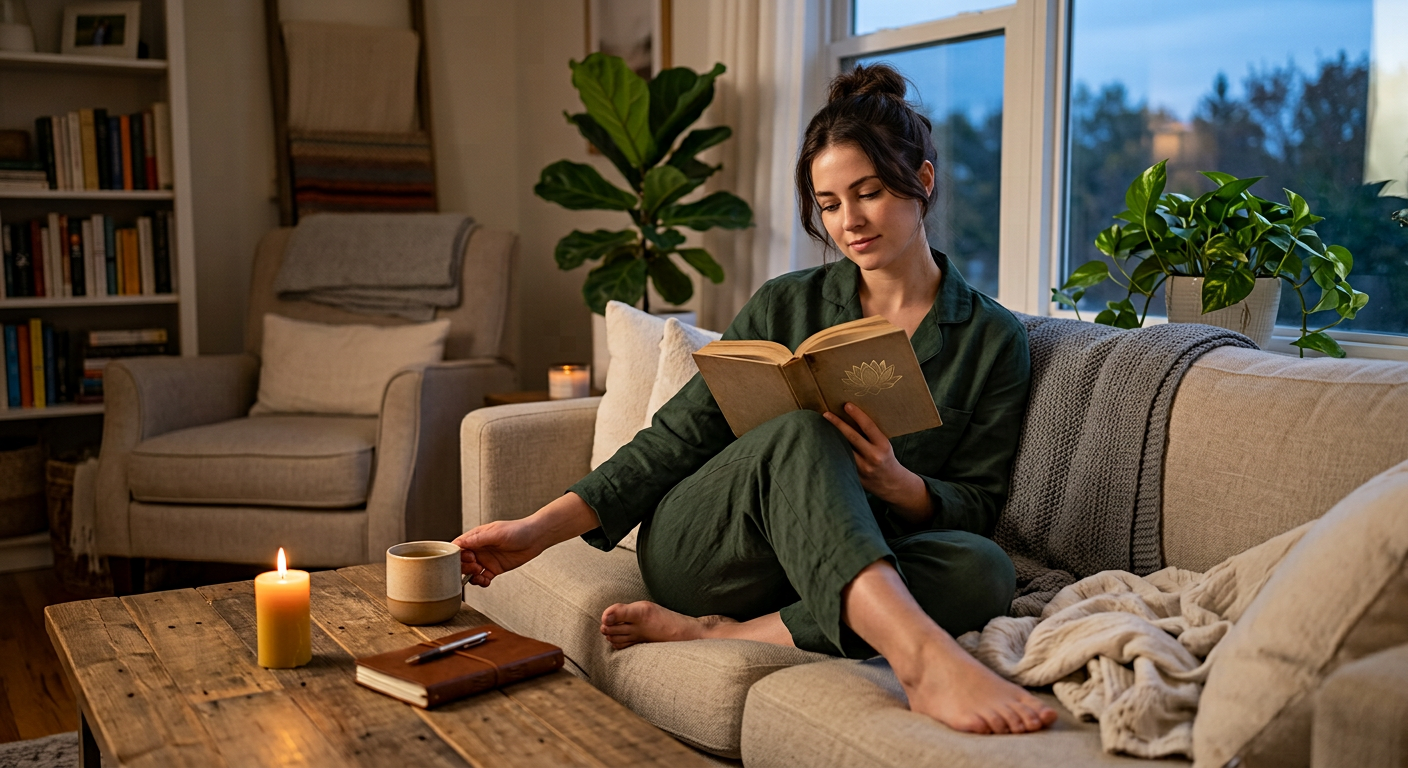
An effective evening routine is not a long checklist. The versions that stick combine a few deliberate habits in the 90 minutes before bed. Cutting light exposure, especially blue light from screens, is one of the most evidence-backed sleep interventions we have.
According to Evan Kristine, the best evening routines pull one habit from each of four categories, three or four habits in total. “Three habits sometimes works; one almost never does.”
The Four-Category Framework
| Category | Purpose | Examples |
|---|---|---|
| Wind-down | Signal the body it is time to rest | Warm bath, herbal tea, dimmed lighting |
| Screen-down | Reduce blue light and mental stimulation | Phone in another room, no screens in bed |
| Body | Downregulate the nervous system | Gentle stretching, skincare, warm shower |
| Mind | Quiet mental chatter | Reading a book, journaling |
Order matters. Wind-down first, screen-down second, a body habit third, and a mind habit last, in bed or close to it. That sequence moves you into sleep mode more completely than any single habit can on its own.
Quiet Travel and the “Hushcation”
The luxury travel industry has already caught on. Hilton flagged “hushcations” as a major driver in its 2026 traveler intent study, describing the best travel companion as “silence.” The numbers are hard to argue with.
According to Hilton’s global research, the top motivation to travel in 2026 is “to rest and recharge,” at 56%. Behind it: spending time in nature (37%), improving mental health (36%), and “me time” (20%).
Solitude runs through the whole trend. More than one in four travelers (26%) plan to travel alone in 2026, and 48% say they’ll add solo days before or after family trips. Even on group trips, 28% plan to carve out quiet time alone, TTG Asia reports. Quiet has become the amenity people pay for.
You Don’t Need to Travel to Find It
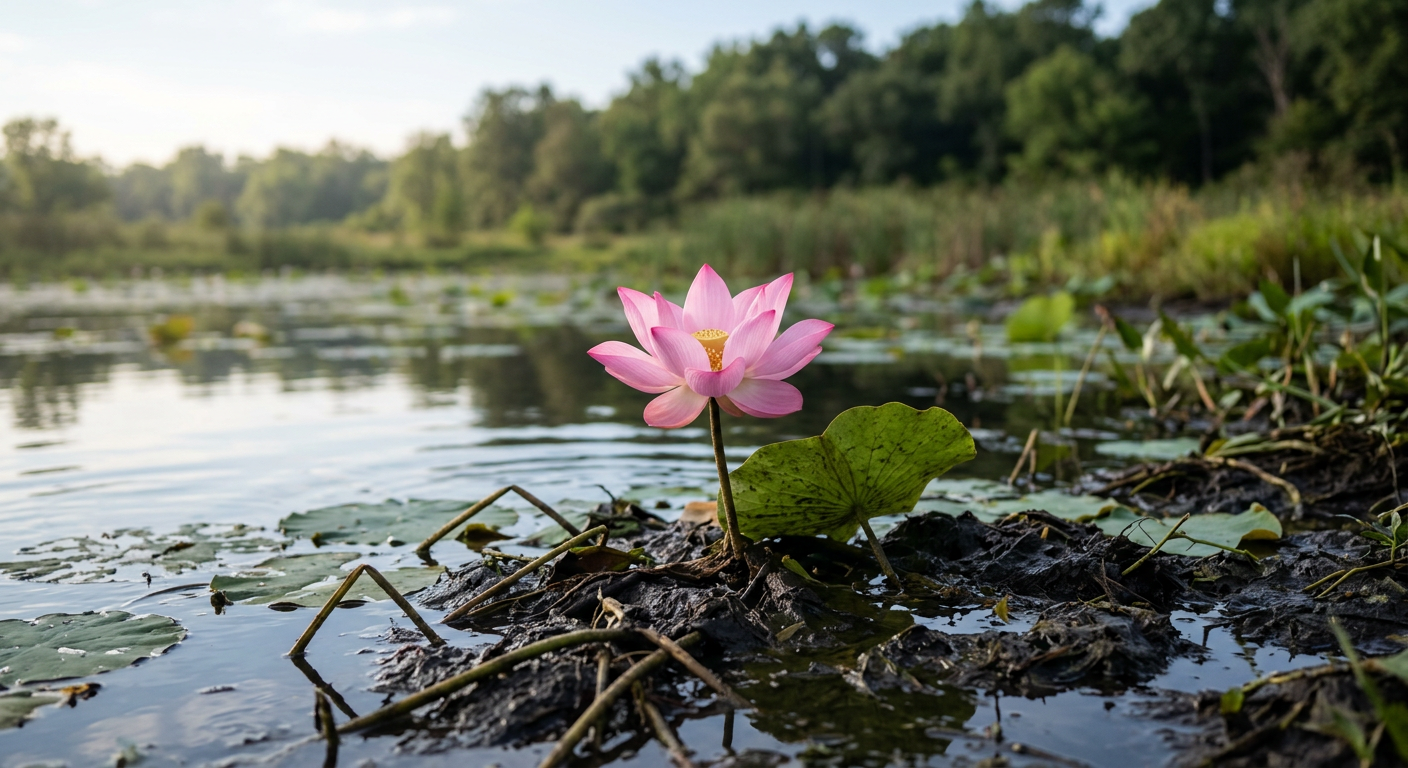
The best part costs nothing and requires no plane ticket. As A Lotus in the Mud argues, “Homegrown rest—quiet evenings, unplugged mornings, midday pauses—can be the ultimate luxury. Not exclusive. Not tied to jet-setting. But radical.”
The daily compounding effect of rest can outrun a one-week getaway. A destination spa gives you a handful of restorative nights. A consistent evening reset gives you 365 of them. Consistency beats intensity.
Start Small, Stay Consistent
Silk sheets and spa packages are beside the point. Begin with a single change: put your phone in another room an hour before bed. Add one wind-down cue, one body habit, and one mind habit over the following weeks. Small, repeatable actions build the environment that makes rest automatic instead of aspirational.
The Shift From Optimization to Restoration

The deeper story is a move away from relentless self-optimization. Even the wellness travel industry, home to biohack clubs and longevity clinics, is pivoting toward lo-fi, sensory experiences. As Condé Nast Traveler observes, “The leisure traveler is tired of optimizing every inch of their life and just wants to let loose a little.”
That reframes rest as an end in itself rather than a productivity hack. The point isn’t to rest so you perform better tomorrow. Rest has value on its own terms, and that distinction changes how the evening feels.
The Global Wellness Institute captures the transition well: sleep and rest are shifting “from relentless optimization to simplicity, from habits to environments, from schedules to circadian alignment.” Restorative self-care sits at the center of it.
Key Takeaways and Your Next Step

Restorative self-care moved from the margins to the mainstream for two reasons. It works, and people are worn out by the culture of constant performance. The evidence supports it, the travel industry has already monetized it, and the best version of it is free.
What to remember:
- Rest is the new luxury. Quiet, private, intentional self-care now outranks curated spectacle.
- The evening reset beats the morning routine. It works with your falling cortisol and rising melatonin.
- Use the four-category framework. Combine one wind-down, one screen-down, one body, and one mind habit in the 90 minutes before bed.
- Consistency compounds. A nightly ritual outperforms a one-off getaway.
- You don’t need to travel. The most radical rest happens at home.
Tonight, pick one habit from the four-category table and hold to it for a week. Put the phone away, dim the lights, and let the evening become the most restorative part of your day.
Frequently Asked Questions
What is restorative self-care?
Restorative self-care is a deliberate practice of rest and recovery, usually centered on quiet evenings and intentional wind-down rituals. Unlike optimization-focused wellness, it treats rest as valuable in itself rather than as a productivity tool.
Why is the evening reset better than a morning routine?
The evening reset works with your body’s natural rhythm, since cortisol falls and melatonin rises at night, as WPP Elevate notes. Morning routines ask you to perform before the day begins, which makes them harder to sustain for people with jobs and families.
How long should an evening routine take?
The most effective evening routines happen in the 90 minutes before bed and include three to four habits, according to Evan Kristine. Pull one habit each from the wind-down, screen-down, body, and mind categories.
What is a “hushcation”?
A hushcation is a trip focused on rest, silence, and solitude, identified by Hilton as a major 2026 travel driver. It reflects growing demand for quiet, with 56% of travelers citing “rest and recharge” as their top motivation.
Do I need to spend money to practice restorative self-care?
No. As A Lotus in the Mud points out, homegrown rest like quiet evenings and unplugged time is available to nearly everyone. The daily compounding benefits of consistent rest can outperform an expensive one-week retreat.
What’s the single most effective habit to start with?
Cutting light exposure, especially blue light from screens, is one of the most evidence-backed sleep interventions available. Start by moving your phone to another room an hour before bed.