

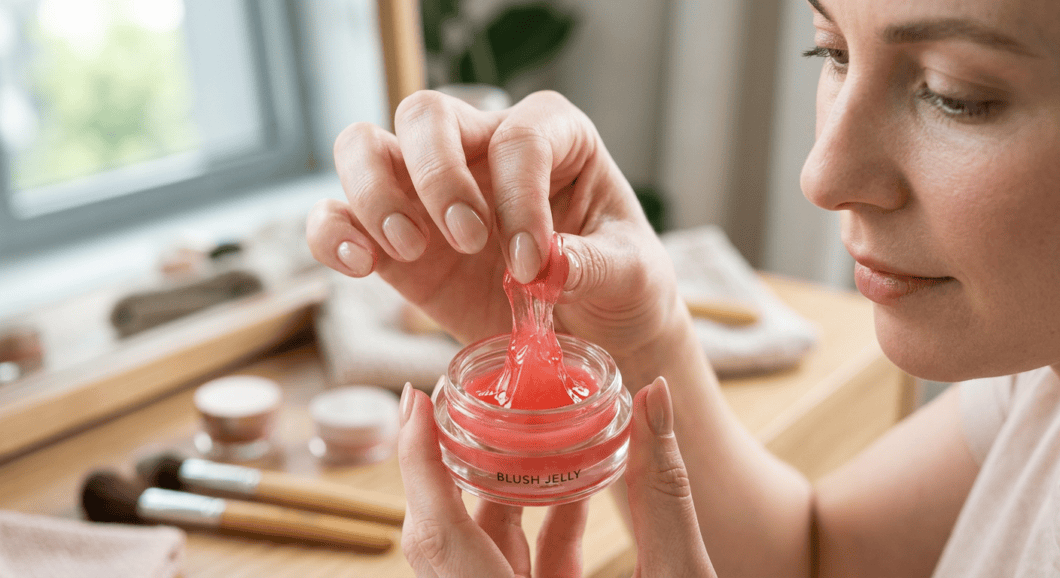
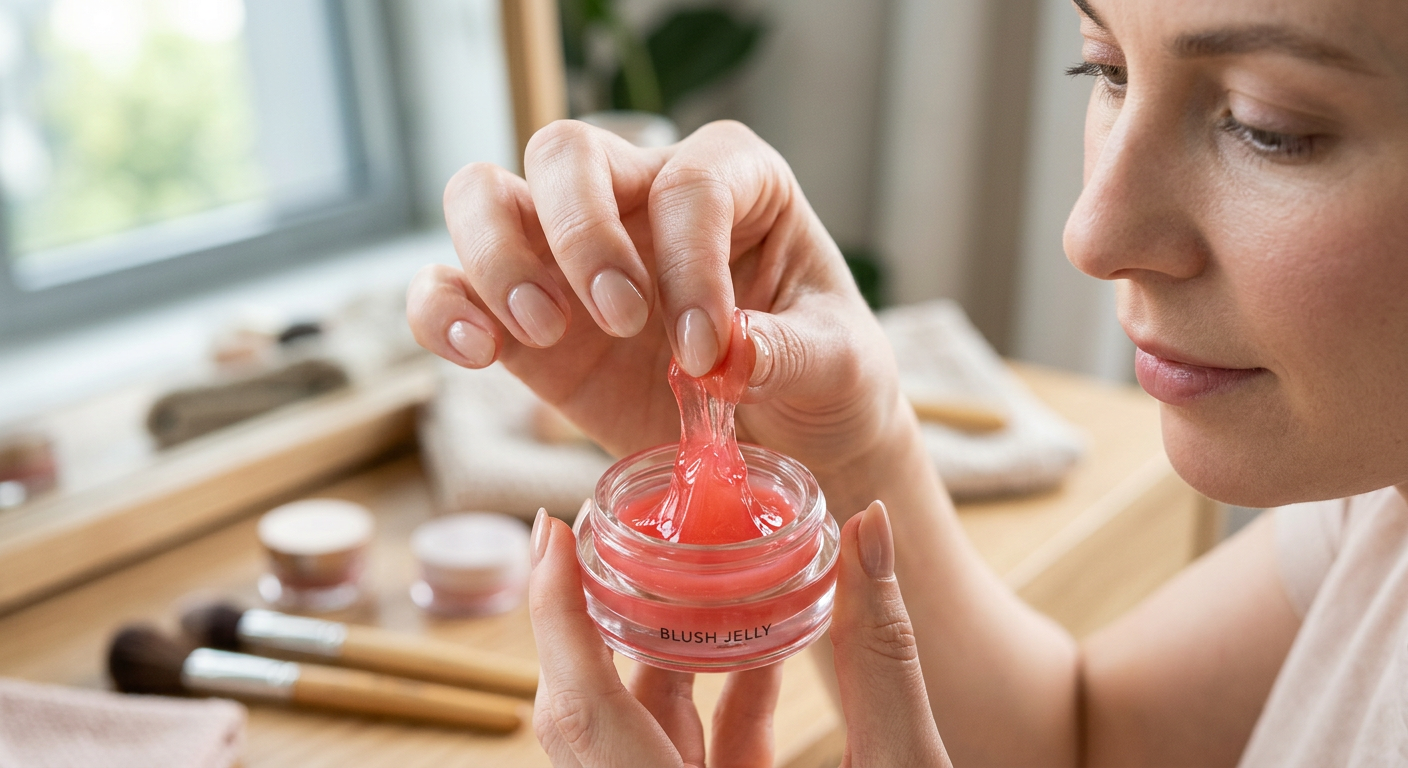
Pinch a jelly blush between two fingers and it wobbles like a gummy candy. Press into a jelly moisturizer and it springs back. If your feed lately looks like a wall of bouncy, translucent, squishable pots, there’s a reason for that. Jelly textures have taken over beauty, and it goes deeper than a passing gimmick. The global jelly skincare textures market was valued at USD 2.75 billion in 2025, and it keeps climbing.
This article breaks down why jelly textures dominate the beauty aisle in 2026, what makes the formulas work, and which products are worth your attention.
What Exactly Is a Jelly Texture in Beauty?
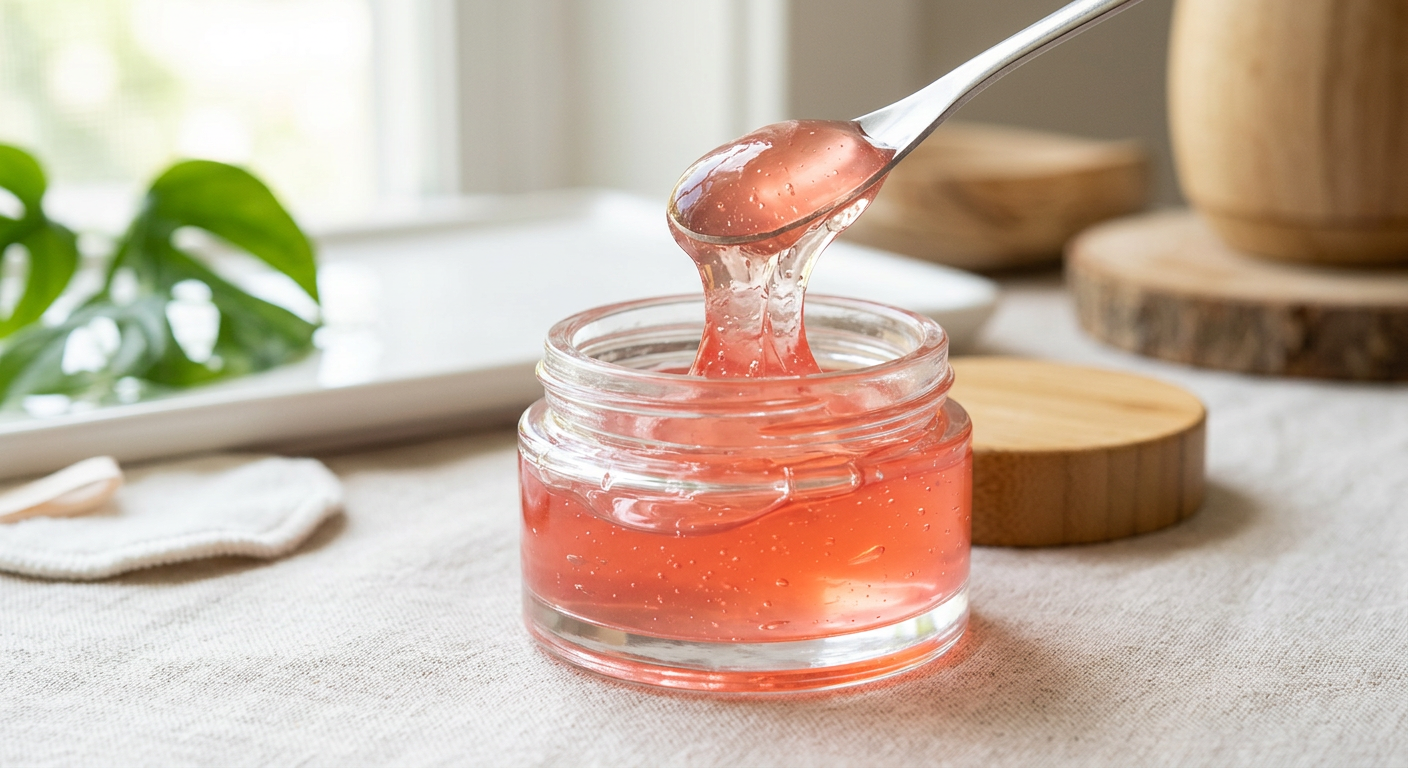
A jelly texture is a product with a bouncy, semi-solid, often translucent consistency that holds its shape until you apply it. Picture the wobble of a fruit gummy translated into a blush, a moisturizer, or even a fragrance. These formulas sit between a gel and a solid, which is where they get their slip and squish.
The category runs across skincare and makeup. Skincare gives you jelly cleansers, sleeping masks, and bouncy moisturizers. Makeup has jelly blushes, tinted balms, and “jelly pots,” with brands like Makeup by Mario, Fwee, and Hince leading launches.
The common thread is the sensory payoff. Mintel notes that beauty launches use gels and jelly textures to add playfulness and sensory satisfaction, which makes them more enjoyable to use.
Why the Jelly Beauty Trend Is Booming Now
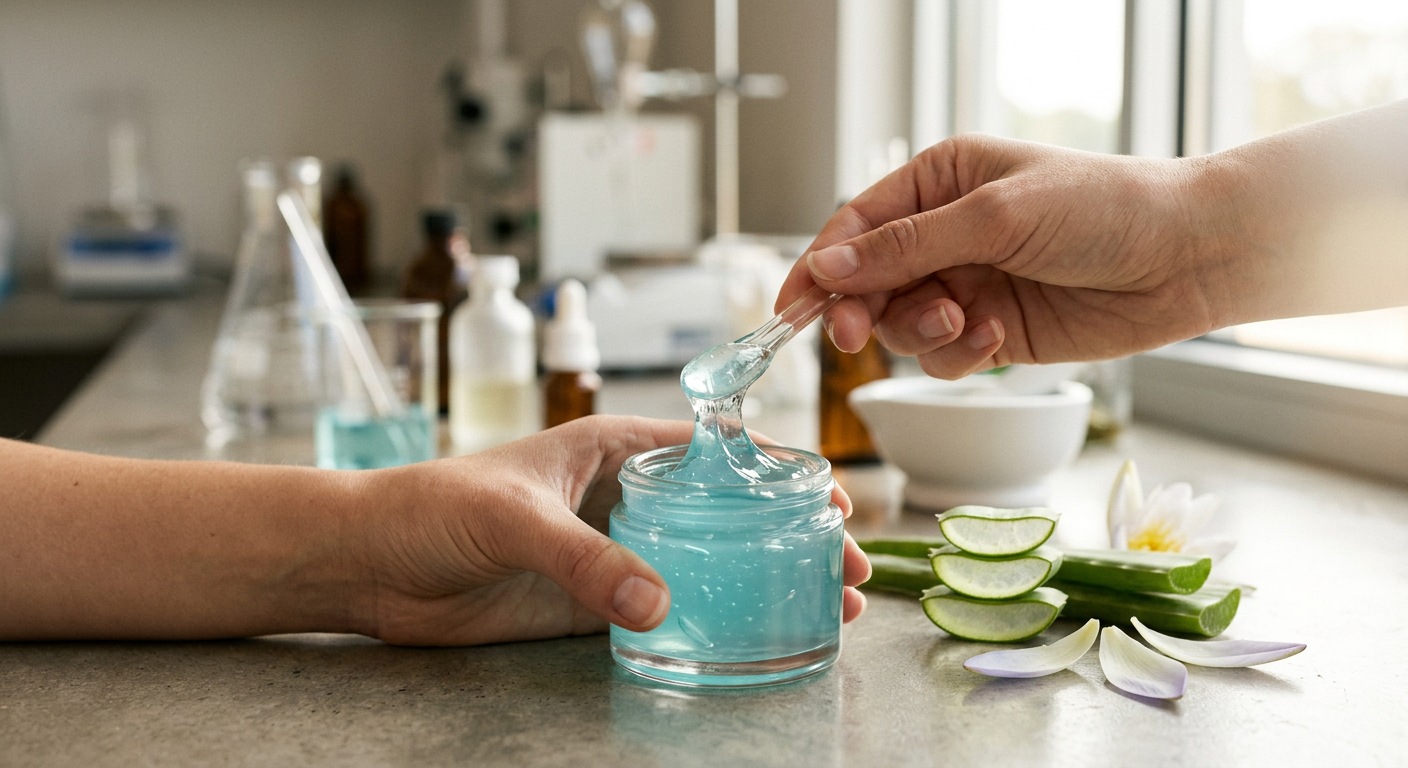
Beauty spent years on clinical, results-driven routines packed with retinol, acids, and lab-grade actives. Then it loosened up. Shoppers got tired of the seriousness, and jelly formats brought back something that had gone missing: fun.
The pull is tactile and nostalgic. One beauty trend analysis described jelly products as “the beauty equivalent of biting into your favourite fruit jelly candy.” They call back to the jelly shoes of the 90s and Y2K, tapping a generation’s soft spot for products that feel familiar and a little bit playful.
The K-Beauty Engine Behind the Trend
Korean beauty has driven jelly innovation for years, and its global reach keeps growing. Trace most of the viral jelly pots and bouncy tints on the market and you land back at K-beauty labs and Korean-founded brands. Their long history with texture-first formulation gave the trend credibility and speed.
The Social Media Multiplier
Jelly textures are built for video. The wobble, the squish, the scoop all translate into content people want to watch and share. TikTok and Instagram reward exactly this kind of sensory spectacle, turning a single product demo into millions of views and a fast path to sold-out.
Why Jelly Formulas Actually Perform
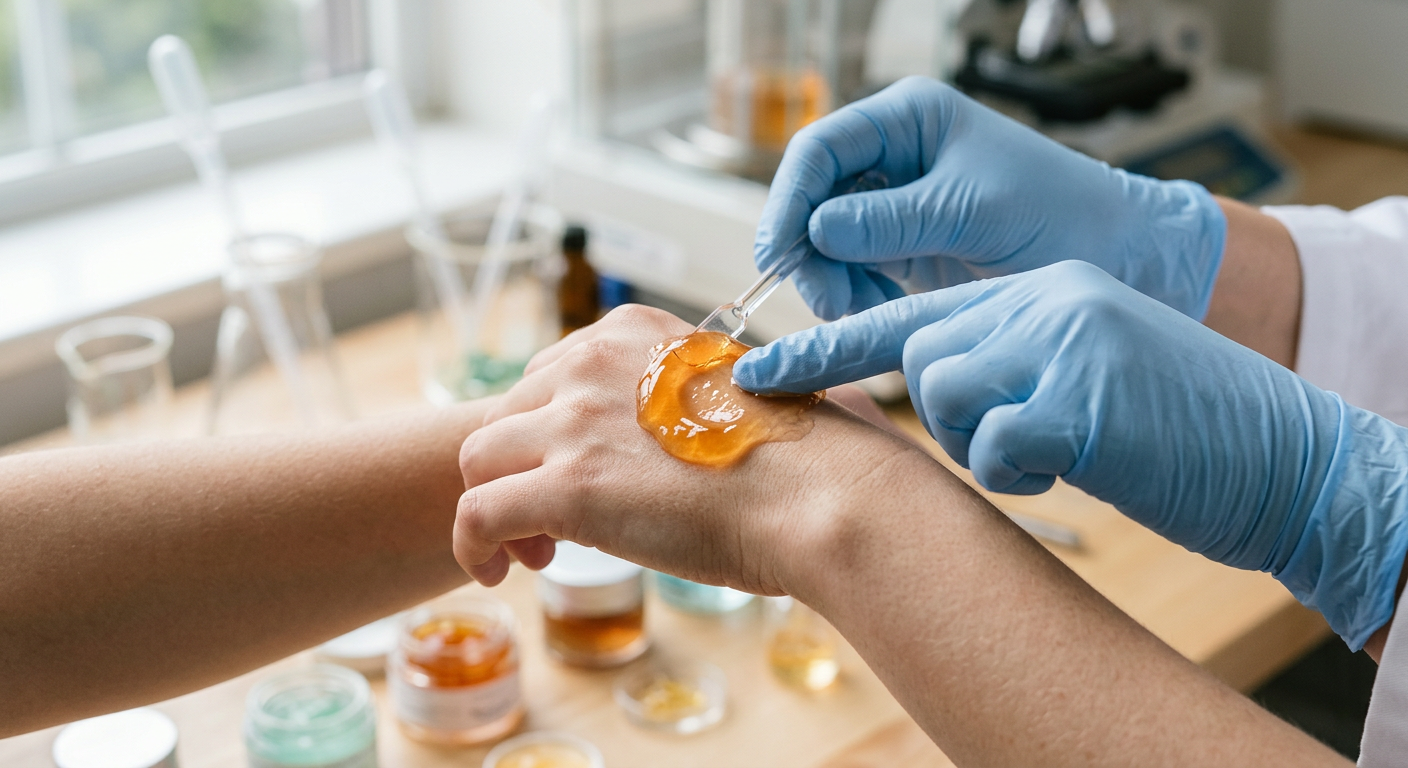
If jelly products were all show, the trend would already be fading. It isn’t. Texture affects how a formula performs in measurable ways.
Gel and jelly bases strengthen cooling and hydrating claims across categories, according to Mintel research. The water-rich structure delivers lightweight hydration without heaviness, which suits humid climates and layered routines.
Application improves too. The bounce and slip help products glide across skin, blend cleanly, and sit sheer instead of cakey. For blush and tints, that means a natural, second-skin finish that powder formulas rarely pull off.
Jelly vs. Traditional Textures at a Glance
| Feature | Jelly Texture | Traditional Cream/Powder |
|---|---|---|
| Sensory feel | Bouncy, cooling, playful | Standard, familiar |
| Hydration | High, water-rich | Varies, often lower |
| Application | Glides, blends sheer | Can drag or cake |
| Finish | Natural, dewy | Matte to satin |
| Social shareability | Very high | Low |
| Best for | Layering, hot climates | Full coverage, longevity |
The Viral Jelly Products Leading the Charge
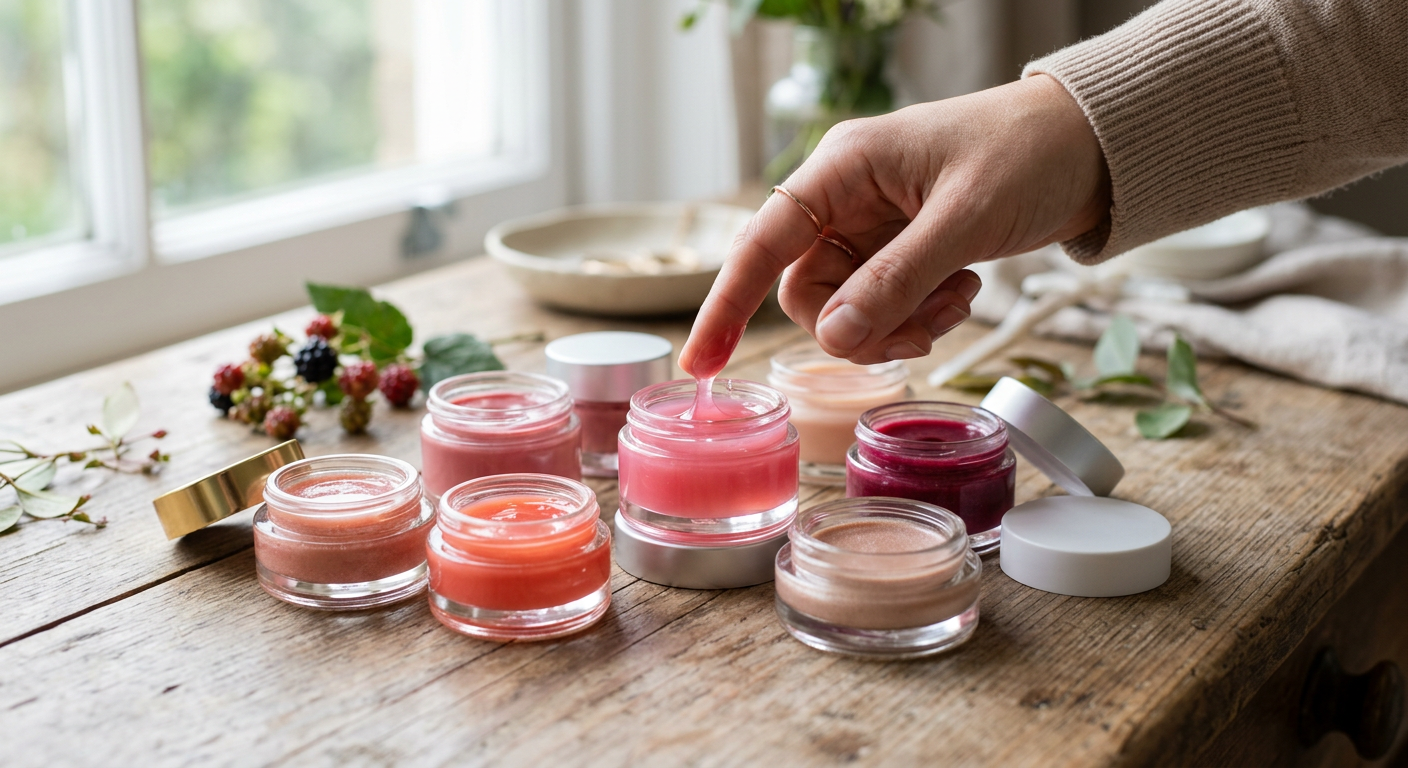
A handful of launches defined this era. In makeup, jelly and pudding pots are the standout category, covering both cheeks and lips.
Products worth knowing:
- Makeup by Mario Jelly Pot — a multi-use cheek and lip color with a signature bounce
- Fwee Jelly Pot and Pudding Pots — K-beauty cult favorites that fueled the squishy pot craze
- Hince Raw Glow Gel Pot — a dewy, gel-based glow product
- Wet n Wild Mother Fluffer and Maybelline Cloudtopia — accessible drugstore entries into the jelly space
- NYX Smushy Balms — squishy lip products built for the trend
On the skincare side, jelly cleansers, bouncy moisturizers, and gel sleeping masks anchor the category. The format earns its keep in hydration-focused products, where a light, cooling feel adds something real.
How Packaging Shapes the Jelly Trend
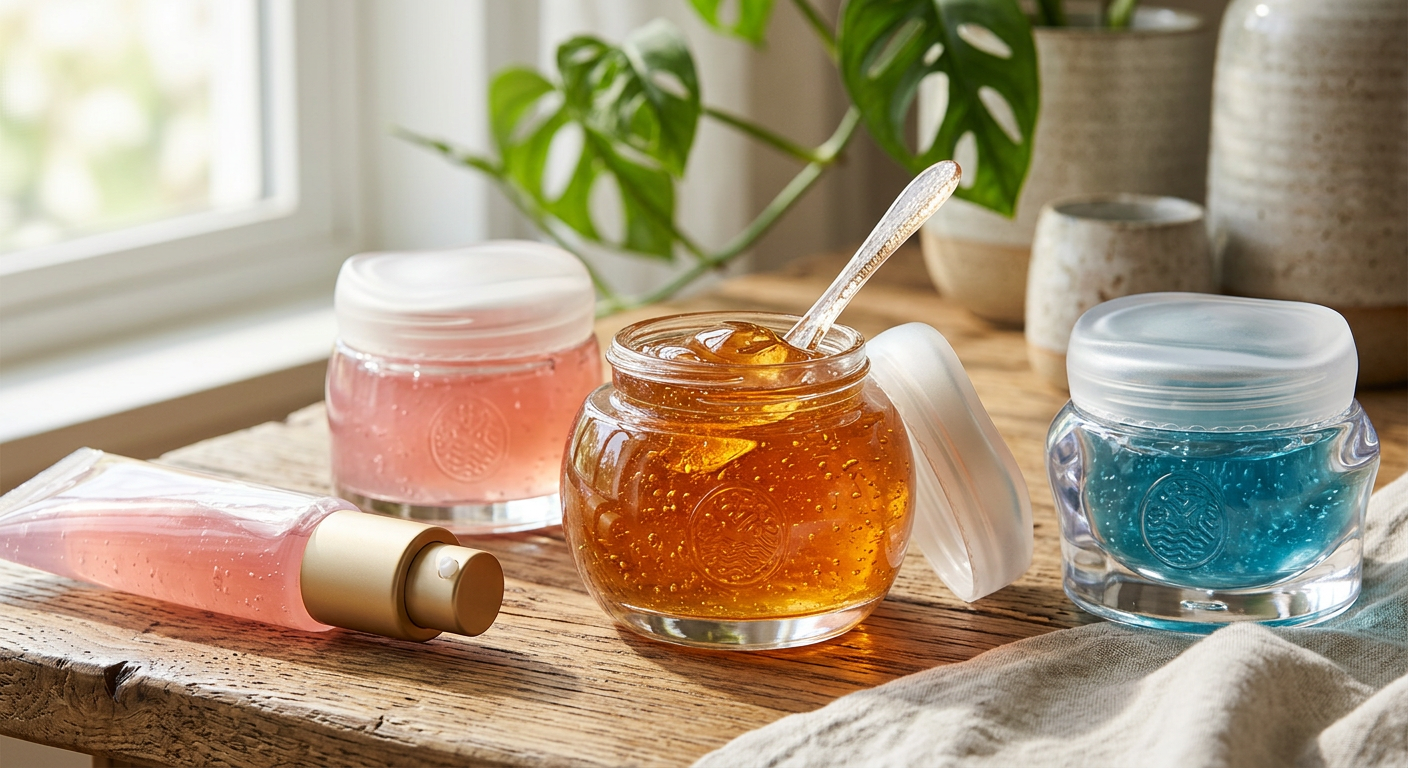
Texture-first products need texture-first packaging. With jelly formulas, the wobble and translucency are the whole pitch, so they have to be visible.
Packaging industry analysts point out that shoppers want to see the texture before they buy. A closed box or opaque container hides the exact thing that sells the product. That’s pushed brands toward clear jars, transparent tubes, and see-through pots.
Then it feeds itself. Transparent packaging shows off the jelly, which drives the appeal in-store and on-screen, which raises demand for even more visible, tactile formats.
How to Add Jelly Textures to Your Routine
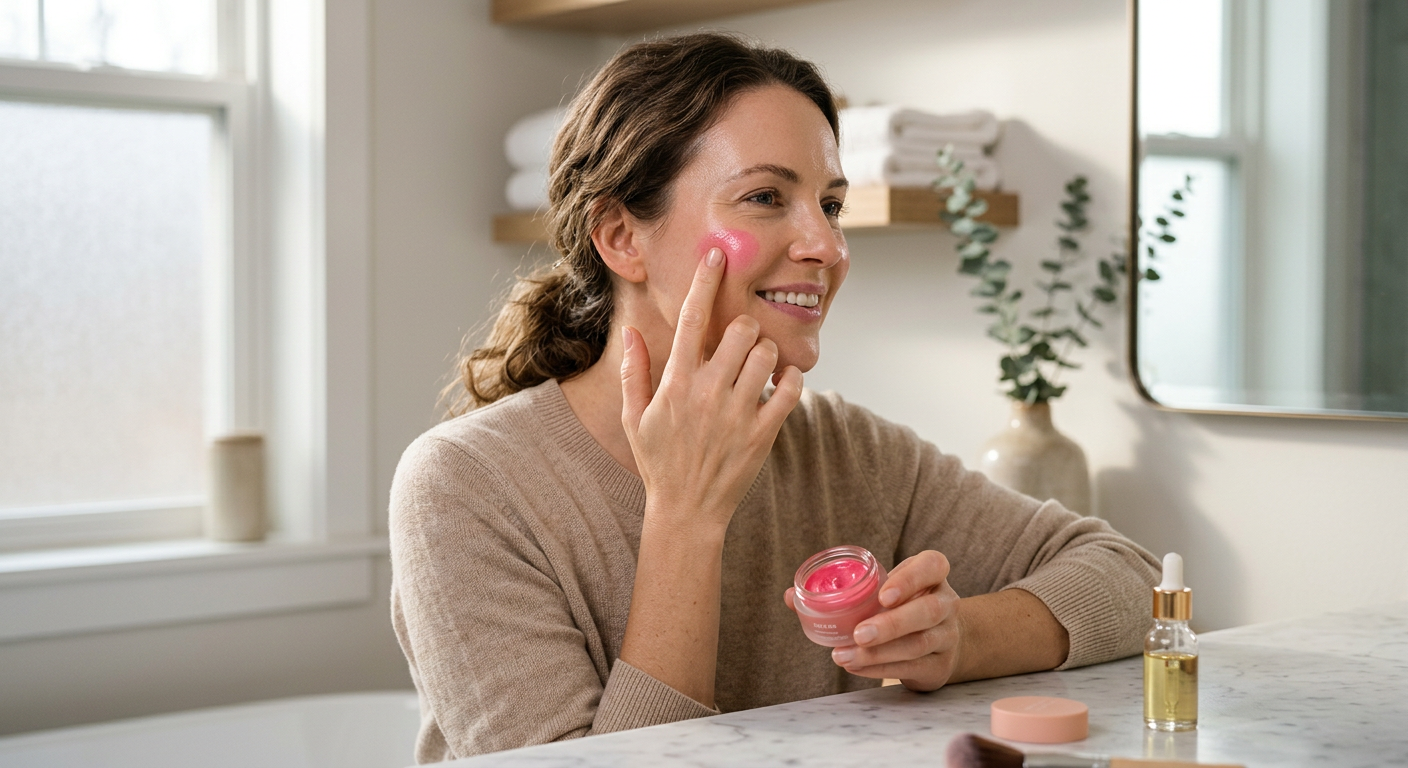
Start with one category instead of overhauling everything at once. A jelly blush or tint is the easiest, lowest-risk way in, and it delivers the trend’s signature natural finish.
A few practical pointers:
- For cheeks and lips: Tap a small amount with your finger and build slowly. Jelly pigments are buildable and blend best with the warmth from your skin.
- For skincare: Reach for jelly moisturizers and gel masks in your hydration step, especially in warm weather when heavier creams feel suffocating.
- For layering: Jelly textures work under or over other products because they sit thin and sheer.
- For sensitive skin: Patch test first, since some jelly formulas rely on specific gelling agents.
For the most payoff on the smallest spend, start with something accessible like Maybelline Cloudtopia or NYX Smushy Balms before you invest in premium K-beauty pots.
Conclusion
Jelly textures are everywhere because they solve two problems at once. They make beauty fun again, and they improve how products feel and perform. The bounce delivers real hydration, cleaner blending, and a natural finish, while the visual appeal keeps the social media flywheel spinning and demand high. With the jelly skincare market approaching USD 3 billion and K-beauty still pushing new formulas, this looks less like a novelty and more like a category that’s here to stay.
Want to try it? Pick one jelly product — a blush, a tint, or a moisturizer — and work it into your routine this week. Start small and build from there.
FAQ
Q: What is a jelly texture in beauty products?
A jelly texture is a bouncy, semi-solid, often translucent consistency that holds its shape until you apply it, much like a gummy candy. It shows up in blushes, tints, moisturizers, cleansers, and masks, with a cooling, lightweight feel.
Q: Are jelly beauty products actually better than creams or powders?
For hydration and a natural, sheer finish, jelly formulas often beat traditional textures because their water-rich structure glides on and supports cooling and hydrating claims. Powders still win for full coverage and long wear.
Q: Why did jelly textures become so popular in 2026?
The trend grew out of a shift away from clinical, serious skincare toward playful, sensory products, then got amplified by K-beauty innovation and the viral appeal of squishy textures on TikTok and Instagram. The global jelly skincare market reached USD 2.75 billion in 2025.
Q: What are the best jelly makeup products to try first?
Popular entry points include Makeup by Mario Jelly Pot, Fwee Jelly and Pudding Pots, and budget-friendly options like Maybelline Cloudtopia and NYX Smushy Balms. A jelly blush or tint is the easiest way to start.
Q: Are jelly textures suitable for sensitive skin?
Many jelly formulas are lightweight and hydrating, which can suit sensitive skin, but they depend on specific gelling agents. Patch test any new jelly product before full use to rule out irritation.
Q: Why is transparent packaging so common with jelly products?
Jelly’s visual wobble and translucency are the main selling points, so shoppers want to see the texture before buying. Brands use clear jars and transparent tubes to show off the formula instead of hiding it.