

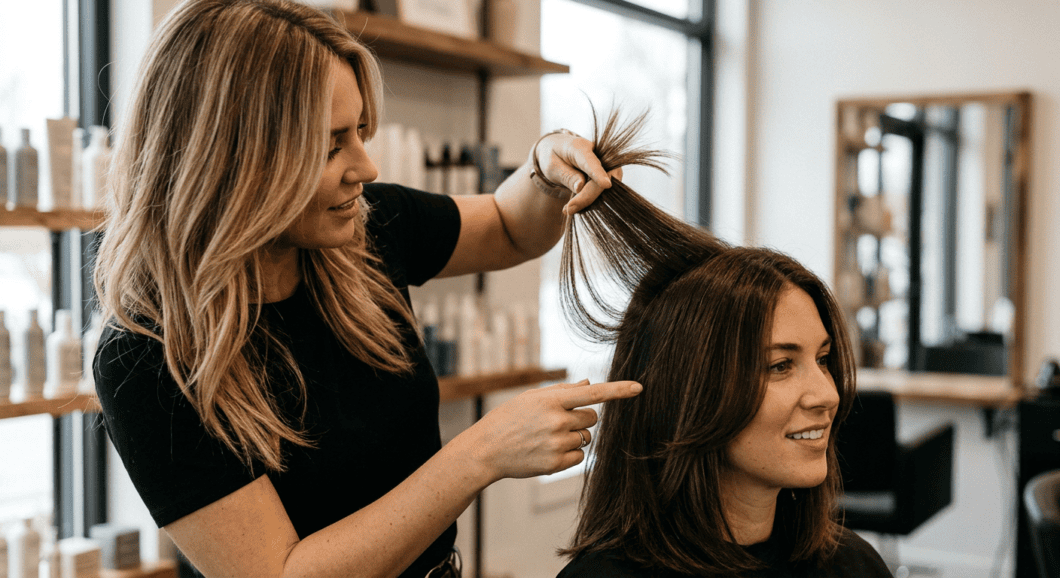
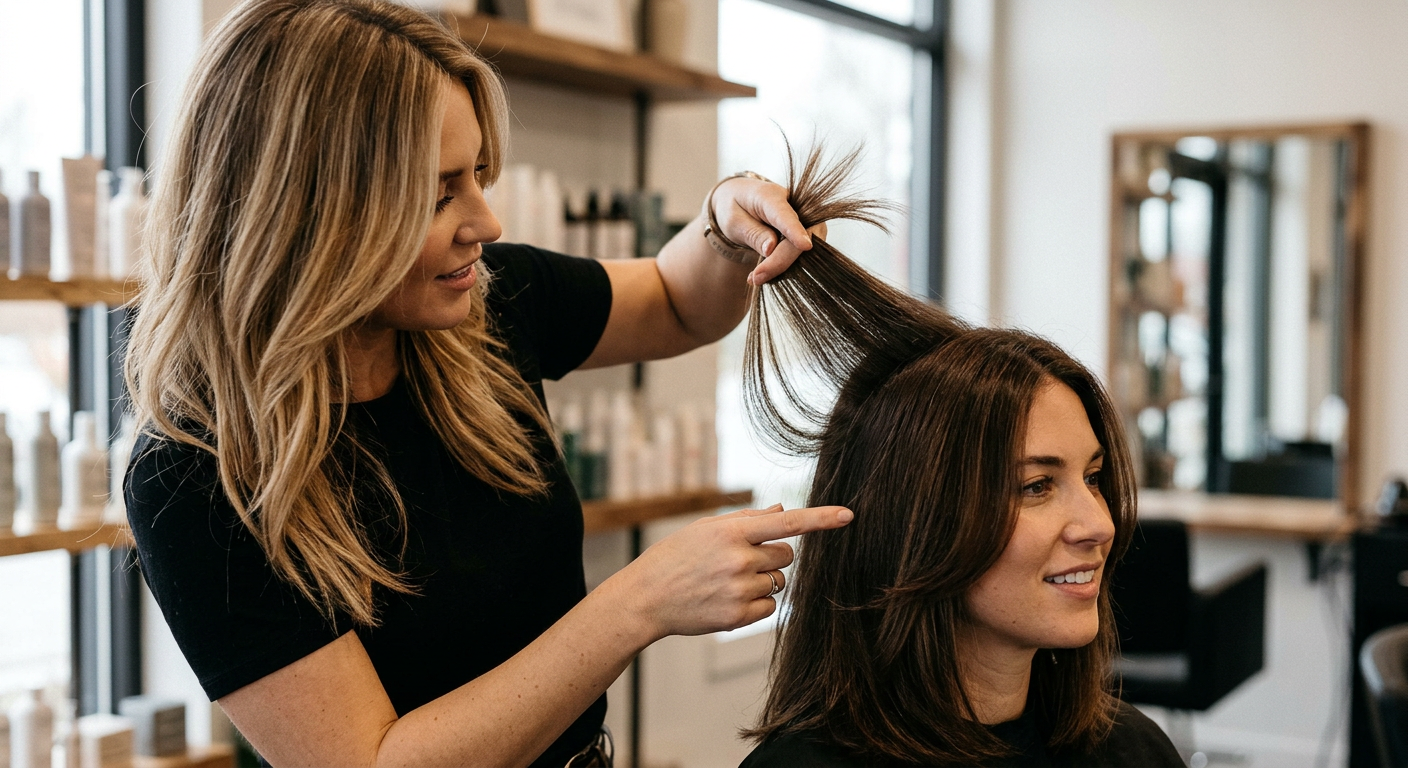
Some people have hair that looks impossibly full and moves like it belongs in a shampoo ad, yet you can stare all you want and never find a single layer line. There’s a reason for that. Stylists have a name for the technique behind it, and it’s shaping up to be one of the most requested cuts of 2026: invisible layers. You’ll also hear it called internal layering or ghost layers. The method builds volume and movement from underneath, without leaving any visible steps or choppy edges on top. If your hair reads as flat, heavy, or over-textured, this is worth understanding before your next appointment.
What Are Invisible Hair Layers?

Invisible layers are internal layers cut to add volume and movement without leaving visible layering lines on the surface of your hair. Traditional layers stack in noticeable steps. Invisible layers sit beneath the top sections and do their work out of sight.
Los Angeles stylist Sal Salcedo describes it this way: “Invisible layers can be misleading, since they are not fully invisible. They expand the hair from the inside and—if done correctly—make the hair appear fuller with more movement” (ARC Scissors).
The principle is expansion rather than removal. Instead of thinning out bulk, the stylist cuts shorter internal pieces that push the surrounding hair up and out. The result is bounce that moves with your hair instead of against it.
How Invisible Layers Differ From Traditional Layers
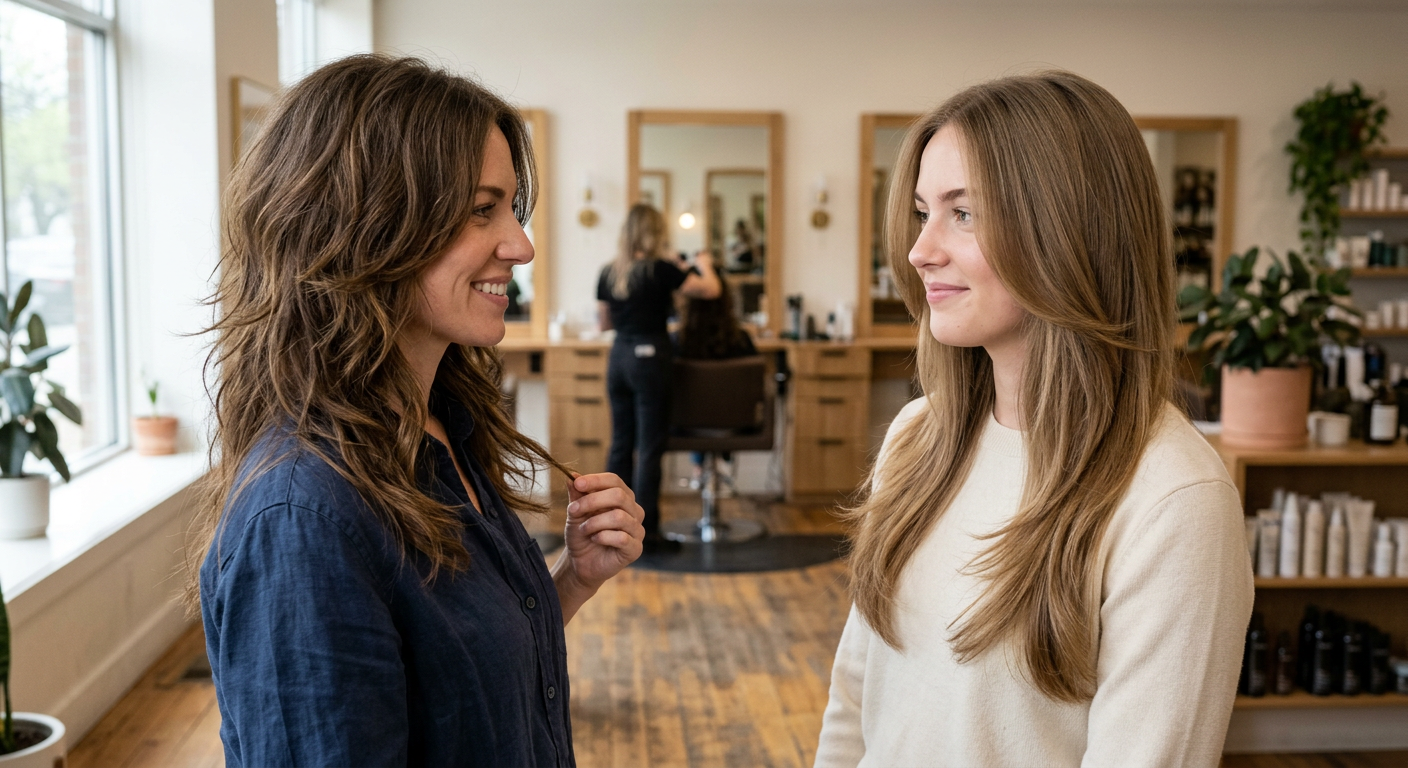
Heavily texturized, choppy cuts have been on their way out for a while now. Clients are asking for soft, deliberate movement that looks effortless, and that’s where invisible layers pull away from the older methods.
Traditional layers remove visible length in stacked sections. On fine hair, that can leave harsh lines and a stringy, thinned-out look. Invisible layers leave shorter pieces beneath the top sections instead, building what stylists call internal “scaffolding” that lifts everything above it (Stylist).
Visible vs. Invisible Layers at a Glance
| Feature | Traditional Layers | Invisible Layers |
|---|---|---|
| Layering lines | Visible, stepped | Hidden, seamless |
| Primary goal | Shape and weight removal | Internal volume and movement |
| Best for | Thick hair needing bulk removal | Fine to medium hair needing lift |
| Risk | Can look choppy or thin | Minimal visible disruption |
| Regrowth | Obvious grow-out lines | Softer, forgiving grow-out |
The short version: traditional layers cut into the shape you see, while invisible layers build volume underneath it.
Who Should Get Invisible Layers?
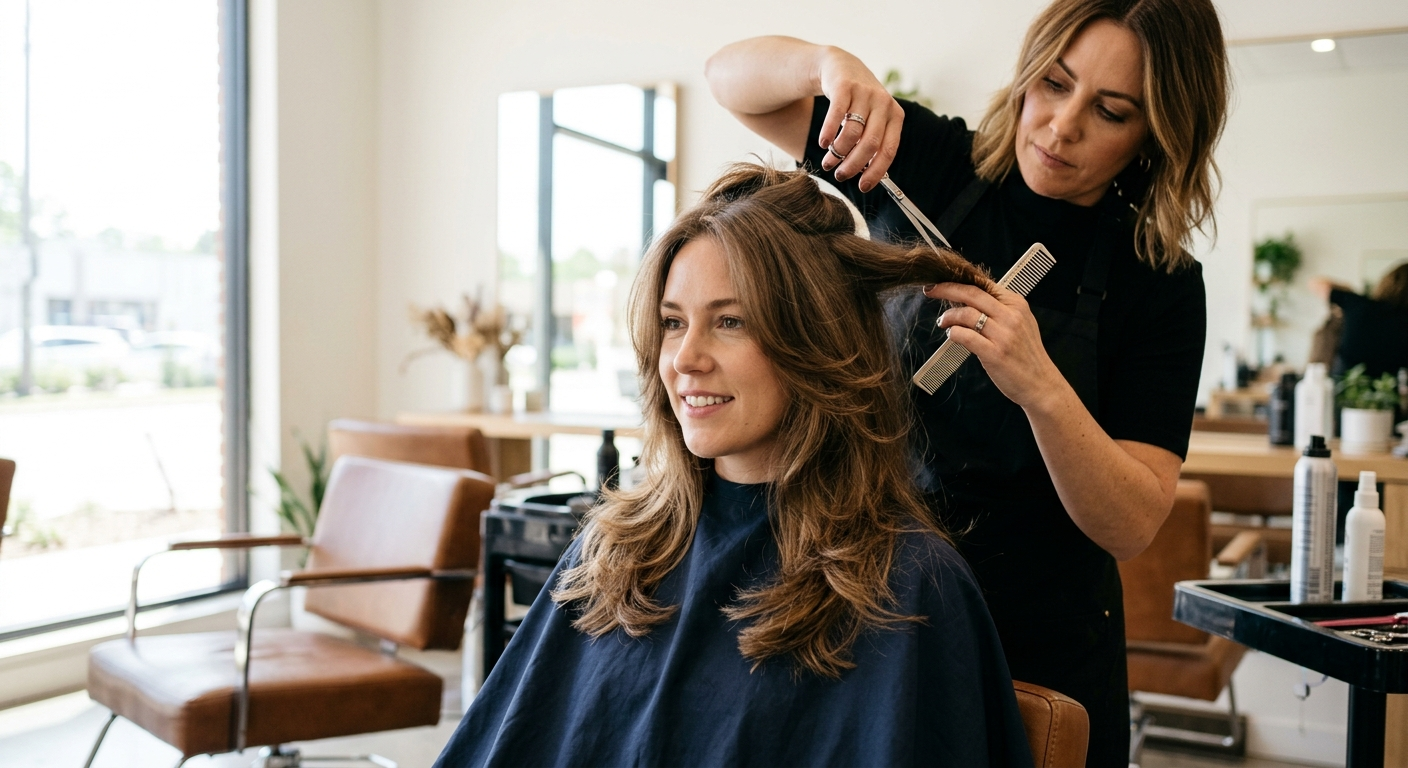
The technique earns its keep on fine to medium hair that lacks natural body. Because it adds volume without heavy removal, it sidesteps the thin, wispy result that aggressive thinning tends to leave behind (Instagram, ghost layers trend).
Thick hair benefits too, just for a different reason. On dense hair, invisible layers introduce controlled movement and shed weight from within, so the shape feels lighter without losing its fullness.
Ideal Candidates for Invisible Layers
- Fine hair that falls flat and needs internal lift
- Medium hair that wants movement without visible steps
- Thick hair that feels heavy but should keep its length and density
- Anyone growing out a previous layered cut who wants a softer transition
- Clients who dislike the choppy look of traditional texturizing
Very short hair or a blunt cut you want to keep razor-sharp is a different story. The technique needs enough length to build hidden support, so those cuts aren’t the right fit.
How Stylists Create Invisible Layers
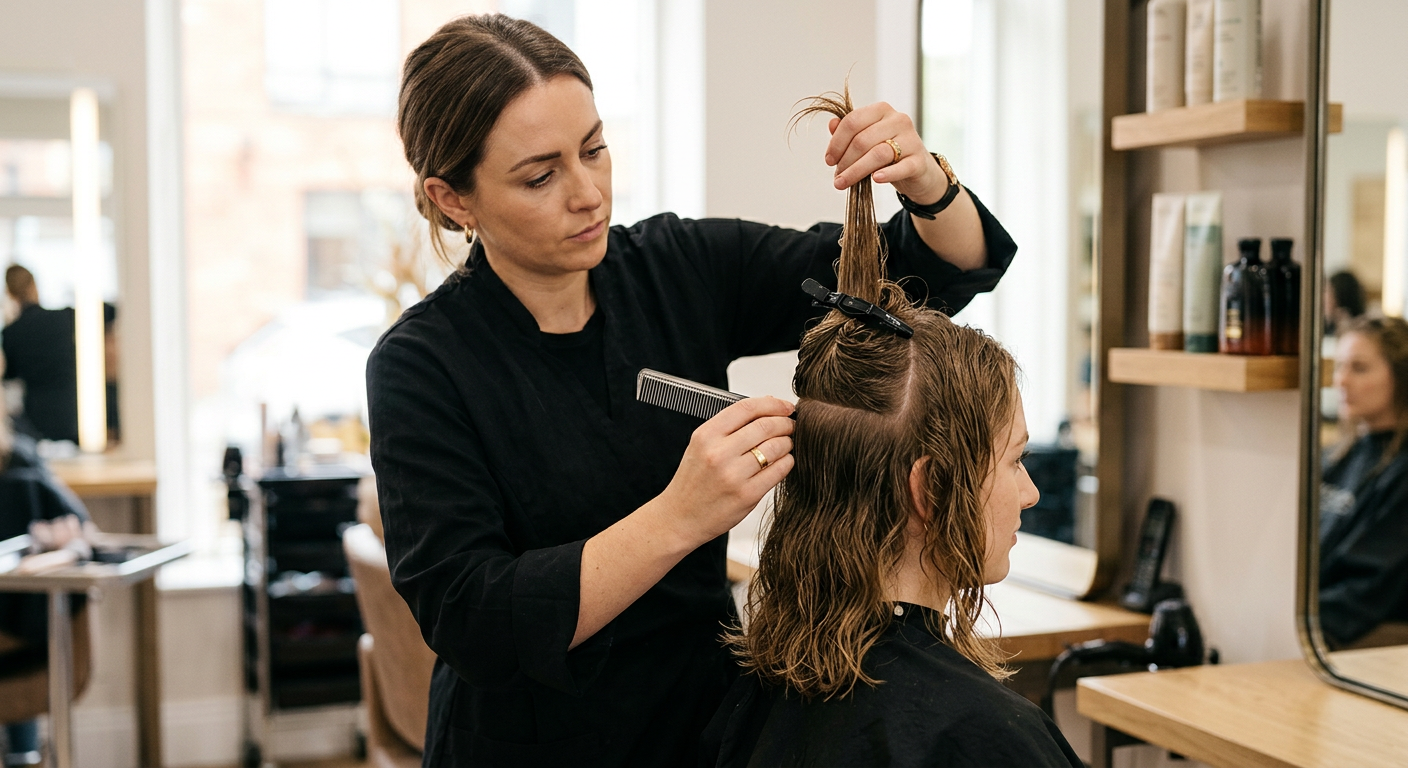
It comes down to precise sectioning and the right cutting tools. The stylist isolates the top sections and leaves them longer, then cuts shorter internal pieces underneath. Those internal pieces lift the surface without ever exposing their shorter lengths.
Sam Villa ArTeam member Jesse Linares points to expert sectioning as the secret behind the whole thing. Where those internal pieces land determines where the volume shows up (Sam Villa on YouTube).
Tools That Make It Possible
Texturizers and specialized shears carry a lot of the load. ARC Scissors makes the point that choosing the right texturizer is critical, because the whole aim is to remove weight selectively rather than bluntly thin the hair (ARC Scissors).
A typical workflow runs like this:
- Section the hair into top and internal layers.
- Leave the top sections longer to conceal the work beneath.
- Cut shorter internal pieces to create lift and support.
- Texturize strategically to remove weight and encourage movement.
- Blend and check so no layering lines show on the surface.
If you want to see it done, stylists often point to the ghost layering tutorial, which walks through removing weight while keeping the finish seamless.
How to Ask for Invisible Layers at the Salon
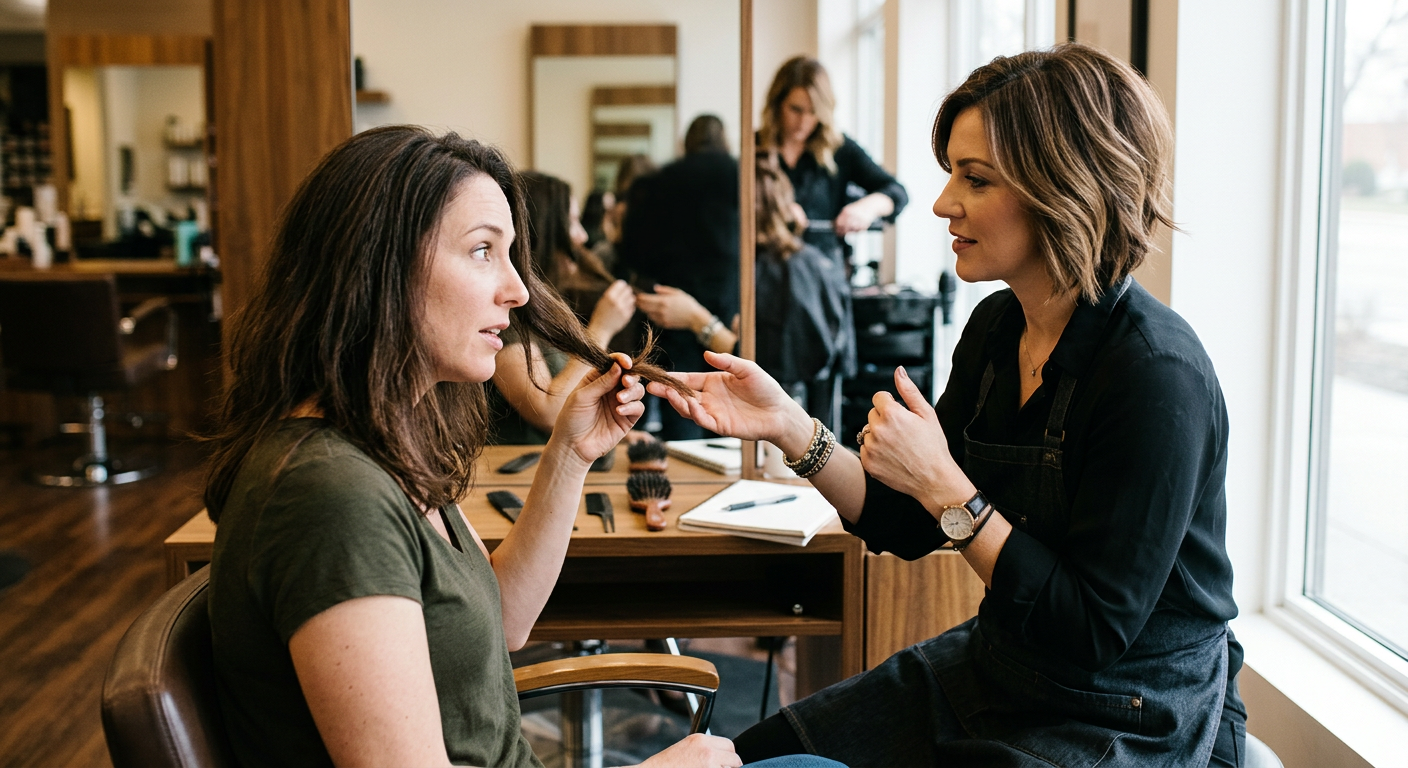
This part matters more than people expect. Invisible layers are a technique, not a single fixed style, so walking in and asking for “layers” can land you a traditional stepped cut instead.
Be specific about the outcome you want. Tell your stylist you’re after internal or invisible layering for volume and movement, with no visible layering lines. Adding that you want to avoid a choppy or over-thinned result gives them something concrete to work toward.
What to Say and Show
- Ask for “invisible layers” or “internal layering” by name.
- Name your priority: more volume, more movement, or weight reduction from within.
- Bring reference photos that show the finished bounce, not just the cut.
- Mention your hair type and how it behaves day to day.
It helps to read up on the different types of hair layers before your appointment. When you and your stylist are using the same vocabulary, you’re far more likely to land on the same result.
Maintaining Invisible Layers Over Time

Grow-out is one of the strongest arguments for this cut. With no harsh stepped lines, the hair softens gradually instead of developing those obvious grow-out shelves.
You can usually stretch the time between cuts a bit longer than with traditional layers, though a trim every eight to twelve weeks keeps the internal structure doing its job. When the volume starts to fade, that’s your cue to book a refresh.
Styling plays a part as well. A lightweight volumizing product at the roots plus a round-brush blow-dry activates the internal lift. Heavy products weigh the hair down and work directly against the structure the layers create.
Conclusion
Invisible hair layers give clients the combination they’ve been chasing: volume, movement, and softness, minus the choppy lines of old-school layering. The internal “scaffolding” underneath the top sections makes fine hair look fuller and thick hair feel lighter, and the grow-out stays smooth the whole way through.
The key points to remember:
- Invisible layers add volume from the inside out, not through visible steps.
- They suit fine, medium, and thick hair for different reasons.
- Precise sectioning and the right texturizers make the technique work.
- Ask for “invisible” or “internal” layering by name and be clear about your goal.
If flat, heavy hair is wearing on you, book a consultation with a stylist who has real experience with invisible layering, and bring this guide along so you walk out with the result you came for.
Frequently Asked Questions
Q: Are invisible layers really invisible?
Not entirely. The layers sit beneath the top sections, so you won’t see stepped lines. The volume and movement they create, though, are very much on display in the finished style.
Q: Do invisible layers work on fine hair?
Yes. Fine to medium hair is one of the best candidates, because the technique adds internal lift and fullness without the thinning or stringy look that aggressive traditional layering can leave behind.
Q: How often should I get invisible layers trimmed?
A trim every eight to twelve weeks maintains the internal structure and keeps the volume working. Since grow-out is soft and forgiving, you can often push appointments a little longer than you would with traditional layers.
Q: What is the difference between invisible layers and ghost layers?
They’re the same technique under two names. Both describe internal layering that adds volume without visible layering lines, and stylists use the terms interchangeably.
Q: Can thick hair get invisible layers?
Yes. On thick hair, invisible layers reduce weight from within and introduce controlled movement, so the hair feels lighter while keeping its length and density.