

Cold air outside, dry heat inside, and a beard that feels like straw by noon. Winter treats facial hair worse than summer does, and the product that worked all year might stop pulling its weight once the temperature drops. The gap between beard balm and beard butter widens in cold weather: one builds a protective barrier against wind and freezing air, the other delivers the deep moisture a parched winter beard needs. Picking the right one, or running both, usually decides whether you end up with a soft, manageable beard or months of itch, breakage, and flyaways.
This guide covers how each product performs in the cold, which one suits your beard type, and how to build a winter routine that keeps things soft and in shape.
The Core Difference: Wax Changes Everything
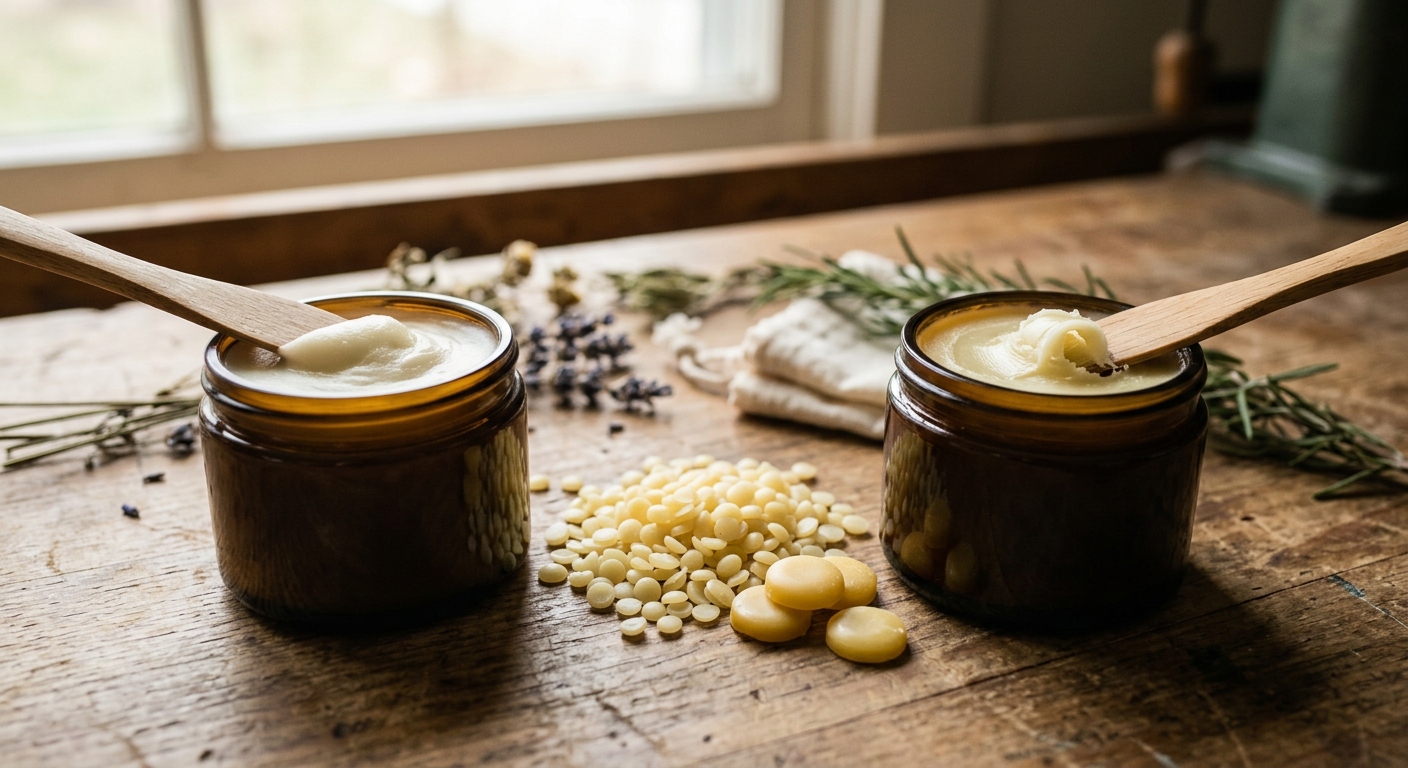
One ingredient separates these products: wax. Beard balm combines carrier oils, vegetable butters like shea or cocoa, and a firm wax such as beeswax or candelilla, according to Shaving School. The wax is what gives balm its structure and hold.
Beard butter skips the wax. It blends carrier oils with whipped vegetable butters—shea, mango, or kokum—into a soft cream that melts into the beard on contact. Without wax to seal the surface, butter penetrates deeper than any other leave-in product, per Warlord Beard Oil.
That one difference drives everything else. Balm is a styling aid that also conditions. Butter is a conditioning treatment that doesn’t style. Neither wins by default, as Weatherbeard Supply Co. points out. The right choice depends on the job you need done.
Beard Balm vs. Beard Butter: Quick Comparison
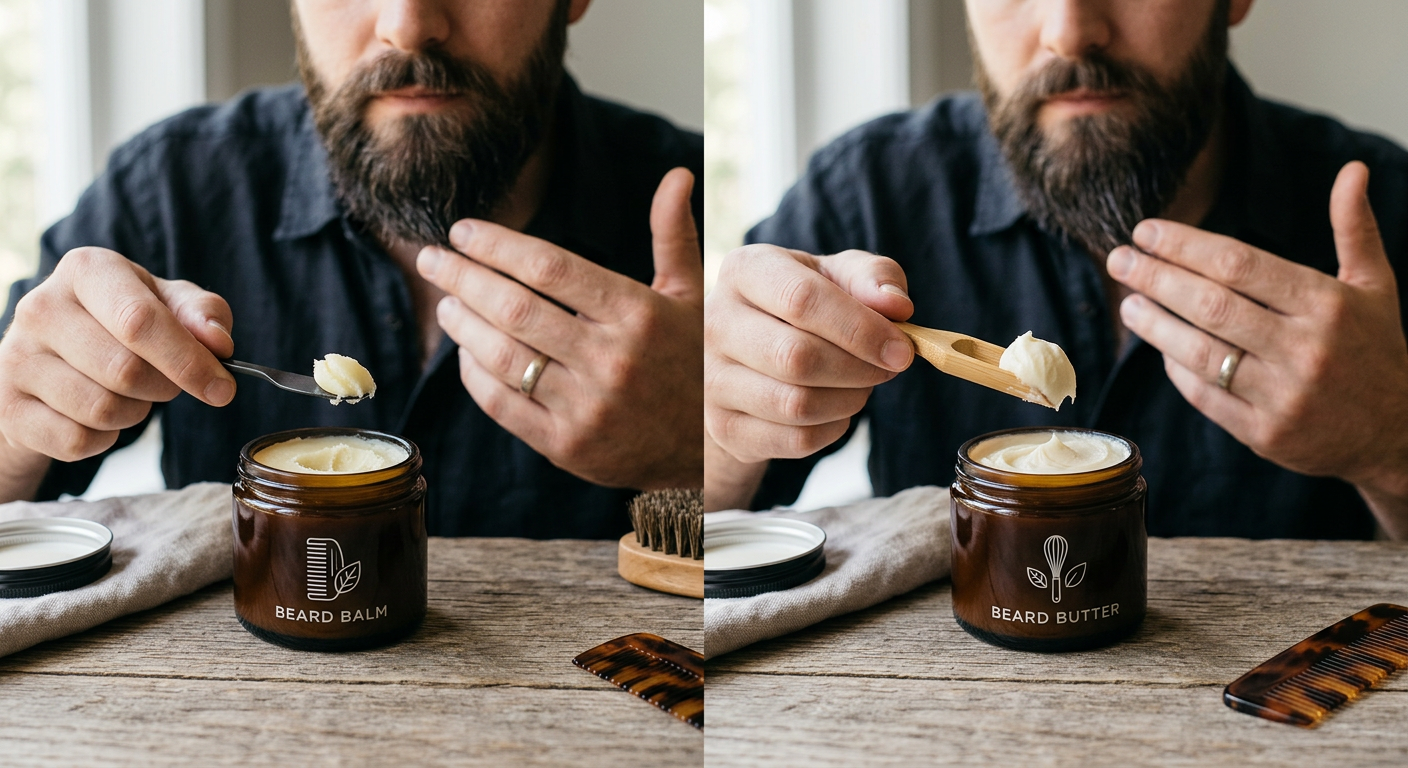
A side-by-side look at how the two stack up:
| Feature | Beard Balm | Beard Butter |
|---|---|---|
| Primary purpose | Styling + conditioning | Softness + conditioning |
| Hold | Medium hold | No hold |
| Contains wax | Yes (beeswax or candelilla) | No |
| Texture | Firmer, requires warming | Softer, creamier |
| Best for | Shape, flyaways, wind protection | Coarse, rough, dry beard hair |
| When to use | Daytime or when styling | Day or night |
Use the table as a starting point. The sections below cover how each product handles winter’s specific demands.
Which Protects Better Against Cold and Wind?

Winter’s biggest threat is moisture loss. Cold outdoor air and indoor heating both pull moisture from facial hair fast, leaving whiskers dry and prone to breakage, according to Shaving School.
Beard balm has the advantage here. The wax forms an external, semi-occlusive barrier that works like a wax-based lip balm, laying a protective seal over every strand. That coating slows moisture loss through the day and shields the hair from biting wind and freezing temperatures.
Butter has no such barrier. It delivers rich triglycerides and fatty acids straight into the hair, but in severe weather, dry air can strip moisture from unsealed strands faster. If you work outdoors, ride a motorcycle, or spend long stretches in the wind, balm gives you a physical defense butter can’t match. Grizzly Co. makes the same recommendation for men who face the elements.
Which Fixes a Dry, Brittle Winter Beard?

Protection is only half the battle. The other half is repairing hair that’s already dry, and that’s where butter earns its spot in a winter kit.
Because butter sinks in deeply without a surface coating, it’s the most intensive conditioner available. Fresh Beards recommends it on cold, dry days to lock in moisture and keep the beard from turning brittle. When your ends feel like straw and no amount of oil helps, that’s a butter problem, not a balm problem.
Signs Your Beard Needs Butter This Winter
- The hair feels coarse or rough no matter how often you condition it
- Your beard looks dull and lifeless by mid-afternoon
- The skin underneath feels tight, flaky, or itchy
- Ends split or break when you comb through them
Butter works day or night, but applying it before bed gives the oils and butters hours to penetrate uninterrupted, a common nighttime recommendation from Badass Beard Care.
Matching the Product to Your Beard Type
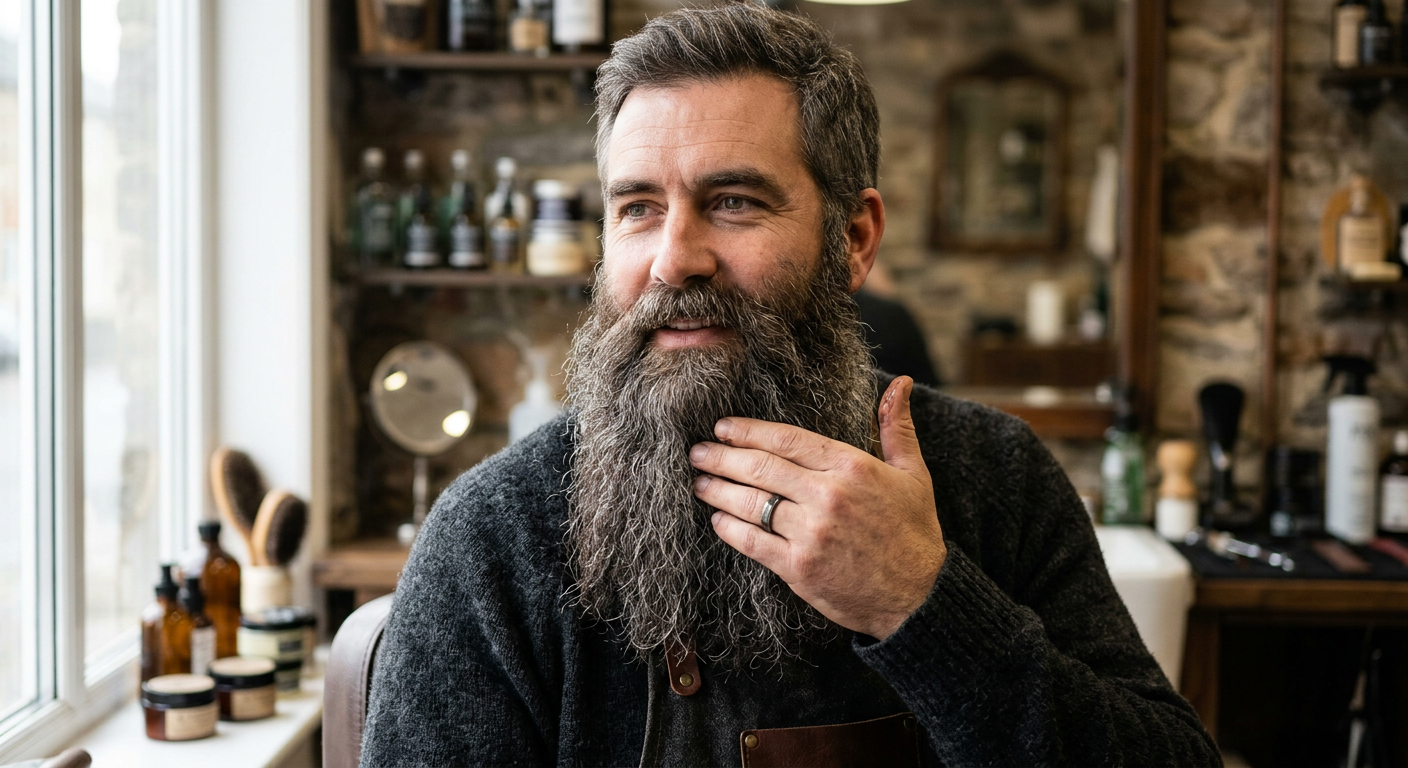
Length and texture should guide your choice as much as the weather does.
Thicker and Longer Beards
Thicker, longer facial hair usually does better with balm, especially when flyaways are a daily struggle, notes Fresh Beards. Balm gives structure and helps a beard hold the shape you combed it into. Warlord puts the cutoff at roughly two inches, where shaping starts to matter.
Short or Coarse Beards
For a short or coarse beard, or when the skin underneath feels dry and irritated, butter is the better bet. It sinks in quickly and relieves the tight, itchy feeling without adding stiffness. Short beards don’t need the mechanical hold balm provides, so butter’s extra conditioning delivers more value.
Why You Might Use Both This Winter
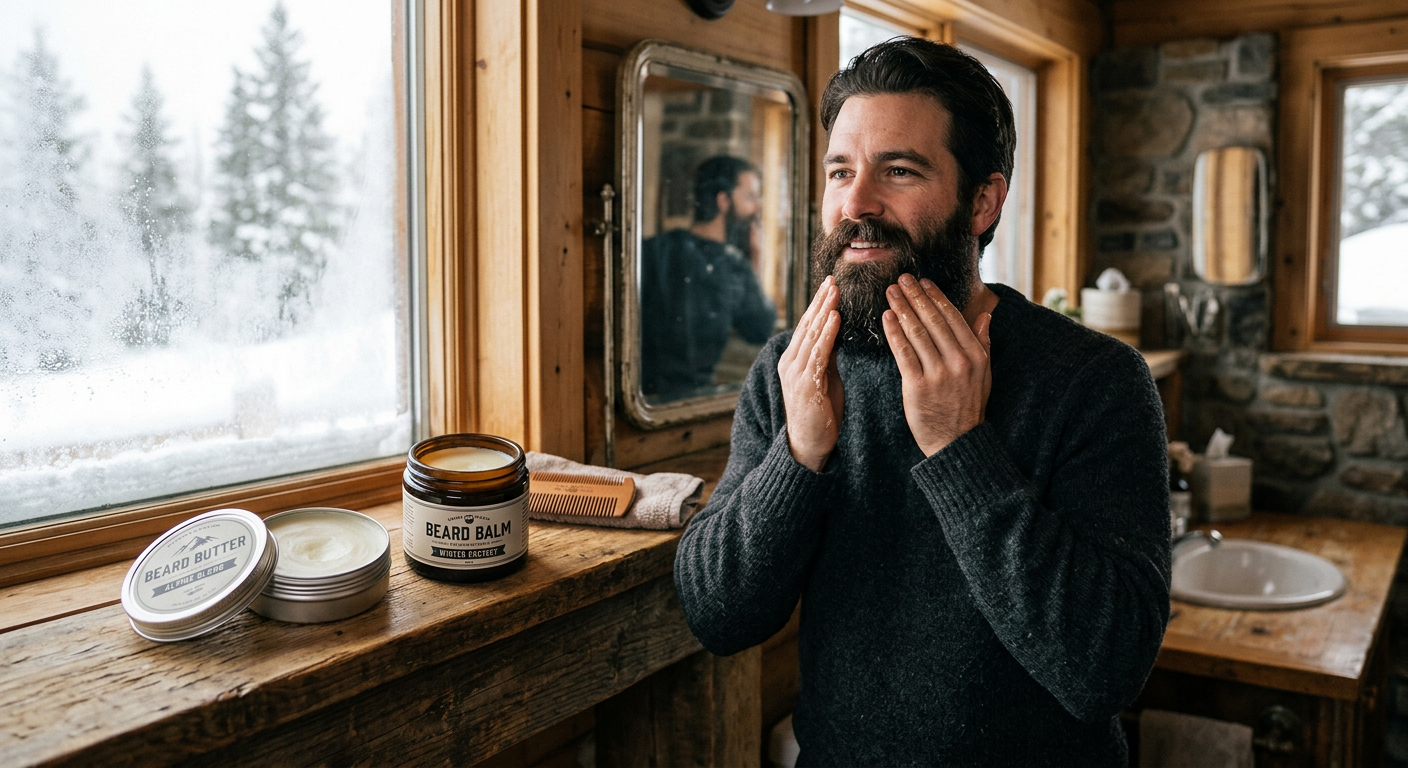
The balm-versus-butter framing suggests you have to pick one. Plenty of men run both, and winter is the season to do it.
A layered routine solves two problems at once. Weatherbeard describes a common split: balm during the day when styling and protection matter, butter later on or at night for deep conditioning. You get the barrier when you’re out in the cold and the intensive moisture when you’re indoors recovering.
Apply smaller, layered amounts rather than one heavy coat, as RUNESILK advises. In dry or cold climates, lean toward richer formulas built on shea, argan, or jojoba, which Badass Beard Care recommends for fighting dehydration. If dryness holds on even with both products, an oil applied underneath will address the skin directly.
The Bottom Line for Winter Grooming
Neither product wins outright. They solve different winter problems. Reach for balm when you need a protective barrier against wind and cold, plus control over flyaways on a medium-to-long beard. Reach for butter when dryness, coarseness, and brittleness are the issue, especially on short beards or at night.
For most men, the smartest winter setup is both: balm by day for protection and shape, butter by night for deep conditioning. Check your beard this week and note whether your main complaint is flyaways or dryness, then stock the product that fits. You’ll end up with a softer beard that holds its shape and makes it through the season without the itch and breakage that catch so many men off guard.
Frequently Asked Questions
Can I use beard balm and beard butter on the same day?
Yes. A common approach is balm in the morning for daytime protection and styling, then butter at night for deep conditioning. Apply smaller layered amounts rather than one heavy coat to avoid buildup.
Is beard butter or balm better for cold, windy weather?
Balm is better for wind and extreme cold because its wax creates a semi-occlusive barrier that shields hair and slows moisture loss. Butter is better when your main concern is softening a dry, brittle beard rather than blocking the elements.
Does beard balm or butter provide hold?
Only balm provides hold. The beeswax or candelilla wax gives it medium styling control for shaping and taming flyaways. Butter contains no wax and offers no hold.
Which product is best for a short beard in winter?
Butter usually suits short beards better because it conditions deeply and soothes dry, itchy skin without adding stiffness. Short beards rarely need the shaping hold balm provides.
What ingredients should I look for in a winter beard product?
Look for richer bases like shea, argan, or jojoba oil, which fight dehydration in cold, dry climates. Prefer products with transparent, natural ingredient lists and no synthetic fillers.
Will beard butter leave my beard greasy?
Butter can feel heavy or greasy if you over-apply, since it has no wax to set it. Start with a small amount, warm it between your palms, and add more only if you need it.