

You spend real money on serums, foundations, and mascara, and half of them dry out, separate, or turn before the bottle is empty. Learning how to make your beauty products last longer cuts waste and protects your skin at the same time. Most skin care and makeup starts breaking down the moment you open it, and poor storage shortens how long each formula stays effective, according to Ulta Beauty. A few small habits get you full value from every tube, jar, and compact.
Why Beauty Products Degrade in the First Place
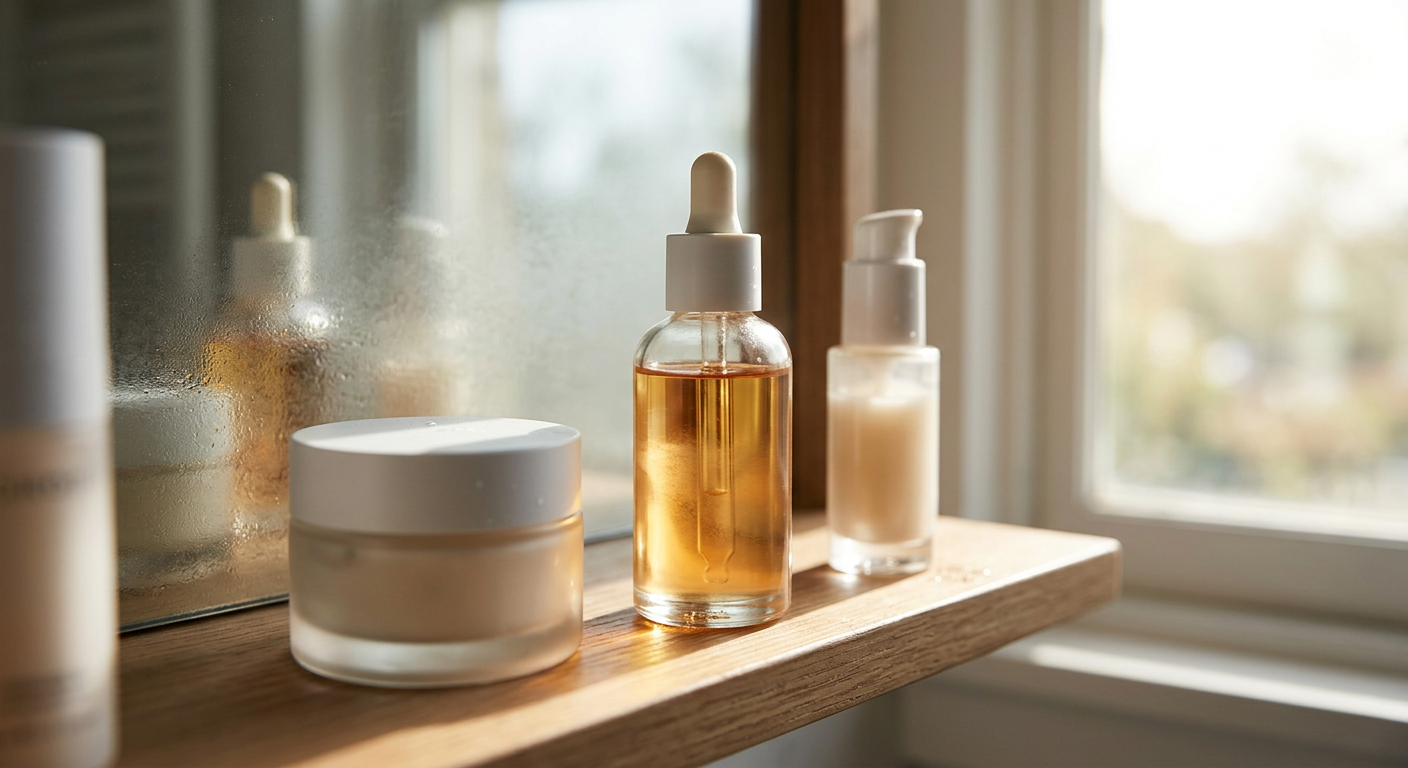
Every beauty product is a balanced formula, and that balance tips the moment it hits the wrong environment. Ulta Beauty points to four main culprits: heat, light, humidity, and air.
Heat speeds up the chemical reactions inside a formula. L-ascorbic acid (vitamin C) starts breaking down above 77°F (25°C), and retinol, already an unstable ingredient, degrades faster in warm conditions. SPF actives like avobenzone can lose effectiveness after repeated heat exposure, so a sunscreen left in a hot car may no longer deliver its labeled protection.
Light causes similar trouble. UV and even indirect room light photodegrade active ingredients, which is why most retinol products come in opaque or dark glass containers. Humidity adds moisture that speeds microbial growth and can break down the preservative system that keeps a product safe to use.
Store Products in the Right Place
Where you keep your products matters as much as how you use them. The most common mistake is storing everything in the bathroom, where shower heat and humidity create the exact conditions that shorten shelf life.
Keep cosmetics in a cool, dry room with minimal light instead. As The Frugal Glow notes, a bedroom drawer, closet shelf, or dedicated beauty box beats a bathroom counter. Ulta Beauty recommends storing temperature-sensitive products somewhere cool and dark, ideally below 77°F (25°C).
When the Fridge Helps
Not everything belongs in the refrigerator, but a few volatile actives benefit. Refrigerating a vitamin C serum between 40–60°F (4–15°C) is the most effective way to slow oxidation and hold onto potency, especially in summer, per Ulta Beauty. Most moisturizers and creams are formulated to stay stable at room temperature, between 60–75°F (15–24°C) in a closed container, so the fridge is optional for them.
Practice Good Hygiene Every Time You Use a Product
Contamination is a leading reason products fail before their expiration date. Every time you dip a finger into a jar, you transfer oils and bacteria that break down the formula and wear out its preservatives.
Handle products with clean hands, or use a clean spatula for jarred creams. Potentash points to clean hands as the first line of defense against contamination. Washing brushes, sponges, and applicators regularly keeps contaminants from transferring back into your powders, creams, and liquids, according to The Dollar Stretcher.
Sealing matters too. Close containers tightly right after use to limit air exposure, and store bottles upright so formulas do not leak or oxidize around the cap. Mascara is a special case: never pump the wand. Pumping forces air into the tube, which dries out the product and breeds the kind of bacteria that can cause eye infections, as Ulta Beauty warns. Twist the wand gently as you pull it out instead.
Know How Long Each Product Actually Lasts
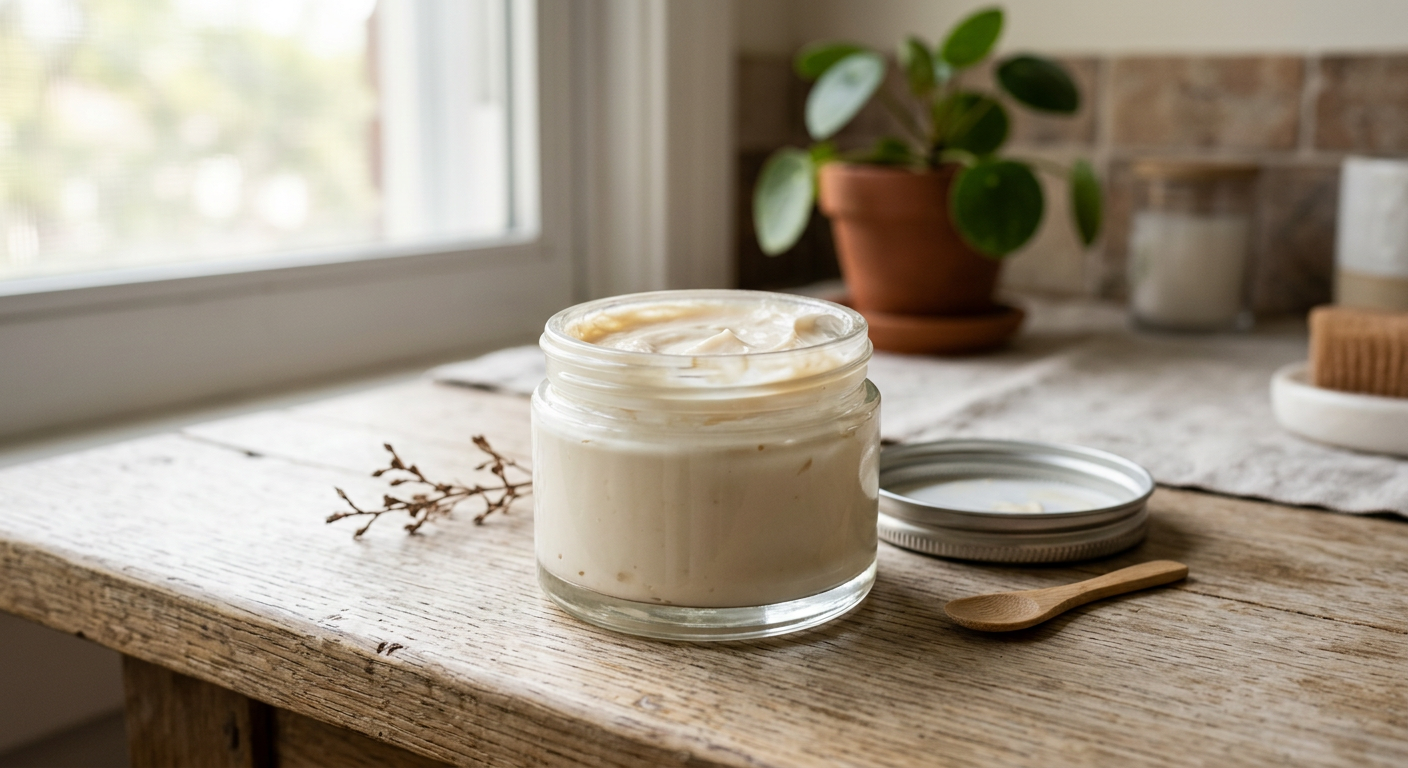
Packaging design affects shelf life more than most people realize. A moisturizer in an open jar has a functional shelf life of 6 to 12 months after opening, but the same formula in an airless pump can stay stable for 12 to 18 months because the design limits environmental exposure, according to Sooth Health.
Use the table below as a quick reference for how long common products stay effective once opened.
| Product Type | Shelf Life After Opening | Key Reason for Degradation |
|---|---|---|
| Liquid foundation | 6–12 months | Air and bacteria exposure |
| Cream foundation | Up to 18 months | More stable than liquid |
| Lipstick and lip products | 12–24 months | Relatively stable at room temp |
| Mascara and eye products | 3–6 months (replace after infection) | Bacteria from repeated wand use |
| Eyeliner and eyeshadow | 12–24 months | Slower to contaminate |
| Vitamin C serum | 3–6 months | Extreme oxidation sensitivity |
| Retinol serum | 6–12 months | Light and oxygen sensitivity |
| Chemical sunscreen | 12 months (check label) | UV filter degradation from heat |
Shelf life figures compiled from Ulta Beauty and Sooth Health.
Watch for the PAO Symbol
Look for the small jar icon on your packaging with a number followed by “M,” such as 6M, 12M, or 24M. This Period After Opening symbol tells you how many months a product stays microbiologically safe after you break the seal. It is mandatory in the European Union under Regulation (EC) No 1223/2009 and appears voluntarily on many U.S. products.
Rotate and Buy Smart to Reduce Waste
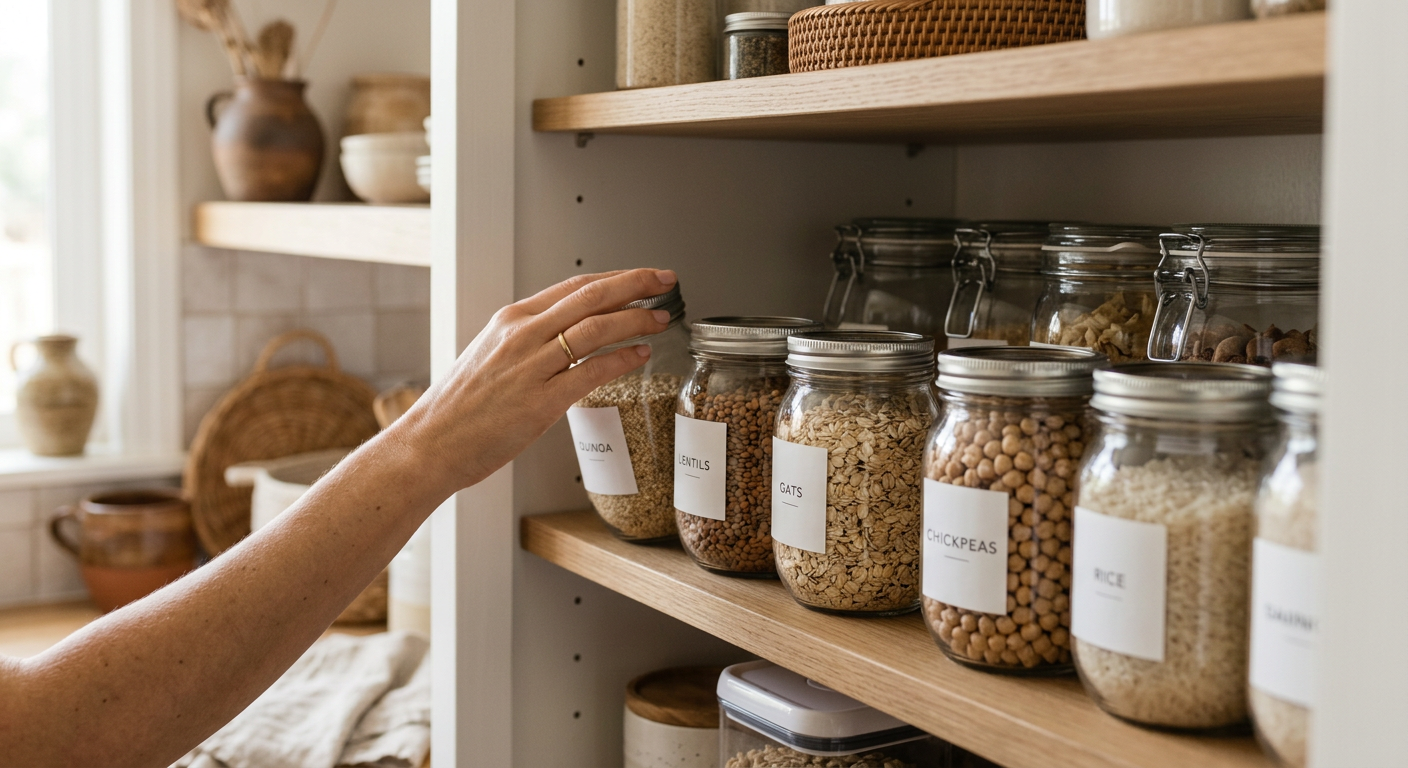
Opening every product at once guarantees some will expire before you get to them. Rotation works better: finish one product before opening a duplicate, and keep backups sealed until you need them.
The Frugal Glow recommends tracking opening dates and keeping backups sealed so you always use the oldest open product first. The system stretches your inventory and spares you the annoyance of finding a dried-out favorite you never touched.
Buying habits help too. For volatile natural products, All Things Jill suggests buying smaller quantities you can realistically finish and storing them somewhere cool and dark. Anhydrous formulas like oils and balms are the exception to fast spoilage: pure squalane oil can stay stable for 3 to 5 years unopened when kept away from light and heat, according to Sooth Health.
Make Your Makeup Last Longer Through Application
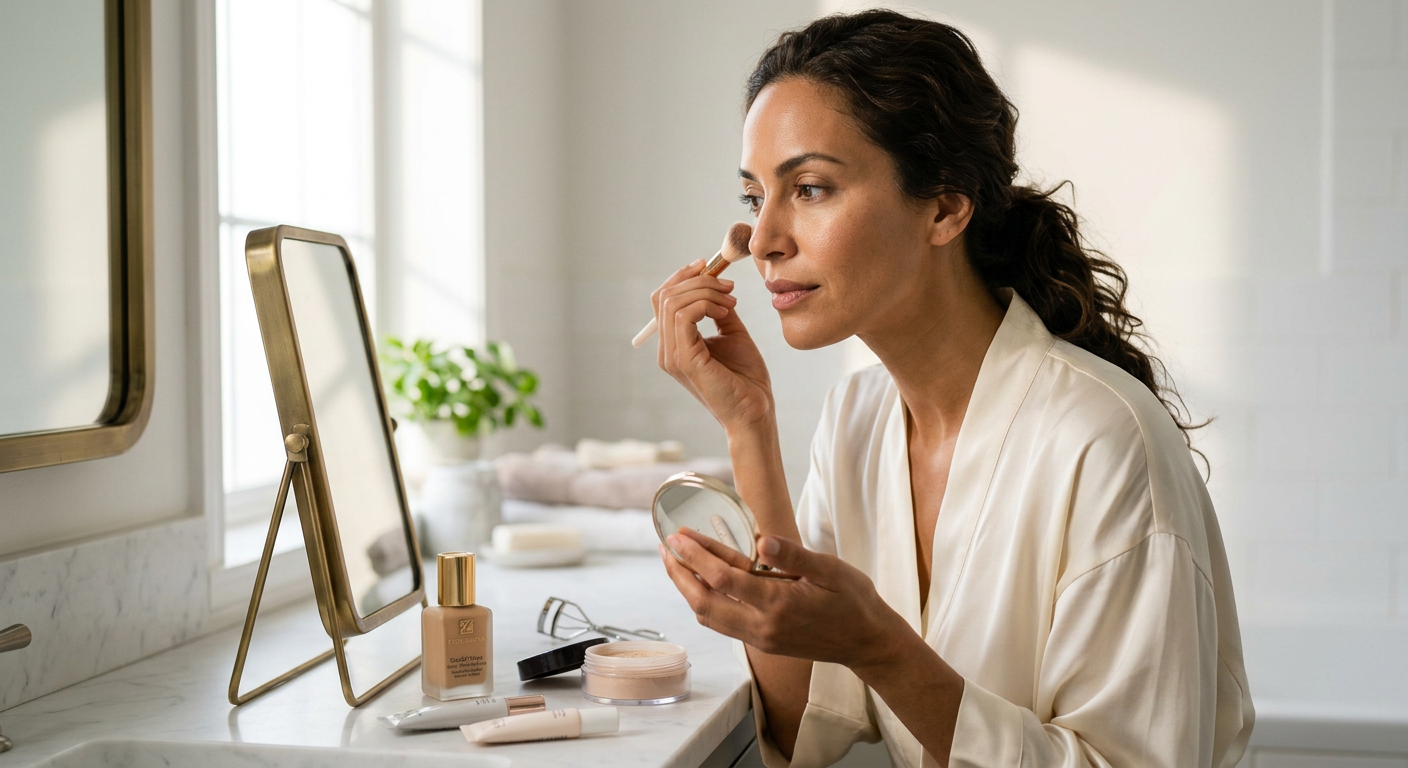
Getting more wear out of each application means you reach for the product less often. Estée Lauder recommends prepping your skin first, applying thin buildable layers, choosing long-lasting formulas, and setting your makeup to extend all-day wear.
Thin layers rather than one heavy coat prevent caking and use less product per session. Setting your makeup with a powder or spray locks the formula in place and cuts down on touch-ups, which also means fewer chances to introduce bacteria from your fingers over the course of the day.
Waterproof formulas resist smudging and last longer between reapplications. Where you can, avoid touching your face, since repeated contact breaks down your makeup and transfers oils that shorten a product’s useful life.
Key Takeaways and Next Steps
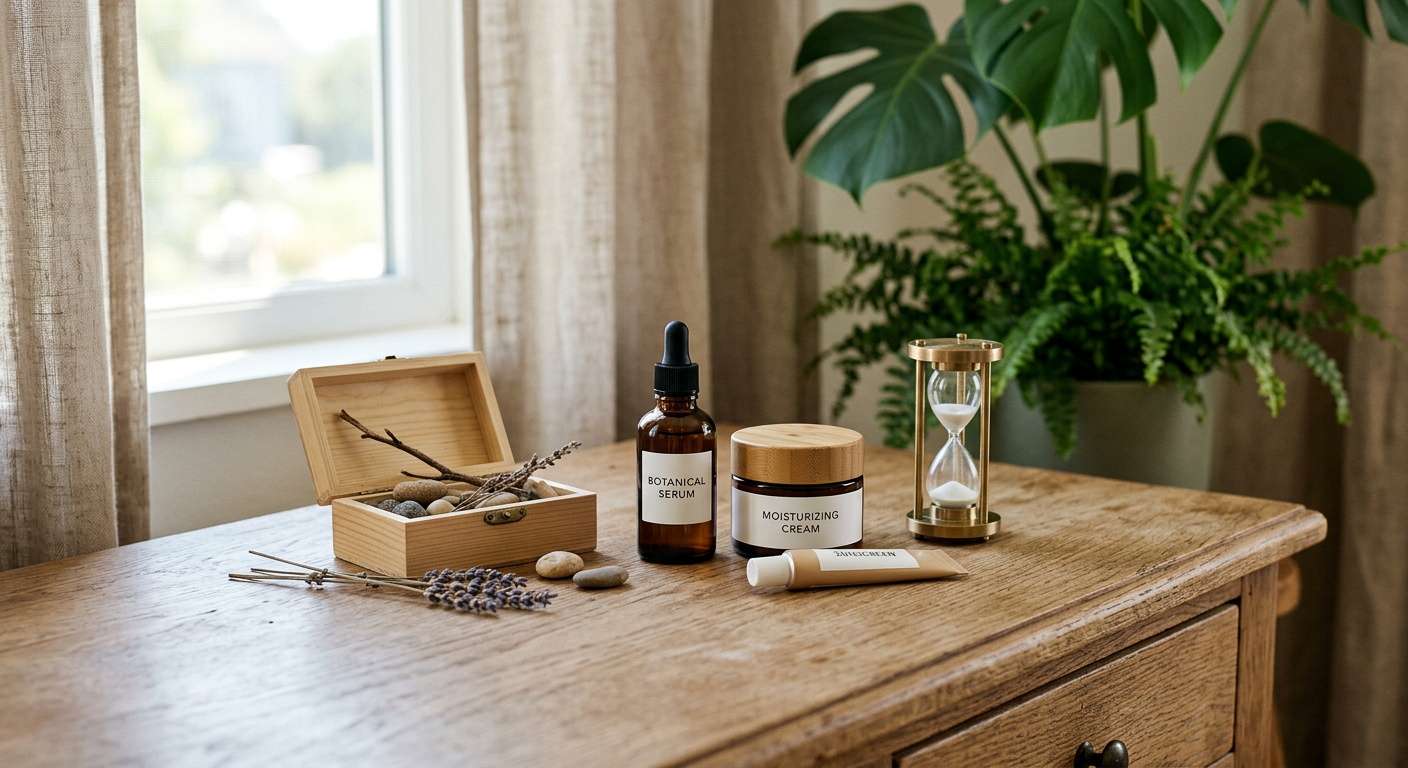
Making your beauty products last longer comes down to controlling the four enemies of any formula: heat, light, humidity, and air. Store products in a cool, dark drawer rather than a steamy bathroom, refrigerate volatile actives like vitamin C, and handle formulas with clean hands or a spatula.
Track opening dates, respect the Period After Opening symbol, and rotate your inventory so nothing expires unused. These habits protect both your budget and your skin, since expired products can harbor bacteria and irritants.
Start today by moving your most expensive serum out of the bathroom and checking the PAO symbol on the products you use daily. Small changes now mean far less waste later.
Frequently Asked Questions
Should I keep all my skincare in the refrigerator?
No. Refrigeration mainly helps volatile actives like vitamin C serums, which stay more potent stored between 40–60°F (4–15°C). Most moisturizers and creams are formulated to stay stable at room temperature in a closed container.
Why does my mascara dry out so quickly?
Pumping the wand in and out forces air into the tube, which dries the formula and breeds bacteria. Twist the wand gently while removing it instead, and replace mascara every 3 to 6 months, or immediately after any eye infection.
Is it safe to use products past their expiration date?
It is not recommended. Expired products can harbor bacteria, fungi, and oxidized compounds that trigger irritation and disrupt your skin barrier, according to Sooth Health. Some degraded products show no visible signs, so track opening dates rather than relying on smell alone.
What is the PAO symbol on my beauty products?
The Period After Opening symbol is a small open-jar icon with a number and the letter “M,” such as 12M. It tells you how many months the product stays safe and effective after you first open it.
Why shouldn’t I store makeup in the bathroom?
Bathrooms trap heat and humidity from showers, which accelerate microbial growth and degrade formulas. A bedroom drawer, closet shelf, or dedicated beauty box in a cool, dry room is a much better spot.
Does packaging really affect how long a product lasts?
Yes. A moisturizer in an open jar lasts 6 to 12 months after opening, while the same formula in an airless pump can stay stable for 12 to 18 months because it limits air and finger contact, per Sooth Health.