

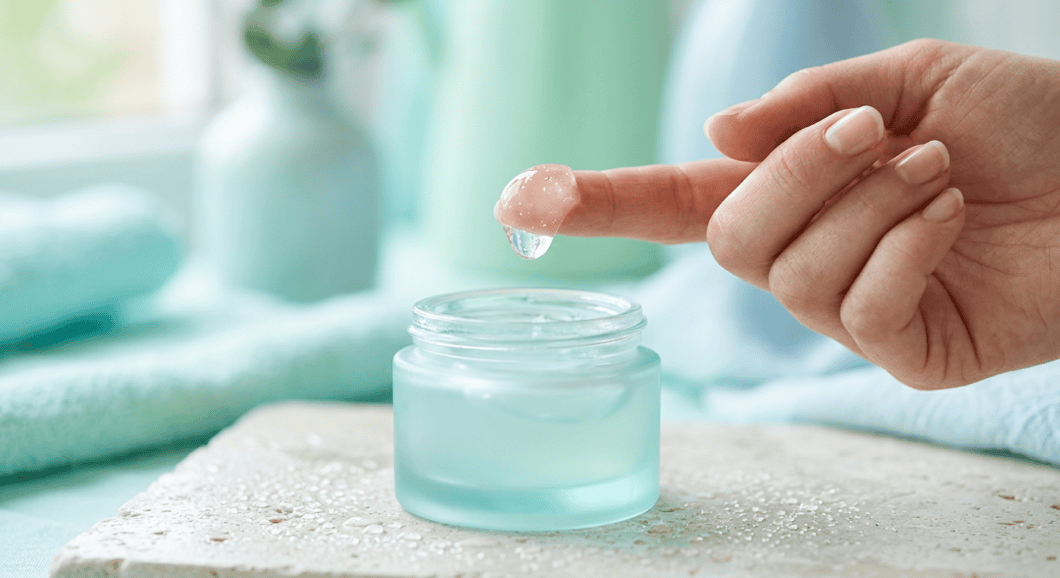
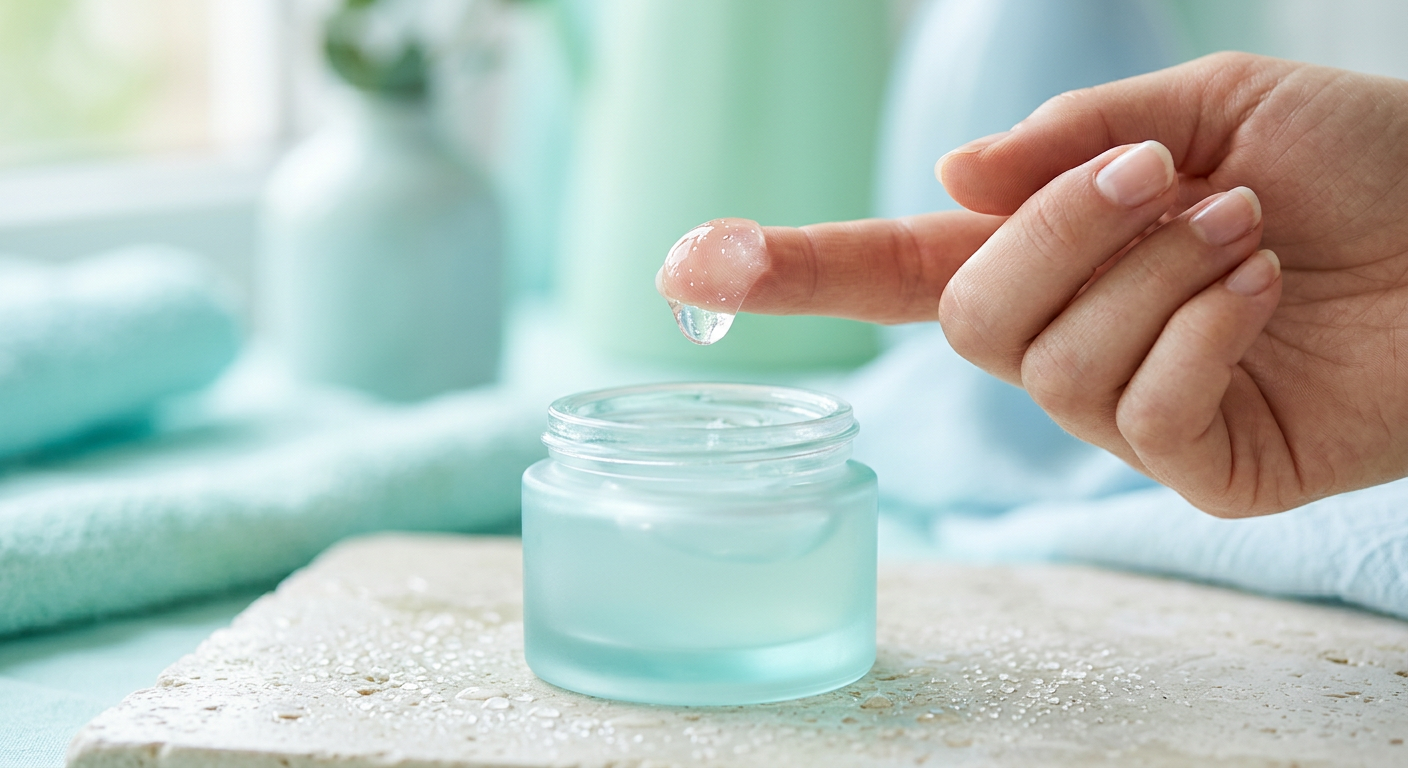
For years, gel creams got filed under summer supplies, the thing you switched to when heat and humidity made your regular moisturizer feel like a wet blanket. That’s changing. Water-based hydration has become a daily fixture for a lot of shoppers rather than a seasonal swap, and the sales figures back that up. The global aero gel creams market sits at USD 2.1 billion in 2026 and is projected to reach USD 7.0 billion by 2036, growing at a 12.80% CAGR, according to Future Market Insights. If you’ve written off gel creams as a warm-weather treat, they can do more across the calendar than most people assume.
What Makes a Gel Cream Different From a Traditional Cream
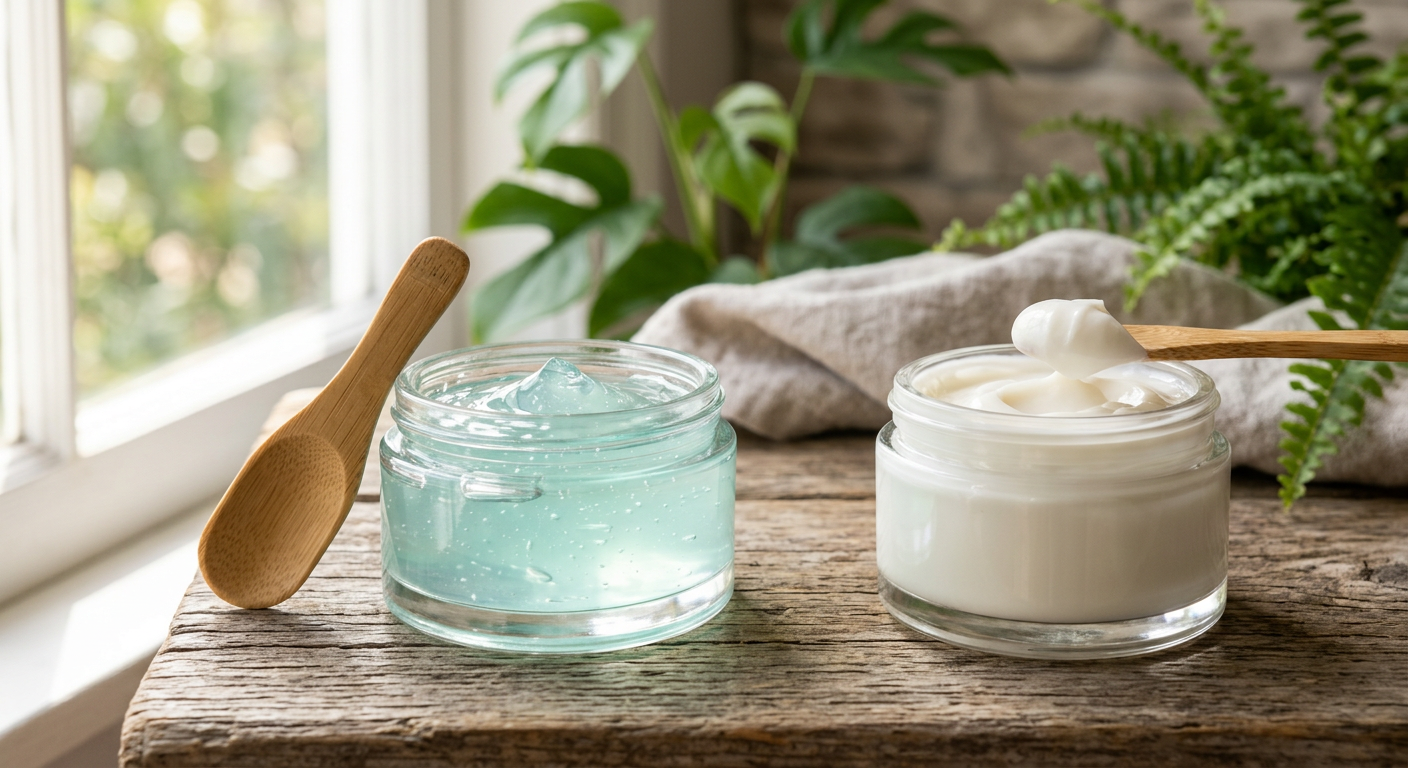
The distinction comes down to what’s in the jar. Gel moisturizers typically rely on water-based ingredients and humectants, while creams are emulsions that blend water with oil-based components, as explained by Chemist Confessions. That formulation gap is what gives each texture its feel and its job.
Gels have a lighter consistency, absorb quickly, and leave a refreshing finish, notes Skin Glaze Beauty. Creams carry more fat and oil, which is why they feel richer and suit very dry skin. Neither wins outright. They solve different problems.
Dermatologists describe lightweight moisturizers as formulas that feel less heavy and “rub in better” than creams or ointments, according to The Manual. That sensory difference is a big part of why gel creams win daily wear.
Gel Cream vs. Traditional Cream: Quick Comparison
| Feature | Gel Cream | Traditional Cream |
|---|---|---|
| Base | Primarily water-based | Water plus oil emulsion |
| Texture | Light, fast-absorbing | Rich, cushioning |
| Best for | Oily, combination, normal skin | Dry, mature, dehydrated skin |
| Finish | Matte to dewy, no residue | Nourishing, sometimes heavier |
| Layering | Excellent under SPF and makeup | Can feel heavy in layers |
| Ideal season | Year-round for most types | Colder months, dry climates |
Why the “Summer Only” Label No Longer Fits
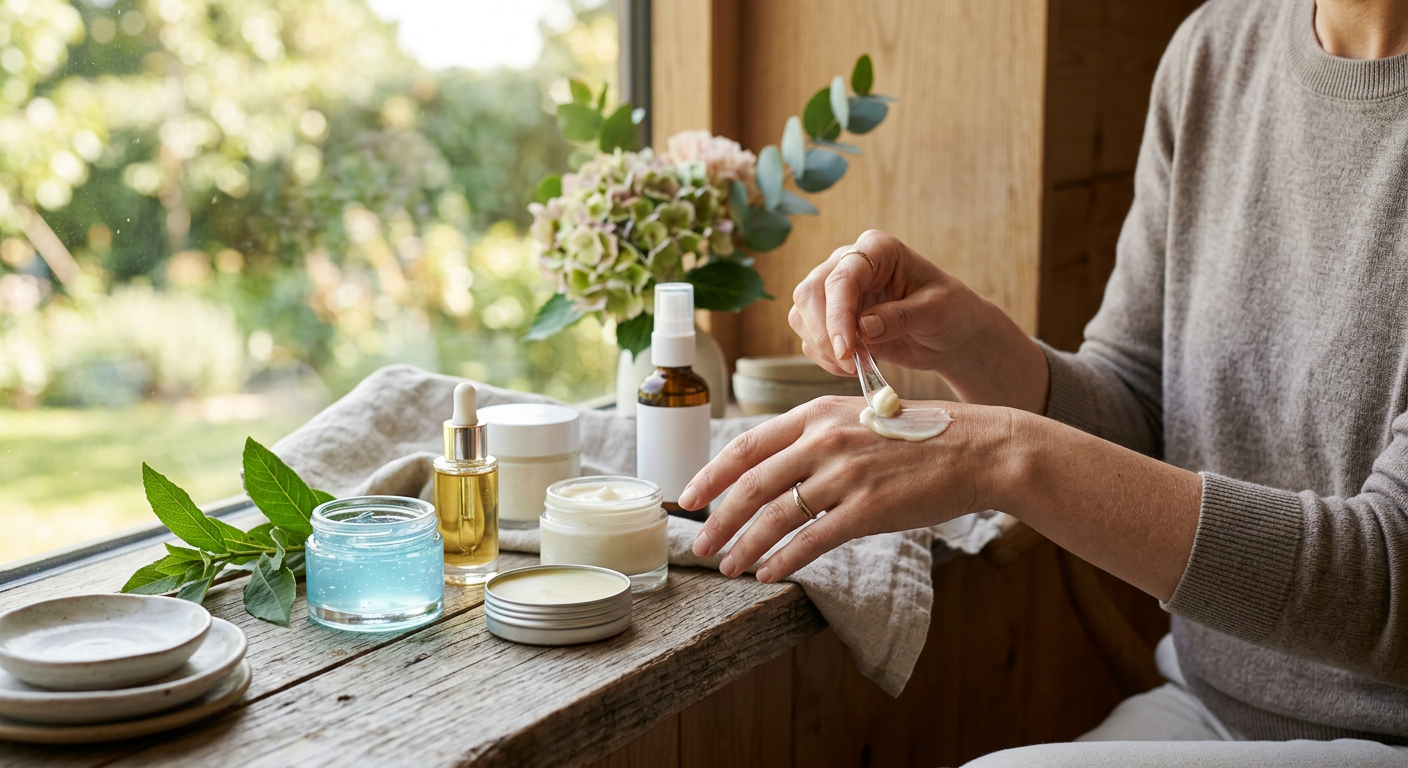
The old rule was easy to follow: gels for summer, creams for winter. It made sense when formulations were basic and oil control was the whole pitch. Modern gel creams have outgrown that box.
We tend to think of gel-based skincare as a summer staple loved for its lightweight, hydrating properties, but it has quietly evolved into one of the most sophisticated essentials in beauty today, reports Harper’s Bazaar. Current formulas are built around precision and performance, not minimalism for its own sake.
The change shows up in the numbers. By 2036, lightweight hydration is expected to become a daily regimen staple rather than a seasonal use case, per Future Market Insights. Shoppers are keeping their gel creams in rotation through every season.
How Gel Creams Fit Modern Lifestyles and Layered Routines

The way people live now favors lighter textures. Skin moves between air-conditioned offices, humid streets, and long-haul flights, and gel formulations absorb instantly without leaving residue, shine, or heaviness, notes Harper’s Bazaar. That makes them practical for daily makeup wearers and anyone chasing a polished, natural finish.
Layering is another reason. Oil-free gel creams deliver hydration without greasy residue, which makes them ideal under sunscreen and makeup and inside multi-step routines, according to ThisDayLive. When you’re stacking several products in sequence, a lightweight base prevents the pilling and heaviness that heavier creams can cause.
K-beauty deserves some credit. The expansion of K-beauty-inspired multi-step routines into Western markets is driving adoption of water gels as a dedicated hydration layer, reports Future Market Insights. Gel creams slot neatly into that framework.
The Adoption Curve Still Has Room to Run
Gel-format moisturizers reached an estimated 30–35% household penetration in the United States by early 2026, with room to grow toward the 45–50% penetration typical of more established formats, according to IndexBox. The same report notes the category is growing at roughly 6–8% per year in unit terms, outpacing the broader facial moisturizer market’s 3–4% annual expansion.
Matching a Gel Cream to Your Skin Type

Gel creams are versatile, but they don’t suit every skin type the same way. Genetics set your hydration baseline, while hormones, age, medication, and season shift your needs, explains Chemist Confessions. Reading your own skin matters more than following a rigid rule.
Dermatologists give clear guidance. For oily skin, use a lightweight formula morning and evening; for combination skin, use a lightweight moisturizer during the day and a richer one at night; and those with dry skin may benefit from a richer moisturizer at all times, according to The Manual.
One mistake trips people up. Stripping oil away with harsh cleansers often backfires, because your skin can compensate by producing even more sebum, notes Chemist Confessions. The smarter approach pairs gentle cleansing with consistent, lightweight hydration.
Skin Type Quick Guide
- Oily skin: Gel cream morning and night, all year.
- Combination skin: Gel cream by day, consider a richer formula at night.
- Normal skin: Gel cream works well; adjust for dry spells in winter.
- Dry skin: Layer a gel cream over a hydrating serum, or reserve richer creams for cold months.
The Ingredients That Power Gel Cream Hydration
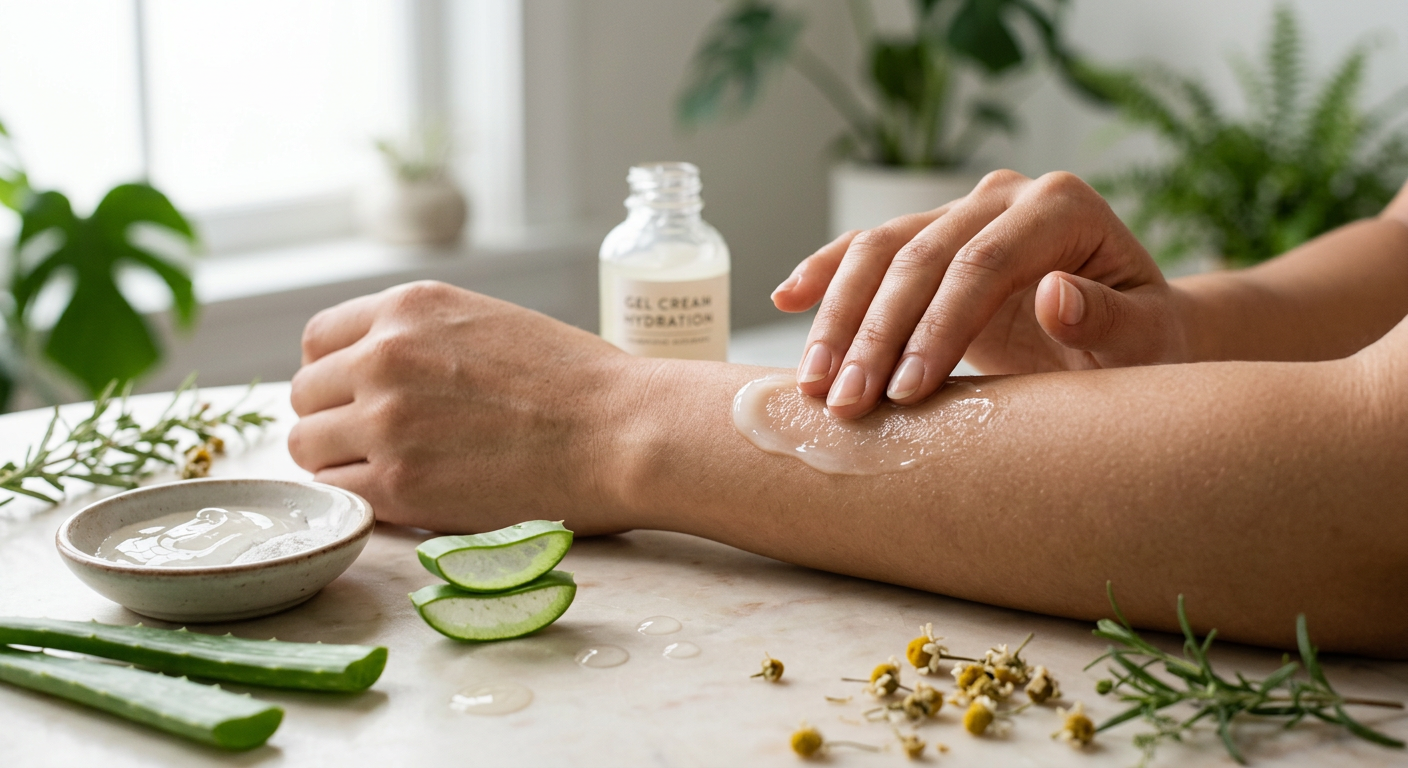
Gel creams work because of the ingredients they lean on. Humectants like hyaluronic acid and soothing agents like aloe vera hydrate without the heaviness of a cream, notes Skin Glaze Beauty. These water-loving ingredients pull moisture into the skin and hold it there.
Hyaluronic acid has become the marquee name. Its global market is projected to reach USD 14 billion by 2032, driven by its hydrating and anti-aging properties, according to Market.us. Its prominence in gel formulations is one reason the category feels both effective and current.
Consumer preferences point the same direction. Gel-based formulations are popular for moisturizers and cleansers thanks to their lightweight, non-greasy texture, and 54% of consumers actively seek products with clean, transparent ingredient lists, reports Market.us. Water-forward gel creams line up with that demand for simplicity and clarity.
How to Add a Gel Cream to Your Year-Round Routine
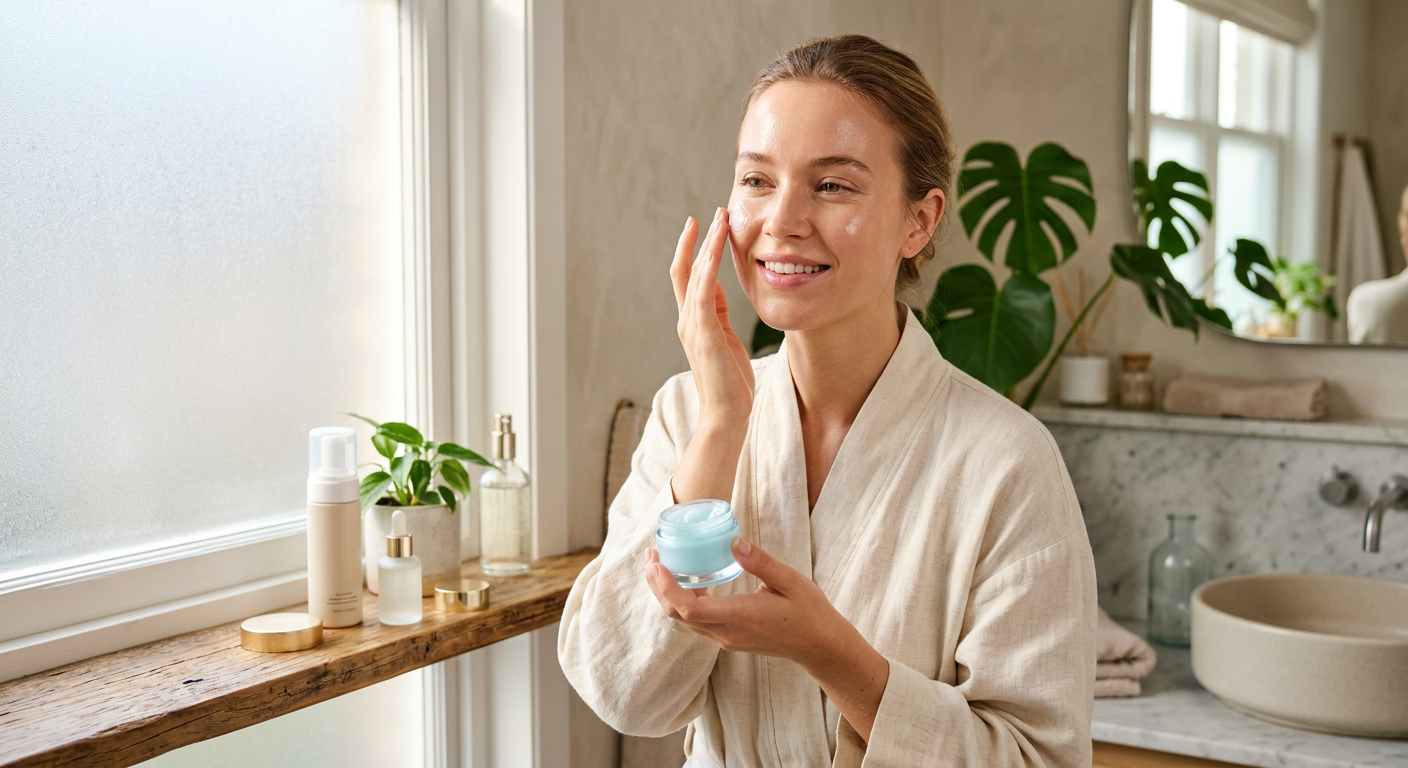
Versatility is the strongest case for gel creams. Lightweight formulas suit warmer months when heavier textures feel like too much, but they also hold up year-round for anyone who prefers a cooler, drier feel on the face, notes italiani.it. That adaptability is why they’re moving from seasonal purchase to permanent staple.
Even people who switch products by season can keep a gel cream in rotation. Heavier moisturizers may still have a place during colder months, but many people now prefer gel creams year-round because they play well with different climates, according to ThisDayLive. A practical approach: use your gel cream daily and layer additional hydration or a richer night cream only when your skin signals it needs more.
Apply your moisturizer twice a day, morning and night, as recommended by The Manual. Consistency does more for your skin barrier than any single product swap.
Key Takeaways and Next Steps
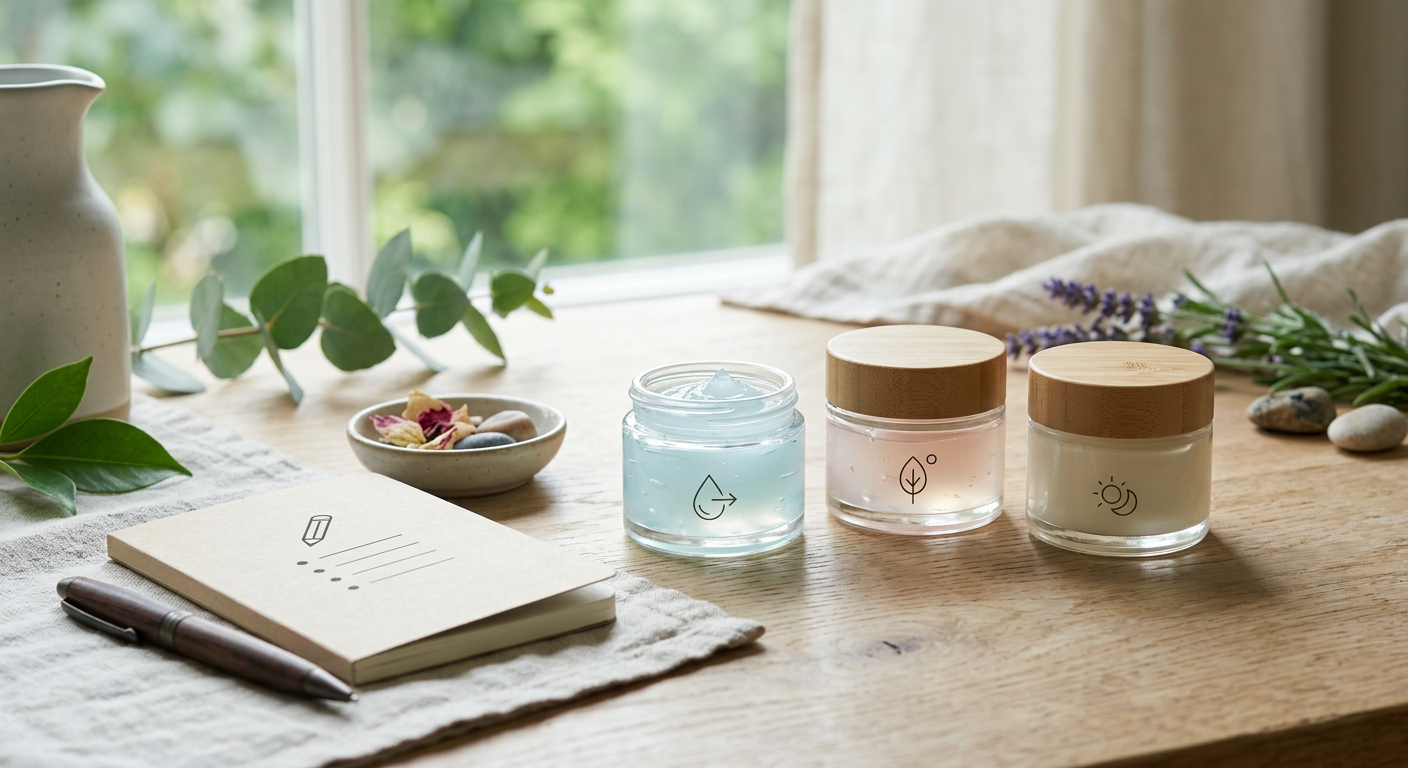
Gel creams have earned their place as year-round staples because they solve real, everyday problems: fast absorption, clean finish, easy layering, and hydration without heaviness. The market reflects that shift, with the aero gel creams category on track to more than triple to USD 7.0 billion by 2036, per Future Market Insights. What was once a summer fix is now a daily anchor for oily, combination, and normal skin.
Match your formula to your skin type, lean on humectant-rich ingredients like hyaluronic acid, and stay consistent morning and night. If you’re still swapping to a heavy cream every season out of habit, try keeping a well-formulated gel cream in your routine all year and adjust only when your skin asks for more. Read the ingredient list, pick a formula built for your skin type, and let performance guide the choice instead of the calendar.
Frequently Asked Questions
Can I use a gel cream in winter?
Yes. Many people now use gel creams year-round because they work across climates, according to ThisDayLive. If your skin feels tight in cold weather, layer a hydrating serum underneath or add a richer cream at night.
Are gel creams good for dry skin?
They can work, but very dry skin often needs the extra oil content of a cream. Dermatologists suggest those with dry skin may benefit from a richer moisturizer at all times, per The Manual. Layering a gel cream over a hydrating serum is a useful compromise.
What is the difference between a gel and a cream moisturizer?
Gel moisturizers are typically water-based and lightweight, while creams are emulsions that combine water with oil-based components, explains Chemist Confessions. Gels absorb faster and feel lighter; creams nourish and protect more richly.
Do gel creams work under makeup and sunscreen?
Yes. Their lightweight texture allows rapid absorption, making them suitable under sunscreen and makeup, according to ThisDayLive. That makes them a strong choice for daily makeup wearers.
What ingredients should I look for in a gel cream?
Look for humectants like hyaluronic acid and soothing agents like aloe vera, which hydrate without heaviness, notes Skin Glaze Beauty. Hyaluronic acid is especially valued for its hydrating and anti-aging properties.
Are gel creams only for oily skin?
No. They suit oily and combination skin especially well, but gel creams have become versatile enough for most skin types, as reported by italiani.it. Drier skin types may just need additional layering for comfort.