

Searches for beta-glucan in skincare grew 51% over the past year, according to Cosmetics Business. Numbers like that tend to precede a breakout, and beta-glucan has been building toward one for a while. It spent years buried in ingredient lists, doing real work without much recognition. That’s shifting in 2026. For anyone paying attention to barrier repair, calmer skin, and hydration that lasts, this ingredient is worth understanding.
What Is Beta-Glucan?
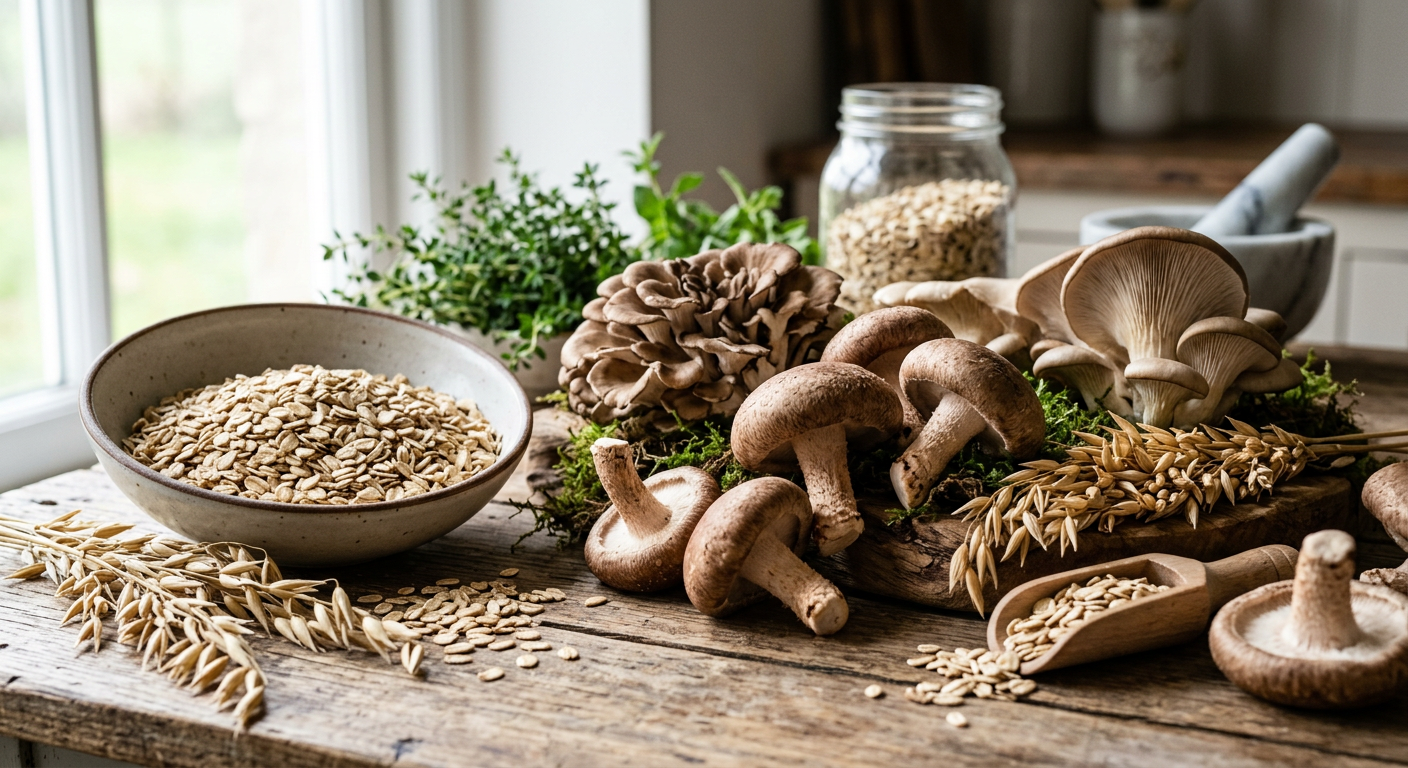
Beta-glucan is a polysaccharide, a type of carbohydrate, pulled from natural sources like oats, mushrooms, and certain yeasts. In skincare it acts as a biological soother rather than an aggressive active.
Aesthetic doctor Dr. David Jack described it to Vogue as “a molecule that interacts with receptors on immune cells in the skin, helping to modulate inflammation and support repair.” He calls it “a very calm, very competent first responder that puts out microscopic fires before they turn into visible redness or irritation.”
That gets at what separates beta-glucan from a lot of actives. It doesn’t force change through irritation. It talks to your skin’s own systems to bring down inflammation and speed up recovery.
Where Beta-Glucan Comes From
The compound turns up in fungi, bacteria, and algae, and it has a long medical track record for supporting heart health and immune function. Some formulas source it from oats, wheat, and barley instead.
For topical use, the water-soluble derivatives are the ones that matter. As Vexx Skincare notes, derivatives like carboxymethyl beta-glucan (CM-Glucan) were built specifically to work on skin, so both the source and the form affect how well it performs.
Why Beta-Glucan Is Trending in 2026
This isn’t a manufactured trend. It tracks a real change in how people think about their routines, away from harsh regimens and toward barrier health and skin that holds up over time.
Google Trends data shows a 30% jump in searches for “skin barrier repair” over the past year, per Cosmetics Business. People have gotten more skin-literate, and a lot of them have figured out that more actives and more exfoliation don’t add up to better results.
The Longevity Skincare Shift
A bigger pattern sits underneath this: people are starting to treat skincare as a health investment. The Boots 2026 Beauty and Wellness Trends Report, cited by Mibelle Biochemistry, found that 80% of adults now approach skincare as a long-term health investment, and nearly half adjust their routines specifically to manage sensitivity.
Beta-glucan lands right in the middle of that. It covers hydration, immunomodulation, antioxidant capacity, wound healing, and barrier repair at once, which makes it one of the more versatile actives available.
Is Beta-Glucan Good for the Skin Barrier?
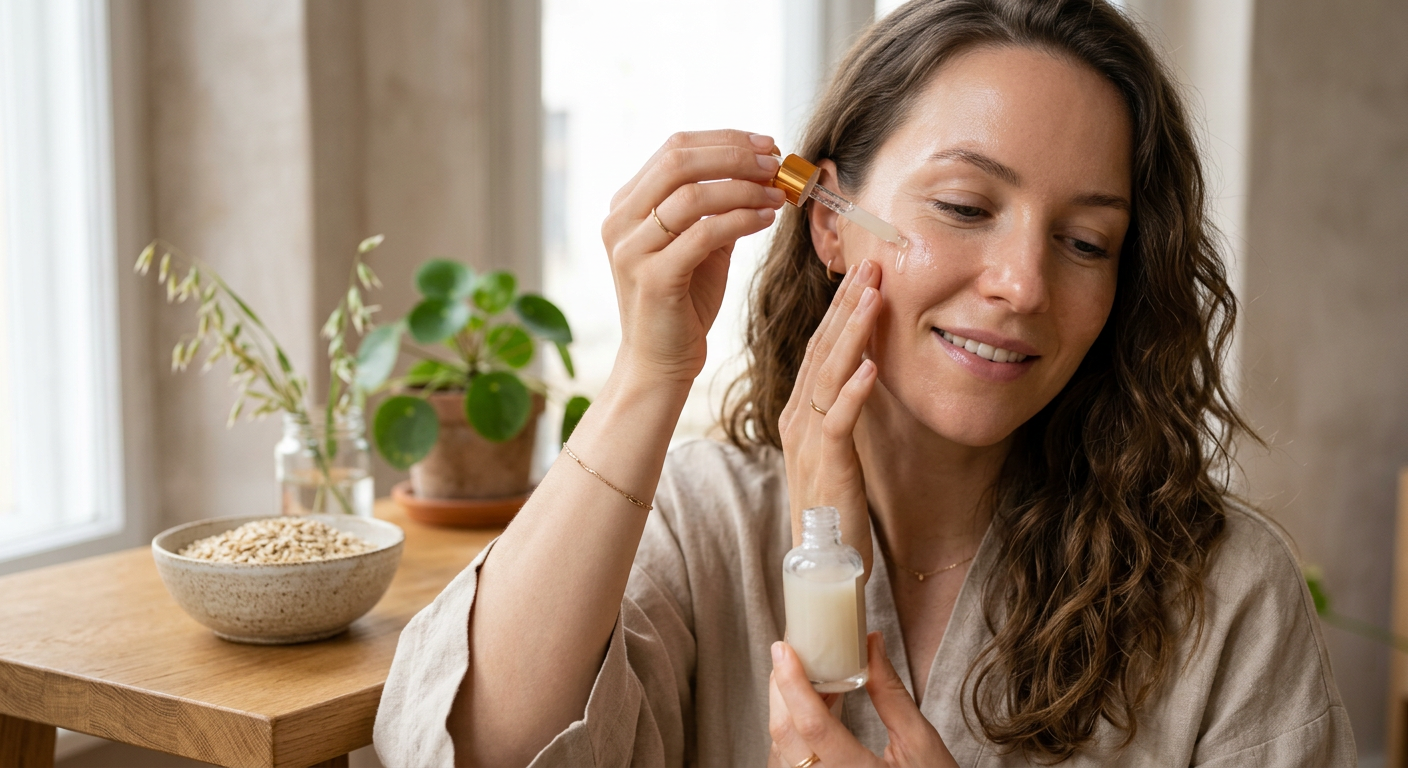
Yes. It’s shaping up as the barrier-repair standout of 2026, and its clinical record runs deeper than most ingredients having a moment.
Studies point to strong potential for anti-inflammatory action, barrier repair, moisturization, and protection against UV damage, per Cosmetics Business. It works by kicking the skin’s own repair processes into gear rather than just sitting on the surface.
Backed by Decades of Research
The timing is what makes beta-glucan unusual. Its clinical literature predates its trend moment by more than three decades, according to Mibelle Biochemistry. That long stretch of safety and tolerability data makes it a low-risk, high-evidence choice for formulators.
Research in the journal Carbohydrate Polymers confirms that β-glucan extracts function as high-value multifunctional ingredients for skin health. The science was there long before the marketing arrived.
Is Beta-Glucan a Good Moisturizer?
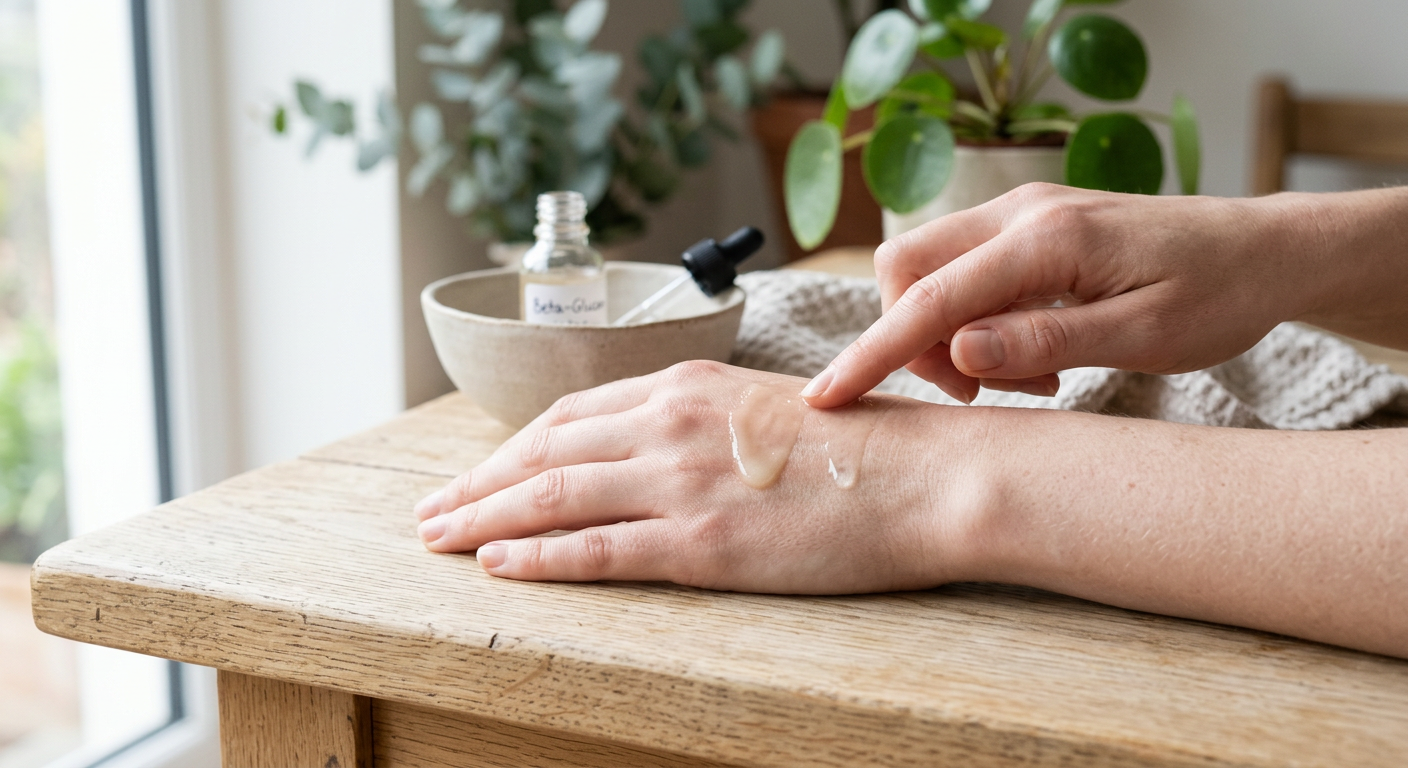
It’s an excellent hydrator, but it doesn’t work like the humectant most people already know: hyaluronic acid. Understanding the difference lets you get more out of both.
Hyaluronic acid pulls in water for immediate surface hydration. Beta-glucan works more slowly and more structurally, shoring up the skin’s ability to hold onto moisture over time. It also delivers deep hydration without the heavy feel hyaluronic acid can have at high concentrations, according to Impressive Magazine.
Beta-Glucan vs. Hyaluronic Acid
The point isn’t to pick one. Most experts recommend both. Here’s how they compare:
| Feature | Beta-Glucan | Hyaluronic Acid |
|---|---|---|
| Primary action | Barrier repair + soothing | Surface hydration |
| Hydration speed | Gradual, long-term | Immediate |
| Anti-inflammatory | Yes | Minimal |
| Best for | Sensitive, reactive, stressed skin | All skin types needing quick hydration |
| Works alongside | Hyaluronic acid, peptides, resveratrol | Beta-glucan, niacinamide |
Dr. Jack recommends running the two together for what he calls a “hydration powerhouse.” As he told Vogue: “Hyaluronic acid hydrates immediately, while beta-glucan reinforces resilience and water retention over time.”
Which Skin Types Should Use Beta-Glucan?
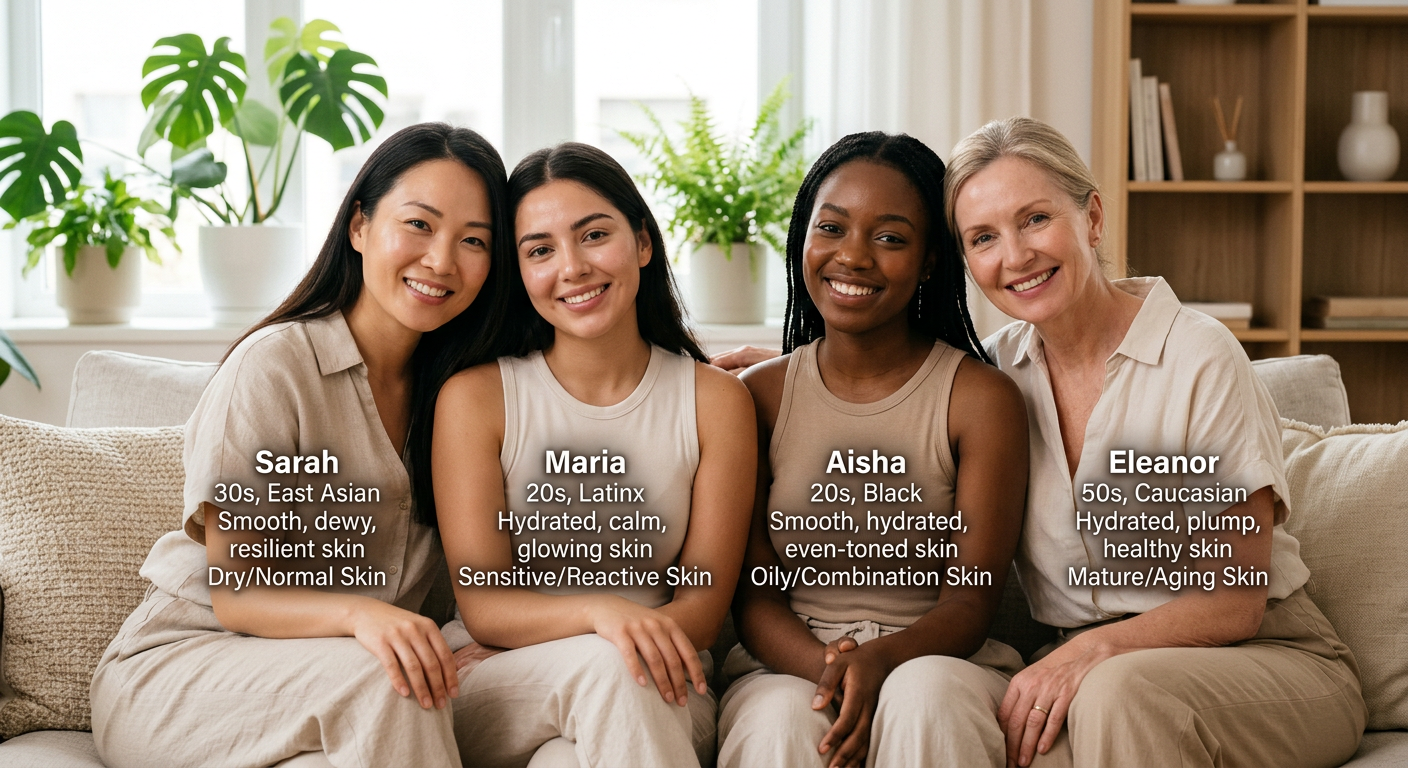
Beta-glucan is one of the few actives that suits almost everyone, though it does its best work for people with sensitive or compromised skin. Because it soothes without sensitizing, it’s a safe bet in situations where other actives would trigger a flare.
According to Pure Beauty, the ingredient works in harmony with the skin, which makes it a natural fit for sensitive, stressed, or compromised complexions. It calms visible redness, builds resilience, and improves overall comfort.
Best Candidates for Beta-Glucan
The benefit shows up across a wide range of skin. Reach for it if you have:
- Redness-prone or reactive skin that flares easily
- Dehydrated skin that needs lasting moisture
- A compromised barrier from over-exfoliation or harsh actives
- Sensitivity linked to conditions like atopic dermatitis
- Post-treatment skin recovering from cosmetic procedures
- Sun-damaged skin in need of repair support
It’s gentle enough to use on baby skin and sun-damaged skin alike, per Mibelle Biochemistry, which tells you how broadly tolerated it is.
How to Use and Shop for Beta-Glucan
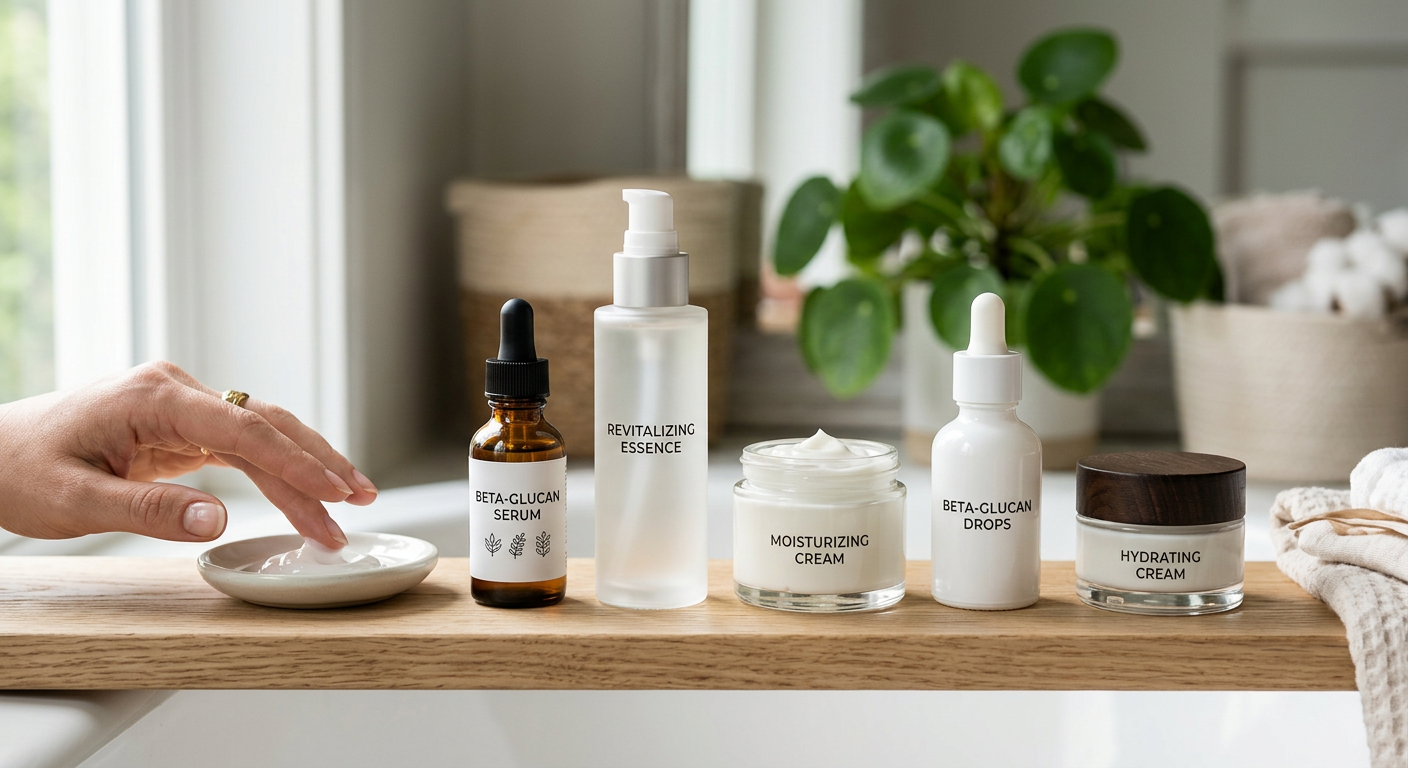
Beta-glucan shows up in serums, essences, moisturizers, and creams at every price point. Effective options exist for a few dollars, so you don’t have to spend at the luxury end to get it.
When you’re shopping, check the label for the specific derivative. If a formula lists carboxymethyl beta-glucan or CM-Glucan alongside the INCI name, that’s a sign of a transparent brand, as Vexx Skincare points out.
Products at Every Price Point
A few options from across the market, per Vogue:
- The Ordinary Natural Moisturizing Factors + Beta Glucan — around $6
- Mixsoon Bean Essence — around $22
- iUnik Beta-Glucan Power Moisture Serum — around $20
- Paula’s Choice Calm Repairing Serum — around $53
- Dr. Barbara Sturm Night Serum — around $330
For layering, apply beta-glucan on clean skin, follow with complementary hydrators like hyaluronic acid, and seal everything with a moisturizer. It plays well with peptides, niacinamide, and resveratrol, so it drops into most existing routines without fuss.
Key Takeaways

Beta-glucan has gone from supporting player to headline act, and the evidence holds up. It repairs the skin barrier, calms inflammation, and delivers deep, lasting hydration, all while staying mild enough for the most reactive complexions.
The three-decade research history and 51% search growth make it both credible and legitimately trending. Sensitive skin, a damaged barrier, or just a smarter approach to hydration: any of those is reason enough to give it a spot in your routine.
Start with an affordable serum or essence, pair it with hyaluronic acid to cover both short- and long-term moisture, and give your barrier a few weeks to respond. Read your labels, look for water-soluble derivatives like CM-Glucan, and build beta-glucan into your 2026 skincare strategy.
Frequently Asked Questions
What does beta-glucan do for your skin?
Beta-glucan soothes inflammation, supports barrier repair, and provides long-lasting hydration by prompting the skin’s own repair processes. It also offers antioxidant protection and helps reduce visible redness, which makes it especially useful for sensitive or stressed skin.
Can I use beta-glucan with hyaluronic acid?
Yes, and experts actively recommend it. Hyaluronic acid delivers immediate hydration while beta-glucan reinforces resilience and water retention over time, so you get both short-term and long-term benefits.
Is beta-glucan better than hyaluronic acid?
Neither is strictly better; they do different jobs. Hyaluronic acid handles fast surface hydration, while beta-glucan adds barrier repair and anti-inflammatory action, so using them together gives the most complete result.
Is beta-glucan safe for sensitive skin?
Beta-glucan is one of the safest actives for sensitive skin, with decades of clinical research behind its tolerability. It works gently in harmony with the skin, which is why it suits reactive, compromised, and post-treatment complexions.
How long does beta-glucan take to work?
Some hydration and soothing benefits show up fast, but the barrier-strengthening effects build gradually over several weeks of consistent use. Beta-glucan is made for long-term skin resilience rather than instant results.
What should I look for on a beta-glucan product label?
Look for the specific derivative and its INCI name, such as carboxymethyl beta-glucan or CM-Glucan, which points to a water-soluble form developed for topical use. Clear labeling is a good sign of formulation transparency and quality.