

You’ve got the basics down: cleanse, moisturize, maybe a serum. But a hydrating step that plenty of people dropped years ago is back on bathroom shelves. Essence toners are trending again, carried along by a wider move toward gentle, layered hydration and the staying power of K-beauty. If you’ve ever stared down a skincare aisle trying to figure out whether you need a toner, an essence, or both, this guide sorts it out: where these products go, how to layer them, and how to land on plump skin instead of tight, stripped skin.
Why Essence Toners Are Making a Comeback
Toners used to have a reputation problem. For decades they were harsh, alcohol-based astringents sold on the promise of “tightening pores,” which mostly meant quietly wrecking your skin barrier. That version of the toner is dead.
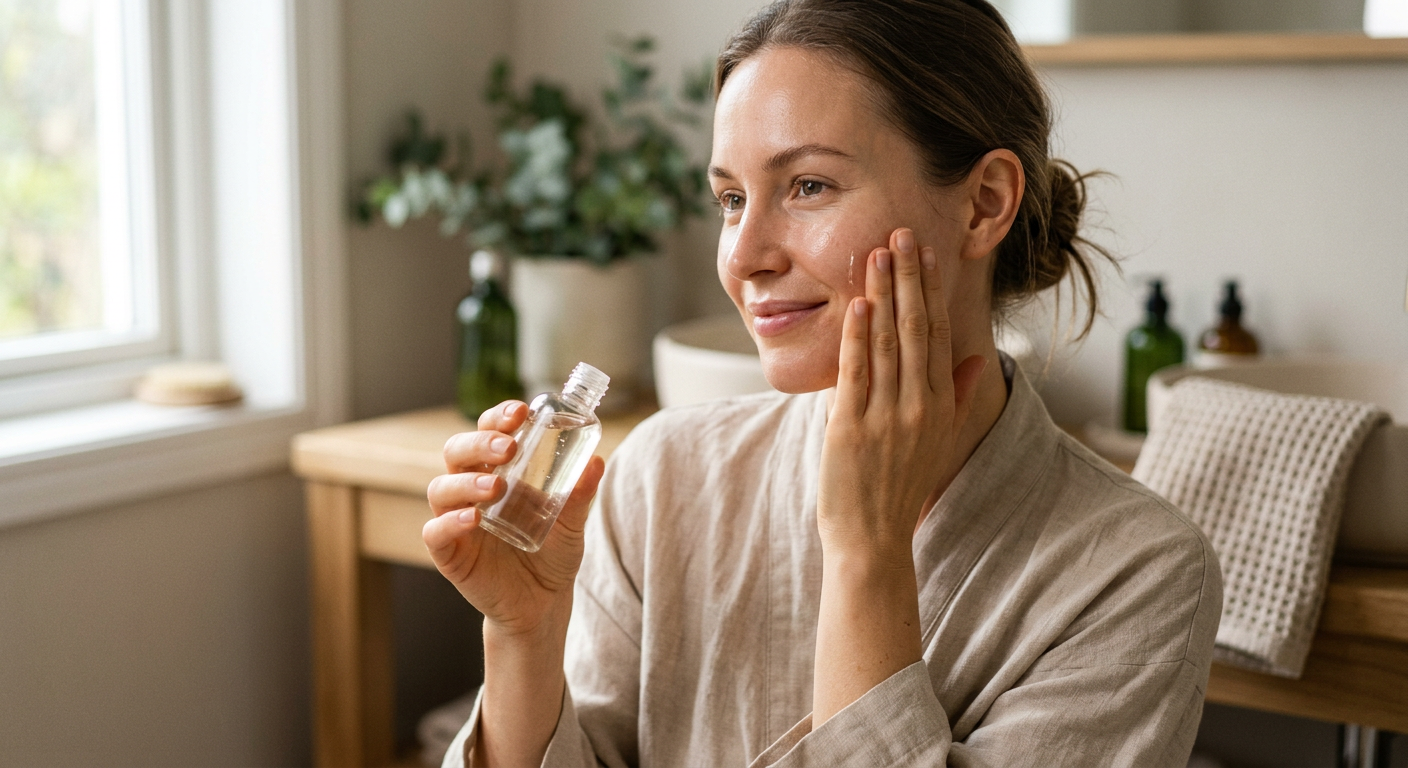
The formulas you’ll find now are gentle, usually alcohol-free, and packed with hydrating and soothing ingredients, as Farmacy Beauty points out. The category shifted from a stripping step to a hydrating one, which is a big part of why it’s picking up steam again.
The bigger push comes from how people think about skincare now. In 2026, routines lean mindful, minimalist, and skin-first, according to Pravada Private Label. The appetite is for gradual hydration and barrier support instead of aggressive treatments, and essence toners fit that bill.
Toner vs. Essence: What’s the Difference?
People use the terms interchangeably, but they do different jobs. Sorting out the distinction is what tells you whether you need one or both.
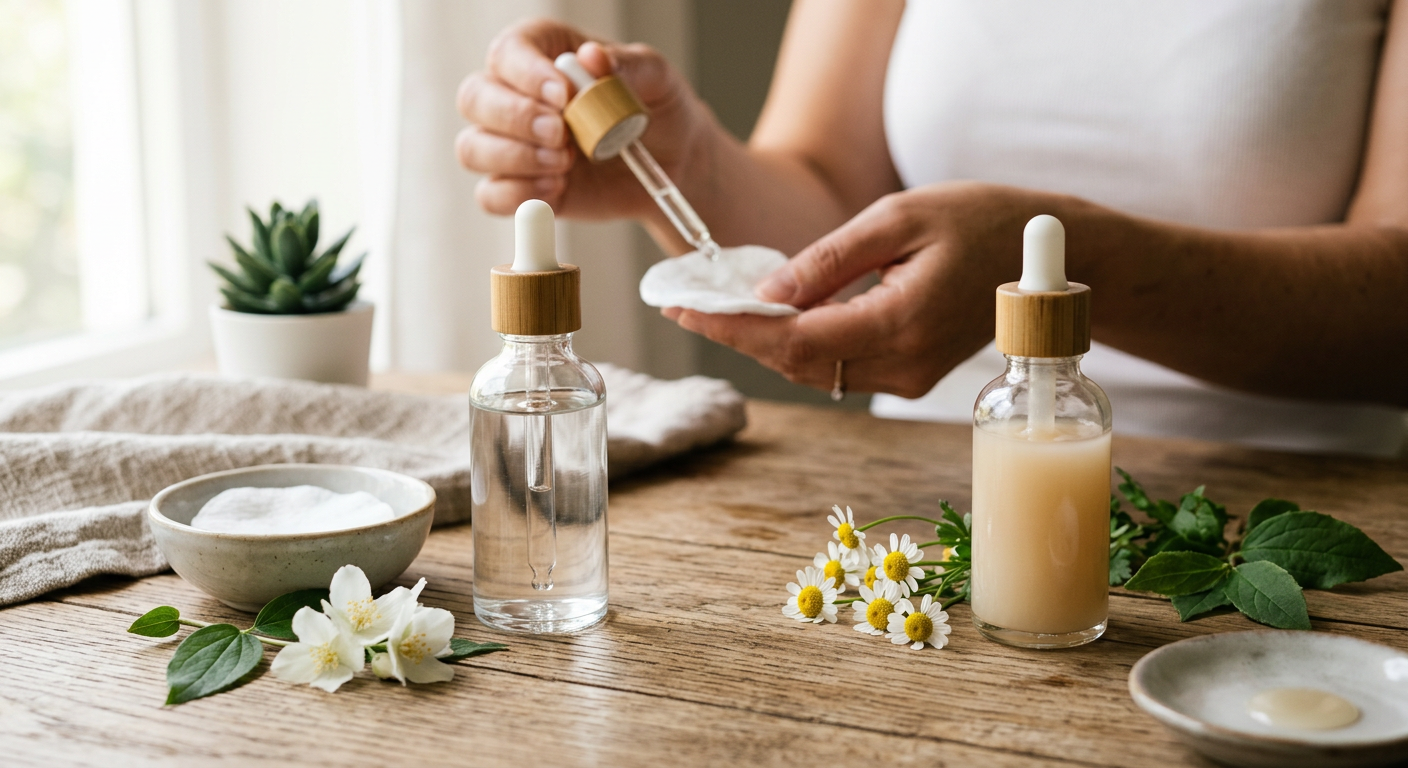
Toners prep and rebalance your skin’s pH after cleansing. Essences focus on deep hydration and helping whatever you apply next absorb better. Korean skincare expert Alicia Yoon, founder of Peach & Lily, told Vogue that toners balance the skin’s pH while essences boost hydration levels. Both leave skin looking plump and luminous.
Differences at a Glance
| Feature | Toner | Essence |
|---|---|---|
| Primary job | Rebalance pH, prep skin | Deliver deep hydration |
| Texture | Watery, lightweight | Watery to slightly viscous |
| When to apply | Right after cleansing | After toner, before serum |
| Key benefit | Preps skin for absorption | Boosts hydration and product absorption |
| Origin of modern hype | Traditional Western step, now gentler | Popularized by K-beauty |
What an “Essence Toner” Actually Is
Some products sit right on the line and get marketed as “essence toners” or hydrating toners that do both jobs at once. These hybrids are watery, humectant-rich formulas that rebalance and hydrate in a single step. They’re a solid pick if you want both benefits without buying two separate bottles.
Where Essence Toners Fit in Your Routine
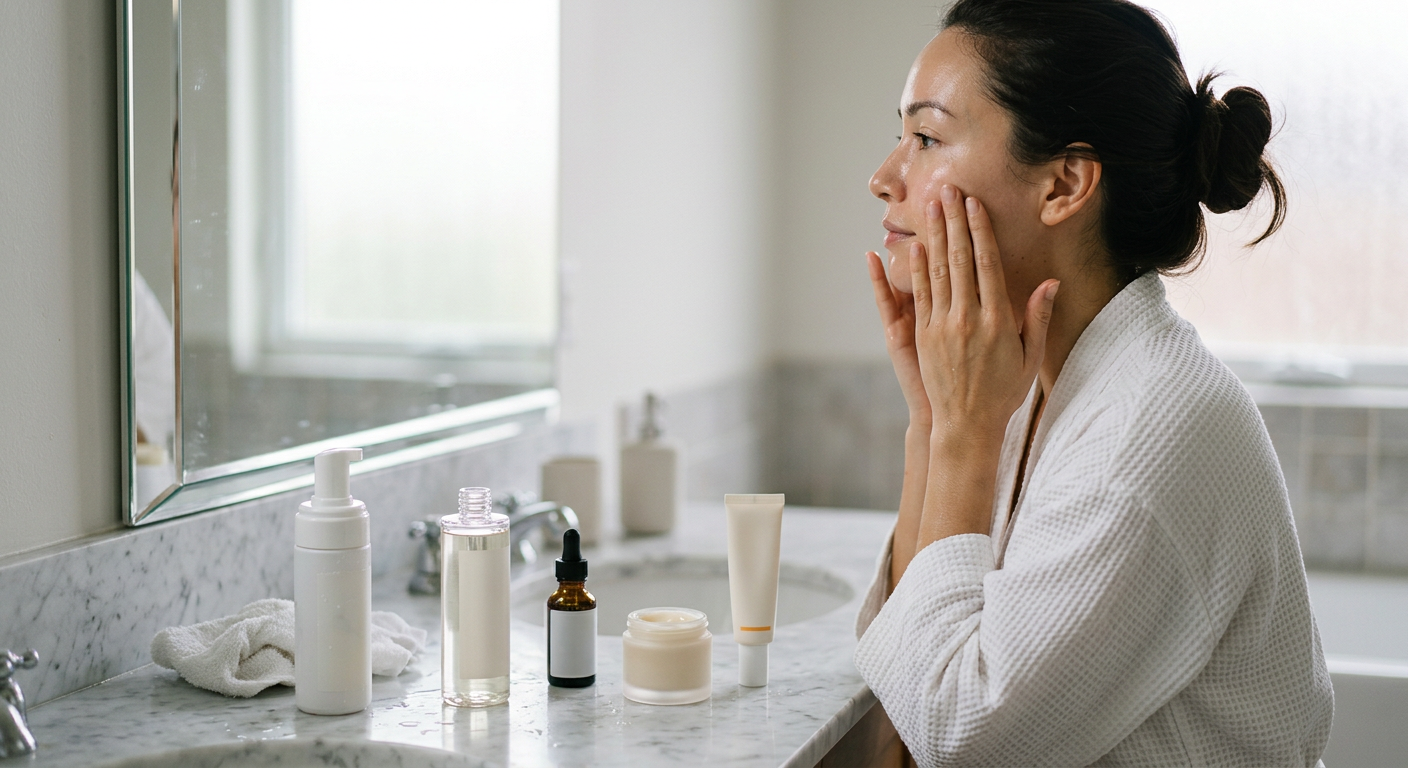
Order matters. Essence toners go early, right after cleansing and before the heavier stuff.
The standard sequence is simple: cleanse, apply toner, apply essence, then follow with serum, moisturizer, and SPF in the morning. The regulars on r/AsianBeauty back up the classic approach: toner goes on first after cleansing, let it absorb, then layer the essence on top.
The Correct Layering Order
- Cleanse — remove dirt, oil, and sunscreen
- Toner — rebalance pH and prep skin
- Essence — deliver a hydration boost
- Serum — target specific concerns
- Moisturizer — seal in hydration
- SPF (AM only) — protect the barrier
When you’re layering both a toner and an essence, The Ordinary suggests applying them in order and giving each one a moment to absorb before the next. Rush it and you lose the benefit.
How to Layer for Maximum Hydration
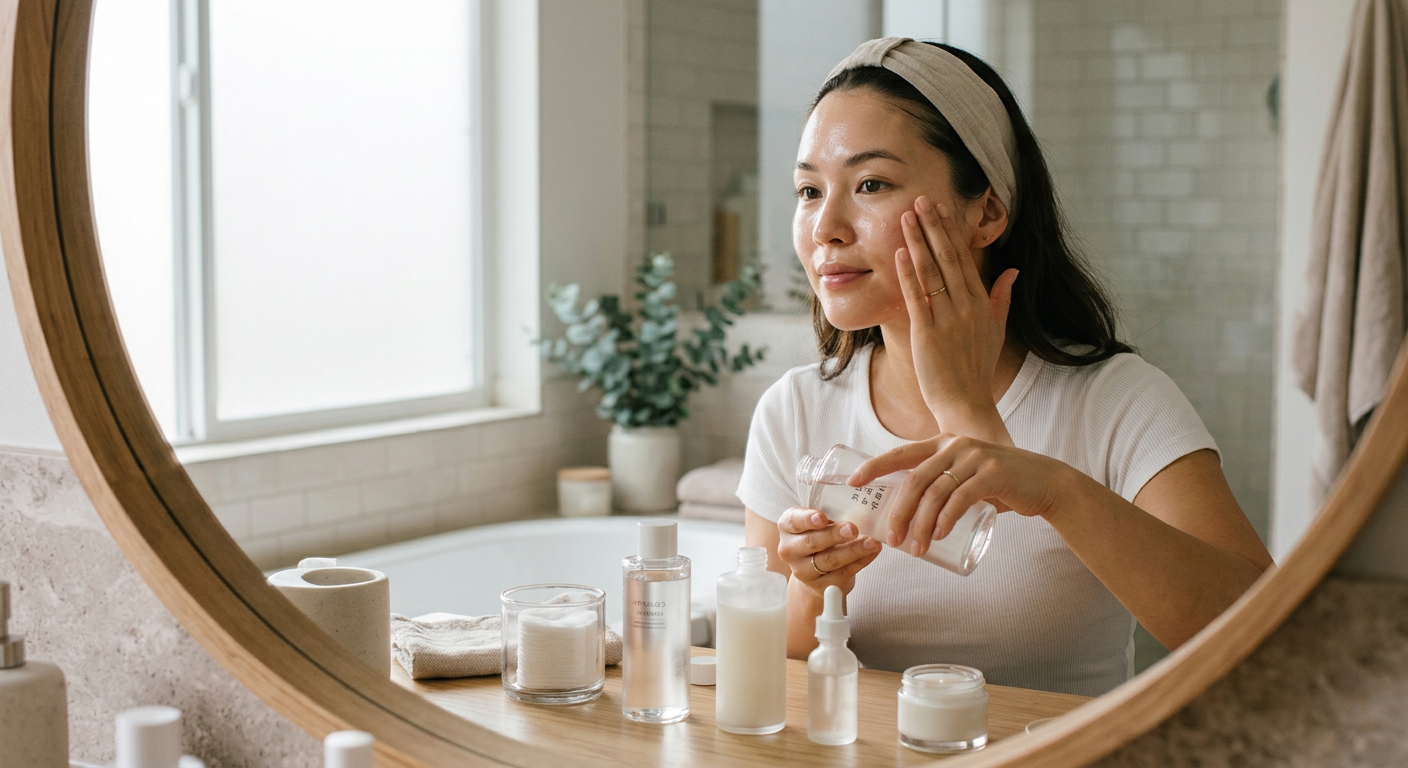
The layering trend runs deeper than a single essence step. Toner layering, borrowed from K-beauty’s famous 7-skin method, is having a modern moment.
The original 7-skin method meant applying up to seven layers of toner. Newer takes are looser and more science-forward, according to Pravada Private Label. The current version usually runs two or three layers of lightweight hydrating toners or essences, building moisture in stages.
The Modern Layering Method
- Apply your first layer of toner or essence to damp skin
- Pat gently until it absorbs, then apply the next layer
- Repeat for two to three layers total
- Stop when skin feels hydrated but not tacky
- Follow with your serum and moisturizer to lock everything in
The result is balanced, plump, resilient skin without the weight that comes with richer creams. It works especially well for dehydrated or dry skin that has trouble holding onto moisture.
Do You Actually Need Both?
Not everyone needs a separate toner and essence. The answer comes down to your skin and how much complexity you’re willing to manage.
Using both gives you complementary benefits, but a well-made hydrating toner or essence toner can handle both jobs on its own. If your skin runs oily or combination and stays fairly balanced, one hydrating step is usually plenty. If your skin is dry, dehydrated, or you just enjoy the ritual, running both makes sense.
Match Your Routine to Your Skin
- Dry or dehydrated skin: Use both, and consider layering two to three times
- Oily or combination skin: One lightweight hydrating toner is usually sufficient
- Sensitive or compromised barrier: Choose a gentle, alcohol-free essence and keep the routine minimal
- Beginners: Start with a single hydrating toner and build from there
The pull toward minimal routines keeps growing among skincare pros. On a Face The Future episode about 2026 trends, the experts laid out the case for stripped-down steps: a gentle cleanser, SPF, and a bit of essence, all aimed at barrier support rather than stacking product after product.
What to Look for in a Formula
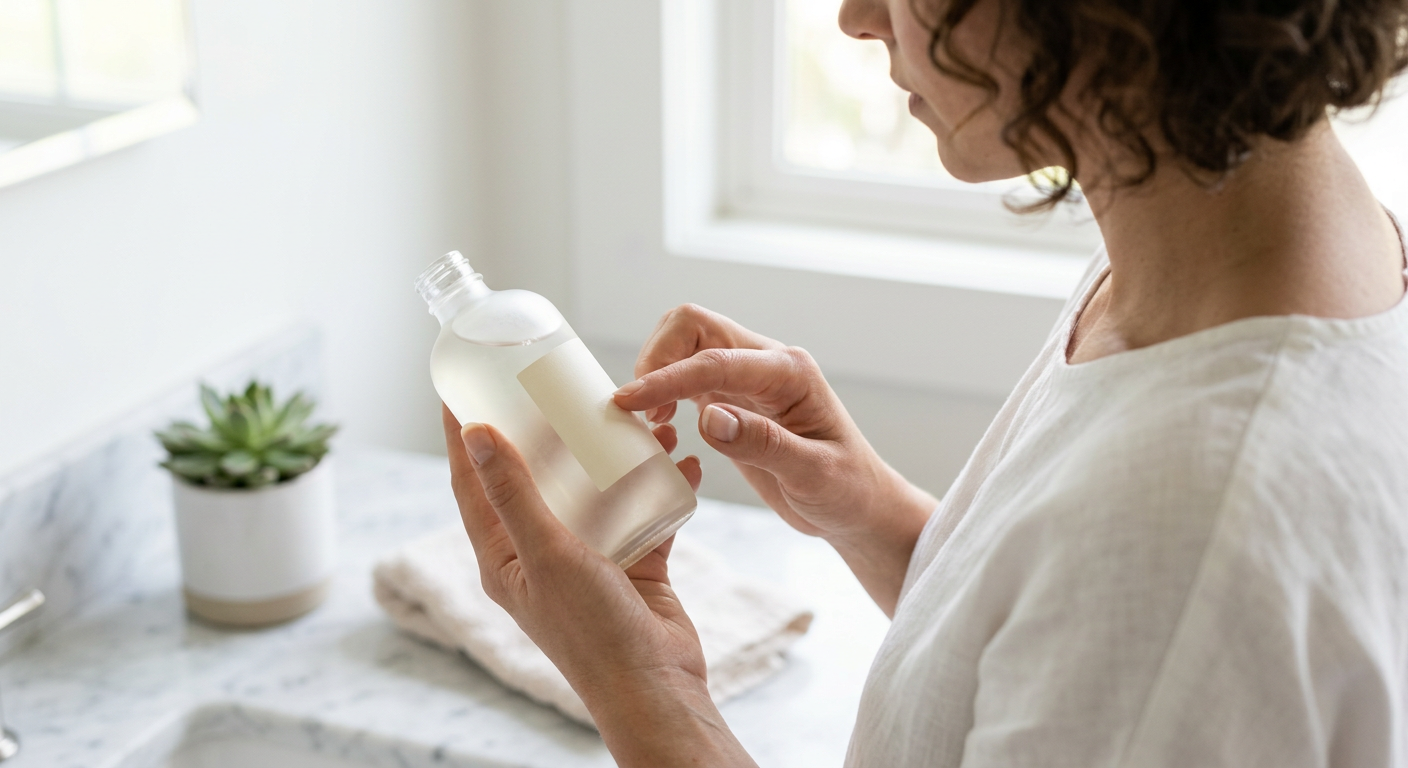
The ingredient list decides whether an essence toner earns a spot in your routine. Prioritize hydration and barrier support.
Look for lightweight humectants like hyaluronic acid, glycerin, and beta-glucan, which pull moisture into the skin. Fermented ingredients like saccharomyces ferment show up often in essences and support a healthy, radiant complexion. Barrier repair is a defining feature of the newest formulas, per Pravada Private Label’s 2026 outlook.
Steer clear of high concentrations of denatured alcohol, strong astringents, and heavy fragrance if your skin runs sensitive. The whole point of the modern essence toner is gentle, cumulative hydration, so a stripping formula works against you.
Conclusion: Build a Routine That Fits Your Skin
Essence toners are trending again because they answer a real question: how do you hydrate deeply without weighing skin down? The modern take favors gentle, alcohol-free formulas layered with some thought, rather than harsh astringents used out of habit.
Keep the essentials straight: toners rebalance and prep, essences hydrate and boost absorption, and both go early in your routine after cleansing. Whether you stick to one product or layer two or three, match the routine to your skin type and keep barrier health at the top of the list.
Want to build yours? Start with a single gentle, hydrating toner or essence, watch how your skin responds over two weeks, and add layers only if it still feels thirsty.
Frequently Asked Questions
Q: What is the difference between a toner and an essence?
A toner rebalances your skin’s pH and preps it after cleansing, while an essence focuses on delivering deep hydration. Both help the products that follow absorb more effectively and leave skin looking plump and luminous.
Q: Do I apply toner or essence first?
Apply toner first, immediately after cleansing, and let it absorb. Then layer your essence on top before moving on to serums and moisturizer.
Q: Can I use an essence toner instead of both products?
Yes. Many hybrid or hydrating toners combine the balancing and hydrating functions in one step, which is ideal if you prefer a minimal routine or have oily to combination skin.
Q: How many layers of toner should I apply?
Modern toner layering typically uses two to three layers, not the original seven. Apply each to damp skin, pat until it absorbs, and stop when your skin feels hydrated but not tacky.
Q: Are essence toners good for oily skin?
Yes, as long as you choose a lightweight, alcohol-free formula. Oily and combination skin types often do well with a single hydrating step rather than multiple heavy layers.
Q: When should I use an essence toner, morning or night?
You can use it both morning and night. In the morning, follow it with serum, moisturizer, and SPF; at night, follow with your treatment products and moisturizer.