

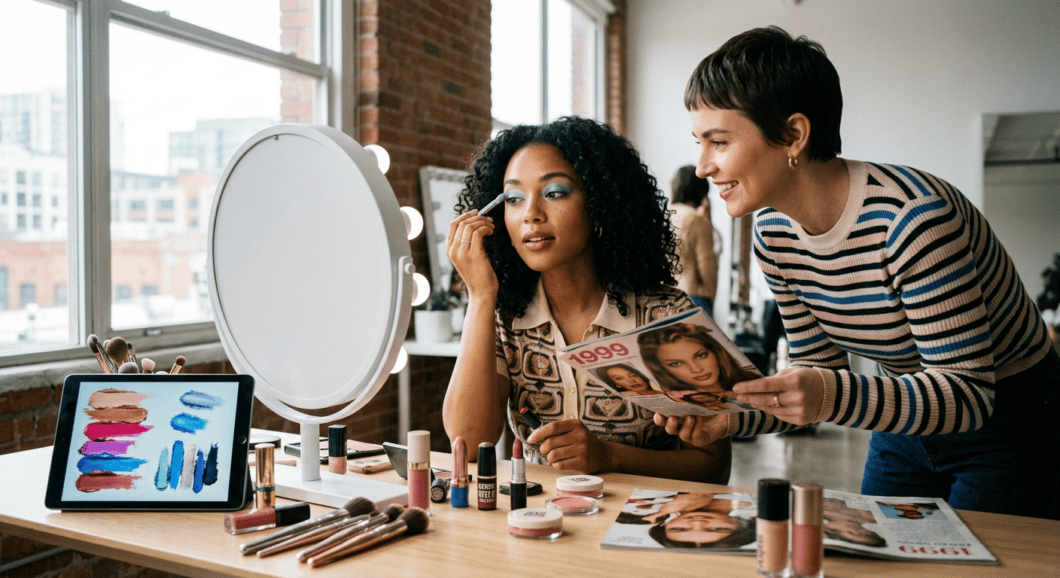
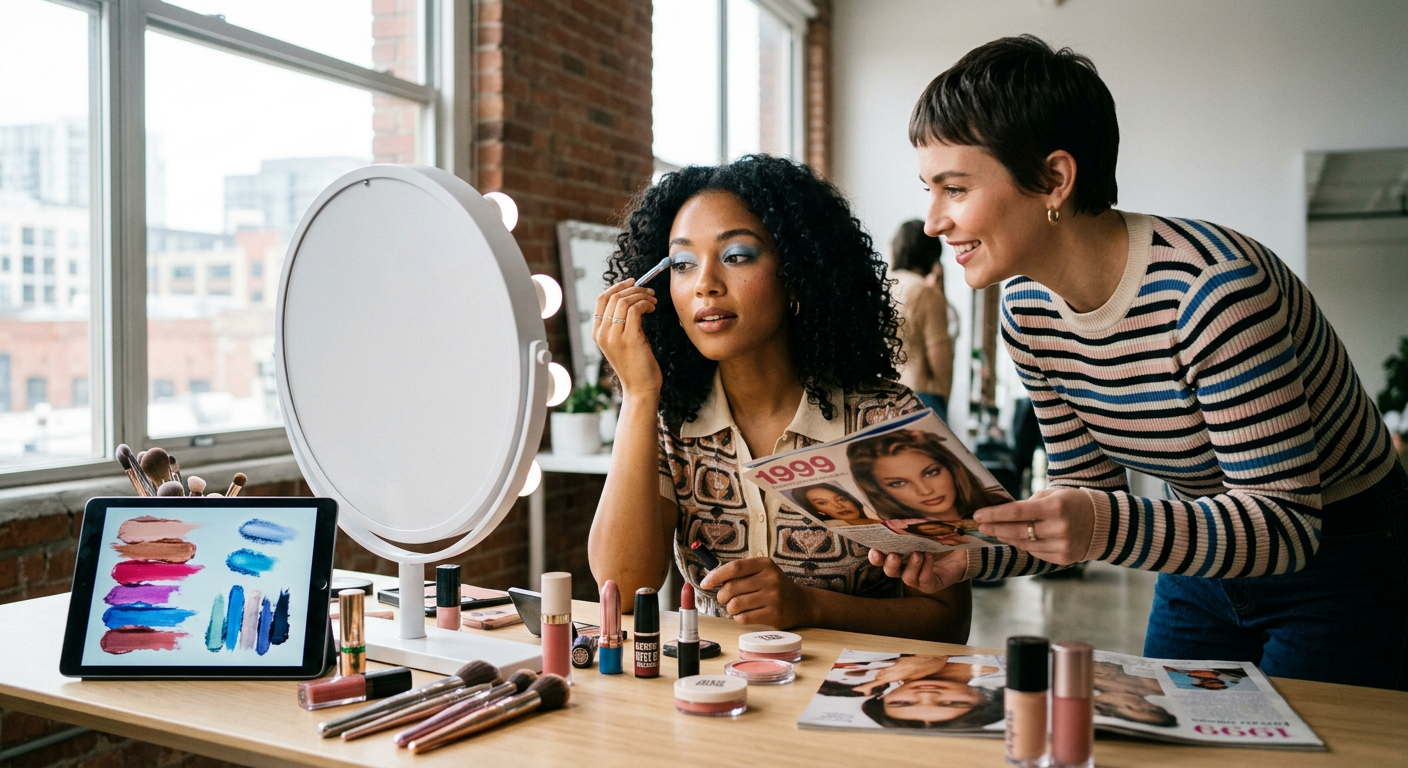
Some of 2026’s most popular beauty looks are being driven by memories people never actually had. Gen Z shoppers are chasing the frosted lids, glossy pouts, and draped blush of the early 2000s and ’80s, eras many of them were too young to experience firsthand. Nostalgia has become the single most powerful force shaping beauty in 2026, and it’s rewriting how brands, makeup artists, and consumers define what counts as new.
This isn’t a passing aesthetic. It’s a direct response to trend fatigue, faster cultural cycles, and a collective desire for looks that feel emotionally familiar. Below, I break down why nostalgia dominates the year’s biggest beauty trends and how to tap into it yourself.
The Psychology Behind the Nostalgia Boom
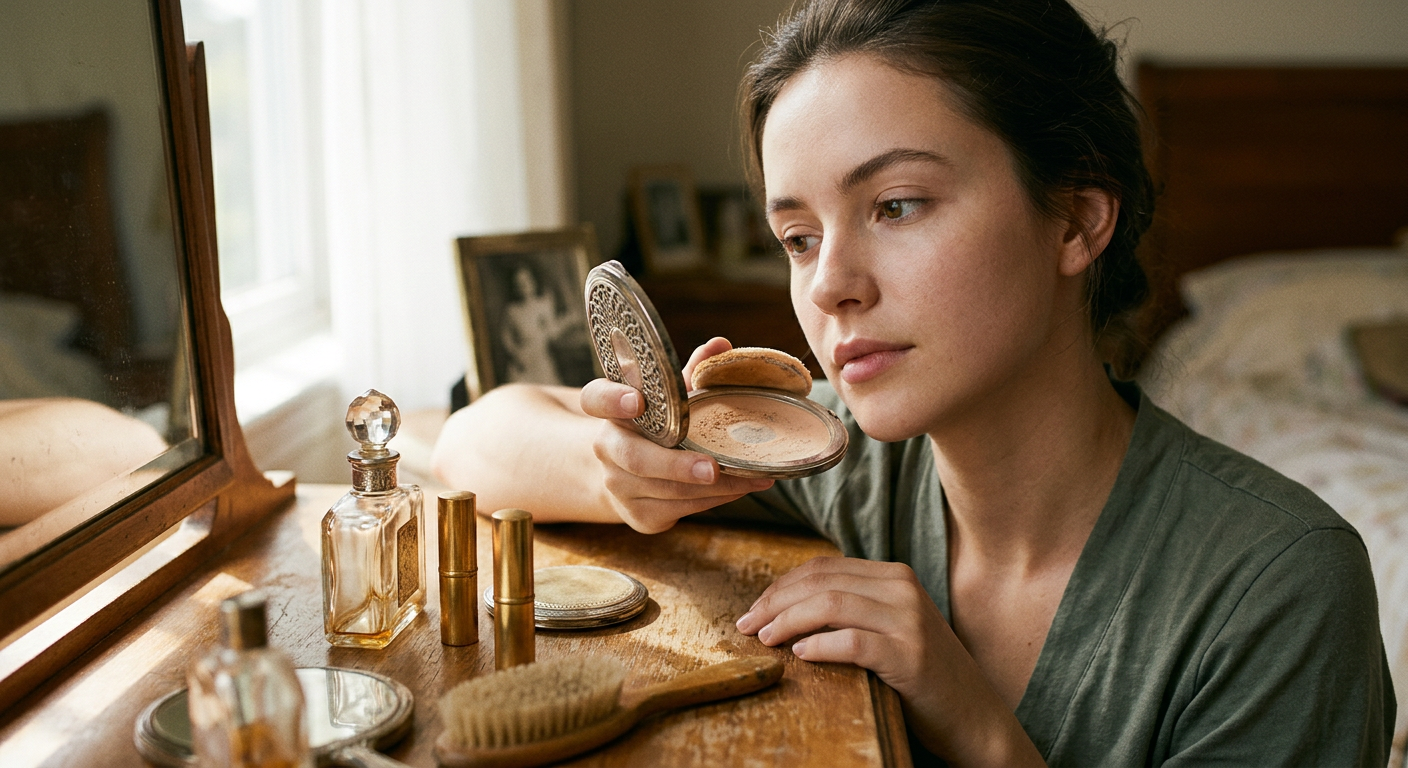
Nostalgia in beauty isn’t simply about copying the past. Much of the current wave comes from what one beauty commentator on Mixed Makeup calls “nostalgia for something they never experienced,” invented memories of eras younger consumers know only through images and video.
That gap creates opportunity. Older millennials and Gen X consumers who actually lived through these trends now serve as cultural reference points, while Gen Z reinterprets the looks on its own terms. The result is a mix of authentic recall and imaginative reinvention.
Exhaustion plays a role too. Pinterest’s Predict Report for 2026, cited by Allure, found that trends now evolve 4.4 times faster than they did seven years ago. That constant churn burns people out, and nostalgia offers relief, a return to looks that feel grounded and personal rather than dictated by an algorithm.
The 10-Year Beauty Cycle Is Back in Effect
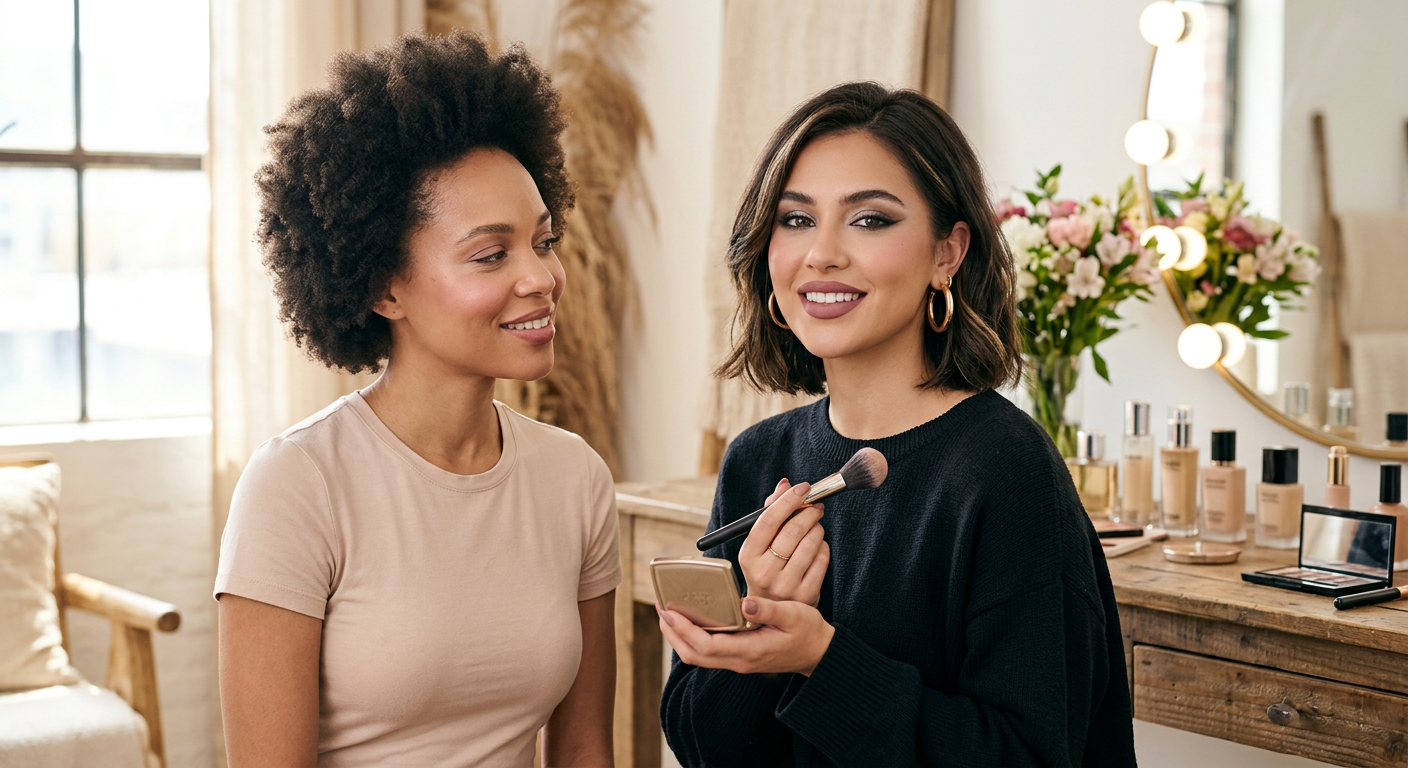
Beauty has always moved in roughly decade-long cycles, and 2026 confirms the pattern is alive. Makeup artist Alexandra French, quoted in Allure, predicts “the 10-year beauty cycle go into effect—a lot of 2016-style full glam but done much better.”
The heavy contour, cut crease, and bold brow of the mid-2010s are back, but with refined technique and better formulas. Execution makes the difference. Modern products deliver those dramatic looks without the cakey finish that dated the originals.
From Clean Girl to Bold Expression
The bigger shift is directional. Celebrity makeup artist Lila Childs told Who What Wear that 2026 marks “a deviation from the clean-girl aesthetic.” The era of slicked-back buns and no-makeup makeup is ending.
Statement color and drama are taking its place. Nostalgia does double duty here: it gives people permission to experiment while offering the comfort of looks they already recognize.
Y2K and the 2000s Revival Dominate Makeup
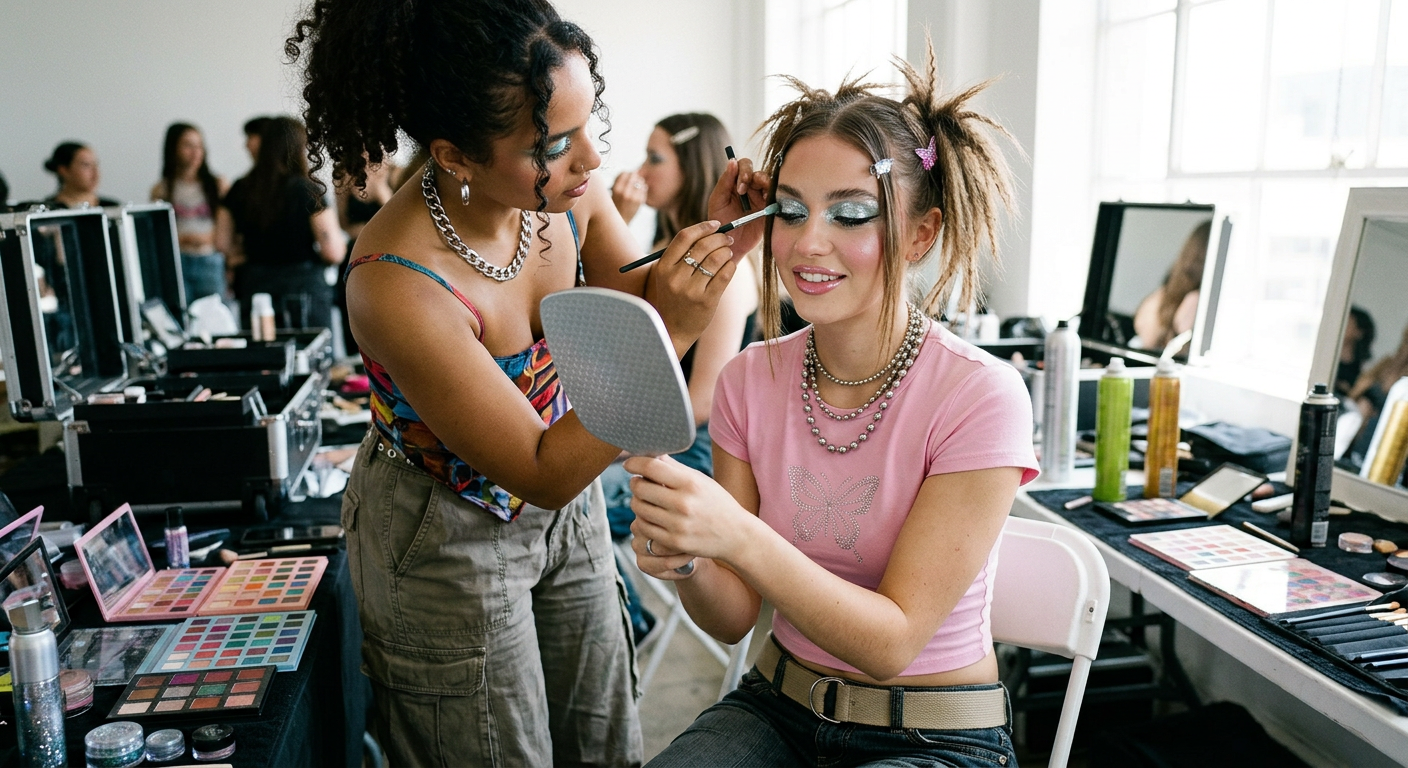
If one era defines 2026’s nostalgia trend, it’s the early 2000s. As Who What Wear puts it, “2026’s top beauty trends are coming straight out of 2006.”
Expect frosted and metallic lids, glossy lips, pastel eyeshadow, and the return of draped blush, the technique of sweeping color from the cheek up toward the temple. Allure notes a growing fascination with “the pastel lips and draped blush” of past decades, which points to a broad appetite for retro finishes.
Skincare sensibilities shape how these looks translate now. Research from Sensient Beauty describes the “soft matte” trend as “Gen Z nostalgia for early-2000s makeup combined with post-pandemic skincare sensibilities.” In practice, that means finishes that blur imperfections while keeping skin hydrated and comfortable: hold without the dryness.
’80s Hair Makes a Nostalgia-Fueled Comeback
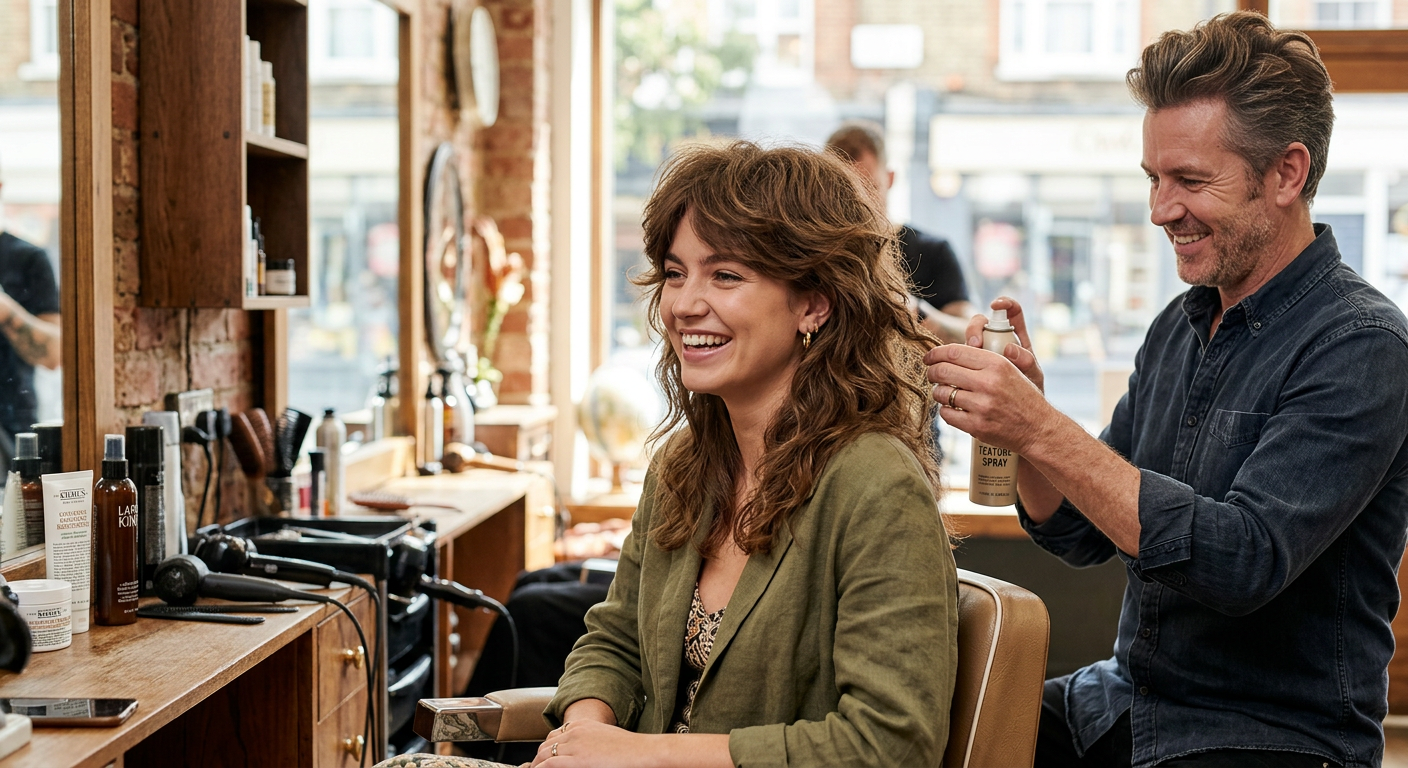
The ’80s are having a moment, particularly in hair. Celebrity hairstylist Larry King, whose clients include Jared Leto and Sienna Miller, told Vogue that he’s seeing the trend show up in salons and on red carpets.
King is blunt about the cause: “It’s because of social media and it’s coming from a lot of youngsters that have been locked into nostalgia—’80s hair has been driven by nostalgia.” Volume, texture, and drama define the movement, which showed up backstage at shows like Roberto Cavalli’s spring 2026 collection.
Nostalgia Without the Literal Throwback
Reinterpretation matters more than replication. Consumers aren’t after exact copies of past decades. They want emotional familiarity styled for now.
That principle extends beyond hair into fashion and footwear. As one industry leader told Yahoo, “Young consumers aren’t looking for a literal throwback—they’re taking pieces with emotional familiarity and styling them in a way that feels new, personal, and culturally current.”
2026 Nostalgia Trends at a Glance
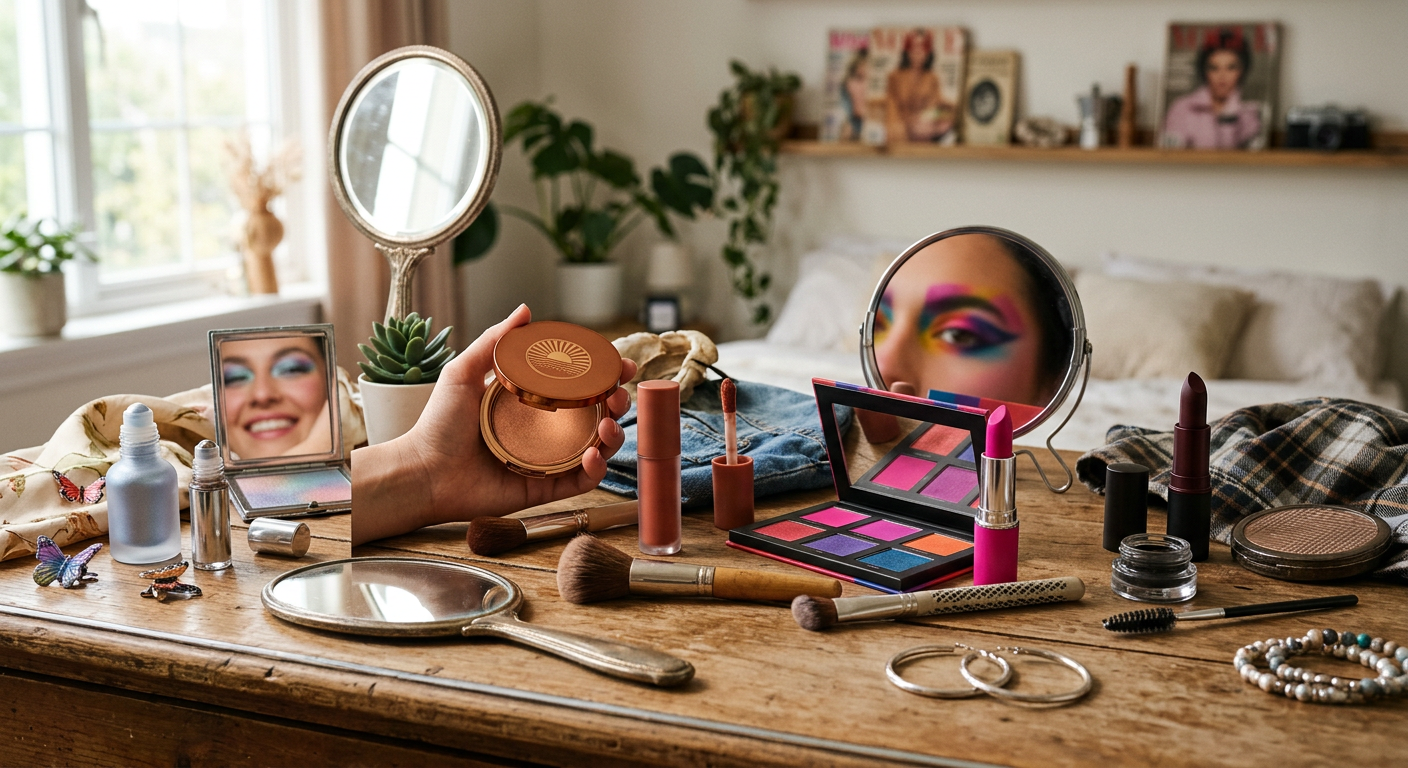
A quick reference to the biggest nostalgia-driven beauty trends of 2026 and their retro origins:
| Trend | Era of Origin | 2026 Update |
|---|---|---|
| Frosted & metallic lids | Early 2000s (Y2K) | Skin-friendly formulas, buildable shimmer |
| Draped blush | 1970s–1980s | Softer placement, hydrating textures |
| Full glam | 2016 | Refined technique, seamless blending |
| Volume ’80s hair | 1980s | Modern styling products, lived-in finish |
| Soft matte lips | Early 2000s | Hydration meets hold, humidity-resistant |
| Bold colorful eyes | 2000s–2010s | Statement color over clean-girl minimalism |
Treat this as a starting map. Pick one or two references that feel authentic to you rather than adopting everything at once.
How to Wear the Nostalgia Trend in 2026
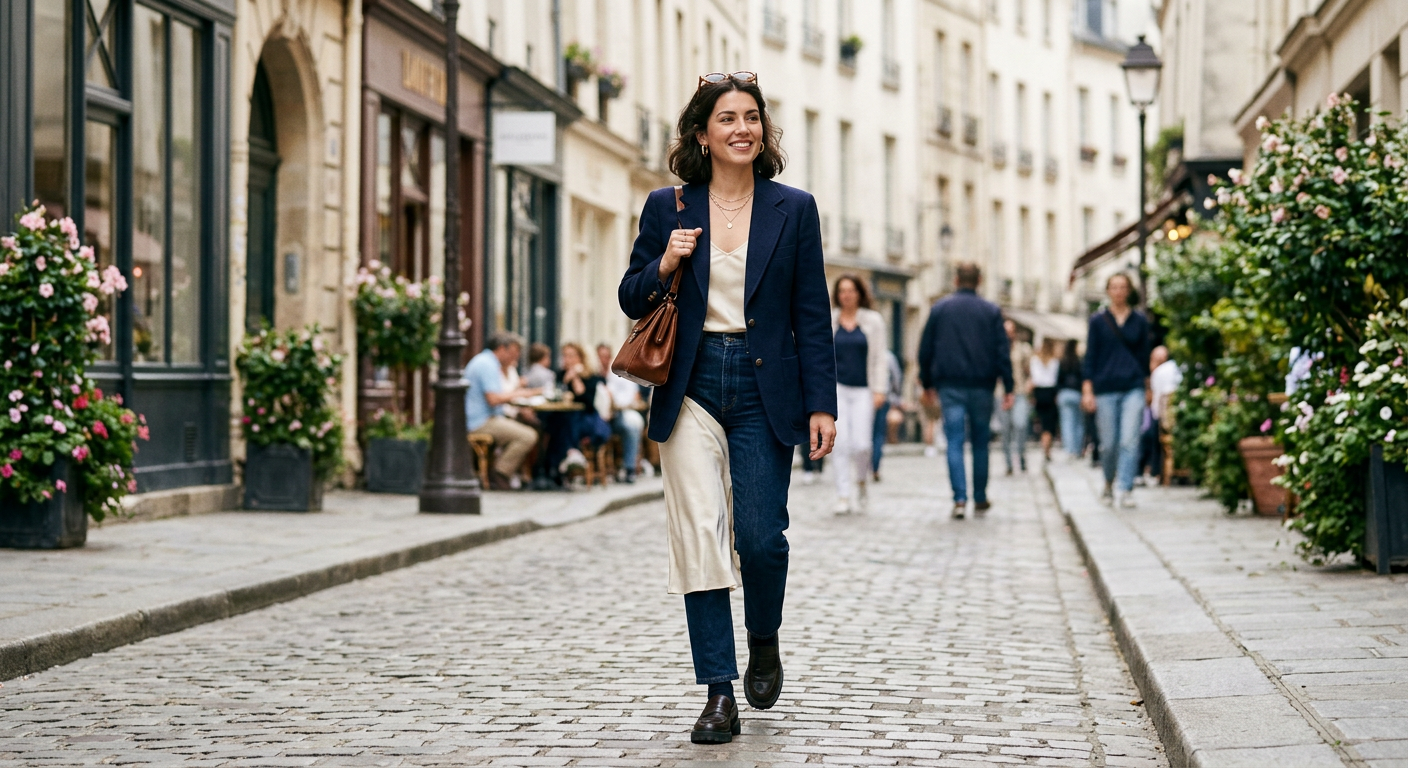
The smartest way to embrace nostalgia is to curate, not copy. Pinterest’s 2026 report, via Allure, found people are “fighting trend fatigue by curating, not copying… embracing looks that feel true to who they are or they aspire to be.”
Start with a single hero element. A frosted lid or a glossy lip delivers instant retro impact without committing to a full period look. Pair it with modern skin prep so the finish reads intentional rather than dated.
Lean on Better Formulas
These looks work now because of product innovation. As Get The Gloss notes, the goal is a look “nostalgic enough to evoke fond memories, but not so old that it feels vintage or outdated,” a “lived-in” effect that’s softer and more flattering.
Choose hydrating matte lip products, buildable cream blushes, and shimmer that catches light without emphasizing texture. The difference between costume and current lives in the formula.
Conclusion: Nostalgia Is the Framework, Not the Fad
Nostalgia is more than a 2026 beauty trend. It’s the framework shaping nearly every major look this year. From Y2K frosted lids and draped blush to ’80s volume and 2016-style full glam, consumers are reaching backward to move forward, pushed by trend fatigue and a hunger for emotional familiarity.
The lesson for anyone navigating these trends is consistency: reinterpret rather than replicate, prioritize modern formulas, and choose the references that feel like yours. That’s how retro reads as fresh instead of costume.
Ready to update your routine? Pick one nostalgic look from the table above, invest in a formula built for 2026, and make the trend your own.
Frequently Asked Questions
Q: What is the biggest beauty trend of 2026?
Nostalgia is the dominant force, driving looks from the early 2000s and 1980s back into the mainstream. Expect Y2K makeup, ’80s hair, and a shift away from the clean-girl aesthetic toward bold, statement-making styles.
Q: Why is nostalgia so popular in beauty right now?
Trends now evolve 4.4 times faster than they did seven years ago, which has left many consumers fatigued. Nostalgia offers emotional comfort and looks that feel personal rather than dictated by fast-moving algorithms.
Q: What Y2K makeup trends are coming back in 2026?
Frosted and metallic lids, glossy lips, pastel eyeshadow, and draped blush are all returning. Modern versions use skin-friendly, hydrating formulas that avoid the dryness of the originals.
Q: Is the clean-girl aesthetic over in 2026?
Celebrity makeup artist Lila Childs describes 2026 as a deviation from the clean-girl look. The year favors bold color and drama over slicked-back buns and no-makeup makeup.
Q: How do I wear nostalgic beauty trends without looking dated?
Curate rather than copy by choosing one or two hero elements that feel authentic to you. Rely on updated, hydrating formulas to keep the look lived-in and current rather than costume-like.
Q: Why is ’80s hair trending in 2026?
Celebrity hairstylist Larry King attributes the ’80s hair revival to social media and younger consumers “locked into nostalgia.” The modern take emphasizes volume and texture with a lived-in, refined finish.