

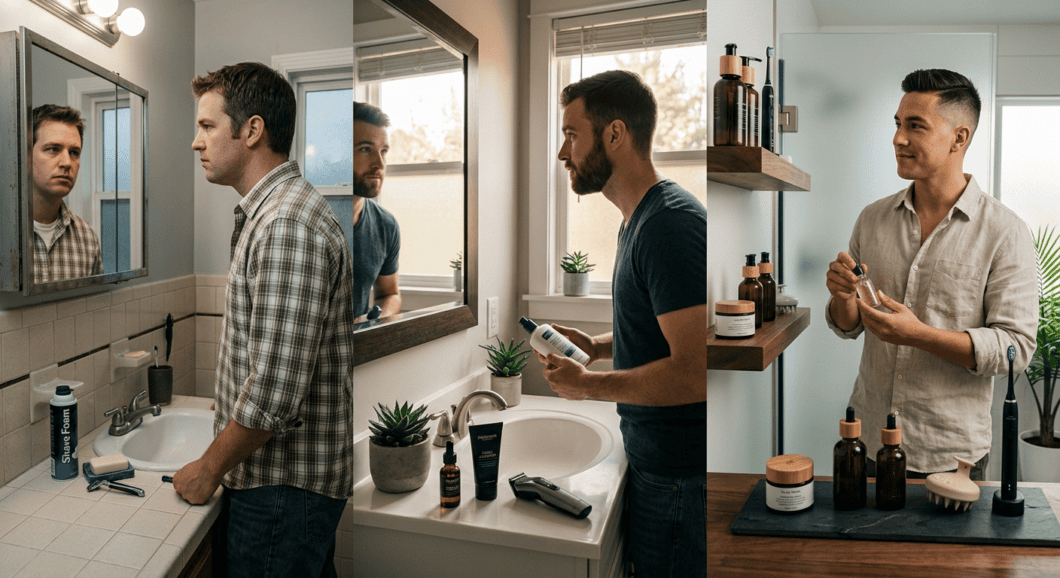
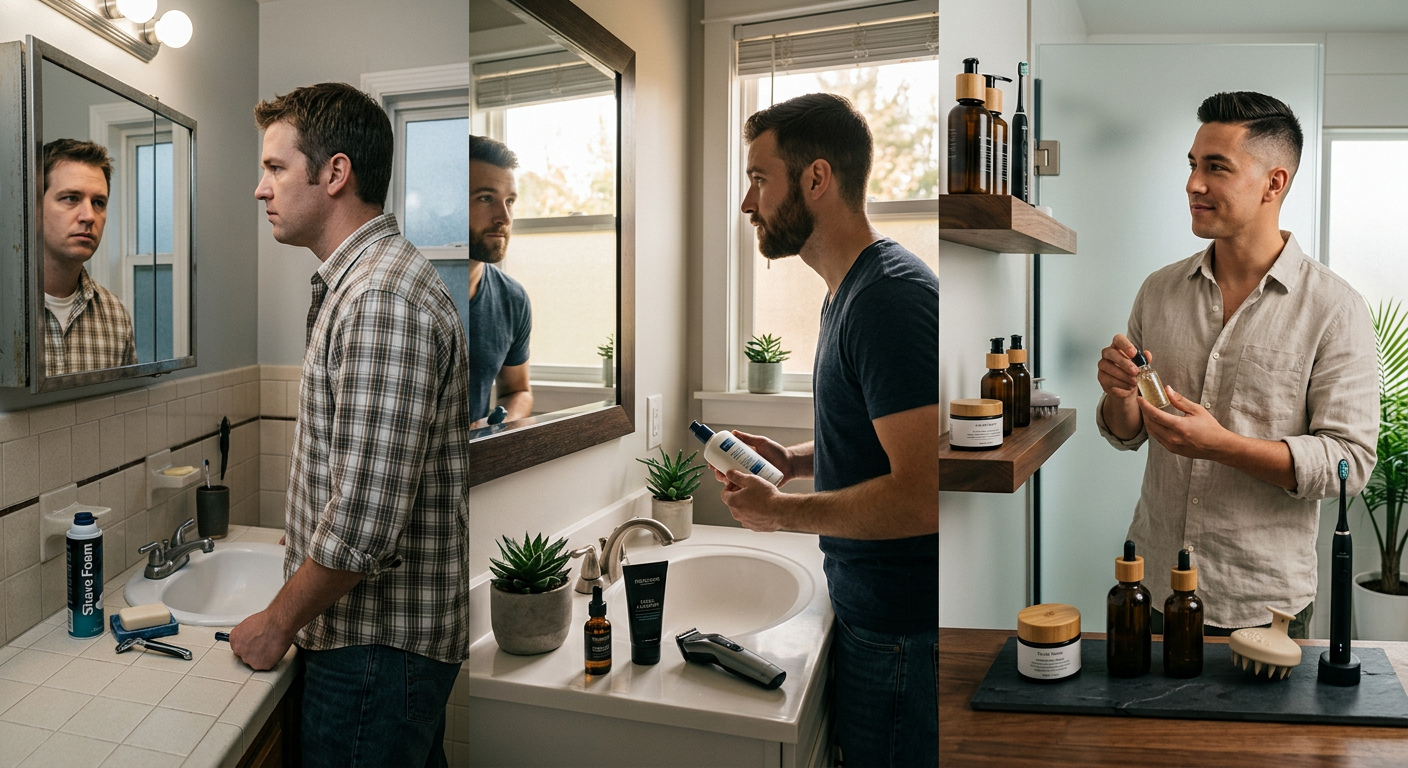
Ask a man in 2005 about his self-care routine and you’d probably get a blank look, or a joke about bar soap. Ask now, and the answer might involve a therapy app, a grooming routine he takes seriously, and a 6 a.m. gym slot he defends like a work meeting. Self-care went from something most men didn’t think about to something a lot of them build their week around. The old idea that looking after yourself was “unmanly” has mostly worn off, and men have worked out that being in decent shape mentally and physically is an edge, not a weakness. The shift shows up in the numbers, in the culture, and in the industries scrambling to keep up.
From Vanity to Necessity: How the Mindset Shifted
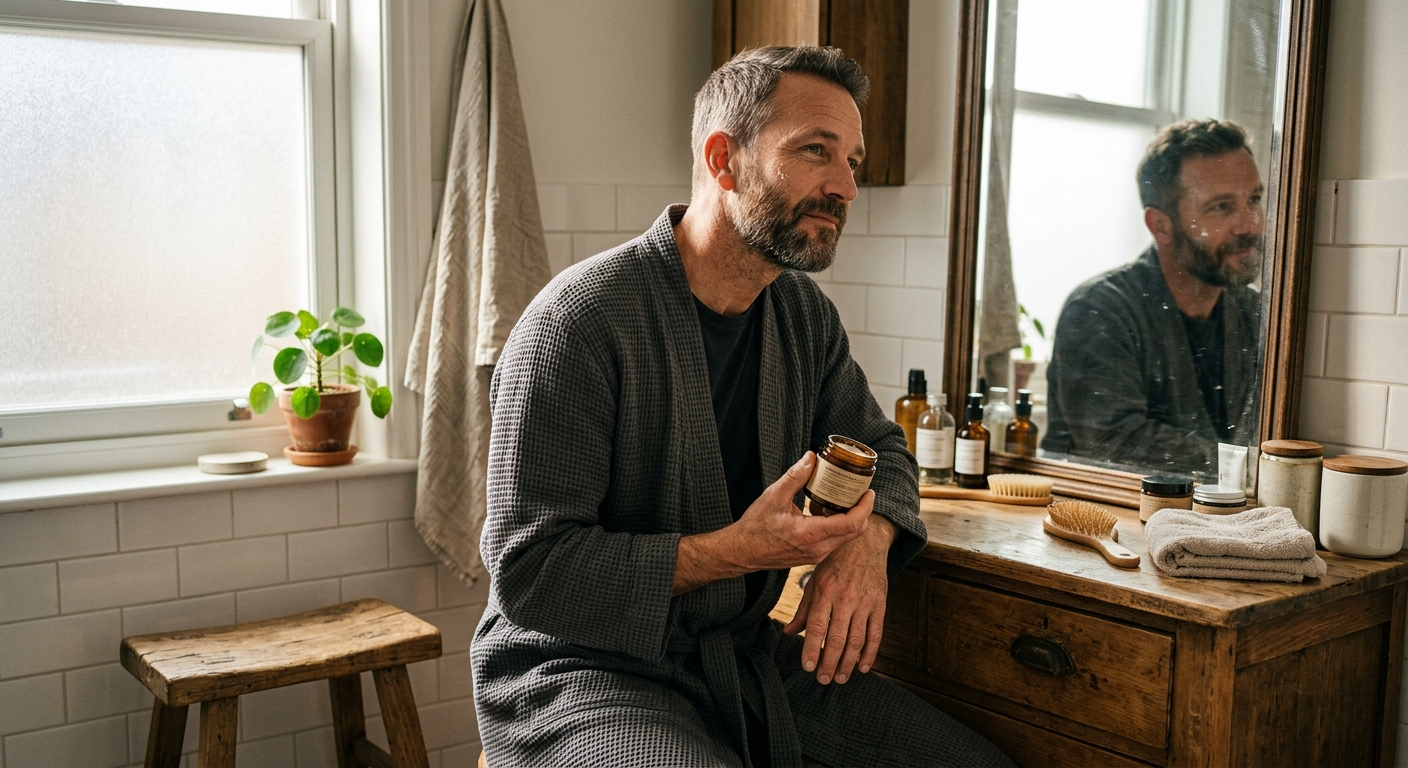
Self-care used to read as a feminine thing, and that kept a lot of men away from it. That association has fallen apart. IPG Therapy points out that self-care has moved “far beyond bubble baths and face masks,” and the assumption that it belonged only to women is gone.
Men tend to treat it now as habit-building rather than pampering. The definition has widened to cover mental, physical, and emotional health at once. That reframing does real work, because it strips away the guilt and self-consciousness that used to stop men from spending time or money on themselves.
The result is a broader definition. Self-care today means practical strategies that fit a full schedule and address the pressures men actually deal with, from career stress to what’s happening at home.
Mental Health: The Biggest Breakthrough

The largest change is that mental health stopped being treated as optional. Men are talking openly about anxiety, depression, and stress in a way that would have been unusual a generation ago.
Public figures sped this up. Athletes like Kevin Love and actors like Ryan Reynolds have talked openly about their own struggles, which made the conversation safer for everyone else, per American Behavioral Clinics.
Technology Lowering the Barrier
A lot of this comes down to access. Telemedicine made therapy more private and more convenient, with apps and video sessions letting men get help without sitting in a waiting room. American Behavioral Clinics reports a 30% jump in male patients choosing online counseling, which tells you convenience was a real barrier all along.
Emotional Intelligence as a Skill
Self-care for men also covers emotional intelligence and keeping relationships in good repair. In practice that looks like actually listening, saying thanks more than once in a while, and dealing with conflict head-on instead of dodging the hard conversation. Nobody is born good at this. It’s a skill you build.
Grooming Rituals: More Than Appearance
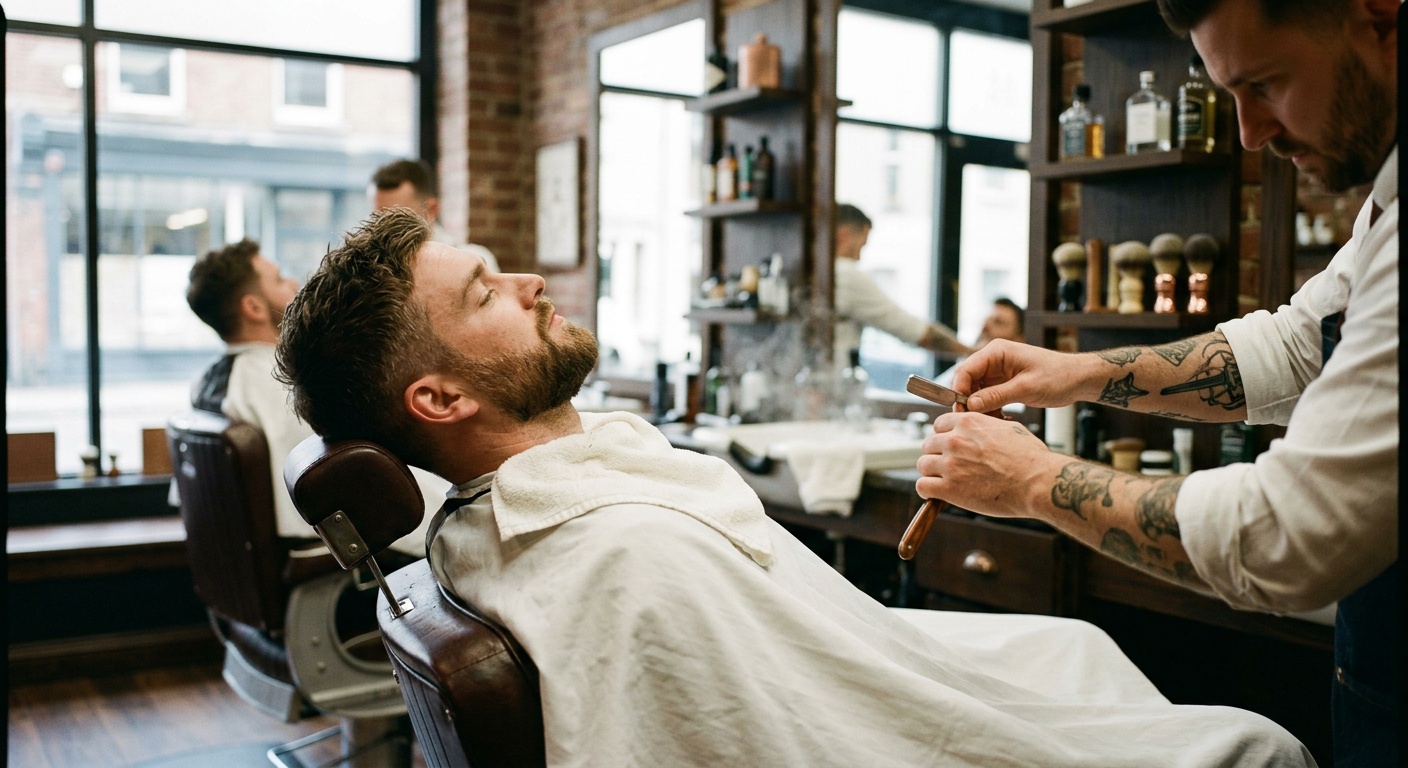
Grooming has shifted from basic upkeep to something more structured. Chaps & Co describes modern grooming rituals as offering “calm, consistency, and confidence” on top of a clean look.
The barbershop plays a bigger role here than people expect. It gives a man a set time to slow down, and the haircut comes with a mental break attached. The value is in the ritual, not only the trim at the end.
That’s why the word “rituals” matters. A routine you repeat creates structure, and structure is what keeps you consistent over the long haul. Showing up as your best self usually starts with a few predictable habits you can lean on.
The Booming Men’s Grooming Market
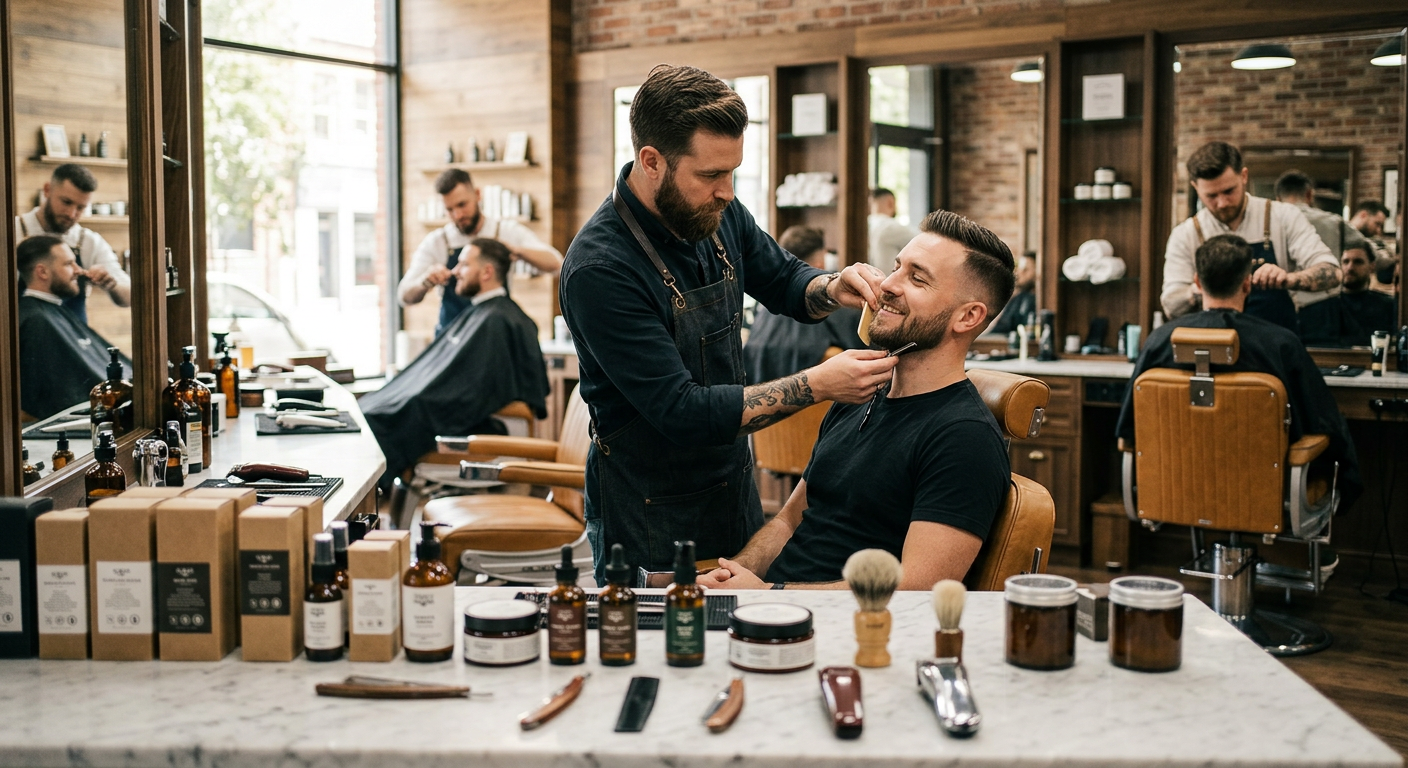
The money side backs up the culture. A category that used to be niche is now a mainstream, high-value market with strong room to grow, according to OEM Cosmetic.
What men expect from products has matured too. Buyers now want clean, high-performance formulas, careful ingredient sourcing, and an experience that engages the senses without getting complicated, as Sweetch puts it.
Brands keep pitching products around wellness rather than looks. Mintel highlights Dove Men+Care, which frames self-care as a selfless act by showing that a man who takes care of himself is better for the people around him.
Then vs. Now: How Men’s Self-Care Has Changed
| Dimension | Past Approach | Modern Approach |
|---|---|---|
| Grooming | Basic maintenance | Structured daily rituals |
| Mental health | Silence and stigma | Therapy, apps, open conversation |
| Products | Bar soap, one-in-all | Clean, targeted formulations |
| Motivation | Appearance only | Confidence and well-being |
| Access to help | In-person only | Telemedicine and virtual sessions |
| Emotional skills | Avoided or ignored | Actively developed |
Building a Practical Self-Care Routine

The routines that last are the sustainable ones, not the extreme ones. You want habits that survive a bad week, not a flawless system you drop after a month.
Start with a few pillars that cover the whole person:
- Physical: Regular movement, consistent sleep, and balanced meals
- Mental: Mindfulness, therapy when you need it, and some limits on screen time
- Emotional: Real relationships and honest conversation
- Grooming: A daily routine that doubles as a reset
- Preventive: Regular check-ups and catching symptoms early
Add them one at a time. Get one habit on autopilot, then bring in the next. A grooming routine in the morning and ten quiet minutes before bed are small anchors that build momentum.
Aim for integration, not perfection. Self-care works best when it fades into the background and just becomes how you run your day.
What Comes Next for Men’s Self-Care

The direction points toward comfort, transparency, and connection rather than more moving parts. Sweetch describes the next stage as a mix of science, sustainability, and sensory innovation.
Expect more accessible mental health tools, cleaner formulations, and services that pair real results with actual rest. The lines between grooming, wellness, and mental health will keep blurring, which mostly works in men’s favor.
The short version: self-care is now a mainstream, evidence-backed practice with clear benefits for body and mind, and the tools to build it have never been easier to find.
Key Takeaways and Your Next Step

Men’s self-care has gone from a stigmatized afterthought to a mainstream practice built on mental, physical, and emotional health. The motivation shifted from looks to necessity, mental health conversations are finally out in the open, and grooming rituals now double as structured downtime.
The evidence stacks up: a 30% rise in men choosing online counseling, a grooming market on a tear, and brands repositioning around wellness. This is a lasting change, not a passing fad.
Pick one thing this week. Choose a single pillar from the list above, build a repeatable habit around it, and let consistency handle the rest.
Frequently Asked Questions
Q: What does self-care mean for men today?
Self-care for men now covers mental, physical, and emotional health, not just appearance. It includes lasting habits like therapy, exercise, strong relationships, and structured grooming routines that fit a full schedule.
Q: Is men’s grooming really connected to mental health?
Yes. Grooming rituals offer calm, consistency, and confidence, and they work as a scheduled moment to reset. Brands and barbershops increasingly treat grooming as part of overall wellness rather than pure vanity.
Q: How can a man start a self-care routine?
Begin with one habit, such as consistent sleep or a morning grooming routine, and make it automatic before adding the next. Prioritize sustainability over intensity so the routine survives your busy weeks.
Q: Are men actually seeking mental health support more now?
They are. American Behavioral Clinics reported a 30% increase in male patients opting for online counseling, driven largely by telemedicine and apps that make therapy more private and accessible.
Q: Why has the men’s grooming market grown so quickly?
Rising demand and better products turned a former niche into a mainstream, high-value segment. Men now look for clean, high-performance formulas with thoughtful ingredients and a simpler, more sensory experience.
Q: Is self-care just a trend for men?
No. The shift is backed by measurable market growth, cultural normalization from public figures, and wider access to mental health tools, which points to a durable change rather than a fad.