

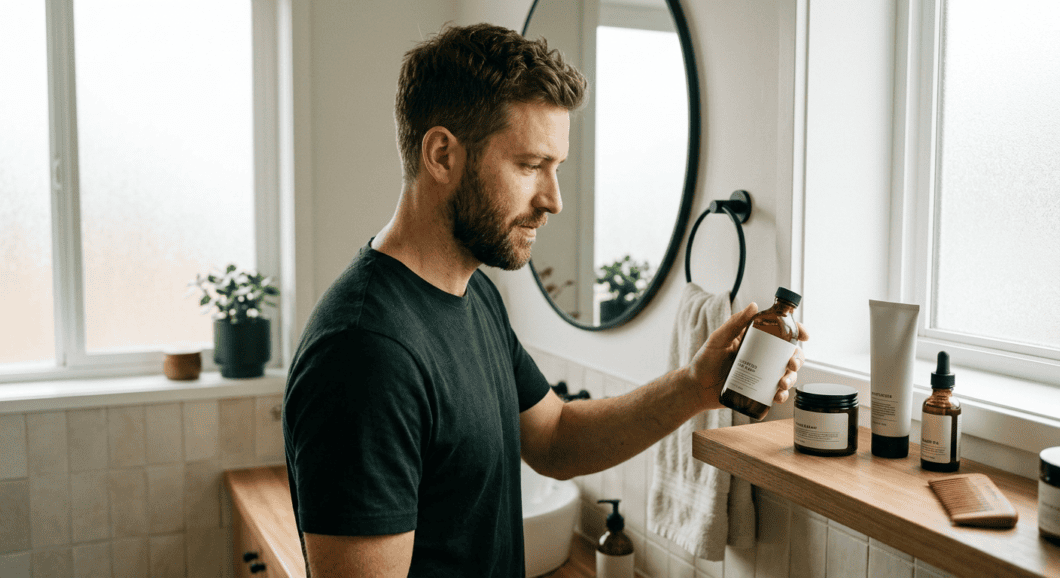
Your face wash, shave cream, moisturizer, and beard oil probably all smell like something. That’s four scented products before most men have finished their coffee, and it adds up. Fragrance is the most common contact allergen in personal care, which is why a growing number of men are dropping scented grooming products altogether. Dermatologists have been recommending the switch for years. Men are only now listening.
This isn’t a niche fix for guys with problem skin. It’s part of a wider move toward simpler routines inside a global male grooming market projected to reach USD 90.63 billion by 2034. What follows is why fragrance-free is gaining ground and how to make the switch without overthinking it.
What “Fragrance-Free” Actually Means
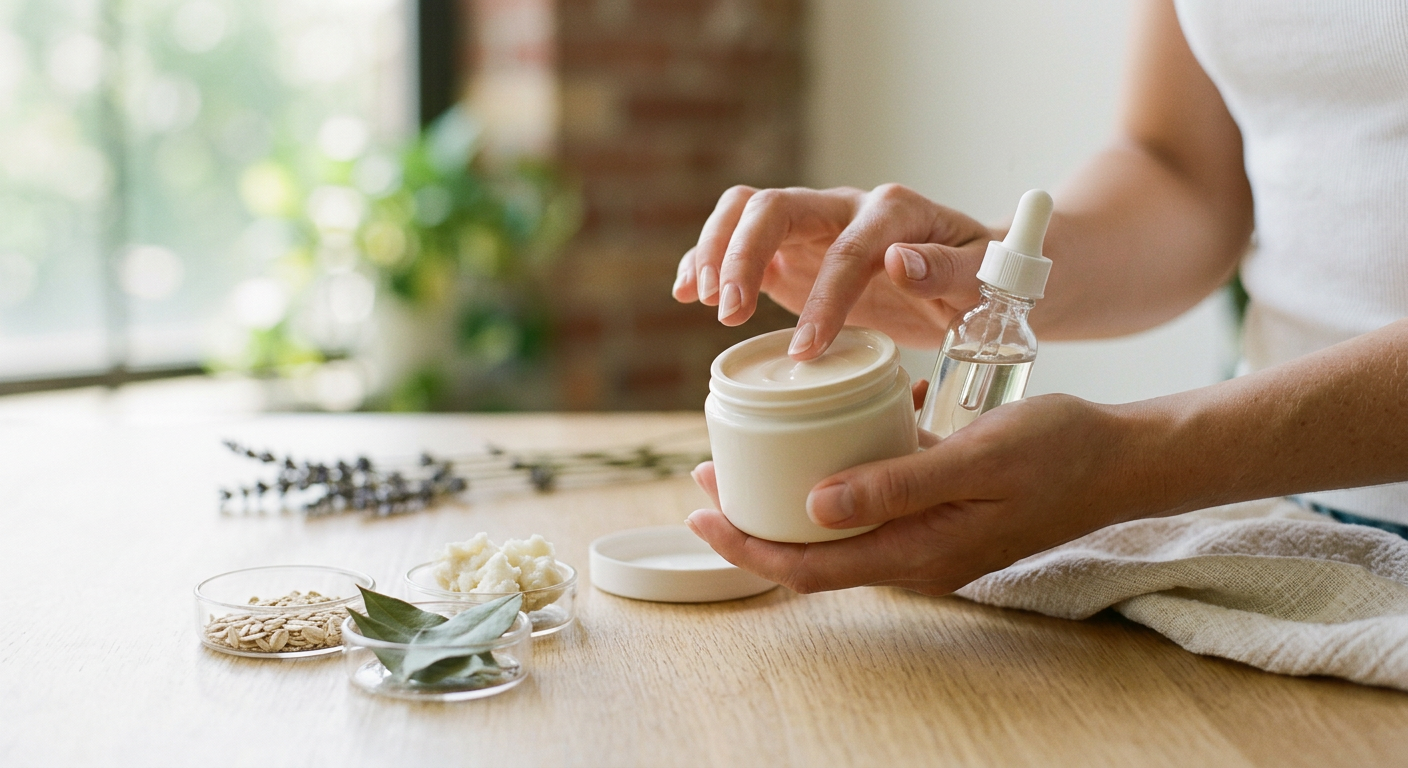
Fragrance-free means a product contains no added scent compounds, synthetic or natural. That distinction matters because “unscented” often means a masking fragrance was added to cover the smell of raw ingredients. The two labels are not interchangeable, and the difference trips up a lot of shoppers.
Fragrance hides on ingredient lists under many names. Grooming educators at Philly The Barber point to “parfum,” “fragrance,” “linalool,” “limonene,” and dozens of other compounds. If your skin reacts easily, learning to spot these names is the first thing to master.
Fragrance-Free vs. Unscented
| Label | What It Means | Best For |
|---|---|---|
| Fragrance-free | No added scent compounds at all | Sensitive, reactive, or allergy-prone skin |
| Unscented | Masking fragrance added to neutralize odor | Men who dislike scent but don’t react to it |
| Naturally scented | Essential oils provide the aroma | Men without sensitivities who want mild scent |
The Skin-Health Case Driving the Shift
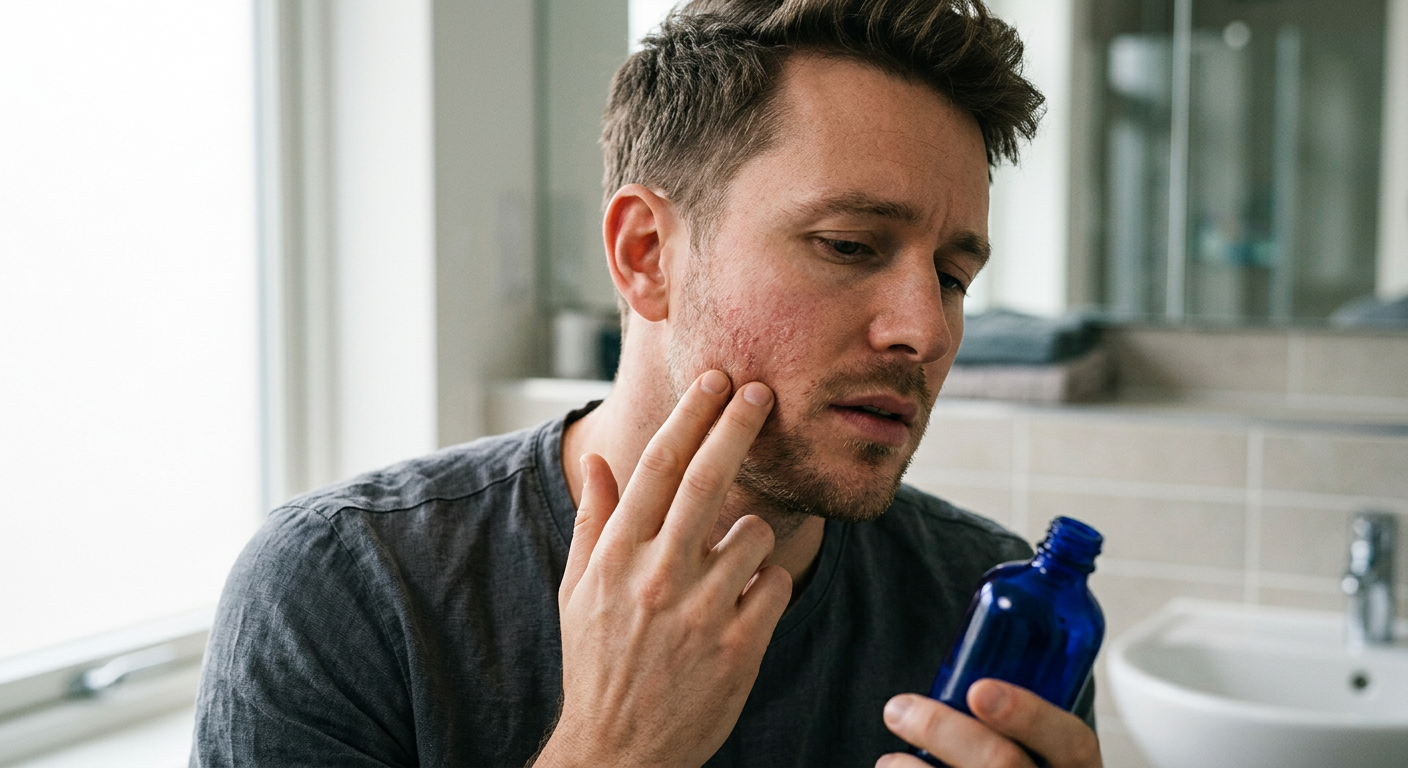
Skin irritation is the clearest reason men are switching. Fragrance is a leading cause of allergic contact dermatitis, and daily exposure compounds the risk. Layer several scented products and the load on your skin climbs fast.
Dermatologists are direct about who should prioritize these formulas. As board-certified dermatologist Dr. Charles Puza told GQ, “Men with eczema, rosacea, psoriasis, or seborrheic dermatitis should consider fragrance-free products as a baseline.”
Shaving Makes Skin More Vulnerable
Men who shave regularly run a higher risk. Shaving temporarily strips the skin barrier and leaves it open to irritants. Slapping a fragranced aftershave onto freshly shaved skin is a common trigger for redness and razor burn.
The shave and beard care segment carries real market weight, projected at a 48.23% share in 2026. That category is exactly where fragrance-free reformulation pays off most for skin health.
Why Men Are Buying More Grooming Products Overall
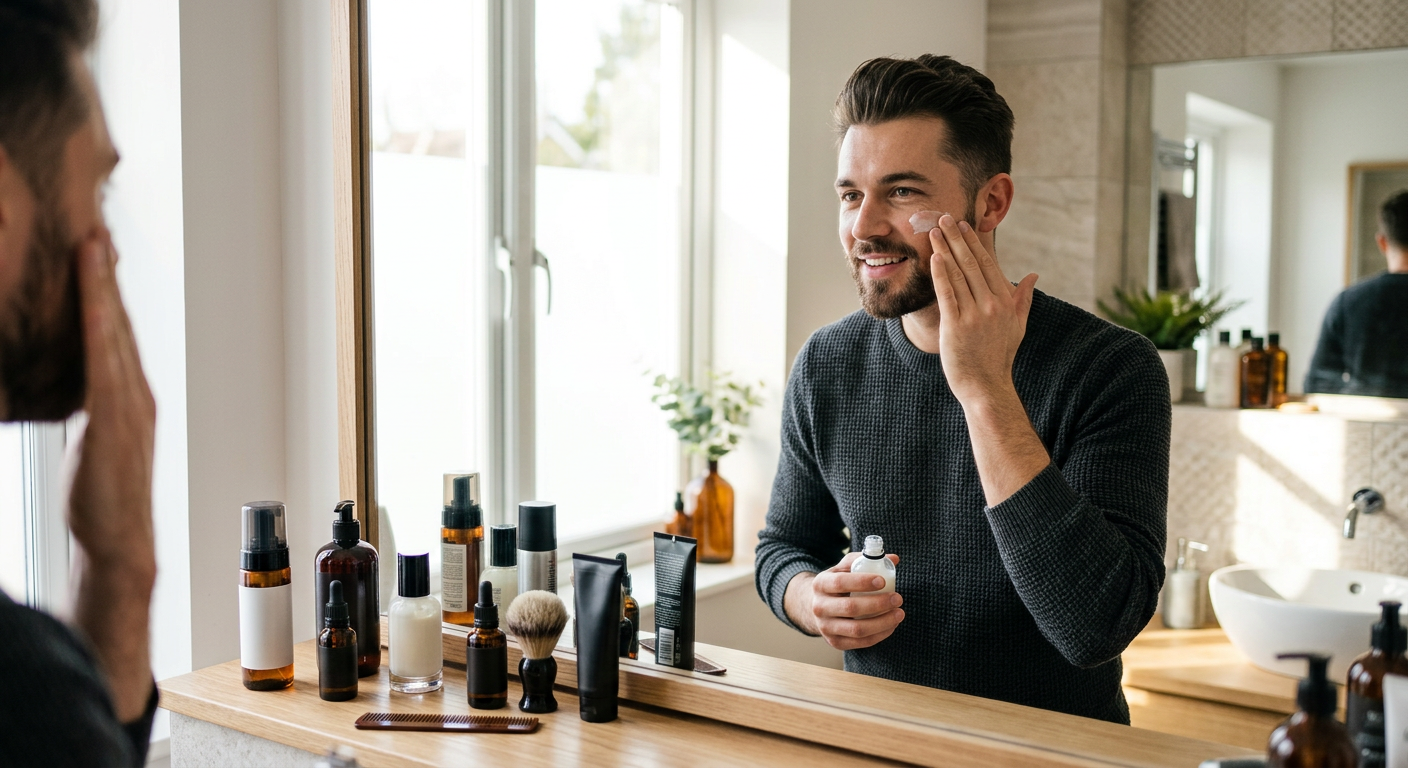
The fragrance-free surge tracks a simpler fact: men are using more products than ever. The global men’s grooming market was valued at USD 64.63 billion in 2025 and keeps expanding across skincare, haircare, and shave care. More products in a routine means more chances for irritation.
Skincare adoption drives much of it. Future Market Insights reports that men are adding face wash and moisturizer to everyday routines, with simpler regimens lowering the entry barrier. Online retail speeds this along by letting buyers compare ingredients and reviews before they buy.
The Multi-Product Problem
A typical modern routine runs cleanser, moisturizer, shave cream, aftershave, beard oil, and hair styling product. The hair styling segment alone is growing at an 8.5% CAGR, fueled by social media tutorials and celebrity styles.
Dr. Puza put the math plainly: “If you’re using multiple grooming products every day, incorporating fragrance-free options can help reduce overall exposure.” Cut fragrance from even two or three products and your total irritant load drops.
Performance Is No Longer a Trade-Off
For years the assumption was that fragrance-free products felt clinical or performed worse. That myth has collapsed. Modern formulas make gentle and effective the same thing.
GQ’s testing points to products that deliver on both fronts. The La Roche-Posay Toleriane Hydrating Gentle Cleanser, CeraVe Ultra-Light Moisturizing Gel, and Vanicream Cleansing Bar all earn top marks while skipping added scent. These are mainstream products you can find at any drugstore, not obscure specialty items.
Brands are reframing fragrance as a choice rather than a default. Grooming brand Noble offers fragrance-free options so “you control your scent” and don’t “mask performance behind overpowering aromas.” That approach lands with men who want to pair a dedicated cologne with neutral base products.
How to Build a Fragrance-Free Routine
You don’t need to overhaul everything at once. Start with the products that stay on your skin longest or touch the most vulnerable areas. Rinse-off cleansers matter less than leave-on moisturizers and aftershaves.
A Simple Starter Framework
Switch in this priority order:
- Aftershave and post-shave balm — applied to a compromised barrier, highest irritation risk
- Moisturizer — leave-on product with all-day skin contact
- Face cleanser — frequent daily use, though rinsed off
- Beard oil or balm — sits directly on skin under the beard
- Body wash and bar soap — large surface area exposure
Reading Labels Correctly
Look for products explicitly labeled “fragrance-free,” not “unscented.” Scan the ingredient list for “parfum,” “fragrance,” “linalool,” and “limonene.” If you have a diagnosed skin condition, choose dermatology-backed brands, which earn trust through proof on sensitive and aging claims.
Still want to smell good? Apply a standalone fragrance or cologne to your clothing or pulse points. That keeps scent off your reactive facial skin while preserving the sensory payoff.
The Bottom Line
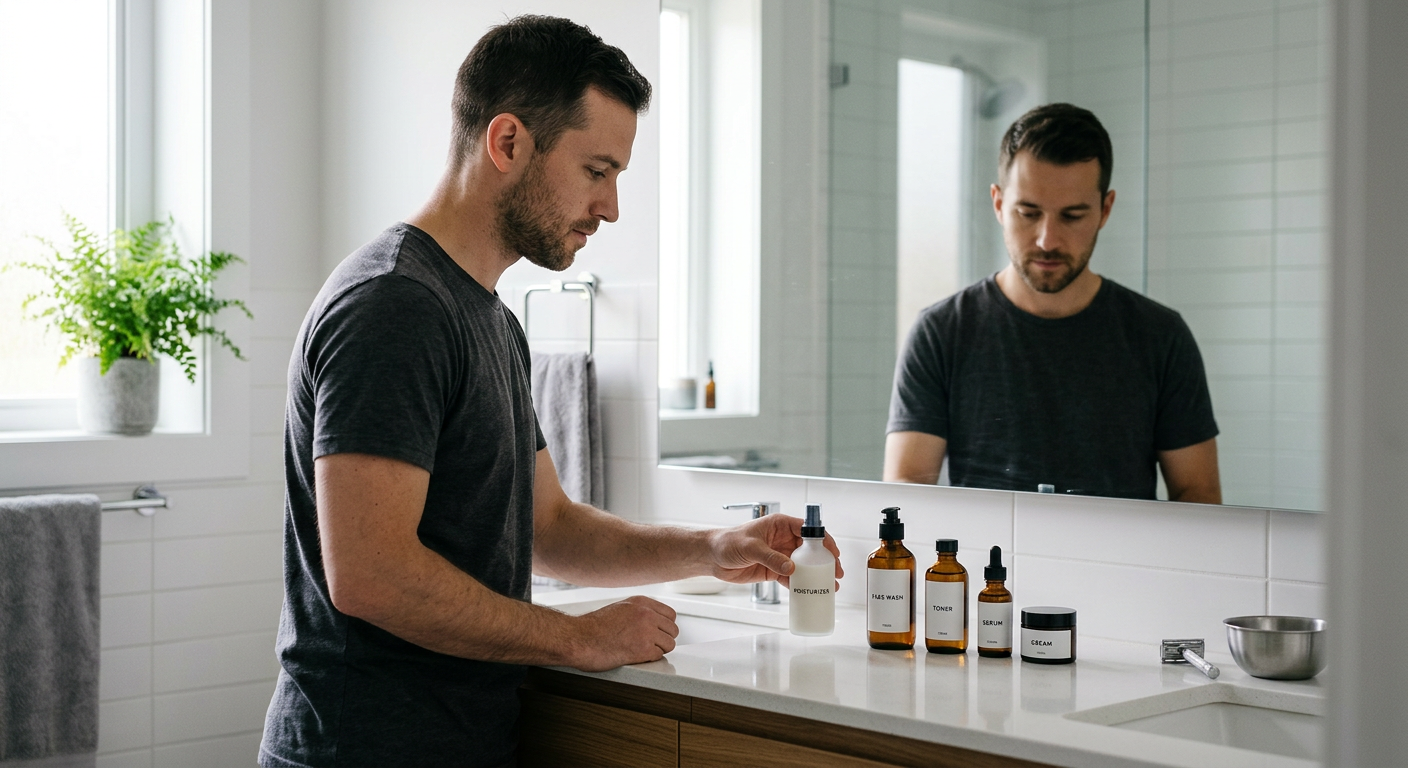
Fragrance-free grooming is growing because the logic is hard to argue with. Men are using more products daily, fragrance is the top contact allergen, and modern formulas perform just as well without it. The trend sits where dermatological science meets a booming grooming market.
A few things to act on:
- Fragrance-free ≠ unscented — check labels carefully
- Prioritize leave-on products like moisturizer and aftershave first
- Shavers benefit most because shaving weakens the skin barrier
- Performance is proven through dermatologist-tested mainstream products
Swap one product this week, ideally your aftershave or moisturizer. Track how your skin responds over two weeks, then expand from there. Your skin barrier will thank you, and you keep full control over your scent on your own terms.
Frequently Asked Questions
Q: Is fragrance-free the same as unscented?
No. Fragrance-free means no scent compounds are added at all, while unscented usually means a masking fragrance was added to hide raw ingredient odors. For sensitive skin, always choose fragrance-free.
Q: Do I need fragrance-free products if my skin isn’t sensitive?
Not necessarily, but they reduce your cumulative irritant exposure across a multi-product routine. Men who shave daily or use several products benefit even without diagnosed skin conditions.
Q: Will fragrance-free products still work as well?
Yes. Dermatologist-tested options like La Roche-Posay Toleriane and CeraVe clean and hydrate well without added scent, which proves gentle and effective aren’t mutually exclusive.
Q: Which grooming products should I switch to fragrance-free first?
Start with leave-on products applied to vulnerable skin, especially aftershave and moisturizer. These stay on your skin longest and touch the most reactive areas after shaving.
Q: Can I still wear cologne if I use fragrance-free grooming products?
Yes. Fragrance-free base products let you apply a dedicated cologne to clothing or pulse points, giving you full control over your scent without irritating your skin.
Q: What ingredient names indicate hidden fragrance?
Watch for “parfum,” “fragrance,” “linalool,” and “limonene,” among dozens of others. If your skin reacts easily, treat any of these as a signal to choose a different product.