


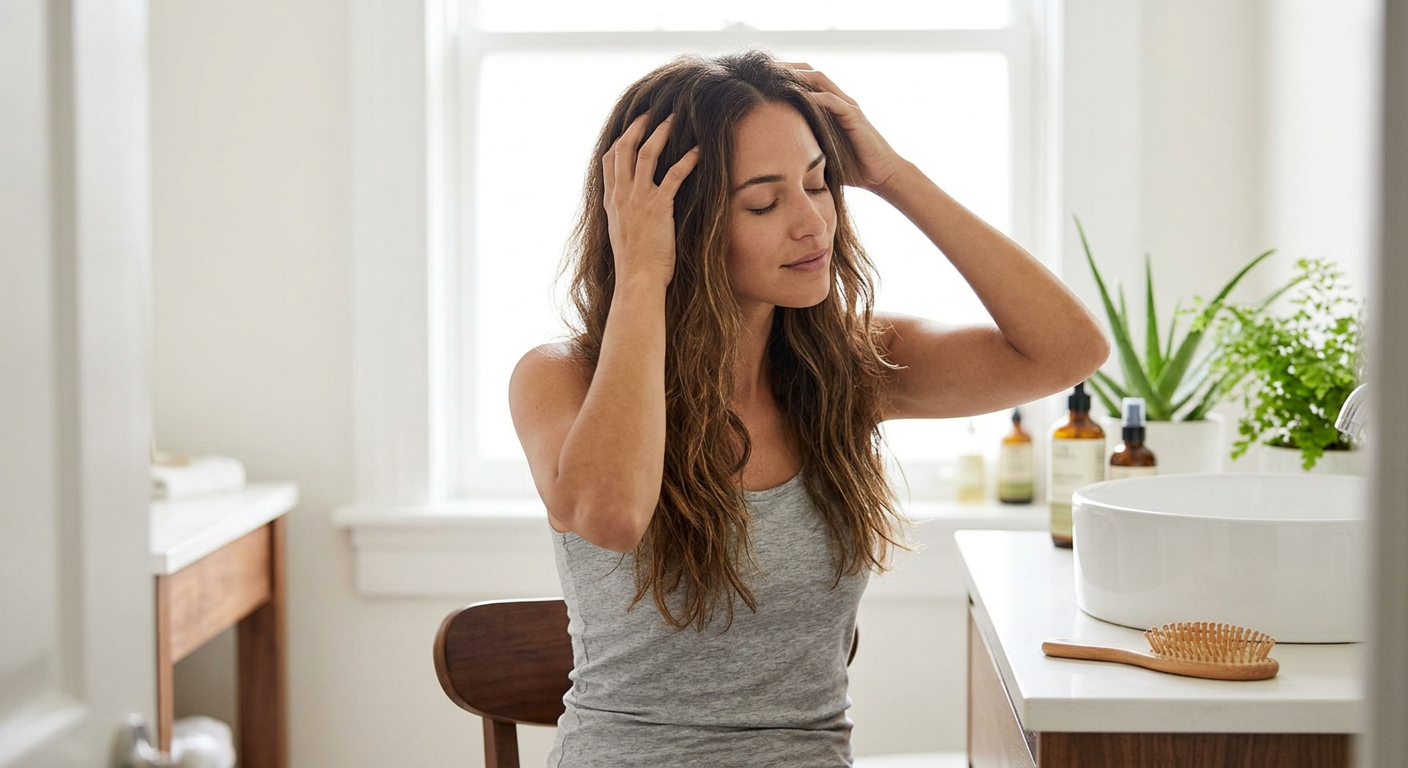
Most people fighting their hair problems are working on the wrong layer. They buy the expensive shampoo, the bond-repair mask, the shine serum, then wonder why the results stall. The trouble usually sits underneath the strands, on skin nobody thinks about until it flakes or itches. A healthy scalp is what lets follicles produce hair that looks full and reflects light, and Cécred makes the same case: the scalp sets the conditions for shinier, stronger, more voluminous hair. This guide covers the habits that change how your hair looks.
Why Scalp Health Determines Hair Appearance
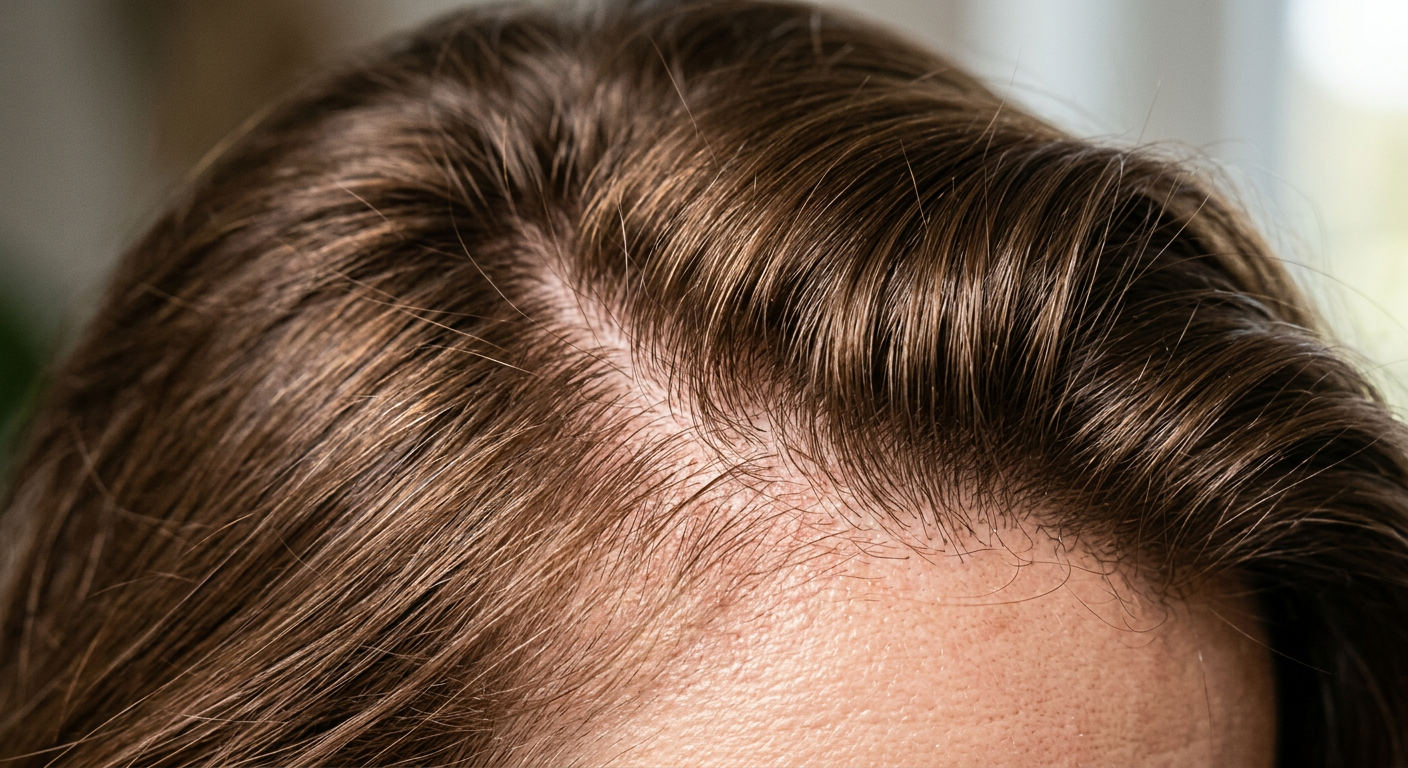
The scalp is living skin, with hair follicles, oil glands, and blood vessels feeding every strand. A balanced scalp produces stronger hair that catches light and looks fuller. An inflamed, clogged, or dehydrated one produces hair that’s dull, weak, and quick to break.
The concern is widespread. A 2026 haircare consumer insights report ranked dry scalp (43%), breakage (41%), and hair thinning (39%) as the top three haircare priorities. All three tend to start at the scalp, not the strand.
Think of scalp care as preventive maintenance. Fixing the root environment is cheaper and faster than repairing chronic damage once it’s already showing up in the mirror.
Wash the Right Way for a Balanced Scalp
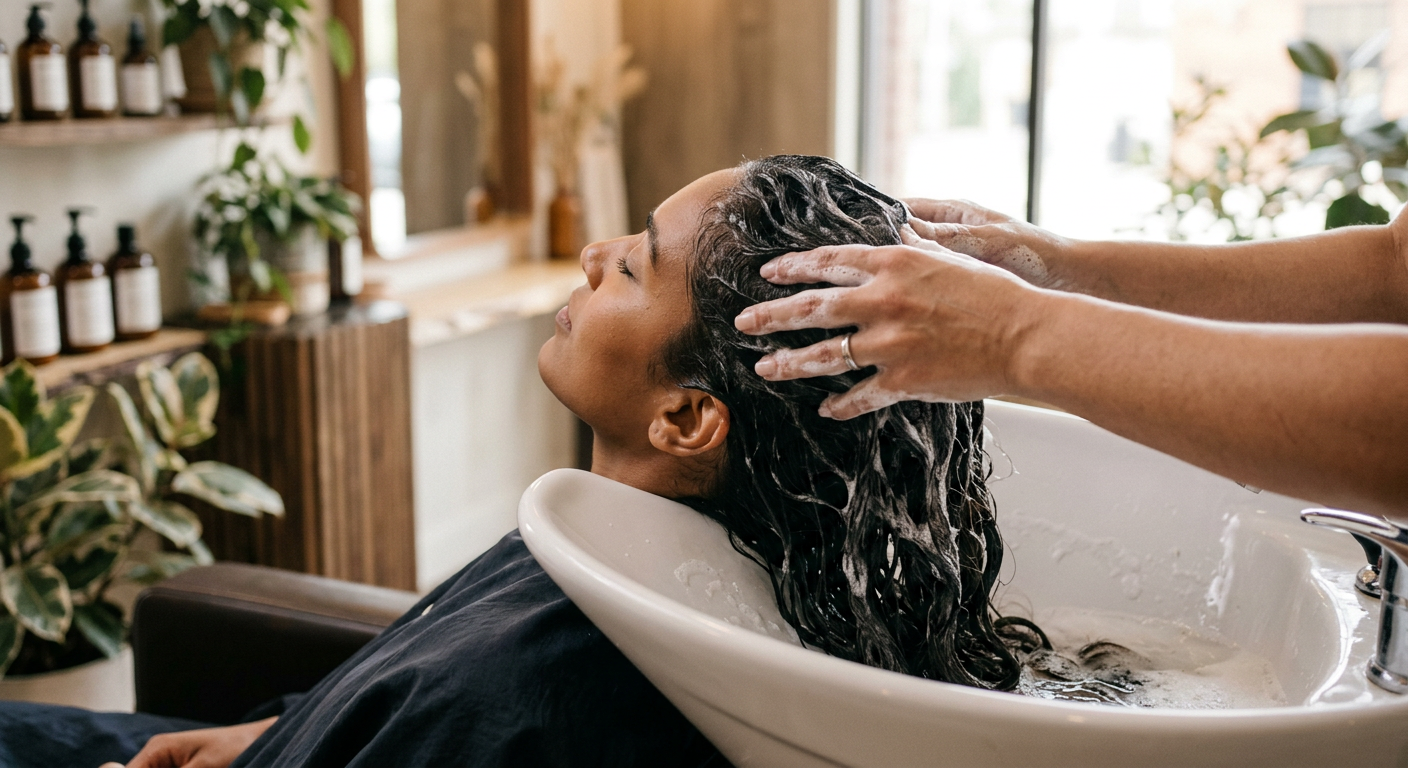
Washing clears excess oil, dead skin, product buildup, and pollution. Get it wrong and you go one of two directions: stripped and dry, or clogged and greasy. Both leave the hair looking flat.
How Often Should You Wash?
There’s no single right number. Oily scalps often need a wash every one to two days. Dry or curly types can stretch to three to five. The CDC recommends regular washing as part of basic hair and scalp hygiene, to prevent the buildup and conditions that damage scalp health.
Consider Double Cleansing
Heavy styling products and oils are hard to remove in one pass. Double cleansing—shampooing twice—clears the stubborn residue so the scalp can breathe. Work the shampoo into the scalp itself and let the runoff clean the lengths on the way down.
Comb Before You Wash
Detangle before your hair gets wet. Hair care guidance from Dear Peachie notes that combing first helps shampoo foam better and cuts down on friction, which means less hair fall and breakage during the wash.
Brush and Massage to Stimulate the Scalp

Brushing isn’t only about frizz. Living Proof explains that it moves the natural oils and sebum from your roots down the shaft, conditioning the hair and adding shine along the way.
Massage does something different but just as useful. A few minutes of gentle circular pressure with your fingertips raises blood flow to the follicles, which helps deliver oxygen and nutrients. Do it dry, during a shampoo, or with a scalp brush—whatever fits your routine.
Consistency beats intensity. Two to five minutes a day does more than an occasional aggressive session, which mostly irritates the skin and stresses the follicles.
Common Scalp Mistakes That Sabotage Your Hair

A good routine can still be undermined by a few small habits. Fix these and the improvement often shows within weeks.
| Habit | Why It Harms | Better Approach |
|---|---|---|
| Rubbing hair vigorously with a towel | Open cuticles on wet hair break easily under friction | Blot gently or use a microfiber towel |
| Sitting with wet hair for hours | Creates a breeding ground for scalp bacteria and irritation | Dry hair promptly after washing |
| Over-oiling the scalp | Can clog follicles and trap buildup | Use oils sparingly, focus on lengths |
| Skipping detangling before washing | Increases breakage and hair fall | Comb through before shampooing |
| Washing with very hot water | Strips natural oils and dries the scalp | Use lukewarm water |
The wet-hair habit is worth singling out. Curlsmith warns that keeping your hair and scalp wet for long stretches—like piling soaking hair into a bun—builds ideal conditions for unwanted bacteria and can set off an itchy scalp.
Oiling causes a lot of confusion too. Plenty of people oil their scalp expecting faster growth, but Curlsmith advises against it: the excess oil clogs follicles rather than helping them.
Hydration and Nutrition for a Healthy Scalp

Scalp health isn’t only a topical matter. Your skin—scalp included—shows your overall hydration and diet. Cécred points out that drinking enough water and eating a balanced diet with the right vitamins and minerals supports skin health across the whole body.
Key Nutrients for Hair and Scalp
- Protein: Hair is largely keratin, a protein; enough of it supports strong strand formation.
- Iron and zinc: Deficiencies are linked to hair thinning and shedding.
- Omega-3 fatty acids: Support scalp hydration and cut down on dryness.
- Vitamins A, C, and E: Aid sebum production, collagen, and follicle protection.
Hydration works from the inside out. A dehydrated body sends water to vital organs before skin, which can leave the scalp flaky and the hair brittle. Steady water intake through the day beats chugging a lot at once.
Manage the Scalp Environment and Lifestyle

Your scalp reacts to far more than what’s on the bathroom shelf. Stress, sleep, sun, and product choices all shape how it behaves, and how your hair looks as a result.
Chronic stress can disrupt the hair growth cycle and add to shedding. Recovery habits—enough sleep, regular movement, some way of managing stress—keep the scalp environment stable. Research on scalp hair health and hair care practices has found that hygiene practices vary widely between populations and directly affect outcomes like dandruff.
Protect Against Environmental Stressors
Sun damages the scalp the same way it damages your face. Wear a hat when you’re outside for a while. After swimming, rinse the chlorine or salt water out of your scalp before it dries and irritates the skin.
Match your products to your scalp type. A gentle, sulfate-conscious shampoo plus a conditioner applied to the lengths—not the scalp—keeps things balanced without adding buildup.
Conclusion: Build Habits That Last
Healthy hair starts at the scalp, and the habits that matter are simple and repeatable: wash for your type, detangle before you wash, brush and massage to move oils and boost circulation, avoid the mistakes that cause breakage, and feed the scalp from the inside with water and good nutrition.
None of this needs expensive products or a ten-step routine. It needs consistency. Pick one or two changes this week—switch to gentler towel-drying, add a two-minute scalp massage—and build from there over the following months.
How your hair looks comes straight out of the environment you build for it. Take care of the scalp first and the strands follow.
Frequently Asked Questions
Q: How often should I wash my scalp for healthy hair?
It depends on your scalp type. Oily scalps may need daily or every-other-day washing, while dry or curly types can wait three to five days. Aim the shampoo at the scalp rather than the lengths to clear buildup without over-drying.
Q: Does scalp massage actually improve hair appearance?
It does. Massage raises blood flow to the follicles and spreads natural oils along the hair shaft, adding shine and supporting healthier growth. A steady two-to-five minute daily routine works better than occasional intense sessions.
Q: Is oiling my scalp good or bad for hair?
On the lengths, oil adds conditioning and shine. On the scalp directly, it can clog follicles and trap buildup. Curlsmith recommends using oils sparingly and keeping heavy application off the scalp.
Q: Why does my hair break when I towel-dry it?
Wet hair has open cuticles that leave the strands fragile and prone to breakage under friction. Rubbing hard with a rough towel makes it worse; blot gently or use a microfiber towel instead.
Q: Can diet really affect my scalp and hair?
Yes. The scalp is skin, and it reflects your overall nutrition and hydration. A balanced diet with protein, iron, zinc, omega-3s, and key vitamins, plus enough water, supports scalp health and stronger hair.
Q: How long until I see improvements from better scalp habits?
Many people notice less irritation and shinier hair within a few weeks. Stronger, fuller growth takes longer, since hair grows roughly half an inch a month. Several months of consistency gets you the most visible results.